

Stuck at Home and Back to Basics
Monday 13 April 2020, 19:38 by Lorette Janssen | 7,286 views | 4 commentsThis article was translated from Dutch with the help of AI. Read the original.
With more and more people required to work from home or stay at home because of the coronavirus, and with more and more events being cancelled, many photographers are finding it a challenge to stay inspired.
Especially if you don't want to lose your photography skills, or were perhaps planning to start taking photos.
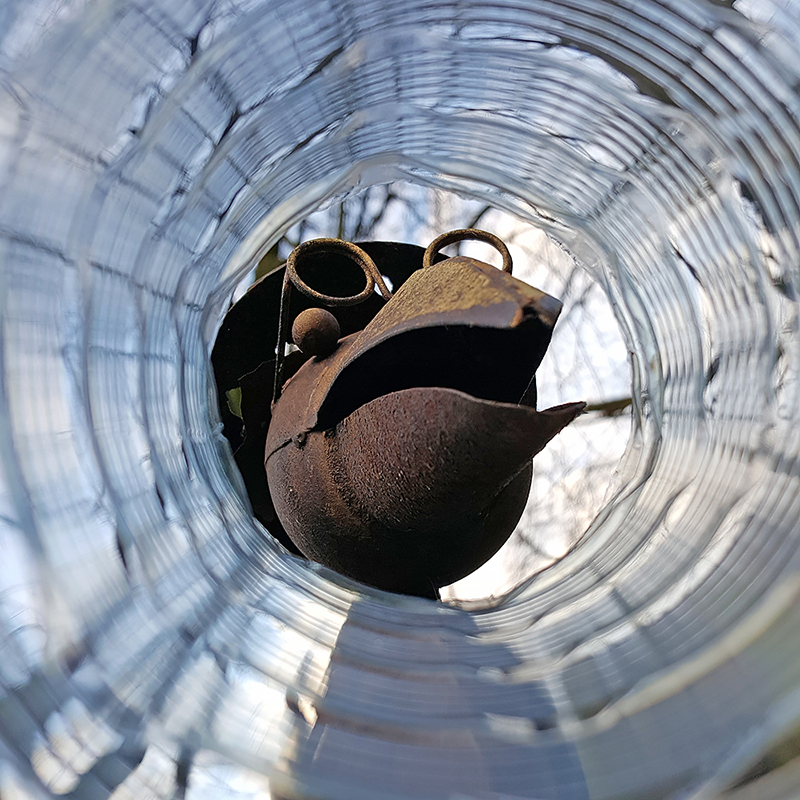
It doesn't really matter whether you want to do this with a camera or a mobile phone, as the basic knowledge you need applies to both. For this article, most of the photos were made with a mobile phone, by the way.
Photography always starts with practising how to look at things differently, for example at the most everyday objects around you. Things you normally no longer pay attention to and cannot describe just like that, often not in detail either.
And where better to do this than at home? Walk around your home and look at everything in it as if you were seeing it for the first time.
Then choose an object and think about how you could photograph it as attractively or unusually as possible. To achieve this, it helps to look at the chosen object from as many directions, distances and different places as possible.
At the same time, you need to pay close attention to whether there is enough, too little or too much light falling on your subject.
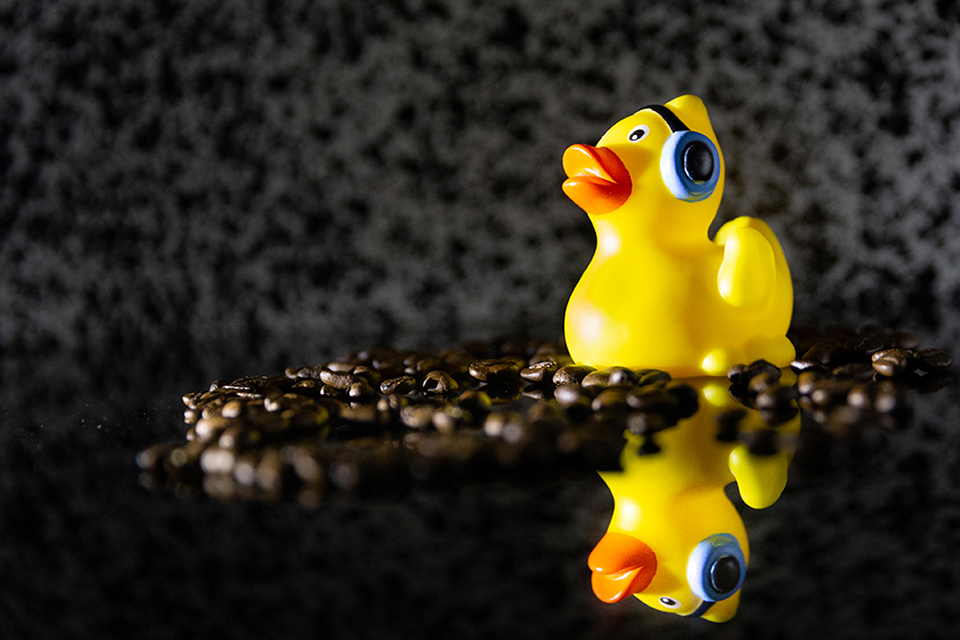
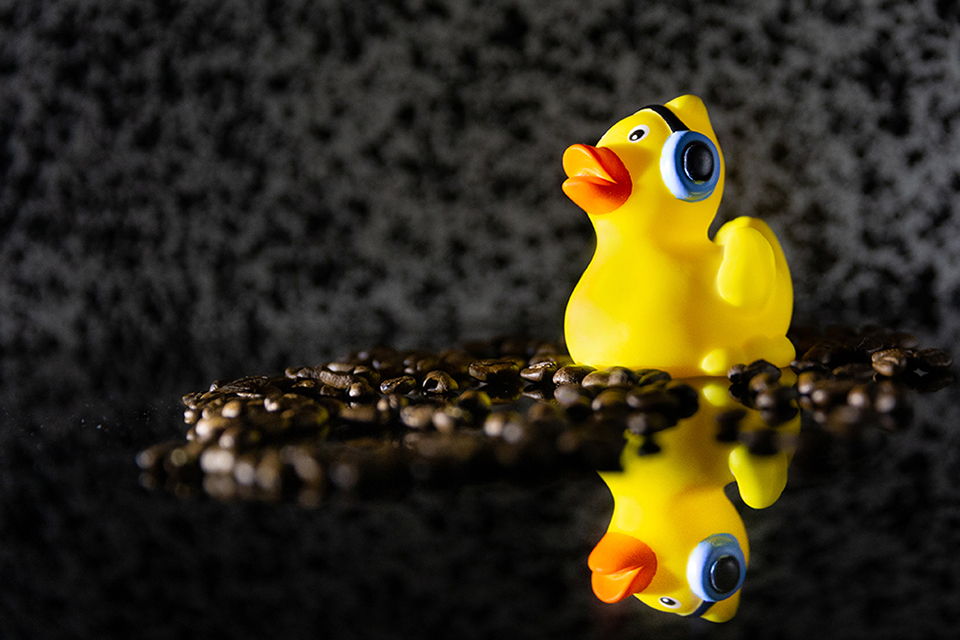
But also pay attention to the quality of the light. Do you want soft or hard shadows? And once you have finally found your best viewpoint, decide on your framing and where in the image you want to place your subject. This is also called framing your image.
You may be surprised by how much time this can take, but this is how you learn all the ingredients needed to create a beautiful composition. Practice makes perfect, so after a while it will become easier and easier.
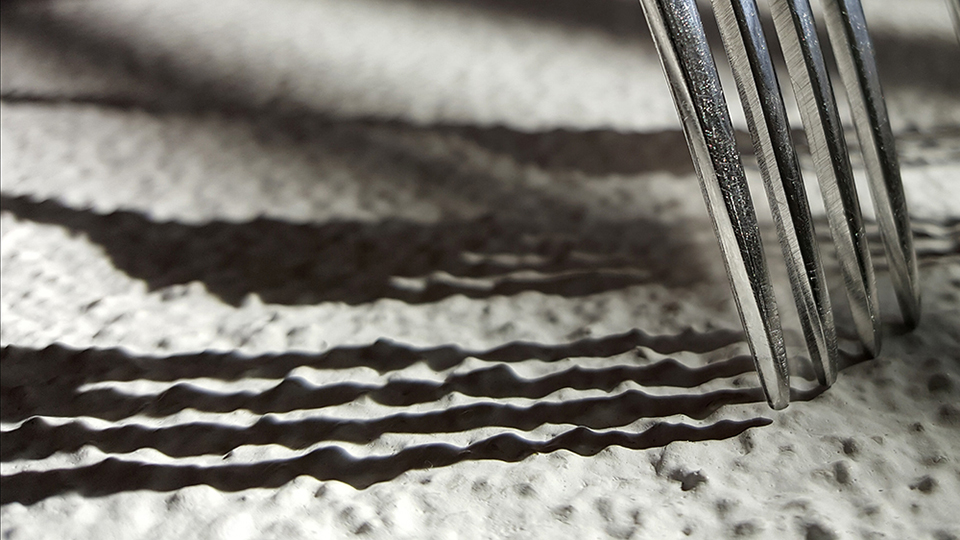
For the more experienced photographer, this may be a fun practical exercise to keep your skills fresh or improve them even further.
For the beginner who may never have heard of composition in relation to photography, this is probably an excellent opportunity to learn the basics at your own pace in familiar surroundings.
With this article, I am trying to make as much as possible clear to the latter group, using as little text as possible and a few examples.
Composition basically means making considered use of a particular arrangement in your photo, putting the emphasis on what you really want to show.
Compare it to an advert or shop window, where the product gets the attention because your brain naturally and automatically guides your eyes to that spot.
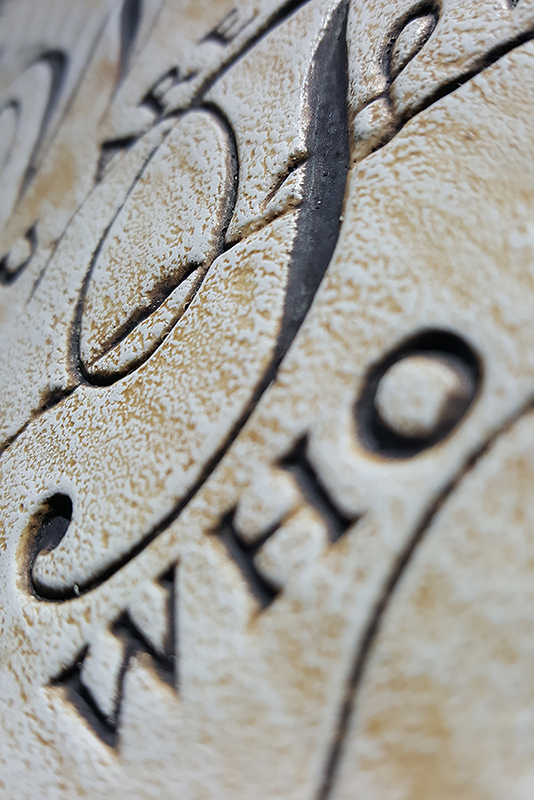
You create a photo like this by learning to look differently and much more consciously. Be aware of the available light and look at what it does to your subject from the position where you are standing as a photographer. Is there too much, too little or too harsh light, and are there any distracting elements in the background?
Consciously choose the position of your subject or yourself. Are you standing directly in front of your subject and, for example, trying to show symmetry, or are you photographing from a particular perspective, low from the ground, at eye level, looking down or at an angle?
Also remember that strong colours can produce a fun result. Just as a busy or quiet background can.
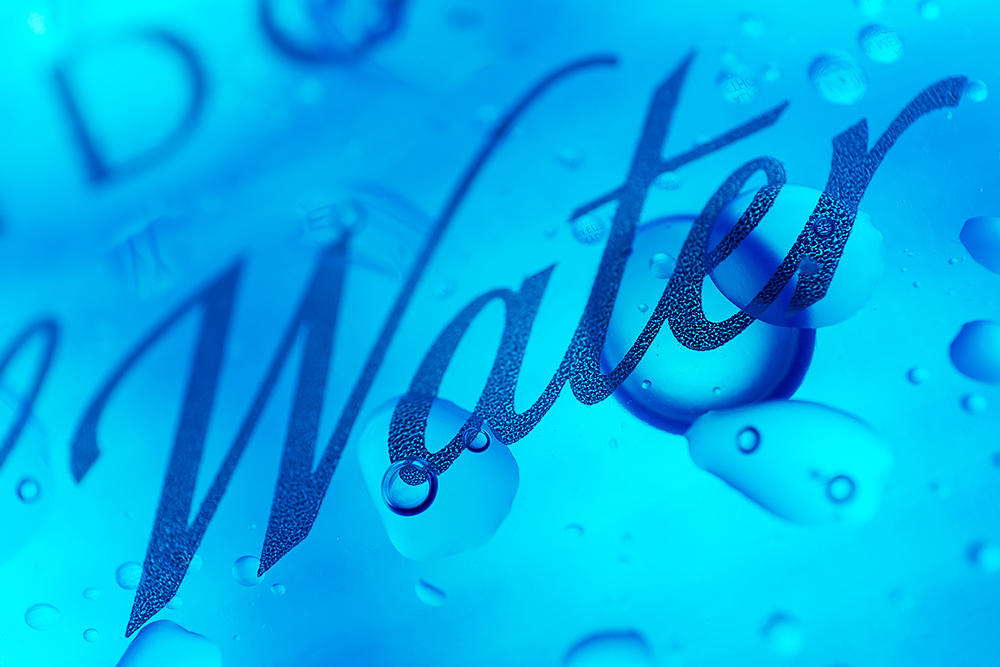
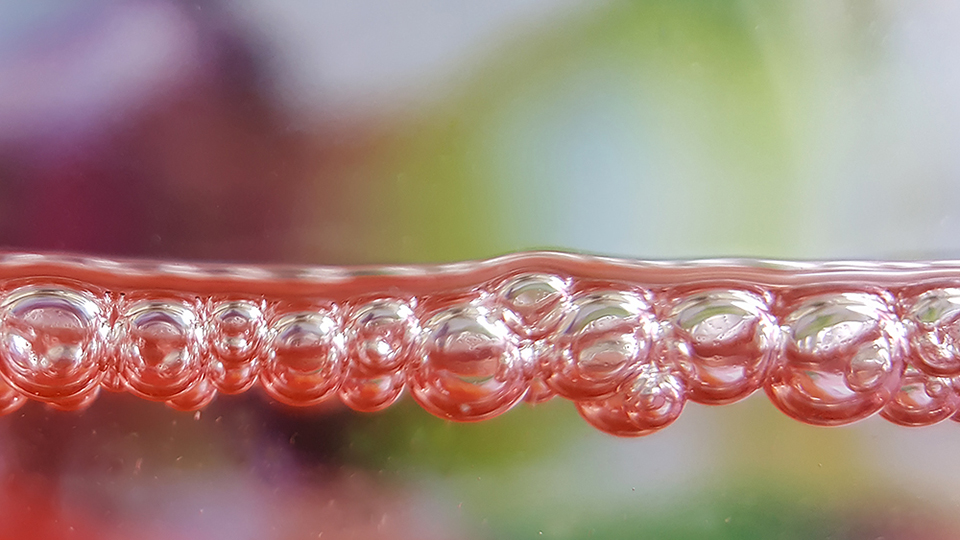
If your subject is clearly visible, deliberately in focus or out of focus, large enough in the frame or perhaps too small, you can adjust your composition accordingly. These are all factors that can make or break a photo. And these are exactly the things you can practise at home, at your leisure, as much and as often as you like.
As mentioned, it doesn't matter whether you do this with a mobile phone or a camera. In every case, you also learn about the limitations and possibilities of the camera you are using. Since I also promised not to make this too long, I would like to finish with a tip.
Don't just take photos in portrait orientation (vertical), but also hold your device, especially your mobile phone, horizontally (landscape orientation) and ask yourself why one image works better than the other.
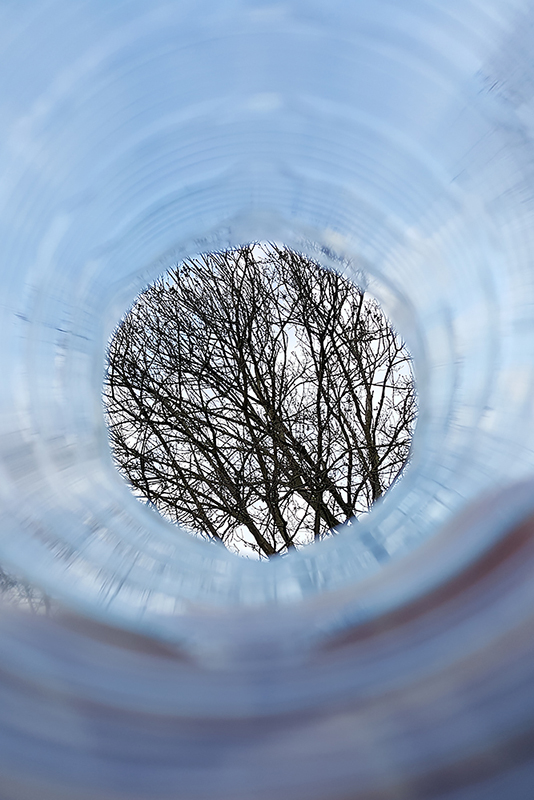
I would love to know who will get started at home like this and keep surprising themselves more and more. In any case, I wish you all the best and above all, stay healthy!!
About the author
De laatste jaren heb ik samen met mijn man, Huub Keulers, de nodige sportevenementen, kinderen en honden gefotografeerd maar ook meegewerkt aan de ontwikkeling van onze fotoworkshops en webdesign diensten. Het liefst fotografeer ik honden en mensen zoals ze zijn, dus zo ongedwongen en puur als mogelijk.
You might also like
-
 6 tips to get through the pandemic
by Michelle Peeters
-
.jpg "Nature photography tip: Look closer to home too") Nature photography tip: Look closer to home too
Nature photography tip: Look closer to home tooby Rob Dijkstra
-
 Creative ideas to try at home
by Michelle Peeters
-
 The basic settings for action photography
by Nando Harmsen
-
 The basics of photography in 10 minutes
by Elja Trum
4 comments
-
 Jacqueline de Groot wrote on Tuesday 14 April 2020 at 13:50 | reply
Hello Lorette! Thank you for your great article. I have very fond memories of the workshops with you and Huub. You are knowledgeable and very warm and friendly. A good basis for a day full of learning. Hopefully see you again!
Translated from Dutch. -
 Chantal wrote on Tuesday 14 April 2020 at 16:07 | reply
Another one with lots of interesting tips thank you for this Lorette
Translated from Dutch. -
 Lorette Janssen wrote on Wednesday 15 April 2020 at 19:41 | reply
Hi Jacqueline, thank you for your nice comment. Huub and I also have fond memories of the workshops you took part in (and hopefully will again in the future). Fun and eager-to-learn participants are also a good basis. Even nicer is that other connection, which means we stay in touch even after the workshops
Translated from Dutch. We hope to see each other again before too long.
 -
Lorette Janssen wrote on Wednesday 15 April 2020 at 19:43 | reply
Hi Chantal, thank you for your nice response. Good to read that there are still interesting tips in there for you
Translated from Dutch..
Have your say
Please note: Articles older than a week can only be commented on by signed-in visitors.Would you still like to comment? sign in or create a free account.
Become a better photographer every week
A practical photography tip in your inbox every week.
39,027 photography enthusiasts already receive the tips! More about the weekly mail. Or keep up to date via  Facebook.

Elja Trum
Photofacts; everything to do with photography!
Would you like to take better photos and keep up with what is happening in photography? Photofacts publishes articles that teach you something about photography — from a product announcement to a practical shooting tip or a look at a website. Photofacts covers photography every day and is a hobby project of Elja Trum's that got out of hand. The articles are written by a team of volunteer authors. If you would enjoy writing one or more articles for Photofacts, do get in touch.More about PhotofactsPhotofacts is made possible in part by
