

Tips for a photography trip. Part 3: know your camera
Wednesday 9 November 2022, 10:03 by Nando Harmsen | 4,640 views | 0 commentsThis article was translated from Dutch with the help of AI. Read the original.
To go on a photography trip without a care, I have a number of tips to help you take photos with a group without any worries. I draw on the experience I have gained from the many situations I have encountered as a photography trip leader.
The first part covered the camera bag and how to handle it during your trip, the second part covered the tripod. This third part is about knowing your camera. Learn how this little device works, what it can do, and what its limitations are. That way, you can be sure you come home with the best photos.
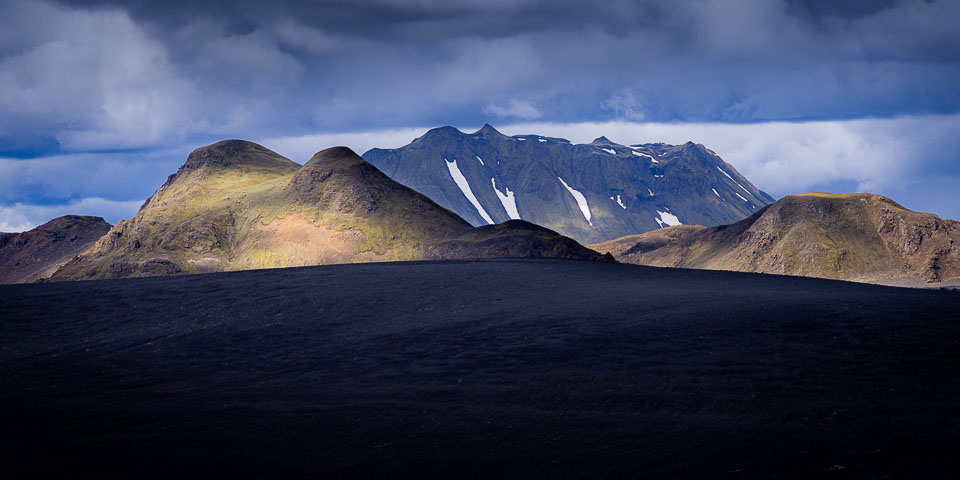
Did you know that some photographers buy a camera just before a trip? Although the temptation can be great when you are going on the trip of a lifetime, it is better to take a camera with you that you have already been using for a while, a camera you know well.
If you want a new camera, buy it six months before you go on your trip. This gives you time to get used to the controls, the possibilities, and even the limitations. The last thing you want is to have to search through the manual on location because something is not working.
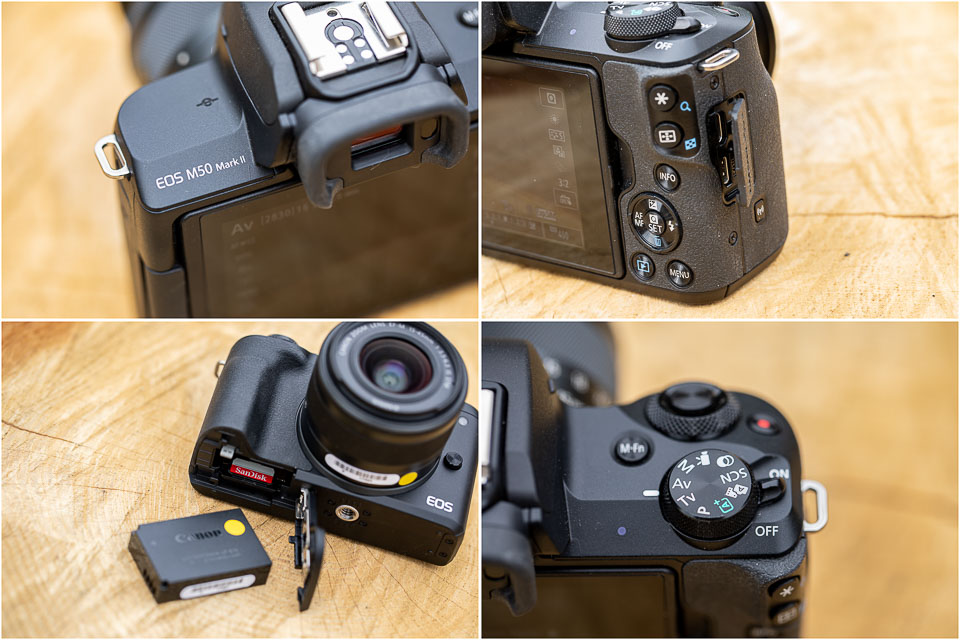
Get familiar with your camera's controls
As a photographer, you naturally know about the three settings that make a correct exposure possible. But do you know how to use them properly on your camera? Do you know which button sets the ISO, how to use auto ISO and how far you can safely raise the ISO?
Do you know how to set the shutter speed quickly and easily? How far can the shutter speed go before you have to switch to bulb? Do you know where to find bulb, or perhaps your camera has a time (T) setting?
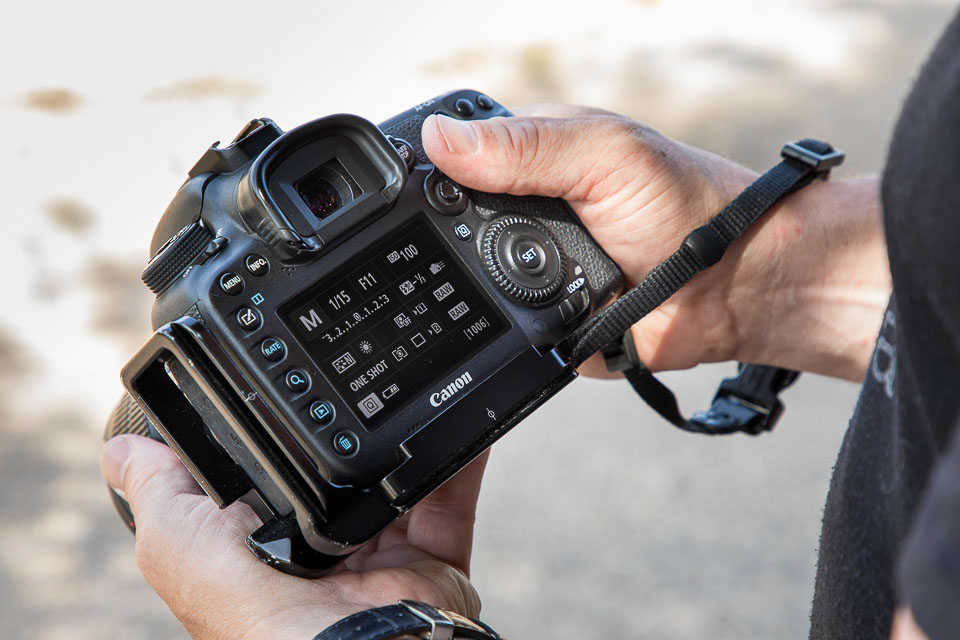
Besides that, know where to find bracketing and the self-timer. Know the options for burst shooting, or perhaps even a timelapse. Know your camera's AF options and how to set them.
This all sounds logical, but finding and setting these things on a trip is different from doing so while sitting comfortably on the sofa at home. Do you know what to do or check when some buttons suddenly no longer seem to work, or when no photos can be written to a memory card?
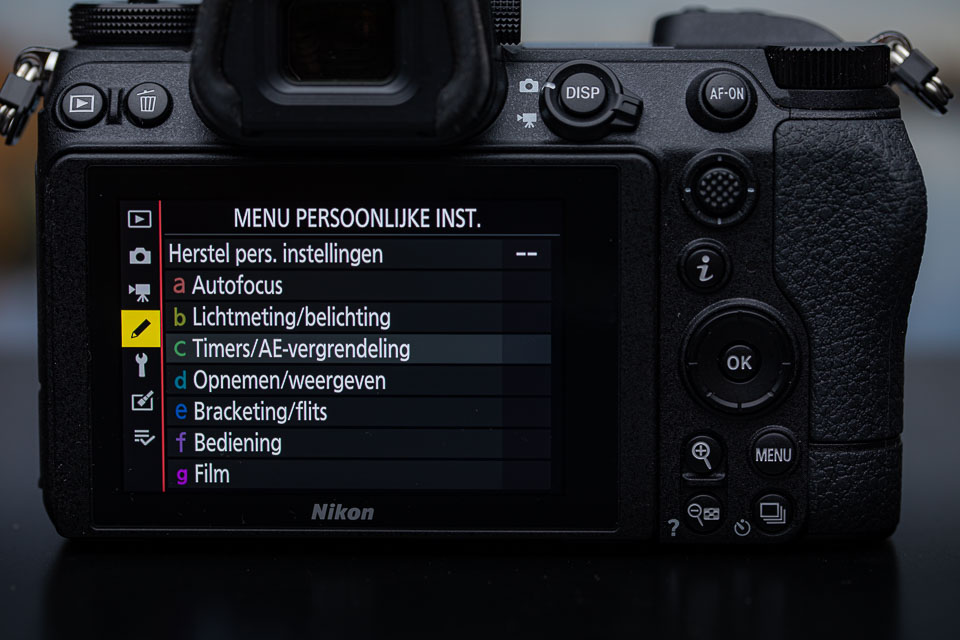
To quickly answer the two cases above, check whether you have activated a lock, a button marked lock. Or check the write-protection tab on your SD card. Sometimes the solution is obvious, but you need to know where to look.
Know the limitations
No camera can do everything. Anyone who thinks otherwise believes the advertising stories told by manufacturers, or the obsessive fans of a particular brand. It is true, though, that some cameras can do more than others.
If you have a bridge camera, for example, you will soon run into a limit when it comes to ISO options. Also bear in mind that not every camera has lightning-fast autofocus, which can make it difficult to photograph fast-moving subjects.
A trip where you photograph flying birds places very different demands on your camera than a city break. A landscape photo is different from going on safari for the Big Five. Know your camera's limit and you can avoid disappointment when something does not work on location.
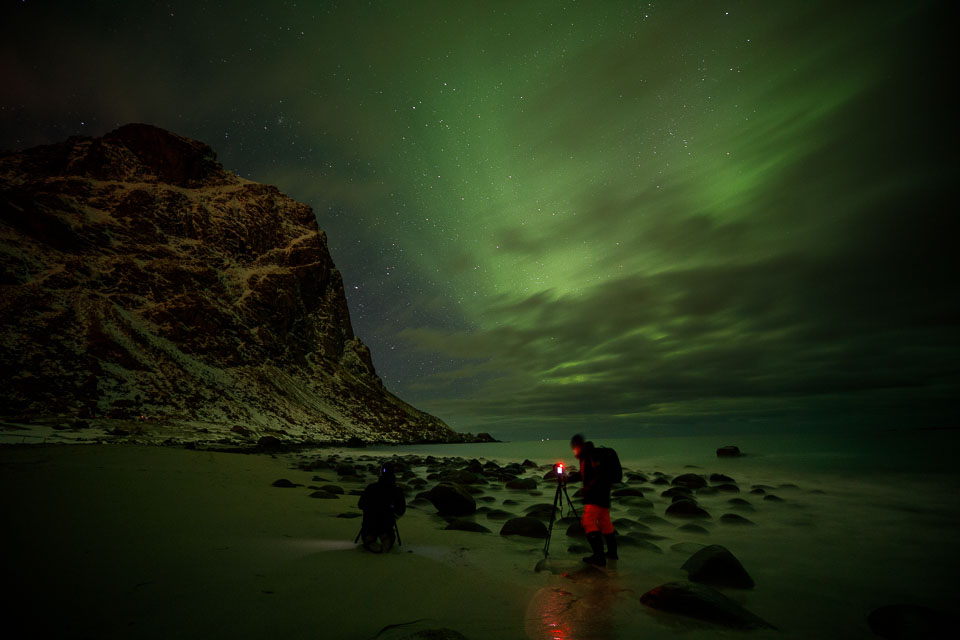
This of course also applies to the lenses you own. Not everyone has a super telephoto lens with a focal length of up to 500mm, so those seals will not appear as large in the frame as you would like.
Or a lens without such a wide maximum aperture, making it more difficult to capture the northern lights.
The manual is only a reference book
Do not think that taking a manual with you is the solution to knowing a camera. Looking something up takes time, and that time is not always available during a group photography trip. Working out an option with the manual takes time away from taking photos, which is a shame.
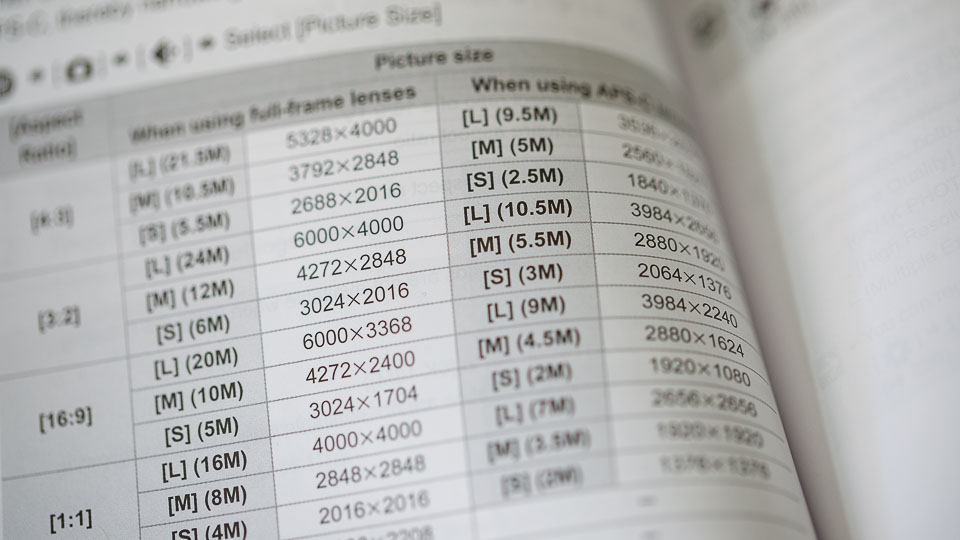
Even so, taking a manual with you can be useful. It is a reference book that lets you look something up when you have forgotten it. Put a digital version on your smartphone, so you do not have such a thick and heavy booklet in your camera bag.
Do not turn your photography trip into a nightmare
A photography trip is fantastic. You head out with like-minded people, and it is also educational because you see how others take photos. It is inspiring, and it gives you an easy way to visit the most beautiful places.
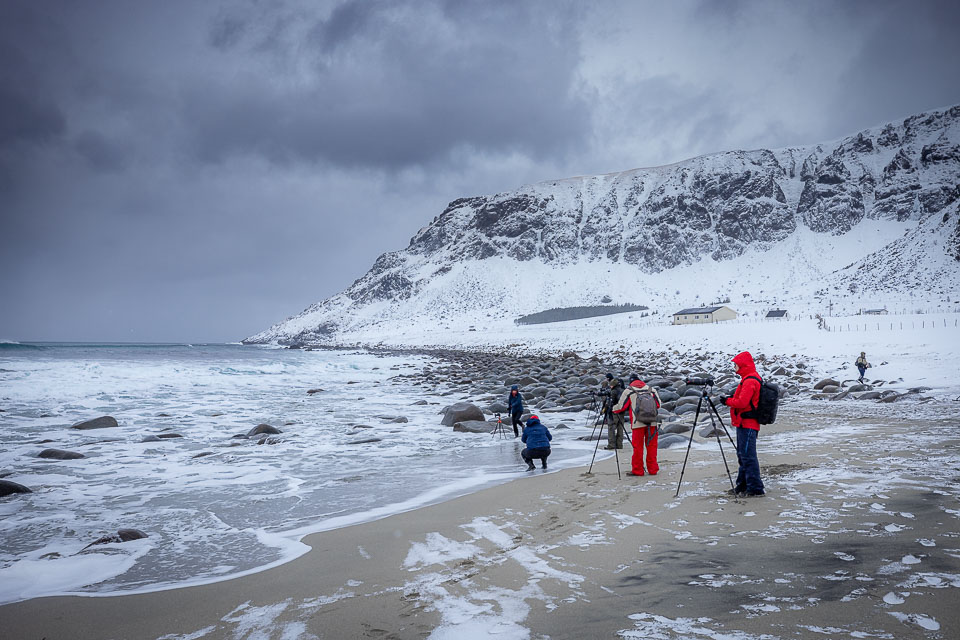
Knowing your camera well prevents you from getting stuck and being unable to photograph certain things. Or unable to photograph them in the way you would like. So learn to know your camera, and you can devote all your attention to the enjoyable things during your photography trip.
Are you travelling with a group, and do you unexpectedly get stuck with your camera? You can always ask one of your fellow travellers or the trip leader for help. That is another advantage of travelling with a group.
Dit artikel is voor het laatst bijgewerkt op 9 november 2022.
De eerste publicatiedatum is maandag 1 augustus 2022, 20:02.
About the author
Nando Harmsen has been photographing for more than 40 years. He specialises in wedding photography and landscape photography. Nando also gives talks, workshops, masterclasses and photo trips, and regularly reviews new and interesting equipment.
You might also like
-
 Tips for a photography trip. Part 1: The camera bag
by Nando Harmsen
-
 Tips for a photo trip. Part 2: the tripod
by Nando Harmsen
-
 I'm Going on a Trip and I'm Taking
by Nando Harmsen
-
 How do you deal with photos on a photography trip
by Nando Harmsen
-
 An inspiring trip to Lofoten, Norway
by Nando Harmsen
-
 5 tips to turn your holiday photos into great travel photos
by Nando Harmsen
0 comments
Be the first to share what you think!
Have your say
Please note: Articles older than a week can only be commented on by signed-in visitors.Would you still like to comment? sign in or create a free account.
Become a better photographer every week
A practical photography tip in your inbox every week.
39,079 photography enthusiasts already receive the tips! More about the weekly mail. Or keep up to date via  Facebook.

Elja Trum
Photofacts; everything to do with photography!
Would you like to take better photos and keep up with what is happening in photography? Photofacts publishes articles that teach you something about photography — from a product announcement to a practical shooting tip or a look at a website. Photofacts covers photography every day and is a hobby project of Elja Trum's that got out of hand. The articles are written by a team of volunteer authors. If you would enjoy writing one or more articles for Photofacts, do get in touch.More about PhotofactsPhotofacts is made possible in part by
