

Adobe uses AI to detect photoshopped photos
Wednesday 27 June 2018, 16:32 by Michelle Peeters | 5,121 views | 3 commentsThis article was translated from Dutch with the help of AI. Read the original.
As is widely known, Adobe's software has been used for years as a tool for creating fake photos. The company is now developing software to fight photo manipulation. Adobe is using AI (Artificial Intelligence) to detect photo manipulation. This is intended to increase trust and authenticity in digital media!
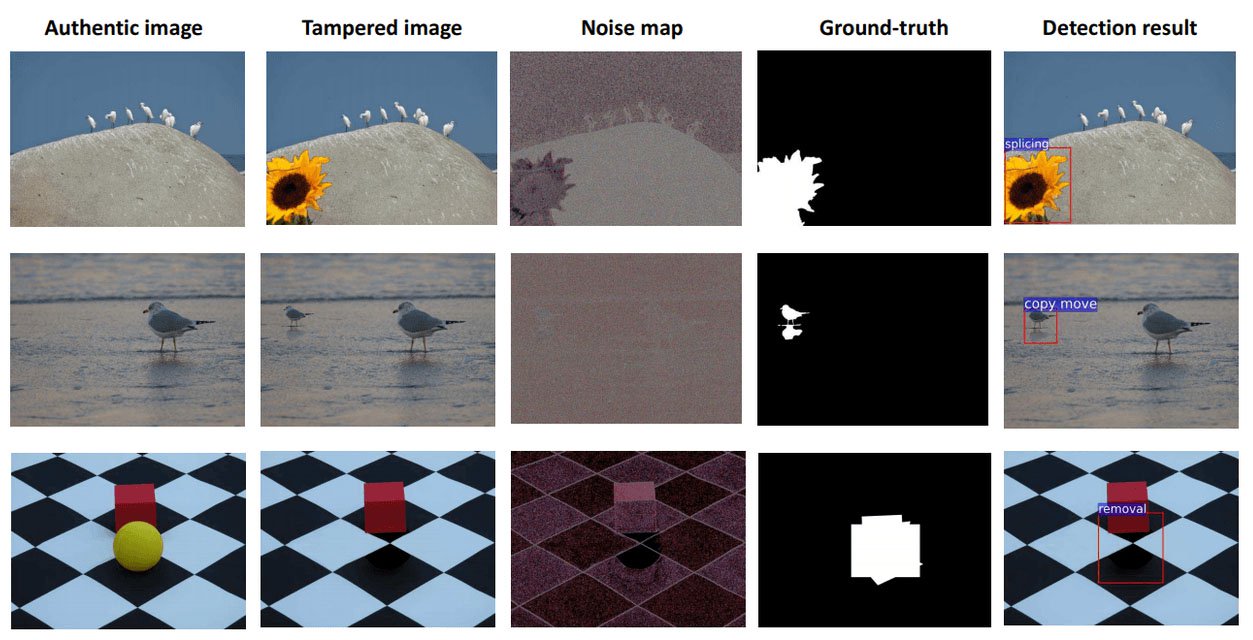
Besides using Photoshop for good things, some people use these powerful tools to piece together fake photos for misleading purposes, Adobe writes.
In addition to creating new possibilities and features for making digital media, Adobe is now also exploring the limits of what is possible with new technologies, such as artificial intelligence, to increase trust and authenticity in digital media.
Adobe researcher Vlad Morariu has worked on the challenge of detecting image manipulation as part of the government-sponsored DARPA Media Forensics programme.
There are already tools that can help recognise manipulation. Things such as metadata and programmes that examine characteristics of photos, for example noise, edges, exposure and pixels.
Artificial intelligence technology can take this to the next level. AI can help make fake photo detection easier, faster, more reliable and more informative.
In a new article entitled Learning Rich Features for Image Manipulation Detection, Morariu describes how Adobe uses AI for this purpose.
The team focused on three general techniques for image manipulation: splicing (combining parts of two photos), copy-move (moving or cloning objects in a photo from one place to another), and removal (removing objects from photos and filling in the gaps, such as with Content-Aware Fill).
Each of these techniques tends to leave certain artefacts behind, such as strong contrast edges, deliberately smoothed areas or different noise patterns.
Using tens of thousands of examples of known, manipulated images, they successfully trained a deep neural network to recognise image manipulation.
AI can help identify how and where a photo was manipulated in just a few seconds.
These technologies will only complement, not replace, the traditional means of establishing "trust" in photojournalism! The Associated Press and other news organisations publish guidelines for digitally editing photos appropriately for news media.
The role Adobe can play here is to develop technology that only helps protect and verify that authenticity as part of the entire process.
It is of course important to develop these new technologies, but ultimately they are created in the service of society. We will therefore also have to share the responsibility for addressing the possible negative effects of these new technologies with our social institutions and conventions.
Source: PetaPixel
About the author
Michelle Peeters is fotografe en oprichter van DeuxBleus Fotografie. Michelle herkent het bijzondere in het gewone en het gewone in het bijzondere. Ze heeft zich nooit willen specialiseren en is daardoor van alle markten thuis.
You might also like
-
 Adobe and the cost of AI generative fill
by Nando Harmsen
-
 Skylum's next-generation Accent AI filter for Luminar
by Michelle Peeters
-
 Review: Topaz DeNoise AI
by Michelle Peeters
-
 AI is taking over the world and photo editing
by Dick Holtman


3 comments
-
 Gustaaf wrote on Tuesday 3 July 2018 at 14:17 | reply
This is finally coming at the right time because I sometimes keep coming across beautiful but impossible photos now. Beautiful but composite photos. I think it can and may be done, but then you shouldn't release them as unique photos.
Translated from Dutch. -
 jaak wrote on Tuesday 3 July 2018 at 18:34 | reply
instead of using the "artifacts" for detection, they'd be better off remedying these artifacts.
Translated from Dutch. -
 Paul wrote on Tuesday 3 July 2018 at 23:43 | reply
When photos are edited in order to manipulate others through publication or deliberately mislead them using falsified images. In any area whatsoever. Then I am happy with AI. Then it cannot become available soon enough. A photo editor and the public will also be very happy about that.
Translated from Dutch.
Doesn't take away from the fact that I think a "realistic" photo that is presented should be finished properly and truthfully. Dotting the "i"s. That is something different from manipulating. Unlike with "art photography", where it is clear that it defies the truth and the manipulation is not intended maliciously. There are as many forms of photography and experiences of photography as there are opinions and tastes of people.
Have your say
Please note: Articles older than a week can only be commented on by signed-in visitors.Would you still like to comment? sign in or create a free account.
Become a better photographer every week
A practical photography tip in your inbox every week.
38,886 photography enthusiasts already receive the tips! More about the weekly mail. Or keep up to date via  Facebook.

Elja Trum
Photofacts; everything to do with photography!
Would you like to take better photos and keep up with what is happening in photography? Photofacts publishes articles that teach you something about photography — from a product announcement to a practical shooting tip or a look at a website. Photofacts covers photography every day and is a hobby project of Elja Trum's that got out of hand. The articles are written by a team of volunteer authors. If you would enjoy writing one or more articles for Photofacts, do get in touch.More about PhotofactsPhotofacts is made possible in part by
