

Thinking for yourself instead of using the ready-made solution
Monday 9 September 2024, 22:11 by Nando Harmsen | 3,536 views | 3 commentsThis article was translated from Dutch with the help of AI. Read the original.
Photographing something specific can be difficult. What is the best way, what settings do you need, and what should you look out for? Instead of reinventing the wheel, you can ask someone. This is a perfect starting point. Remember that it is no more than that, a starting point.
I regularly get asked what settings are needed. That often goes beyond exposure settings. Think about the way you focus when photographing action. Or the right aperture for group photos, just to give one example.
Sometimes I get the impression that people 'expect' there to be one single setting that guarantees a good result. Fortunately, that guarantee does not exist. In other words, I can give you advice. A starting point. You have to work out the rest yourself.
This sounds as if you are being thrown in at the deep end, but that is not the case. Every situation in which a photograph is taken is unique. Light is a good example. It is not just the intensity of the light that matters, but also the direction of the light, shadows, whether you use flash, ISO and aperture.
There is no ready-made solution. You also learn nothing from a ready-made solution. It provides a starting point, nothing more. Think about your own situation, and adapt the things you have been given as answers so that they work for you. That is the only way to achieve something with photography.
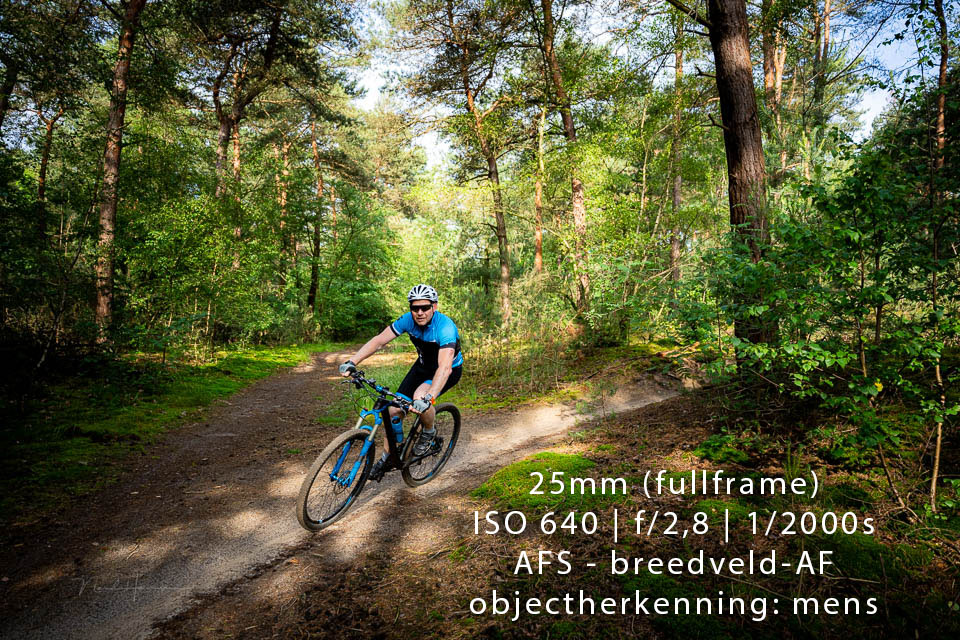
To return to the examples I gave earlier. For the autofocus setting in action photography, you can say that continuous AF is necessary and that the camera must be able to track the subject. Think further about which autofocus mode is most suitable, and what shutter speed and focal length will work.
For group photos, you can say that there needs to be sufficient depth of field. But shutter speed is important too, as is good light. Your focal length matters, as does the way the people are positioned in relation to one another. You need to anticipate that.
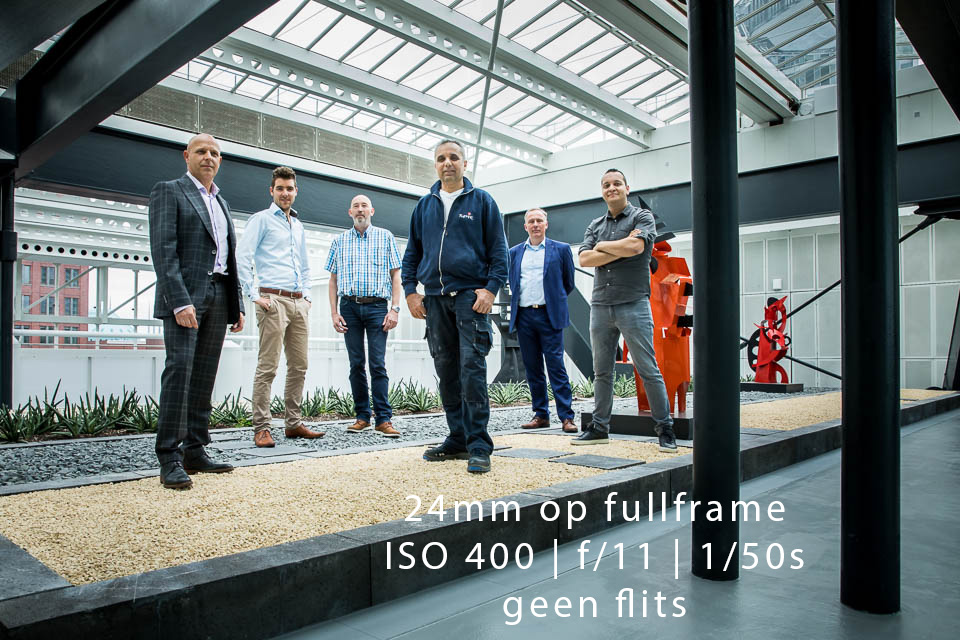
When it comes to the settings I used for the example photos, these are the settings I used. Blindly copying them when you take similar photos is no guarantee of success. Adjust whatever needs adjusting, or set whatever applies to you.
Asking questions is good and there are no stupid questions. I also encourage you to ask questions. However, never expect a ready-made solution that applies to everything. You need to know what you are doing, understand why, and always respond to your specific situation. That is the only way you will learn from it.
About the author
Nando Harmsen has been photographing for more than 40 years. He specialises in wedding photography and landscape photography. Nando also gives talks, workshops, masterclasses and photo trips, and regularly reviews new and interesting equipment.
You might also like
-
 Black and white is not a solution for a failed colour photo
by Nando Harmsen
-
 Are you ready for the solar eclipse?
by Nando Harmsen
-
 Which is better? DIY or ready-made?
by Nando Harmsen
-
 Colour as a solution for a bad black-and-white photo
by Nando Harmsen
-
 Landscape photography tip: learn to see instead of look
by Nando Harmsen

3 comments
-
 Donald Willemsen wrote on Tuesday 10 September 2024 at 10:40 | reply
Nando, this article is a breath of fresh air. You hit the nail on the head. It is true, there are no ready-made solutions in photography. There are so many factors that can change each time depending on the circumstances.
Translated from Dutch.
I also get countless questions about, for example, where you can find which setting. What could be easier than asking someone else instead of just scrolling through the menu yourself. You wouldn't believe how often that happens.
Also the question about the exif data with the photo. Probably to be able to imitate it. Unfortunately, the exif data is of no use to you, because in post-processing you can, for example, adjust the exposure and/or white balance in such a way that it no longer corresponds to the settings on the camera during the shot. That is precisely the 'secret of the trade'. The photographer can adjust the photo to the atmosphere of the moment in such a way that the exif data no longer corresponds with the photo.
As you say, you can provide a starting point and you have to figure out the rest yourself. It also depends on WHAT you are going to photograph. A bird sitting still requires a different shutter speed than a flying bird, just to give an example.
Nando, thank you for this article. I hope many beginner photographers read this article. -
 Marcel Govaerts wrote on Tuesday 10 September 2024 at 12:48 | reply
I also agree with Nando's point of view. Think carefully about your camera settings before you start taking photos, but also think, for example in landscape photography, about the moment at which you should best take the photo, whether, for example, at dawn or at sunset. In my opinion, everything must be taken into account
Translated from Dutch. -
 Leonie wrote on Wednesday 11 September 2024 at 06:13 | reply
This is a perfect article for the followers of 'Het perfecte plaatje' ??
Translated from Dutch.
Have your say
Please note: Articles older than a week can only be commented on by signed-in visitors.Would you still like to comment? sign in or create a free account.
Become a better photographer every week
A practical photography tip in your inbox every week.
39,079 photography enthusiasts already receive the tips! More about the weekly mail. Or keep up to date via  Facebook.

Elja Trum
Photofacts; everything to do with photography!
Would you like to take better photos and keep up with what is happening in photography? Photofacts publishes articles that teach you something about photography — from a product announcement to a practical shooting tip or a look at a website. Photofacts covers photography every day and is a hobby project of Elja Trum's that got out of hand. The articles are written by a team of volunteer authors. If you would enjoy writing one or more articles for Photofacts, do get in touch.More about PhotofactsPhotofacts is made possible in part by
