

Black and white is not a solution for a failed colour photo
Sunday 16 January 2022, 20:10 by Nando Harmsen | 4,709 views | 4 commentsThis article was translated from Dutch with the help of AI. Read the original.
I regularly see less successful colour photos being converted to black and white. But a black and white photo is not a solution. It is much more than that. You cannot save a failed photo by presenting it in black and white.
Have you ever done it? Converted a colour photo you were not happy with to black and white and then published it on social media or a photo community?
I see it happening regularly, and sometimes people even advise converting a less successful colour photo to black and white.

That last piece of advice alone suggests that black and white is seen as a last resort to save a failed colour photo.
It is a shame that this happens, because black and white is not a sauce that makes a photo artistic. In most cases, colour is removed without much thought, usually producing a dull grey image without depth or impact.
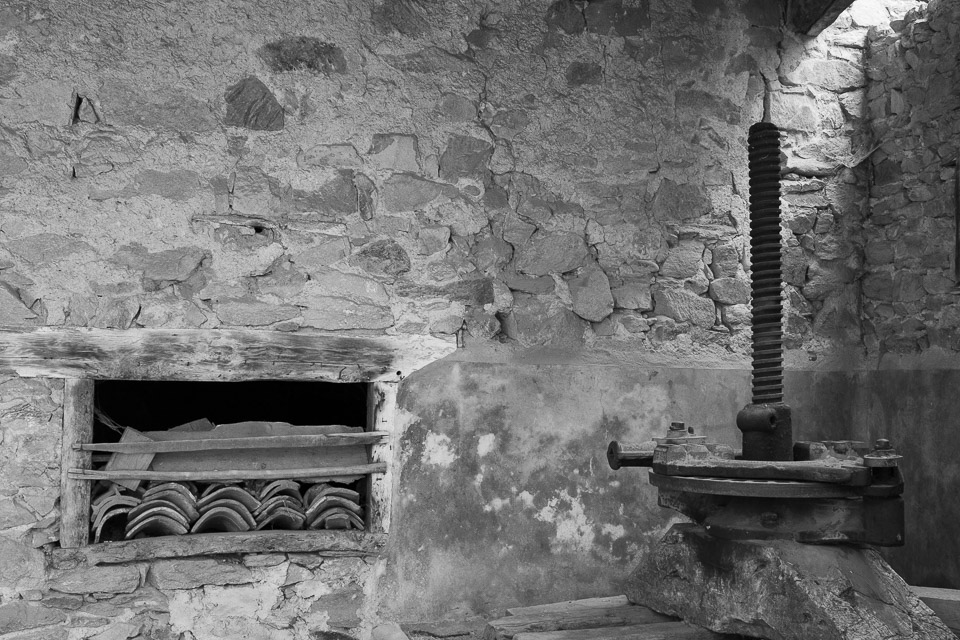
Before you try to save a less successful photo, I find the term failed photo sounds so negative, by removing the colours, first try to discover why it is less successful. Study the photo and work out what makes it less appealing.
Is it because you do not really know what to look at? Then the photo is missing a subject.
Is it difficult to look through the photo? Then it may be missing a good leading line to draw you into the photo.
Does your eye go to the wrong place in the photo? Then you either have distracting elements in your image, or your composition is not optimal.
These are just a few examples of why a photo may be less successful, or even completely failed. Think about what removing colour from the photo would achieve in these examples.
Converting to black and white does not add a subject or a good leading line. It is not a way to remove distracting elements or improve your composition.
For black and white, it is important to have good contrast in your image. There needs to be light and dark. That is exactly what can, or will, make a black and white photo strong.
In a black and white photo, you can make the different colour tones in a photo lighter or darker individually. This makes it possible to make a red piece of clothing almost black, or completely light. A blue sky can also be made black, or light.
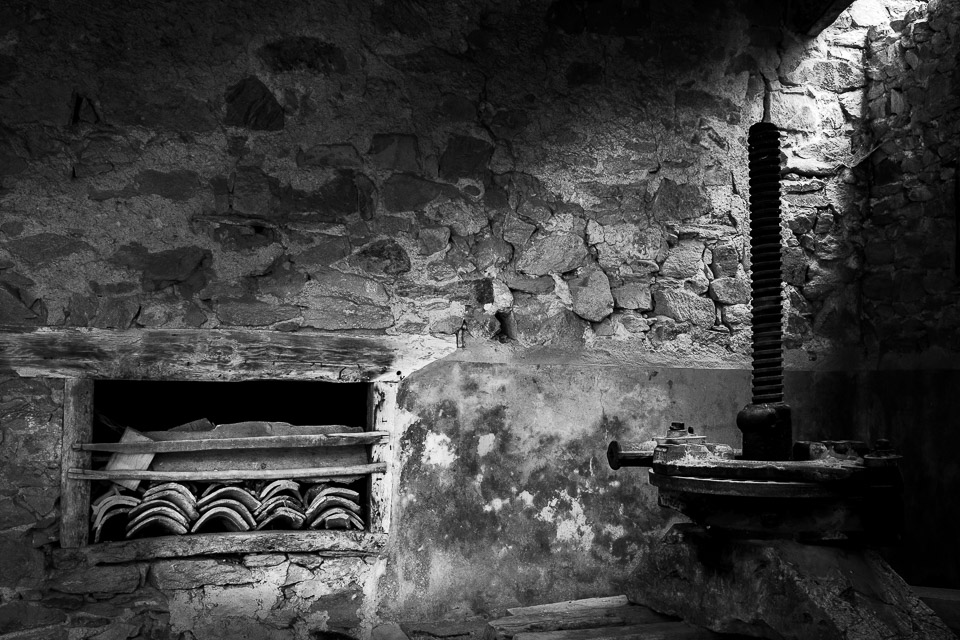
You can see that colour can even be important in your black and white editing. By strengthening colours or shifting the colour balance, you change the appearance of your black and white photo. But whatever you do, light and dark are extremely important in your black and white photo.
Black and white is therefore not a solution for a less successful photo. It is a way of photographing, looking and seeing. It may even be more difficult than taking a colour photo. You have to learn to see in contrasts, light and dark, without letting yourself be distracted by colours.
Simply converting your photo to black and white does not make it artistic, and certainly cannot save a less successful photo.
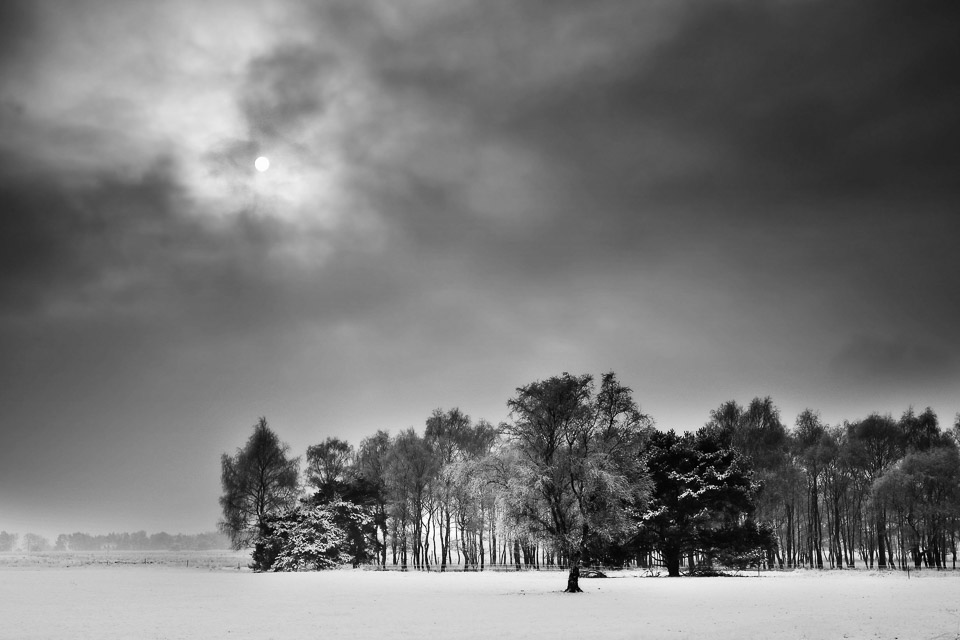
What should you do with your less successful colour photo? It is simple. Throw the photo away. Just go back and take the photo again in better conditions, or with a different composition that does make it more appealing.
If that does not work and you still want to keep the photo, save it as a memory. That can also be worth a lot.
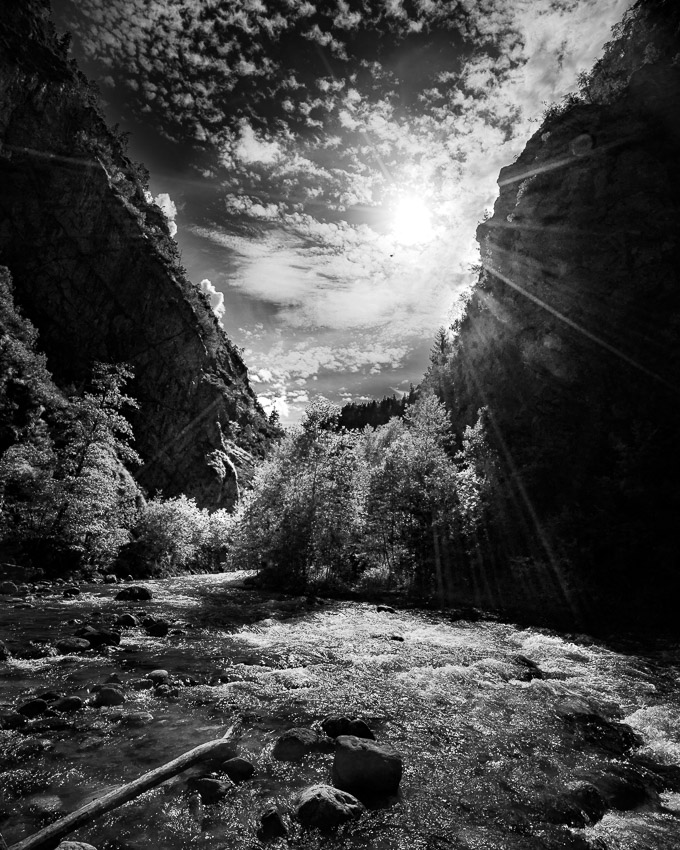
This does not mean that you should never listen to advice about converting to black and white. Other people look at your photo differently and may see possibilities that you did not see yourself.
There are, after all, photos that lend themselves extremely well to being presented in black and white. But they must be successful photos.
Do you ever try to save a photo by converting it to black and white? What do you think of the result? Let us know in a comment below this post.
About the author
Nando Harmsen has been photographing for more than 40 years. He specialises in wedding photography and landscape photography. Nando also gives talks, workshops, masterclasses and photo trips, and regularly reviews new and interesting equipment.
You might also like
-
 Don't Be Afraid of the Failed Photo
by Nando Harmsen
-
 Thinking for yourself instead of using the ready-made solution
by Nando Harmsen
-
 Do you look at your failed photos? Or delete them straight away?
by Nando Harmsen
-
 More Often Failed Than Successful
by Nando Harmsen
-
 Tip: examine your own success rate
by Elvira Smit
-
 What hobby photographers often fail to realise
by Huub Keulers
4 comments
-

 kok.f@ziggo.nl wrote on Tuesday 18 January 2022 at 10:52
| reply
kok.f@ziggo.nl wrote on Tuesday 18 January 2022 at 10:52
| reply
Black and white has its own charm that can sometimes work very well. When converting, you can optimize things like contrast and grayscale tones just fine. But Nando is right. If things like composition, sharpness, etc. aren't right, then you don't gain anything by using black and white.
Translated from Dutch. -
 Donald Willemsen
wrote on Tuesday 18 January 2022 at 11:51
| reply
Donald Willemsen
wrote on Tuesday 18 January 2022 at 11:51
| reply
Nando, I think you are right. Converting a less successful colour photo to b&w doesn’t work. In my opinion, you have to take colour photos with the intention of converting them to b&w. That means there must be colour contrasts in the photo in order to end up with a successful b&w photo. Your first photo in the article shows that there is too little contrast in the colours, and that results in a flat b&w photo that will attract few viewers.
Translated from Dutch.
Your article is therefore very welcome and can help raise the level of your own photos. -
 Danny de Jong wrote on Tuesday 18 January 2022 at 18:19 | reply
I have always learned that if you can make a black-and-white photo, then you can also make a colour photo. The first washed-out photo in this article can also be made quite interesting in colour, by the way. Unfortunately, you can't upload a picture of it. For my course I converted night photos to black and white and I only did this because there are all kinds of different colours of street lighting in Greece, where I was at that moment. The subject was photographing the procession (procession?) of Greek Orthodox Easter and here black and white was actually a great "remedy" and the assignment was approved and was even considered very nice. By the way, I'm not really into Black/white photos myself.
Translated from Dutch. -
 Dwarsje wrote on Wednesday 19 January 2022 at 01:04 | reply
I don't completely agree with this statement. It's actually a challenge in itself to manage to do it anyway. I have been able to use color photos that I had wanted to throw away quite well for Dark styles and Film Noir scenes. How much more dramatic can you make certain skies in B&W, while in color it remains a boring mess? I still miss thinking outside the box in many photographers, often also the people who subtly criticize your landscape photos because the horizon isn't exactly at 1/3 etc. And Photoshop isn't a lousy program that ruins everything, as you so often hear. Without imagination, we can all just press that shutter button.
Translated from Dutch.
Have your say
Please note: Articles older than a week can only be commented on by signed-in visitors.Would you still like to comment? sign in or create a free account.
Become a better photographer every week
A practical photography tip in your inbox every week.
38,982 photography enthusiasts already receive the tips! More about the weekly mail. Or keep up to date via  Facebook.

Elja Trum
Photofacts; everything to do with photography!
Would you like to take better photos and keep up with what is happening in photography? Photofacts publishes articles that teach you something about photography — from a product announcement to a practical shooting tip or a look at a website. Photofacts covers photography every day and is a hobby project of Elja Trum's that got out of hand. The articles are written by a team of volunteer authors. If you would enjoy writing one or more articles for Photofacts, do get in touch.More about PhotofactsPhotofacts is made possible in part by
