

Mushrooms without a macro lens, plus a few extra tips
Monday 23 October 2023, 20:02 by Nando Harmsen | 7,667 views | 6 commentsThis article was translated from Dutch with the help of AI. Read the original.
Photographing mushrooms is a fun thing to do. It is ideal if you use a macro lens for it. You can then get close without any problems until the image is 1:1. Don't have a macro lens? That doesn't have to be a problem.
Did you know that you don't always need 1:1 magnification for mushrooms? With this magnification, your subject is shown on the sensor at its actual size. This means that a mushroom 3 cm tall will no longer fit in the photo at 1:1 magnification.
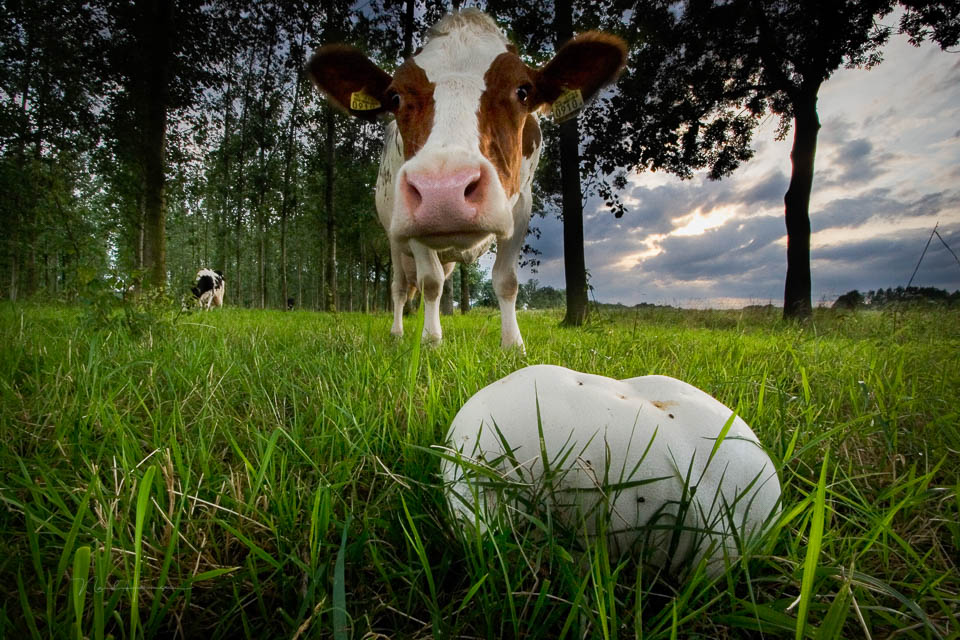
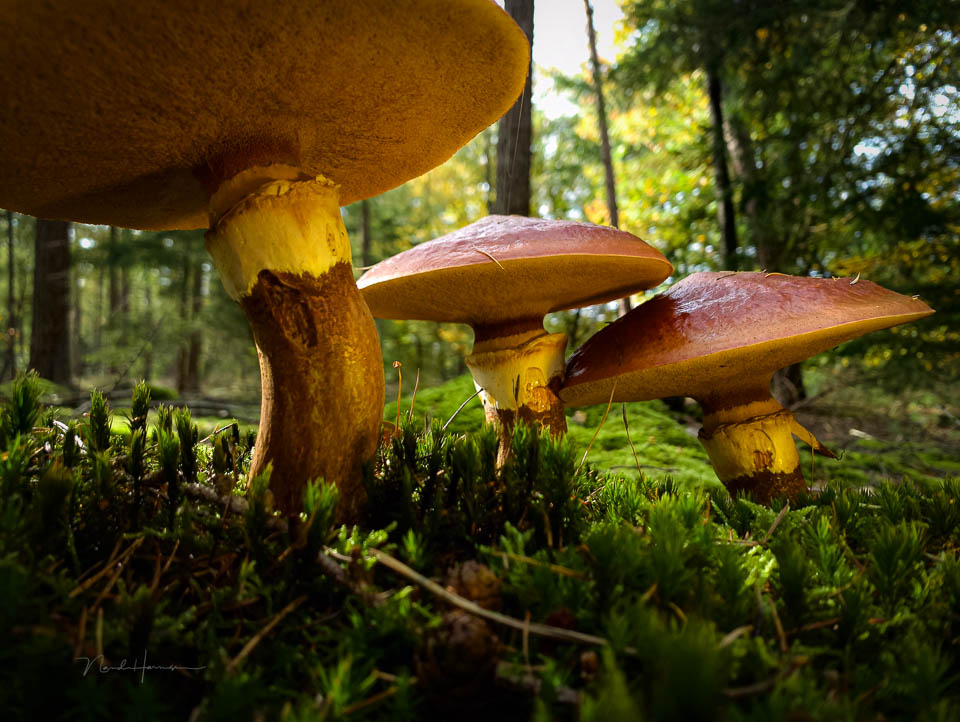
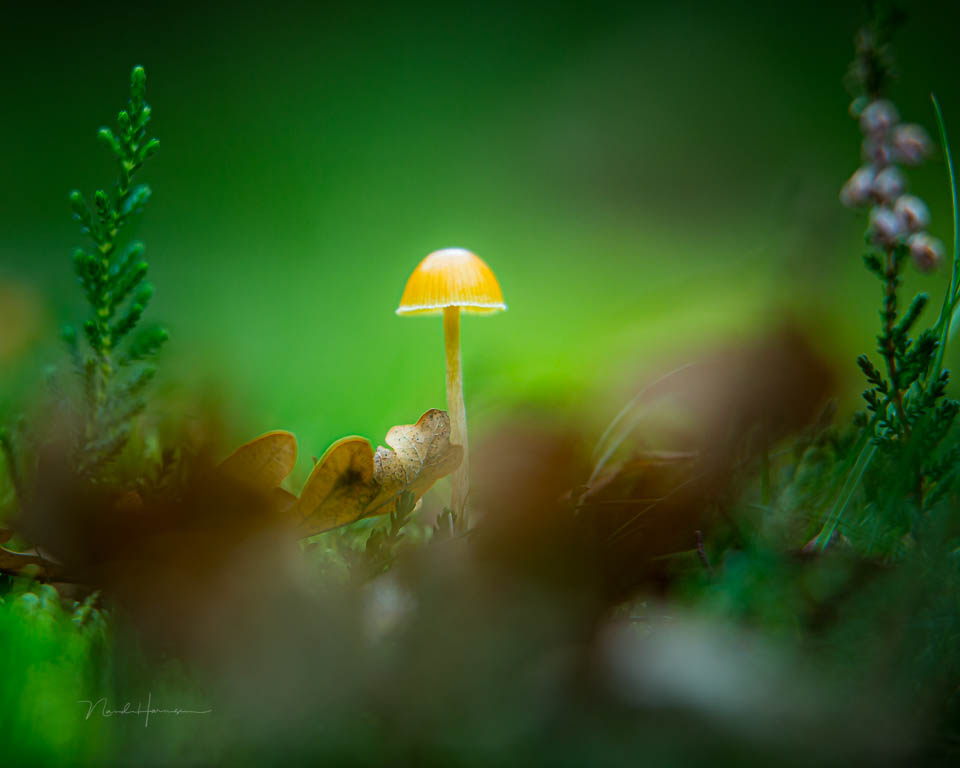
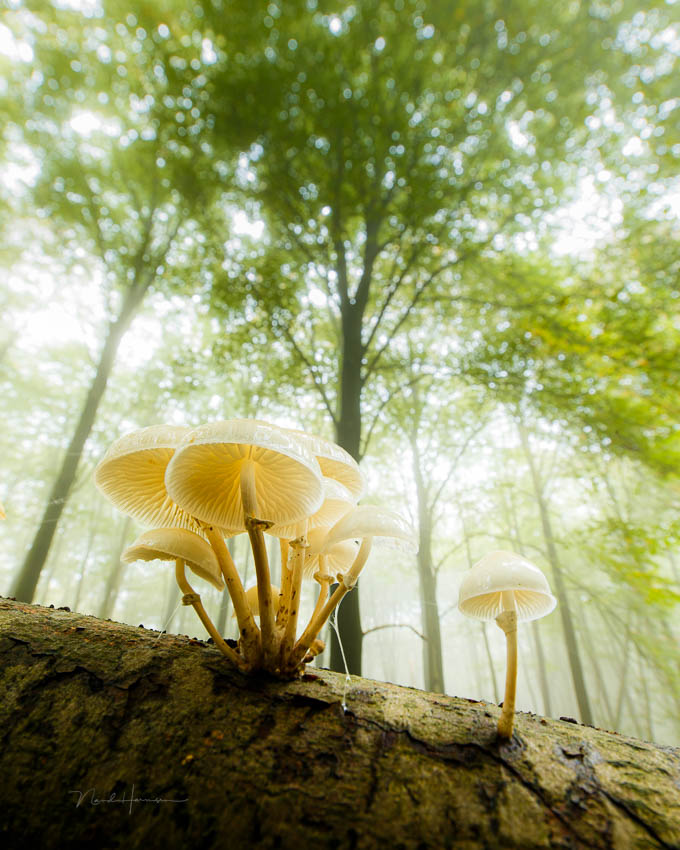
In other words, unless you have very small mushrooms, or only want to capture details, 1:1 magnification isn't necessary. Choose a standard zoom lens and you'll already get a long way. It then becomes possible to take fantastic 'mushroom in its surroundings' photos.
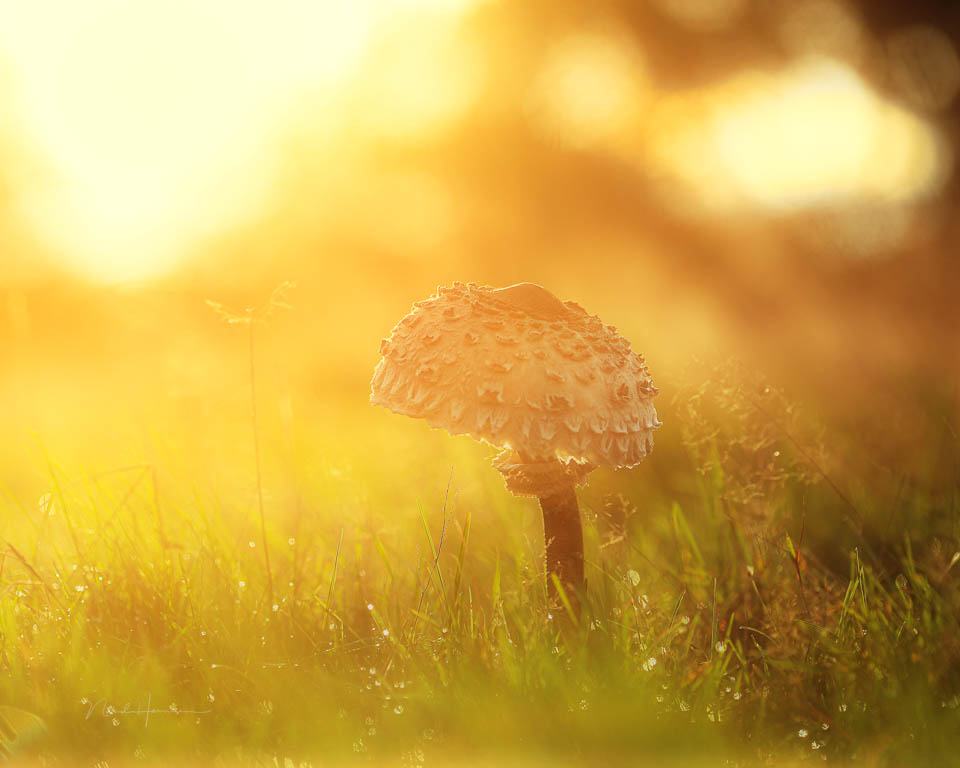
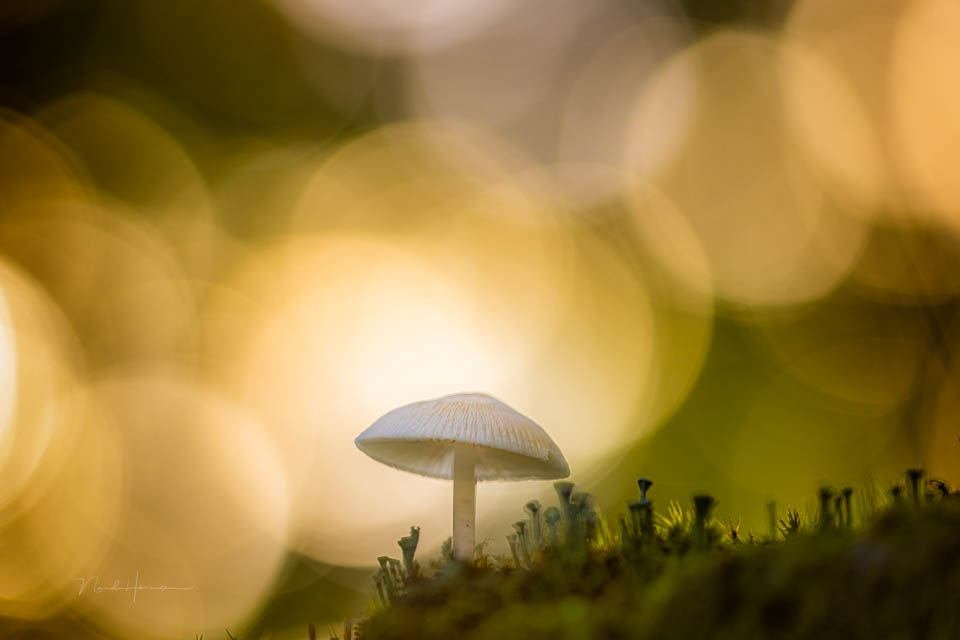
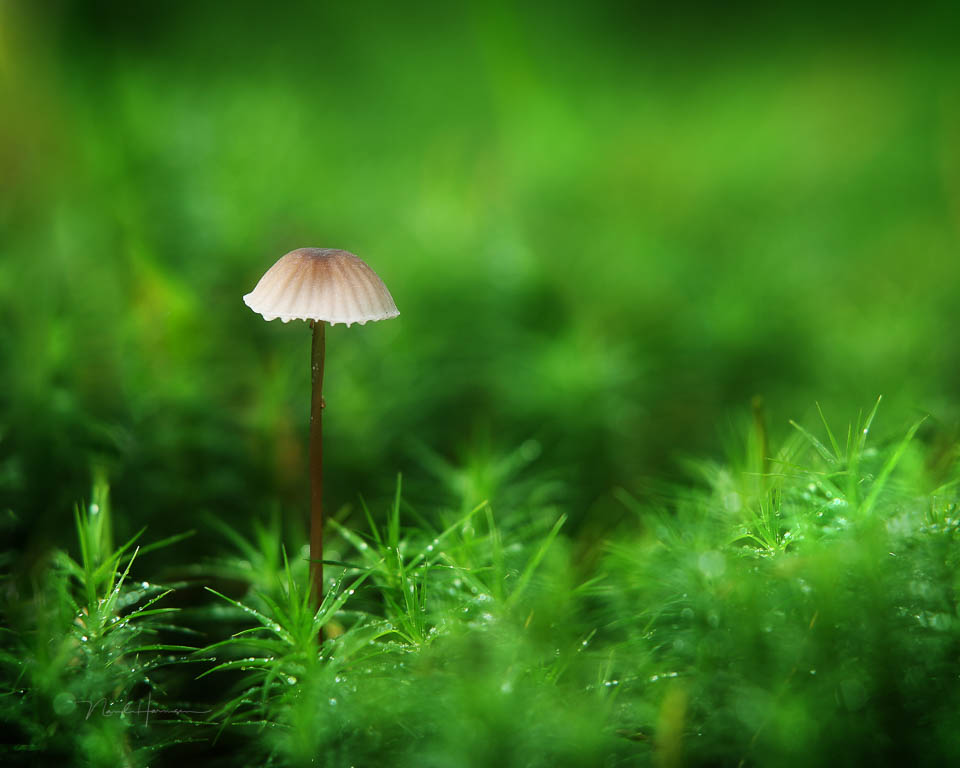
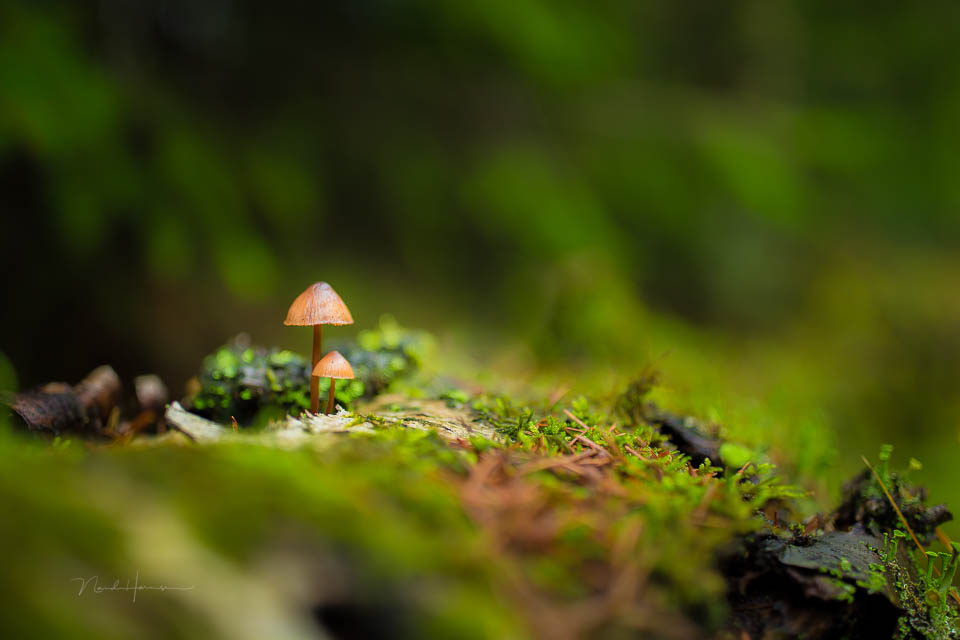
Preferably use slightly longer focal lengths. This can be up to 200mm, as long as you can keep enough distance. A long focal length makes it possible to keep the background out of focus. The mushroom then stands out nicely from its surroundings.
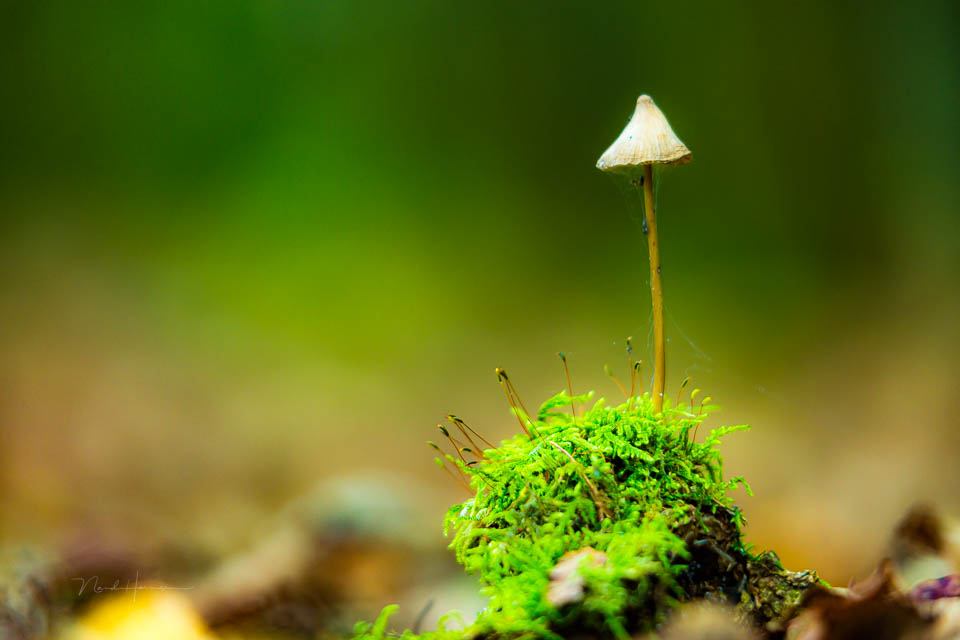
Do you still want the mushroom to appear larger than is possible with the lens you are using? Crop in post-processing. Or use an extension tube. The advantage is that you can not only photograph from closer up, the background often becomes even more blurred.
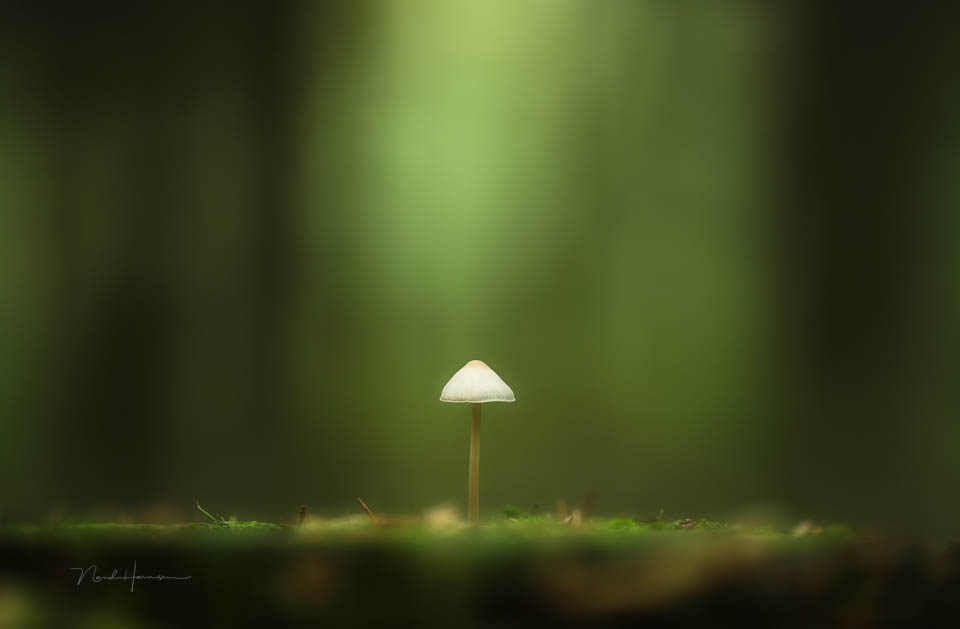
You can use an extension tube with virtually any lens. It can be a zoom lens or a telephoto lens. It can be used on a standard zoom or a telephoto zoom. It may even work with a wide-angle lens, although you may then have to get too close.
Keep in mind that with an extension tube, you can no longer focus to infinity. That is the consequence. Since the mushrooms you are photographing are close by anyway, this is not a problem.
A few extra tips
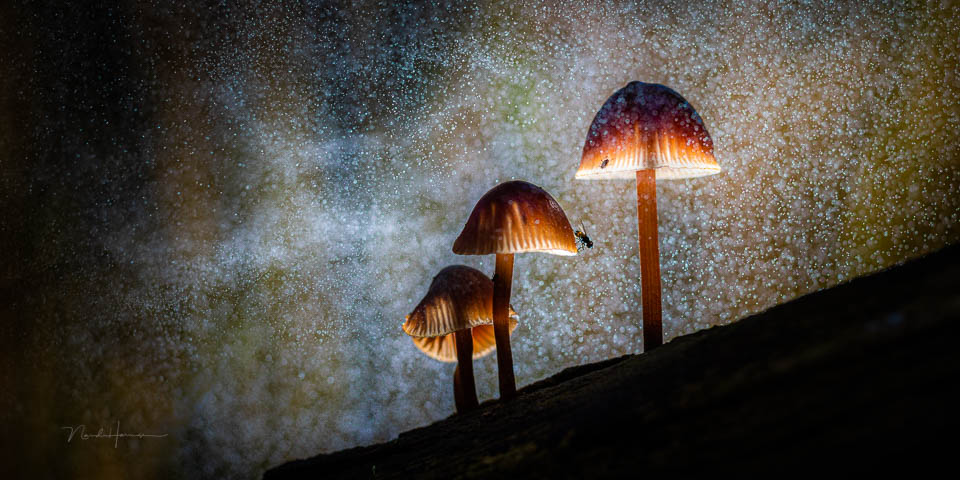
I have a few more tips for when you photograph mushrooms. They are simple things that make your photo a little more special than a straightforward shot. I have put the tips below the example photos. Give them a try.
About the author
Nando Harmsen has been photographing for more than 40 years. He specialises in wedding photography and landscape photography. Nando also gives talks, workshops, masterclasses and photo trips, and regularly reviews new and interesting equipment.
You might also like
-
 Ideas for Photographing Mushrooms
by Nando Harmsen
-
 7 Tips for Macro Photography
by Mike Muizebelt
-
 Review: SmallRig RM-03 Macro Photography LED lights
by Nando Harmsen
-
 The Antique Steinheil München Macro-Quinar 100mm f/2.8
by Nando Harmsen
-
 Review: The Canon RF 85mm macro lens
by Nando Harmsen
-
10 tips for photographing mushrooms
by Nando Harmsen
6 comments
-
 guest wrote on Monday 23 October 2023 at 20:04 | reply
Certainly an interesting explanation. I've been a satisfied member of Potofacts Academy for years.
Translated from Dutch. -

-
 A.M. van Velsen wrote on Tuesday 24 October 2023 at 14:14 | reply
Beautiful photos and super useful tips Nando
Translated from Dutch. -
-
 'Donald wrote on Tuesday 24 October 2023 at 14:22 | reply
Or use a reversing ring on your standard lens
Translated from Dutch. -

Have your say
Please note: Articles older than a week can only be commented on by signed-in visitors.Would you still like to comment? sign in or create a free account.
Become a better photographer every week
A practical photography tip in your inbox every week.
39,078 photography enthusiasts already receive the tips! More about the weekly mail. Or keep up to date via  Facebook.

Elja Trum
Photofacts; everything to do with photography!
Would you like to take better photos and keep up with what is happening in photography? Photofacts publishes articles that teach you something about photography — from a product announcement to a practical shooting tip or a look at a website. Photofacts covers photography every day and is a hobby project of Elja Trum's that got out of hand. The articles are written by a team of volunteer authors. If you would enjoy writing one or more articles for Photofacts, do get in touch.More about PhotofactsPhotofacts is made possible in part by
