

A shallow depth of field for landscapes
Sunday 1 February 2026, 15:51 by Nando Harmsen | 2,587 views | 9 commentsThis article was translated from Dutch with the help of AI. Read the original.
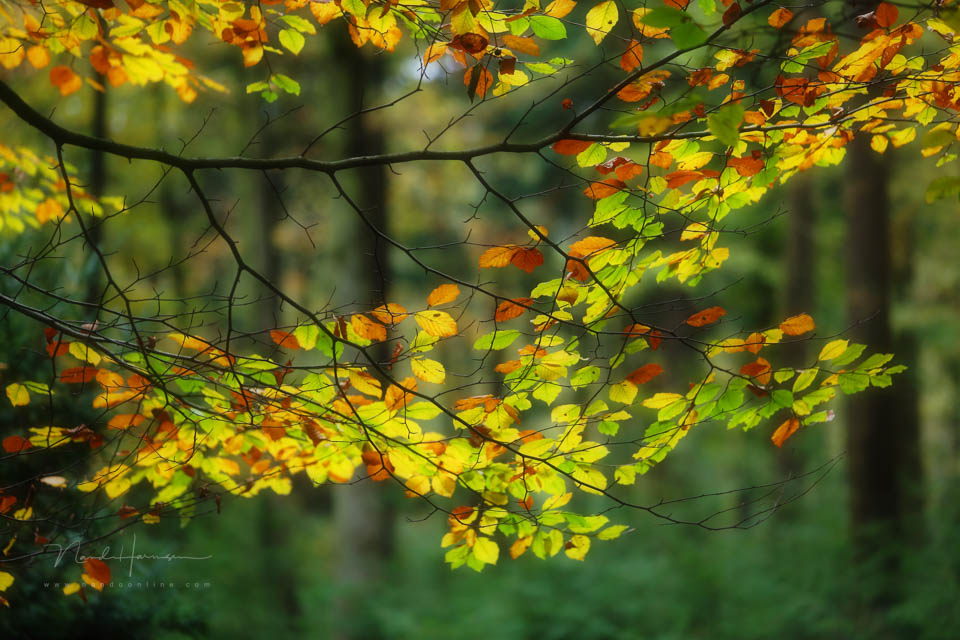
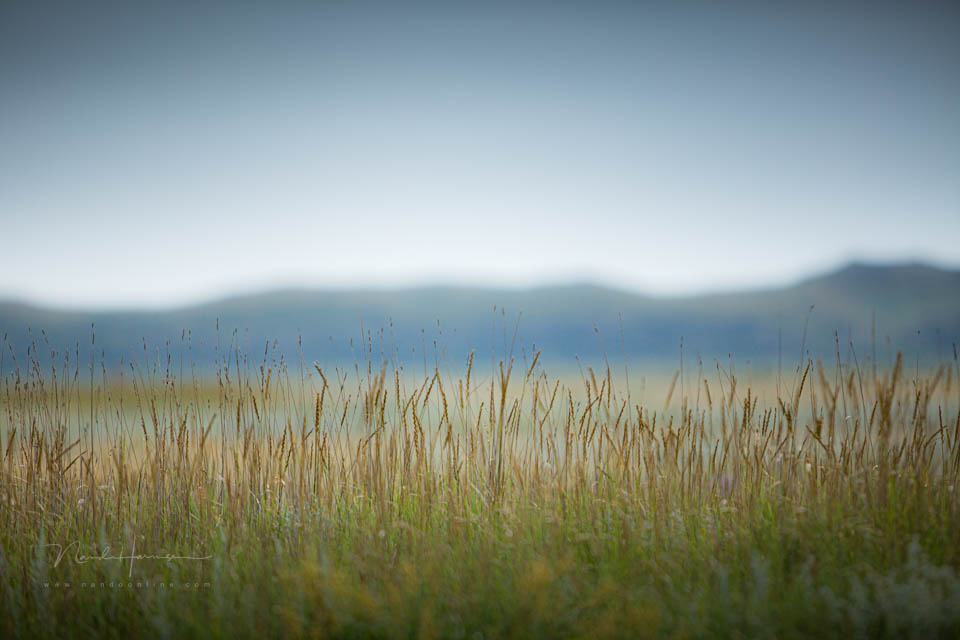
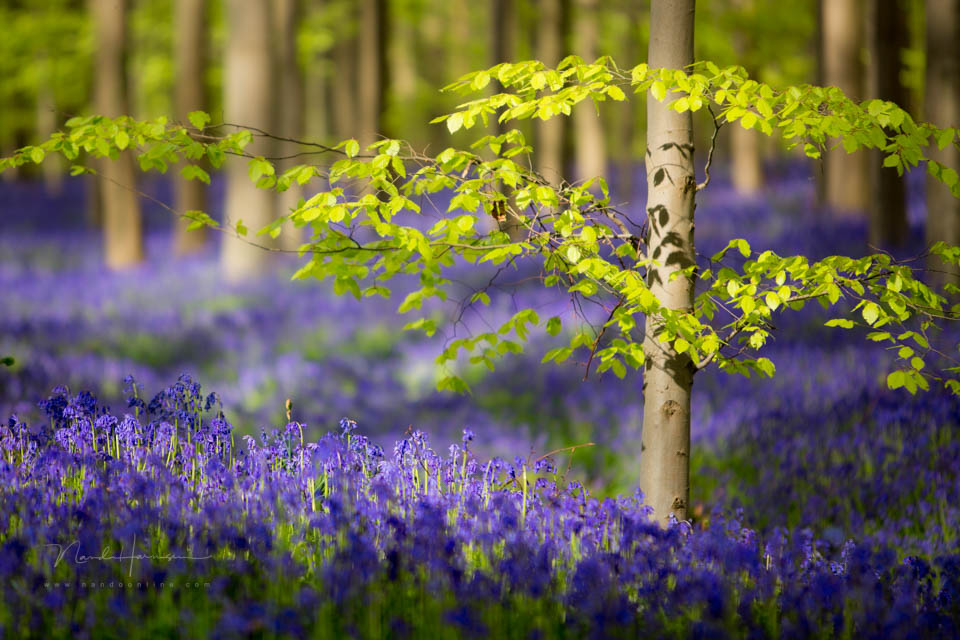
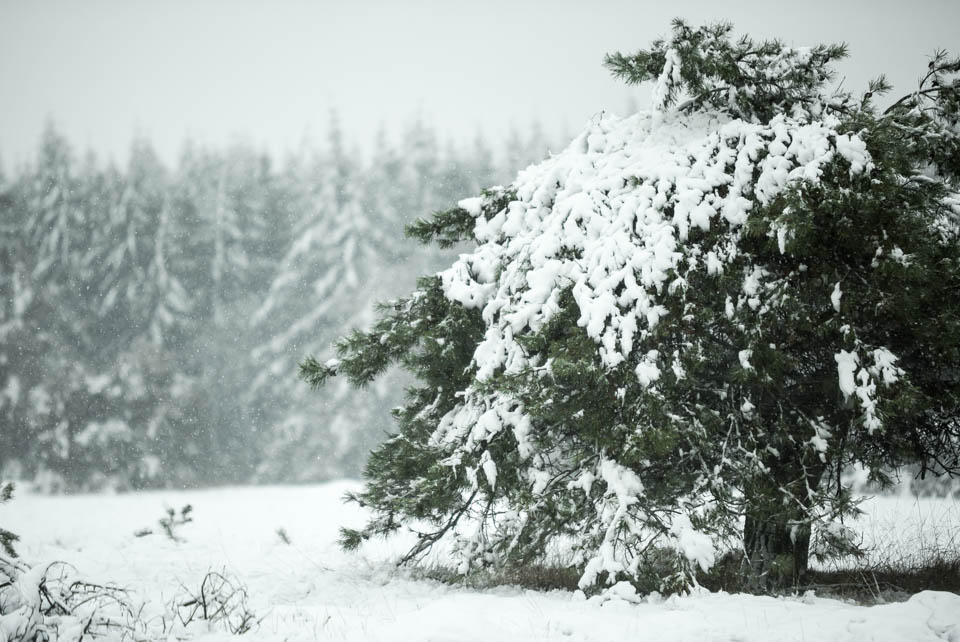
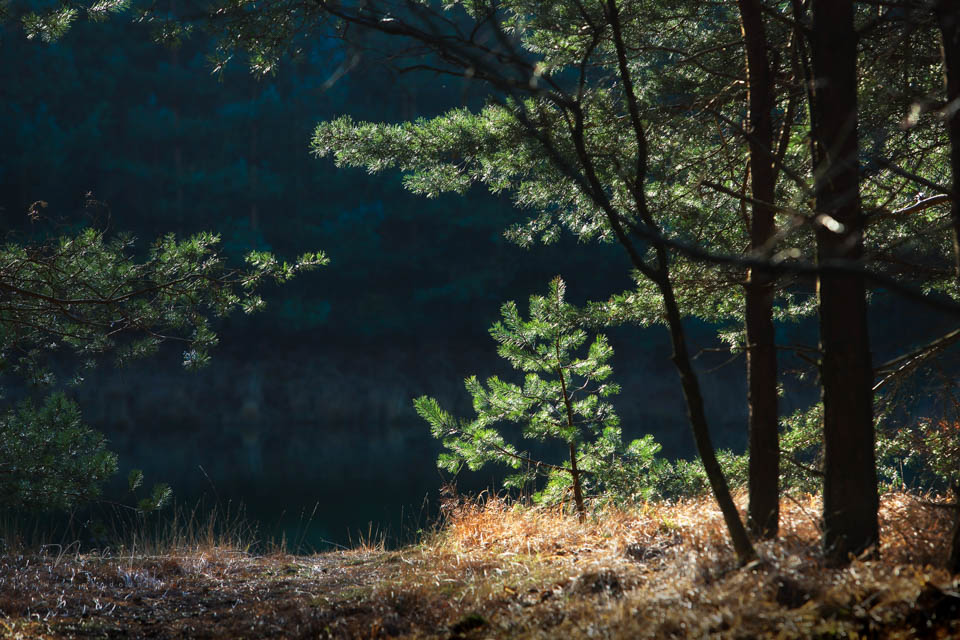
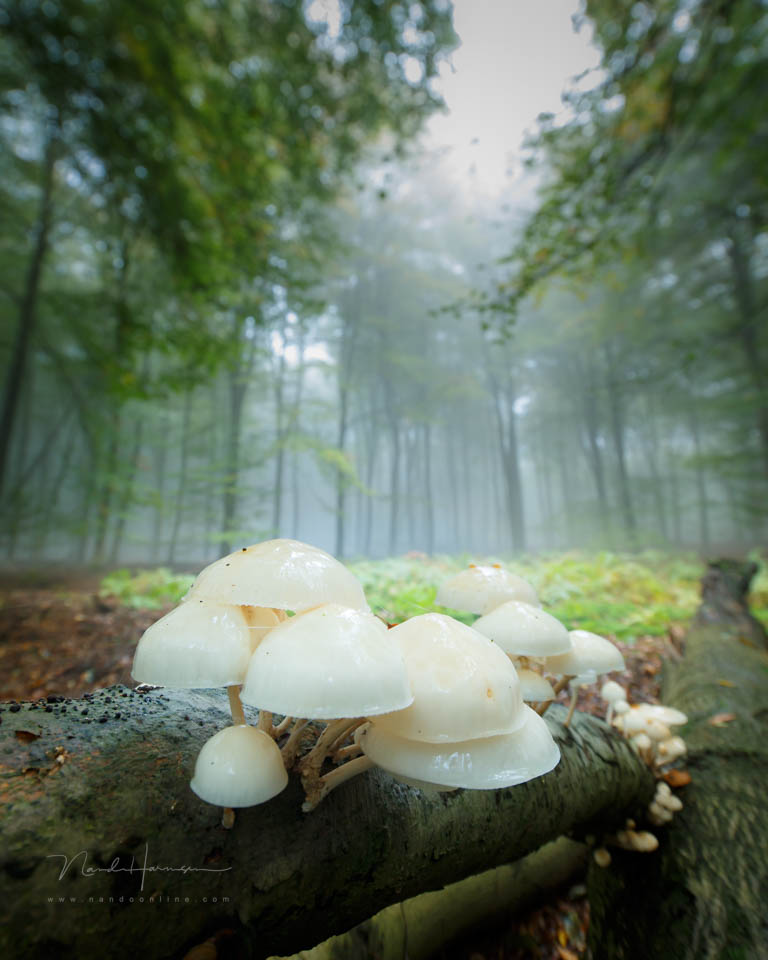
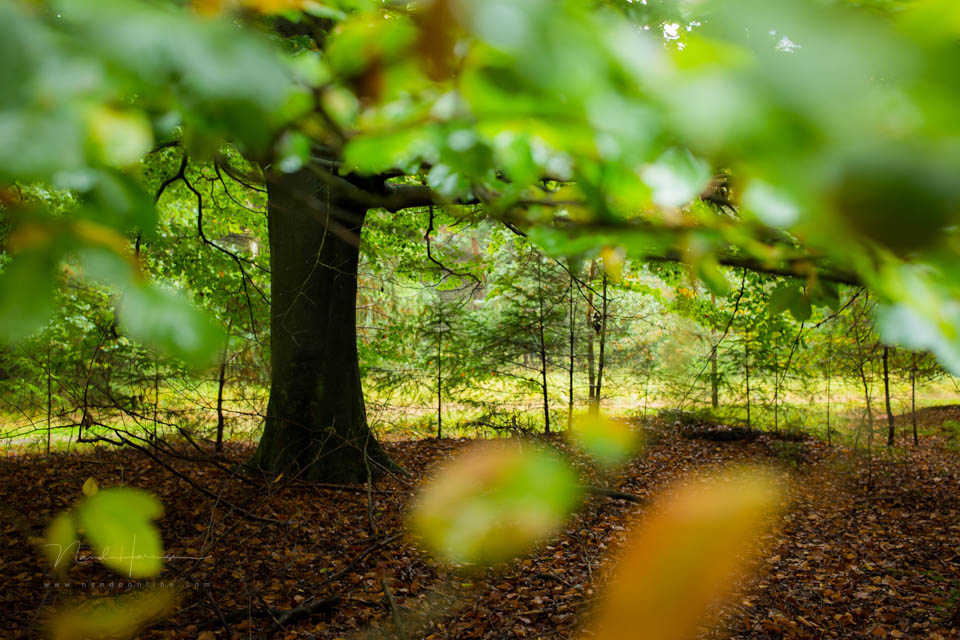
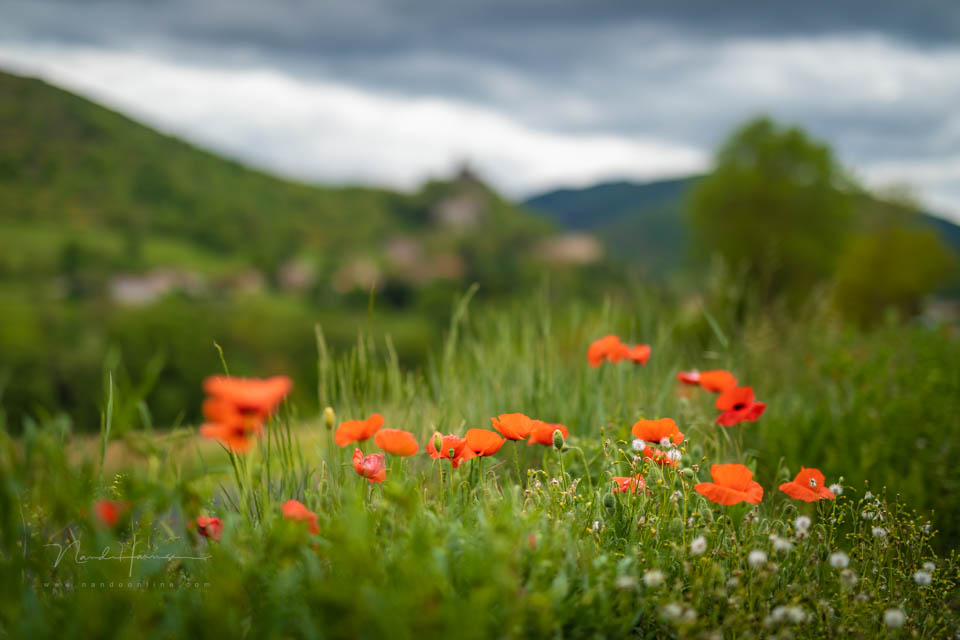
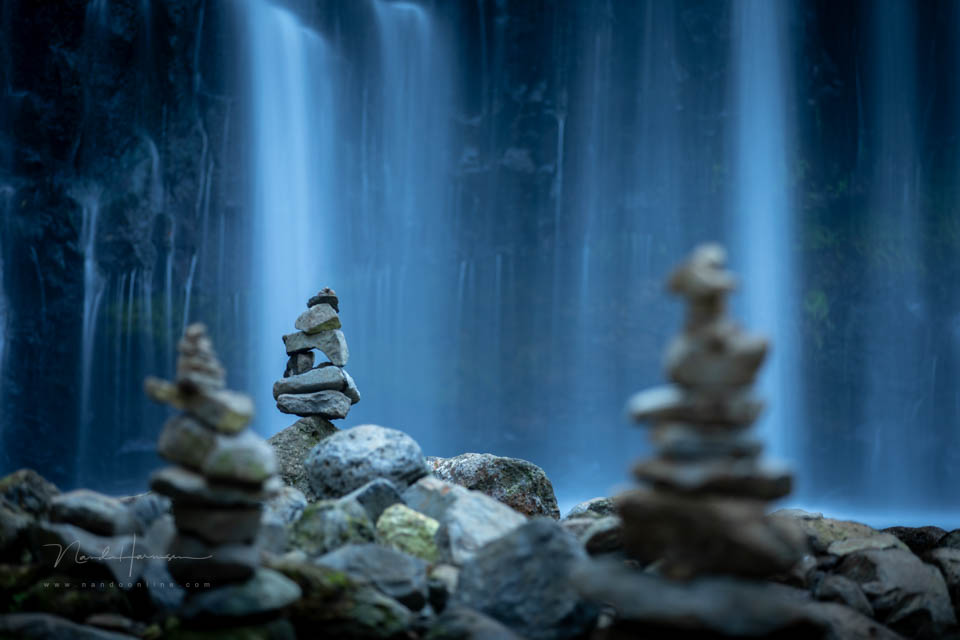
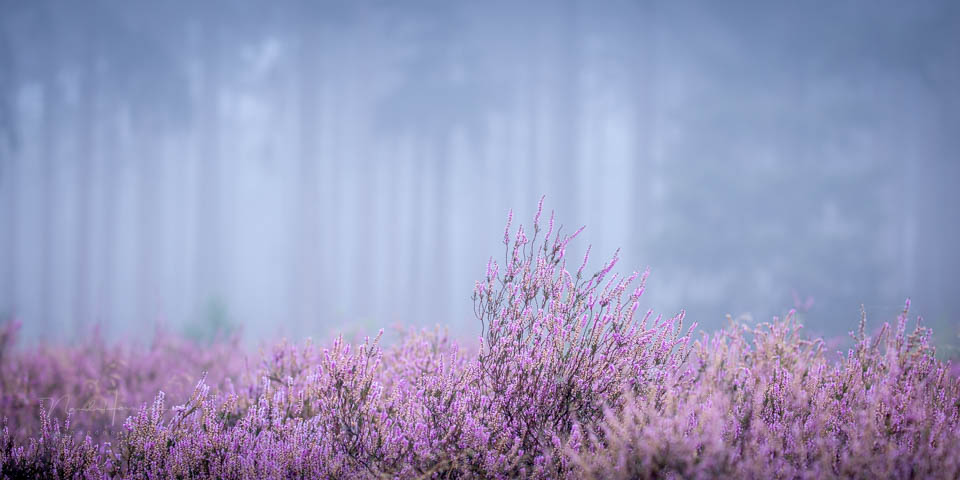
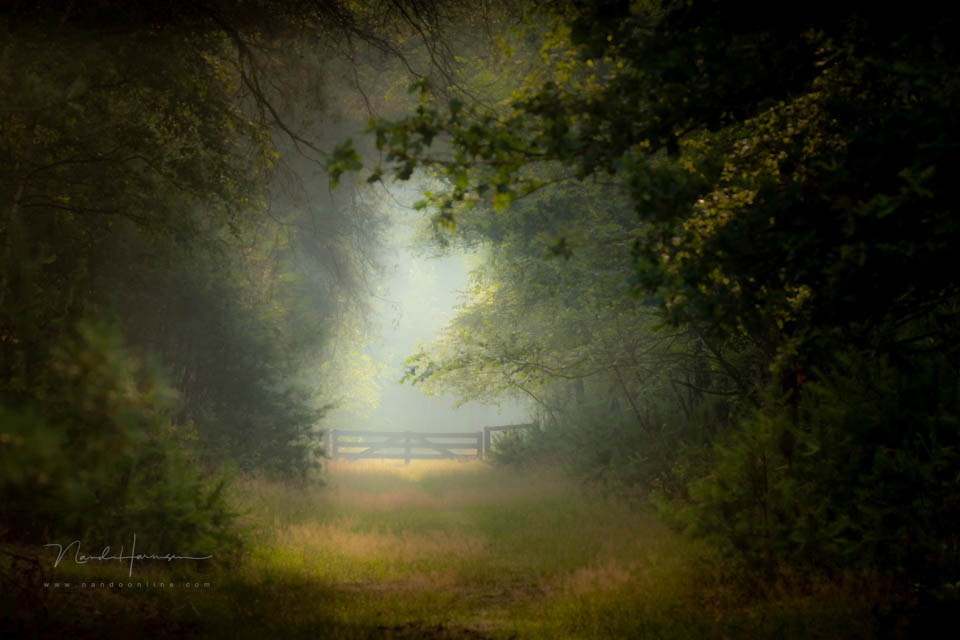
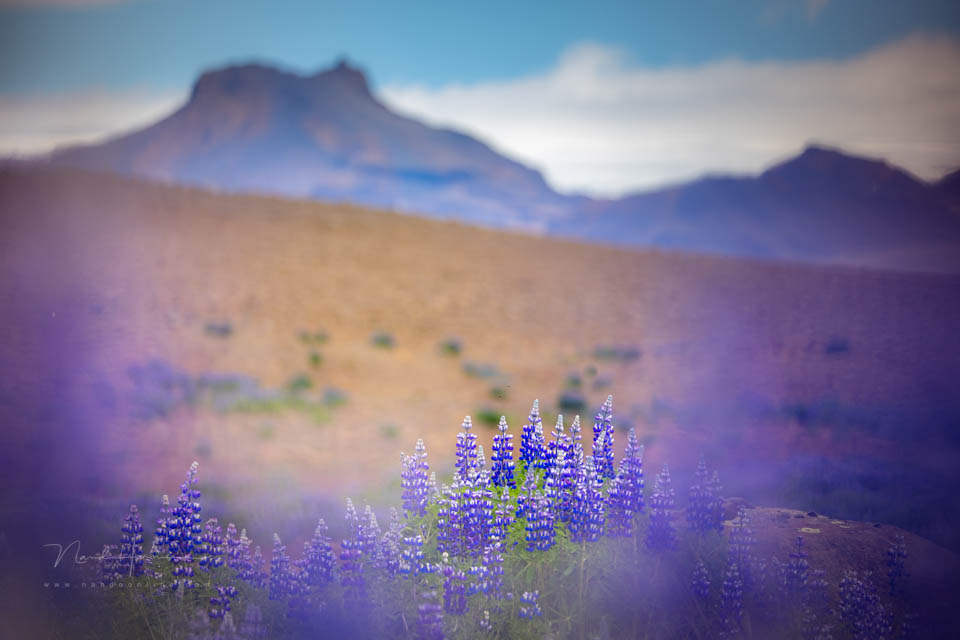
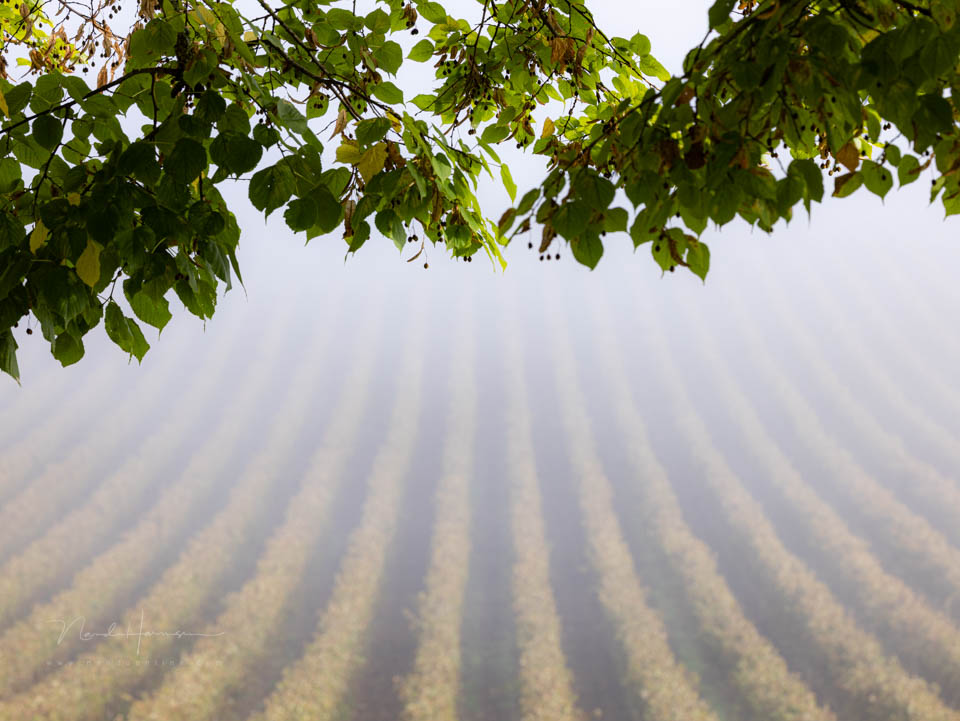
When you think of a landscape photo, you probably think of an image where everything is sharp. From the foreground right to the horizon. But that is not always necessary. Let this selection from 12 years of photographing landscapes inspire you to use a shallow depth of field sometimes.
I like playing with depth of field in my landscape photography. Sometimes a large depth of field, so large that literally everything in the image is sharp. Sometimes not. I discovered that I have been playing with depth of field for more than a decade.
A shallow depth of field can create a beautiful sense of depth, if used in the right situation and done well. In other words, use it sparingly and only when it adds something.
With that in mind, let go of the self-imposed obligation to have everything sharp in a landscape. Think 'outside the box,' as they say so nicely in English. I have no idea how that should be translated.
I went looking through my archive, all the way back to 2012. I selected fifteen photos in which I deliberately photographed with a shallow depth of field. I added the focal length and aperture. All of them were photographed with a full-frame camera, in case you were wondering.
Let these photos inspire you to think 'outside the box' when capturing the landscape. And let me know in a comment whether you also use a shallow depth of field in landscape photography.

About the author
Nando Harmsen has been photographing for more than 40 years. He specialises in wedding photography and landscape photography. Nando also gives talks, workshops, masterclasses and photo trips, and regularly reviews new and interesting equipment.
You might also like
-
 Night photography tip: using bokeh rings
by Nando Harmsen
-
 The difference between bokeh and shallow depth of field
by Nando Harmsen
-
 Electronic First Curtain Shutter and Bokeh
by Nando Harmsen
-
 Mushrooms with bokeh
by Erik Nevels
-
 Where do you place the horizon in a landscape photo?
by Nando Harmsen
-
 Thoughtful use of the foreground in a photo
by Nando Harmsen
9 comments
-

 egerards wrote on Tuesday 3 February 2026 at 11:16
| reply
egerards wrote on Tuesday 3 February 2026 at 11:16
| reply
Beautiful photos that more than support your point!
Translated from Dutch. -
 Van der Velde Marleen wrote on Tuesday 3 February 2026 at 12:08 | reply
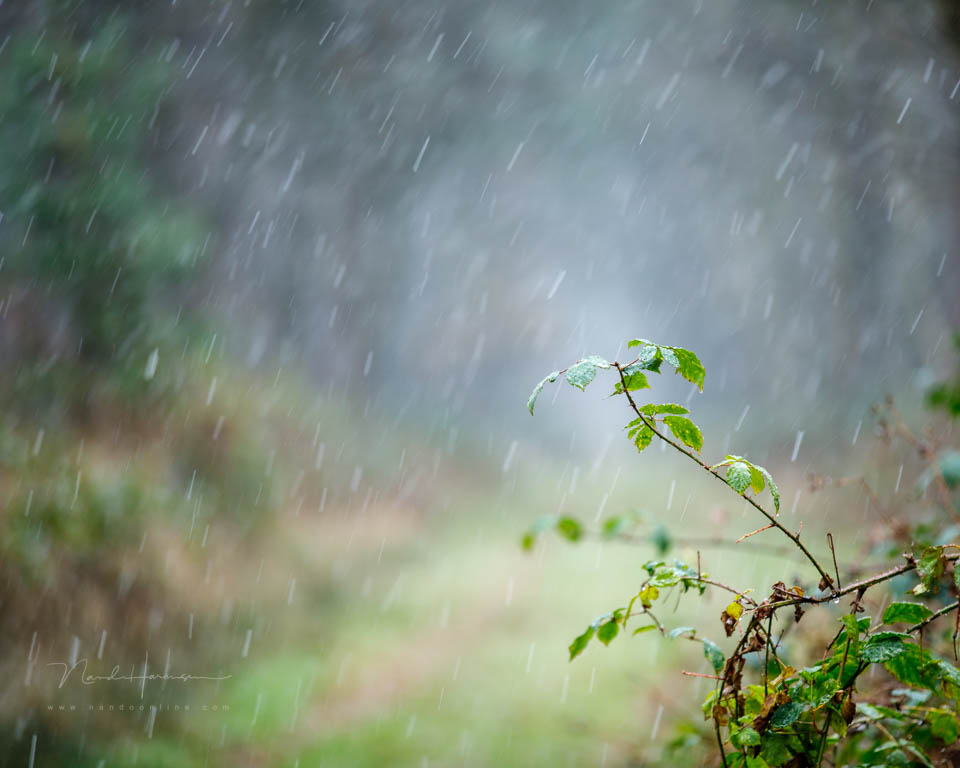
I would find a photo of a branch with raindrops rather than rain streaks more beautiful, that requires a faster shutter speed. Too bad you didn't mention the shutter speed.
Translated from Dutch. -
 Nando
wrote on Tuesday 3 February 2026 at 12:20
| reply
Nando
wrote on Tuesday 3 February 2026 at 12:20
| reply
It isn't rain, but snow. And indeed, falling snow can be photographed with the flakes being 'sharp'. You can't do that with rain.
Translated from Dutch.
However, the choice of shutter speed is deliberate, so that you can see it falling. Otherwise you get something like the photo of the tree in the snow; white dots.
The shutter speed doesn't tell you all that much. In this case it is 1/40s. I can show a photo where at 1/100s the streaks of falling snow are still much longer.
The shutter speed needed to see falling snow hanging motionless in the air therefore depends on how hard the snow is falling. The one with the snow-covered tree was 1/500s. -
 hleen wrote on Tuesday 3 February 2026 at 13:05 | reply
Nice photos!
Translated from Dutch.
Think outside the box could be translated as "Thinking outside the box" (if you have a Leica or "Coloring outside the lines" (for other cameras
 -
Van der velde Marleen wrote on Tuesday 3 February 2026 at 14:58 | reply
In the photo with the precipitation and the branch in the foreground, it is not clearly visible that it is snow. I am assuming that now. In the case of snowflakes, it is possible that they slowly waft downwards and therefore appear in this image as little lines with a shutter speed of 1/40. When taking this image, it had apparently just started snowing when you took the photo, there is not yet any snow visible on the leaf of the branch in the foreground. It could very well be that at 1/100sec the lines would be even longer, in which case the flakes are drifting down even more slowly than in your photo. With a shutter speed of 1/2000 or higher, you freeze the snowflake and can see that they are snowflakes and not rain. So it is possible, I think.
Translated from Dutch. -
Nando
wrote on Tuesday 3 February 2026 at 15:10
| reply
Apparently you don't understand my response to your comment.
Translated from Dutch.
I am only saying that in rain you can almost never photograph the drops stationary in the air. In rain.
With snow you can, as the photo of the tree shows.
About the shutter speed: I photographed a snow shower at 1/100s (a faster shutter speed than this one photo) and there was still much more movement. By that I mean that the shutter speed doesn't say much when it is included with a photo. -
 Sprunki
wrote on Wednesday 4 February 2026 at 03:19
| reply
Sprunki
wrote on Wednesday 4 February 2026 at 03:19
| reply
Normally, with landscapes you actually want a lot of depth of field, so that both the foreground and the background are sharp. You usually achieve that with a smaller aperture (such as f/8-f/16) and possibly hyperfocal focusing.
Translated from Dutch. -
Van der velde wrote on Wednesday 4 February 2026 at 10:21 | reply
I’m reading what you wrote and now Nando repeats it, I understand you very well. You are an experienced landscape photographer and have a lot of knowledge in that area. I have a lot of experience as a wildlife photographer, especially bird photography. I have often been able to take images when it was raining very lightly, and could then create images just like when snowflakes are swirling around. When the snow is just starting to fall it is easier, unless it is snowing very heavily, then I focus manually on my subject, work from a tripod and photograph in manual mode until my subject flies away. With a high shutter speed, you can really see the snowflakes blurred and the bird sharp in the image. Unfortunately, it rarely snows here.
Translated from Dutch. -
 chris wrote on Thursday 5 February 2026 at 15:43 | reply
Very beautiful photos
Translated from Dutch.
Have your say
Please note: Articles older than a week can only be commented on by signed-in visitors.Would you still like to comment? sign in or create a free account.
Become a better photographer every week
A practical photography tip in your inbox every week.
39,079 photography enthusiasts already receive the tips! More about the weekly mail. Or keep up to date via  Facebook.

Elja Trum
Photofacts; everything to do with photography!
Would you like to take better photos and keep up with what is happening in photography? Photofacts publishes articles that teach you something about photography — from a product announcement to a practical shooting tip or a look at a website. Photofacts covers photography every day and is a hobby project of Elja Trum's that got out of hand. The articles are written by a team of volunteer authors. If you would enjoy writing one or more articles for Photofacts, do get in touch.More about PhotofactsPhotofacts is made possible in part by
