

Using Motion Blur to Your Advantage
Sunday 5 February 2023, 15:30 by Nando Harmsen | 5,381 views | 2 commentsThis article was translated from Dutch with the help of AI. Read the original.
We normally try to prevent all forms of movement. Fast shutter speeds, image stabilisation and a tripod are used to stop the dreaded motion blur from showing up in the image. But what if you do this deliberately? The technique even has a name: ICM photography.
When a photo has even the slightest trace of motion blur, it is considered a failure. Some people still consider trying to repair the photo with all sorts of 'smart' software. But when there is a lot of movement in it, it is often destined for the bin.
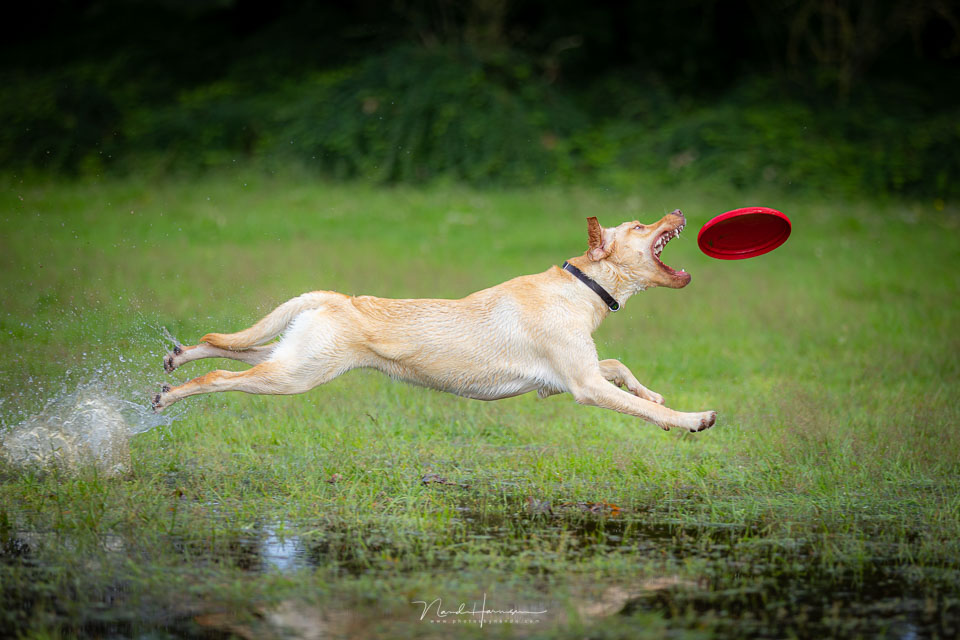
Making deliberate use of movement
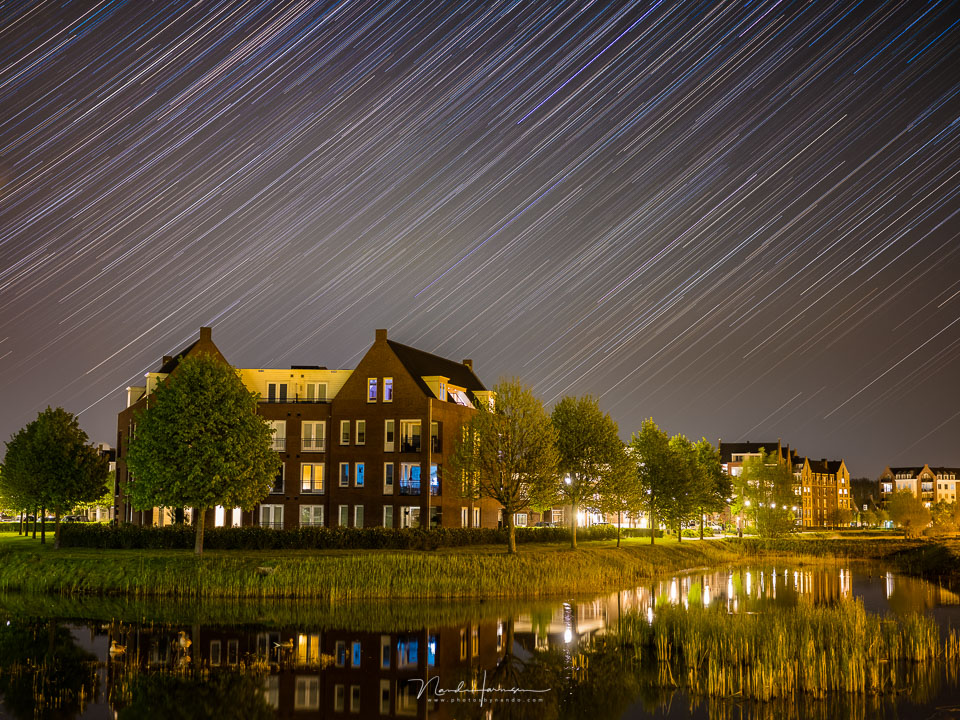
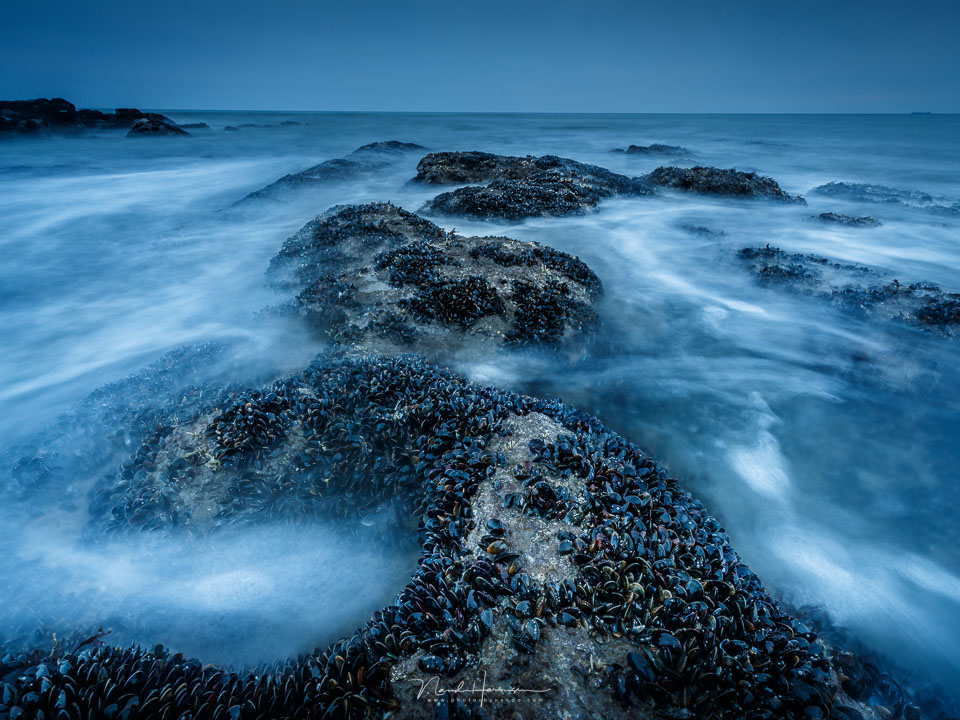
Still, motion blur is used in a photo more often than you might expect at first. Think of long shutter speeds with the movement of water or clouds. Or photographing star trails, which I have made a full course about. We use motion blur for these photos.
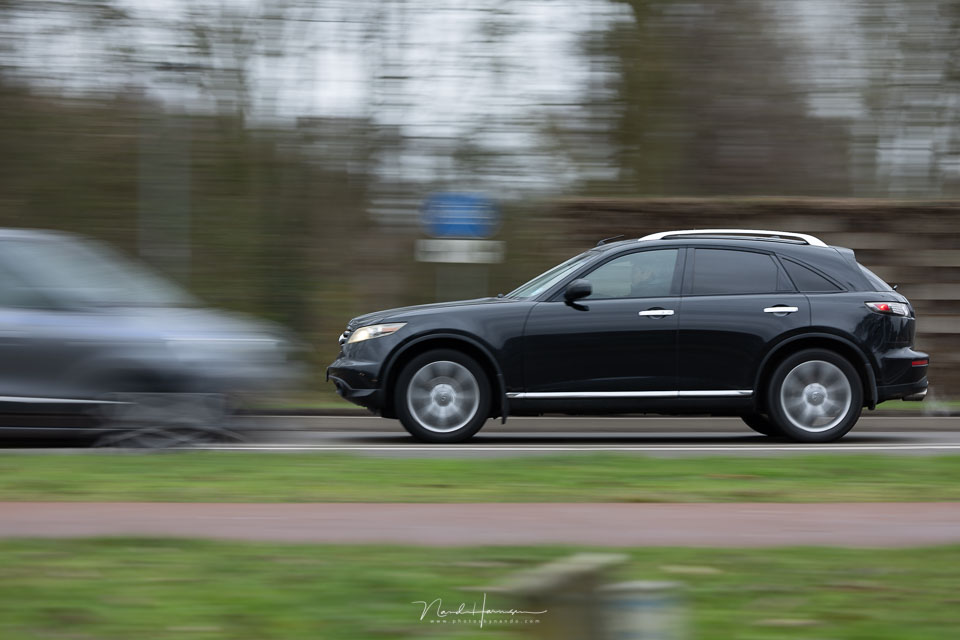
Action or sports photographers can also use motion blur in a photo. This is called panning, where the camera moves along with the moving subject. The idea is for the moving subject to be as sharp as possible in the image, while the background gives a sense of movement.
Moving the camera deliberately
What if you move the camera without your subject moving? Then you are using Intentional Camera Movement (ICM), a technique that some photographers have elevated to an art form.
A good example is the work of Olga Karlovac. Other photographers include Alan Brown and Andrew S Gray.
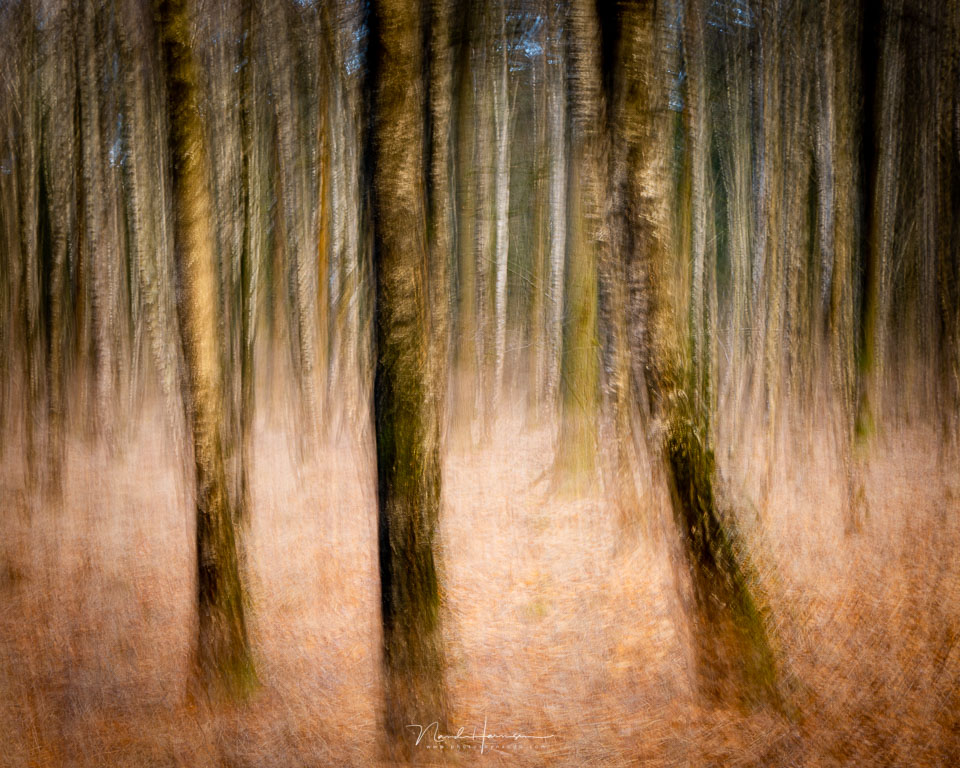
If you think simply moving the camera is enough for ICM photography, you are mistaken. Normally, you pay attention to composition, image structure, contrast and colour. With Intentional Camera Movement, there is an extra dimension: movement. Moving randomly rarely produces a good result.
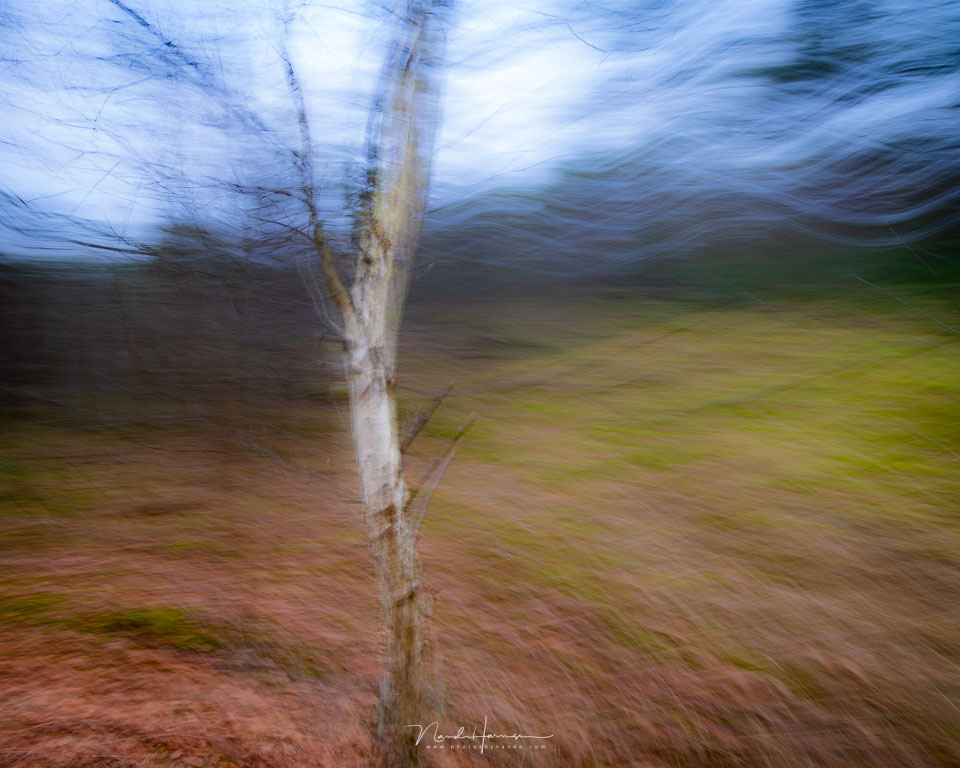
I regularly see ICM photography passing by, especially on social media, and in many cases it completely misses the mark. The movement is thoughtless and random. No account has been taken of direction, contrast or subject.
That already shows that good ICM photography can be more difficult than taking an ordinary sharp photo.
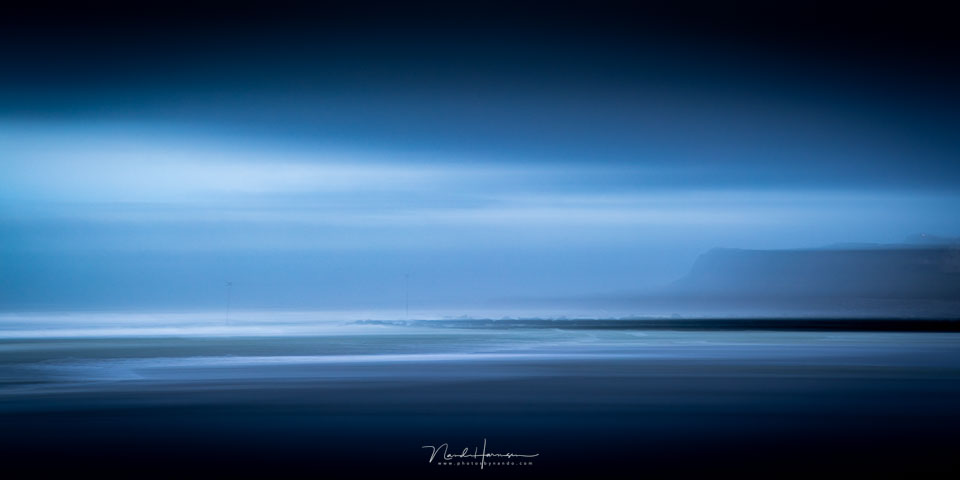
After seeing beautiful Intentional Camera Movement photos, I started experimenting with this technique (I wrote about this resolution earlier). I can only confirm what I wrote. It is incredibly difficult to achieve good results.
At the same time, it is also incredibly fun and challenging. Which direction should you move? How much should you move? How fast should the movement be? How long should you expose for?
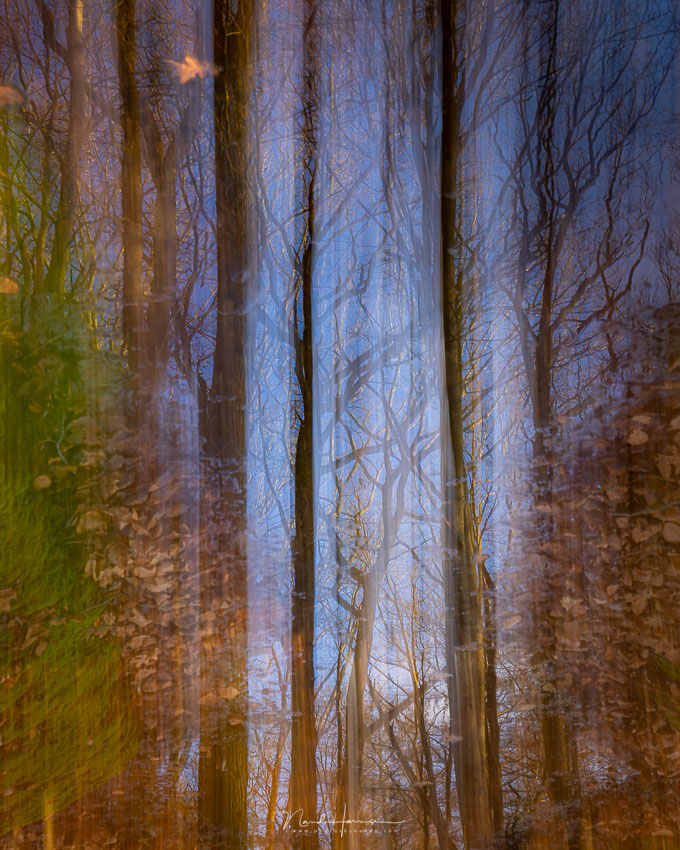
You have to be into it, that is for sure. But when done well, the images are fantastic. They are almost like paintings, and that is how I see them too. It is painting with the camera.
What do you think of Intentional Camera Movement? Have you tried it, or do you hate this kind of artistic expression? Tell us in a comment below this post.
About the author
Nando Harmsen has been photographing for more than 40 years. He specialises in wedding photography and landscape photography. Nando also gives talks, workshops, masterclasses and photo trips, and regularly reviews new and interesting equipment.
You might also like
-
 Showing and freezing movement with flash photography
by Elja Trum
-
 10 tips for panning, moving the camera with the movement
by Nando Harmsen
-
 Does a high-resolution camera need a faster shutter speed?
by Nando Harmsen
-
 Photographing with Long Shutter Speeds Without a Tripod
by Nando Harmsen
-
 Creating an HDR photo with movement in the frame
by Nando Harmsen
-
 Playing with blur
by Laura van der Burgt
2 comments
-
 rob wrote on Tuesday 7 February 2023 at 15:00 | reply
Hi Nando, I still don't know what to think of it, I've seen various photos, I really don't like most of them, but luckily that's a matter of taste (which I obviously don't have), but the one by Olga Karlovac, yes, that's great to see and I think also super difficult to make. I think I will give it a try sometime after all (if I've gathered enough courage) Thanks again for your explanation ej
Translated from Dutch. -

 Nando
wrote on Tuesday 14 February 2023 at 14:24
| reply
Nando
wrote on Tuesday 14 February 2023 at 14:24
| reply
Thank you for your response, Rob.
Translated from Dutch.
It is indeed a matter of taste - and there is no arguing about that. Olga Karlovac certainly makes beautiful work, but urban images are quite different from nature, I notice. If you already prefer urban photography, it will appeal to you more anyway.
Give it a try, and don't give up too quickly. I notice that practice is necessary. Because it is very difficult. More difficult than simply keeping a camera still
Have your say
Please note: Articles older than a week can only be commented on by signed-in visitors.Would you still like to comment? sign in or create a free account.
Become a better photographer every week
A practical photography tip in your inbox every week.
39,079 photography enthusiasts already receive the tips! More about the weekly mail. Or keep up to date via  Facebook.

Elja Trum
Photofacts; everything to do with photography!
Would you like to take better photos and keep up with what is happening in photography? Photofacts publishes articles that teach you something about photography — from a product announcement to a practical shooting tip or a look at a website. Photofacts covers photography every day and is a hobby project of Elja Trum's that got out of hand. The articles are written by a team of volunteer authors. If you would enjoy writing one or more articles for Photofacts, do get in touch.More about PhotofactsPhotofacts is made possible in part by
