

Higher ISO instead of a longer shutter speed
Saturday 12 September 2026, 16:32 by Nando Harmsen | 1,094 views | 0 commentsThis article was translated from Dutch with the help of AI. Read the original.
When photographing in the dark, a long shutter speed is necessary. This gives you enough light on the sensor for a correct exposure. Yet sometimes you need to choose a higher ISO. I explain why.
You know that the correct exposure is achieved with the right combination of aperture, shutter speed and ISO. There are countless combinations possible for each lighting situation. You choose the most suitable one.
The choice is determined by the desired depth of field or the desired rendering of movement. The chosen ISO value usually has no effect on the photo. It can only have a negative effect on quality.
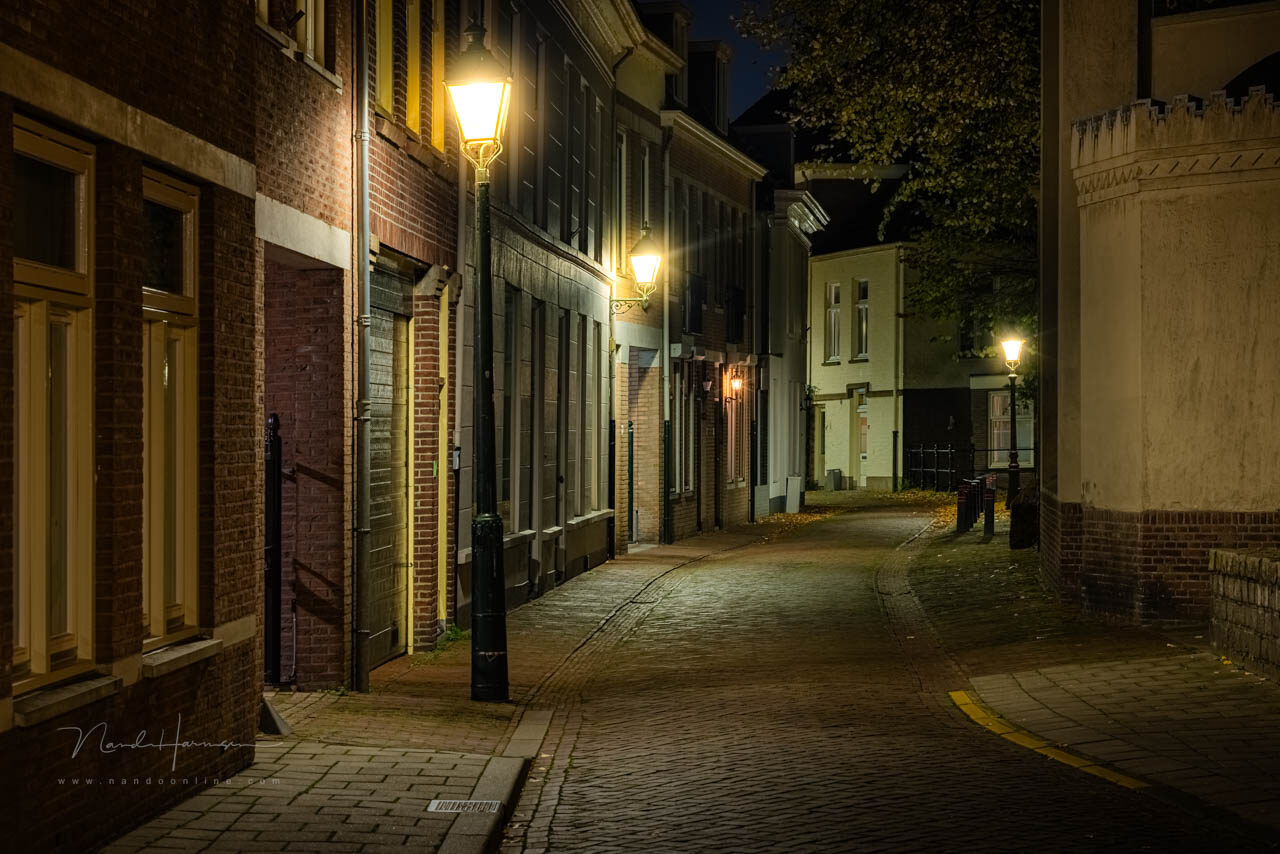
Aperture is important, the shutter speed is not. - f/8, 1/2s, 100 ISO @ 79mm
We will leave ISO noise out of consideration for now. For convenience, we will also assume that the ISO value affects the sensitivity of the sensor. Even though reality is somewhat more nuanced.
There are situations where the choice of ISO value does affect the photo. This has everything to do with the apparent sensitivity of the sensor. It also has to do with the movement of light.
With moving light, the shutter speed no longer determines the exposure of the light. With both a slow and a fast shutter speed, the exposure of the light itself will be the same.
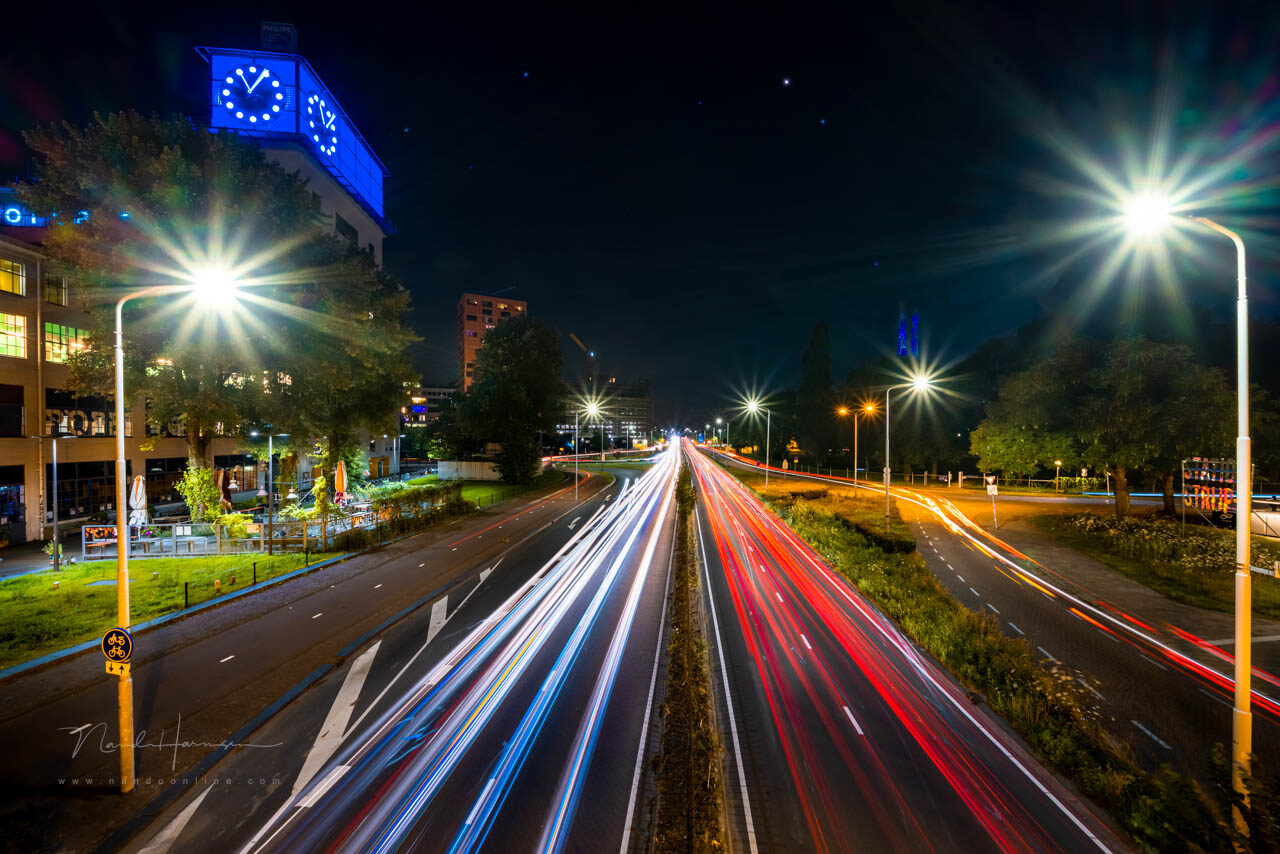
The brightness of the light trails is determined by the ISO value. The aperture also matters, but it offers no room for manoeuvre because of its effect on depth of field - 13s, 200 ISO @ 12mm
Because of the movement, the same pixels are not exposed. Only the speed of the movement determines how long a pixel is exposed. Not the shutter speed. The shutter speed does determine how long a light trail becomes.
You can of course open the aperture further. This lets more light through the lens, affecting the exposure of the moving light. But it also unintentionally changes the depth of field.
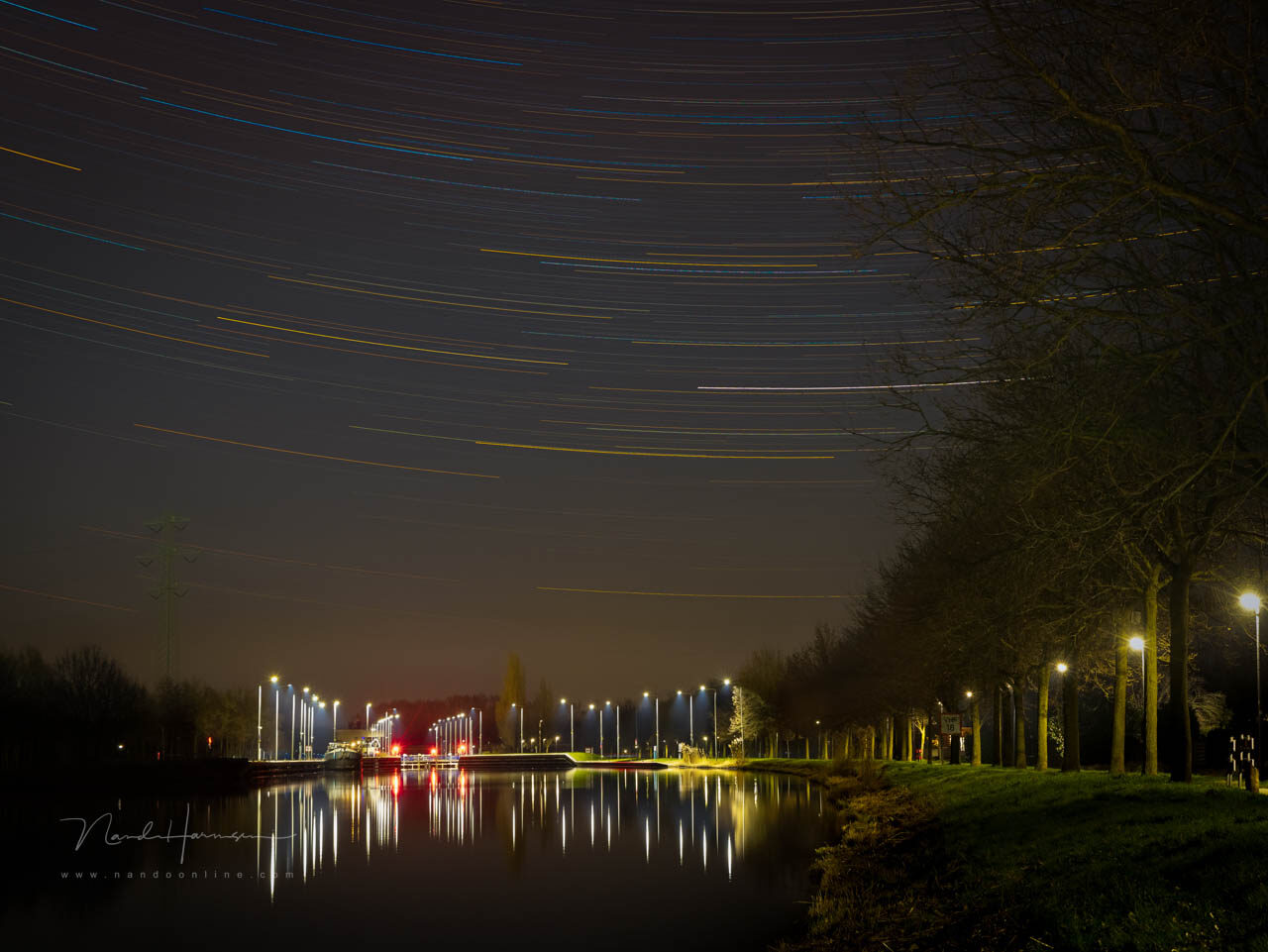
The higher the ISO, the more stars you can see. Shutter speed has no influence here. Aperture does, but it also changes the depth of field - f/8, 10s, 1600 ISO @ 74mm
The appearance of the photo will not change with the ISO value. But the apparently higher sensitivity of the sensor changes the exposure of the light itself.
Using ISO for the exposure of moving light is relevant to such things as astrophotography and light painting. But also to light trails from cars, cyclists, boats and aeroplanes.
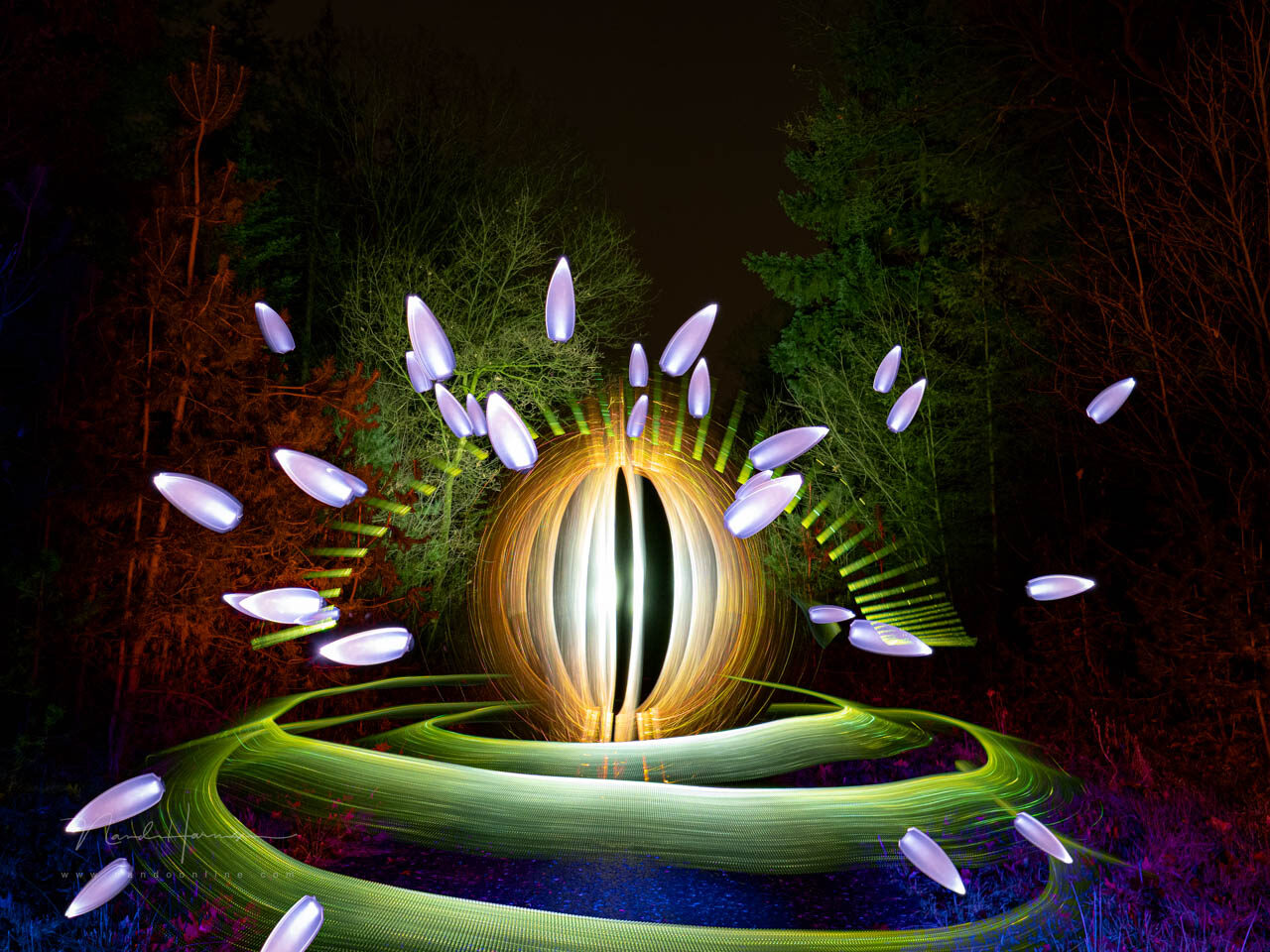
The ISO determines the exposure of the light. The shutter speed does not, because the light moves.. - f/5.6, 10 min, 800 ISO @ 14mm
Choosing the right ISO value for these forms of photography is difficult. You cannot rely on a normal exposure reading. You have to determine it through trial and error.
Do you already play around with ISO values in evening and night photography? Or do you always choose the lowest ISO value? Let us know how you work when taking this kind of photo.
About the author
Nando Harmsen has been photographing for more than 40 years. He specialises in wedding photography and landscape photography. Nando also gives talks, workshops, masterclasses and photo trips, and regularly reviews new and interesting equipment.
You might also like
-
 Getting started with a trail camera, what you need to know
by Stijn Madou
-
 6 Tips for Creating Star Trails
by Nando Harmsen
-
 How can you avoid and reduce noise in your photos?
by Huub Keulers
-
 Which is better? Stacking or noise reduction?
by Nando Harmsen
-
 10 tips for light painting
by Liesbeth van Asselt
-
 Light painting: a creative form of photography
by Nando Harmsen
0 comments
Be the first to share what you think!
Have your say
Please note: Articles older than a week can only be commented on by signed-in visitors.Would you still like to comment? sign in or create a free account.
Become a better photographer every week
A practical photography tip in your inbox every week.
39,079 photography enthusiasts already receive the tips! More about the weekly mail. Or keep up to date via  Facebook.

Elja Trum
Photofacts; everything to do with photography!
Would you like to take better photos and keep up with what is happening in photography? Photofacts publishes articles that teach you something about photography — from a product announcement to a practical shooting tip or a look at a website. Photofacts covers photography every day and is a hobby project of Elja Trum's that got out of hand. The articles are written by a team of volunteer authors. If you would enjoy writing one or more articles for Photofacts, do get in touch.More about PhotofactsPhotofacts is made possible in part by
