

How important is shutter count when buying a second-hand camera?
Monday 10 May 2021, 20:10 by Nando Harmsen | 10,927 views | 14 commentsThis article was translated from Dutch with the help of AI. Read the original.
Do you want to buy a second-hand camera, or are you selling one? Then shutter count will always come up. How many photos have been taken with the camera is often the first question. How important is it? In this article, I take a closer look at it.
Let me first explain what this is about. Every camera has a shutter. This is a mechanism that ensures light falls on the sensor for a short, or longer, period of time. That time is the exposure time, or shutter speed.
Usually this is a fraction of a second, but it can also be longer. Shutter speeds between 1/1000 second and 1/30 second are relatively normal. Longer shutter speeds from 1/15 second to as much as 30 seconds are also used, especially in certain types of photography.
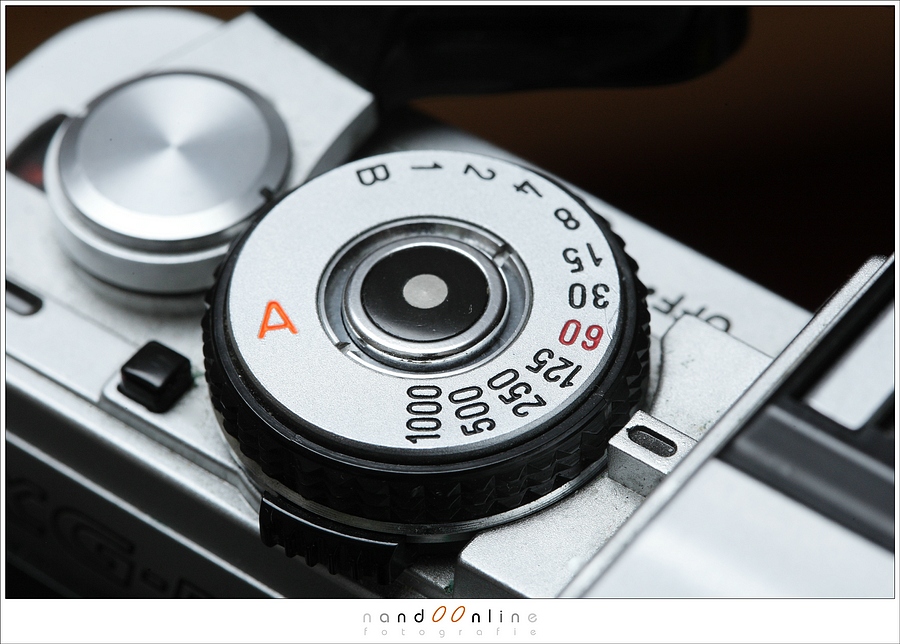
Then there are the extremely long shutter speeds, where the shutter remains open for a longer period. This can be for several minutes, or even longer. Someone filming for half an hour will have the shutter open for half an hour.
Using the live view function of DSLR cameras also keeps the shutter open. Did you know that mirrorless cameras have a mechanical shutter too?
Moving parts wear out
A mechanical shutter consists of two curtains that open one after the other when the photo is taken. The first curtain opens and lets light fall on the sensor, then the second curtain closes again. It is called a mechanical shutter because the exposure time is controlled by physically moving parts in the camera.
Because these are all moving parts, wear occurs. That is perfectly normal. This is why a manufacturer says that a camera can handle a guaranteed number of shutter movements.
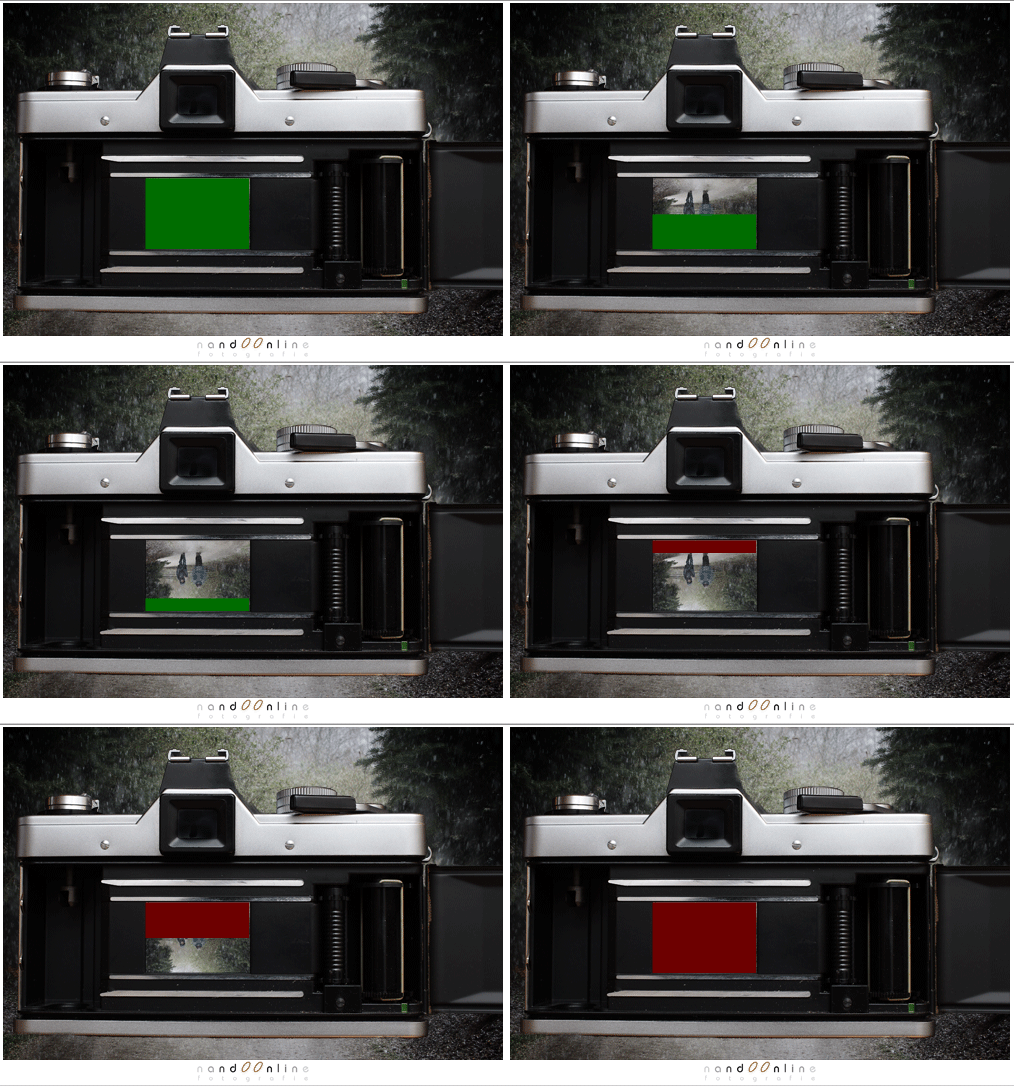
The quality of the shutter determines how quickly wear occurs. The better the quality, the more movements are guaranteed. The better the quality, the more expensive the shutter will be.
For consumer cameras, it is often guaranteed that at least between 50,000 and 100,000 movements can be made. That is the guaranteed lifespan of the shutter. In principle, these are 50,000 to 100,000 photos.
For more professional cameras, these figures are between 200,000 and 300,000 shutter movements, or even more. The quality of the shutter is better because professional cameras are used much more and more intensively.
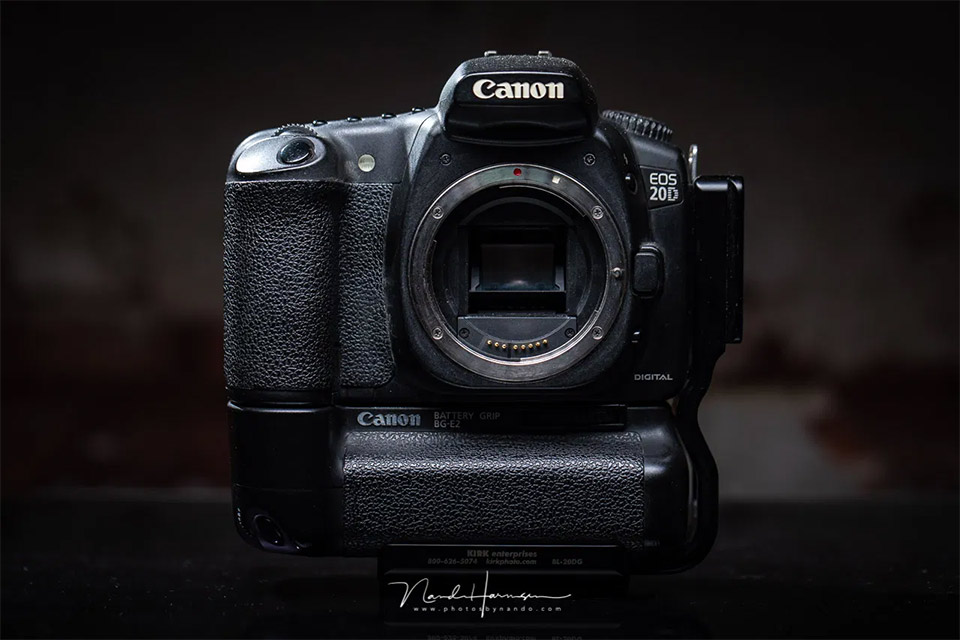
How important is the number of shutter movements?
People often look at the number of shutter movements a second-hand camera has made. This gives an idea of how much wear the camera has... or rather, how much wear the shutter may have. It only concerns one part of the camera.
This part can be replaced. In fact, it was designed to be relatively easy to replace. You do not do this yourself, but have it done by a service centre. The cost of such a replacement is somewhere between 150 and 500 euros, depending on the camera.
So how important is it to look at the number of shutter movements when buying a camera? In my opinion, this mainly depends on the price of the second-hand camera.
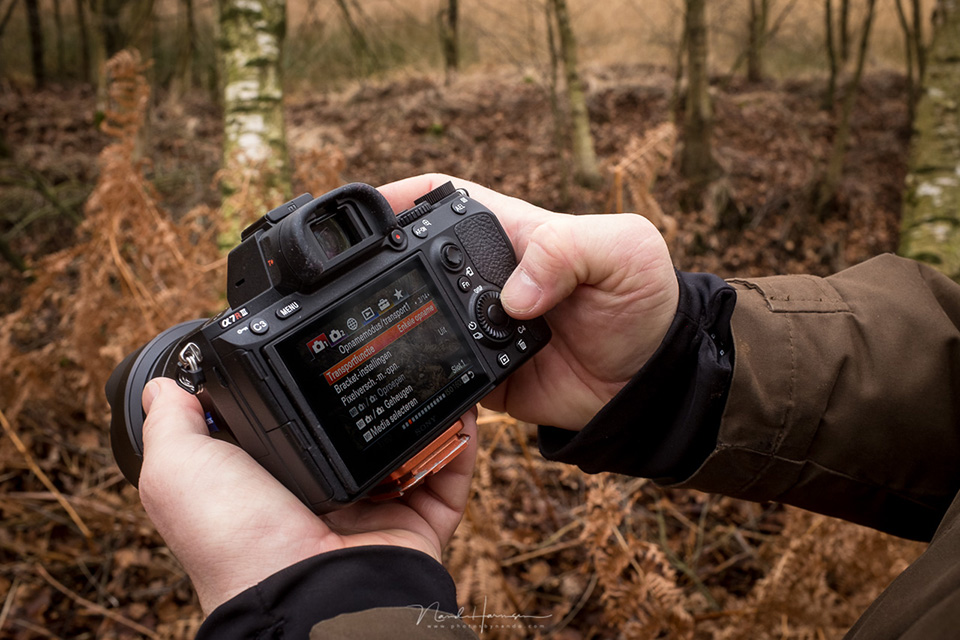
Cameras with a very high shutter count can often be priced considerably lower, which may make them interesting to buy. It is true that the shutter may be nearing the end of its guaranteed lifespan. But perhaps the camera is priced so low that the cost of replacing the shutter still makes buying it worthwhile.
It is also important to realise that the guarantee of 50,000 or 100,000 shutter movements only refers to a guaranteed number. Who knows, you may be able to continue up to 1,000,000 shutter movements.
How much is 100,000 photos?
We quickly take the numbers for shutter movements for granted. We often do not think about what they really mean. How many photos, for example, is 100,000? To put this into perspective, I will do a calculation.
Suppose you take 100 photos every day of the year. That is 700 per week, about 3,000 per month, 36,500 photos per year. So you need to take 100 photos every day for about three years to reach those 100,000 shutter movements.
For a professional, that is no problem at all. If you photograph a wedding every week and take 2,000 photos at it, you will have made those 100,000 shutter movements in a year. However, that wedding photographer will probably have a camera with a guaranteed 300,000 shutter movements.
This wedding photographer's camera will probably have been written off after two years. If you take over such a camera, you can still take 100,000 photos before reaching those 300,000 shutter movements. That is three years if you take 100 photos every day without interruption.
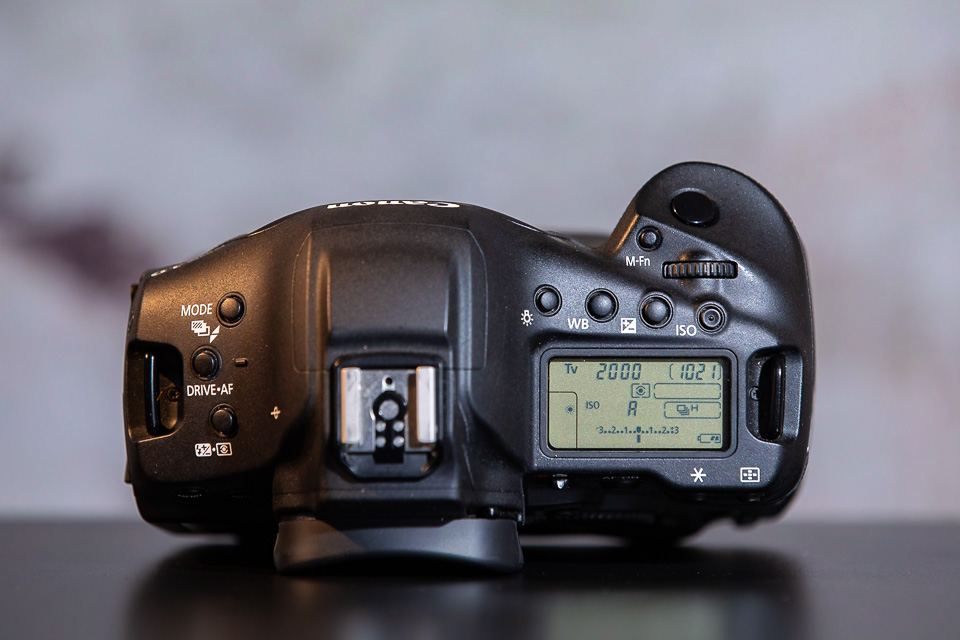
In short, such a camera with a shutter count of 200,000 can be very interesting. How many photos do you take on average each year? Have you ever worked it out? It may be worth doing.
Shutter count is less important than many people make it seem
I am convinced that the number of shutter movements a second-hand camera has made is less important than many people make it seem. It is not an isolated figure either. You need to consider it alongside the type of camera being offered and the price.
The figure given by the manufacturer is also only a kind of guarantee. It does not tell you that the camera will break when that figure is reached. Perhaps you can take twice as many photos with that particular shutter.

On the other hand, it can just as easily happen that a shutter guaranteed to handle 100,000 movements fails after 50,000. That is simply bad luck.
So look at what kind of camera you want, what the manufacturer guarantees, how many photos have already been taken with it, and what the price is. If you also know how much you photograph yourself, or think you will photograph, you can make a fairly good estimate of whether it is a good deal. Just remember that a shutter can be replaced.
Finding out the shutter count
Finding out how many shutter movements a camera has made can be a challenge. There is software, both free and paid, that can read this information. It is often stored in the EXIF data of a photo.
However, reading it is not possible with every camera. Canon has made it difficult to find out, but other brands do not exactly seem keen to advertise it either. It is a matter of trying it out.
Perhaps the best-known software is the website https://www.camerashuttercount.com/. Other options are http://www.freeshuttercount.com/, http://www.shuttercounter.com/ and http://www.myshuttercount.com/.
Using this software or these sites is at your own risk. It also provides no guarantee that the value you get back is correct. Always remember that a camera's shutter count can be reset during a firmware update or when the counter rolls over.
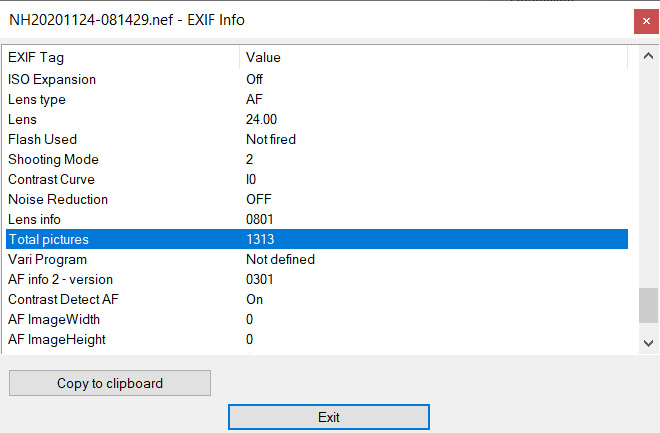
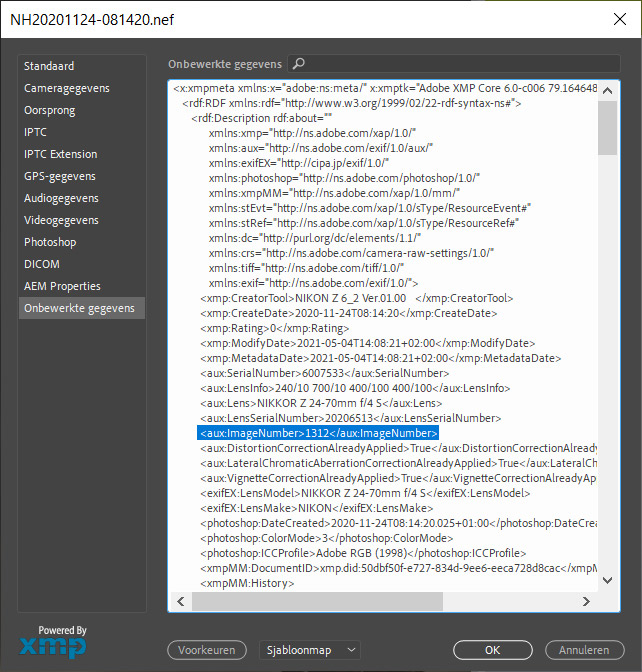
Do not forget Photoshop, where you can also view the EXIF data. You can do this via File, File Info, Raw Data. Or with a programme such as IrfanView, where the EXIF data can also be read. But only if that information is present, of course. Unfortunately, not every camera writes all of that information to the EXIF.
What do you think about shutter count?
How important is shutter count to you? To what extent does it determine the quality of the camera for you? Or do you think it is less important? Let us know in a comment below this article.
About the author
Nando Harmsen has been photographing for more than 40 years. He specialises in wedding photography and landscape photography. Nando also gives talks, workshops, masterclasses and photo trips, and regularly reviews new and interesting equipment.
You might also like
-
 What should you look out for when buying a second-hand camera?
by Nando Harmsen
-
 4 second-hand purchases you need to be careful with
by Nando Harmsen
-
What to look for when buying a second-hand lens
by Nando Harmsen
-
 Photograph your hand as a bookmark
by Nando Harmsen

14 comments
-
 RAWshooter wrote on Tuesday 11 May 2021 at 15:13 | reply
My camera has both a mechanical and an electronic shutter. I only use the latter, so I couldn't care less about the shutter count, even when I'm looking for a used one.
Translated from Dutch. -
 Robert wrote on Tuesday 11 May 2021 at 15:44 | reply
It's just like with cars.....do you buy a second-hand one with low mileage + maintenance history or does it not matter to you. It does to me. And of course the dents and scratches . And with the camera the signs of use. But that's old news.
Translated from Dutch.
Sporty regards Robert -
 Gerard wrote on Tuesday 11 May 2021 at 16:20 | reply
I own a Nikon Z7. In my humble opinion, the above does not apply here.
Translated from Dutch. -

-
 Jean wrote on Tuesday 11 May 2021 at 16:34 | reply
I found the explanation very interesting, I thought that 80 to 100,000 clicks was already quite a lot and I didn't know that the shutter can easily be replaced either. regards jan
Translated from Dutch. -
 Peter wrote on Tuesday 11 May 2021 at 16:44 | reply
I once started with a second-hand camera and bought quite a few used ones. The overall impression of the camera (and the seller, if it is a private individual) is decisive for me. And I have never had a problem with a shutter. Not with Olympus, Nikon or Fujifilm, those are the brands I had (have). With an offer, always bear in mind that if it seems too good to be true, it probably is. Don't buy the first one you come across and look into what you want to buy.
Translated from Dutch. -
 guest wrote on Tuesday 11 May 2021 at 16:48 | reply
That's determining it after the fact, when you've already bought the camera. How do you do that when you're in the store with the camera in your hand.
Translated from Dutch. -
 Willy wrote on Tuesday 11 May 2021 at 19:19 | reply
The shutter of my Canon 50D gave up a few years ago at less than 15,000 clikxs, no worries, camera taken to the official Canon repair centre in Bergen- op -Zoom . New shutter put in, costs € 250 and 3 months repair warranty. Four months after the repair the new shutter was also broken. I don't take photos in extreme conditions , mainly concert photos and besides travel - and family photos. The 50D has since been gathering dust in the cupboard ... I now photograph with a 5D Mark II and a 5D Mark III.
Translated from Dutch. -

 ifiamminghi wrote on Tuesday 11 May 2021 at 19:38
| reply
ifiamminghi wrote on Tuesday 11 May 2021 at 19:38
| reply
If you buy a second-hand camera from a professional photographer, then that shutter count is not unimportant, but private individuals generally don't even reach 20% of the guaranteed "click count"...
Translated from Dutch.
Much more important to me seems to be the sensor... professionals generally change lenses less often (they have multiple cameras with them, each with a suitable lens), private individuals often only have one camera and change lenses much more often, and very often not in the most optimal conditions... resulting in sensor spots! And those really are annoying things!
And yes, shutter count is one parameter, but certainly not the most important one (imho). -
 Ernst wrote on Tuesday 11 May 2021 at 22:16 | reply
Personally, I think shutter count is a non-issue; but useful for a lower price. Once managed to buy a Nikon D800 for just under 500 euros. Heavy signs of use and more than 250,000 shots. Who cares, with a camera like that you take the same photos as with a nice one
Translated from Dutch. . A camera is a tool; not something to stand looking pretty in a cabinet. Tip, if the shutter breaks, you can have your camera modified right away so you can also shoot in IR. Dutch Digital Works once gave my D5100, which had fallen, a second life that way
 -
Mac wrote on Wednesday 12 May 2021 at 07:52 | reply
@ifiamminghi
Translated from Dutch.
That sensor can easily be cleaned (or have it cleaned). So there’s nothing wrong. Only if the sensor were damaged would you have a problem. -
ifiamminghi wrote on Wednesday 12 May 2021 at 22:48
| reply
@Mac, indeed, a sensor can admittedly be cleaned quite easily, but that means extra costs again, so it’s better to pay close attention right at the time of purchase that there are NO sensor spots...
Translated from Dutch.
And the fact that there are sensor spots also says something about the lenses not always having been changed in the most optimal circumstances, which in turn points to some "recklessness" (=less careful)... and in that sense, I think, any sensor spots are indeed an important point to pay attention to (can also be used to negotiate a better price). -
Mac wrote on Friday 14 May 2021 at 08:48 | reply
@ifiamminghi
Translated from Dutch.
Even cameras with fixed lenses can have sensor spots (dust can get everywhere, yes, even in cameras that are sealed against the weather).
And cleaning it doesn't cost much, especially if you do it yourself. And if you bought a camera without dust on the sensor, you'll have to put a lens on it, with a high chance of getting dust on the sensor.
So dust on the sensor doesn't mean at all that it has been handled recklessly, it's simply something that happens, and that cannot be prevented.
And if you buy a second-hand camera without dust on the sensor, that doesn't mean it hasn't been handled recklessly, maybe it has simply just been cleaned. -
 Pater wrote on Friday 14 May 2021 at 16:07 | reply
Full-frame cameras from a pro that now cost 900 rather than 3000 euros, you buy with a still low life expectancy. Plus the sensor will show dead pixels after years. A pro knows when to sell. Technology is also advancing. More money-saving is then to buy a new APS-C for that same money but with the latest technology.
Translated from Dutch.
Have your say
Please note: Articles older than a week can only be commented on by signed-in visitors.Would you still like to comment? sign in or create a free account.
Become a better photographer every week
A practical photography tip in your inbox every week.
39,103 photography enthusiasts already receive the tips! More about the weekly mail. Or keep up to date via  Facebook.

Elja Trum
Photofacts; everything to do with photography!
Would you like to take better photos and keep up with what is happening in photography? Photofacts publishes articles that teach you something about photography — from a product announcement to a practical shooting tip or a look at a website. Photofacts covers photography every day and is a hobby project of Elja Trum's that got out of hand. The articles are written by a team of volunteer authors. If you would enjoy writing one or more articles for Photofacts, do get in touch.More about PhotofactsPhotofacts is made possible in part by
