

Can You Learn Anything from Exif Data?
Sunday 29 November 2026, 20:02 by Nando Harmsen | 31 views | 0 commentsThis article was translated from Dutch with the help of AI. Read the original.
Photographers often want to see the Exif data with a photo. There is still the idea that it is useful to learn from. Be honest, what does it actually tell you about the photo? Can you learn anything from Exif data?
Exif data contains information about a photo's exposure settings and focal length. It mainly looks impressive to someone unfamiliar with photography. It shows the settings used by the photographer.
So what does Exif data actually tell you? Is it useful to know? To answer that, you need to look closely at the settings. But more importantly, you need to analyse them.
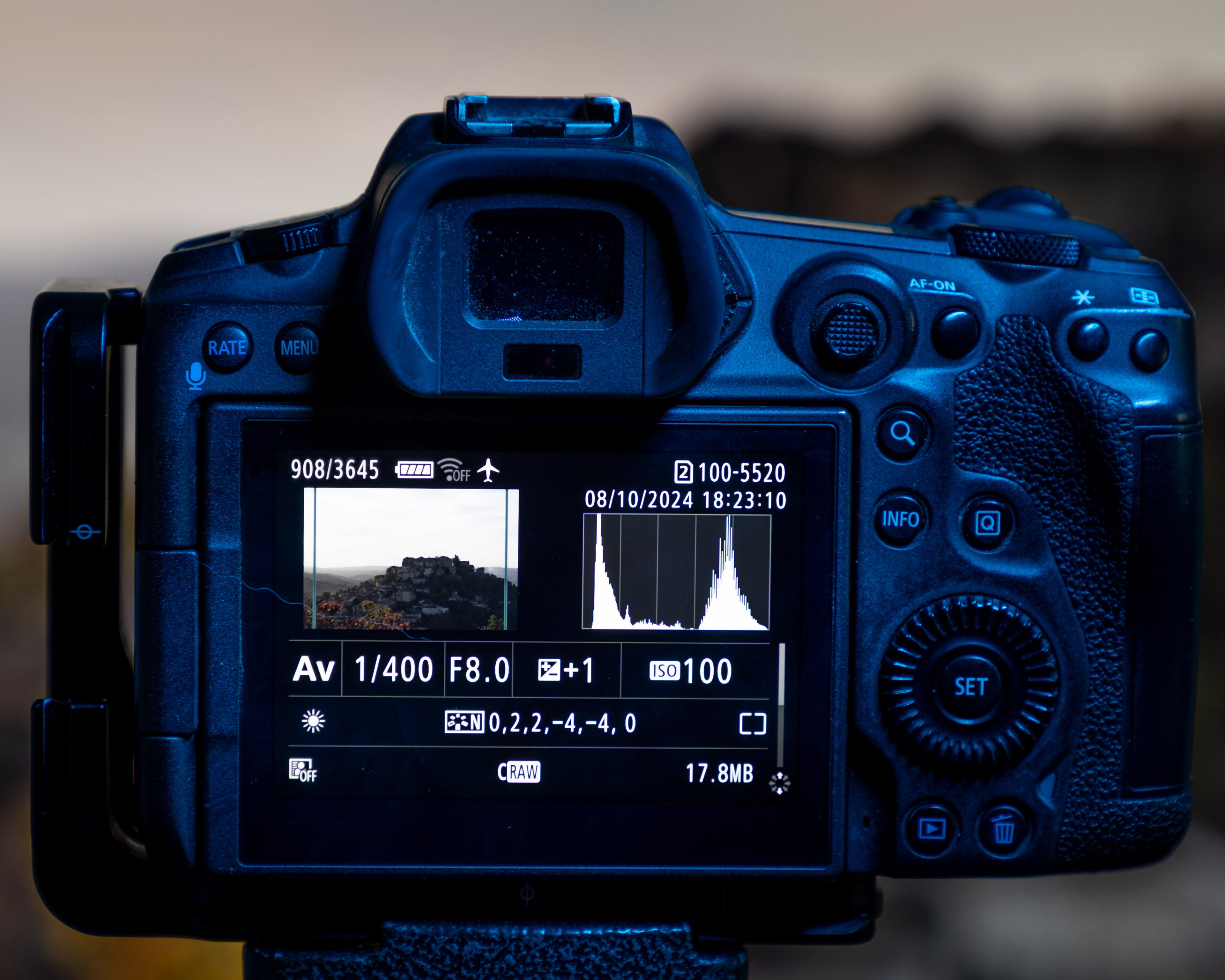
Exif data alone does not tell you much. But it looks interesting.
In principle, these are the exposure settings. Which ISO was used, which aperture, and what was the shutter speed? That is useful to know, but it does not tell you much. You will never encounter exactly the same lighting conditions.
The aperture tells you how wide the lens opening was. Without knowing the distance to the subject, the distance from the subject to the background and the focal length itself, it does not tell you much.
The aperture only tells you that you chose a shallow or deep depth of field. But you could see that in the photo itself. Especially when the background or foreground is out of focus.
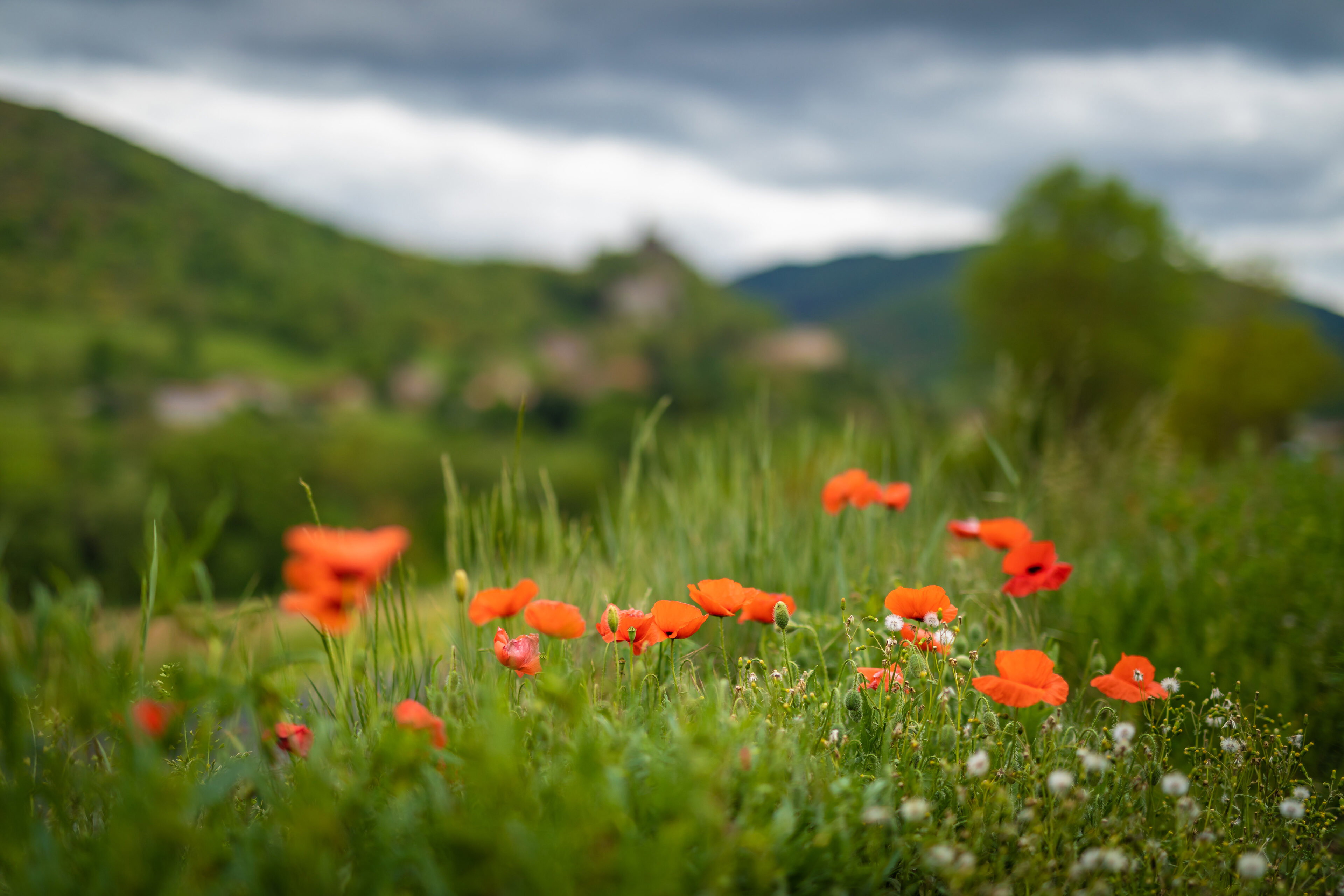
f/1.4, 1/5000s, 100 ISO @ 50mm. You would also want to know how far away you were from the flowers. And how far away the background was.
The shutter speed determines how movement is captured. But then you also need to know how far you were from the subject, how long your focal length is, how large the subject is, and especially how fast the subject is moving.
Without that information, the shutter speed does not tell you much. Only that you chose a fast or slow shutter speed. If you simply copy it, there is a good chance your photo will not turn out as expected.
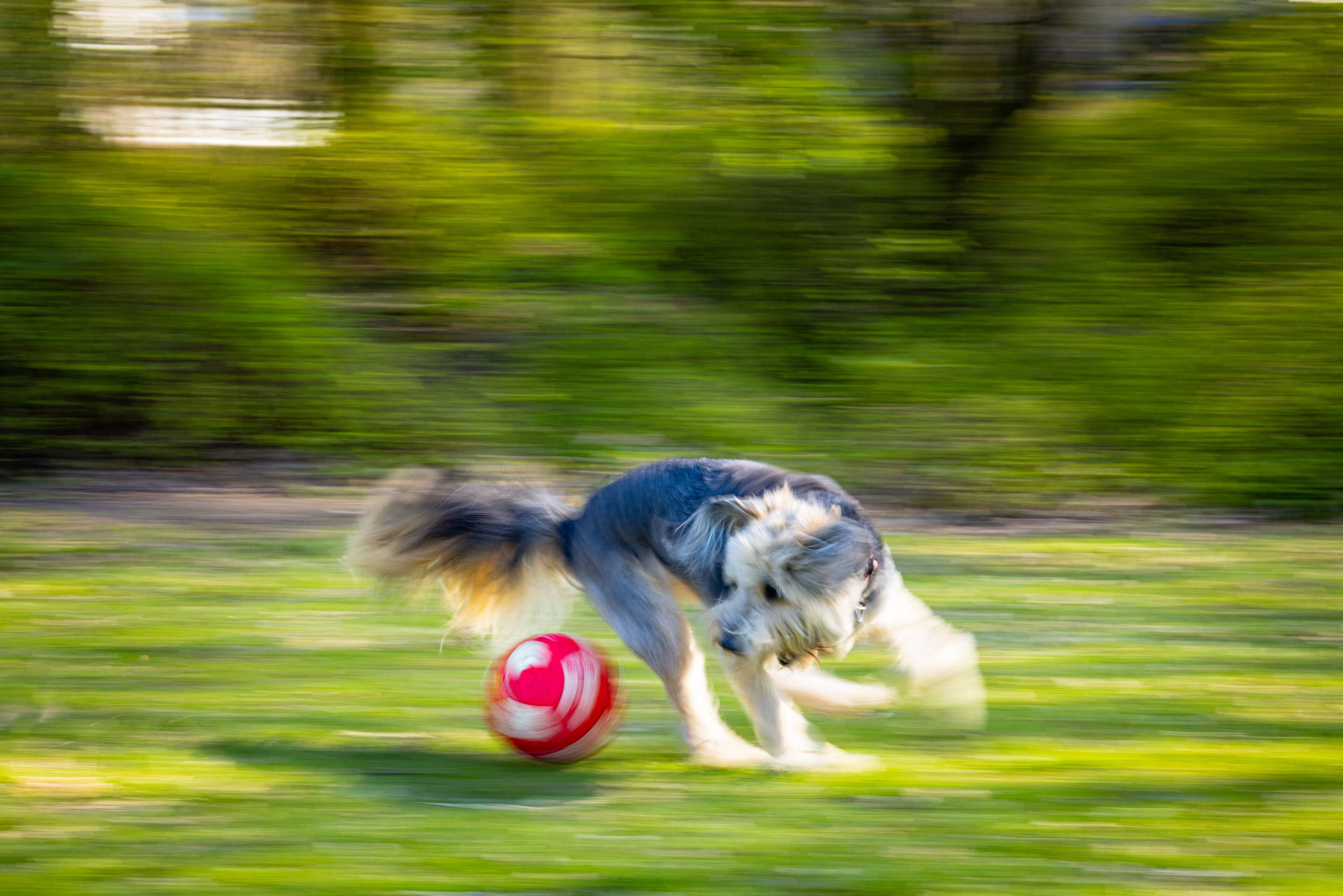
f/18, 1/30s, 100 ISO @ 138mm. You do not know how fast the dog was running. That is important information you cannot see in the Exif data.
The ISO value is needed to produce a good exposure with the chosen combination of shutter speed and aperture. The ISO depends on the maximum lens opening, the chosen aperture or the required shutter speed.
A high ISO value can tell you something about capturing subjects that are moving in low light. Stars, for example. But the reason for using a high ISO value is still missing.
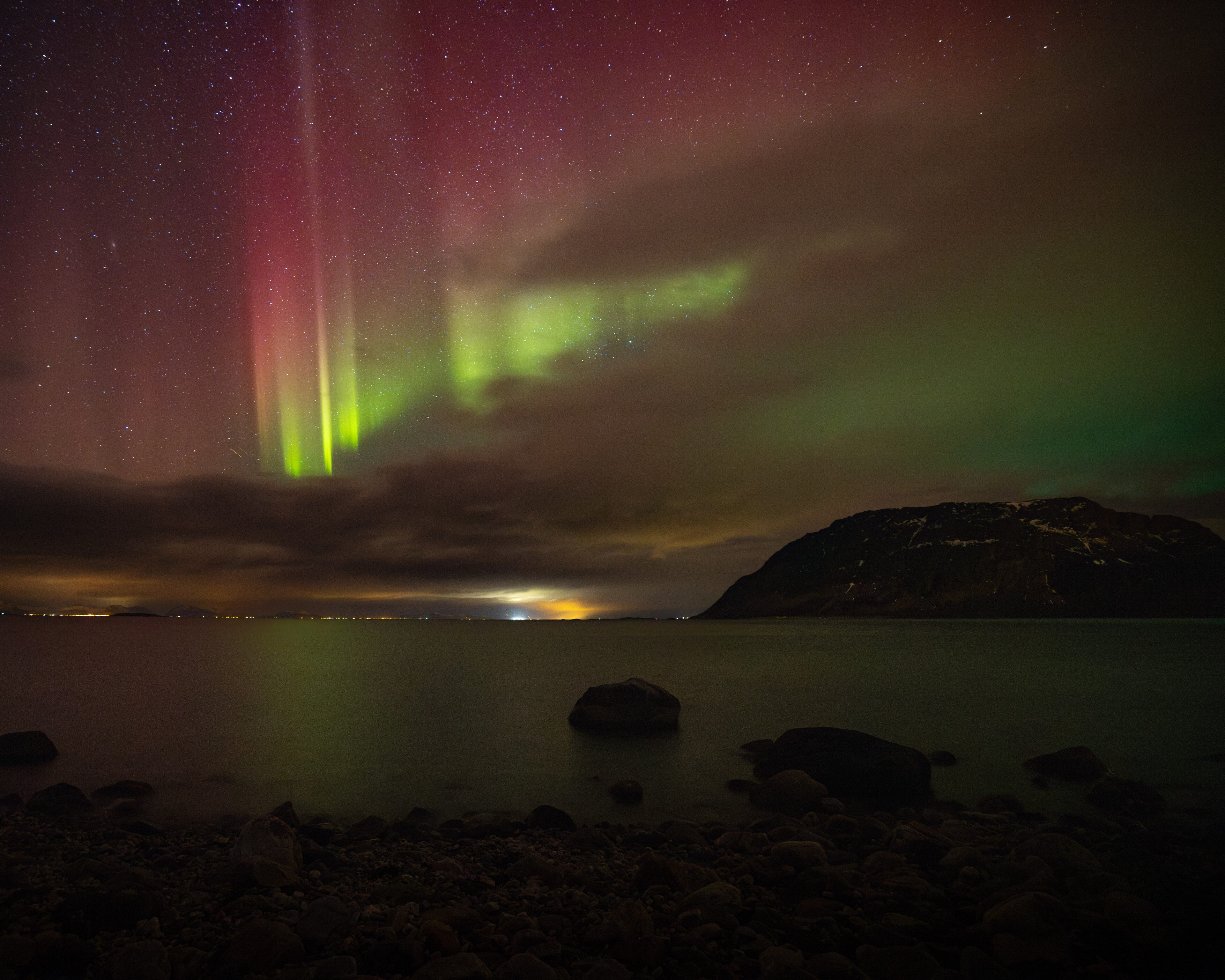
f/2.8, 6s, 6400 ISO @ 15mm. Why such a high ISO value? Would a shutter speed of 30 seconds instead of 6 seconds not have been better? The ISO could then have been almost 3 stops lower.
Exif data is less important than what you are told. It is much more important to understand which settings you need for a particular type of photography. You will not learn that from Exif data.
Follow tutorials or workshops to understand why you use certain settings, and what happens when you turn the dials. You will notice that it is more than just a list of settings.
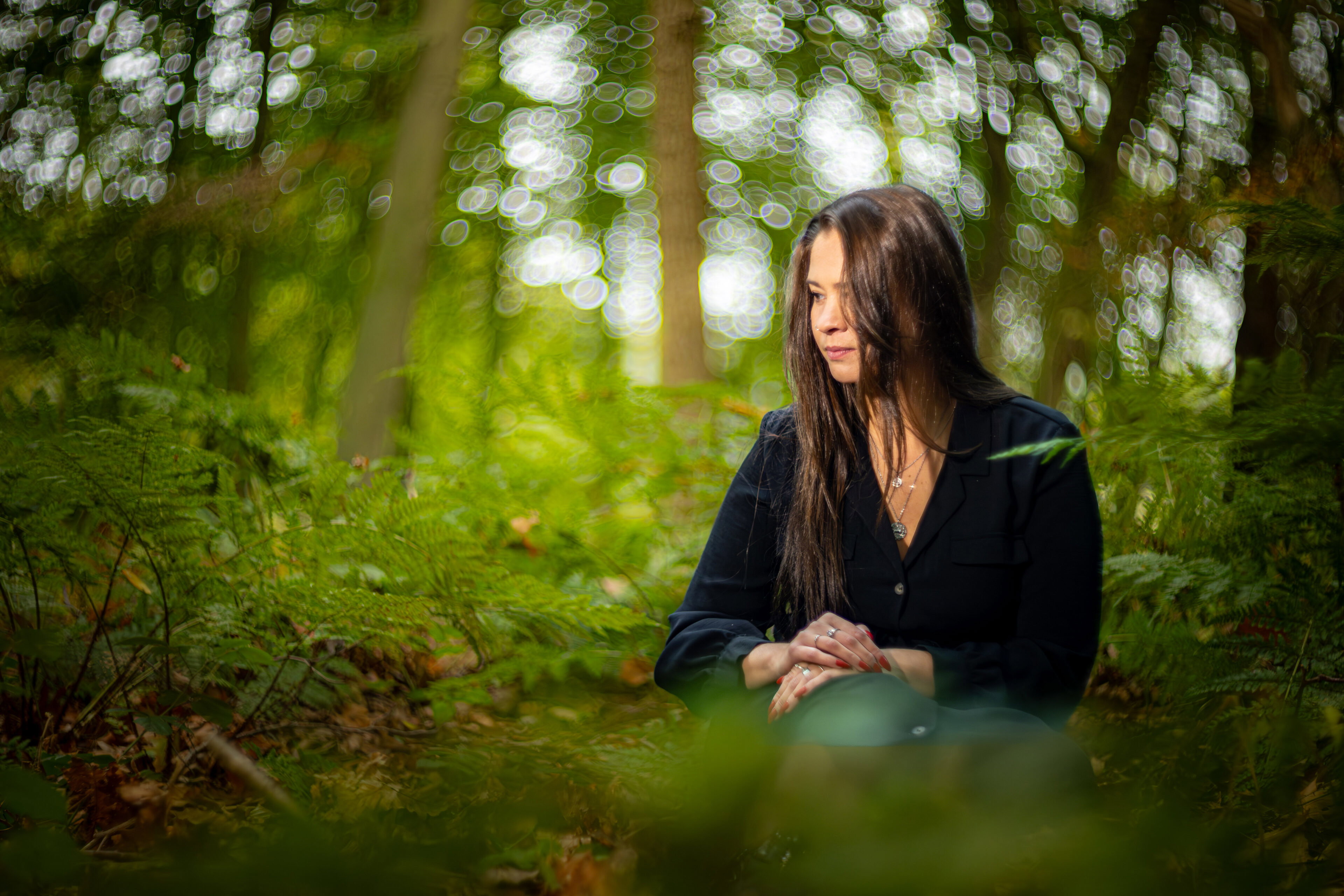
Do you want the Exif information? We are happy to provide it. f/2.8 - 1/800s, 800 ISO @ 100mm
About the author
Nando Harmsen has been photographing for more than 40 years. He specialises in wedding photography and landscape photography. Nando also gives talks, workshops, masterclasses and photo trips, and regularly reviews new and interesting equipment.
You might also like
-
 Why Asking for EXIF Data Is Pointless
by Nando Harmsen
-
 Effect of focal length in portraits
by Nando Harmsen
-
 Photo information that makes you think
by Nando Harmsen
-
 What is focal length?
by Michelle Peeters
-
 Composition tip: Choose the right focal length
by Elja Trum
-
 Converting focal length to full-frame is pointless
by Nando Harmsen
0 comments
Be the first to share what you think!
Become a better photographer every week
A practical photography tip in your inbox every week.
38,681 photography enthusiasts already receive the tips! More about the weekly mail. Or keep up to date via  Facebook.

Elja Trum
Photofacts; everything to do with photography!
Would you like to take better photos and keep up with what is happening in photography? Photofacts publishes articles that teach you something about photography — from a product announcement to a practical shooting tip or a look at a website. Photofacts covers photography every day and is a hobby project of Elja Trum's that got out of hand. The articles are written by a team of volunteer authors. If you would enjoy writing one or more articles for Photofacts, do get in touch.More about Photofacts Photos

Photofacts is made possible in part by
