

Leica SL3-P 44-megapixel camera announced
Friday 26 June 2026, 14:07 by Elja Trum | 1,121 views | 3 commentsThis article was translated from Dutch with the help of AI. Read the original.
Leica has announced the SL3-P, a new mirrorless camera designed to combine high resolution with speed. It features a 44-megapixel full-frame sensor, greatly improved autofocus and a maximum shooting speed of 40 frames per second.
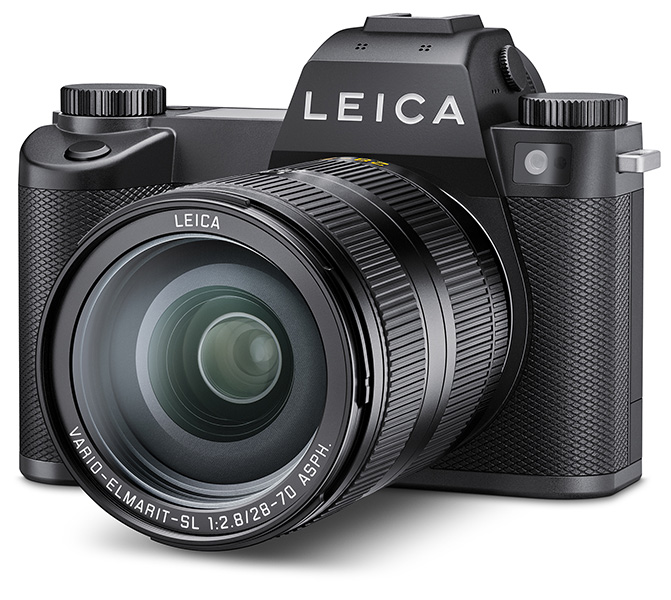
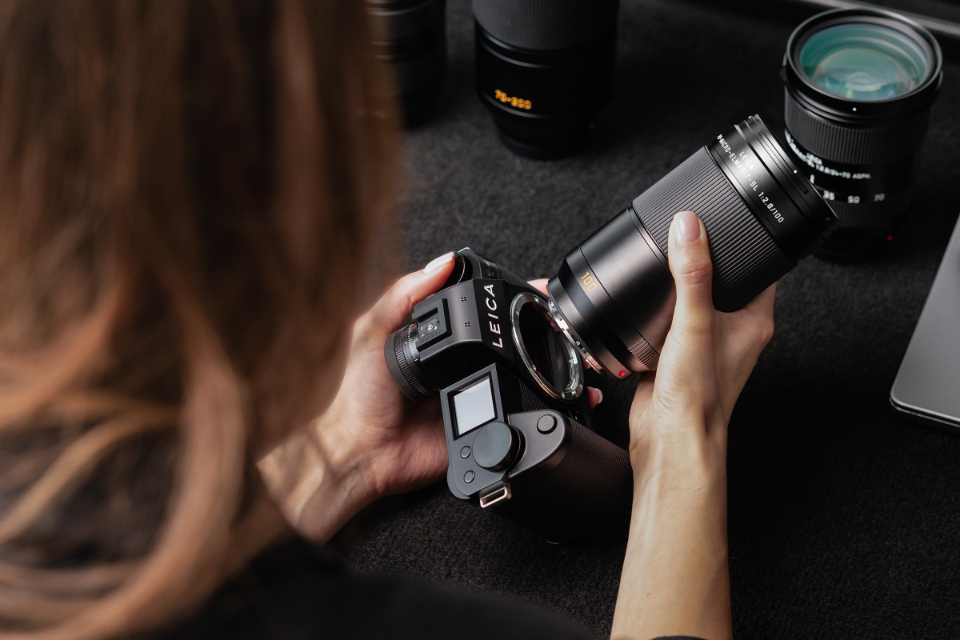
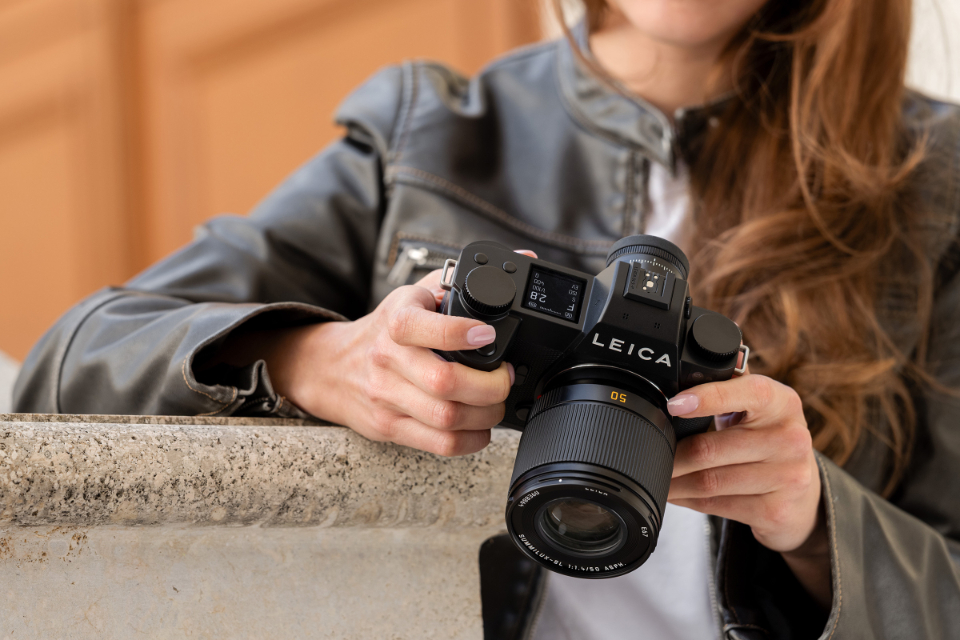
At the same time, Leica has announced two new lenses: the fast Summilux-SL 50mm f/1.4 ASPH. and the APO-Macro-Elmarit-SL 100mm f/2.8.
Within the SL range, the SL3-P sits between the 60-megapixel Leica SL3 and the faster, but lower-resolution, 24-megapixel SL3-S. This makes the camera suitable for photographers who need both plenty of detail and speed, such as press, portrait, documentary and sports photographers.
New 44-megapixel sensor
The heart of the Leica SL3-P is a new 44-megapixel BSI full-frame sensor. According to Leica, it offers a dynamic range of up to fourteen stops and a sensitivity range from ISO 50 to 200,000.
With 44 megapixels, there is enough resolution for substantial cropping, without the files becoming as large as those from the 60-megapixel SL3. For subjects that do not move, there is also a Multishot mode that can combine images into 176-megapixel files.
The first practical tests, carried out by third parties, as we have not yet had the camera in our hands, show excellent image quality and a wide dynamic range. Recovering detail from dark areas in particular seems to work well, without immediately producing noticeably more noise.
Faster autofocus
One of the most important improvements is the new hybrid autofocus system. It combines phase detection, contrast detection and subject recognition, and has 819 focus points.
The camera can recognise and track people, animals and vehicles. With people, the system can recognise not only eyes and faces, but also other parts of the body to keep tracking the subject.
This is where Leica seems to have taken a major step forward. The autofocus of the regular SL3 was not always convincing when shooting fast action. The SL3-P tracks moving subjects noticeably better and, according to the first reviewers, produces considerably more sharp photos.
It therefore seems to have the best autofocus system Leica has made so far. However, the camera is competing in a market with strong rivals. With very fast or unpredictable action, top models from Canon, Nikon and Sony, for example, still have an advantage.
Up to 40 frames per second
With the electronic shutter, the SL3-P reaches a maximum of 40 frames per second. These are saved as 12-bit files. If you want greater colour depth, you can shoot 14-bit files at up to 25 frames per second.
With the mechanical shutter, the speed is limited to seven frames per second, while the camera can capture 15-bit image information.
The higher speed makes the camera considerably more useful for sports, wildlife and documentary photography than the regular SL3. There is, however, one caveat. Although the new sensor is read out much faster, it is not a stacked sensor.
Rolling shutter can therefore become visible with fast-moving subjects or rapid camera movements. Vertical lines can, for example, appear slanted in the image. The SL3-P is improved in this respect compared with the SL3, but it cannot quite match cameras such as the Nikon Z8 and Canon EOS R5 Mark II.
Extensive video capabilities
The SL3-P is also well equipped for video. The camera can record in 8K resolution and supports 8.1K Open Gate recording in the sensor's full 3:2 aspect ratio, at up to 30 frames per second.
In 5.9K, recording is possible at up to 60 frames per second. For slow-motion footage, 4K is available at up to 120 frames per second.
Apple ProRes is supported up to a resolution of 5.8K. RAW video can also be output via HDMI. Two new LUTs are available for recording in L-Log: Leica Pure and Leica Cine.
Recording in Open Gate uses almost the entire sensor area. This makes it easier to crop footage afterwards for horizontal, vertical and square publications, for example.
The screen can be tilted up and down, but it cannot be turned fully to the side. This is often useful for photographers, but less practical for vloggers and solo video makers because the screen cannot be seen from the front.
Minimalist controls
The Leica SL3-P has an all-metal body and is made in Germany. The body has an IP54 rating, making it protected against dust and splashing water.
Leica has given the camera a restrained appearance. The familiar red Leica dot is missing, and there are hardly any markings on the buttons either. Almost all controls can be configured to your own preferences.
This allows you to adapt the camera fully to your own way of working. The downside is that the controls may not be very intuitive for someone picking up the camera for the first time. You will therefore first need to invest time in setting up and getting to know the camera.
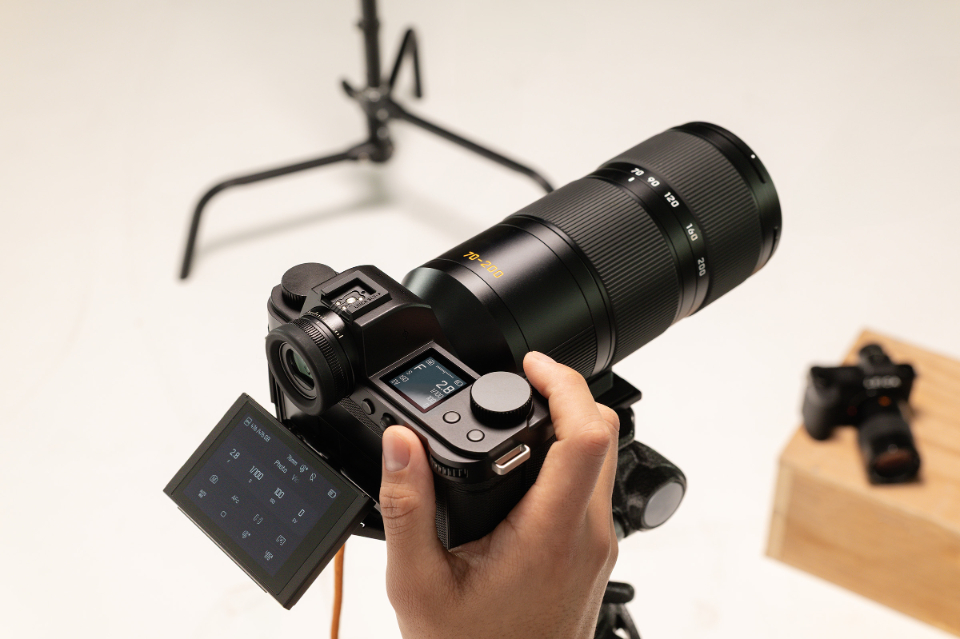
The electronic viewfinder has a resolution of 5.76 million dots. At the back is a tilting 3.2-inch touchscreen with 2.3 million dots.
Photo and video functions are clearly separated within the interface. Leica uses different colour accents for this, so you can immediately see which mode you are working in.
Workflow and Content Credentials
The SL3-P can communicate with the Leica FOTOS app via Wi-Fi, Bluetooth and USB-C. Photos and videos can be transferred, and the camera can be controlled remotely.
For professional photographers, direct tethering to Lightroom Classic and Capture One is available. Adobe Frame.io Camera-to-Cloud is also supported.
One notable feature is support for Content Credentials according to the C2PA standard. This adds secured information to an image, allowing its origin and any editing history to be verified.
With the rapid rise of generative AI, this could become increasingly relevant for journalistic, documentary and editorial photographers.
New Leica Summilux-SL 50mm f/1.4
Alongside the camera, Leica has announced the Summilux-SL 50mm f/1.4 ASPH. This fast standard lens is intended for portraits, documentary work and low-light photography, among other things.
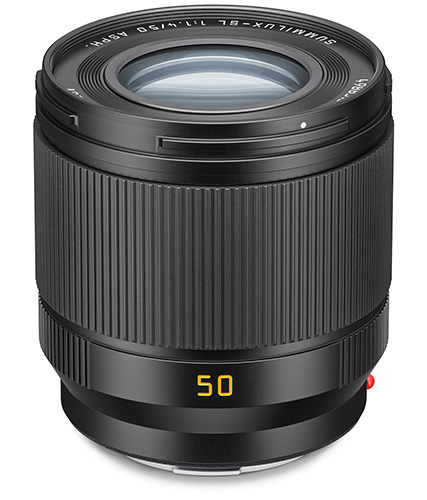
Leica has tried to combine a softer, characterful rendering at maximum aperture with high technical performance as soon as the aperture is stopped down slightly. The lens contains eleven aperture blades and has a minimum focusing distance of 50 centimetres.
At 584 grams, it is relatively compact for a fast SL lens. The metal housing is protected to IP54 standard, and the front element has Leica's AquaDura coating.
New 100mm macro
The second lens announcement is the Leica APO-Macro-Elmarit-SL 100mm f/2.8. This macro lens offers a maximum magnification of 1:1 and can focus from 30 centimetres.
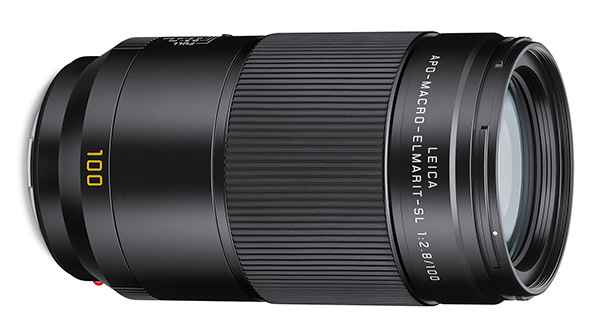
Thanks to its apochromatic correction, colour errors should be prevented as much as possible. Besides macro photography, the 100mm can also be used as a portrait lens because of its focal length and maximum aperture of f/2.8.
The lens weighs 862 grams including the lens hood and uses filters with a diameter of 67 millimetres.
Price and availability
The Leica SL3-P is available immediately for a recommended retail price of 5,990 euros.
Three kits will also be released:
- Leica SL3-P with Vario-Elmarit-SL 28-70mm f/2.8 ASPH.: 6,990 euros
- Leica SL3-P with Vario-Elmarit-SL 24-70mm f/2.8 ASPH.: 7,490 euros
- Leica SL3-P with 24-70mm and 70-200mm f/2.8: 9,790 euros
The Leica Summilux-SL 50mm f/1.4 ASPH. is expected at the end of 2026 and will have a recommended retail price of 4,500 euros. The APO-Macro-Elmarit-SL 100mm f/2.8 will also appear at the end of 2026, priced at 2,450 euros.
A more complete Leica SL
The SL3-P seems to be the most complete and versatile SL camera Leica has released so far. The combination of 44 megapixels, greatly improved autofocus and high shooting speeds makes it suitable for many more types of photography than the regular SL3.
At the same time, it remains distinctly Leica. The build quality, minimalist controls and professional workflow are strong points, but they come with a substantial price tag. There are also cameras with faster sensor readout and less rolling shutter when shooting very fast action and using the electronic shutter.
For existing Leica SL users who want to combine speed and resolution, the SL3-P is probably the most attractive choice within the system. Photographers who are not yet committed to Leica or the L-Mount will mainly have to weigh the camera against cheaper and, in some respects, faster alternatives.
About the author
Elja Trum is the founder of Photofacts and online photography course website Photofacts Academy. He has been writing about photography since 2006. Elja is also the author of (Dutch) books on composition, black-and-white photography, flash photography and portrait photography.
You might also like
-
 Leica SL3-S mirrorless camera announced
by Elja Trum
-
 Leica M11 rangefinder camera announced
by Elja Trum
-
 Leica Q3 Monochrom announced
by Elja Trum
-
 Leica announces M EV1 with electronic viewfinder
by Elja Trum
3 comments
-
 Paul Lefevere wrote on Tuesday 30 June 2026 at 10:33 | reply
Dear,
Translated from Dutch.
Has any information been released yet about the price? -

-
Paul Lefevere wrote on Tuesday 30 June 2026 at 10:55 | reply
Indeed. I had only read the article up to the lenses. And I hadn't found anything about the pricing there. Hence...
Translated from Dutch.


Have your say
Please note: Articles older than a week can only be commented on by signed-in visitors.Would you still like to comment? sign in or create a free account.
Become a better photographer every week
A practical photography tip in your inbox every week.
39,079 photography enthusiasts already receive the tips! More about the weekly mail. Or keep up to date via  Facebook.

Elja Trum
Photofacts; everything to do with photography!
Would you like to take better photos and keep up with what is happening in photography? Photofacts publishes articles that teach you something about photography — from a product announcement to a practical shooting tip or a look at a website. Photofacts covers photography every day and is a hobby project of Elja Trum's that got out of hand. The articles are written by a team of volunteer authors. If you would enjoy writing one or more articles for Photofacts, do get in touch.More about PhotofactsPhotofacts is made possible in part by
