

Review: Canon RF 100mm f/2.8L IS macro lens
Friday 24 September 2021, 20:10 by Nando Harmsen | 8,364 views | 1 commentThis article was translated from Dutch with the help of AI. Read the original.
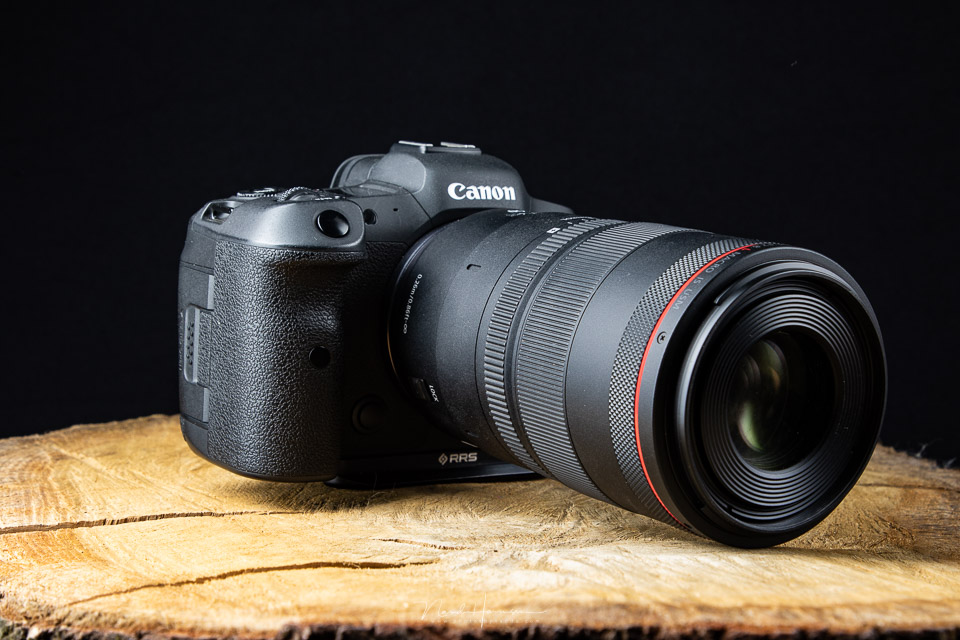
For macro enthusiasts using Canon mirrorless cameras, Canon has released a superb lens for the RF mount. This lens is particularly special, as it offers 1.4x magnification and an SA control ring.
It was of course only a matter of time before Canon introduced a macro lens for its mirrorless cameras. That lens is now here: the Canon RF 100mm f/2.8L IS macro. As expected, the focal length is the same as the EF version, but Canon does offer greater magnification.
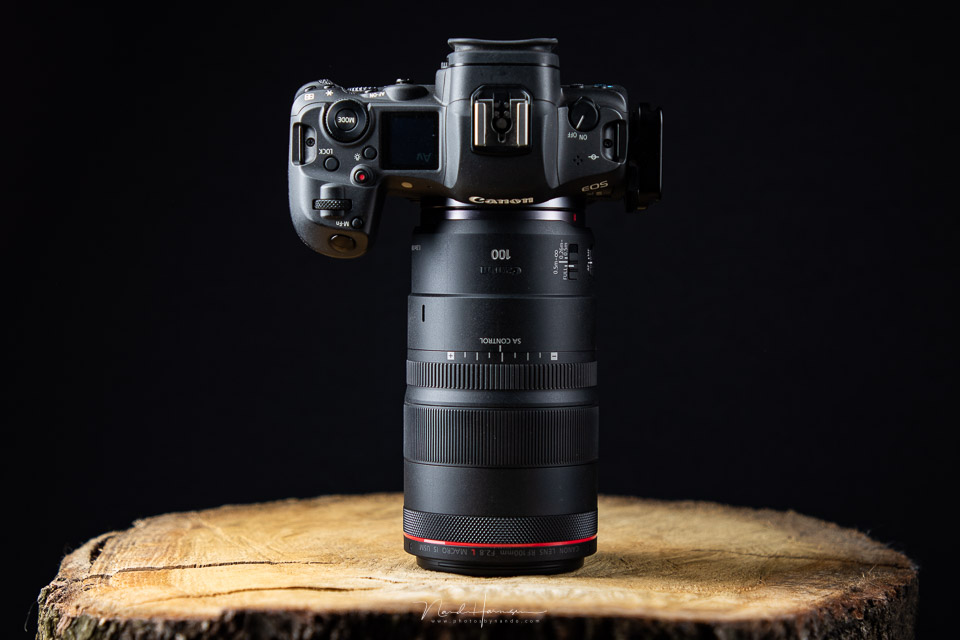
A notable feature is an SA control ring. This ring allows the photographer to influence the appearance of the image. It changes the spherical aberration and is therefore a very creative way to change the blur, or bokeh.
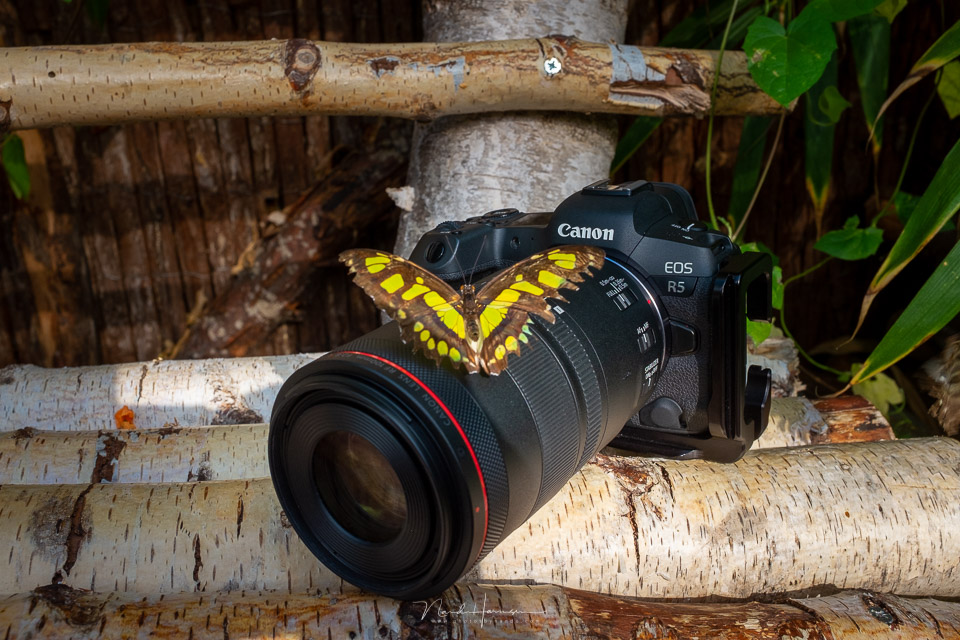
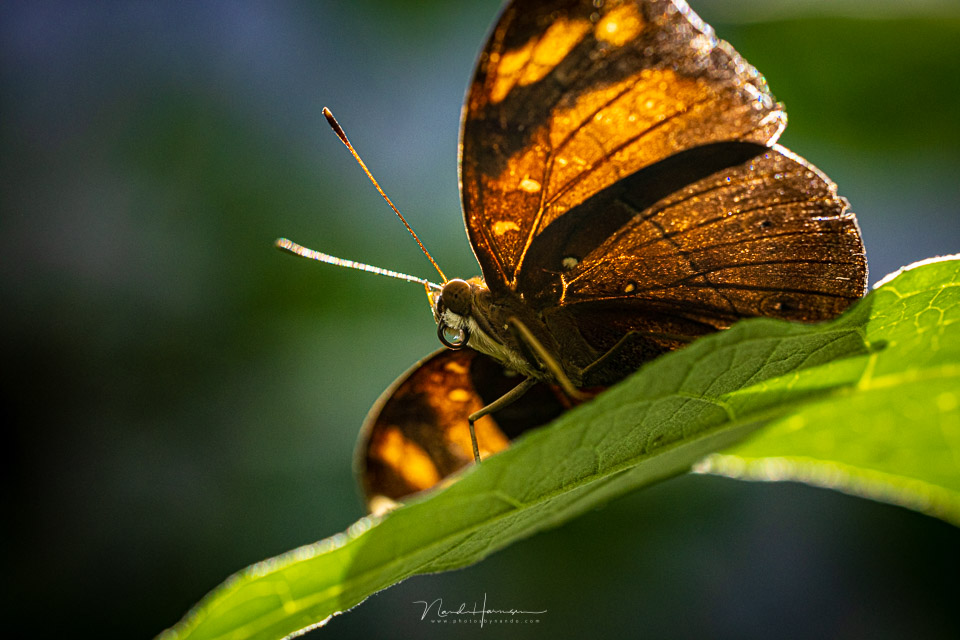
Canon Netherlands sent me a sample for an extensive review. Looking for macro subjects, I visited Vlindersafari in Gemert and the blooming heathland, and took the lens with me to photograph wedding rings during wedding shoots.
Appearance and a few features
The lens is much longer than I am used to. The EF version of the 100mm f/2.8L IS macro is considerably shorter. But when I include an EF-RF adapter, both lenses turn out to be the same length.
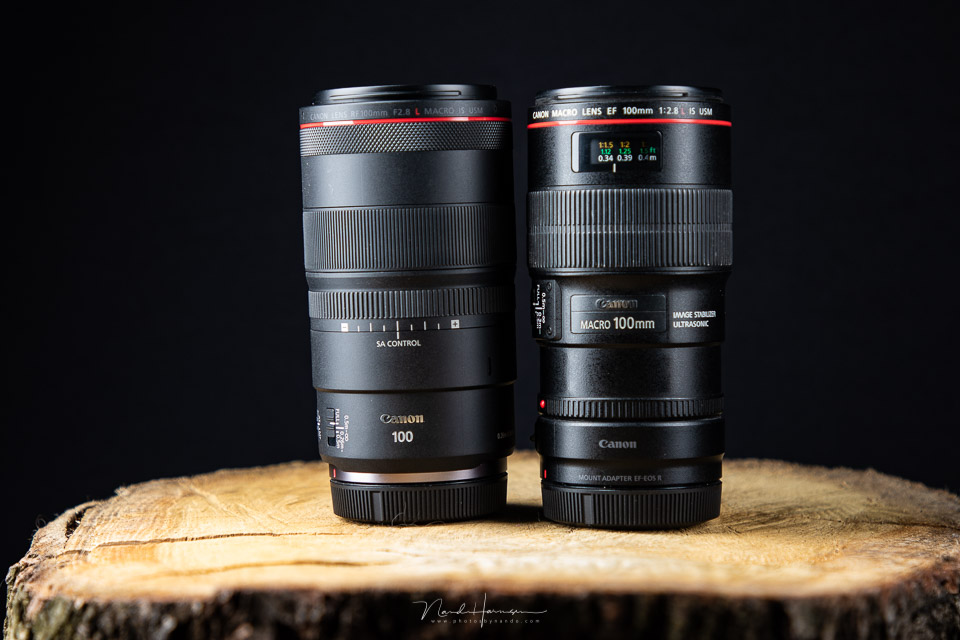
The new RF lens has a large, wide focusing ring and a programmable control ring. You can easily tell both apart by touch. There is also a third control ring, the SA control ring. This can be locked in the neutral position so that it cannot be turned unintentionally.
The RF 100mm f/2.8L IS macro does not have a window showing the focusing distance. It is not that useful on modern lenses, but it does give you an initial indication of where the focus point is.
Fortunately, the camera provides a handy focus bar on the LCD screen, which is more accurate than the window on a lens. It also shows the magnification factor, which goes up to 1.4x with the RF 100mm f/2.8L IS macro.
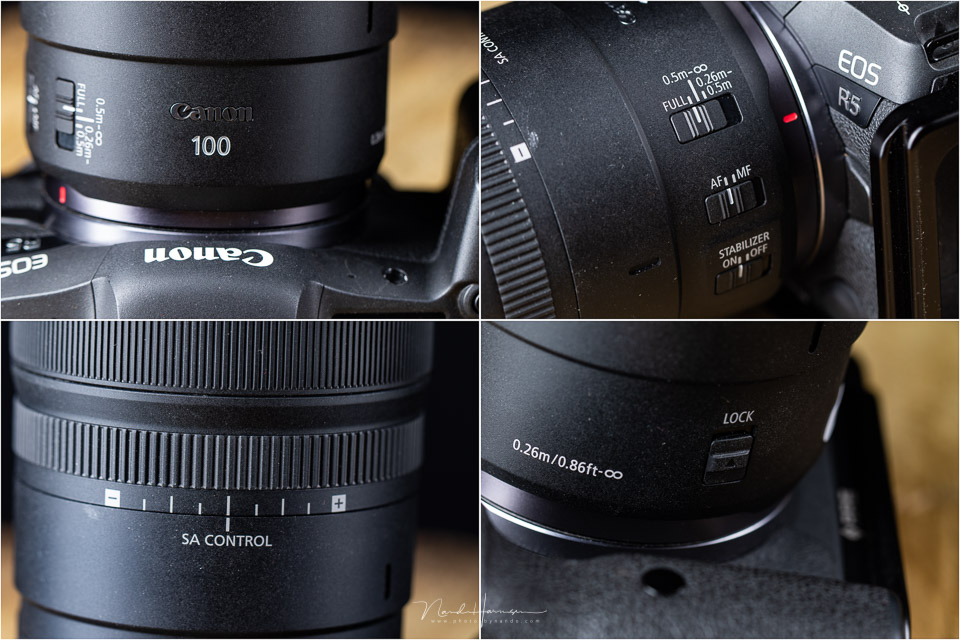
The switches include the AF/MF switch, a focus limiter and, of course, the IS switch. When shooting handheld, the lens can stabilise up to 5 stops. With 1:1 macro, this is reduced to 2 stops. If you use a camera with an IBIS system, you can achieve as much as 8 stops.
Using it in practice
In fact, there is little remarkable to say here. At 730 grams, the lens is perfectly usable handheld. The image stabilisation helps you compensate for small movements. As magnification increases, the effectiveness of the IS decreases, which makes sense.
The minimum focusing distance is 26 centimetres. This gives you a magnification of no less than 1.4x. Even breathing is enough to move your camera at that point. That is why it is certainly recommended to use a tripod at these magnifications.
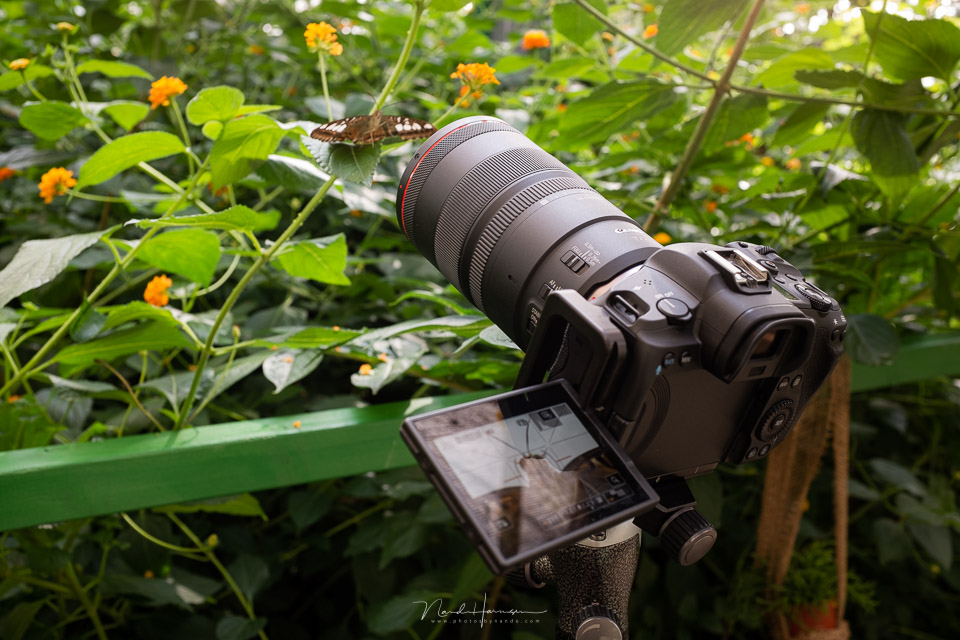
The RF 100mm f/2.8L IS macro does not come with a tripod collar. At 14.8 centimetres long, this means you need a good-quality tripod head. If you want to increase stability, an optional tripod collar is available.
Unlike the EF version, the RF 100mm f/2.8L IS macro unfortunately cannot be used with a teleconverter.
At the time of writing, no RF extension tubes are available, and it goes without saying that the EF extension tubes do not fit. With a magnification of 1.4x, you are unlikely to need them anyway, I expect.
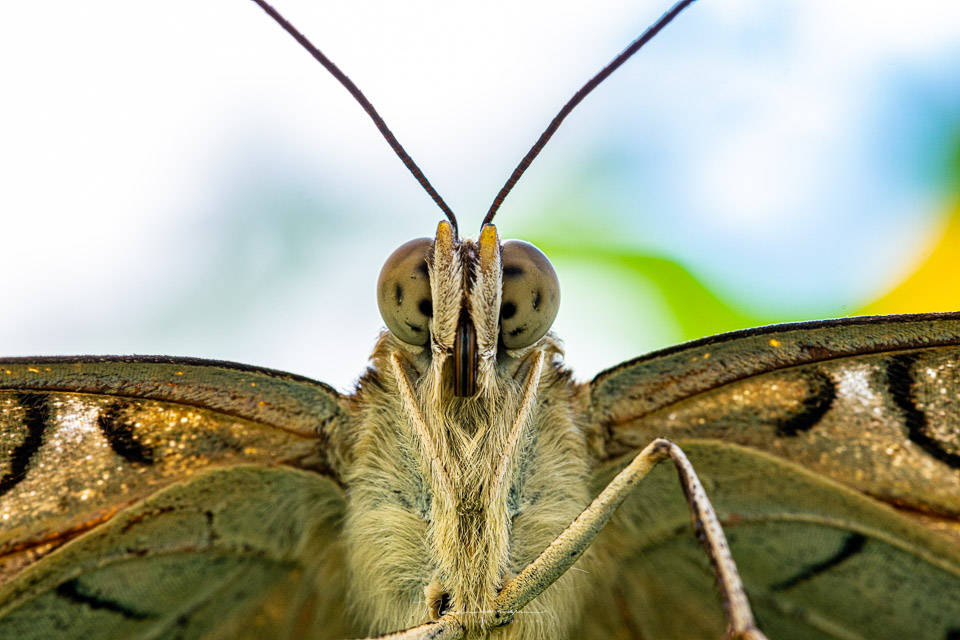

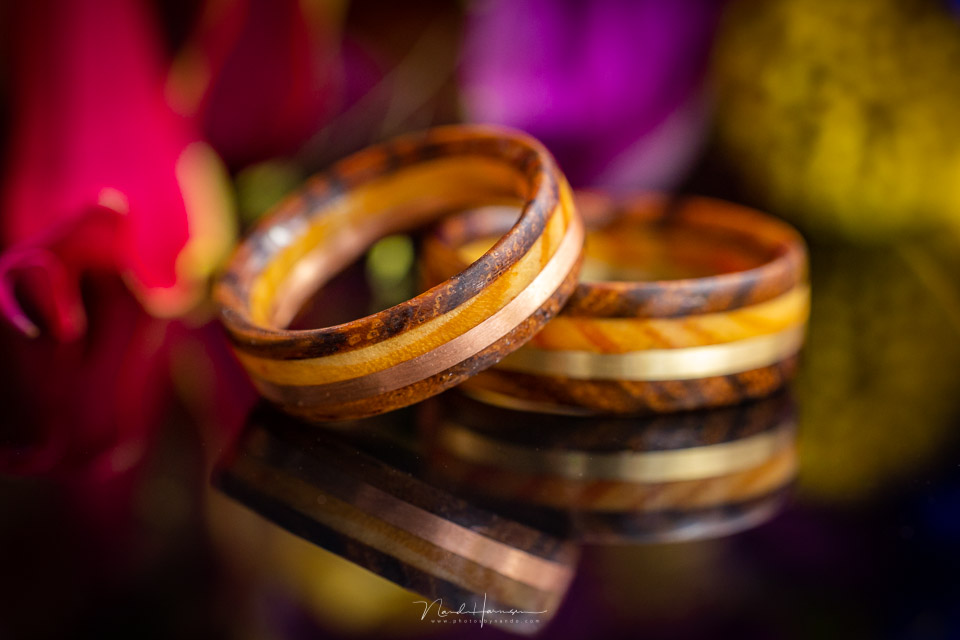
When photographing rings at a wedding, 1.4x magnification is certainly not necessary. It is nice, however, not to have to worry about the focusing distance.
You can get as close or as far away as you want. If you wish, you could influence the bokeh with the RF 100mm f/2.8L IS macro by using the SA control ring. I did not do this in the photo below, though.
The SA control ring
The SA control ring is a special feature of the RF 100mm f/2.8L IS macro. The abbreviation SA stands for Spherical Aberration which, without getting complicated with scientific terms, means changing the blur in the photo.
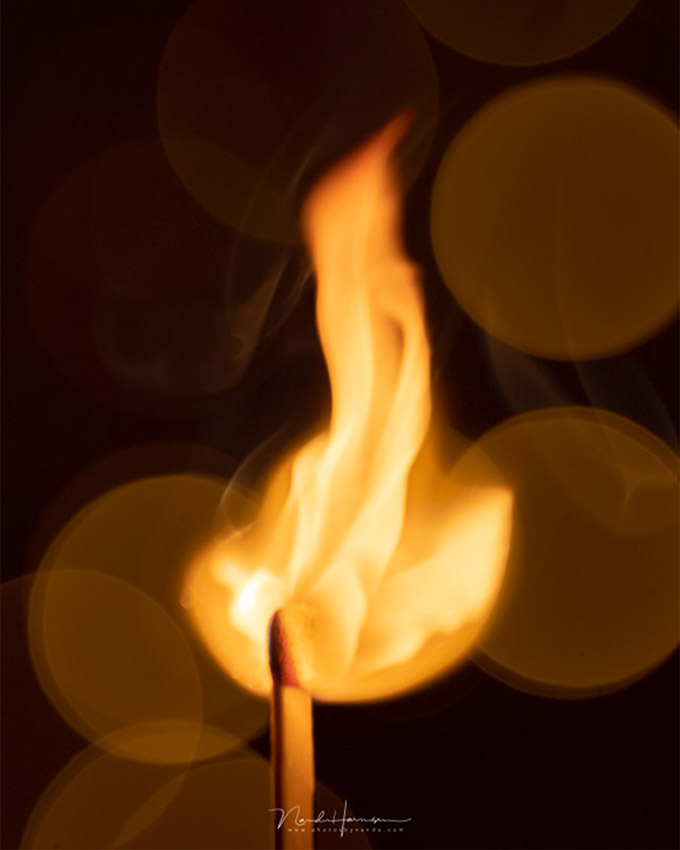
This blur is called bokeh, which should not be confused with depth of field. The effect can be seen clearly in the highlights from sunlight on the water, where the focus has deliberately not been set. These rings are also known as bokeh rings.
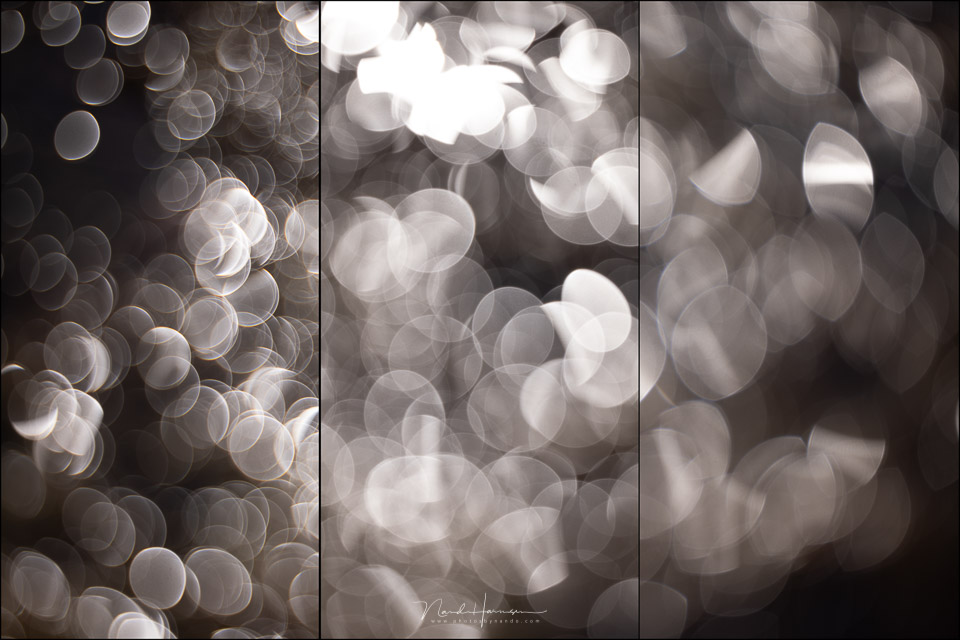
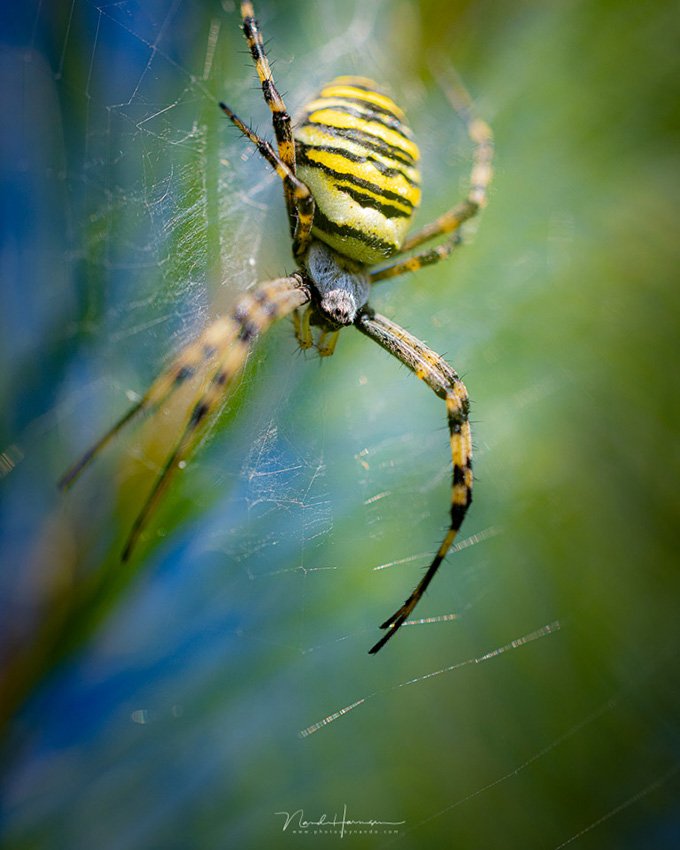
You can see a clear difference in the appearance of these bokeh rings. If you turn the SA control ring towards negative, the rings become smaller. The positive setting produces extremely large rings. The way this looks in practice can be seen in the photo below of a spider's web covered in dew.
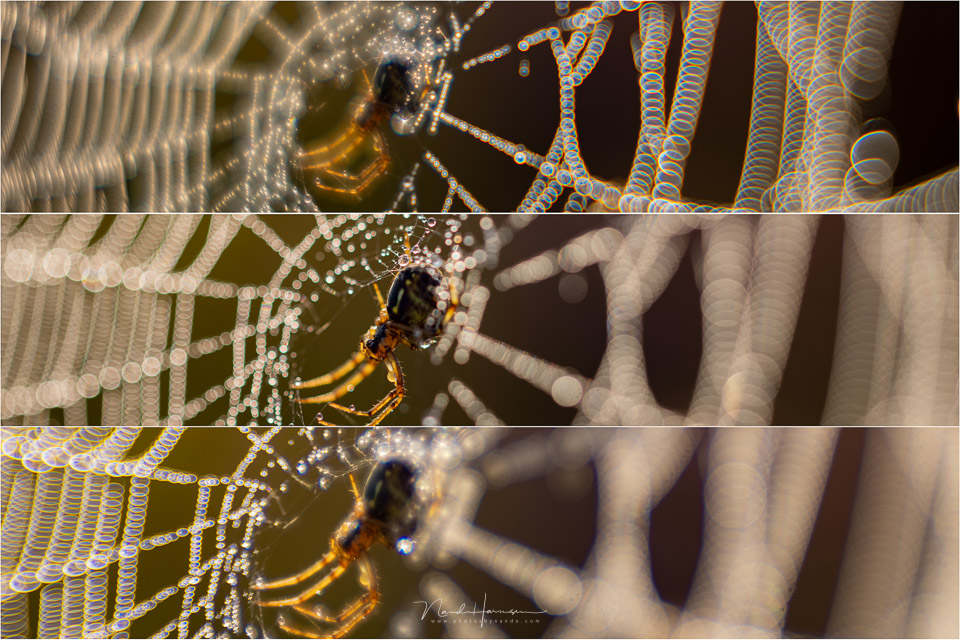
The bokeh rings are not the only thing that changes when you turn the SA control ring. It also creates a kind of soft-focus effect, which is clearly visible on the spider in the web. A photo of the heathland in bloom shows this effect once again in the comparison below.
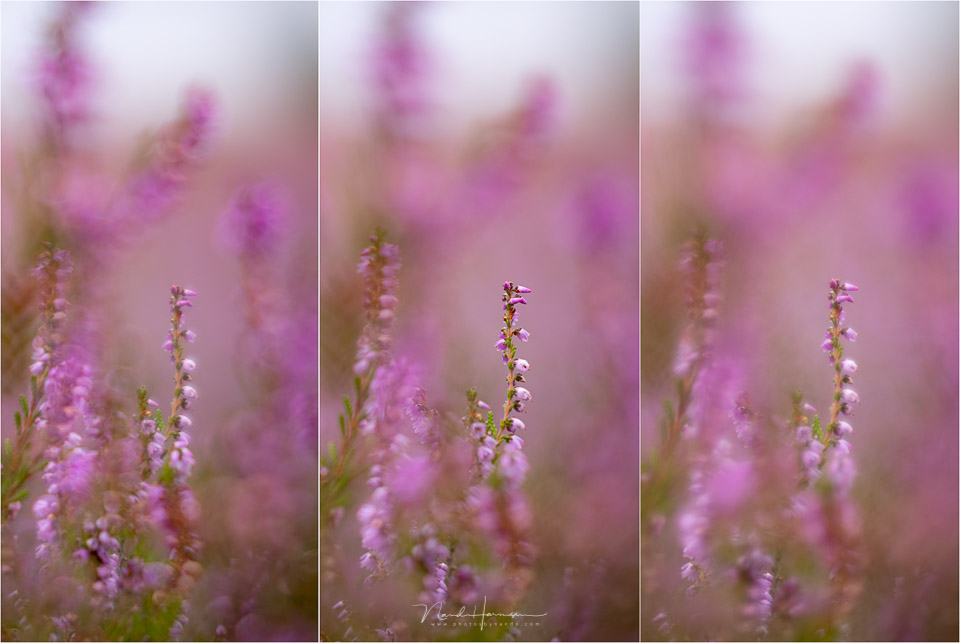
It seems that turning the SA control ring also has a small effect on magnification, but I cannot confirm this with certainty. More importantly, there is the effect you achieve with this SA control ring.
If you have no need to use it, the ring can be locked. This ensures that it cannot be turned accidentally. That is very important.
Conclusion
I previously reviewed the RF 85mm f/2 IS macro. This fine lens offers 1:2 magnification, or a reproduction at half the actual size.
With the RF 100mm f/2.8L IS USM macro, Canon has now brought a full-featured macro lens for its mirrorless system to the market. With 1.4x magnification, it even goes beyond life-size reproduction. This gives you extra options.
Those options go even further with the SA control ring, a feature I have not encountered on other lenses so far. However, the effect of manipulating this Spherical Aberration will not appeal to everyone because it comes with a soft-focus effect.
Of course, the RF 100mm f/2.8L IS macro is also very suitable for portrait photography. This is no different from other macro lenses with this focal length. Focusing is fast and quiet, and the f/2.8 produces a pleasing shallow depth of field. Although I have not taken any portraits, I suspect that the SA control ring could also produce special effects for this type of photography.
It is a large lens, weather-sealed and built and finished to the standard of a Canon L lens. If you own a Canon mirrorless camera, I can certainly recommend the RF 100mm f/2.8L IS macro. The lens is available for 1,579 euros.
What I like
- Good size and not too heavy
- Image stabilisation up to 5 stops, or up to 8 stops in combination with IBIS
- Maximum magnification of 1.4x
- Fast and quiet focusing
- Focus limiter with three focusing ranges
- SA control ring for manipulating Spherical Aberration
- Switch to lock the SA control ring in the neutral position
- Weather sealing
- Tripod collar attachment option
What I like less
- Tripod collar is not included
It may surprise you, or perhaps not, that there is little not to like about this lens. I did not test vignetting or Chromatic Aberration (CA). Nor did I test how the lens handles flare. In practical use, however, I did not experience any problems with these things.
Gallery
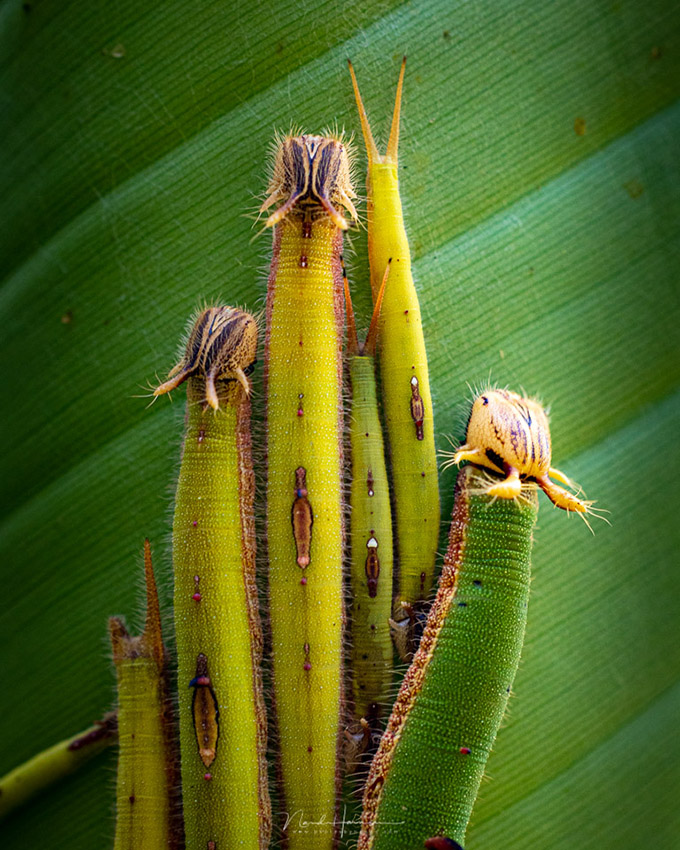
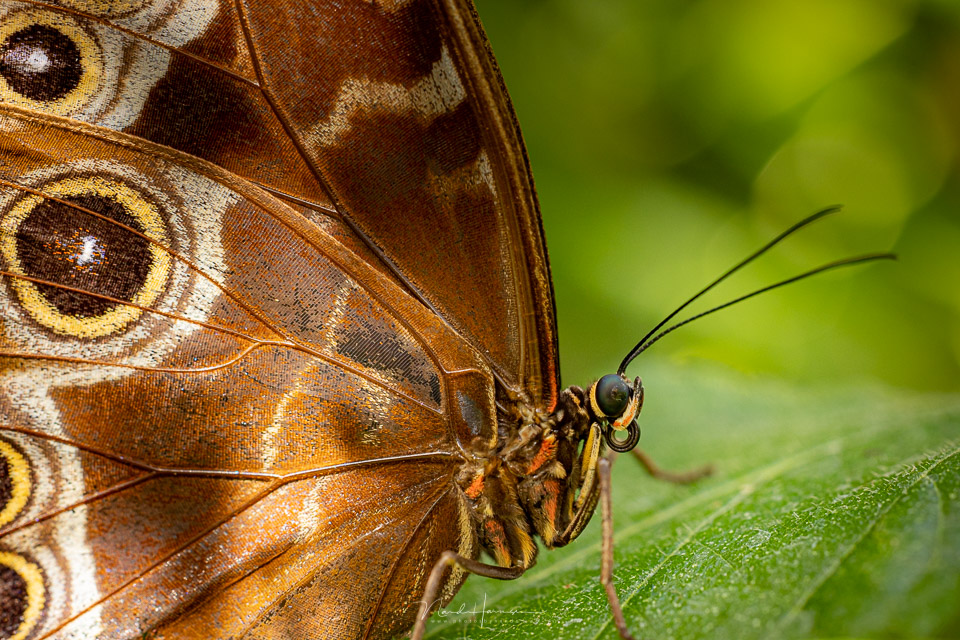
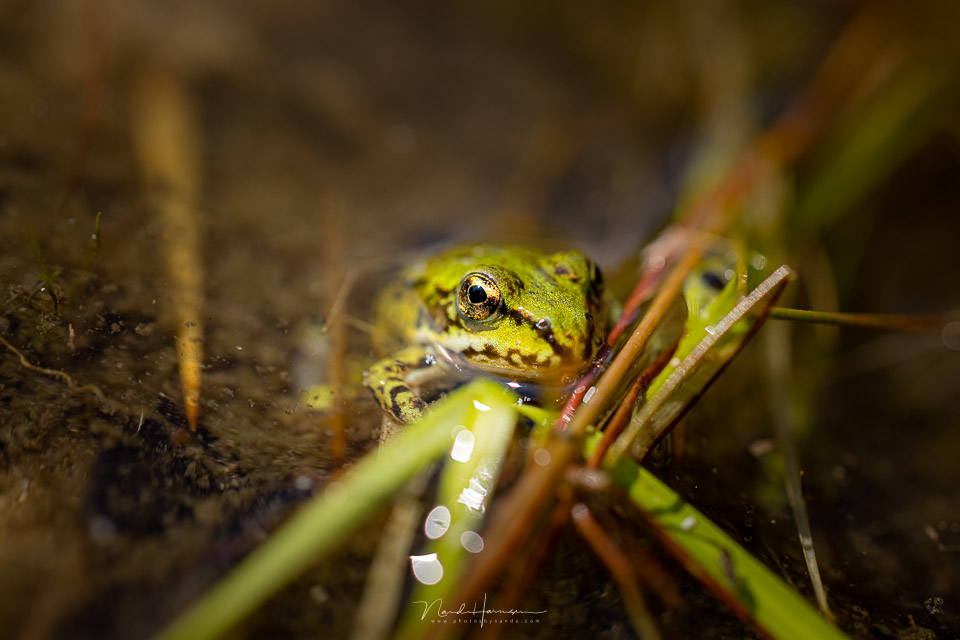
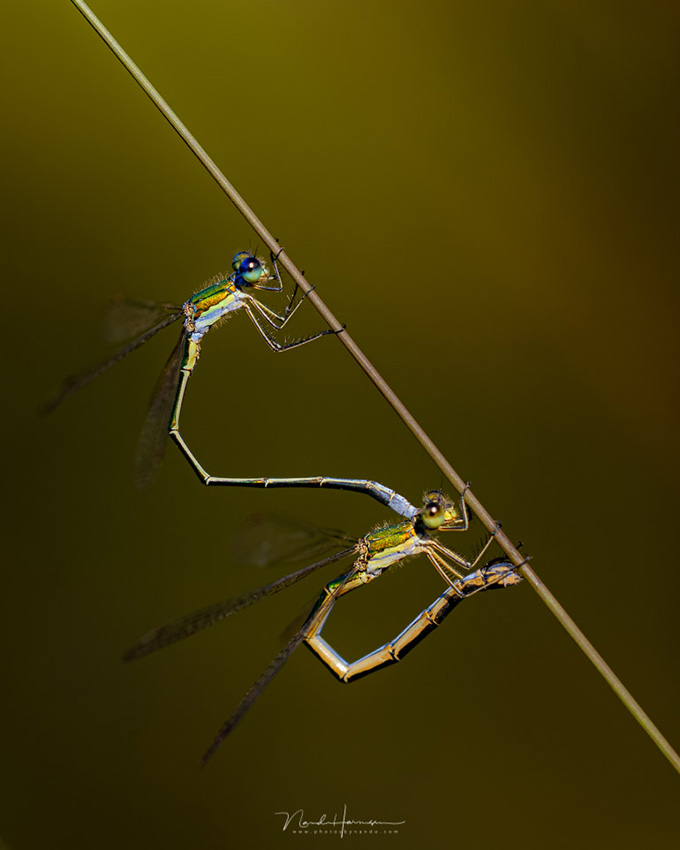
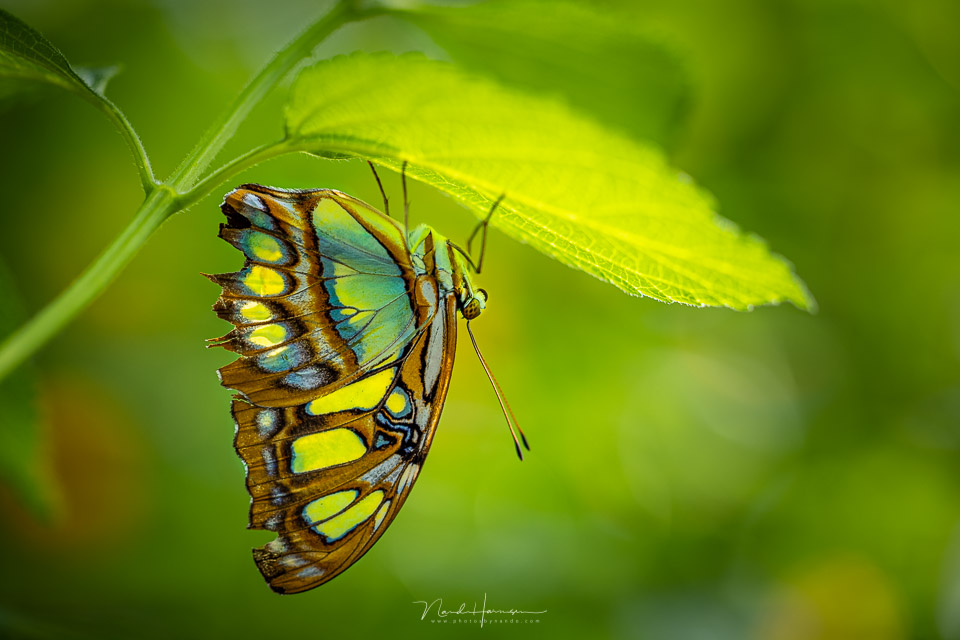
Thanks to Canon Netherlands for making this lens available, and to Vlindersafari Gemert for the opportunity to try out the lens.
About the author
Nando Harmsen has been photographing for more than 40 years. He specialises in wedding photography and landscape photography. Nando also gives talks, workshops, masterclasses and photo trips, and regularly reviews new and interesting equipment.
You might also like
-
 Review: The Canon RF 85mm macro lens
by Nando Harmsen
-
 Review: Canon RF 100-300mm f/2.8L IS USM
by Nando Harmsen
-
 Review: Canon RF 70-200mm f/2.8L IS
by Nando Harmsen
-
 Review: the Canon RF 50mm f/1.8 STM
by Nando Harmsen
-
 Review: Canon RF 135mm f/1.8L IS USM
by Nando Harmsen
-
 The Antique Steinheil München Macro-Quinar 100mm f/2.8
by Nando Harmsen
1 comment
-
 Harry Hollegien wrote on Tuesday 28 September 2021 at 11:53 | reply
I recently bought Viltrox extension tubes with an RF mount from Cameranu.nl
Translated from Dutch.
Have your say
Please note: Articles older than a week can only be commented on by signed-in visitors.Would you still like to comment? sign in or create a free account.
Become a better photographer every week
A practical photography tip in your inbox every week.
38,982 photography enthusiasts already receive the tips! More about the weekly mail. Or keep up to date via  Facebook.

Elja Trum
Photofacts; everything to do with photography!
Would you like to take better photos and keep up with what is happening in photography? Photofacts publishes articles that teach you something about photography — from a product announcement to a practical shooting tip or a look at a website. Photofacts covers photography every day and is a hobby project of Elja Trum's that got out of hand. The articles are written by a team of volunteer authors. If you would enjoy writing one or more articles for Photofacts, do get in touch.More about PhotofactsPhotofacts is made possible in part by
