

The Antique Steinheil München Macro-Quinar 100mm f/2.8
Friday 26 December 2025, 14:28 by Nando Harmsen | 3,265 views | 1 commentThis article was translated from Dutch with the help of AI. Read the original.
I was looking for an antique macro lens and discovered the Steinheil München Macro-Quinar 100mm f/2.8. This lens from 1968 not only looks unusual, it also works in an unusual way. How useful is it in modern photography?
Modern macro lenses produce an almost perfect image. They are sharp from corner to corner, show virtually no chromatic aberration and produce wonderfully soft bokeh.
At the same time, people sometimes say that they lack character. In other words, the image is too perfect, too clinical. This is of course a matter of personal preference and taste.
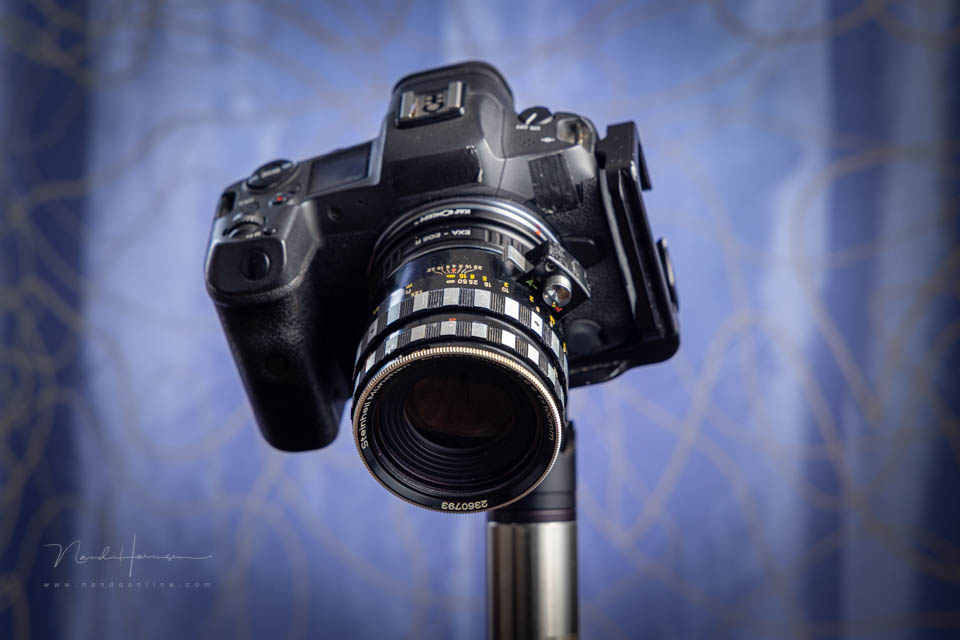
Vintage macro
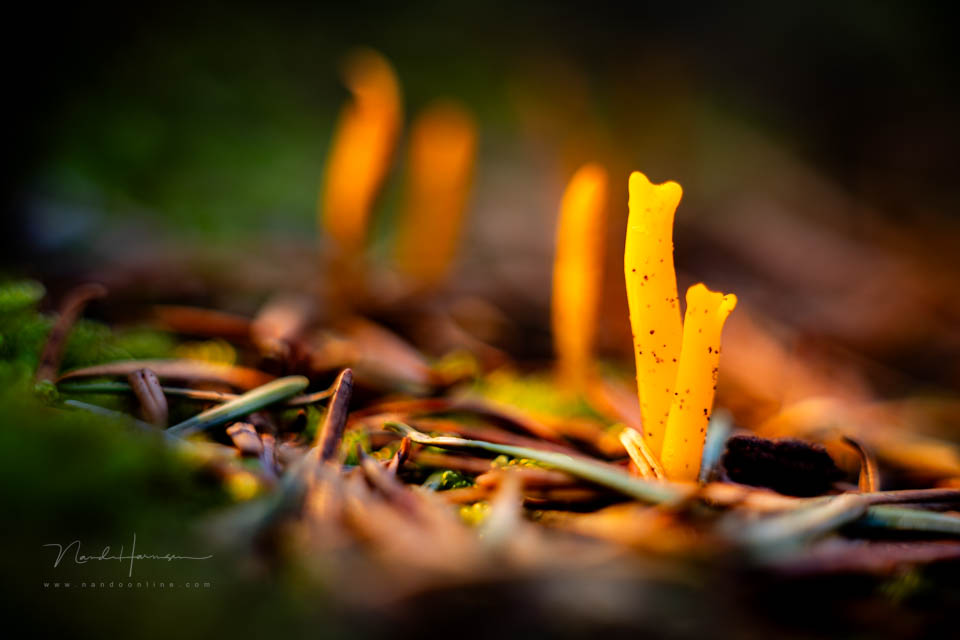
A lens's character is determined by the way the image is formed, by the lens aberrations that are present. This can range from simple vignetting to distortions outside the centre of the image.
The unique lens aberrations are one reason to work with vintage lenses. You are also looking for the lens with the distinctive look in the image that appeals to you. You either love it or you don't. I think it looks wonderful.
For my (semi-)macro photography, I used normal vintage lenses with extension tubes. They don't give you 1:1 macro, but that is rarely needed for mushrooms, insects and flowers. Certainly not when atmosphere is your goal.
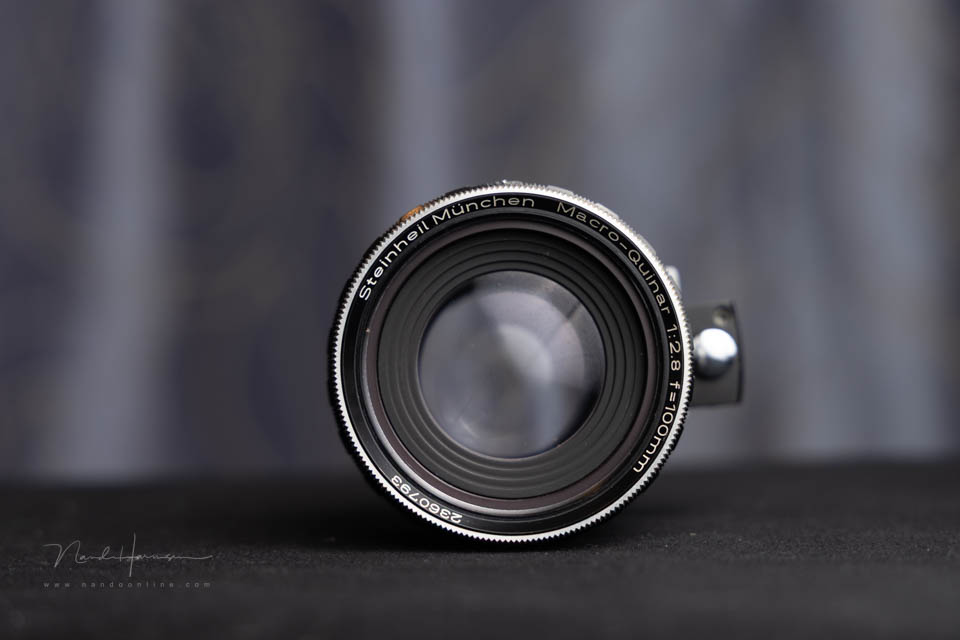
A true antique macro lens does offer more possibilities. That is how I discovered the Steinheil München Macro-Quinar 100mm f/2.8. A lens from 1968 that can reach 1:1.3 magnification.
I had never heard of the brand. It is not easy to find any detailed information about it either. It of course comes from Germany, as the brand name suggests. It was founded in 1855 and the brand name was discontinued in 1994.
The lens itself
The Macro-Quinar is one of a series of macro lenses. Besides the 100mm, there is a 55mm and a 135mm. In terms of appearance, they are roughly the same, with the typical zebra rings and aperture ring.
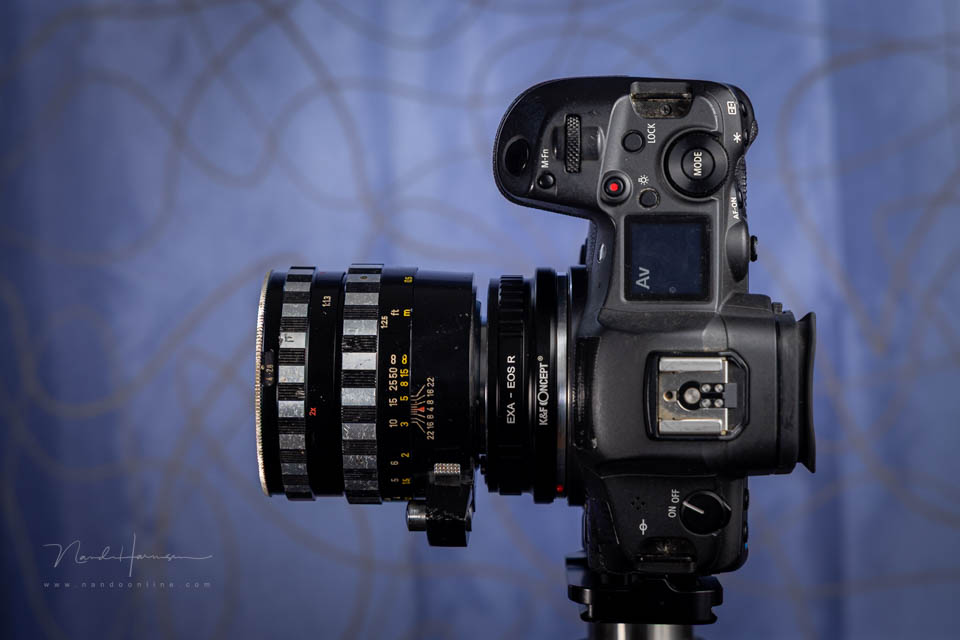
The mount I have is for the Exakta bayonet, but M42 screw-thread versions can apparently also be found. An adapter ring from Exakta bayonet to Canon RF, Nikon Z, Sony and Olympus is of course readily available.
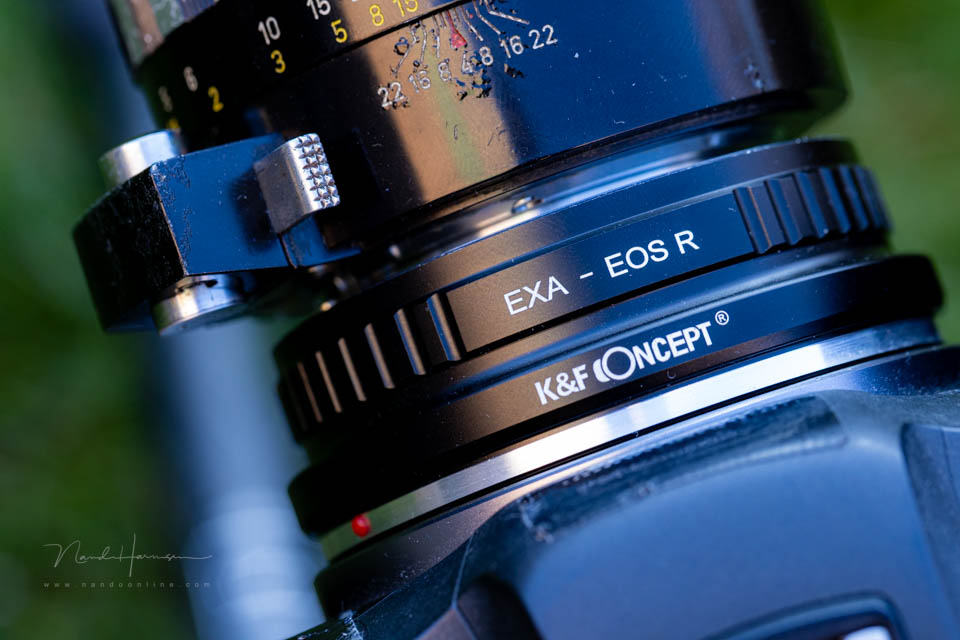
The aperture ring is at the front of the lens and runs from f/2.8 to f/22 in half-stop increments. The auto-manual aperture slider is on the side. In auto mode, the aperture closes when you press the button.
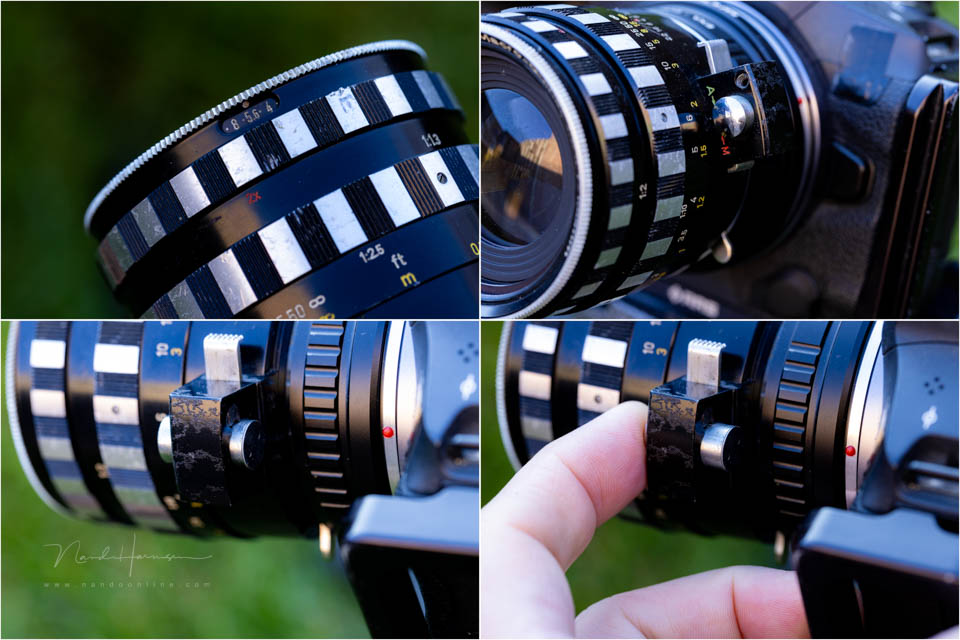
The system is quite unusual and designed for Exakta cameras. When you press the button in auto mode, it not only closes the aperture, it also takes a photo. The button directly presses the shutter release.
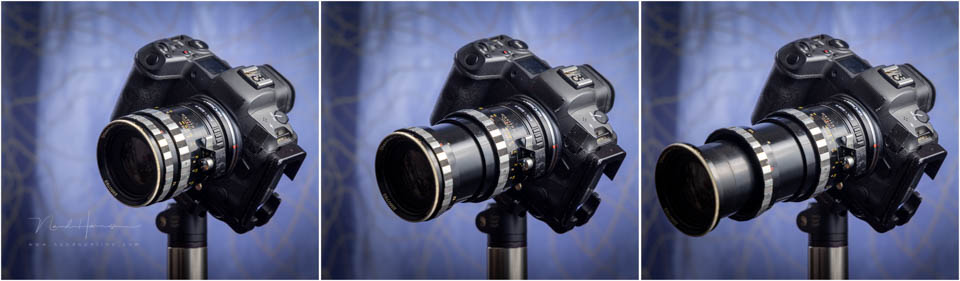
The inner zebra ring is for normal focusing. It goes down to 0.5 metres. Once the minimum focusing distance has been reached, the outer zebra ring can be turned. This is for macro and goes down to 0.24 metres..
The outer focusing ring for macro has markings for magnification: 1:2, 1:5 and 1:3. The red numbers on the macro ring are for exposure compensation. Modern cameras of course do this automatically.
Using it
Every old lens of course has manual focusing. By magnifying the image on the LCD screen or using focus peaking, focusing can be extremely precise.
Focusing does take time, because the rotation of the focusing and macro rings is enormous, almost 360 degrees. But this does allow you to focus very precisely. The lens has a lot of focus breathing.
Focus breathing is a change in the size of the subject when focusing. Without focus breathing, the subject remains the same size in the frame as it moves from out of focus to in focus.
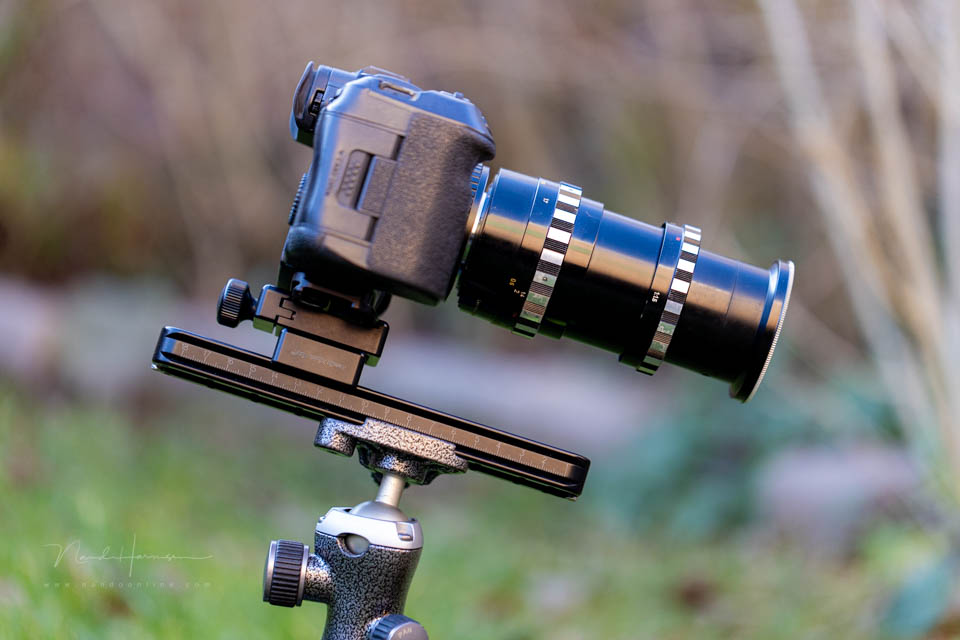
The Macro-Quinar's focus breathing is so great that you have to adjust the distance to the subject when turning from out of focus to in focus. A macro rail is recommended when using it. This means you don't have to move the tripod as often.
The image from the Macro-Quinar 100mm
The image quality is simply good. Perhaps not as sharp as modern lenses, but that is the character of this antique lens. Image sharpness is good in the centre at f/2.8, and decreases somewhat towards the edges.
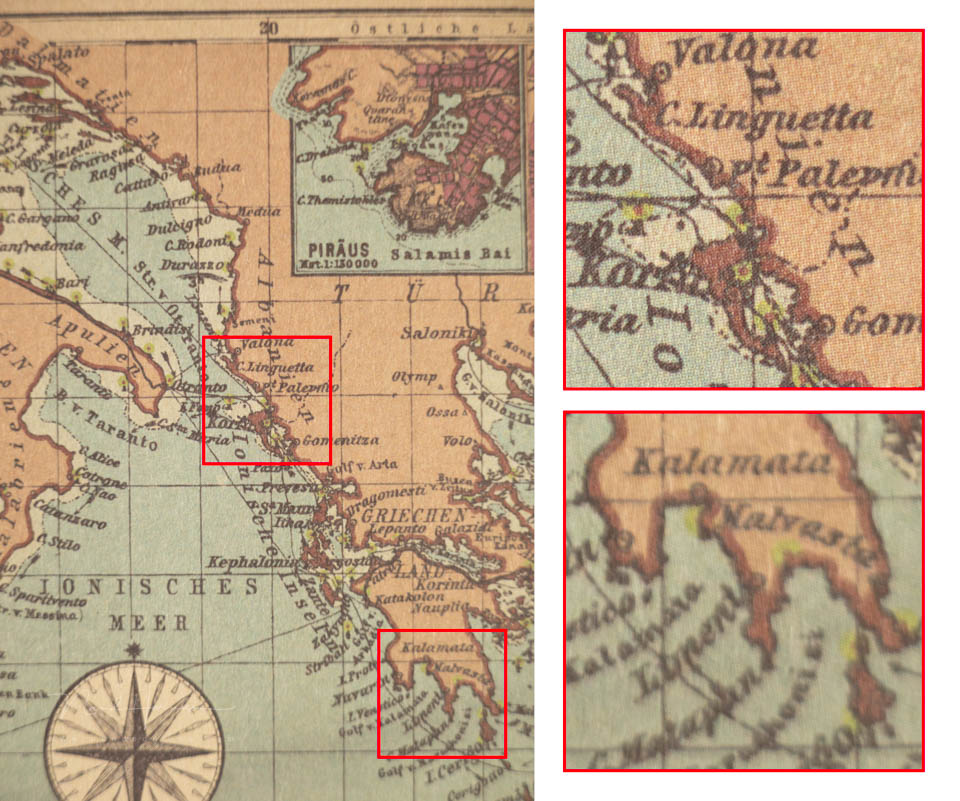
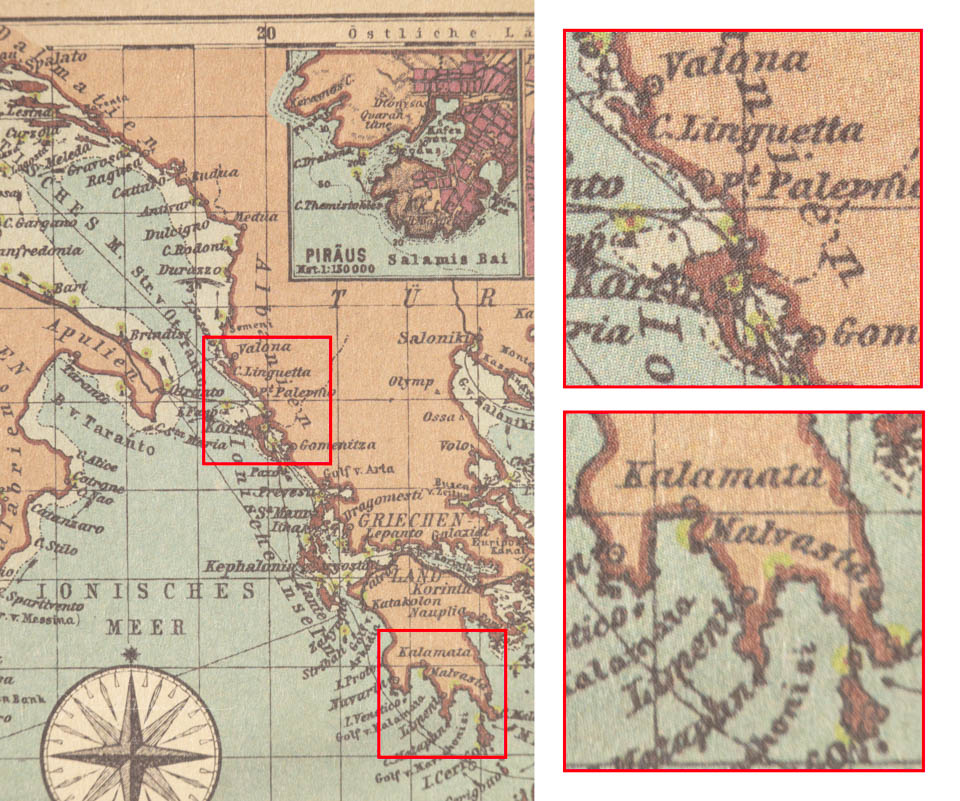
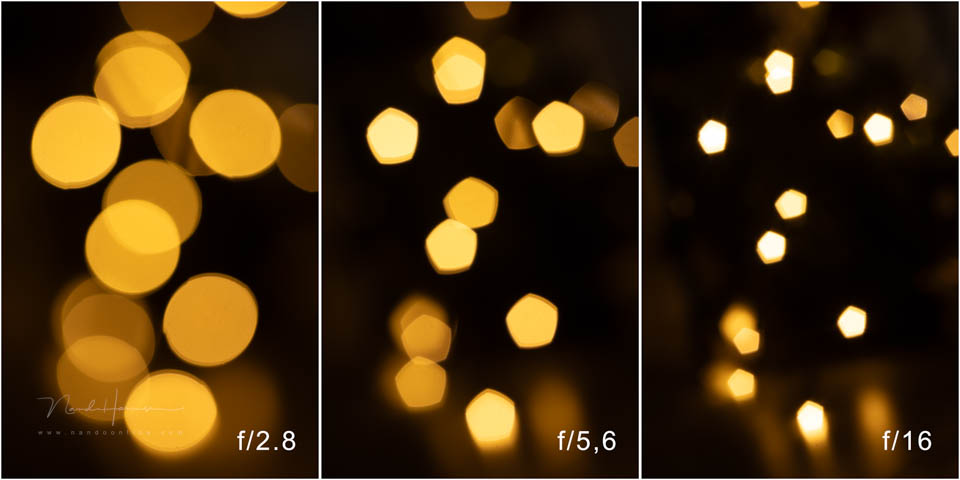
Stopping down improves sharpness, especially towards the edges of the image. The bokeh does change when stopping down.
At f/2.8, the bokeh rings are reasonably good in shape and texture. Towards the edges of the image, they show a slight swirl and cat-eye shape. Because of the five aperture blades, the bokeh rings become pentagons. That too is characteristic of an old lens.
Is this lens worth it?
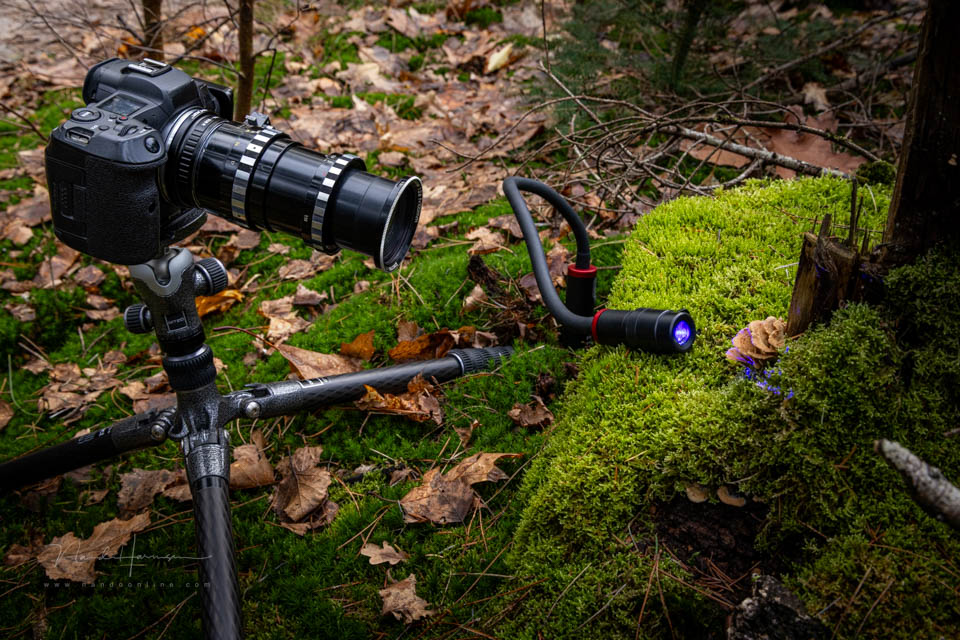
I have used the Steinheil-München Macro-Quinar 100mm f/2.8 a lot. Particularly for the 'product' photography for the reviews I have made recently. I have also taken it into the field for mushroom photography.
The focus breathing is an aspect that needs to be taken into account carefully. A macro rail is not essential, but it is a useful aid when using this lens.
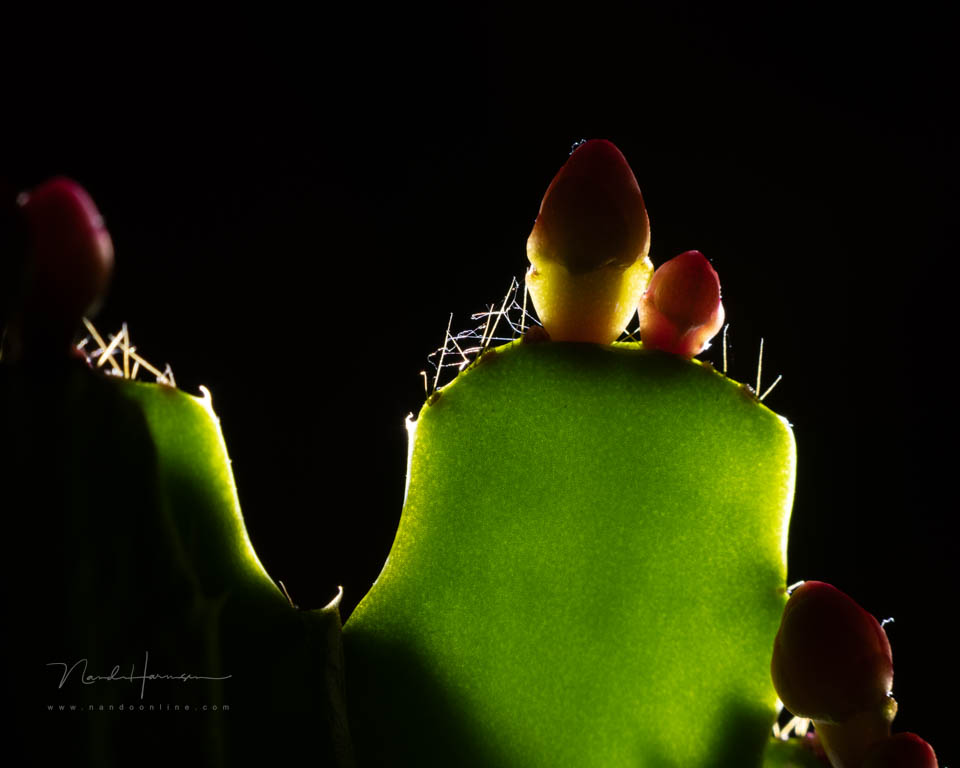
The lens performs well. It does not have the clinical perfection of modern lenses. If you are looking for that perfection, this is not the lens for you. I also think it is an addition, not a replacement.

About the author
Nando Harmsen has been photographing for more than 40 years. He specialises in wedding photography and landscape photography. Nando also gives talks, workshops, masterclasses and photo trips, and regularly reviews new and interesting equipment.
You might also like
-
 Review: SmallRig RM-03 Macro Photography LED lights
by Nando Harmsen
-
 Sony announces 100mm f/2.8 Macro G Master
by Elja Trum
-
 Review: Canon RF 100mm f/2.8L IS macro lens
by Nando Harmsen
-
 Photograph Through a Foreground for Atmospheric Macro Photos
by Nando Harmsen
-
 7 Tips for Macro Photography
by Mike Muizebelt
-
 Mushrooms without a macro lens, plus a few extra tips
by Nando Harmsen
1 comment
-
 Theo wrote on Thursday 1 January 2026 at 10:43 | reply
Nice article, no need for anything new yet. I've still got plenty to do with my new Z6III.
Translated from Dutch.
Have your say
Please note: Articles older than a week can only be commented on by signed-in visitors.Would you still like to comment? sign in or create a free account.
Become a better photographer every week
A practical photography tip in your inbox every week.
39,079 photography enthusiasts already receive the tips! More about the weekly mail. Or keep up to date via  Facebook.

Elja Trum
Photofacts; everything to do with photography!
Would you like to take better photos and keep up with what is happening in photography? Photofacts publishes articles that teach you something about photography — from a product announcement to a practical shooting tip or a look at a website. Photofacts covers photography every day and is a hobby project of Elja Trum's that got out of hand. The articles are written by a team of volunteer authors. If you would enjoy writing one or more articles for Photofacts, do get in touch.More about PhotofactsPhotofacts is made possible in part by
