

Review: Canon RF 70-200mm f/4L IS USM
Friday 14 May 2021, 11:33 by Nando Harmsen | 6,659 views | 0 commentsThis article was translated from Dutch with the help of AI. Read the original.
A large and heavy 70-200mm zoom lens with an f/2.8 aperture throughout the range is not necessary for everyone.
For those who prefer to travel light and can manage perfectly well with an f/4 aperture, there is also a lovely compact 70-200mm f/4 for the Canon R system. Canon Nederland provided me with a sample for this review.
The 70-200mm zoom is one of the most versatile zoom lenses available. It is perfect for more intimate landscapes, portraits, semi-macro and much more.
In addition, these telephoto zoom lenses almost always have a fixed maximum aperture throughout the range.
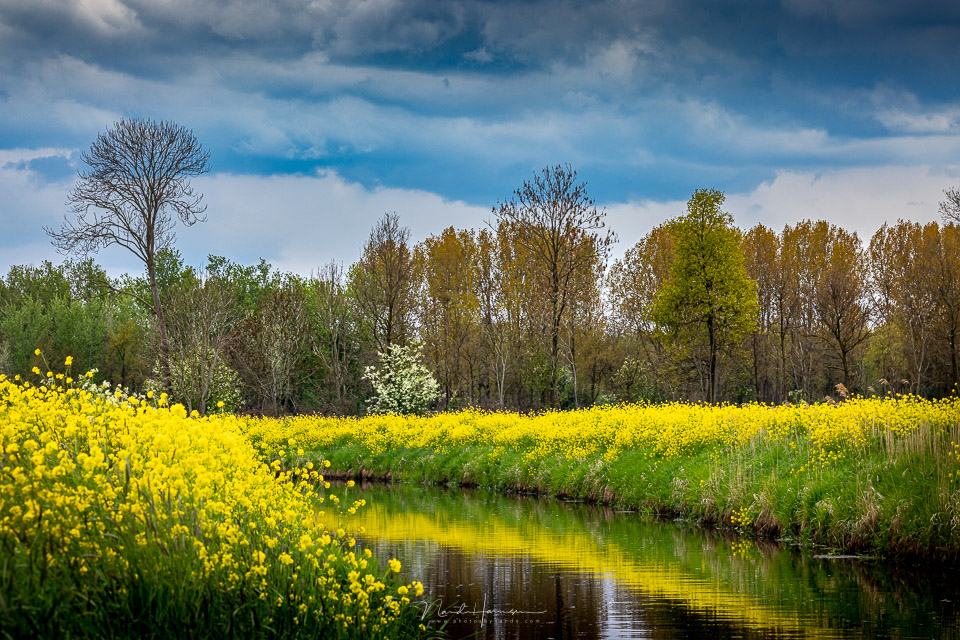
A 70-200mm with an f/2.8 aperture produces a lovely shallow depth of field. But not everyone will need this. The greater weight of an f/2.8 lens with this zoom range can also be a problem.
Canon has released a beautifully compact 70-200mm for these photographers using the R system, with f/4 as its maximum aperture.
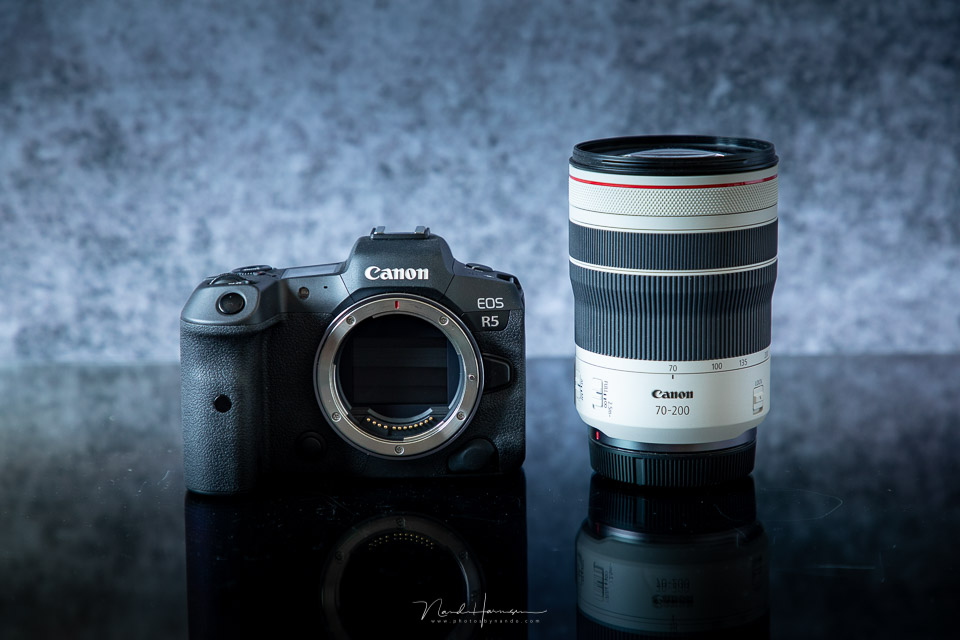
Compact, lightweight and fully equipped
The Canon RF 70-200mm f/4L IS USM is a very special lens. It is almost the same size as the Canon RF 24-105mm f/4L IS USM and even weighs slightly less. It can focus as close as 60 cm, achieving a magnification of 0.28x.
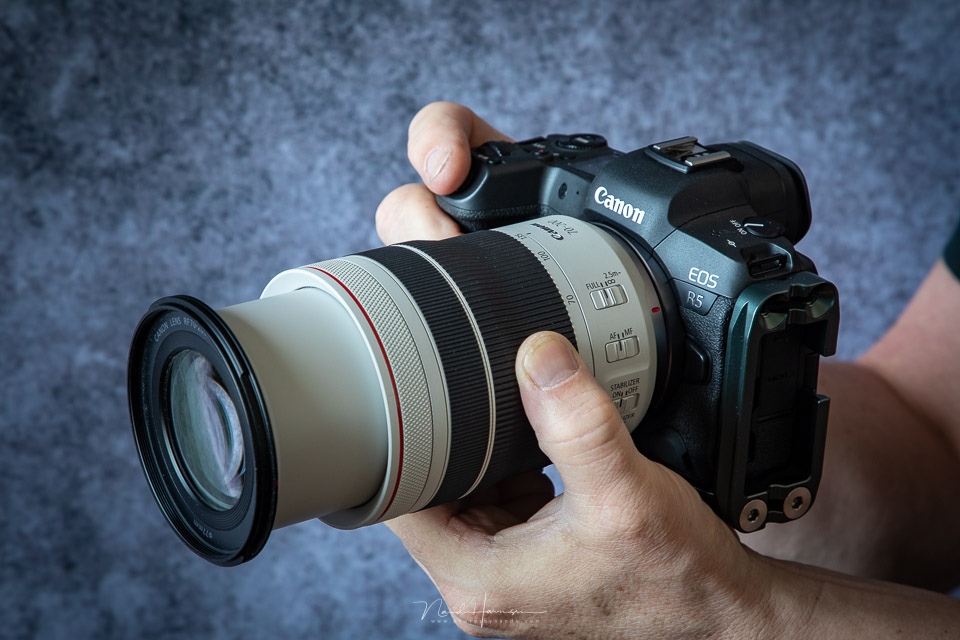
The built-in image stabilisation provides 5 stops of benefit. When you use the lens on a camera with built-in image stabilisation, this increases to no less than 7.5 stops.
Although it will not freeze movement in your subject, it does help you take handheld photos at slower shutter speeds.
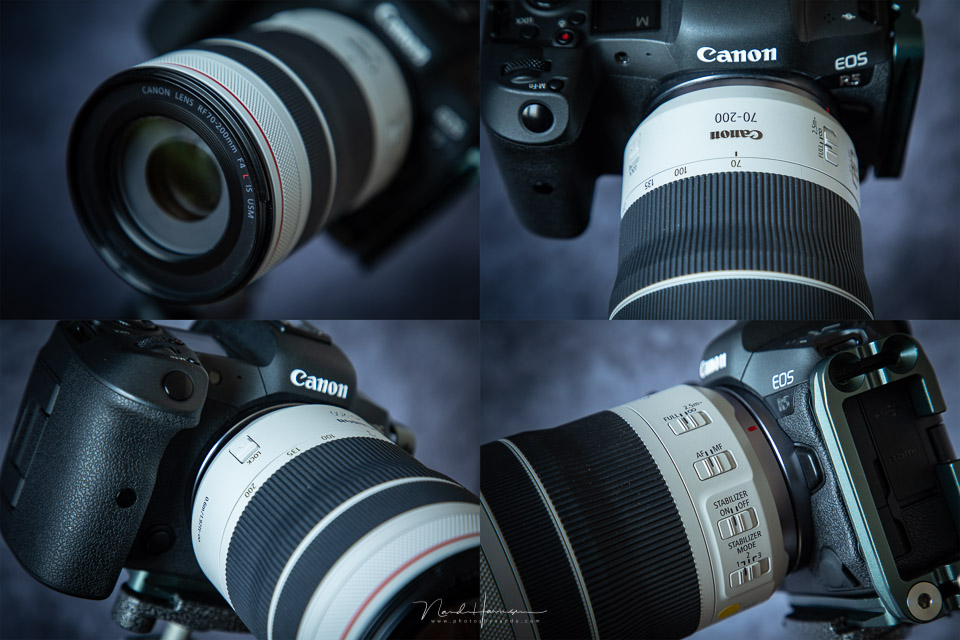
The lens has a whole range of buttons that will look familiar if you have used a similar Canon lens before. There are switches for image stabilisation, the focus limiter and AF/MF. New to this lens is the zoom lock. This prevents the lens from extending unintentionally.
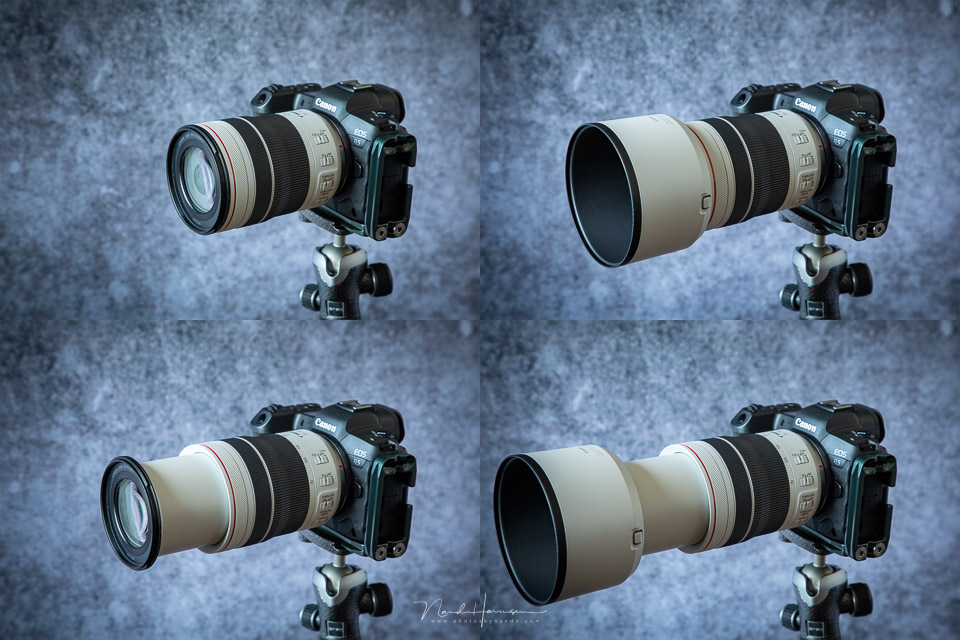
The wide zoom ring makes zooming easy. If you want to focus manually, there is a narrow focus ring. Right at the front is the programmable control ring.
Because of the compact design, these rings are relatively close together.
In use
The compact design takes some getting used to if you have always used the larger versions. I had to get used to it, but once I did, I found it very pleasant to use.

I also used the Canon RF 70-200mm f/4 for a few portrait sessions. At these times, I would have liked the shallower depth of field of the f/2.8. Fortunately, it is rarely necessary to use the minimum depth of field for portraits.

The small size and low weight were really useful when photographing landscapes. You often do not need an extremely shallow depth of field for this type of photography. An f/4 aperture is more than sufficient.
Taking a 70-200mm with you is genuinely inviting with this lens. It almost (!) fits in your jacket pocket.
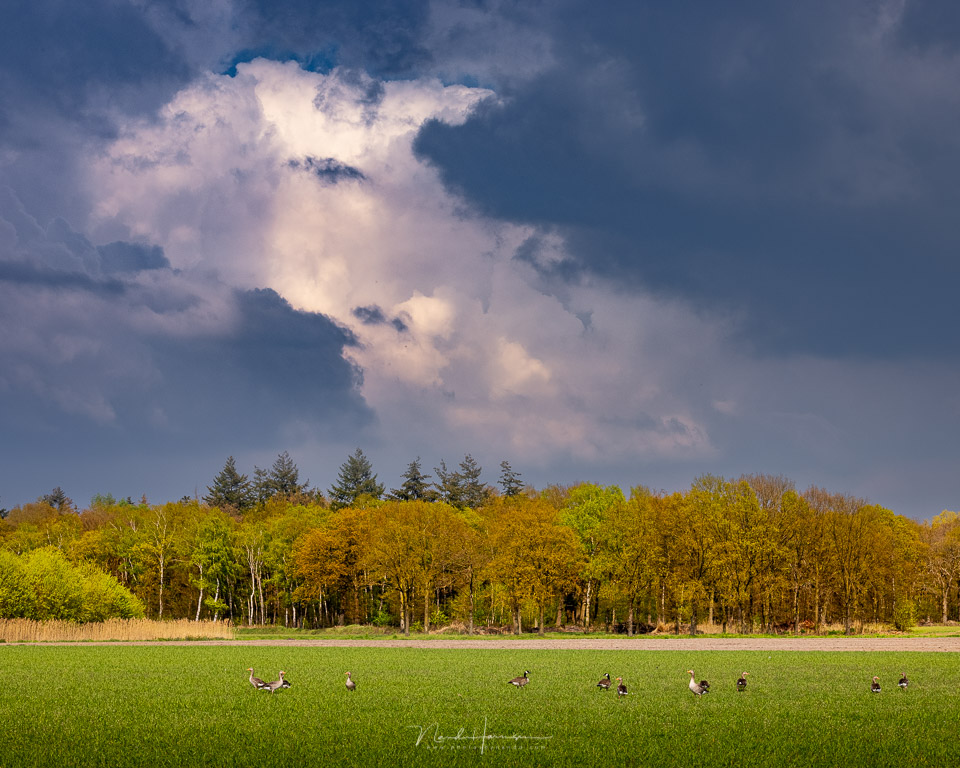
Image quality and focusing speed
There is little to complain about when it comes to image quality. The corners are slightly less sharp at the maximum aperture, but this is only noticeable if you zoom in heavily on those areas. Stopping down the aperture increases the slight softness in the corners.
Vignetting does increase as you zoom in further. At f/4 and 70mm, it is about 1 stop, rising to almost 3 stops at 200mm. Vignetting is also very easy to correct in post-processing. Stopping down the aperture prevents this vignetting as well.
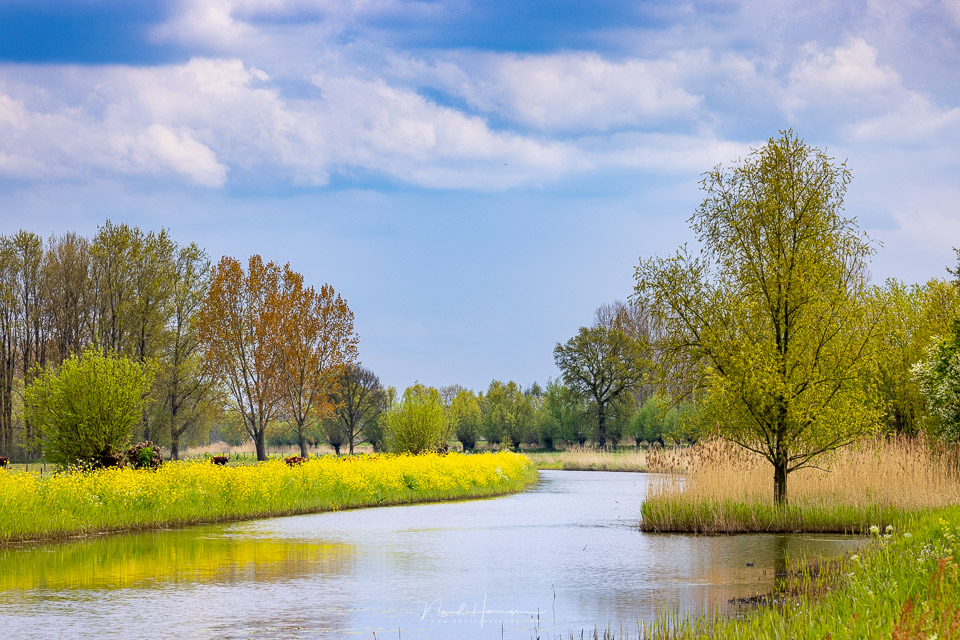
The Canon RF 70-200mm f/4L suffers little from flare, and some chromatic aberration occurs with large contrast differences.
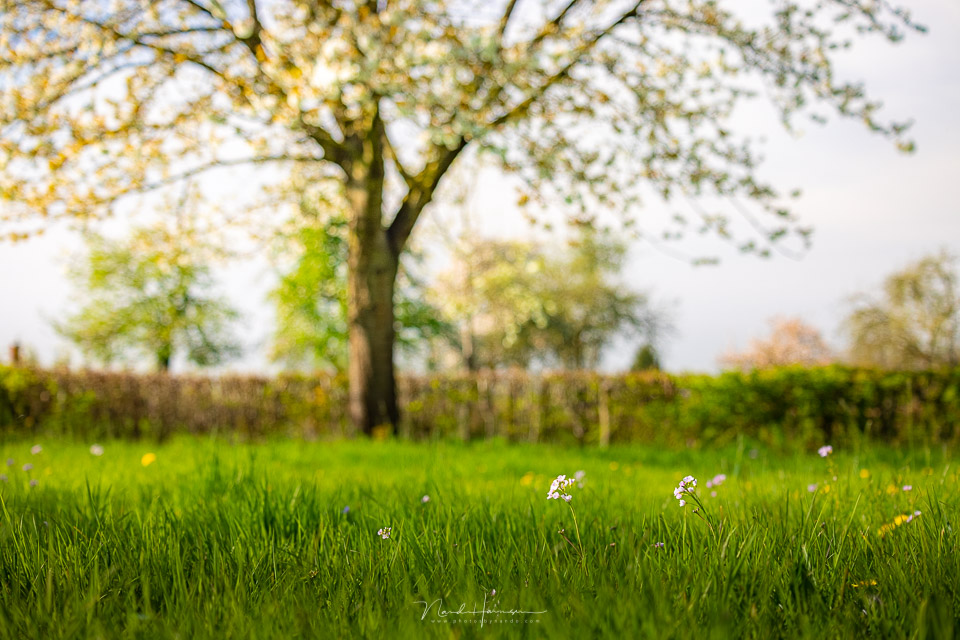
This too is easy to remove in post-processing. The maximum aperture of f/4 does not produce as shallow a depth of field as its larger f/2.8 sibling, but it is enough to separate your subject from the background.
The autofocus of the Canon RF 70-200mm f/4L is extremely fast and silent. Combined with the eye AF systems of the Canon EOS R5 and Canon EOS R6, keeping moving subjects in focus is easy and accurate. Even when the subject is small in the frame.

Conclusion
During the weeks I was able to use the Canon RF 70-200mm f/4L, I became very fond of this small powerhouse.
It is easy to take with you. It takes up little space in your bag, and at 695 grams, the weight is no reason to leave it at home. It is a pleasure to use this lens.
Those who like photographing with a minimal depth of field may prefer an f/2.8 aperture. An f/4 may also be less suitable for photographers who rely on very fast shutter speeds.
After all, f/2.8 lets in twice as much light. If you do not need that, the RF 70-200mm f/4L is a very good choice.

The balance of this lens on a camera from the R system is perfect. Although the lens becomes considerably longer when zoomed out, the centre of gravity remains close to the camera.
This is the first 70-200mm lens with which I have been able to take photos one-handed without any difficulty. Together with the 5-stop image stabilisation, or 7.5 stops with the EOS R5/R6, a sharp photo is almost guaranteed.
I have considered the pros and cons of the Canon RF 70-200mm f/4L IS USM. Although the vignetting and chromatic aberration mentioned earlier are present and can be considered disadvantages, they are easily corrected with lens correction in the camera or in post-processing.
All things considered, I can only be positive about this lens. If you do not need f/2.8, this lens comes highly recommended.
With thanks to Canon Nederland for providing this lens.
About the author
Nando Harmsen has been photographing for more than 40 years. He specialises in wedding photography and landscape photography. Nando also gives talks, workshops, masterclasses and photo trips, and regularly reviews new and interesting equipment.
You might also like
-
 Review: Canon RF 70-200mm f/2.8L IS
by Nando Harmsen
-
 Review: Canon RF 100-300mm f/2.8L IS USM
by Nando Harmsen
-
 Review: Canon RF 135mm f/1.8L IS USM
by Nando Harmsen
-
 Review: Canon RF 100mm f/2.8L IS macro lens
by Nando Harmsen
-
 Review: Canon RF 24-105mm f/2.8L IS USM Z
by Nando Harmsen
-
 Review: Canon RF100-500mm f/4,5-7,1L IS USM
by Nando Harmsen
0 comments
Be the first to share what you think!
Have your say
Please note: Articles older than a week can only be commented on by signed-in visitors.Would you still like to comment? sign in or create a free account.
Become a better photographer every week
A practical photography tip in your inbox every week.
38,982 photography enthusiasts already receive the tips! More about the weekly mail. Or keep up to date via  Facebook.

Elja Trum
Photofacts; everything to do with photography!
Would you like to take better photos and keep up with what is happening in photography? Photofacts publishes articles that teach you something about photography — from a product announcement to a practical shooting tip or a look at a website. Photofacts covers photography every day and is a hobby project of Elja Trum's that got out of hand. The articles are written by a team of volunteer authors. If you would enjoy writing one or more articles for Photofacts, do get in touch.More about PhotofactsPhotofacts is made possible in part by
