

Better autofocus with a wide aperture
Monday 17 February 2025, 14:41 by Nando Harmsen | 5,431 views | 8 commentsThis article was translated from Dutch with the help of AI. Read the original.
For autofocus to work properly, the system needs to be able to see what it has to focus on. There must not just be light, there must be enough light. A lens with a wide aperture helps when the amount of light is low.
When we talk about a lens with a wide aperture, we often immediately think of a shallow depth of field. And that's right, it gives you the option to use it. But it isn't a requirement.
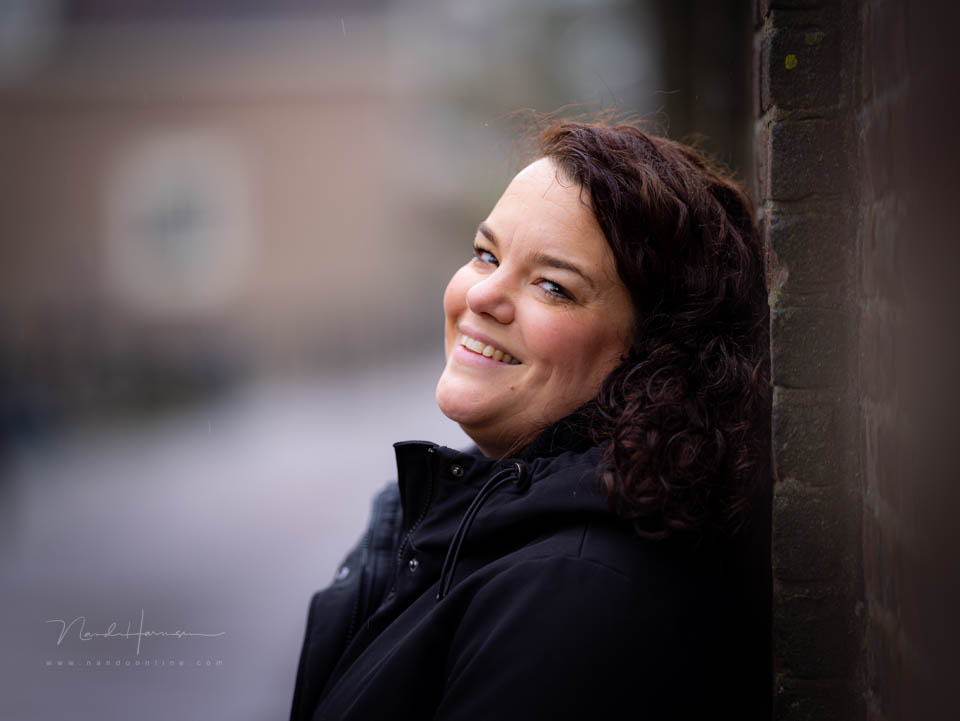
You don't have to use a shallow depth of field, even if you have a lens with a wide maximum aperture. If you never use it anyway, you might wonder whether you need such a lens.
A wide aperture helps you when photographing in dark conditions. A wide aperture lets in more light, allowing you to use faster shutter speeds in low light. There is then less need for a high ISO value.
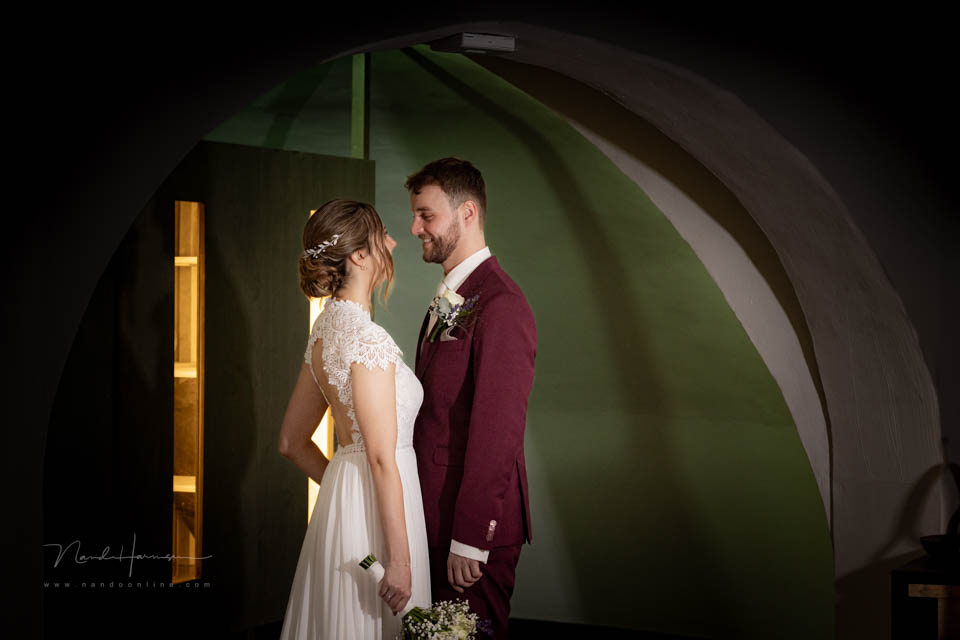
The resulting shallow depth of field can be a disadvantage, though. Especially when photographing people, such as during a celebration. In that case, a smaller aperture may be a better choice, while increasing the ISO value.
From that point of view too, you might wonder whether a lens with a wide aperture is necessary. The answer is still an emphatic yes. Even if you prefer not to use a wide aperture because you always want a little more depth of field. The reason is autofocus.
An autofocus system needs light, enough light. If there is too little light, autofocus works poorly, or not at all. Look in your camera's manual, and you can find the minimum amount of light required there.
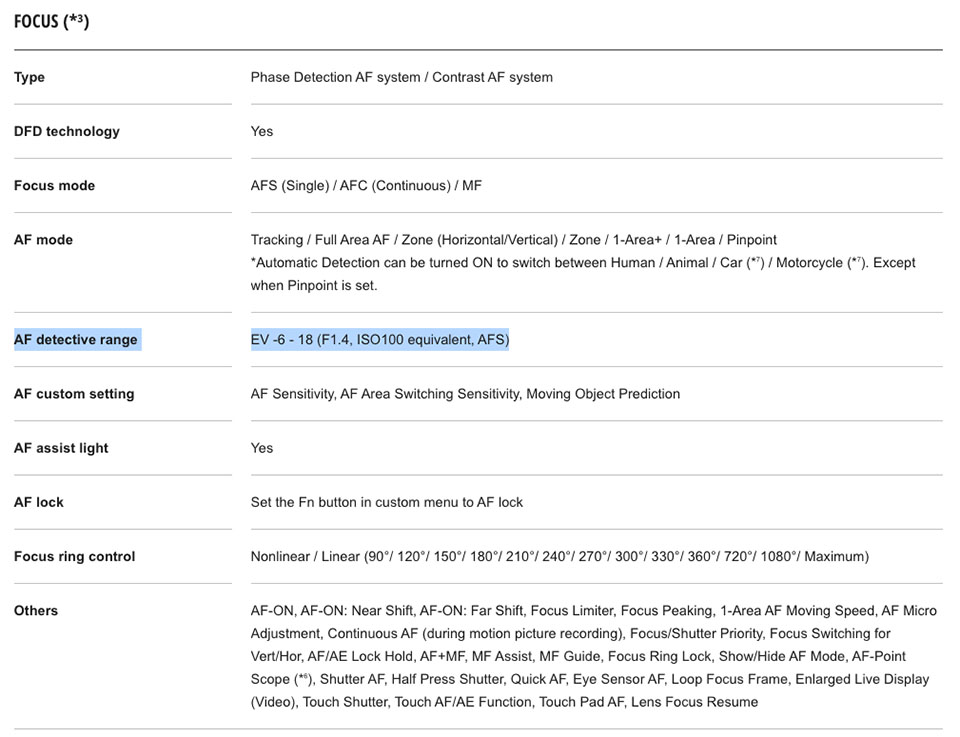
For many cameras, the minimum amount of light required is somewhere between 1EV and -4EV. Only more advanced models go below -4EV, which means they can still focus in darker conditions. But note that this value is measured at a particular aperture. Often f/1.2 or f/1.4.
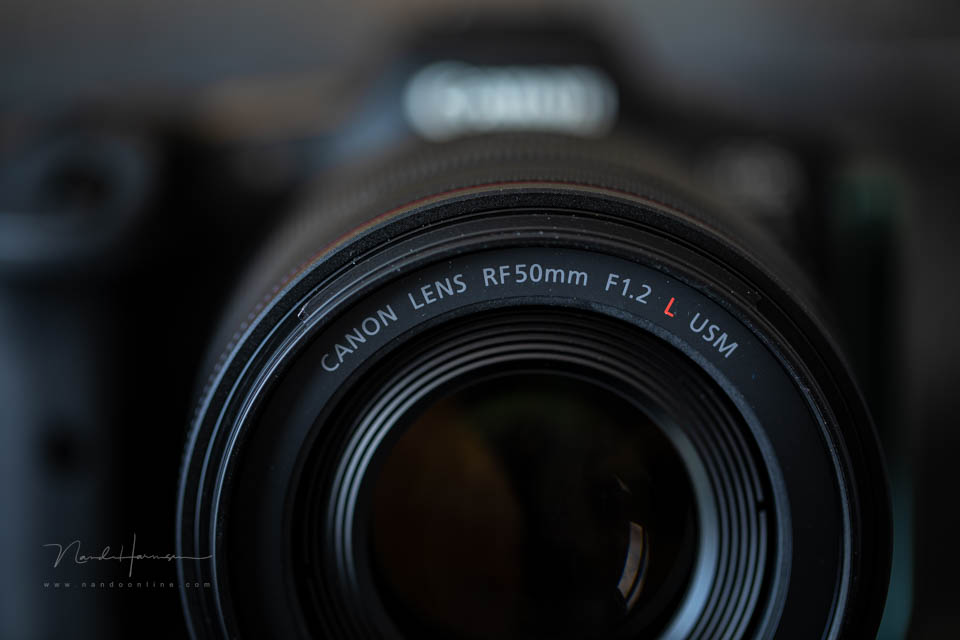
A camera always measures the exposure, and focuses, at the widest aperture, even if you stop the aperture down. This means that autofocus has to work with the maximum amount of light that can pass through the lens.
Suppose your camera can focus from -2EV of light at f/1.4. If you use a lens with a maximum aperture of f/1.4, autofocus works optimally. If you use a lens with a maximum aperture of f/2.8, the autofocus sensor has no less than two stops less light available.
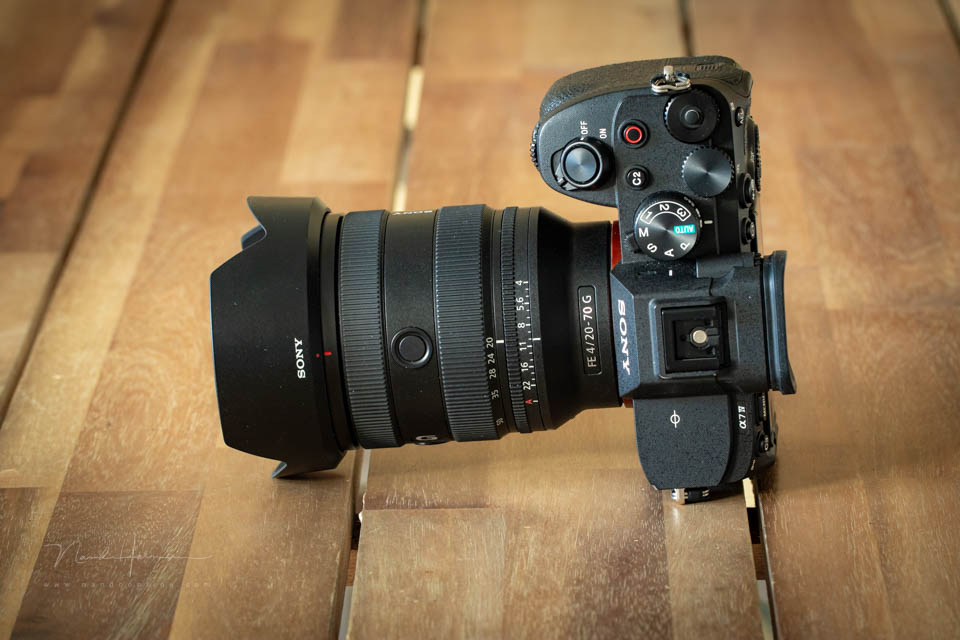
With two stops less light, autofocus doesn't need -2EV of light, but 0EV. With a lens that has a maximum aperture of f/4, that becomes 1EV of light.
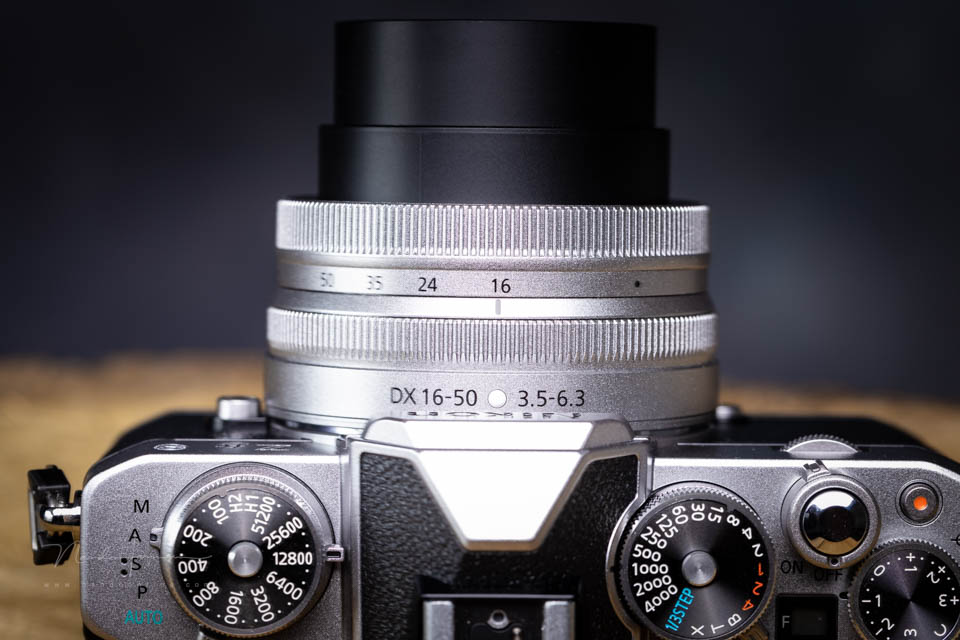
Do you often photograph in dark situations? Then it may be worth investing in a lens with a wide maximum aperture. Even if you never plan to use that shallow depth of field.
About the author
Nando Harmsen has been photographing for more than 40 years. He specialises in wedding photography and landscape photography. Nando also gives talks, workshops, masterclasses and photo trips, and regularly reviews new and interesting equipment.
You might also like
-
 A workshop must not be an escape from your own uncertainty
by Michiel Heijmans
-
 A large aperture is not just for a shallow depth of field
by Nando Harmsen
-
 How to photograph a moving horse properly
by Serita Vossen
-
 Get to know your camera properly
by Nando Harmsen
-
 Review: Eizo CS2740 ColorEdge 4K monitor
by Elja Trum

8 comments
-
 W. Debergh wrote on Tuesday 18 February 2025 at 11:19 | reply
The assertion is correct, but with a caveat. With older and lower-quality, fast lenses, sharpness at full aperture is not as good. That sometimes causes problems with focusing correctly.
Translated from Dutch. -

-
 Hans van Oers wrote on Tuesday 18 February 2025 at 12:24 | reply
Hi Nando, when focusing in low-light conditions or with insufficient contrast, the autofocus fails or keeps searching if the lens isn't fast enough. Try the lens out for this before you go ahead with the purchase. My experience over all these years is that third-party lenses, no matter how good they are on paper, have problems with this. Very good that you make your readers aware of this.
Translated from Dutch. -
-
 Donald Willemsen wrote on Tuesday 18 February 2025 at 13:07 | reply
Nando, I do agree with you. A larger maximum aperture often also means a larger front lens and not just a larger aperture opening. With a larger front lens, the lack of sharpness in the corners can also be a problem, which you then have to compensate for by stopping down.
Translated from Dutch.
Then only the top lenses qualify. With Canon, for example, you are talking about L lenses, and they come with a hefty price tag. -
 Nando
wrote on Tuesday 18 February 2025 at 13:21
| reply
Nando
wrote on Tuesday 18 February 2025 at 13:21
| reply
The quality in the corners is only poorer at the widest aperture, and improves when you stop down. At f/4 you no longer have to worry about it (exceptions aside).
Translated from Dutch.
But even if you use f/4, the full aperture is used for metering and autofocus. -
Donald Willemsen wrote on Tuesday 18 February 2025 at 15:27 | reply
Nando, just a quote: 'But even if you use f/4, the full lens aperture is used for metering and autofocus.', end quote.
Translated from Dutch.
As far as I know, the light measured is also determined by the aperture that is set. So the light metering does not use the full lens aperture, but the autofocus does. -
Nando
wrote on Wednesday 19 February 2025 at 18:27
| reply
Light is always metered with the lens wide open.
Translated from Dutch.
The camera converts the amount of light measured at full aperture to your set aperture.
The aperture is only stopped down to the set value when you take the photo. Not before.
Have your say
Please note: Articles older than a week can only be commented on by signed-in visitors.Would you still like to comment? sign in or create a free account.
Become a better photographer every week
A practical photography tip in your inbox every week.
38,982 photography enthusiasts already receive the tips! More about the weekly mail. Or keep up to date via  Facebook.

Elja Trum
Photofacts; everything to do with photography!
Would you like to take better photos and keep up with what is happening in photography? Photofacts publishes articles that teach you something about photography — from a product announcement to a practical shooting tip or a look at a website. Photofacts covers photography every day and is a hobby project of Elja Trum's that got out of hand. The articles are written by a team of volunteer authors. If you would enjoy writing one or more articles for Photofacts, do get in touch.More about PhotofactsPhotofacts is made possible in part by
