

A large aperture is not just for a shallow depth of field
Wednesday 8 June 2022, 15:30 by Nando Harmsen | 5,041 views | 1 commentThis article was translated from Dutch with the help of AI. Read the original.
You know those beautiful and often very expensive lenses with huge apertures. If you already consider f/2.8 large, it is nothing compared with f/1.4 or even f/1.2. They give you an extremely shallow depth of field.
But what use is such a large aperture if you always shoot at f/8? I explain what else a large aperture is useful for.
Not everyone wants to use an extremely shallow depth of field. That is understandable, because it is not suitable for every type of photography.
Photographers who almost always use an aperture between f/5.6 and f/11 in particular will not quickly see the point of f/1.4.
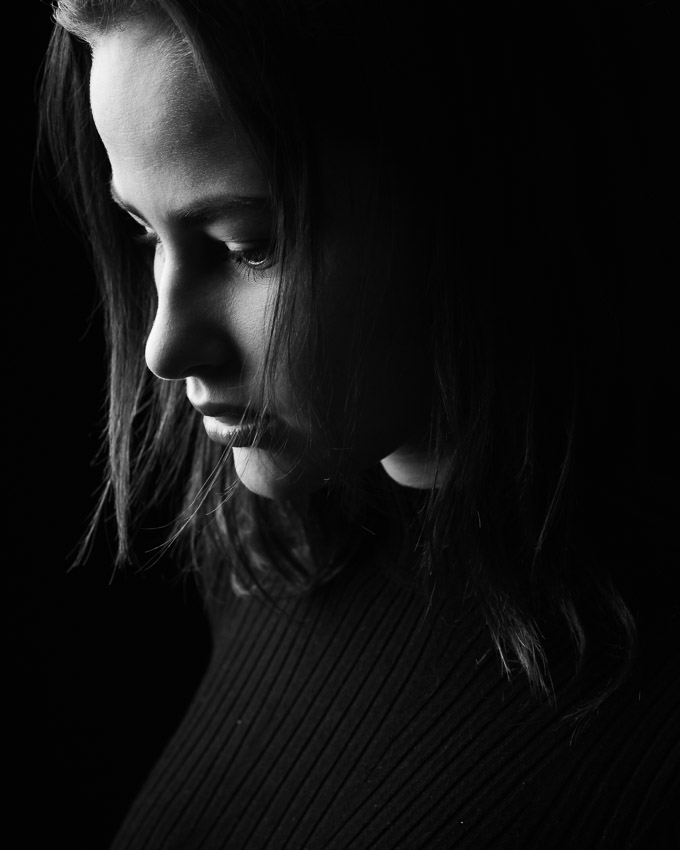
Yet a very large aperture can be very useful. Not to achieve a shallow depth of field. Nor to let enough light through the lens in dark conditions so that you can keep shooting. It has everything to do with focusing.
We do not often stop to think about it, but autofocus has its limitations. Contrast is needed to focus.
If there is no contrast, focusing will fail. The autofocus will hunt. If there is contrast, there still needs to be enough light to see that contrast.
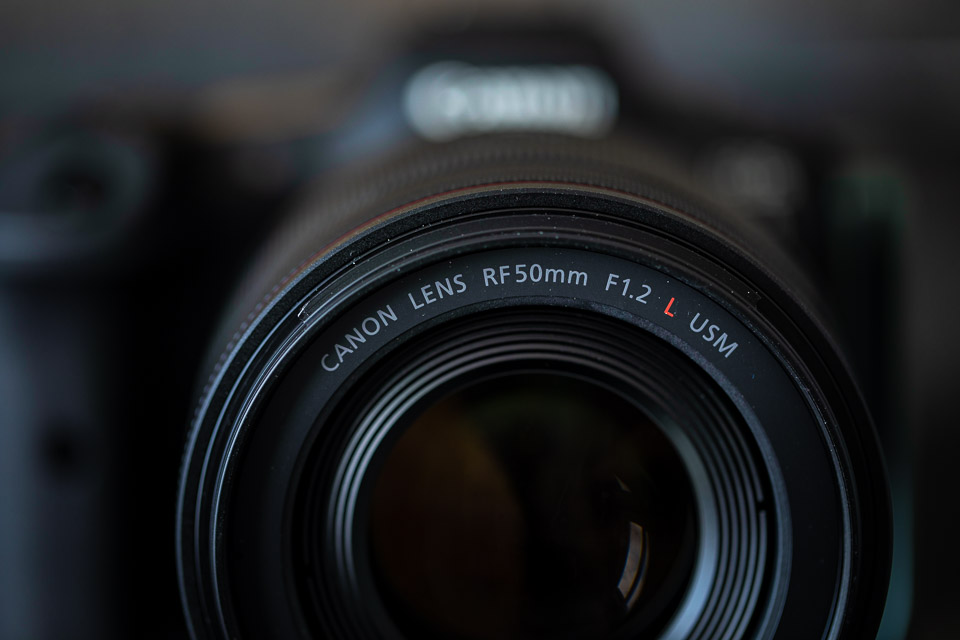
Every camera needs a minimum amount of light to focus. This is shown as an EV value.
For example, a camera's autofocus may work down to -2 EV. If it is darker than -2 EV, the AF is no longer usable.
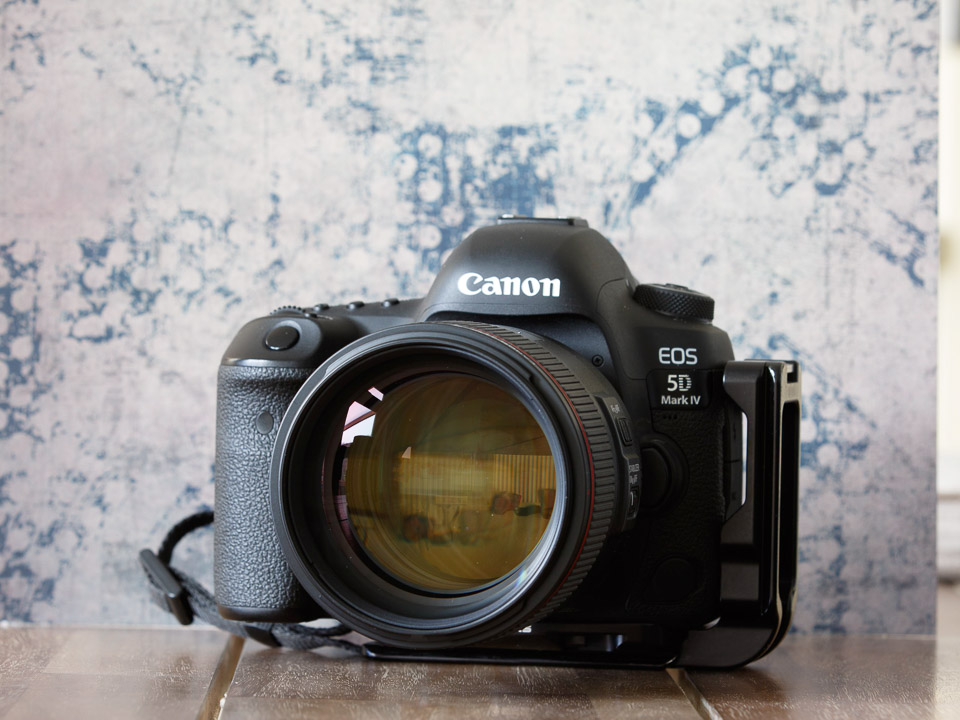
This figure of -2 EV is completely arbitrary in this case, just an example. Each camera has its own minimum light level listed in the specifications. For some it is -1 EV, while others go down to -3 EV. Some even go down to -7 EV. In this case, I will stick with -2 EV as an example.
The amount of light corresponding to -2 EV is the amount of light from a full moon in a snowy landscape. There is one catch, though. The camera can only focus in these conditions with an f/1.2 lens. That is a requirement because this lens can let through enough light.
If you had an f/4 lens, focusing under a full moon in a snowy landscape would no longer work. After all, an f/4 lens lets through no less than 3.3 stops less light.
This means that with a lens with a maximum aperture of f/4, you can only focus at around 1 EV instead of -2 EV.
To give you an idea, 1 EV of light roughly corresponds to the night-time skyline of a city in the distance. If you have a lens with a maximum aperture of f/5.6, you will need at least +2 EV of light. That corresponds to shooting in a city with street lighting.
If you shoot a lot in dark conditions, you can certainly benefit from a lens with a large aperture. Focusing can be much better, faster and smoother in those situations. The risk of the focus hunting is much smaller.
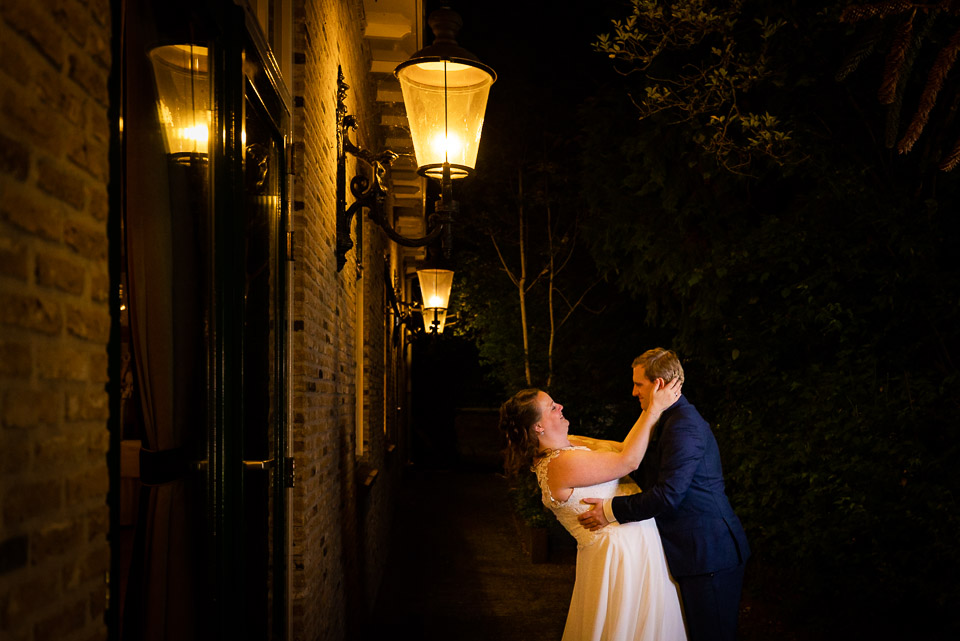
Does this mean you always need a lens with a large aperture? Of course not. It is only useful if you shoot in conditions where the light is anything but optimal. Or if you like an extremely shallow depth of field, because that is an option too.
About the author
Nando Harmsen has been photographing for more than 40 years. He specialises in wedding photography and landscape photography. Nando also gives talks, workshops, masterclasses and photo trips, and regularly reviews new and interesting equipment.
You might also like
-
 The Most Expensive Lenses in the World
by Nando Harmsen
-
 The difference between bokeh and shallow depth of field
by Nando Harmsen
-
 Better autofocus with a wide aperture
by Nando Harmsen
-
 A shallow depth of field for landscapes
by Nando Harmsen
-
 10 lighting setups with a huge softbox
by Elja Trum
-
 Be sensible, buy a good tripod
by Nando Harmsen
1 comment
-

 Donald Willemsen
wrote on Thursday 16 June 2022 at 22:59
| reply
Donald Willemsen
wrote on Thursday 16 June 2022 at 22:59
| reply
I think it's a great article Nando. A lens with a wider aperture than F/2.8 is far from always necessary. Those lenses are often quite a bit more expensive as well, with Canon's 50mm prime being one of the exceptions. Even in the 'plastic fantastic' version, it can be called very cheap. It is also the only lens with a wider aperture than F/2.8 that I have. The rest are all less light-sensitive. That isn't always convenient, but you have to make do with what you have. With the lenses I have, I can manage well in the type of photography I practise. I simply need a large DoF more often than a small DoF.
Translated from Dutch.
Have your say
Please note: Articles older than a week can only be commented on by signed-in visitors.Would you still like to comment? sign in or create a free account.
Become a better photographer every week
A practical photography tip in your inbox every week.
38,982 photography enthusiasts already receive the tips! More about the weekly mail. Or keep up to date via  Facebook.

Elja Trum
Photofacts; everything to do with photography!
Would you like to take better photos and keep up with what is happening in photography? Photofacts publishes articles that teach you something about photography — from a product announcement to a practical shooting tip or a look at a website. Photofacts covers photography every day and is a hobby project of Elja Trum's that got out of hand. The articles are written by a team of volunteer authors. If you would enjoy writing one or more articles for Photofacts, do get in touch.More about PhotofactsPhotofacts is made possible in part by
