

Beware the so-called perfect white balance
Tuesday 11 August 2026, 22:44 by Nando Harmsen | 1,327 views | 1 commentThis article was translated from Dutch with the help of AI. Read the original.
White balance makes sure that white is rendered as white. That is why it is called white balance. If white is white, the colours should be correct. Reality is very different. White is rarely truly white.
Many photographers have a tendency to aim for the perfect white balance. But what is perfect? Is it when something that is white is actually rendered as white in the photo? Is reality really that perfect?
I regularly see photos where the white balance has been set so that white must also look white. In the process, all the other colours have become unbalanced. Green is no longer green, or red gets a magenta cast.
I saw this recently with a squirrel. The animal's fur had taken on a strange colour. The photographer must have thought that the green tint in the photo needed correcting. Even though the whole forest was full of green leaves.
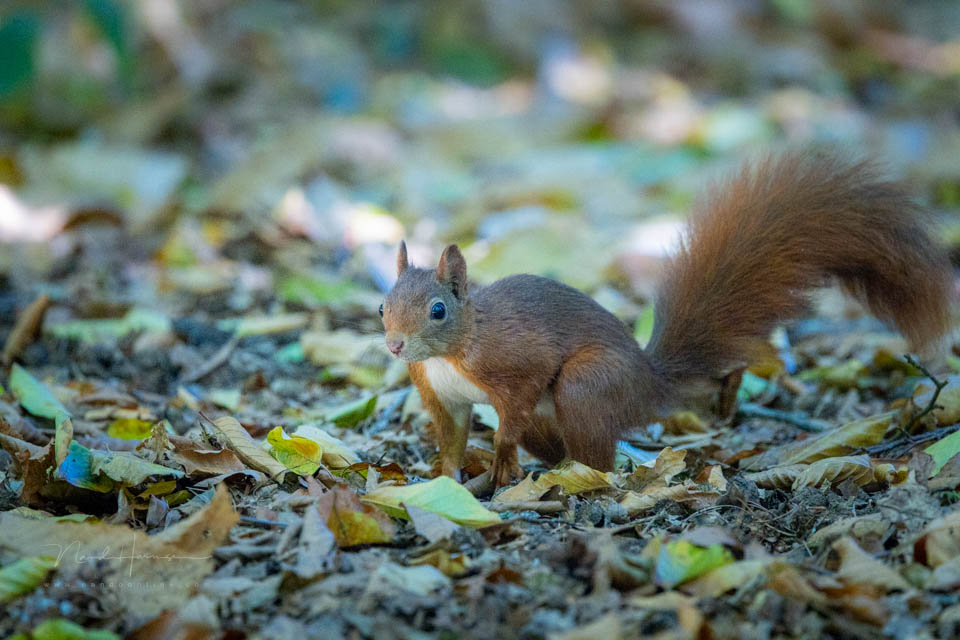
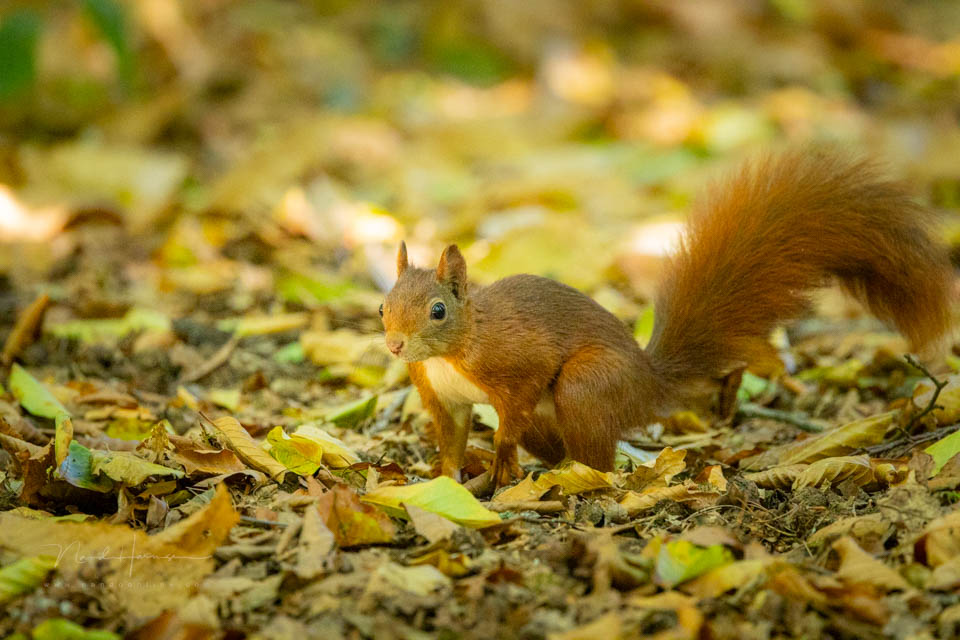
The colour of the world around us is not perfectly 'white' balanced. Light is always coloured. Because of fresh young leaves, the tint of shadows or the warm colours of a sunset.
White is therefore rarely white. In a forest it is more likely to have a green tint. Shadows have a blue tint and the orange sunset gives the world a warm glow. Anything that is white reflects those colours.
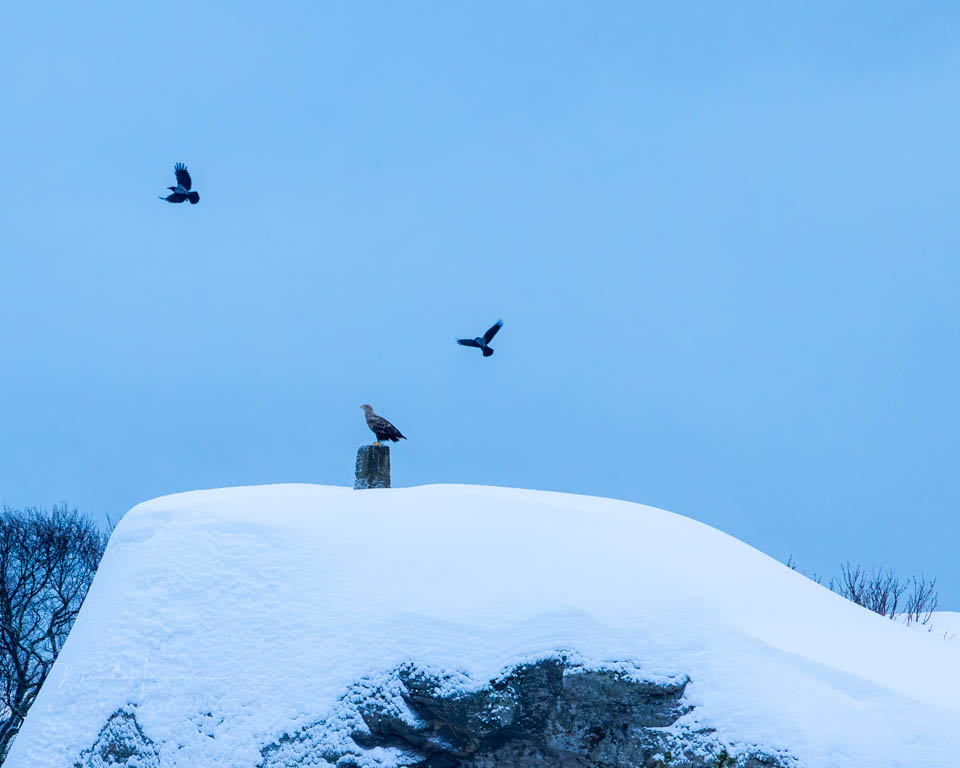
Don't be afraid of colours in a photo. Let colours express the atmosphere, instead of obsessively trying to make white white. Respect the golden tint of the golden hour or the blue of twilight.
There are situations where the colours do need to be calibrated. For reproductions, product photography or property photography. Then it serves a purpose. Apart from that, give colours room and don't correct them, or only correct them to a limited extent.
I always photograph with the white balance set to daylight. Sunshine, or a colour temperature of around 5200K. Then white really is white in the middle of the day, with a clear sky and the sun shining, as it should be.
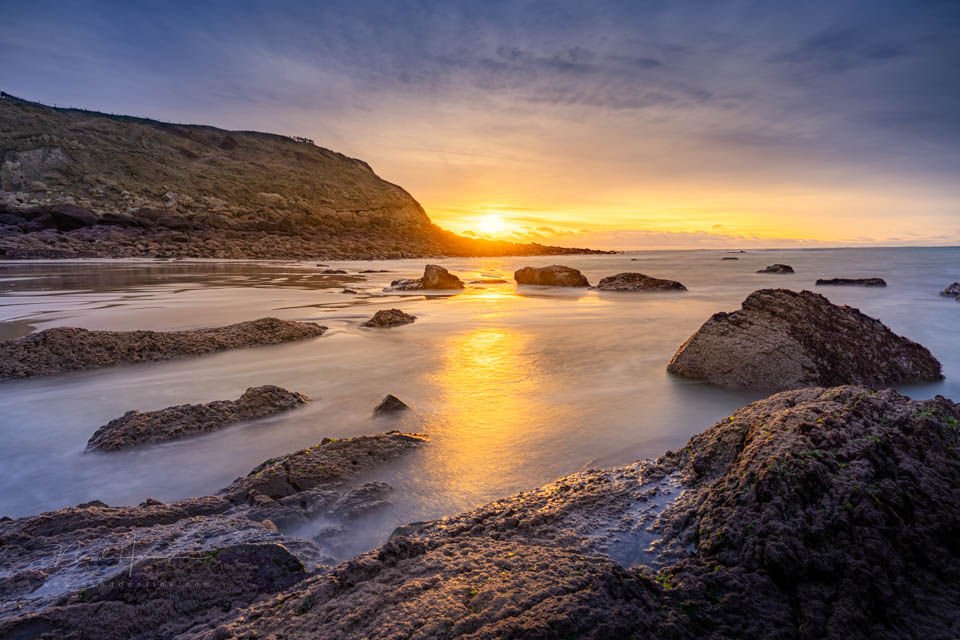
With the colour temperature set to 5200K, or daylight white balance, the world takes on the atmosphere of the moment. Warm colours at sunset or sunrise, cool colours in the twilight. Or the bluish tint in the shade.
Try it out for yourself. But never feel obliged to do it this way. Choose what you think looks best, that is and always will be the most important thing. If you want atmosphere in your photos, let go of that 'perfect' white balance.
About the author
Nando Harmsen has been photographing for more than 40 years. He specialises in wedding photography and landscape photography. Nando also gives talks, workshops, masterclasses and photo trips, and regularly reviews new and interesting equipment.
You might also like
-
 Choose white balance to suit your taste and create the right mood
by Nando Harmsen
-
 White balance and exposure in snow
by Nando Harmsen
-
Night photography tip: Choose the right white balance
by Nando Harmsen
-
 Choose a Good Balance in Your Photo
by Nando Harmsen
-
 Landscape photography tip: Balance in your photo
by Nando Harmsen
-
 Flash photography tip: Match the colour temperature
by Elja Trum
1 comment
-
 Ed van Hoof wrote on Tuesday 18 August 2026 at 18:20 | reply
In post-processing, the white balance is easy to adjust, there are also people who think. the top photo of the squirrel is more beautiful, the bottom one evokes a completely different atmosphere. For someone else, the truth lies in between. The photographer or post-processor decides!
Translated from Dutch.
Have your say
Please note: Articles older than a week can only be commented on by signed-in visitors.Would you still like to comment? sign in or create a free account.
Become a better photographer every week
A practical photography tip in your inbox every week.
39,079 photography enthusiasts already receive the tips! More about the weekly mail. Or keep up to date via  Facebook.

Elja Trum
Photofacts; everything to do with photography!
Would you like to take better photos and keep up with what is happening in photography? Photofacts publishes articles that teach you something about photography — from a product announcement to a practical shooting tip or a look at a website. Photofacts covers photography every day and is a hobby project of Elja Trum's that got out of hand. The articles are written by a team of volunteer authors. If you would enjoy writing one or more articles for Photofacts, do get in touch.More about PhotofactsPhotofacts is made possible in part by
