

Choosing a light source for your video recordings
Monday 31 October 2022, 20:02 by Nando Harmsen | 7,021 views | 3 commentsThis article was translated from Dutch with the help of AI. Read the original.
Extra light is often needed for video recordings made indoors. When you start filming, there may come a time when you need to shop for lights.
But what should you look for, and which ones should you buy? There are so many lights to choose from that the range can be blinding.
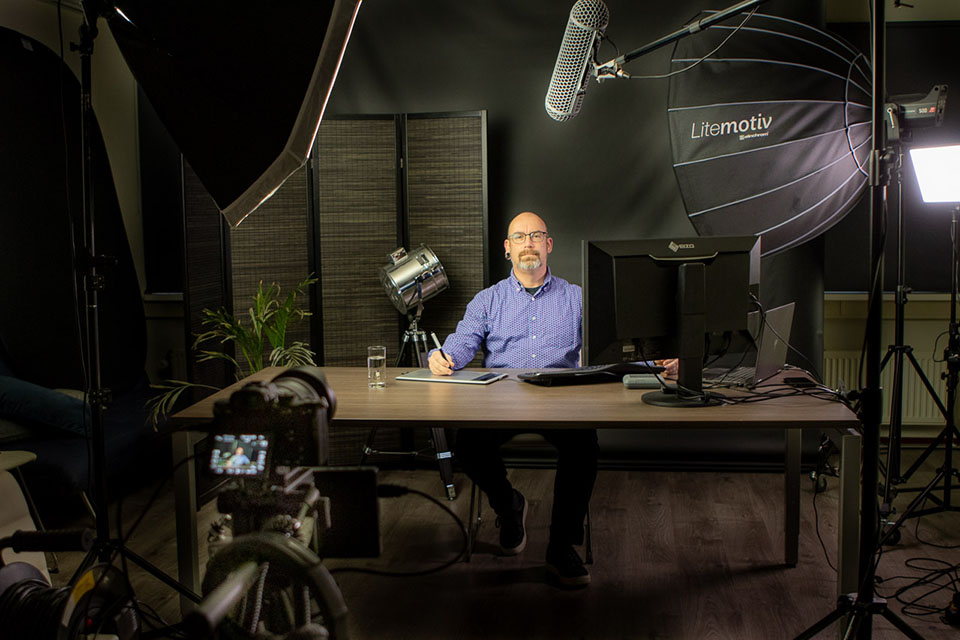
In a previous article, I talked about the five things you need to know when you want to start making video recordings. Quite rightly, people pointed out in the comments that light is also very important, or even essential.
The big difference compared with photography is the need for continuous light. I have always solved this with the modelling light of my Profoto flash units, which can be used for that purpose to some extent.
Unfortunately, their light output is too low, which becomes a limitation.
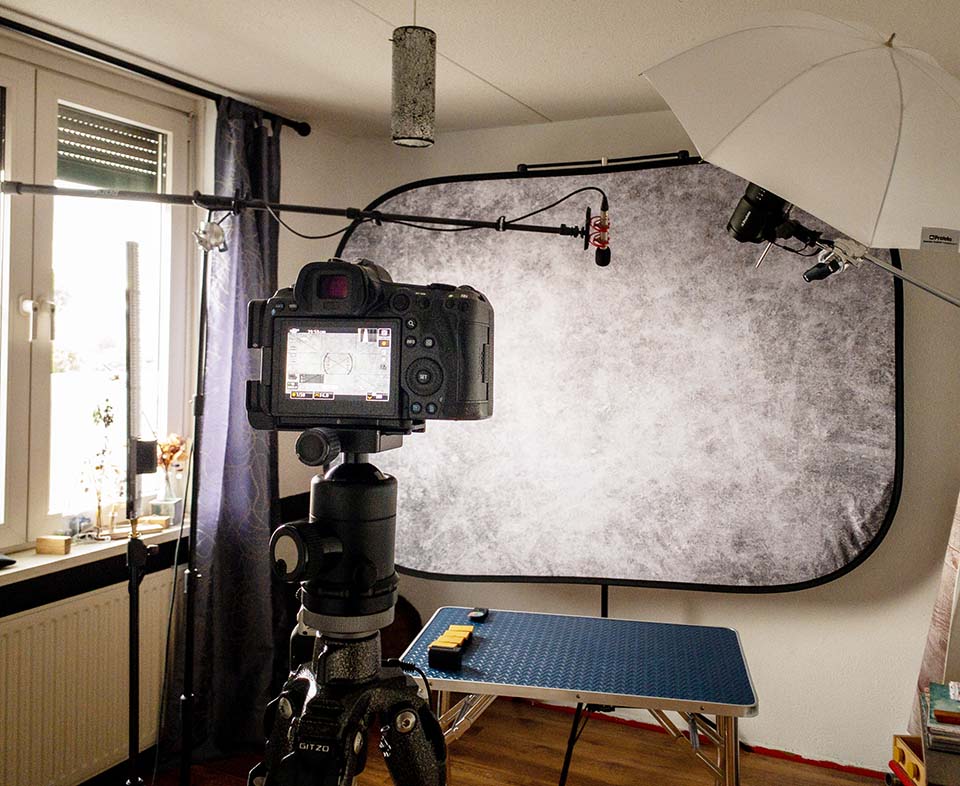
What should you look at when you start searching for lights? I have already made a purchase, perhaps the wrong one, and am considering whether I should have something else after all.
I do not want to look at which light is best right now. Instead, I want to consider a number of things to arrive at a good choice. Maybe this can help you too, if you are also looking.
Types of light and light output
Basically, there are two types of light you can choose from. There are LED panels and LED lights. Both use LEDs, but they are still two different things. A panel is just as the name suggests, a panel full of LEDs, so the light comes from a relatively large surface.
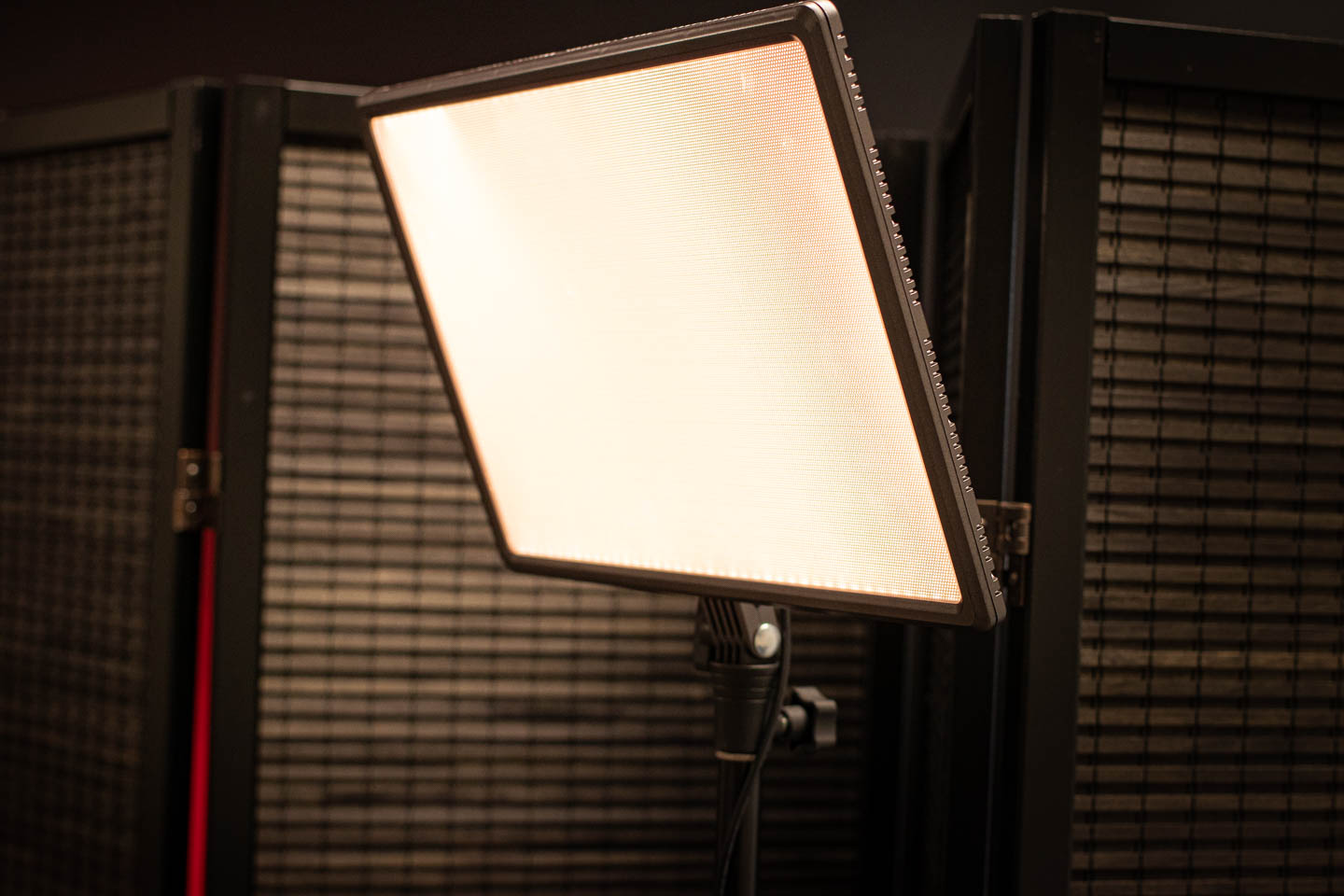
The other option is LED lights, where, as far as I know, a large number of LEDs act as a single light source, so it is a point light source.
The surface is therefore very small, and your LED light looks like... Well, like a light, onto which you can then put all kinds of light modifiers.
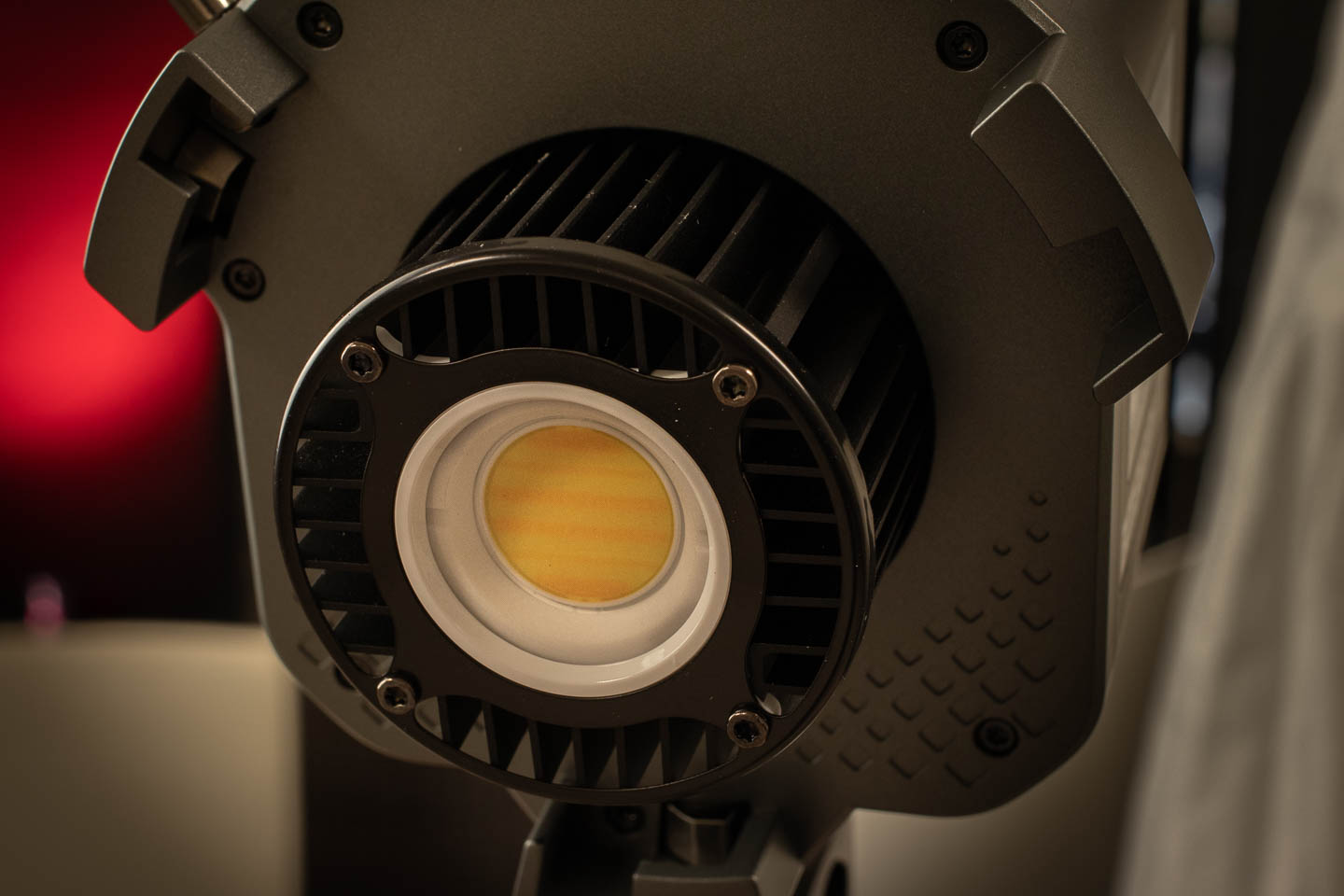
In general, an LED light is more powerful than an LED panel. The amount of light it produces is sometimes measured in watts, sometimes in lumens. The higher the number, the more light. But how much light is enough?
That depends on your purpose. Can you light from close by, or does the distance need to be greater? Remember, every doubling of the distance means that the amount of light decreases by three quarters.
Does an LED panel produce 3000 lumens of light at a distance of 1 metre? At 2 metres, that will be only a quarter, 750 lumens. At 4 metres, you will have less than 200 lumens left.
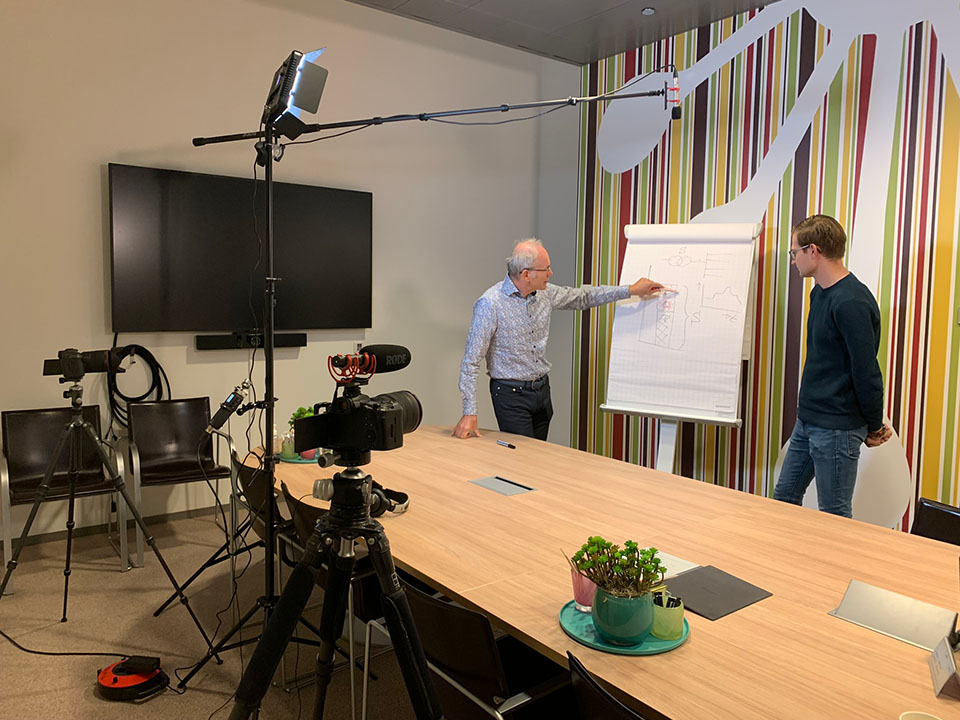
In principle, the more light output, the better. But set yourself a limit. There is no point buying the LED panel or LED light with the highest light output available for this purpose.
Not only are these extremely expensive, if you only need to light your subject from a distance of one metre, you will get no benefit from that extra light output.
An LED panel or light can also have multiple colours of LEDs, RGB LEDs or bi-colour LEDs. Remember that if a light has 180 LEDs, an RGB version will have 60 red, 60 green and 60 blue LEDs.
You only get the maximum light output when they are all lit, producing white light. A bi-colour light with 180 LEDs will have 90 LEDs per colour.
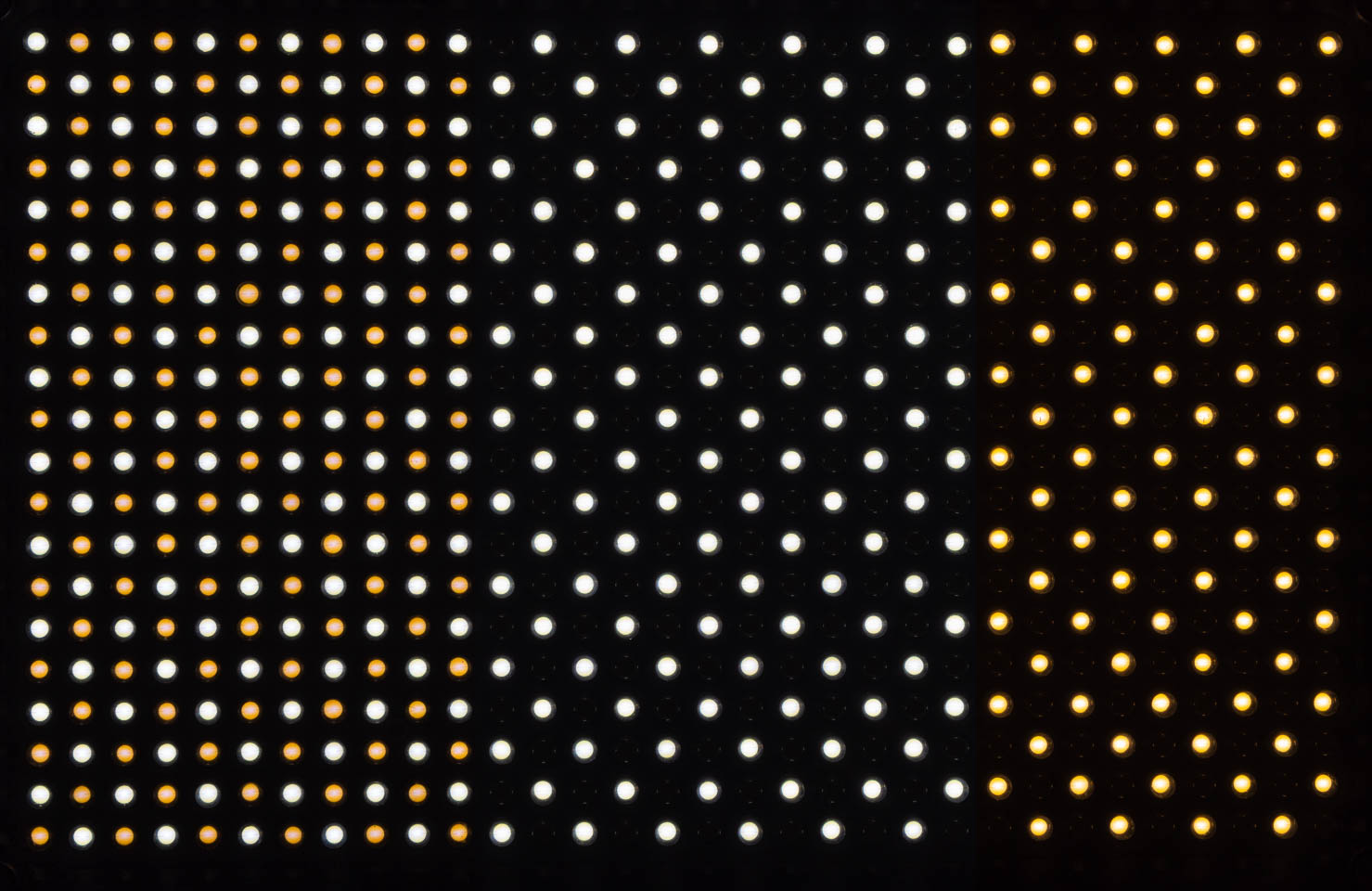
So think carefully about how you will use the light. Far away? Close by? Do you need to be able to adjust the colour, or is white light enough? Are you lighting a large room, or is it usually a single person?
An LED panel or an LED light
An LED panel has many LEDs arranged in a grid. This means that the light output is spread over a large surface and is not concentrated.
Even so, the surface is often too small to create truly soft light. You need a softbox or umbrella for that, and these are usually not usable with a panel.
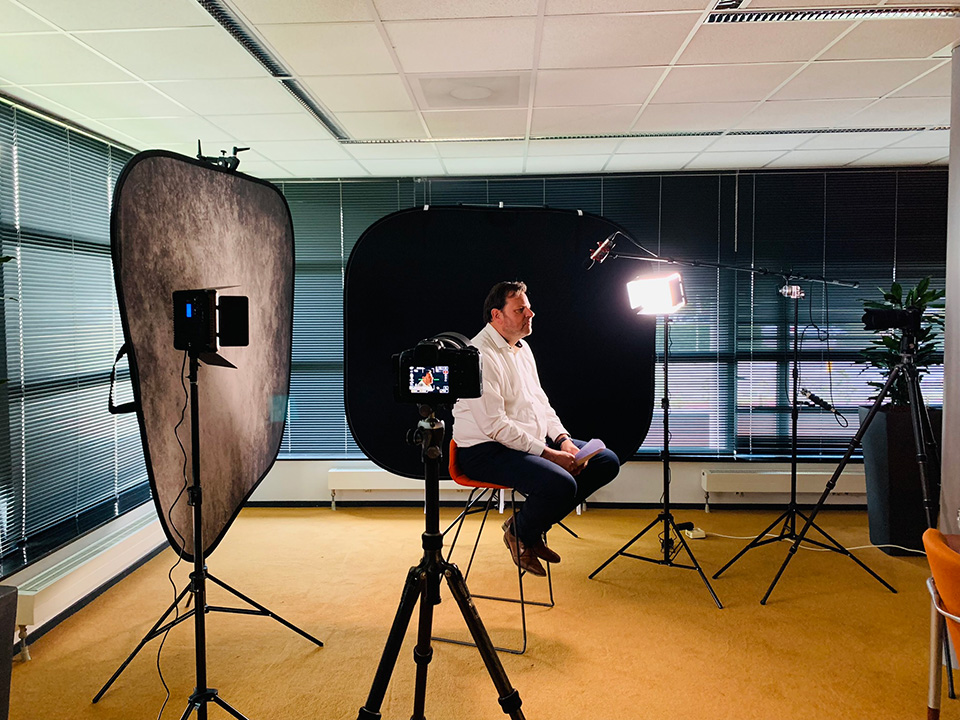
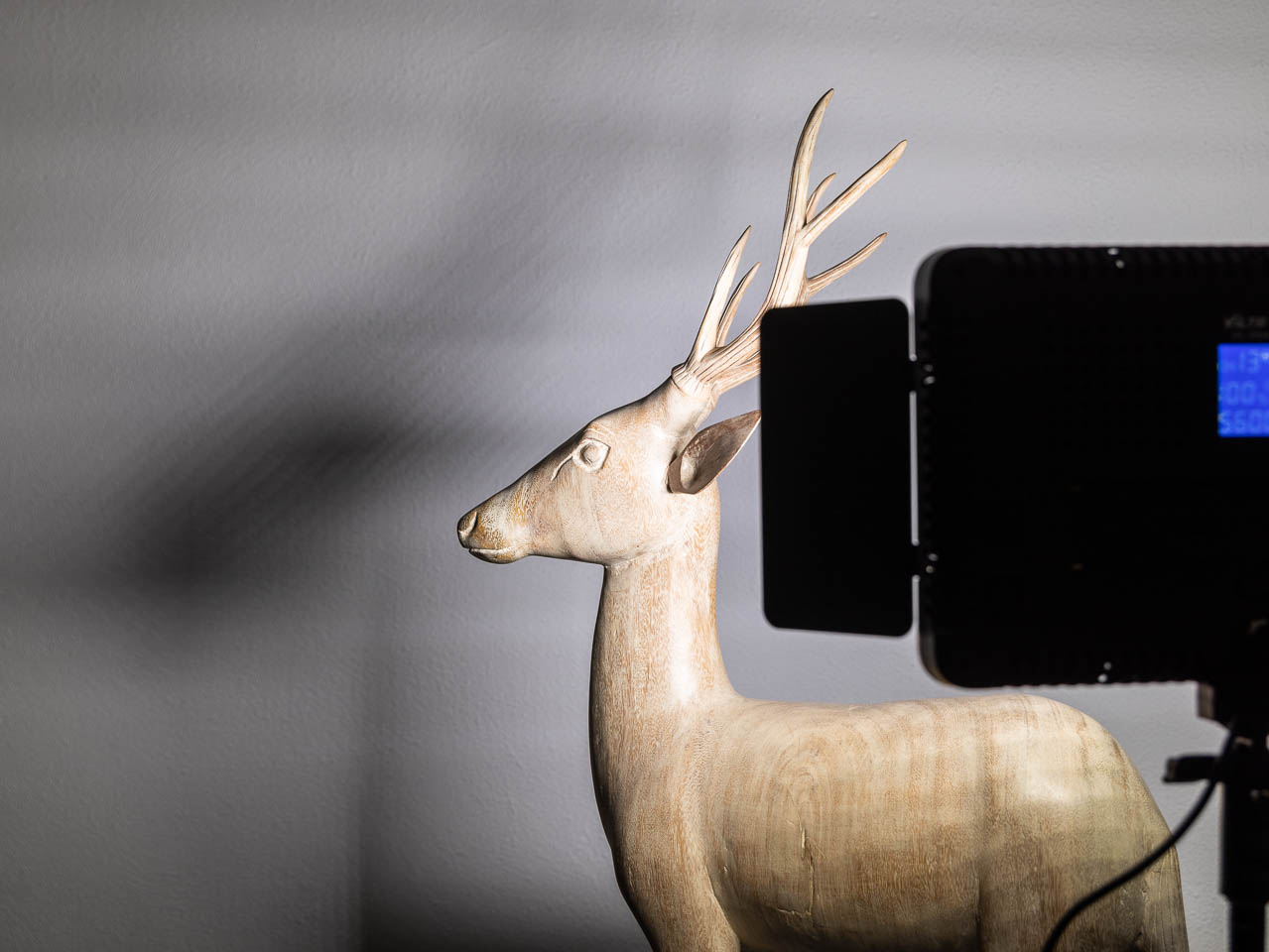
Depending on how you use an LED panel, a strange shadow may appear behind your subject. This is especially the case when an LED panel is not covered with a diffuser. This grid pattern can be very distracting.
If you put a diffuser in front of it, allow for light loss. With my LED panel, it turns out to be as much as 2 stops, something I overlooked when buying it.
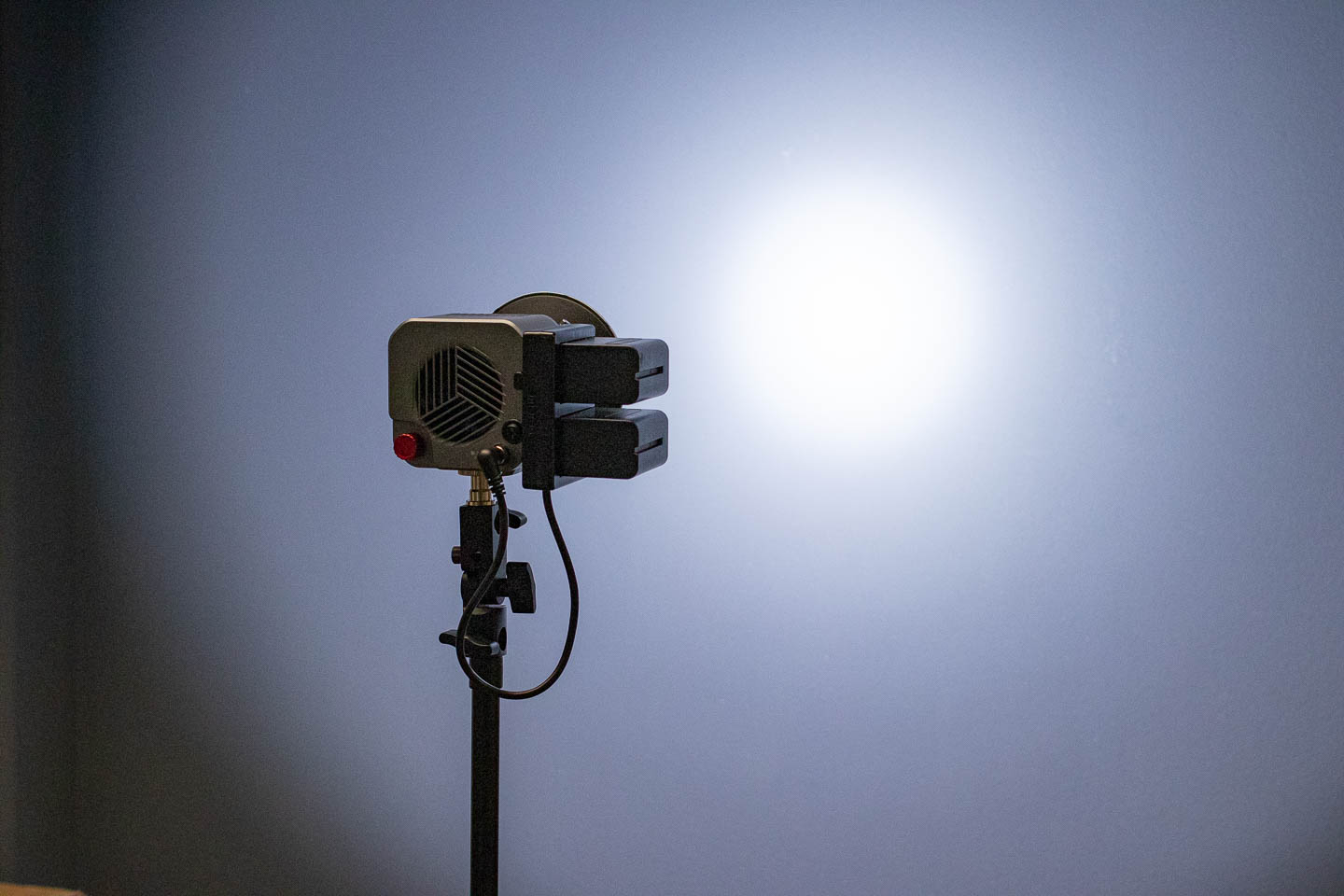
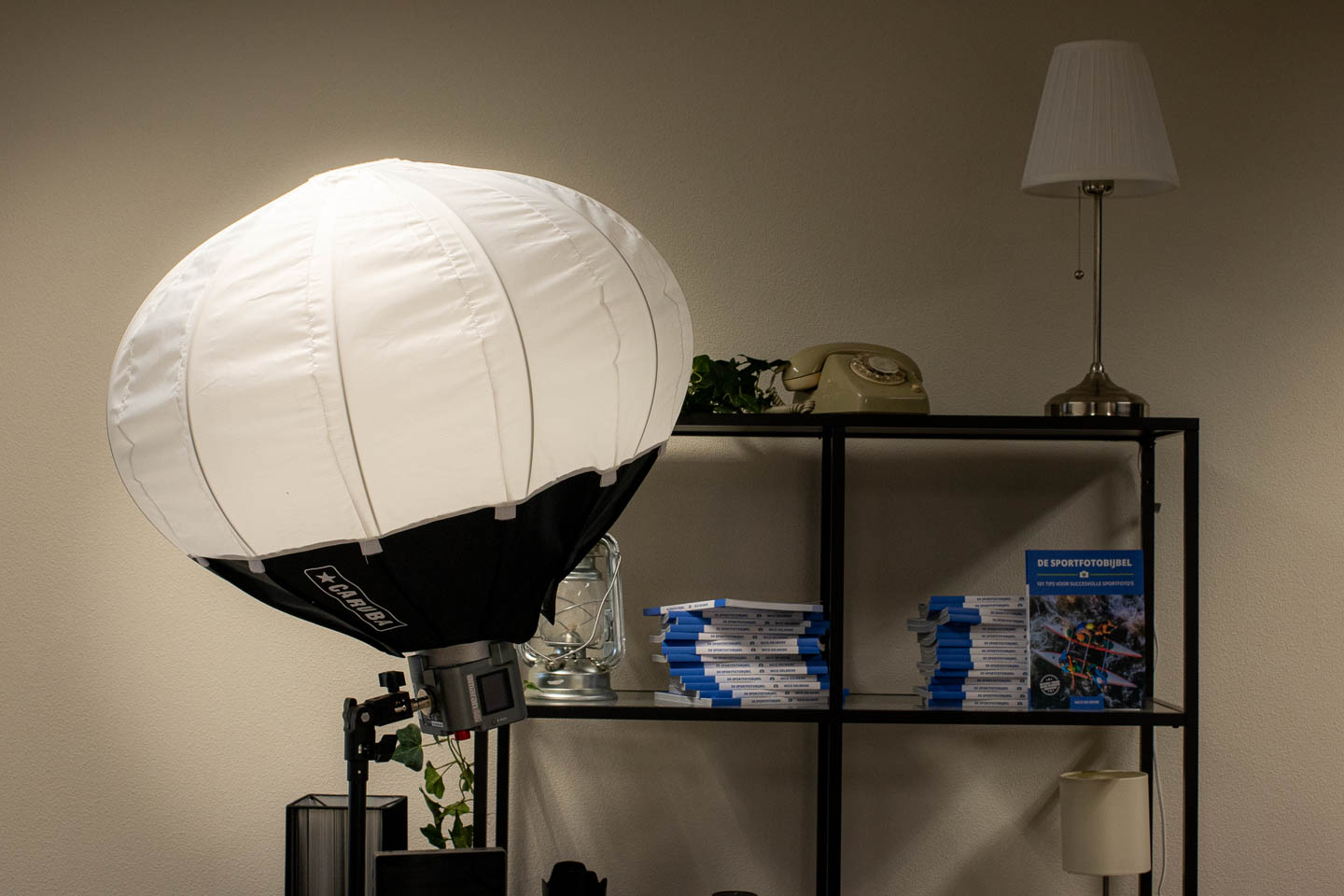
Although an LED light is a true point light source, it is easier to use with a softbox or umbrella. It can therefore produce better quality light than an LED panel. Put a reflector on it, or even a Fresnel lens, if you want.
Do be careful with LED lights, especially with a reflector. There can sometimes be a hotspot, where the light is tightly concentrated. Keep this in mind.
The heat problem becomes a sound problem
Although no light is being used that produces heat, LEDs can still become very hot. The more powerful LED lights and panels have active cooling for good reason. This removes the heat.
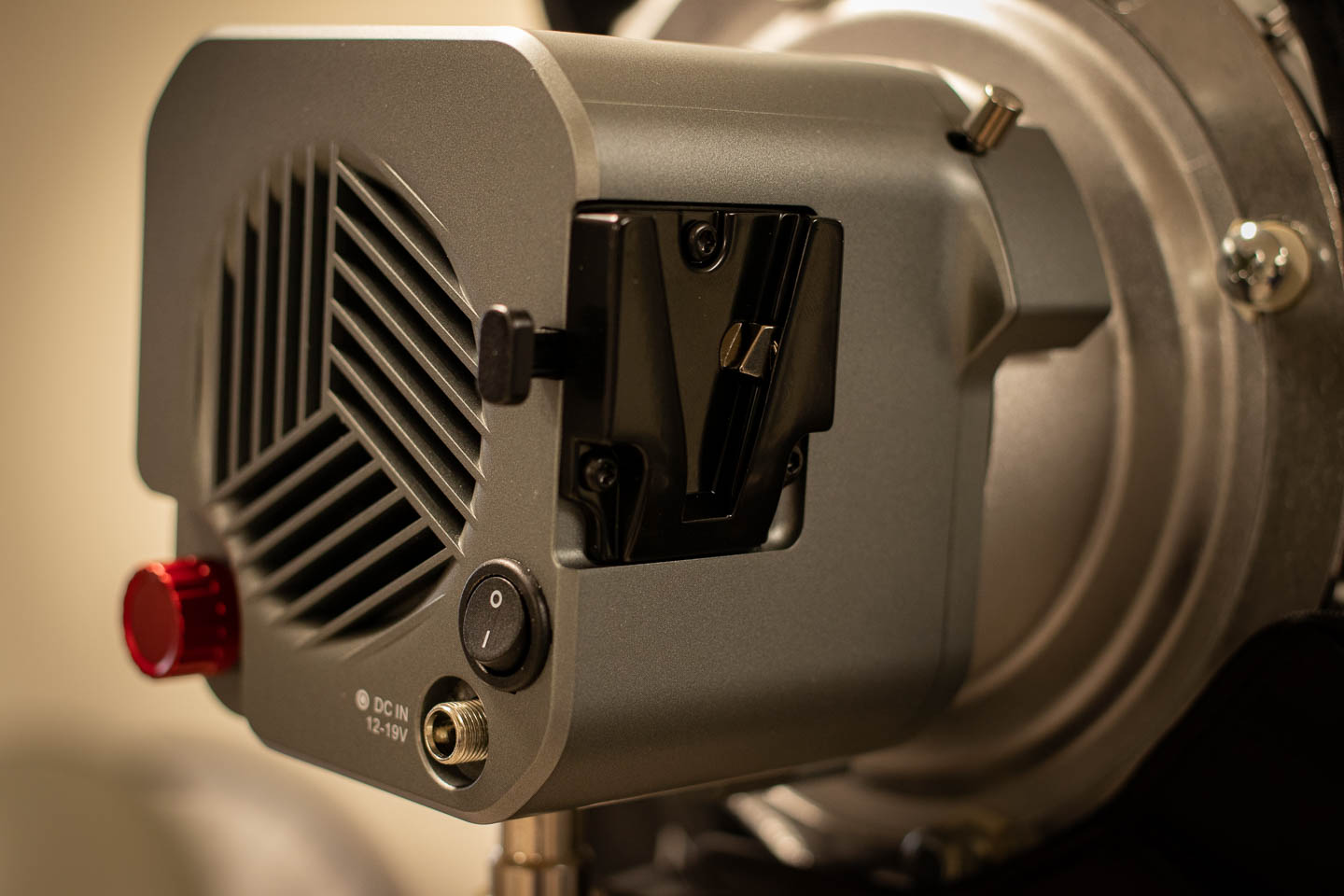
That cooling can sometimes cause disturbing noise. This is not so important for photography, but it can be very distracting for film and video. If you are also recording sound, the fan in your light or lights may become audible.
Some LED lights have very quiet cooling, but there are also lights that produce a very distracting noise which is particularly difficult to filter out of your audio.
If you choose an LED light or LED panel, you should definitely pay close attention to this. Cheaper LED lights and panels in particular can suffer badly from this.
Portable or not?
You can buy continuous light for a reasonable price. If you do not want LED, you even have the option of ordinary lights. This can mean that you are no longer portable.
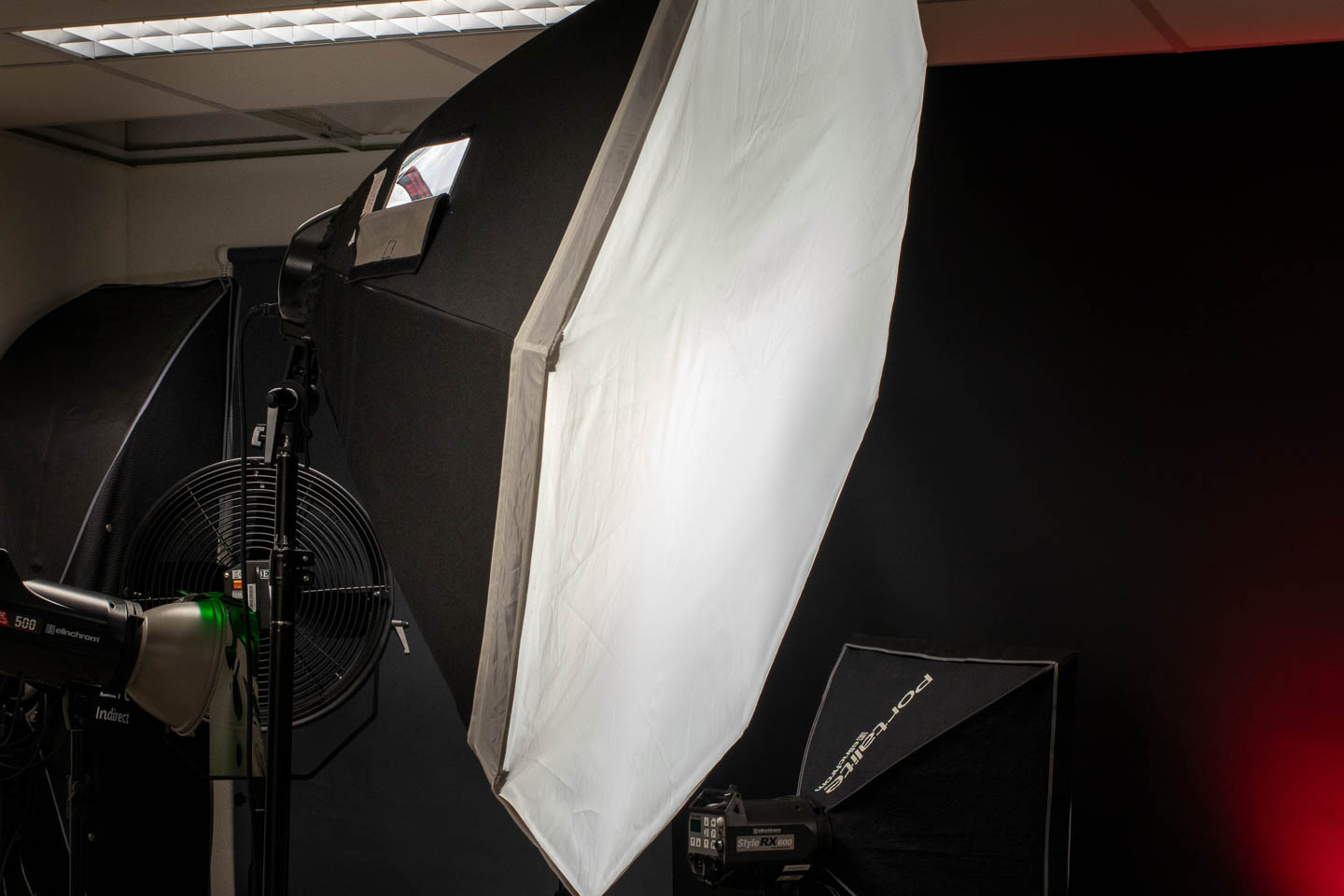
These kinds of solutions are good as a permanent studio setup. If being portable is important, you should certainly take this into account. Also consider the option of using batteries.
Power, wired or wireless?
Of course, you need power to turn the light on. This can come from the mains, via the plug. The consequence is that you always need a power socket nearby, or a long extension cable.
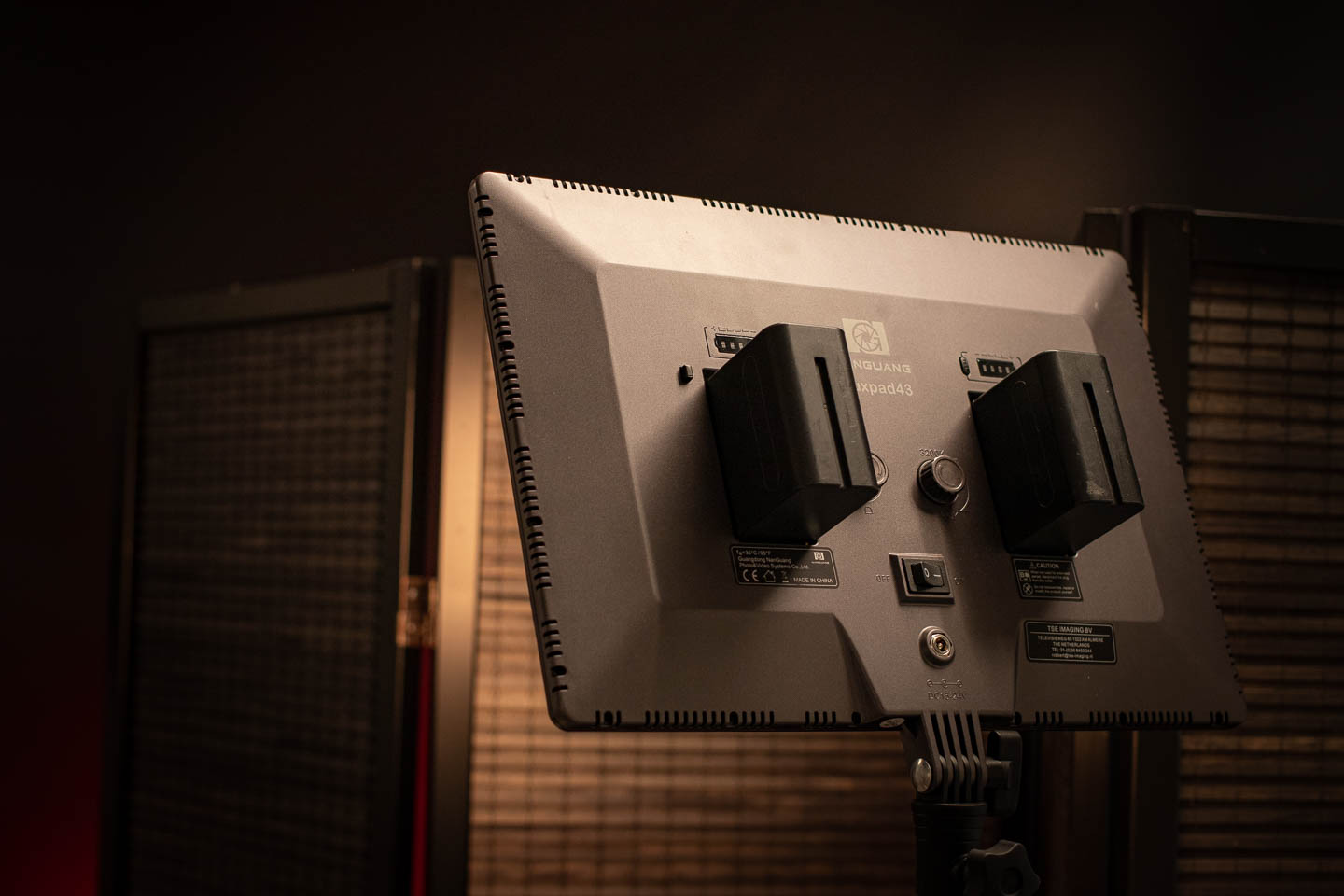
There are also many lights that run on batteries. LEDs are often efficient enough with energy to make this possible. Universal NP-F batteries are often used, but not always. A type of battery that you can use for several purposes can be ideal.
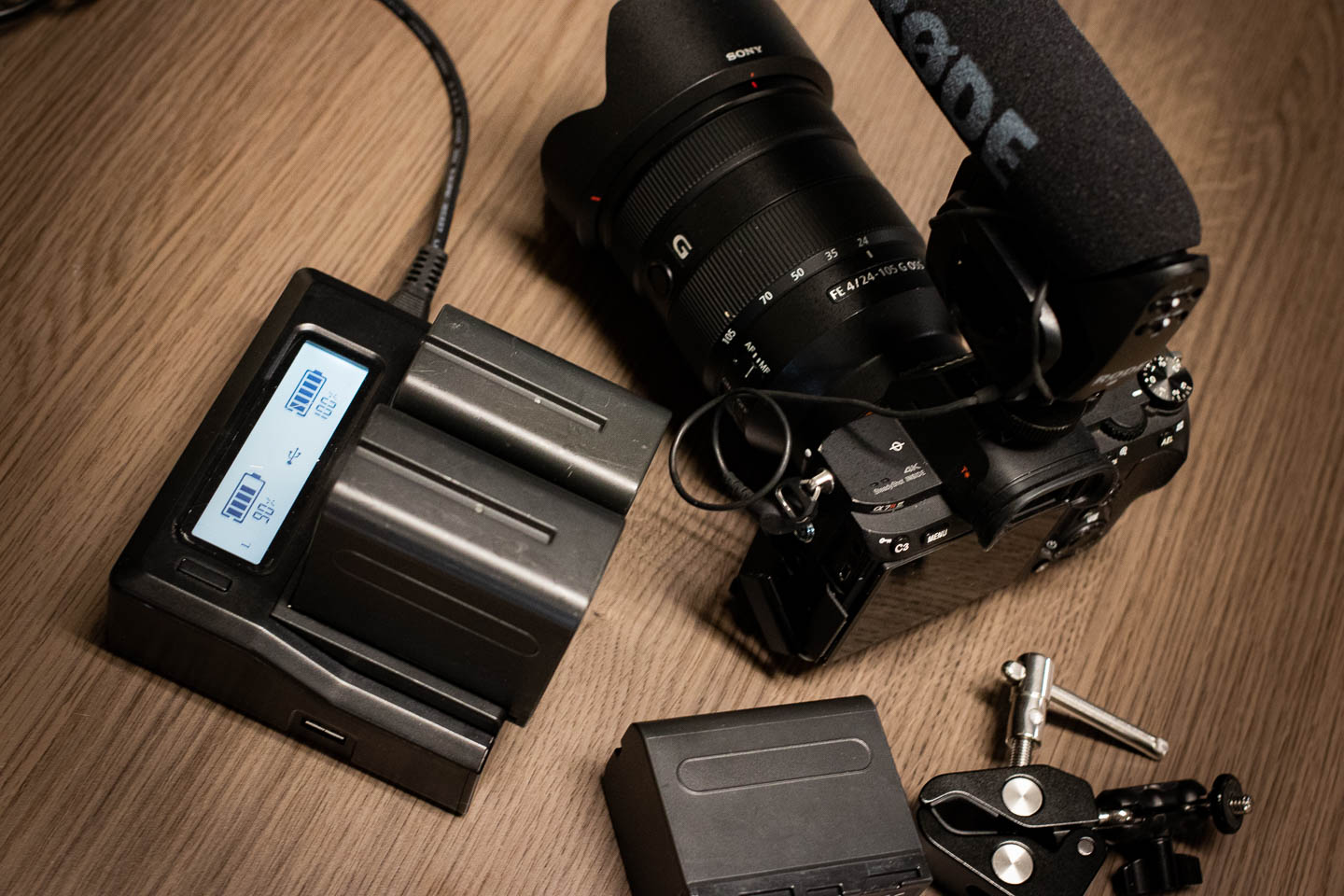
The option of using batteries makes you more flexible because you are no longer dependent on a power socket.
If your light works both from the mains and with batteries, that is even better. Check whether the battery option is included with your light, or whether you have to buy it separately as an accessory.
The choice
All well and good, but what should you choose? I recently bought two cheap LED panels with 5200 lumens, 192 LEDs and the option to adjust the colour temperature of the light, bi-colour LED panels. This seemed like a good option, but I am changing my mind about that.
What is the problem? The light output, because in some situations it has already proved to be too low. As long as I can place the panels close by, it is not a problem, but further away they do not provide the amount or quality of light I had hoped for.
Especially because I have to use a diffuser to make the light even. I lose 2 stops of light this way.
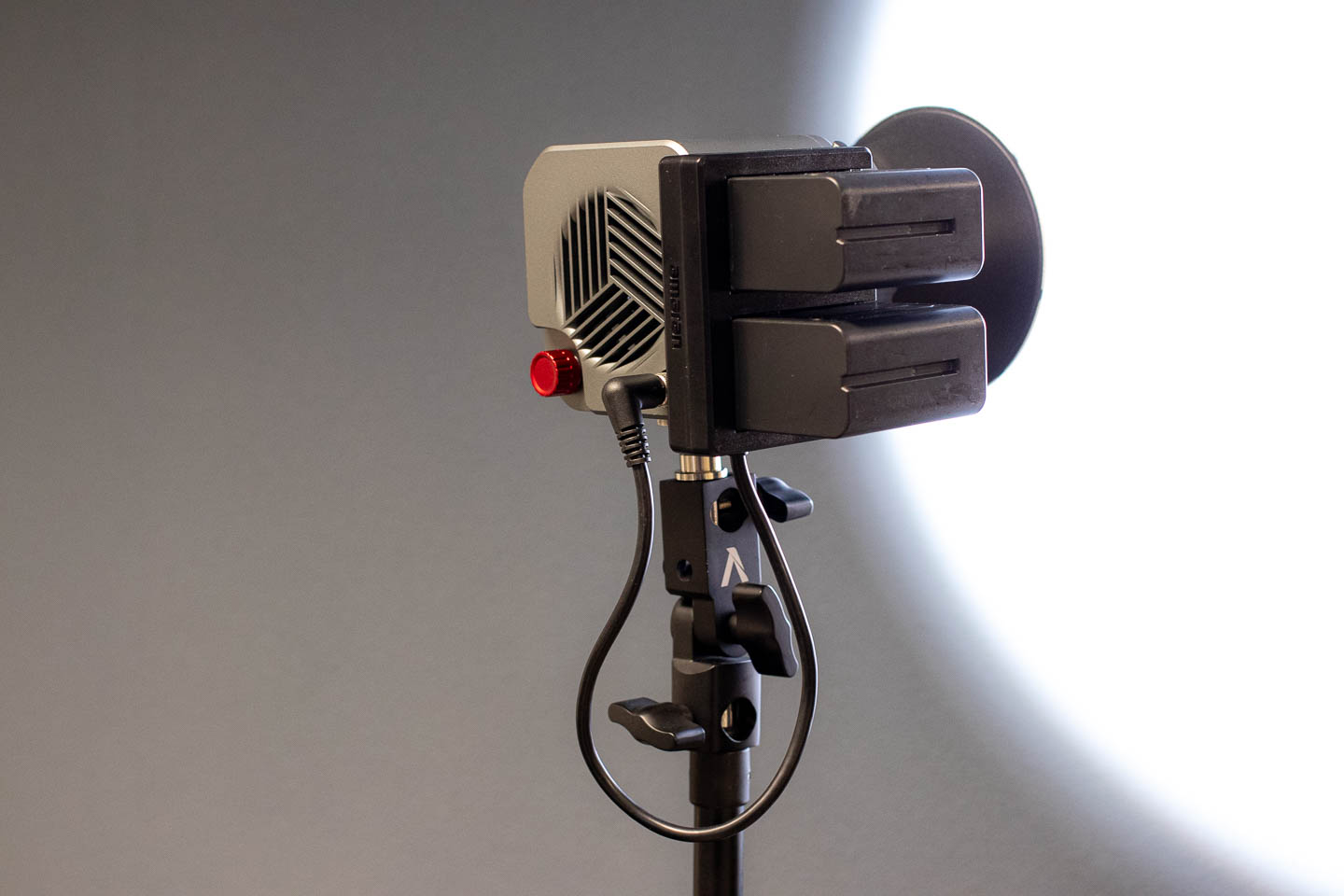
Of course, I can only speak from my own perspective, but I think a set of LED lights would have been a better choice. Amaran is a brand that is becoming increasingly popular, but Bresser, Godox and Smallrig are other names you could look at.
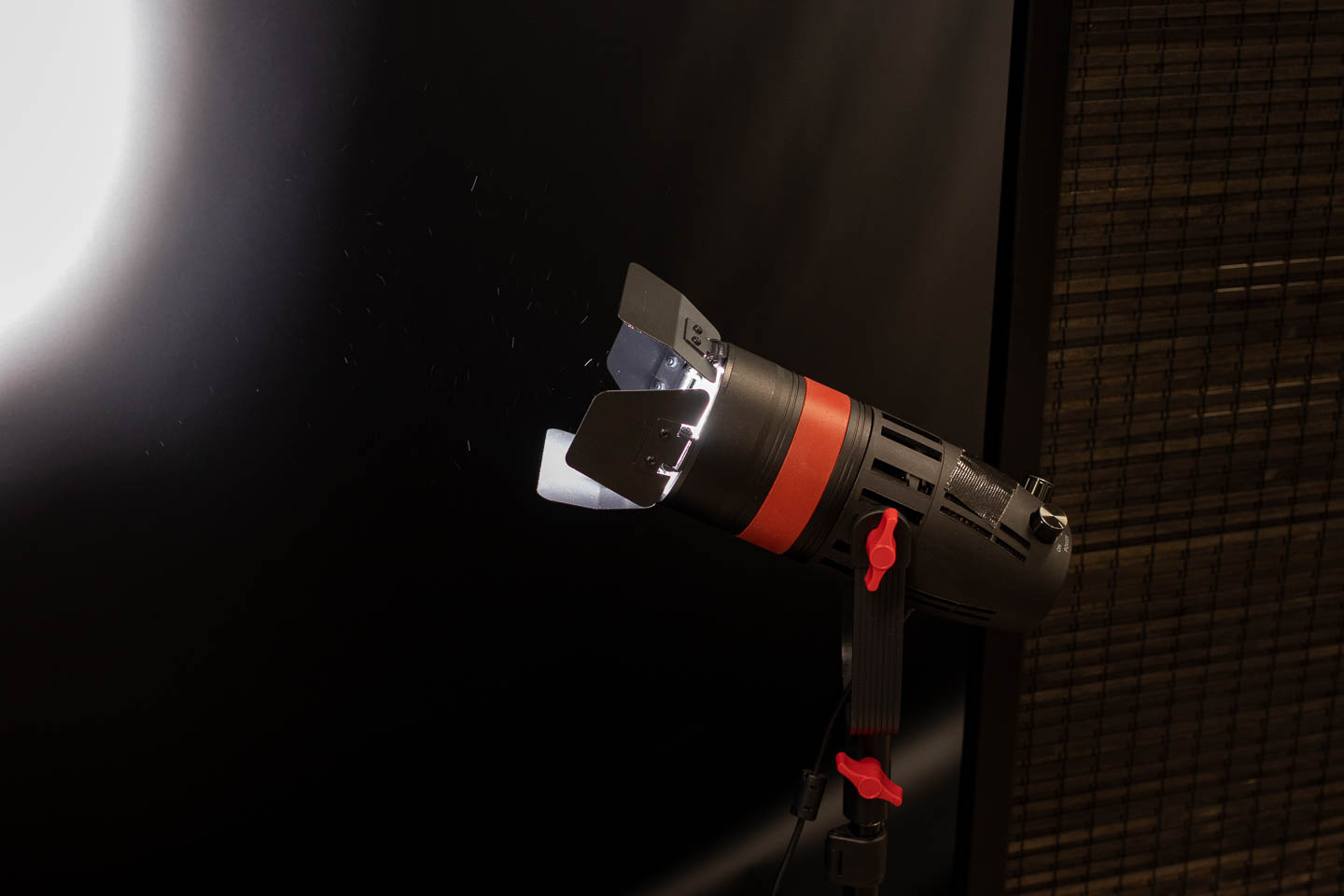
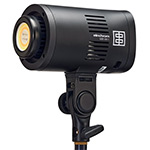
How much light should they produce? The Amaran in the photo is a 60 watt LED light. Personally, I might go for a 100 watt or even 200 watt model, although the 200 watt Amaran appears to have a very distracting fan.
The idea is that I make the right choice in one go, rather than realising later that I should have...
As you can see, it is already too late for that. I have my LED panels. They have already served me well, but I could have made a better-informed choice. But who knows, an LED panel like this may be suitable for you. Hopefully, this story can make the choice a little easier for you.
Let me know what you think in a comment. What would you choose, or what have you chosen, and why? Do you have advice on a particular LED panel or LED light? Share it in the comments as well.
About the author
Nando Harmsen has been photographing for more than 40 years. He specialises in wedding photography and landscape photography. Nando also gives talks, workshops, masterclasses and photo trips, and regularly reviews new and interesting equipment.
You might also like
-
 Review: SmallRig RM 40C mini LED video light
by Nando Harmsen
-
 LED-lampje in de vorm van een filmrolletje
by Elja Trum
-
 5 reasons to use an external recorder when filming
by Nando Harmsen
-
 When do you use flash and when do you use LED light?
by Liesbeth van Asselt
-
 Elinchrom announces LED 100 C continuous light
by Elja Trum
-
 LED versus flash: which is better?
by Elja Trum
3 comments
-
 Wilfried Deberh wrote on Tuesday 1 November 2022 at 13:04 | reply
I also find the possibility of controlling the lamp's power from the camera a very important point. Maybe not so much for video recordings as seen in the images. The setup time is long and once adjusted, there is little use in changing the settings. Not so with photography, where you want to take different photos with a different look in a short amount of time. If you have to anticipate changing lighting conditions during video and you don't want to maneuver back and forth between the wires, tripods and set, then wireless control is also an advantage. The knowledge of channels and groups from flash photography is useful then. A Chinese brand is therefore creating unnecessary confusion of terms nowadays.
Translated from Dutch. -

 Nando
wrote on Tuesday 1 November 2022 at 14:25
| reply
Nando
wrote on Tuesday 1 November 2022 at 14:25
| reply
@Wilfried,
Translated from Dutch.
most LED panels and lights nowadays have an app so you can control the light via Bluetooth. This way, as a videographer, you can remain standing by your camera and keep an eye on the lighting while adjusting the lighting level. -
 Donald Willemsen
wrote on Monday 7 November 2022 at 11:19
| reply
Donald Willemsen
wrote on Monday 7 November 2022 at 11:19
| reply
I have at least become wiser from the story. I am absolutely not a videographer. I find filming with a camera a crime. I am purely a photographer. As a photographer, you can also benefit from LED panels and LED lights.
Translated from Dutch.
I am missing one thing in the story, however. That is energy consumption. Since energy costs have risen enormously. It seems worthwhile to me to look at that too. The lamps and panels use more energy than just to produce light. The fans also consume electricity.
Have your say
Please note: Articles older than a week can only be commented on by signed-in visitors.Would you still like to comment? sign in or create a free account.
Become a better photographer every week
A practical photography tip in your inbox every week.
39,079 photography enthusiasts already receive the tips! More about the weekly mail. Or keep up to date via  Facebook.

Elja Trum
Photofacts; everything to do with photography!
Would you like to take better photos and keep up with what is happening in photography? Photofacts publishes articles that teach you something about photography — from a product announcement to a practical shooting tip or a look at a website. Photofacts covers photography every day and is a hobby project of Elja Trum's that got out of hand. The articles are written by a team of volunteer authors. If you would enjoy writing one or more articles for Photofacts, do get in touch.More about PhotofactsPhotofacts is made possible in part by
