

The extra costs of buying a new camera
Monday 23 December 2024, 20:10 by Nando Harmsen | 3,610 views | 11 commentsThis article was translated from Dutch with the help of AI. Read the original.
Are you starting out in photography? Looking for a new camera? Or are you ready for an upgrade, whatever the reason? Don't forget the extra costs you may face when buying a new camera.
Usually, buying a new camera is not the end of it. Which costs you face depends partly on why you are buying a new camera. If you have chosen a budget, always remember to allow for the extra costs.
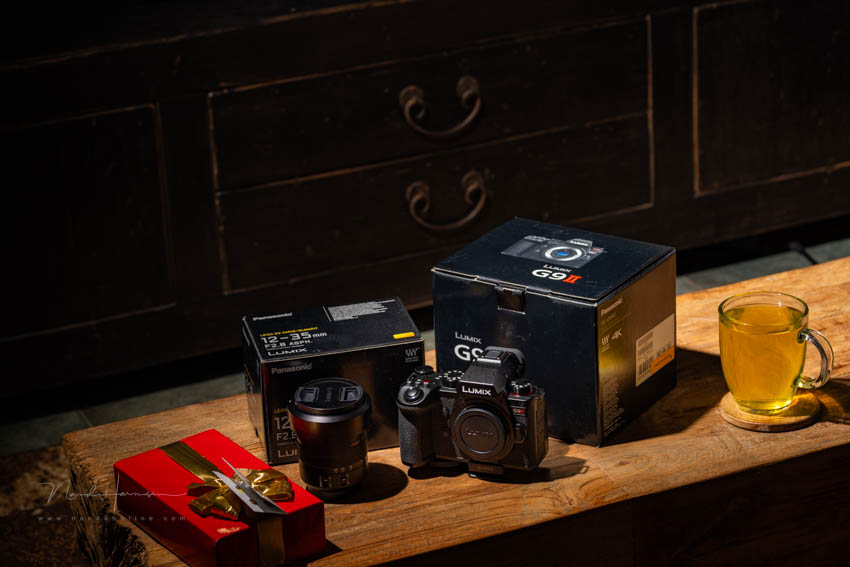
If you are a beginner photographer, the extra costs may be higher than if you have been taking photographs for a long time. Anyone upgrading to a new camera has usually already paid many of the extra costs.
To give you an idea of what you need to consider, I have put together a list. Perhaps not every point is relevant to you. But it is good to allow for the things that are relevant to you.
1 - Memory card(s)
A memory card is needed to store your photos. It does not come as standard with a new camera. If you are starting out in photography, make sure you buy one that is suitable for your camera, with the right speed.
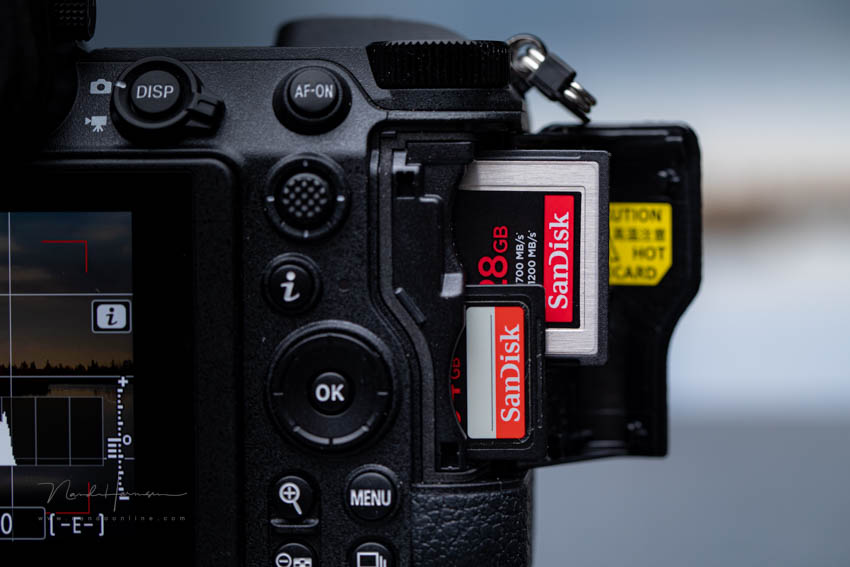
Are you upgrading? Check whether you can use the same memory cards, or whether you need to buy a new one. It may be a different type, or require a higher speed. Or have more storage capacity.
2 - Spare battery
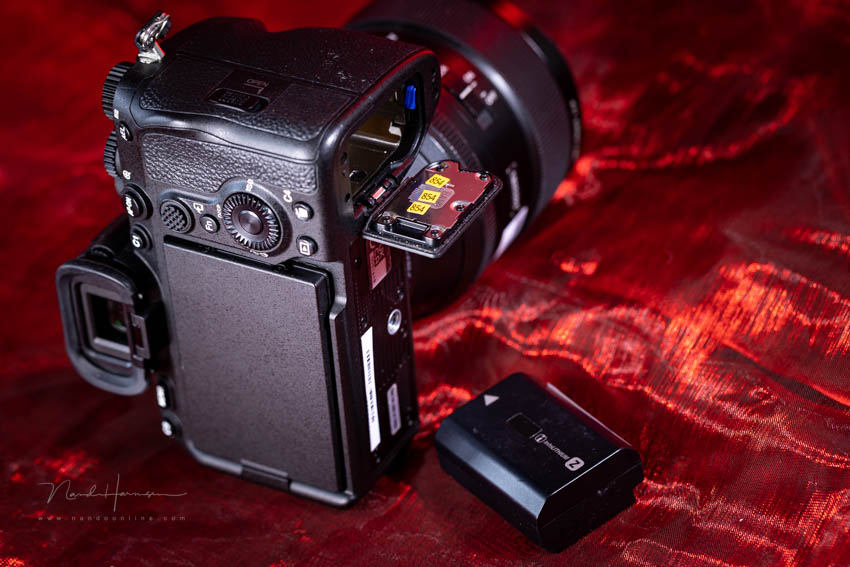
One battery is a bit lonely. If the battery is empty, you cannot carry on taking photographs. Modern cameras use quite a lot of power. A battery can run out sooner than you think. A spare battery can then be a good choice.
3 - A battery charger
Bear in mind that new cameras are often no longer supplied with a charger. You have to charge the battery in the camera. That can be inconvenient, especially if you have a spare battery. This means you then need to buy a charger as well.
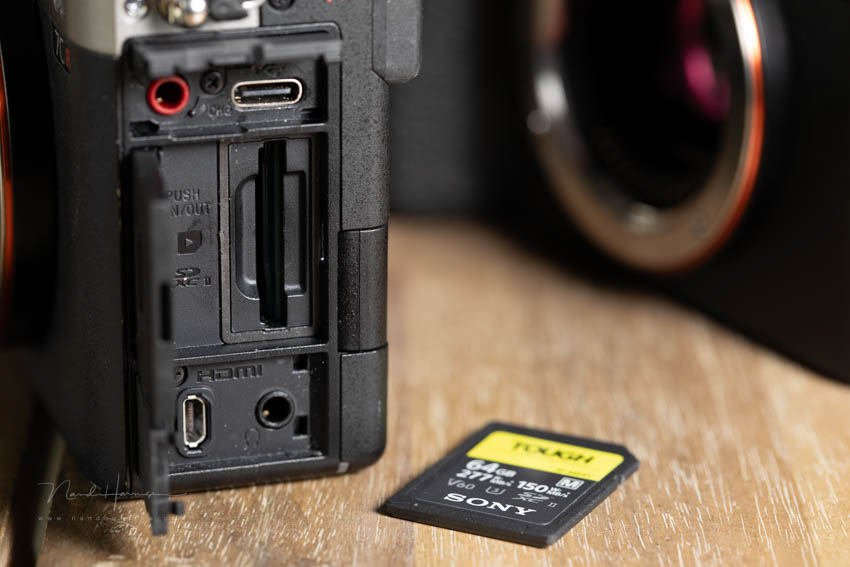
Sometimes you can use a power bank when your battery is empty, allowing you to carry on taking photographs. However, you do need to have a suitable power bank. If you do not have one and want to use this option when your camera allows it, that is another separate purchase.
4 - A good camera bag
You do not always have a camera around your neck or in your hand. A camera bag is essential, also for carrying a spare battery, spare memory card and whatever else you need. If you are starting out in photography, this is another purchase to make. If you already take photographs, check whether the new camera fits in it.
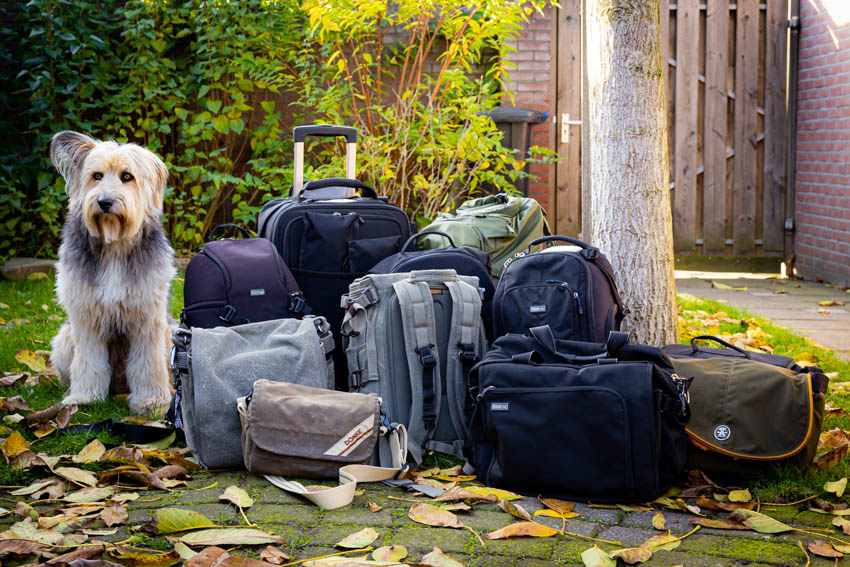
Choose a good-quality bag that works well for your type of photography. You would not be the first person to buy a camera bag that is too small or too large. Think about the future, but also take the present into account.
5 - Lens hood and/or filter
A lens hood is useful for protection and for reducing reflections from obliquely incident light. Expensive lenses come with a lens hood as standard. Cheaper ones usually do not, especially if it is a kit lens. That is another purchase to make.
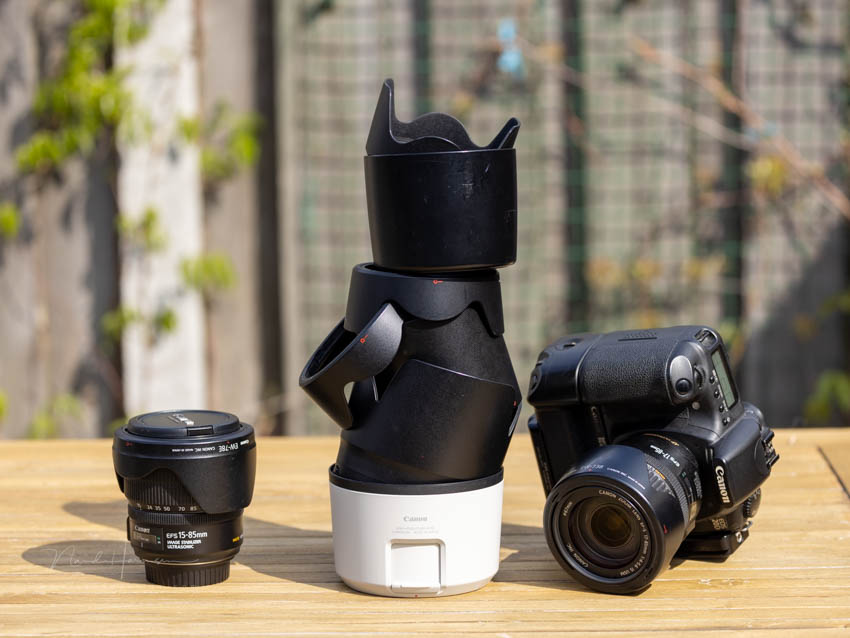
Do you want extra protection for your front lens because you are worried about scratches? Then a UV filter or protection filter will give you some reassurance. Choose a good filter, and those are not particularly cheap.
6 - A better camera strap
The standard strap supplied with a camera is usually less comfortable. In addition, you advertise your camera brand with large, prominent letters on the strap. Do you not want that, and are you looking for something more comfortable? Then you need to buy a new camera strap.
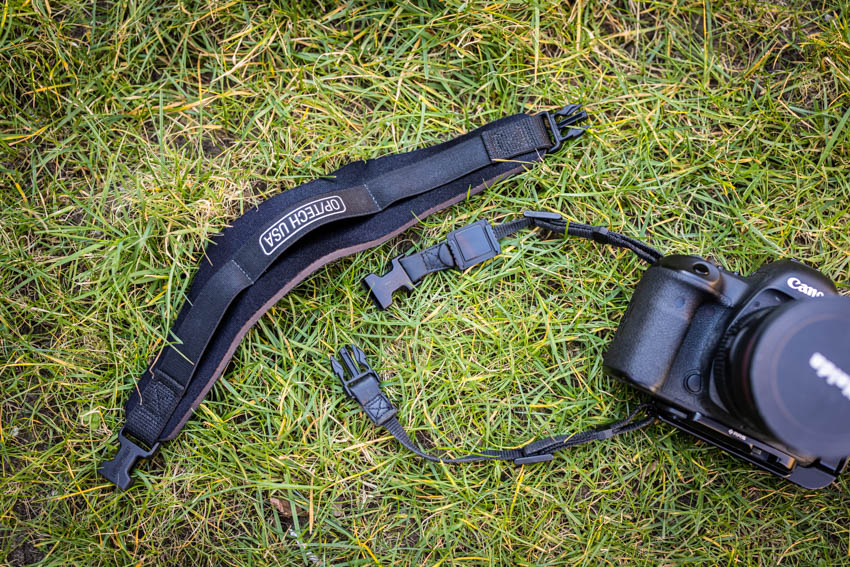
A new strap is usually not an immediate necessity, but it is something to bear in mind. Are you upgrading your camera? Then remember that you may need a new strap or connector.
7 - Extra lens and/or flash
This is usually not an immediate purchase for a beginner photographer, and generally not at all for someone upgrading. However, do you want to take up a particular type of photography that requires a special lens? Then it is necessary.
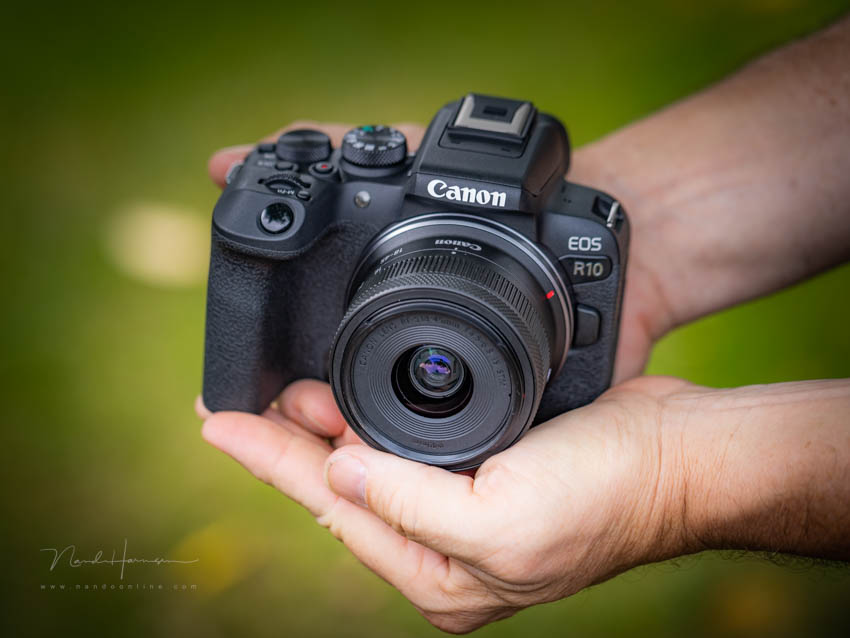
Think of a macro lens, or a telephoto zoom lens if you want to photograph animals. Or a portrait lens for beautiful background blur. If you are upgrading, check whether the lenses you have will also fit the new camera.
This naturally also applies to a flash. If you are going to take a lot of photographs indoors, you should have a good flash as well. Make sure you learn how to use it. Tip 10 will help with that.
8 - Software
Taking photographs is one thing. You also want to use or edit the photos. You often need software for that. Although there are certainly free options, they can be limited. So think about what you want to do and try to get it right from the start.
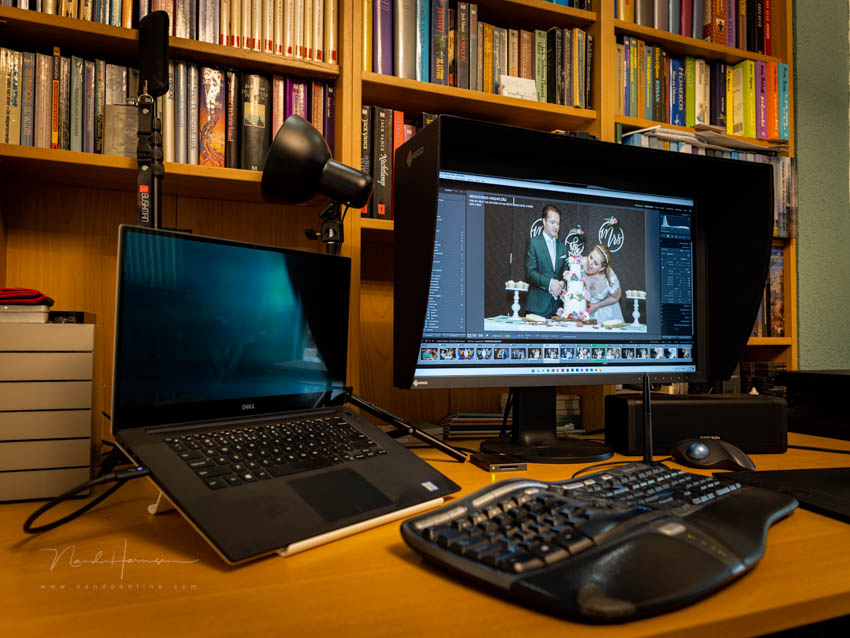
For anyone who has been taking photographs for a while, this will not be an extra purchase. But a beginner photographer should certainly take it into account. Unfortunately, many camera manufacturers do not supply free editing software with their cameras.
9 - A new computer or hard drive space and backup
Do you have an old computer? Then consider what it can still do. Is the computer still good enough for storing or editing photos? Storage space will certainly be important. Perhaps not immediately, but eventually it will.
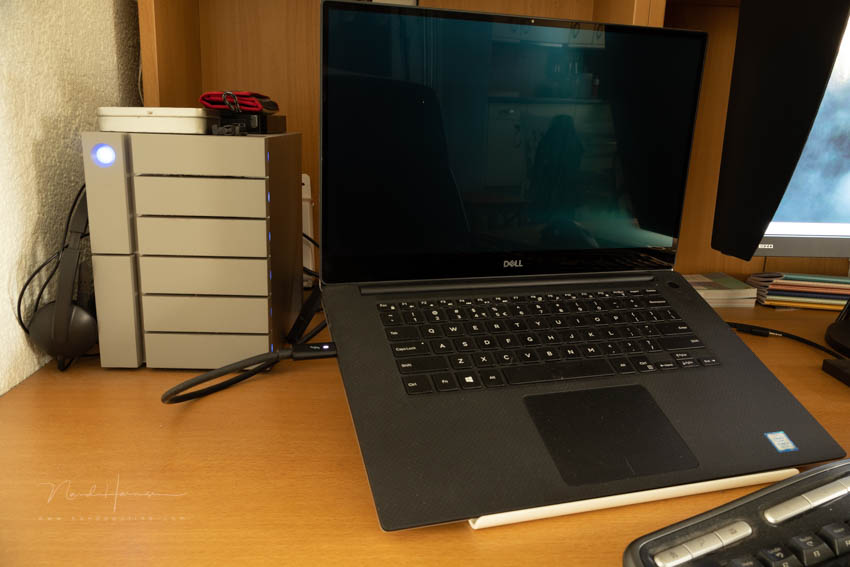
Anyone upgrading their camera may find that the computer suddenly struggles with the new files. Or the hard drive fills up more quickly.
However, backup may be the most important thing of all. Make sure you can back up your files. Either through the cloud using a paid backup service, or by regularly making a manual backup to an external drive.
10 - Course
Invest in a good course. Beginner photographers in particular can make great progress with one. A membership of Photofacts Academy, for example. Or a workshop with me, of course.
About the author
Nando Harmsen has been photographing for more than 40 years. He specialises in wedding photography and landscape photography. Nando also gives talks, workshops, masterclasses and photo trips, and regularly reviews new and interesting equipment.
You might also like
-
 20 useful accessories for under 20 euros
by Elja Trum
-
 Which is better? DIY or ready-made?
by Nando Harmsen
-
 A Camera Bag for Your Smartphone
by Nando Harmsen
-
 The L-bracket: the most useful photography tool ever
by Nando Harmsen
-
 Review: SmallRig 25L backpack
by Nando Harmsen
-
 Are you ready for the solar eclipse?
by Nando Harmsen
11 comments
-
 Mat K wrote on Tuesday 24 December 2024 at 11:13 | reply
Why doesn't it say that you might also need a lens adapter.
Translated from Dutch. -

-
 Lauran wrote on Tuesday 24 December 2024 at 12:22 | reply
You might as well throw kit lenses straight in the trash. You only learn photography after a proper education. Only then do you start making progress. Online is of no use to you. And as for cameras, you need 2 anyway. Certainly at least 1 as a backup.
Translated from Dutch. -
-
 Arnold Velderhof wrote on Tuesday 24 December 2024 at 12:30 | reply
What about a different remote control and cables because they no longer fit the newer camera.
Translated from Dutch. -
 Peter Heins wrote on Tuesday 24 December 2024 at 16:39 | reply
This is about beginner photographers. Moreover, not everyone has the budget for 2 cameras. And why would a hobby photographer HAVE to have 2 cameras? Personally, I dare to put my hands in the fire for it that if you buy, for example, a Canon 5D Mark ......, you don't need a backup. Built like a tank and in case of emergency everyone nowadays has their smartphone as a backup. ( I once had that myself in Iceland when I went up the mountain to a waterfall and had forgotten to put an extra battery in my jacket pocket. Then I was glad to have my Samsung S20 FE )
Translated from Dutch. -
-
 Bart Rijvers wrote on Tuesday 24 December 2024 at 18:55 | reply
When switching from Canon to Sony, I also had a converter, but that also imposes limitations on functionality compared to Sony lenses or lenses with a Sony mount. My Canon 70-200 focuses a bit too close, and with Sony lenses you can calibrate that, but not with the Canon.
Translated from Dutch.
The upgrade from 26 to 61 megapixels was also too much for my old PC, especially if you work with AEB, focus stacking, panorama photos or a combination of these.
Furthermore indeed flash (if you photograph using TTL) is different, remote shutter release, L bracket, macro tubes, charger (also for in the car).
So for me, that converter was a way to buy Sony mount lenses in due course -

 peterheins
wrote on Wednesday 25 December 2024 at 11:40
| reply
peterheins
wrote on Wednesday 25 December 2024 at 11:40
| reply
@BartRijvers : just 2 points to note, With Canon you can ( at least in the cameras I have , 5D Mark IV and have had , in the menu correct the back and front focus yourself for each lens . And with mirrorless cameras the problem of back and front focus has largely or completely disappeared . So calibrating is not necessary then.
Translated from Dutch. -
Mac wrote on Friday 27 December 2024 at 08:17 | reply
@Lauran
Translated from Dutch.
Many of the best photographers have never taken a course, they learned everything themselves.
You absolutely don't need 2 cameras. If you're a professional and earn money with it, then in many cases it can be useful. But otherwise, absolutely not necessary.
Kit lenses are so good these days that you can take really good photos with them. So it's absolutely not necessary to get rid of it -
 A.Gooier wrote on Wednesday 10 September 2025 at 16:35
| reply
A.Gooier wrote on Wednesday 10 September 2025 at 16:35
| reply
@Mac, an education is useful, because then you don't have to reinvent the wheel. It saves a lot of time.
Translated from Dutch.
There are indeed photographers who have not had a photography education, but often they came from another artistic discipline, such as painting. So they already had a good foundation.
Have your say
Please note: Articles older than a week can only be commented on by signed-in visitors.Would you still like to comment? sign in or create a free account.
Become a better photographer every week
A practical photography tip in your inbox every week.
39,020 photography enthusiasts already receive the tips! More about the weekly mail. Or keep up to date via  Facebook.

Elja Trum
Photofacts; everything to do with photography!
Would you like to take better photos and keep up with what is happening in photography? Photofacts publishes articles that teach you something about photography — from a product announcement to a practical shooting tip or a look at a website. Photofacts covers photography every day and is a hobby project of Elja Trum's that got out of hand. The articles are written by a team of volunteer authors. If you would enjoy writing one or more articles for Photofacts, do get in touch.More about PhotofactsPhotofacts is made possible in part by
