

10 tips for photographing with a vintage lens
Monday 25 May 2026, 20:02 by Nando Harmsen | 1,887 views | 4 commentsThis article was translated from Dutch with the help of AI. Read the original.
Do you want to start photographing with a vintage lens? You’ll notice that it’s very different from using modern lenses. If it sounds like something you’d enjoy, these tips are for you.
Vintage lenses is a popular name for old or antique lenses. This could be a lens from the 1980s, or one that is much older. My oldest lens dates from 1947. It is almost eighty years old, and it works perfectly.
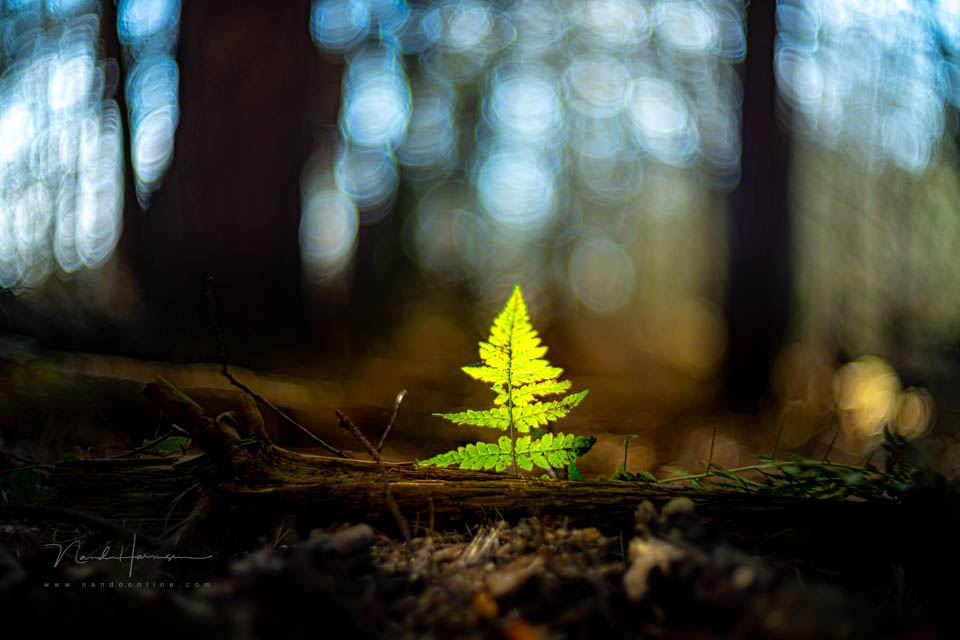
The reason people choose to use old, antique or vintage lenses is often the unique look they give photos. Swirly bokeh, soap-bubble bokeh or another unique type of bokeh can make a lens attractive.
Before you start using old, antique or vintage lenses, it is worth keeping a few things in mind. That is why I have ten tips to help you start using these lenses and enjoy them.
1. Start with a Helios 44
You have to start somewhere. Choose a lens that is not too expensive if you do not already have one lying around. A Helios 44 lens is a perfect starting point. It is a 58mm lens with a maximum aperture of f/2 and swirly bokeh.
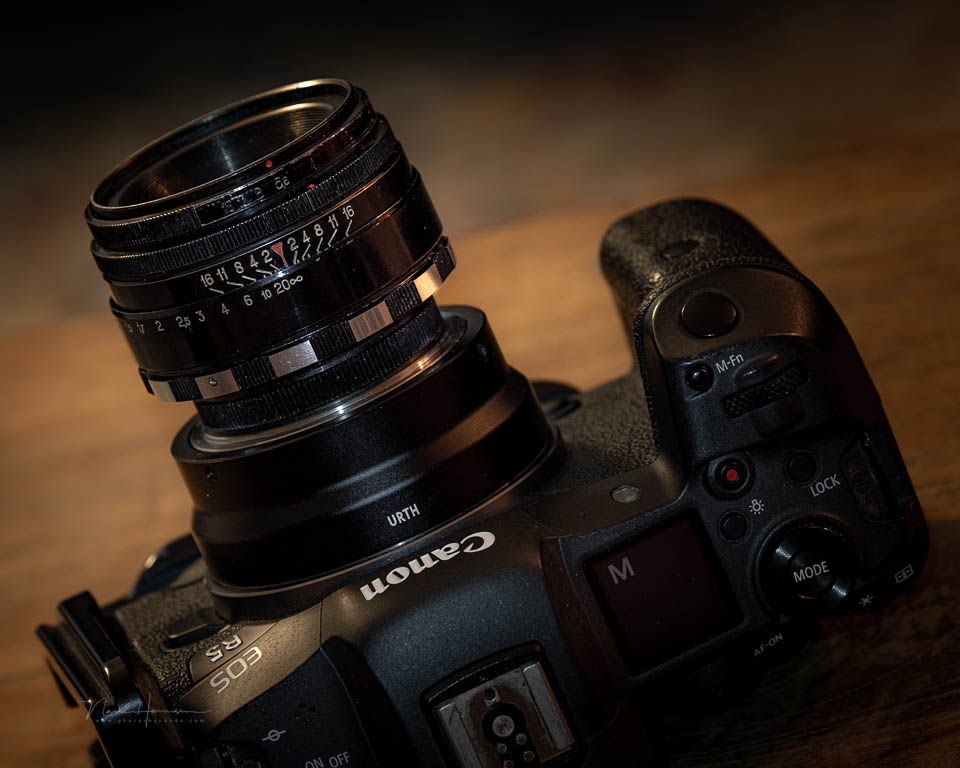
The Helios 44 comes in many versions. The 44-2 is the most sought-after, and is often a little more expensive. The other versions, such as the 44-3 and 44M, are also fine. You can often find a good example for less than 70 euros.
2. Buying online is fine, if you pay attention
There are shops where you can buy vintage lenses. They are often expensive, but you can hold the lens before you buy it. Marktplaats and eBay work perfectly too, with the latter offering a huge range.
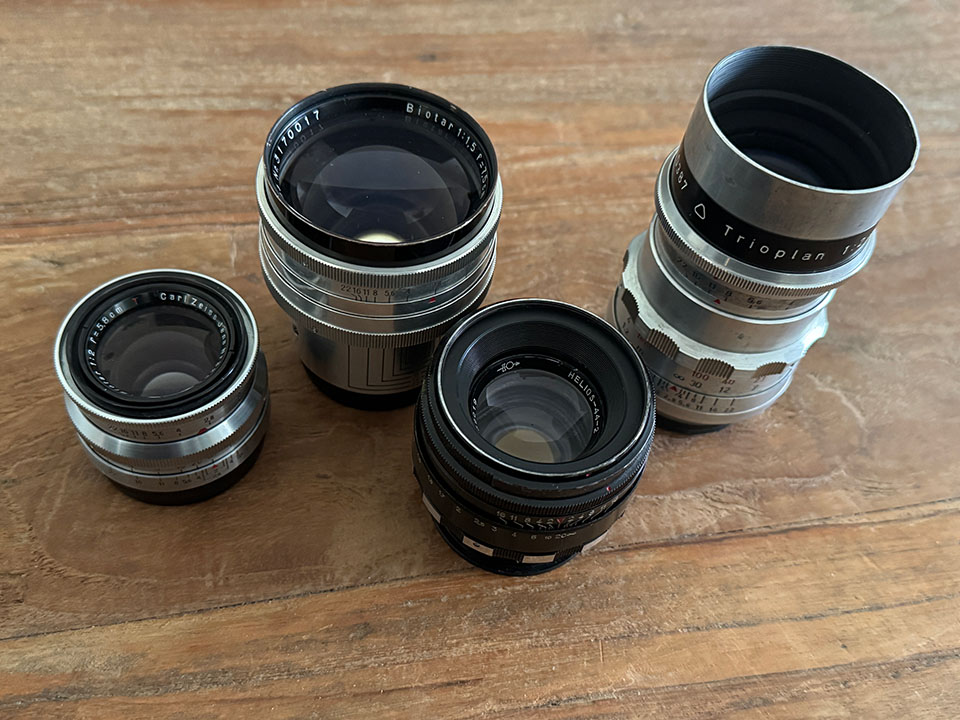
Almost all my lenses were bought through eBay. If you are critical and take your time when shopping, the chance of buying a bad lens is small. But do not forget about flea markets or charity shops. You can sometimes find some lovely things there.
3. Don't buy a pig in a poke
Be careful what you buy. These are antique lenses, and they can show considerable signs of use. The aperture may be stiff or there may be oil on the blades. Focusing may not work properly, or there may be fungus on the lenses.
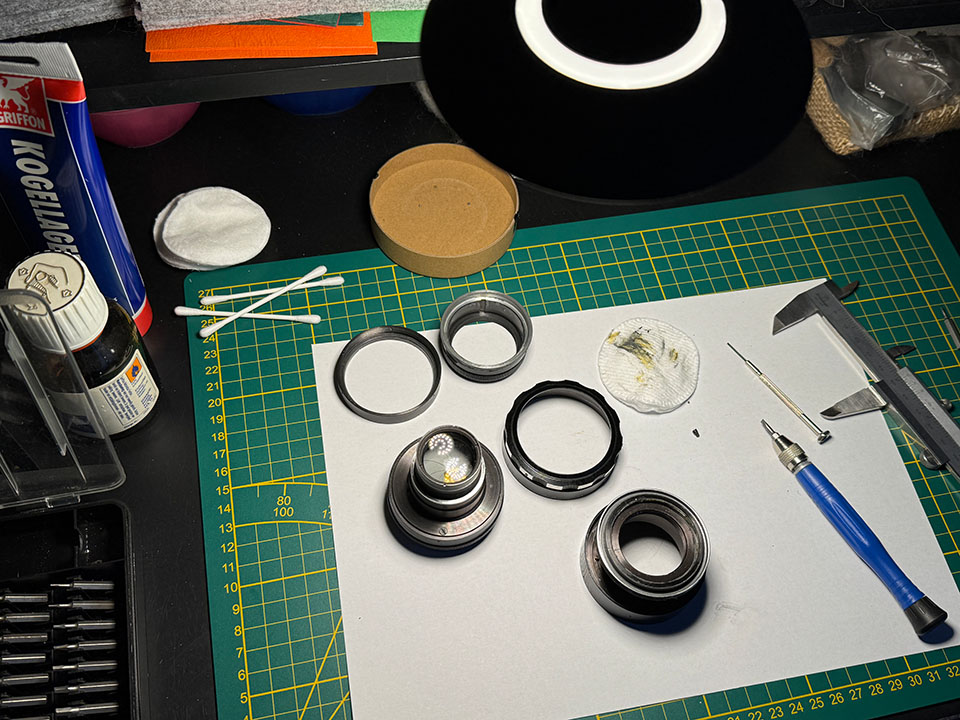
Always look carefully at the photos and the description. Especially when buying online. If you have doubts, do not buy it. But be realistic too. Old lenses naturally have signs of use. If you buy one in mint condition, you will pay top price.
4. Choose an M42 thread
There are many different mounts. Exakta, M39 and M42 are the most common, but they are not the only ones. As a starting point, choose an M42 thread. It is perfect for use on modern cameras with an adapter.
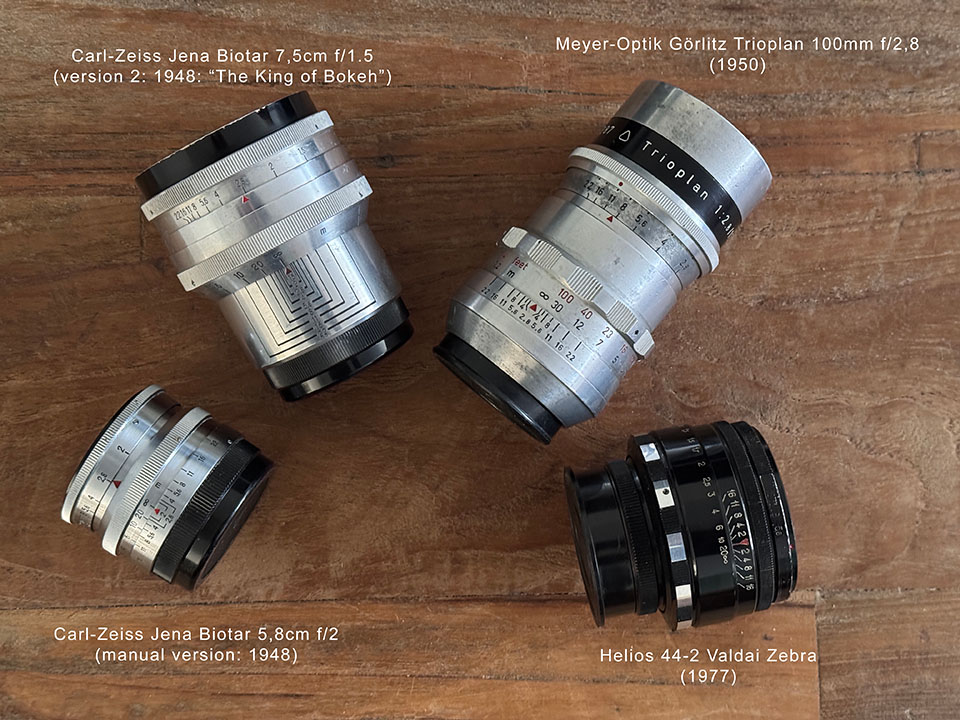
Before buying a vintage lens, make sure that your camera is suitable. Mirrorless cameras are always suitable, but not all DSLRs are.
5. Choose a good M42 adapter
You can get an adapter from an M42 thread to your camera mount for a few euros. Cheap does not always mean good. An adapter must fit properly, and it must certainly not have any play.
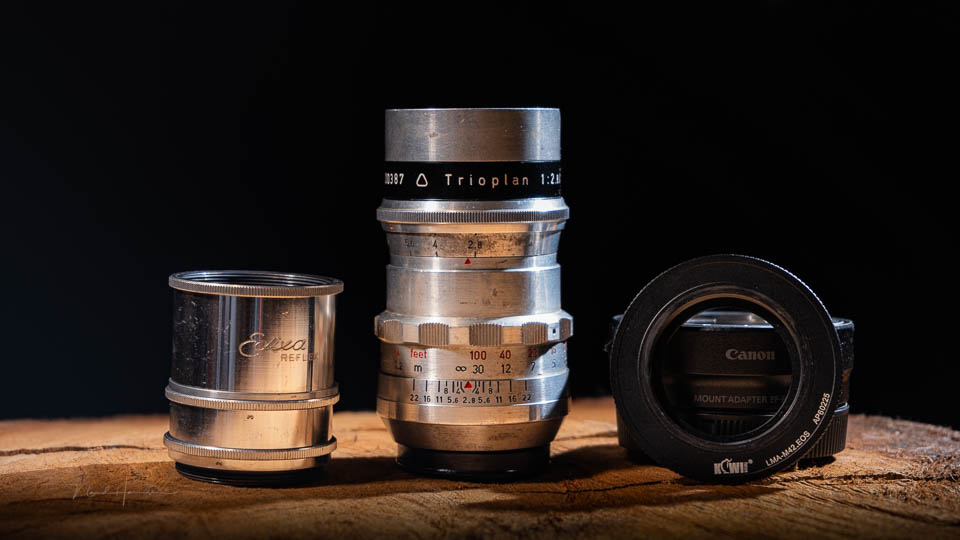
It is extremely important that the distance from the vintage lens to the sensor is exactly right. Otherwise, focusing will not work correctly. You will almost always find the required accuracy in good-quality adapters.
6. Enable shooting without a lens
A vintage lens does not communicate with the camera. The camera therefore does not see that a lens is attached. Usually, a camera has to 'see' a lens before it will work.
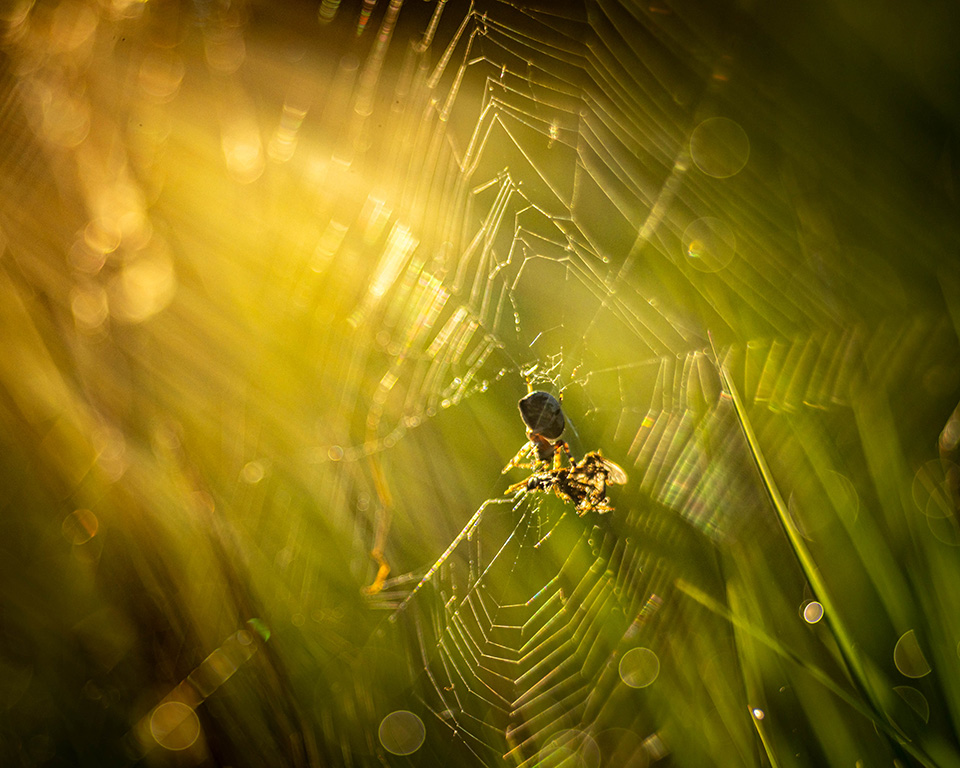
If you find that you cannot take a photo with the vintage lens, you need to enable the 'shoot without lens' option in the menu. Only then can you take photos with a vintage lens.
7. Use focusing aids
A vintage lens does not have autofocus. You therefore have to focus manually, and that can be difficult. Especially when using a shallow depth of field. Fortunately, there are aids for manual focusing.

Do you have focus peaking? Turn it on. You can also use a black-and-white picture profile to make the focus peaking easier to see. Or enlarge the image in the EVF or on the LCD. This makes focusing much more precise. Take your time.
8. Take your time
Photographing with vintage lenses means slowing down a few gears. You are no longer taking photos quickly. You need to take your time, especially when focusing with a shallow depth of field.
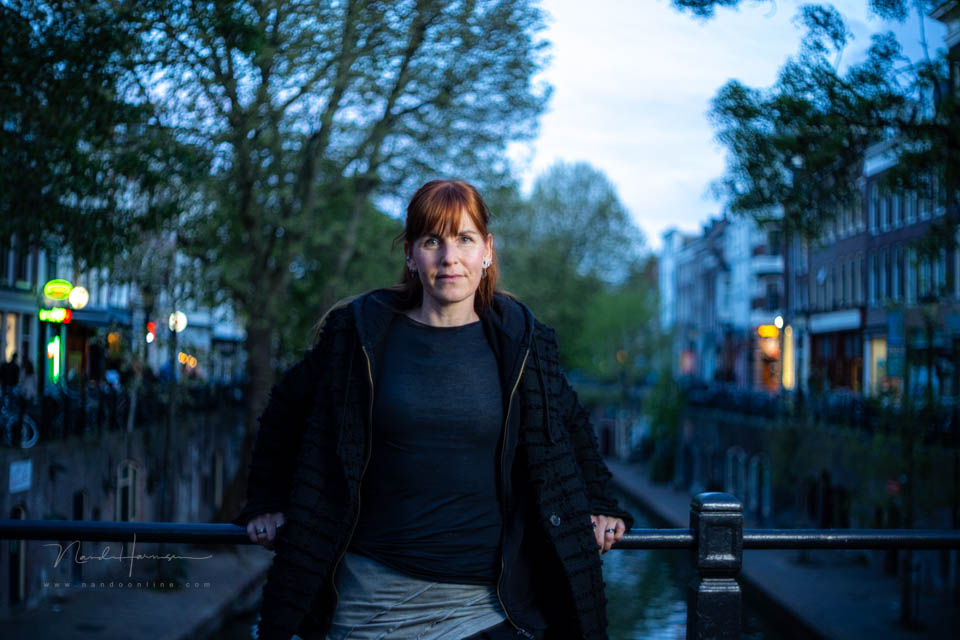
With a vintage lens, you are not meant to work in a hurry. It is often about creative photography. Make sure the photo is how you want it to be. But do not be afraid to try things either. Take your time.
9. Use cards to tell them apart
When you have one vintage lens, it is simple. If you have several vintage lenses, it becomes more difficult. Which lens did you use for which photo? Do you still remember? If this is not important to you, there is no problem.
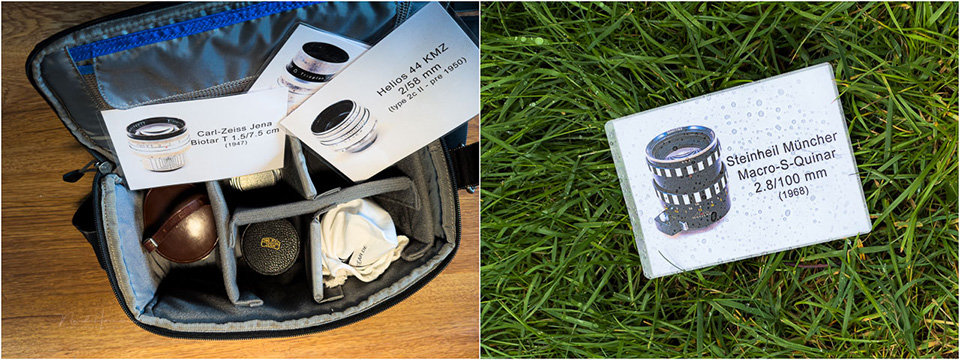
If you want to know which lens was used for which photo, you need to find a way to tell the photos apart. You can use cards for this, one for each lens. Write down which lens you are using and take a photo of the card after changing the lens.
10. Always edit afterwards
Do not think that a photo taken with a vintage lens has to come straight out of the camera. Just as with the darkroom and prints in the past, it is best to edit your photos now too. This allows you to make the photo look as good as possible.

Some lenses produce an image that is too soft, or the colours are a little dull. Editing is exactly what can make the photo shine. That is what it is all about, a photo that appeals to people.
Bonus tip: Enjoy using it
Photographing with vintage lenses is not for everyone. It is a different way of taking photos that can be very creative, but also very demanding. It gives you time to enjoy the entire process.
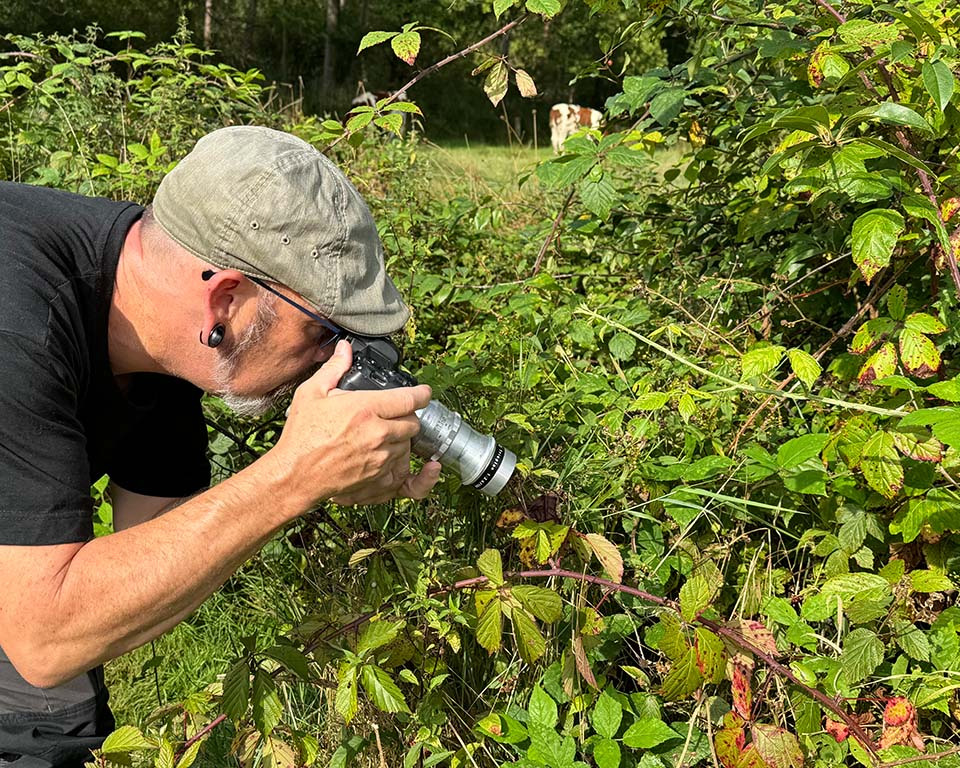
When using these lenses, I am not only focused on the end result. I am involved in the entire process of taking photos. From the settings, to taking the photos, to the eventual result. That is what makes it enjoyable.
Do you also use a vintage lens, or several lenses? Tell us in a comment which ones you have and what you enjoy about them. Share your experience, and if you have another tip...
About the author
Nando Harmsen has been photographing for more than 40 years. He specialises in wedding photography and landscape photography. Nando also gives talks, workshops, masterclasses and photo trips, and regularly reviews new and interesting equipment.
You might also like
-
 The costs of getting started with vintage lenses
by Nando Harmsen
-
 The follow-up to photographing with a vintage lens
by Nando Harmsen
-
Photographing with a vintage lens, or a manual lens
by Nando Harmsen
-
 The Antique Steinheil München Macro-Quinar 100mm f/2.8
by Nando Harmsen
-
 Photographing with the Helios 44
by Nando Harmsen

4 comments
-
 Nicolette Verdugt wrote on Tuesday 26 May 2026 at 13:15 | reply
I personally couldn't do without my M42-EOSR helicoid adapter anymore. Makes focusing a lot easier.
Translated from Dutch. -

 Nando
wrote on Tuesday 26 May 2026 at 13:45
| reply
Nando
wrote on Tuesday 26 May 2026 at 13:45
| reply
Those helicoid adapters are not so much for focusing itself, but for focusing closer than the minimum focusing distance. They can also function as 'extension tubes'.
Translated from Dutch.
You will still have to set the focus manually, and that is not necessarily easier with this helicoid adapter.
Nevertheless, it is an interesting consideration if you also want to use a vintage lens for macro.
Thank you for the addition.
-
 Paul wrote on Tuesday 26 May 2026 at 13:52 | reply
I started out with analogue myself, and my first lens was a Helos 44. I don't have it anymore, but recently found a Helios 44M with a Zenit TTL attached to it in a thrift shop for (really) €10,-.
Translated from Dutch.
Can't use that lens (and other meanwhile vintage lenses doe I still have) on my D500, but for the fun of vintage work I shot a whole roll in that Zenit, and now I also see why that lens is so sought after.
So if I ever buy a mirrorless rooms I can move forward. -
Nando
wrote on Tuesday 26 May 2026 at 15:20
| reply
Sometimes you come across great opportunities. Good that you seized them.
Translated from Dutch.
It's a shame that M42 screw-mount lenses don't fit on Nikon DSLR cameras. A good reason to start using that Zenith more often.
Thank you for sharing your story, Paul.
Have your say
Please note: Articles older than a week can only be commented on by signed-in visitors.Would you still like to comment? sign in or create a free account.
Become a better photographer every week
A practical photography tip in your inbox every week.
39,079 photography enthusiasts already receive the tips! More about the weekly mail. Or keep up to date via  Facebook.

Elja Trum
Photofacts; everything to do with photography!
Would you like to take better photos and keep up with what is happening in photography? Photofacts publishes articles that teach you something about photography — from a product announcement to a practical shooting tip or a look at a website. Photofacts covers photography every day and is a hobby project of Elja Trum's that got out of hand. The articles are written by a team of volunteer authors. If you would enjoy writing one or more articles for Photofacts, do get in touch.More about PhotofactsPhotofacts is made possible in part by
