

Is your exposure wrong? Use exposure compensation to correct it
Thursday 30 April 2020, 20:02 by Nando Harmsen | 7,682 views | 2 commentsThis article was translated from Dutch with the help of AI. Read the original.
How do you know which exposure to set when you are photographing in manual mode? Guessing is one option, but it is quicker and more efficient to use the exposure meter in your camera. Based on what the camera indicates, you can easily set the correct exposure.
This is the same as when you use the camera in A(v) or S (or T) mode. The camera does it for you automatically. The result is exactly the same, because with both methods you use the exposure recommended by the exposure meter.
If you have a lot of backlighting, the exposure will often be measured on the lightest part. The result is an underexposed photo. At least, if you rely on what the exposure meter indicates. In this case, that will not always be the correct exposure, because the foreground will become too dark.
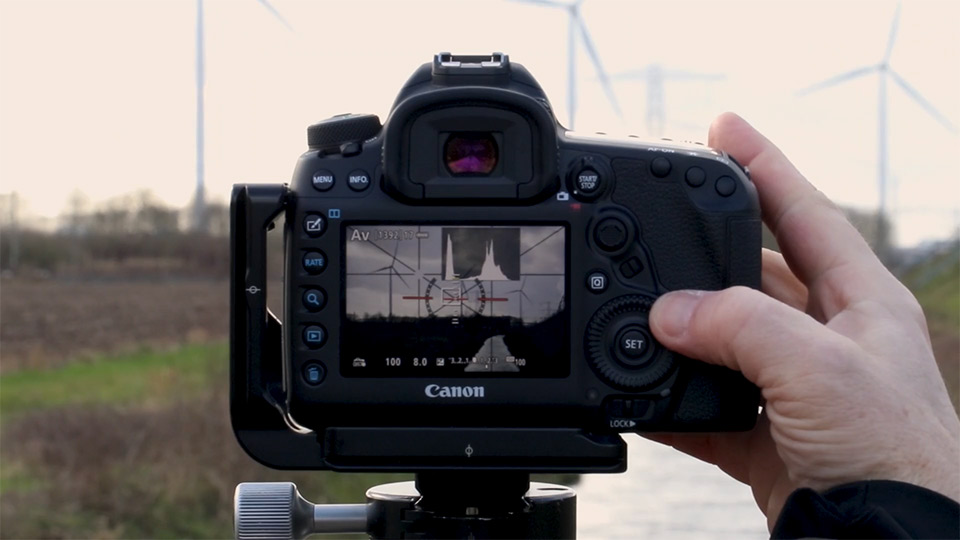
To correct this, you need to compensate for the exposure error measured by the exposure meter in the camera. You can do this with the exposure compensation button. It is also called plus and minus. This button only works in the camera's automatic modes, such as A, S/T and P mode.
By turning this exposure compensation button towards plus, you tell the camera to take the value from the exposure meter and correct it by the amount you have set with the exposure compensation button.
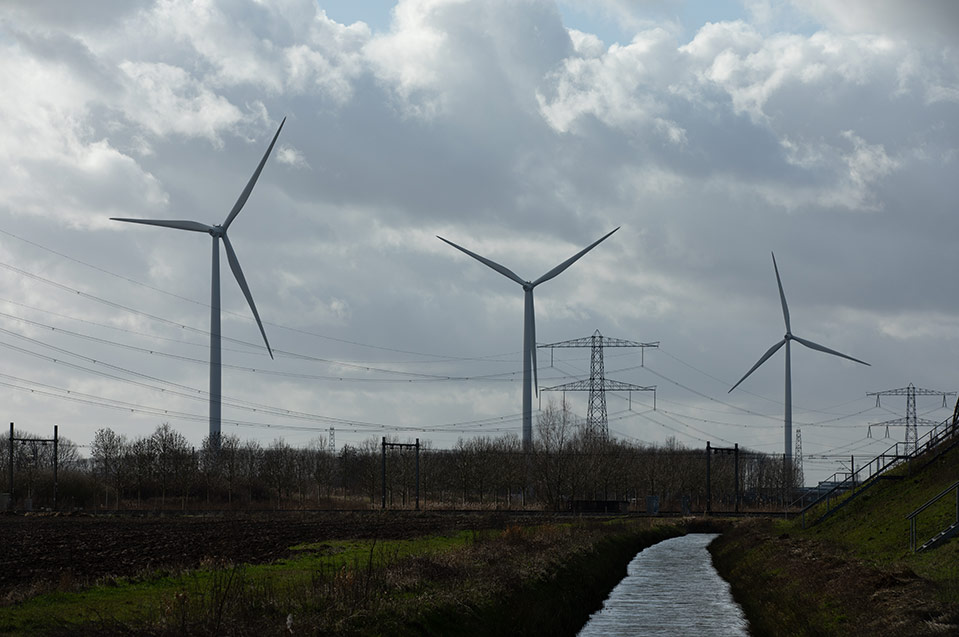
In the example above, the photo is too dark. By setting the exposure compensation button to +1 or even +2, the photo becomes 1 or 2 stops brighter respectively. If you turn the exposure compensation button to -1 or -2, the photo will of course become 1 or 2 stops darker.
If you photograph in manual mode, you naturally do not use the exposure compensation button. In that case, you compensate for the exposure by changing the shutter speed. This produces the same effect as the exposure compensation button in one of the automatic modes.
The Starting with Photography course
Would you like to know more about using your camera and the settings available for taking good photos? Then visit Photofacts Academy for my Starting with Photography course. In it, I cover how to use your camera optimally, step by step.
About the author
Nando Harmsen has been photographing for more than 40 years. He specialises in wedding photography and landscape photography. Nando also gives talks, workshops, masterclasses and photo trips, and regularly reviews new and interesting equipment.
You might also like
-
 Street photography tip: Exposure compensation
by Michiel Heijmans
-
 Learn How the Exposure Meter Behaves
by Nando Harmsen
-
 5 Beginner Tips for Better Photos
by Nando Harmsen
-
 Advice for beginner photographers
by Elja Trum
-
 10 Tips for Beginner Photographers
by Elja Trum
-
 The Light Meter, How Do You Read It?
by Frank Doorhof
2 comments
-
 R. Peterse wrote on Tuesday 5 May 2020 at 20:16 | reply
Well, I have a Sony camera and the viewfinder is electronic. So you immediately see what your settings do in the viewfinder. I can therefore choose under- or overexposure because I think that looks better through my viewfinder. In doing so, choosing to override the exposure meter.
Translated from Dutch. -

 Nando
wrote on Wednesday 6 May 2020 at 11:01
| reply
The electronic viewfinder of a mirrorless camera does indeed show the exposure that has been set, just like live view on a DSLR camera. In that respect, it works the same way.
Translated from Dutch.
But be careful when judging the exposure based on what you see through your viewfinder. This depends very heavily on your viewfinder settings, and any creative settings you have made in your camera. To ensure optimal exposure, always keep an eye on the histogram, then you can be sure it is right.
Have your say
Please note: Articles older than a week can only be commented on by signed-in visitors.Would you still like to comment? sign in or create a free account.
Become a better photographer every week
A practical photography tip in your inbox every week.
38,982 photography enthusiasts already receive the tips! More about the weekly mail. Or keep up to date via  Facebook.

Elja Trum
Photofacts; everything to do with photography!
Would you like to take better photos and keep up with what is happening in photography? Photofacts publishes articles that teach you something about photography — from a product announcement to a practical shooting tip or a look at a website. Photofacts covers photography every day and is a hobby project of Elja Trum's that got out of hand. The articles are written by a team of volunteer authors. If you would enjoy writing one or more articles for Photofacts, do get in touch.More about PhotofactsPhotofacts is made possible in part by
