

The sense and nonsense of image stabilisation in a camera or lens
Monday 5 October 2020, 20:02 by Nando Harmsen | 19,788 views | 34 commentsThis article was translated from Dutch with the help of AI. Read the original.
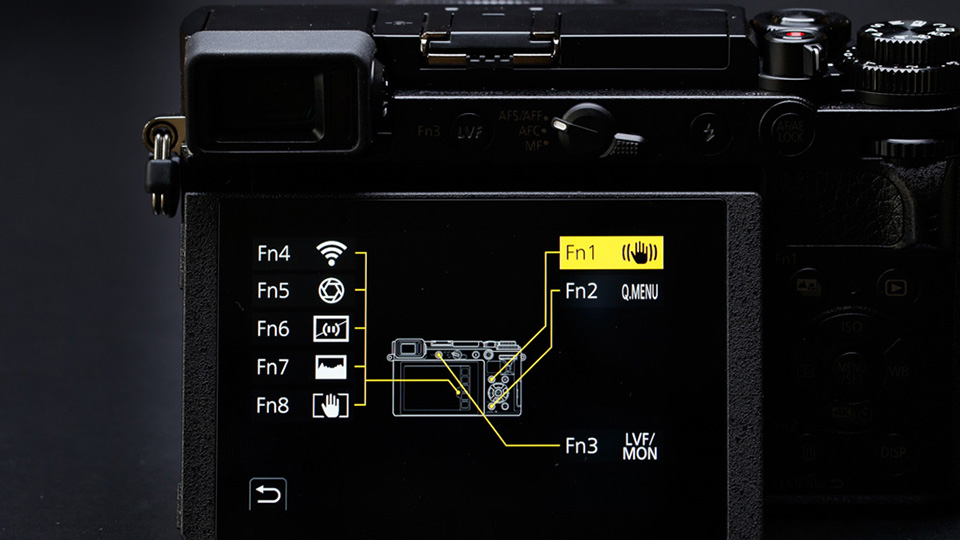
When you start looking for a new camera, there is a good chance that so-called In Body Image Stabilization will be on the bullet list.
In Camera Image Stabilization is also abbreviated to IBIS. It is essentially the system that moves the sensor in such a way that your own camera shake is compensated for to a certain extent.
Image stabilisation in the camera makes it possible to take handheld photographs with slower shutter speeds. How much slower depends on the system that is built in. It is expressed in a number of stops.
If you follow the rule that you can hold a camera steady with a shutter speed equal to one divided by the focal length, which first needs to be multiplied by the crop factor, you can calculate what that shutter speed is.
For two examples, with a 60mm lens on a full-frame camera, 1/60 second should be the minimum shutter speed. With an 85mm lens on a 1.5 crop sensor, 1/127 second is the minimum shutter speed for taking sharp photos handheld.
If you use a 200mm telephoto lens on a full-frame camera, 1/200 second is the minimum shutter speed. Try calculating what shutter speed should be used when that 200mm lens is used on a camera with a 2x crop factor.
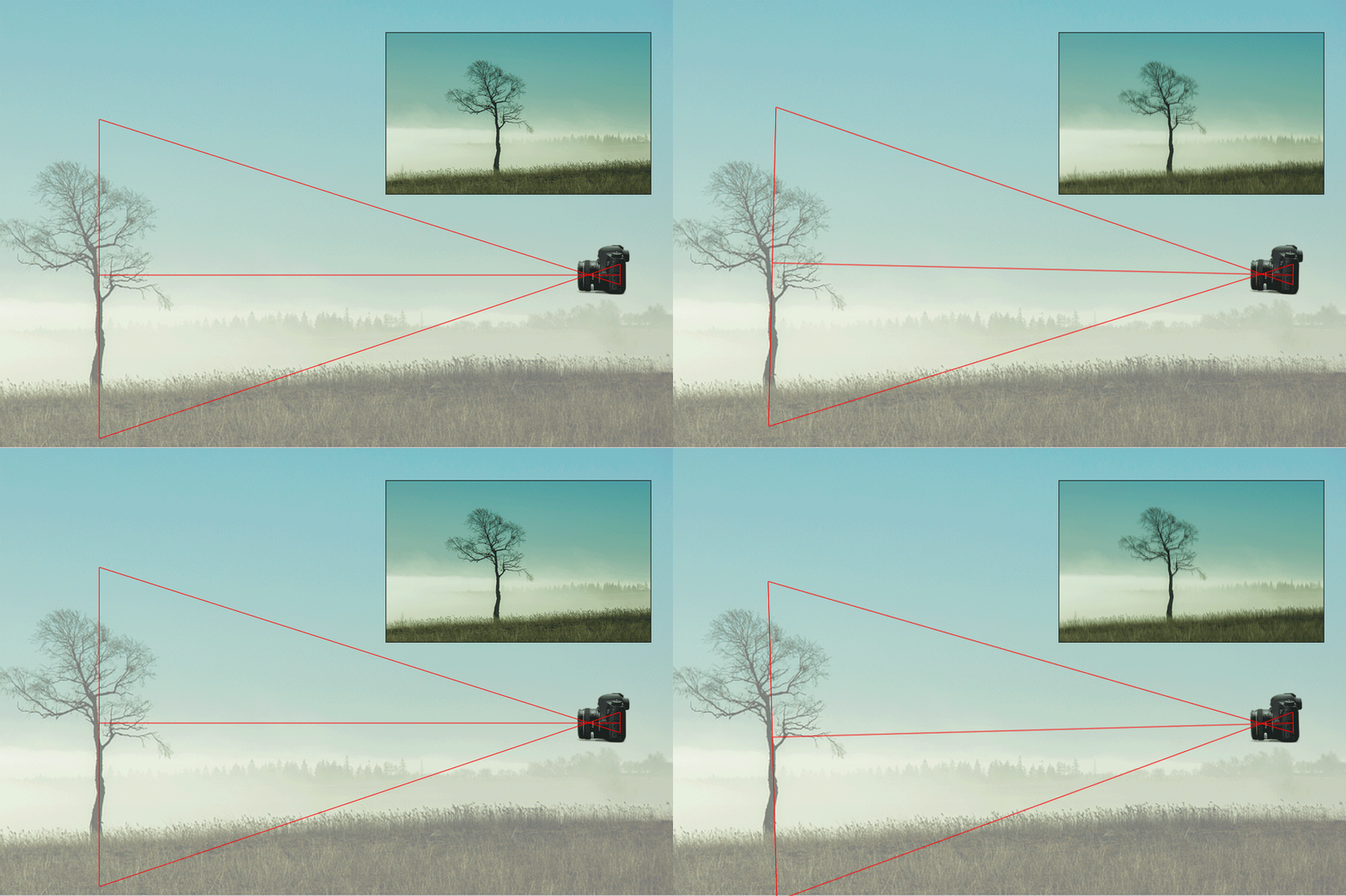
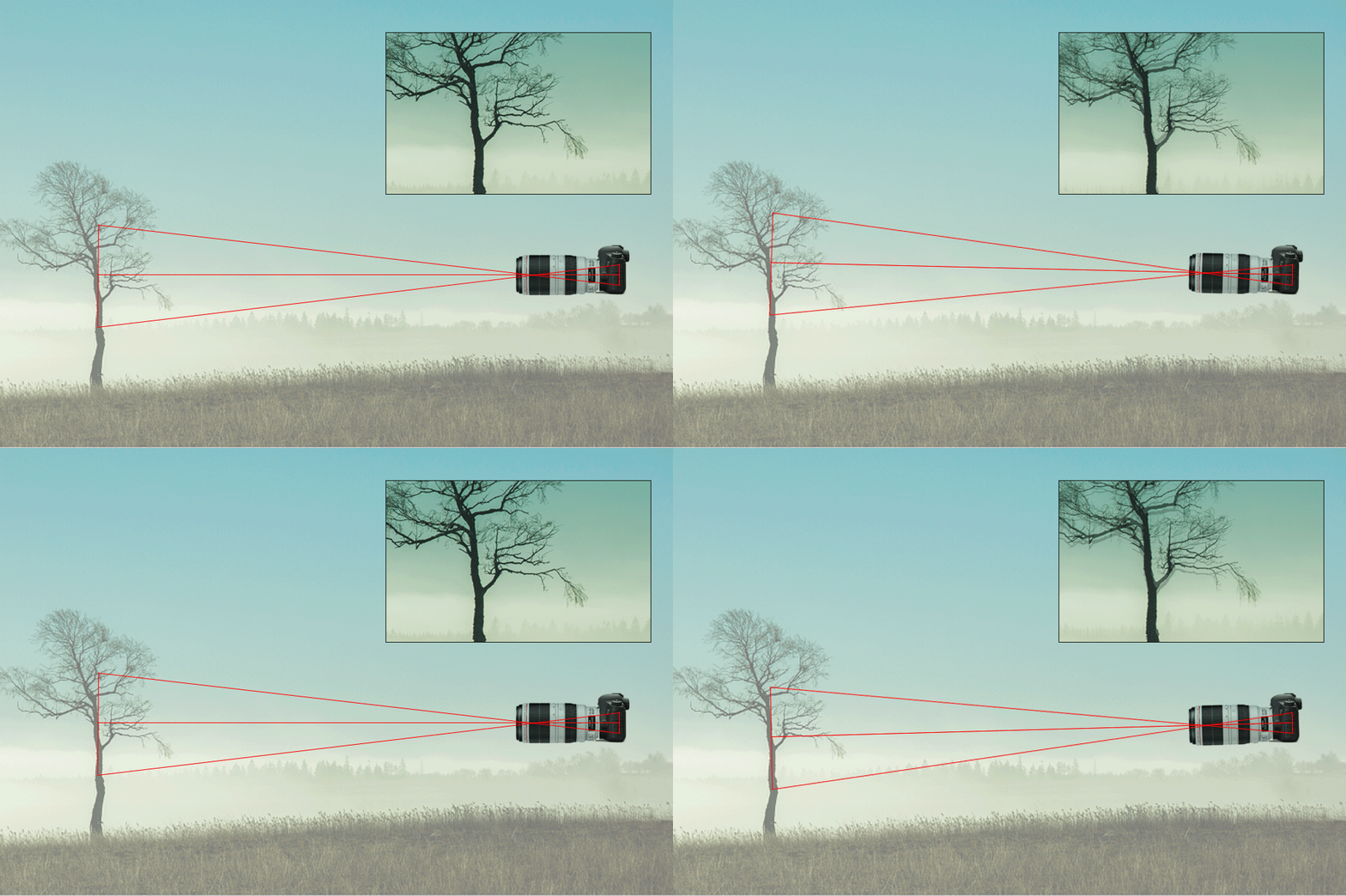
If you photograph with a camera that has an IBIS system capable of stabilising 4 stops, then in my example with 60mm on full-frame you can use a shutter speed of approximately 1/4 second. With an 85mm lens on a 1.5 crop sensor, you can use a shutter speed of approximately 1/8 second.
With the 200mm lens on a 2x crop sensor, 4 stops of image stabilisation would allow you to hold the camera steady at 1/25 second. Do the maths.
But however good image stabilisation is, it will always compensate for your own camera shake and movement, not that of your subject.
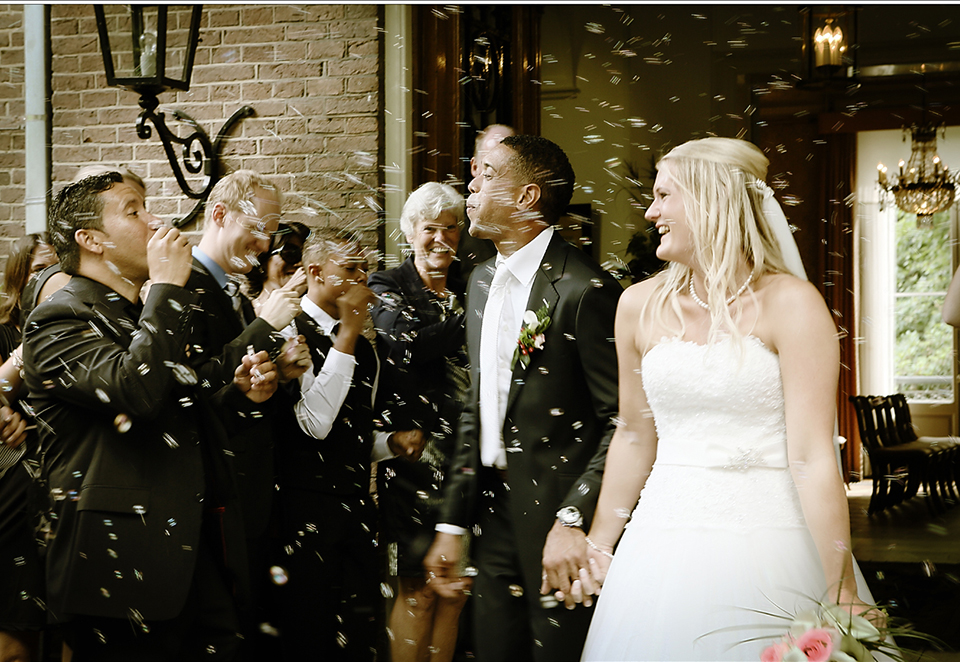
So if you photograph people, image stabilisation has very little extra value. You may be able to take a handheld photo at 1/4 second, but your subject will not stand still for that long.
A landscape photographer who likes to work from a tripod also gets no benefit at all from image stabilisation. In fact, if image stabilisation is not switched off when taking photos from a tripod, you can actually get blur.
Even if your camera manufacturer says that a tripod is detected, a slight breeze or touching the camera can be enough to switch the system on again.
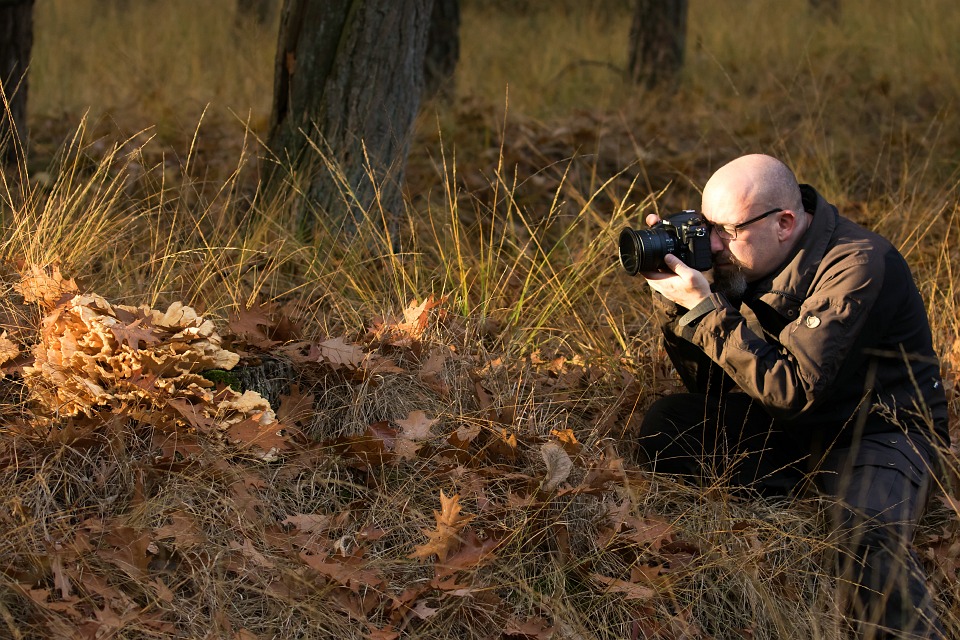
So if your subject moves, or you mainly use your camera from a tripod, image stabilisation has no value or only limited value. Image stabilisation also adds little value with wide-angle lenses.
With a 16mm lens and 4 stops of image stabilisation, you can hold the camera steady at a shutter speed of 1 second, but will your subject stay still for that long too?
The greatest benefit only becomes apparent with longer focal lengths. Think of a 400mm or 600mm lens. You would then need 1/400 second or 1/600 second to photograph handheld.
If you are lucky, because the weight also plays a role. The heavier your lens, the harder it is to keep it steady. That is when image stabilisation becomes a welcome friend.
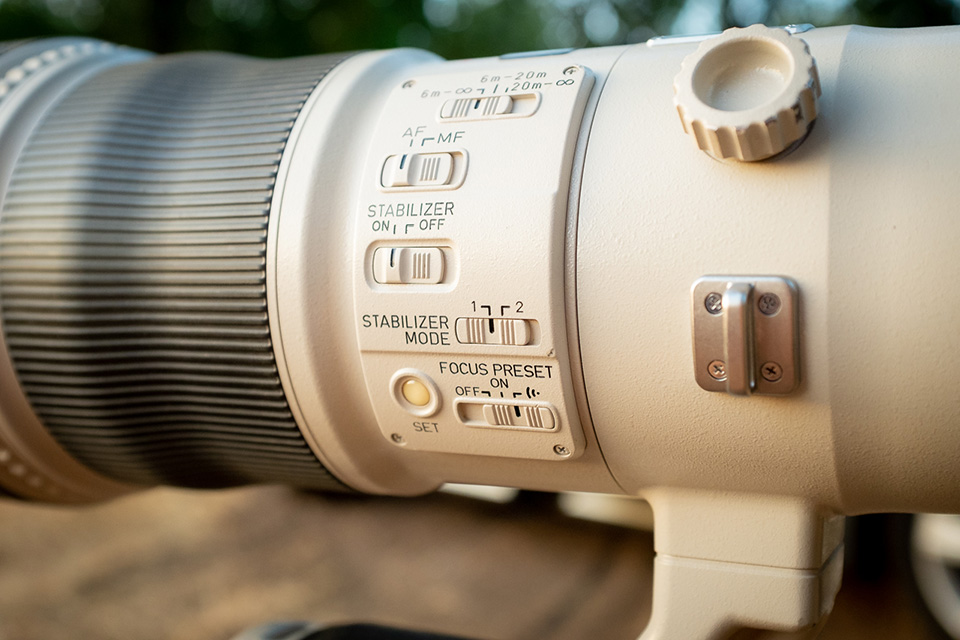
It is not that I am against image stabilisation systems or that I see no value in all those IBIS systems. I just do not think it is the answer to every question.
I welcome an IBIS system and make grateful use of it myself. But it is not something that is completely indispensable.
What do you think of image stabilisation?
Is it very important to you, or a nice extra?
Share your opinion in the comments below this post.
About the author
Nando Harmsen has been photographing for more than 40 years. He specialises in wedding photography and landscape photography. Nando also gives talks, workshops, masterclasses and photo trips, and regularly reviews new and interesting equipment.
You might also like
-
 The Earth's Rotation and Image Stabilisation
by Nando Harmsen
-
 How Image Stabilisation Works
by Elja Trum
-
 The sense and nonsense of a low viewpoint in landscape photography
by Nando Harmsen
-
 Composition tip: Creating a sense of urgency
by Elja Trum
-
 10 tips for panning, moving the camera with the movement
by Nando Harmsen
-
 The sense and nonsense of fast memory cards
by Nando Harmsen
34 comments
-

 martinphili wrote on Monday 5 October 2020 at 22:38
| reply
You can do something yourself too, you know.
Translated from Dutch.
Pressing the shutter button in a controlled manner already helps a lot. Don't bash that thing as if it has to go halfway into the camera body. I know, your enthusiasm sometimes gets the better of your self-control but it's a good technique.
And sometimes photography is a bit zen. Calmly breathe in and out. Don't hold your breath and click during an exhalation.
A good posture is also very useful. Stand firmly, legs slightly apart and so on. It's in every photography booklet. Support the lens with one hand.
But I am still very happy with my IS
-
 Wil Spaetjens wrote on Tuesday 6 October 2020 at 10:57 | reply
I still think Olympus's image stabilization is absolutely amazing, my Canon 5D markIV can't match it, you're right that stabilization doesn't work as well with moving people or other things but with olympus I can shoot much more handheld than with the two Canon cameras, that's why I'm curious about the new Canon cameras with built-in image stabilization hopefully a Dutch version of your review of the new Canon will be coming soon.
Translated from Dutch. -
 Ron den Breems wrote on Tuesday 6 October 2020 at 11:06 | reply
Sloppy article.
Translated from Dutch.
Image stabilization on a "bucket list"?
"When you go by the rule that you can hold a camera still with a shutter speed equal to ?? divided by the focal length (which first has to be multiplied by the crop factor), then you can calculate what shutter speed that is." ?????????????????????????
"..... because the weight also plays a role. The heavier your lens, the more difficult it is to keep it still."
The opposite is true. Vibrations occur much earlier with a very small weight. -
 Donald Willemsen
wrote on Tuesday 6 October 2020 at 11:21
| reply
I don't have IBIS on the camera, but most of the lenses I have do have image stabilization. I do use it, but I do wonder whether it really works well. For several years now, I have no longer been able to stand still independently without support. A consequence of my physical limitations. I have to be able to keep holding a walking stick if I want to photograph standing up. Photographing with a camera and wide-angle lens in one hand and relying 100 percent on autofocus is still doable. But try that with a heavy sign. You can shake it. It is in any case much better to have two hands on the device. That is more stable. So, I either have to be able to sit down to take photos or also carry the weight of a tripod. So if you can only work sitting down, you do get photos that are all taken from the same height and that gets boring in the long run.
Translated from Dutch.
In my case, image stabilization is of little use, because my instability is too great and that can therefore never be compensated for by image stabilization. -
 Wilfried Deberg wrote on Tuesday 6 October 2020 at 11:24 | reply
In portrait photography, where the moment is so important, you need maximum certainty that the photo is as sharp as possible. I have often had photos with motion blur when shots were taken indoors with natural light. I feel much more reassured since I started using a lens with IS.
Translated from Dutch. -
 chris bulte wrote on Tuesday 6 October 2020 at 12:43 | reply
When using image stabilization, I regularly had a slight vibration, clearly visible to the naked eye, image stabilization switched off, a sufficiently short shutter speed, problem solved, when you photograph people the person moves and then it is indeed a superfluous system.
Translated from Dutch. -
 René de Gilde wrote on Tuesday 6 October 2020 at 13:57 | reply
Is it true that with a full-frame camera with a 48-megapixel sensor, there is a chance of motion blur?
Translated from Dutch. -
 Harry wrote on Tuesday 6 October 2020 at 14:01 | reply
No attention has been paid to stabilization in combination with a macro lens, and that this makes absolutely no sense at all with macro photos. Otherwise okay!
Translated from Dutch. -
 Maurice wrote on Tuesday 6 October 2020 at 15:14
| reply
I recently got a Nikon Z7 with built-in stabilization, but I also have several lenses with image stabilization. Could you explain how the two work together, or do they actually work against each other?
Translated from Dutch. -
 Nando
wrote on Tuesday 6 October 2020 at 15:26
| reply
@Martinphili:
Translated from Dutch.
A good posture is indeed important. Pressing the button in a controlled manner is too.
@Wil Spaetjens:
That review of the Canon EOS R5 is already online, here on Photofacts. That one works very well. The Olympus is indeed also known for it. But in both cases, your subject also needs to stand sufficiently still, of course
@Ron den Breems:
Bucketlist could better be called bullit list, you’re right.
But I don't quite understand what you mean by saying that it is sloppy. Don't you know the 1/[focal length] rule? Have you ever photographed with a heavy telephoto lens, and by that I mean one weighing 2 kilograms or more?
@Donald Willemsen:
In your case, I would definitely recommend a tripod. AND indeed, IS or IBIS or VR, is then of little use
@Wilfried Deberg:
Especially with a telephoto lens of, for example, 200mm, a shutter speed of at least 1/200 is needed (unless you have a steady hand). But in studio environments I see 1/125 sec being used. Then you indeed have a risk of motion blur.
@Chris Bulte:
It seems unlikely to me that this is due to image stabilization, but rather to the shutter speed you used. Did you take the shutter speed less into account because of image stabilization?
@René de Gilde:
The more pixels there are on your sensor, the sooner movement will become visible. At resolutions around 50mp, it is often advised to use the 1/[focal length x 2] rule.
@Harry:
The greater the magnification of your macro lens, the less effective image stabilization becomes, indeed. How much less therefore depends on the magnification. -
 Job wrote on Tuesday 6 October 2020 at 16:05 | reply
I always enjoy reading Nando's articles, because I always pick up something useful from them. His e-book "Catching Light" is very thorough and informative! Still, I did notice a few things in this article that surprised me somewhat. In low light (e.g. at sunset), a landscape photographer or nature photographer or street photographer can, in my opinion, benefit greatly from stabilisation when shooting handheld. And not only with lenses with a long telephoto range. I felt that was missing a bit. And this article does not address stabilisation in the lens instead of in the body at all.
Translated from Dutch. -
 Hans wrote on Tuesday 6 October 2020 at 16:05 | reply
Donald Willemsen.
Translated from Dutch.
have you ever tried a monopod? -
Donald Willemsen
wrote on Tuesday 6 October 2020 at 16:25
| reply
@Nando, thanks for your response. I was already planning to use the tripod much more. But first I still need to look for a better, but also affordable, ball head that also has a universal Arca clamp. The ball head that came with the tripod is not up to the task.
Translated from Dutch. -
 johan bauwens wrote on Tuesday 6 October 2020 at 16:44 | reply
I don't read anything anywhere about the pros/cons of stabilization in the lens compared to that in the body ?
Translated from Dutch. -
Donald Willemsen
wrote on Tuesday 6 October 2020 at 16:55
| reply
@Hans, a good tip. I use one of the legs of the tripod as a Monopod. I unscrew it and then put the ball head on it.
Translated from Dutch. -
 Rene Verschuren wrote on Tuesday 6 October 2020 at 17:10 | reply
Good article, just missing a bit that transporting with image stabilization on can have consequences for your lens. causing them to break faster. and working on a tripod = image stabilization off.
Translated from Dutch. -
 Rik De Preter wrote on Tuesday 6 October 2020 at 17:35 | reply
As a hobby photographer, I take a lot of macro photos with a 100mm Canon lens with image stabilization. You do get the sharpest photos by using a tripod, but in most cases such a tripod is an obstacle, setting it up takes too long and you have much less freedom of movement, moreover you disturb the surroundings with the legs of the tripod and the insects you want to capture have long since disappeared. If you work with natural light and it is not blowing too hard, then image stabilization is ideal for macro.
Translated from Dutch. -
 Mario wrote on Tuesday 6 October 2020 at 19:05 | reply
Room that nothing is said about the usefulness when filming with your camera. Image stabilization is VERY welcome there if you want to spend less editing time afterwards.
Translated from Dutch. -
Job wrote on Tuesday 6 October 2020 at 20:13 | reply
Hello Nando, I'm curious about your response to René Verschuren's point that transporting with image stabilization set to "on" can have negative consequences for your lens.........This is completely unknown to me.
Translated from Dutch. -
 Jan Flinkenflögel wrote on Tuesday 6 October 2020 at 20:28 | reply
It sounds logical, if you photograph moving subjects, stabilization is unnecessary. Of course, that is not true. If the subjects are moving and I am too, you get amplified blur. And precisely with moving subjects, where you have to be quick, your own motion blur is lurking.
Translated from Dutch. -
 Harrie van Beurden wrote on Tuesday 6 October 2020 at 22:34 | reply
I think that in the future all brands that respect themselves will all have IS and IBIS combined. In any case in thin top line.
Translated from Dutch.
Two years ago I was put on a vibrating plate at the OLYMPUS stand at the PROFESSIONAL IMAGING trade show to have demonstrated firsthand what they can do in that regard. I was thrust an OM-D E-M1X with a 300mm F/4.0 IS ED PRO into my hand and asked if I wanted to shoot something. I was sick as a dog when I stepped off the vibrating plate, but the photo was sharp.
UN-BE-LIE-VABLE! -
 Henk wrote on Tuesday 6 October 2020 at 22:42 | reply
Clear article. What is strange, however, is that I have recently acquired a Nikor 70-200 mm F/2.8 lens on which I can set a "sports mode" for the VR. From this article I understood that vibration reduction does not (work well) or is even unnecessary when photographing moving subjects.
Translated from Dutch. -
 Noor wrote on Wednesday 7 October 2020 at 01:13 | reply
Nando knows what he's talking about.
Translated from Dutch.
Great article.
In my opinion, too much is brought up that the article isn't about.
Then: Telephoto lens 500 mm Nikon.....
Just try it, handheld.
I did.
I'm pretty strong in the arms.
Despite stabilisation.....almost impossible.
There are (swing) tripods for a reason. -
Nando
wrote on Wednesday 7 October 2020 at 09:18
| reply
@Job:
Translated from Dutch.
Without a tripod with subjects that move little, that's exactly what image stabilization is perfect for. But street photography can be difficult in my opinion. Moving people can still appear blurred in the photo even at 1/125. You can imagine what a longer shutter speed does when you have IS.
@Johan Bauwens
@Rene Verschuren
@Mario
This article wasn't about the difference between image stabilization in the lens or camera, nor was it about turning it off or on during transport. The article also wasn't about filming, but about its usefulness in photography. Hence, these points weren't discussed.
@Jan Flinkenflögel:
You have a good point. I certainly could have mentioned this.
@Henk:
I don't know the ins and outs of the sports mode on Nikon, but I expect this is the same mode you can also choose on Canon, where it functions as an IS mode for panning. In that case, stabilization in the horizontal direction is disabled, and the vertical mode is active. Perfect for panning, which is moving your camera along with the subject. -
 Jos wrote on Wednesday 7 October 2020 at 11:11 | reply
Once forgot to turn off image stabilization when I was shooting with an 8mm fisheye: all the photos were blurry!
Translated from Dutch. -
 wim hoppenbrouwers wrote on Thursday 8 October 2020 at 09:34
| reply
I am very satisfied with the VR on the Nikkor 18/200. I see the image in the viewfinder becoming very steady when pressing the shutter button
Translated from Dutch. -
 Gerben wrote on Thursday 8 October 2020 at 14:34 | reply
Yes, image stabilization does not help with a moving subject and on a tripod you have to turn it off. That was known.
Translated from Dutch.
For most people, image stabilization is still lens stabilization. By definition, this only works on 2 axes. A DSLR cannot be built any other way either.
Then I can imagine that you are not really impressed.
An IBIS stabilizes over 5 axes and thereby compensates for 3 additional movements.
When these people have switched to mirrorless cameras with IBIS, they will do two things: First, they will be very impressed by the stabilization and tell all their friends about it.
After that, they will forget that it is there. You simply take yet another photo in evening light at half a second, without even stopping to think that this is not possible at all.
That is THE characteristic of good technology: it happens unnoticed in the background.
IBIS is truly amazing. -
 André wrote on Sunday 11 October 2020 at 12:30 | reply
IBIS and OIS can be useful, but that usefulness is limited. In macro photography, it serves no purpose. Then you use a flash and have a very short shutter speed that lasts just as long as the flash. That freezes every movement of your subject. No IBIS or OIS can keep up with that when an insect suddenly moves. You can also use flash for indoor shots. If you are a little handy with that (bouncing), that is no problem at all either, even while preserving the atmosphere. Photography is writing with light, after all, isn't it? If you know you are going to write something, you take your pen with you. If you are going to write with light, you take a speedlight with you, right. Obviously, that won't work for nature photography and other telephoto work. That is where IBIS and OIS will be very useful. Also for people who can no longer keep their hands still and certainly for the filmmakers among us. Other than that, I don't think it adds much photographically. That is why I will never buy a body with IBIS. You do have to pay for it, it consumes extra energy while I don't use it. Besides, what's wrong with using flash or bumping up the ISO? With the quality and low noise factor that cameras deliver these days, absolutely nothing, I think. And even then, you can still keep using a flash with it.
Translated from Dutch. -
Donald Willemsen
wrote on Sunday 11 October 2020 at 13:37
| reply
@André, then I'm afraid you'll have to stop photographing before too long. A few more years and there won't be a camera for sale without IBIS.
Translated from Dutch. -
André wrote on Sunday 11 October 2020 at 17:15 | reply
@Donald, I don't share your opinion. I think there will still be cameras left without IBIS. In fact, I know that for sure. I don't see IBIS fitting in a Fujifilm X100 series or an X-Pro series body. It's a bit tight in terms of space, I think. That is still more or less my direction and myX-T2 is still more than sufficient for the coming years. So for now I'm not worrying about it.
Translated from Dutch. -
 PixelDude Raoul
wrote on Monday 12 October 2020 at 17:49
| reply
In my opinion, this is also one of Nando's less accurate articles. Not particularly precise in several passages, in my opinion. E.g. "So if you photograph people, that image stabilization is of hardly any added value, because maybe you can photograph handheld at 1/4 second, but your subject won't stand still for that long."
Translated from Dutch.
Why wouldn't 1/4" be interesting for street photography, among other things? It would ... precisely to create the desired mobility in the photo through the blurring of the moving people. Not enough out-of-the-box thinking.
But admittedly, Nando usually hits the nail right on the head. -
PixelDude Raoul
wrote on Monday 12 October 2020 at 17:58
| reply
I use an Olympus E-M1X that provides 7.5 stops of image stabilization, often for nature photography.
Translated from Dutch.
What does 7.5 stops of image stabilization mean? Well, that with a 300mm lens on a crop 2 camera you would normally have to use 1/600" as the minimum shutter speed to get sharp photos of a stationary subject. No, 1/4" gives the same sharpness result with this camera and a full frame equivalent lens of 600mm.
And ... you can therefore also shoot in fairly dark surroundings without immediately having to raise the ISO.
I'm not saying that you absolutely have to use that slow shutter speed, but it offers you many more possibilities. Thanks to that stabilization, you can keep the ISO lower when photographing a flying bird at 1/1600" at F8.0
Try doing that 'without' stabilization. -
Nando
wrote on Tuesday 13 October 2020 at 15:07
| reply
@PixelDude Raoul:
Translated from Dutch.
You are of course right that you can deliberately photograph people in motion. However, this does not make my text any less correct. So let me adjust my text slightly: if you want to capture people sharply, without motion. In 90% of cases, I absolutely would not want any moving faces, limbs or other motion blur in my wedding photography.
I also mention your other argument with long shutter speeds in my article as one of the greatest advantages of image stabilization.. -
 Guido Bellens wrote on Friday 16 October 2020 at 09:18
| reply
Hello Nando, thank you for this very clear explanation indeed. I do think, however, that a distinction should be made between camera shake and motion blur. The former is caused by yourself because you cannot keep your camera perfectly still and the second depends on your subject moving.
Translated from Dutch.
I am now the happy owner of an EOS R6 and can say that its built-in IBIS works very nicely (fortunately) for handheld photography. But it is an aid and of course does not replace a sturdy tripod.
Regards,
Guido
Have your say
Please note: Articles older than a week can only be commented on by signed-in visitors.Would you still like to comment? sign in or create a free account.
Become a better photographer every week
A practical photography tip in your inbox every week.
38,938 photography enthusiasts already receive the tips! More about the weekly mail. Or keep up to date via  Facebook.

Elja Trum
Photofacts; everything to do with photography!
Would you like to take better photos and keep up with what is happening in photography? Photofacts publishes articles that teach you something about photography — from a product announcement to a practical shooting tip or a look at a website. Photofacts covers photography every day and is a hobby project of Elja Trum's that got out of hand. The articles are written by a team of volunteer authors. If you would enjoy writing one or more articles for Photofacts, do get in touch.More about PhotofactsPhotofacts is made possible in part by
