

Use a lens hood, or not?
Tuesday 14 July 2026, 12:08 by Nando Harmsen | 12,969 views | 16 commentsThis article was translated from Dutch with the help of AI. Read the original.
Most more expensive lenses come with a lens hood. Cheaper lenses usually don't. You would have to buy one separately. What is a lens hood actually for, and how do you use one? That's what I look at in this article.
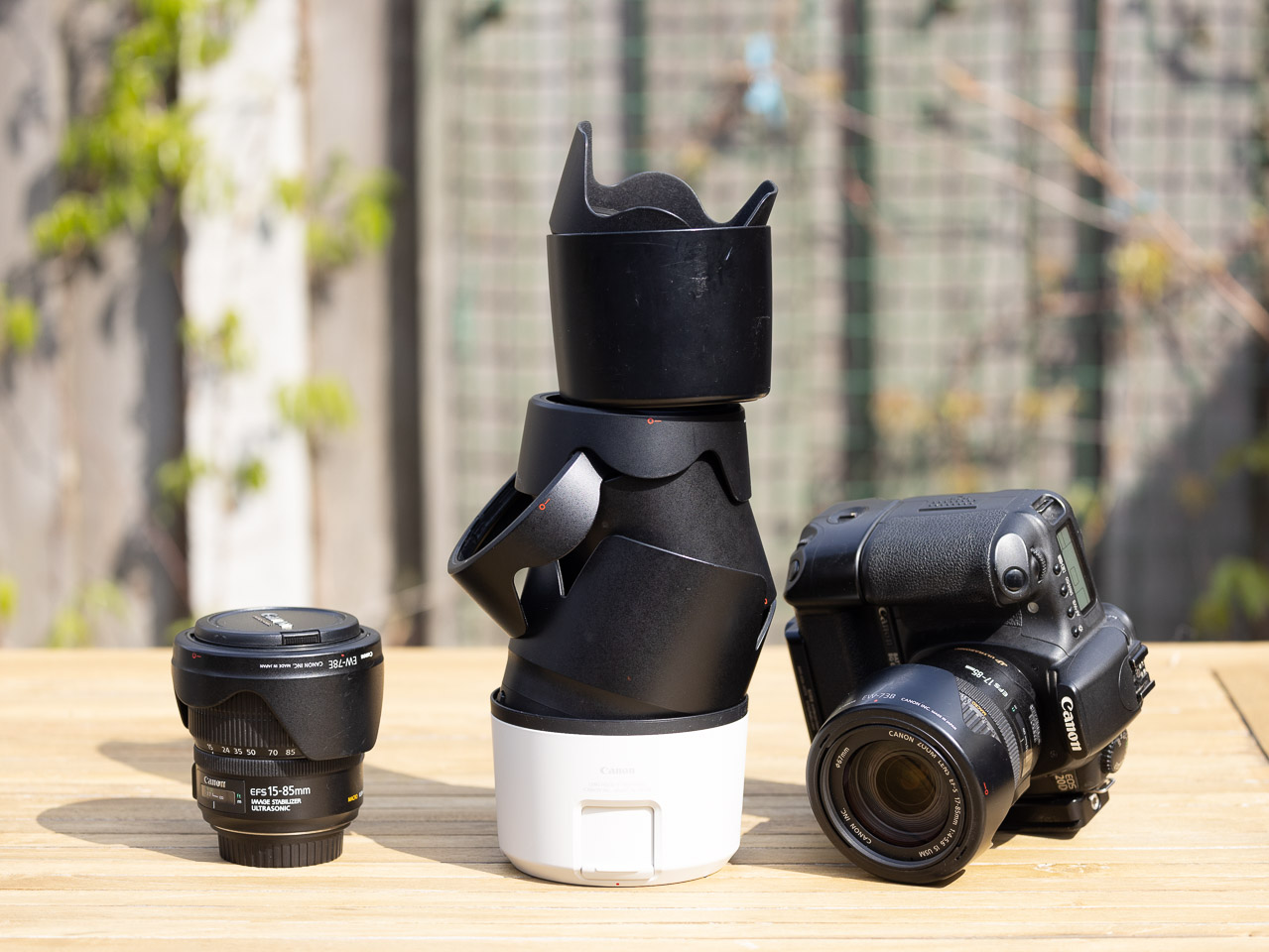
Do you have a lens hood on your lens? And if so, do you use it? You may have had to buy one specially because the manufacturer did not include one as standard. Original branded lens hoods are usually not cheap. Is it worth buying one?
What is a lens hood for?
The name tells you part of the story. A lens hood prevents sunlight from entering your lens or shining onto it when you don't want it to. But it is broader than that. It is not just for sunlight, but for any kind of light. That could be a reflection, artificial light, street lamps, car headlights, someone's torch, or whatever.
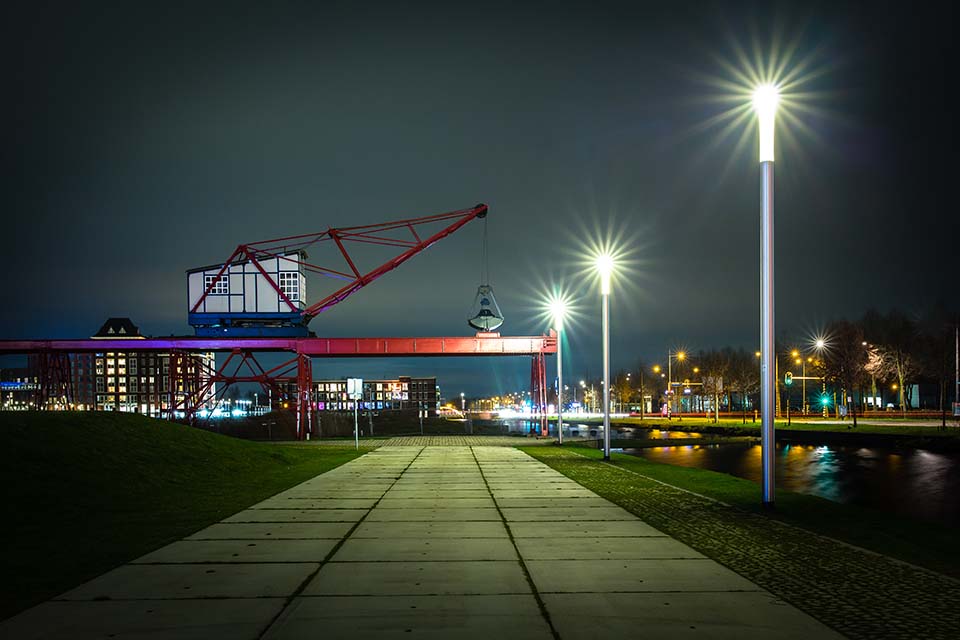
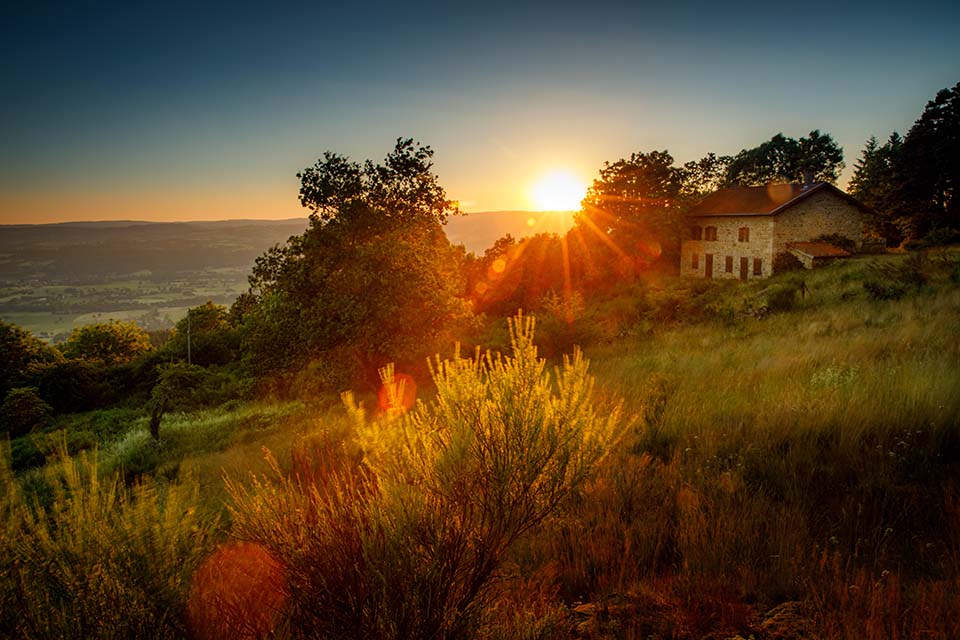
Unwanted incoming light can cause an internal reflection in the lens. This is called flare, which can sometimes be very distracting in the image. A lens hood can prevent this.
You should realise that a lens hood cannot prevent reflections when the light source itself is in the frame. It is only intended to block incoming light from a light source outside the frame.
What else a lens hood can be used for
There are more advantages to a lens hood. Two, to be precise. It can give you some protection, so that something does not hit the glass of a lens. It also protects your front lens from rain and snow.
This does mean that you have to use the lens hood properly. Using a lens hood reversed on your lens is not right. If you do this, you are better off taking the hood off.
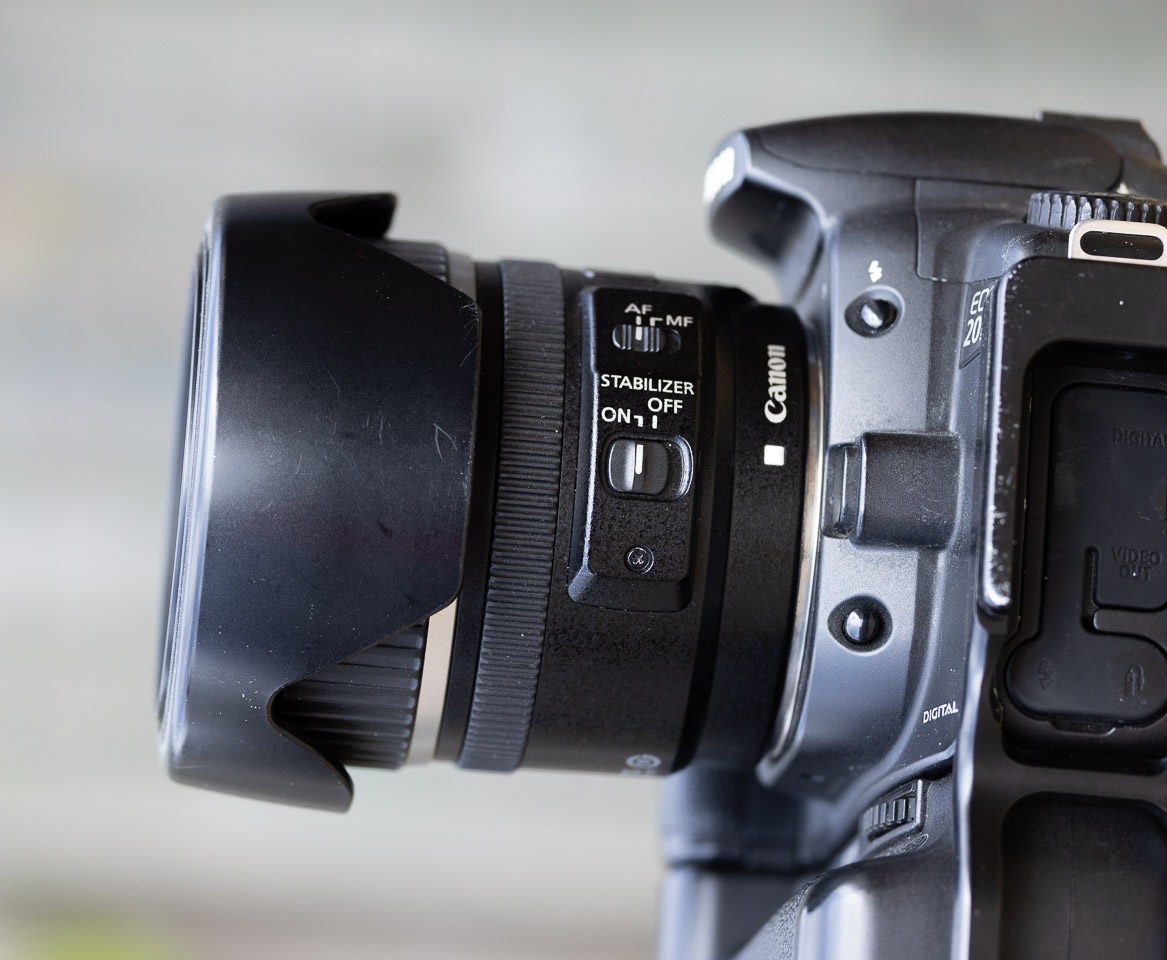
That protection against knocks, rain and snow is only effective with deeper lens hoods. A shallow lens hood, such as the ones you get with wide-angle and wide-angle zoom lenses, will offer little protection. This also applies to preventing flares.
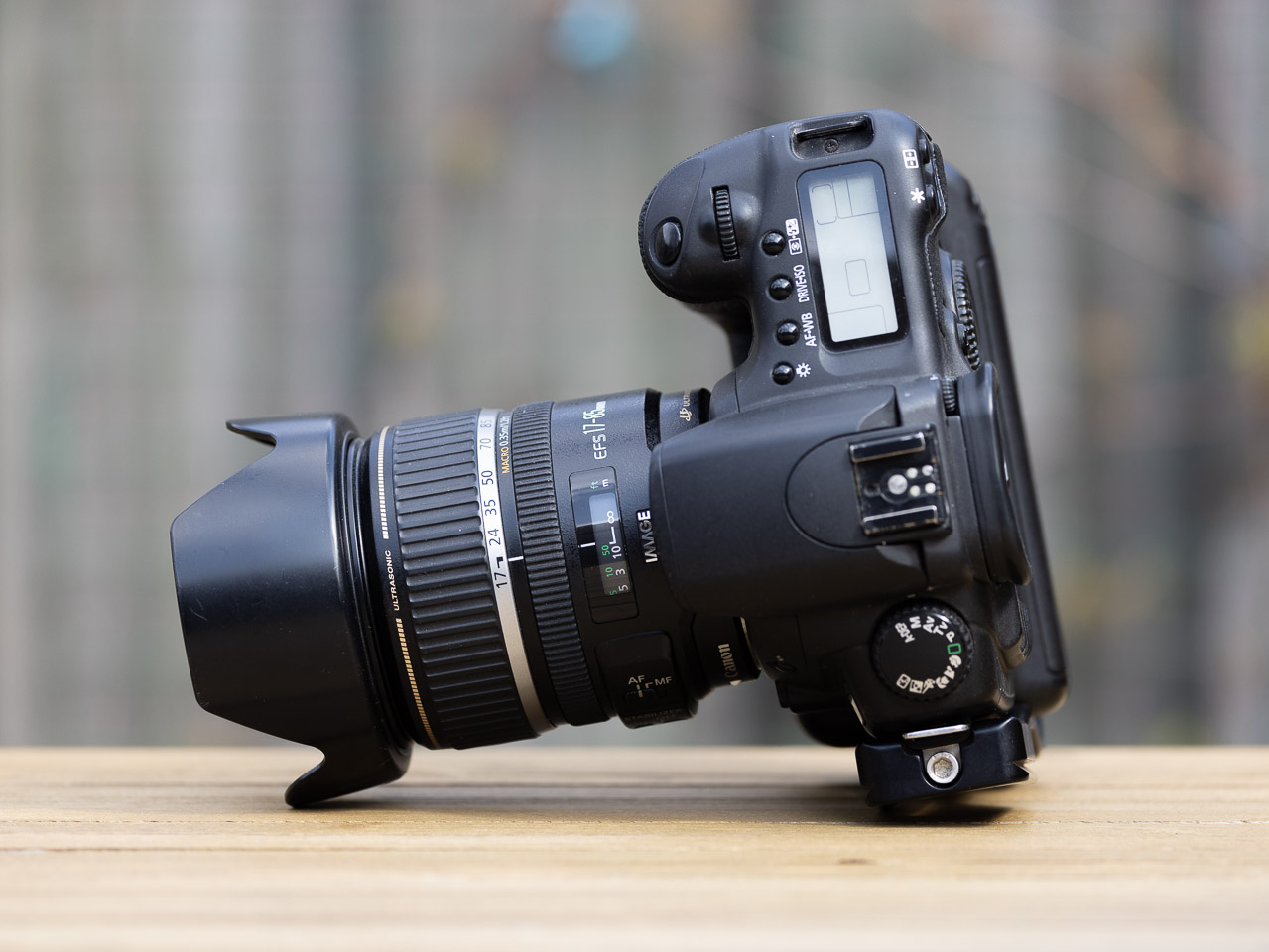
When a lens hood gets in the way
There are situations in which it is better not to use a lens hood. Sometimes the thing simply gets in the way, for example when using filters. A lens hood definitely has to be removed when using filter systems.
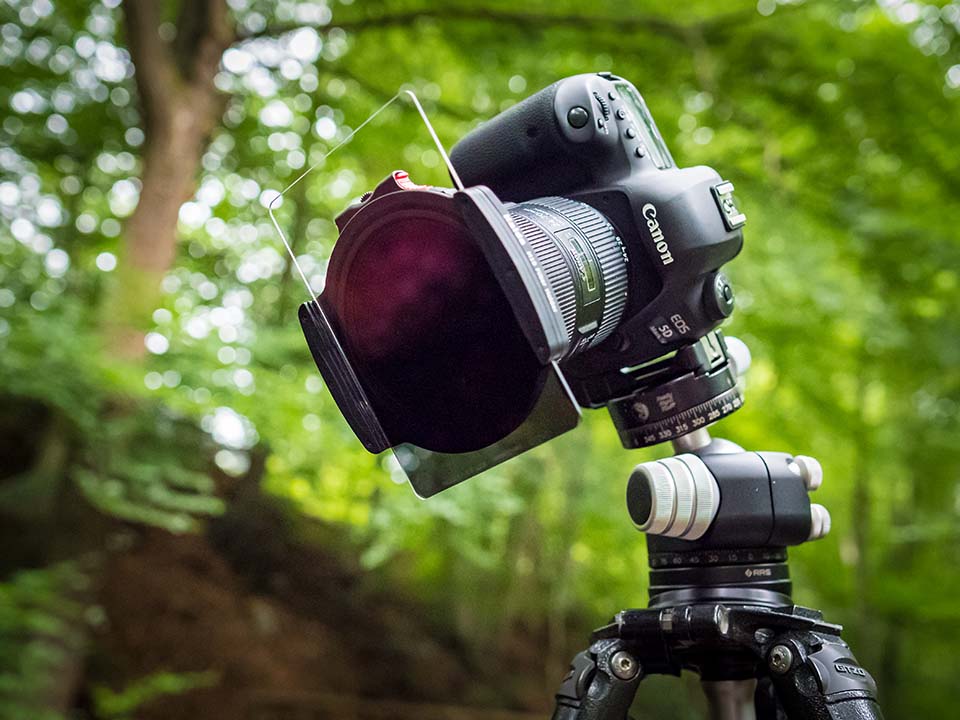
Are you using a polarising filter? Some lens hoods have a small slider that gives you access to the filter's rotation mechanism. This means you can still change the degree of polarisation without removing the lens hood.
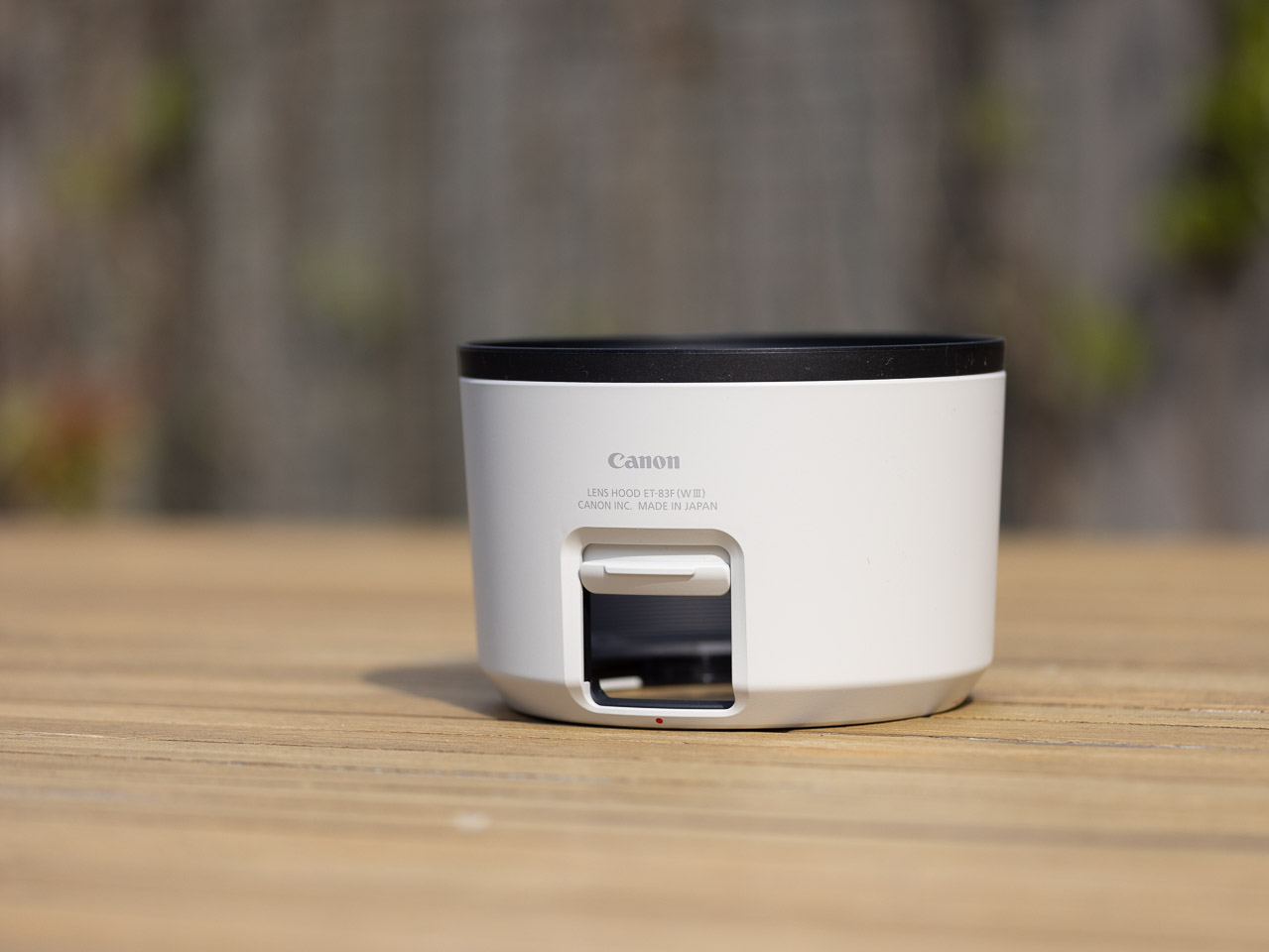
However much protection a lens hood can offer in rain and snow, it can actually be a nuisance when it is stormy. Did you know that in strong winds, a deep lens hood can act like a sail? When the wind blows into the lens hood, it becomes very difficult to keep the camera still, even on a tripod.
Make sure you have the right lens hood
Make sure that a lens hood is fitted properly. It does not matter as much with round lens hoods, but it is very important with petal-shaped lens hoods. The shape is designed so that there is a longer petal on the long side of the image, and a shorter petal on the short side. This optimises its performance without causing vignetting.
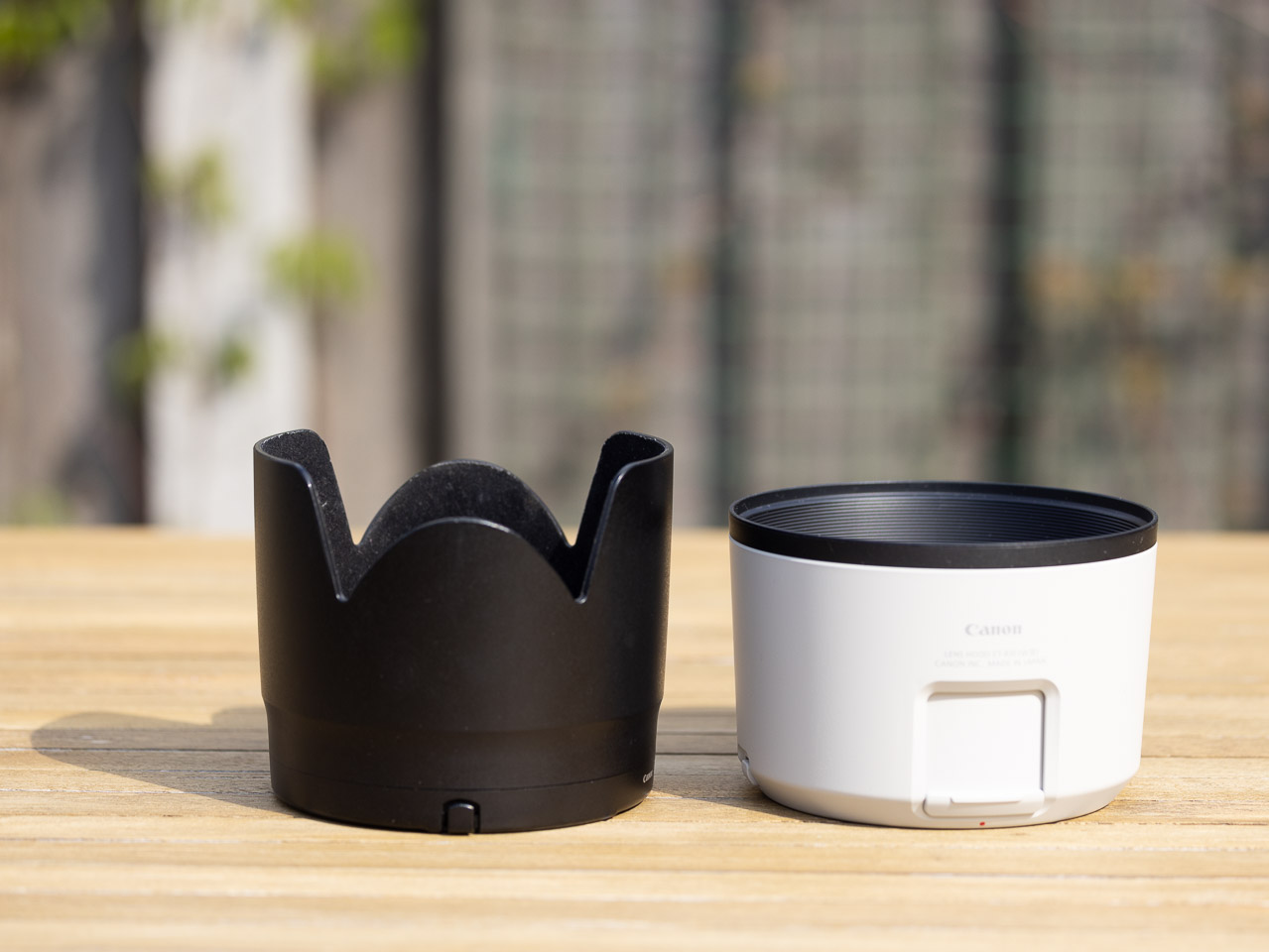
If you choose a lens hood from another brand, make sure you buy the right one. The wrong lens hood may appear in the frame, which you do not want.
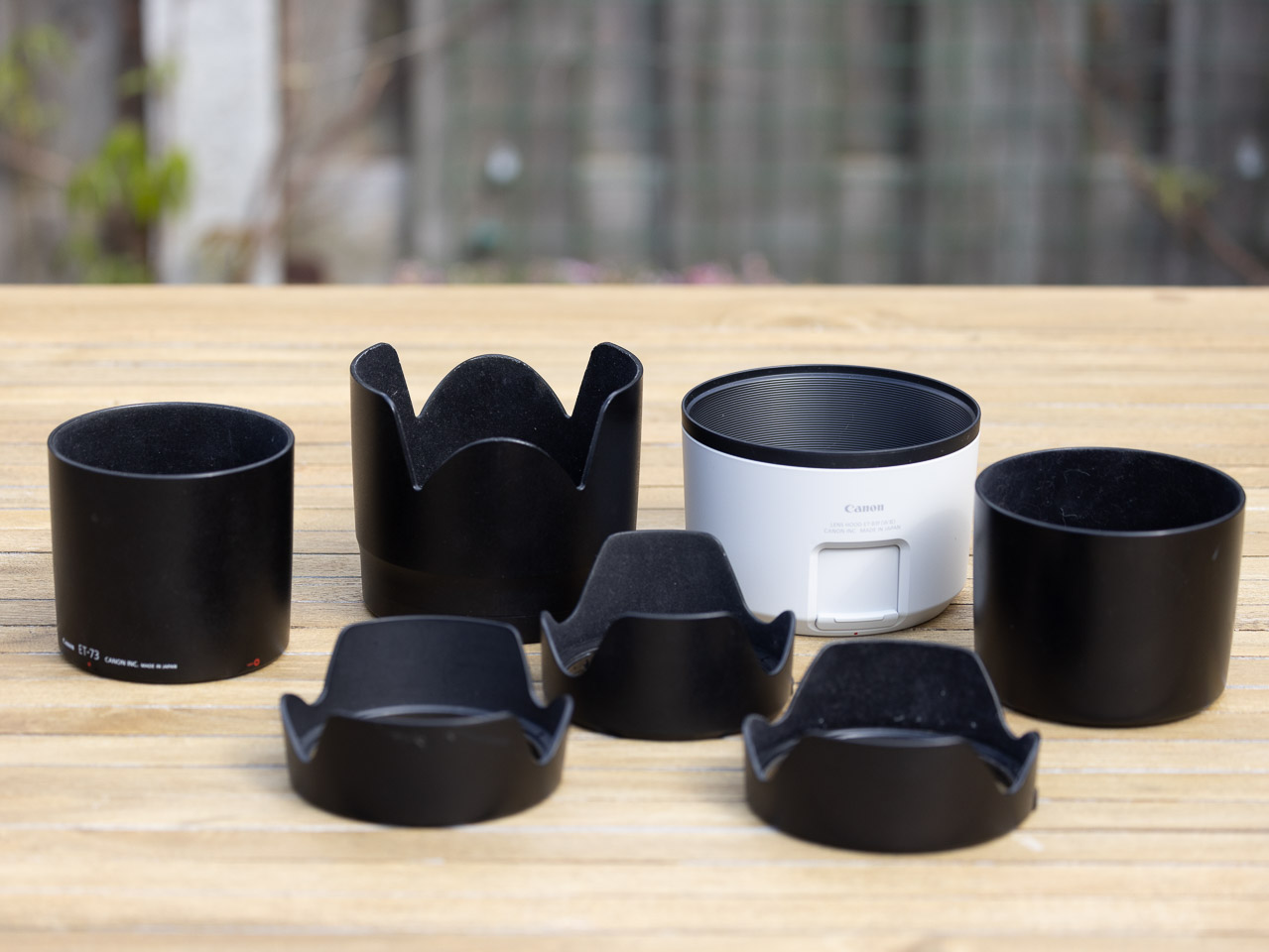
Do you always use a lens hood, or do you prefer not to? Let us know in a comment below this post.
Dit artikel is voor het laatst bijgewerkt op 14 juli 2026.
De eerste publicatiedatum is zaterdag 30 april 2022, 15:30.
About the author
Nando Harmsen has been photographing for more than 40 years. He specialises in wedding photography and landscape photography. Nando also gives talks, workshops, masterclasses and photo trips, and regularly reviews new and interesting equipment.
You might also like
-
 The extra costs of buying a new camera
by Nando Harmsen
-
 Be sensible, buy a good tripod
by Nando Harmsen
-
 Do you use your lens hood... backwards?
by Nando Harmsen
-
 How do you determine which camera is most suitable to buy?
by Nando Harmsen
-
 Don't Buy Photography Equipment, Rent It
by Nando Harmsen
-
 The 5 Cameras You Should Never Buy
by Nando Harmsen
16 comments
-

 Donald Willemsen
wrote on Monday 2 May 2022 at 20:02
| reply
Donald Willemsen
wrote on Monday 2 May 2022 at 20:02
| reply
Good article with good advice. Placing a lens hood on the lens backwards is indeed nonsense. It’s not just that it doesn’t look right, often you can’t reach the focusing ring either. Then you even make it difficult for yourself to focus manually.
Translated from Dutch. -
 Wil van Elk wrote on Tuesday 3 May 2022 at 11:17 | reply
I use a lens hood on every lens. I (still) don't have a lens hood on my EF28 and EF50, but I haven't used those since I switched to the R6 with RF lenses.
Translated from Dutch. -
 stanny correwyn wrote on Tuesday 3 May 2022 at 11:46 | reply
I always use them, extra protection against bumps, and especially against reflections from interior lighting
Translated from Dutch. -
 Ton Brosse wrote on Tuesday 3 May 2022 at 12:27 | reply
Often, people who have the hood on their lens the wrong way around will tell you: there isn't a ray of sunshine in sight! Why would I then need to use a lens hood? I then tell them that it is still better to put the hood on the right way because, as Nando also indicates in the article, among other things, the hood prevents reflections Once I came across someone who said she had taken the hood off to get more light into the lens. Someone who therefore understood absolutely nothing about it. Actually, the name of the hood should be changed to 'anti-reflection hood'.
Translated from Dutch. -
 Ernst wrote on Tuesday 3 May 2022 at 12:51 | reply
A lens hood turned around isn't completely pointless because even then it protects the lens against knocks
Translated from Dutch. . I also always use a lens hood; having it on backwards is for transport because with the lens hood in use there is a bit more surface area / length and therefore more chance of bumping into something. Sometimes I still need my hand to block out light coming in at an angle; this and that is highly dependent on the lens(age). In the past you had rubber lens hoods with a thread that you could partly unfold. Those absorbed impacts better. They are still for sale but no longer common and less convenient than clicking them on, but less hassle with filters and you could leave them on
 -

-
Ernst wrote on Tuesday 3 May 2022 at 13:54 | reply
@Nando
Translated from Dutch.. It was meant as a joke. I often head out with just my camera. On a bike it is more convenient to put the lens hood on backwards and when you are going to take photos you obviously turn the lens hood around. A camera bag can get in the way once you start taking photos. I often use my regular backpack for transport. I always have a camera in there; the Nikon P7800 is a compact all-rounder in that respect, but you cannot put a lens hood on it . -
Ernst wrote on Tuesday 3 May 2022 at 14:03 | reply
@Ton; protective cap (or all round cap
Translated from Dutch.) is probably even better. Good, modern lenses have little to no trouble with flare and/or internal reflections anymore. In that regard, removing the UV filter can sometimes help to get rid of a distracting reflection. These days, the only added value of UV filters is protecting the lens. But even expensive UV filters can sometimes - because of the extra lens surface - cause distracting reflections. The only reason why I use them is to protect the front lens. -
-
 Evy Kenens wrote on Tuesday 3 May 2022 at 14:30 | reply
I usually do use them, except on my macro lens. Such an extra extension sometimes makes it difficult to get close to the little creatures without scaring them away
Translated from Dutch. -
 Robert wrote on Tuesday 3 May 2022 at 15:27 | reply
Always use a lens hood. Both analog or digital. Reversed!!!, man what do people do anyway.
Translated from Dutch.
Photoshooting regards Robert -
-
Robert wrote on Tuesday 3 May 2022 at 15:56 | reply
Nothing Nando. T gives me confidence with few surprises. Thats it nothing more
Translated from Dutch. -
-
Ernst wrote on Tuesday 3 May 2022 at 16:39 | reply
@Nado and @Robert, there is no right or wrong; they're tips. Still remarkable @Nando that you write an article about the importance of the lens hood (which I agree with) and then indicate that you yourself photograph "rarely with a lens hood"
Translated from Dutch.. Another advantage of a lens hood is that, especially with the longer focal lengths, it is a lot harder to get fingerprints on the lens / UV filter with a lens hood . -
Robert wrote on Tuesday 3 May 2022 at 16:44 | reply
Photographed a lot of sets and stills in the studio with filmmakers.
Translated from Dutch.
A lot of my photos were at floor level. Well, then you sometimes point your camera too high and shoot those fu... lamps! So never again. You couldn't just check back then ...
Same with my Brazilian wrestling series, still to be seen here on your site

Have your say
Please note: Articles older than a week can only be commented on by signed-in visitors.Would you still like to comment? sign in or create a free account.
Become a better photographer every week
A practical photography tip in your inbox every week.
39,079 photography enthusiasts already receive the tips! More about the weekly mail. Or keep up to date via  Facebook.

Elja Trum
Photofacts; everything to do with photography!
Would you like to take better photos and keep up with what is happening in photography? Photofacts publishes articles that teach you something about photography — from a product announcement to a practical shooting tip or a look at a website. Photofacts covers photography every day and is a hobby project of Elja Trum's that got out of hand. The articles are written by a team of volunteer authors. If you would enjoy writing one or more articles for Photofacts, do get in touch.More about PhotofactsPhotofacts is made possible in part by
