

Black and white photography tip: High-key black and white
Thursday 20 June 2024, 16:16 by Nando Harmsen | 2,370 views | 2 commentsThis article was translated from Dutch with the help of AI. Read the original.
A high-key photo consists largely of light tones or even white. That does not mean it cannot contain dark tones. It does not have to, but it can. It can even strengthen the effect.
Put simply, a high-key photo mainly consists of tonal values that sit to the right of the middle in a histogram. Right up to pure white, which is no problem at all in a black and white photo.
However, this does not mean that a high-key photo cannot contain any dark tones. Introducing these can actually make the effect stronger.
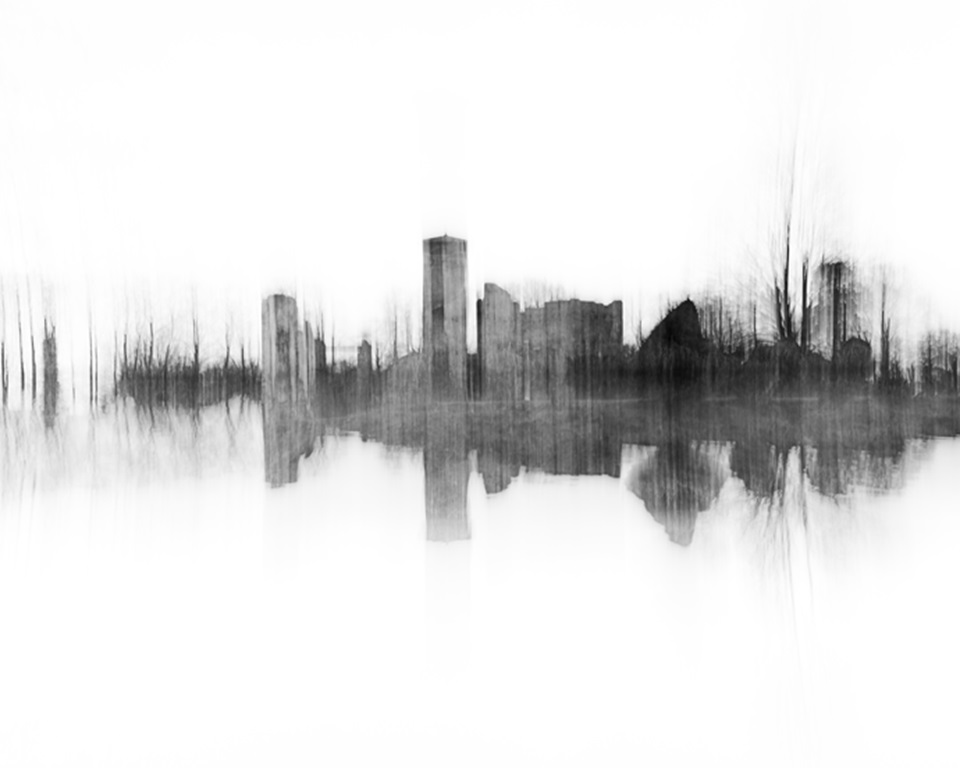
By using dark tones, usually in the subject itself, you create a high-key photo with plenty of contrast. However, that is not the only way to create a high-key image. By limiting dark tonal values instead, and not going darker than 50% grey, you create a very soft effect.
If you choose high-key, always make sure you start with a well-exposed photo. High-key is not simply an overexposed photo, but a thoughtfully edited photo. It can be black and white, but it can also be in colour.
About the author
Nando Harmsen has been photographing for more than 40 years. He specialises in wedding photography and landscape photography. Nando also gives talks, workshops, masterclasses and photo trips, and regularly reviews new and interesting equipment.
You might also like
-
 Editing a high-key photo
by Nando Harmsen
-
 Review: Discover Photoshop Elements 2022
by Elja Trum
-
 Low-key is an edit, not underexposure
by Nando Harmsen
-
 When Is a Dark Photo Not Low-Key?
by Nando Harmsen
-
 Creating high-key portraits with Gavin Hoey
by Elja Trum
-
 Be careful that low-key does not turn into underexposure
by Nando Harmsen
2 comments
-
 Marc VANDENBORRE wrote on Tuesday 25 June 2024 at 15:55 | reply
Can it then be that no details can be seen anymore in the black tones (the histogram is 'stuck' to the left) or that nothing can be seen anymore in the white tones? (blown out) I think that shouldn't be a problem with black and white.
Translated from Dutch. -

 Nando
wrote on Wednesday 26 June 2024 at 09:24
| reply
Nando
wrote on Wednesday 26 June 2024 at 09:24
| reply
That is a choice you make as a photographer. You can use pure black and pure white, but you can also choose not to use pure black or white.
Translated from Dutch.
As you say, with black and white, you can use 'blown-out white' or 'blocked-up black'.
Have your say
Please note: Articles older than a week can only be commented on by signed-in visitors.Would you still like to comment? sign in or create a free account.
Become a better photographer every week
A practical photography tip in your inbox every week.
38,983 photography enthusiasts already receive the tips! More about the weekly mail. Or keep up to date via  Facebook.

Elja Trum
Photofacts; everything to do with photography!
Would you like to take better photos and keep up with what is happening in photography? Photofacts publishes articles that teach you something about photography — from a product announcement to a practical shooting tip or a look at a website. Photofacts covers photography every day and is a hobby project of Elja Trum's that got out of hand. The articles are written by a team of volunteer authors. If you would enjoy writing one or more articles for Photofacts, do get in touch.More about PhotofactsPhotofacts is made possible in part by
