

When Is a Dark Photo Not Low-Key?
Monday 7 April 2025, 20:10 by Nando Harmsen | 4,196 views | 13 commentsThis article was translated from Dutch with the help of AI. Read the original.
A low-key photo is mostly made up of dark tones. The histogram is mainly filled to the left of the centre. There are also a few key lights on the right for contrast. So is a sunset or night photo also low-key? What do you think?
A low-key photo is a dark photo. There is light present, but dark tones are in the majority. This is often clear with a portrait. Both with people and animals. But when is a dark photo no longer low-key?
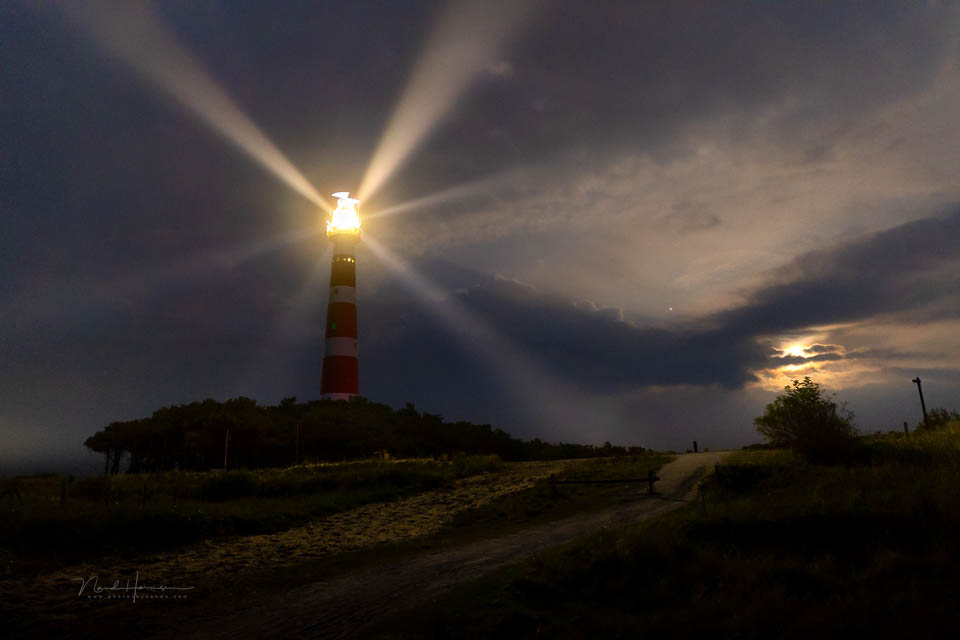
Perhaps the difference is only in your imagination, and you should simply take the term literally. Is a photo mainly dark with only a little light in it? Then it is low-key.
And yet I wonder whether this also applies to, for example, a night photo or a sunset, where shadows are used extensively.
Let me show you a few examples of what I consider a real low-key photo. The studio photo is the result of the position of the lights, the bird of the editing, and the landscape of a combination of light and editing.
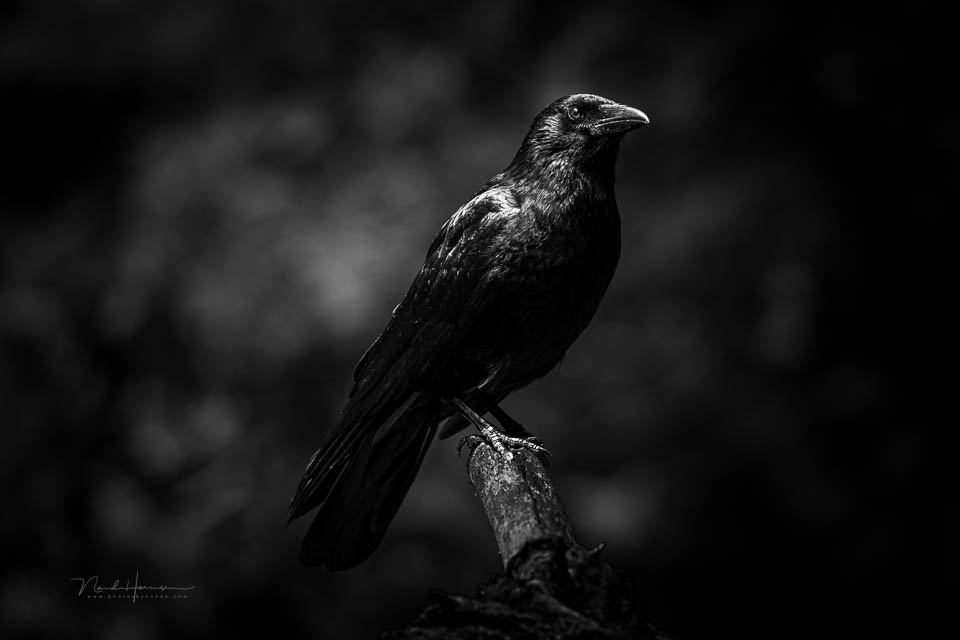
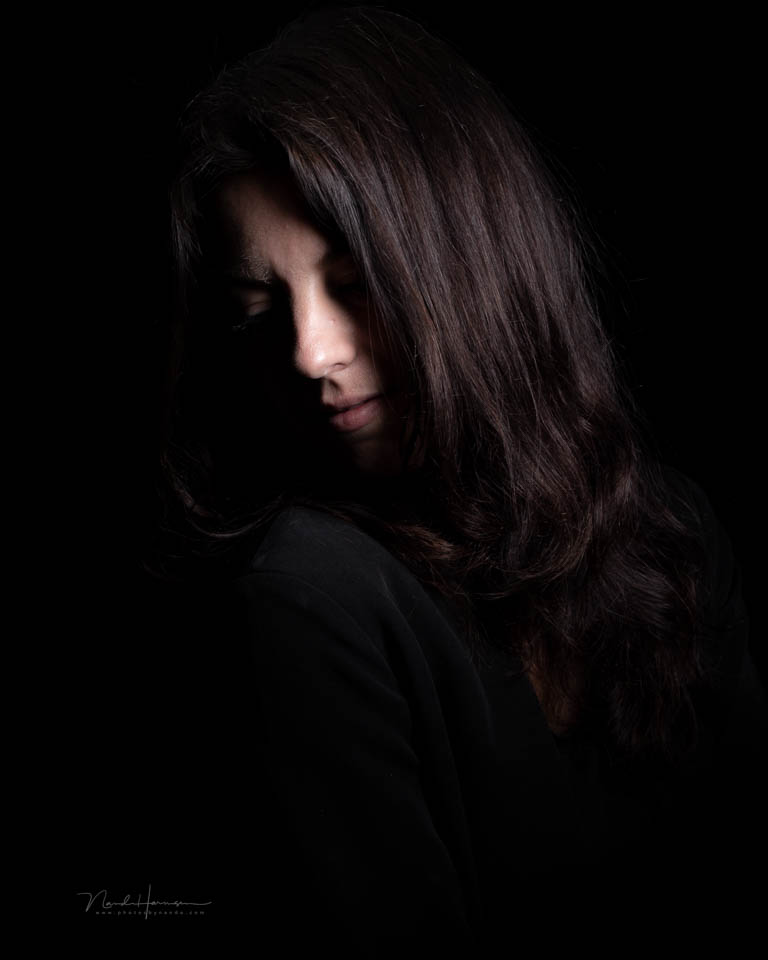
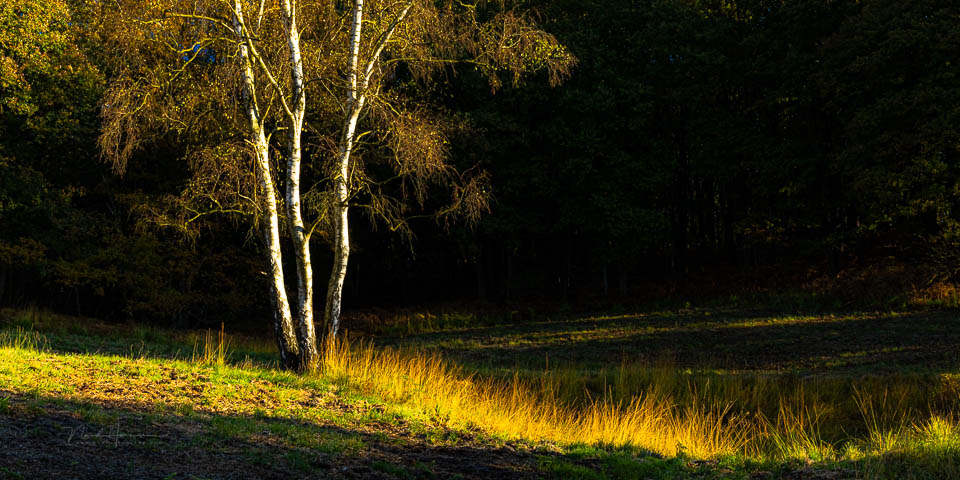
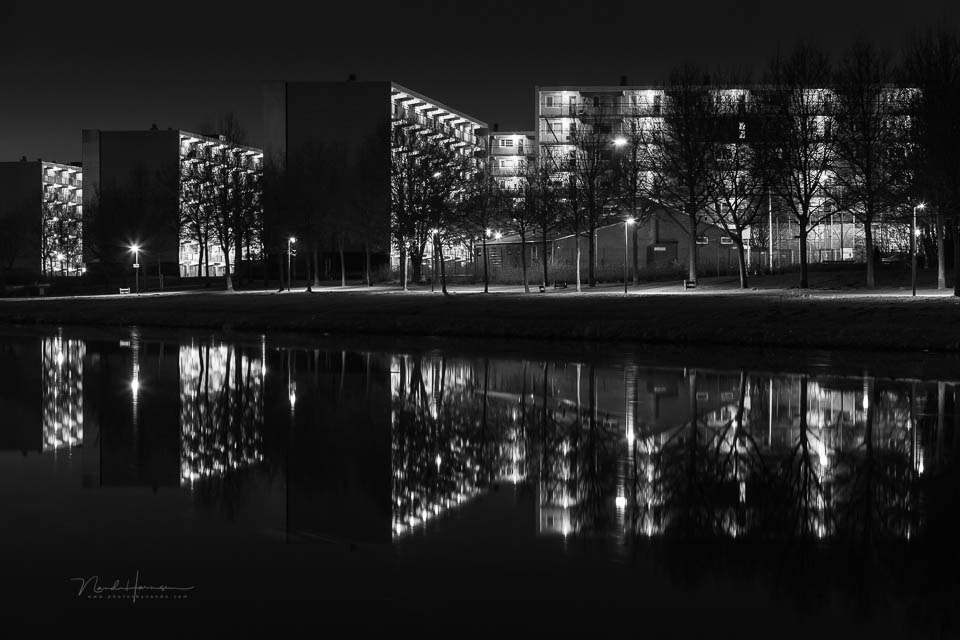
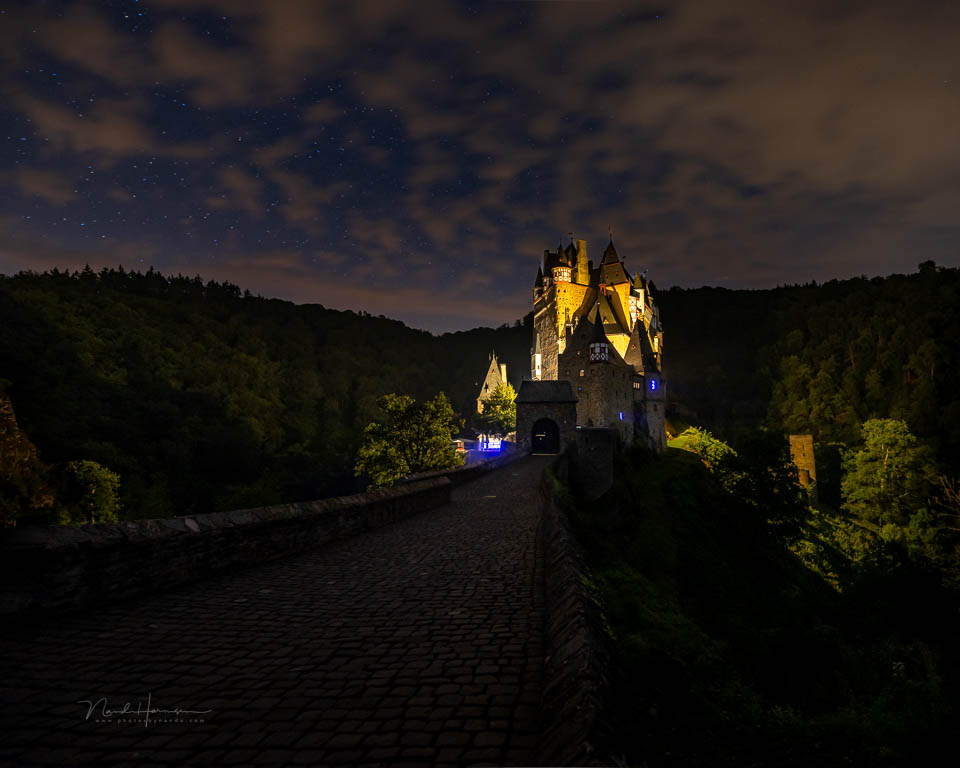
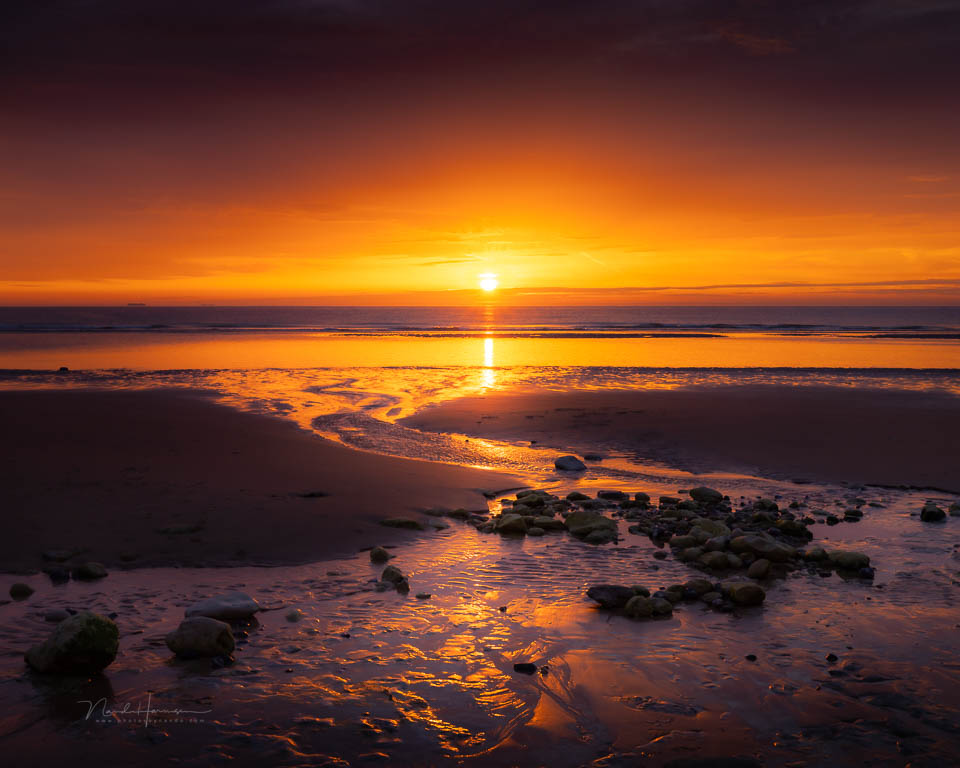
I think these three examples above are clear. This is low-key. But what about the next three photos? Do these also count as low-key? Or should they not be considered as such?
About the author
Nando Harmsen has been photographing for more than 40 years. He specialises in wedding photography and landscape photography. Nando also gives talks, workshops, masterclasses and photo trips, and regularly reviews new and interesting equipment.
You might also like
-
 Low-key is an edit, not underexposure
by Nando Harmsen
-
 Editing a high-key photo
by Nando Harmsen
-
 Low, lower, lowest: finding the right viewpoint
by Erik Nevels
-
 Be careful that low-key does not turn into underexposure
by Nando Harmsen
-
 Black and white photography tip: High-key black and white
by Nando Harmsen
-
 7 myths about the histogram
by Nando Harmsen
13 comments
-

 jahiba wrote on Tuesday 8 April 2025 at 12:13
| reply
jahiba wrote on Tuesday 8 April 2025 at 12:13
| reply
In my opinion, a low-key photo and photo in which the surroundings have deliberately been made dark by using the right settings on the camera (not just underexposure). The dark parts must not have become blocked up. Your histogram provides clarity on this.
Translated from Dutch.
But this is only an opinion.... -

-
 Toon Rekkers wrote on Tuesday 8 April 2025 at 14:34 | reply
Well, I often find the creativity of the result a delight to the eye. To make a simplistic judgment about whether it is low-key or not is much less important. I do understand that you can arrive at a beautiful and creative result through a certain approach (e.g. low-key). But yes, I always find it difficult to draw sharp boundaries between the different genres and it is (sometimes) a limitation to enjoying photography and especially the photos taken. And yes, sometimes you do need a point of reference and a piece of equipment. My advice is enjoy yourself and shoot what you have in mind.
Translated from Dutch. -
jahiba wrote on Tuesday 8 April 2025 at 18:38
| reply
Of course there may be black in it, but when we are talking about, for example, dark wood, in my opinion it should still be visible and not completely without detail, blocked up.
Translated from Dutch. -
-
 Mac wrote on Wednesday 9 April 2025 at 08:14 | reply
Why are dark areas not allowed to be blocked up? Low-key's charm is precisely that there is a lot of black, which makes the light stand out.
Translated from Dutch.
And a long time ago I attended a lecture by a famous Dutch photographer who did a lot of black-and-white. Also low- and high-key.
And he asked the audience, what do you think of this photo with a lot of blocked-up black (it wasn't a photo of his, so as not to influence the audience). And by far the most common answer was, the black was blocked up, so the photo was worse.
And his question in response was. Do you do black-and-white photography or shades-of-gray photography?
It came down to the fact that blocked-up black actually works well in a photo, because if there is sometimes too much detail in the dark areas, it distracts from the actual subject, which makes the photo worse.
And lastly he said, don't be afraid of black or of white. -
-
 margot wrote on Wednesday 9 April 2025 at 11:28 | reply
Hi Nando, I don't consider the last three photos in your article to be low-key. Just an evening photo or night photos with artificial light. The examples you give above are low-key photos to me, because the focus there was deliberately on dark and a few light areas. As far as I'm concerned, there can definitely be truly black areas in the photo, as long as it produces a good result.
Translated from Dutch. -
-
 Donald Willemsen wrote on Wednesday 9 April 2025 at 15:06 | reply
For me there is only one low-key photo in the story and that is the portrait.
Translated from Dutch.
For my feeling you can only make a low-key in a studio with just one lamp/directed at the subject from a certain angle, whereby the subject is partly lit. The rest is black.
A photo that is made partly black in post-processing is not a low-key for me.
The photo with the birch trees in the article is a photo with grazing light for me. Nothing more and nothing less. Mind you, I do think it is a beautiful photo, but I cannot call it a low-key.
You make low-key during the shoot and not by making part of it black in post-processing. You may make part of it black as far as I am concerned, but then it is the suggestion of a low-key.
My statement also applies to high-key, you do that during the shoot with lots of light and lots of white. -
guest wrote on Wednesday 9 April 2025 at 19:56 | reply
Donald, what difference does it make how a “low key” photo was made? Or can you only call a photo low key if the maker explains how they arrived at the end result. According to your assertion, you could disqualify pretty much all historical low key (and high key) photos because the maker did not document how the result came about.
Translated from Dutch. -
Donald Willemsen wrote on Wednesday 9 April 2025 at 21:29 | reply
@guest For me, that does matter. Especially now with the digital possibilities, you can turn ANY photo into a low-key or high-key photo. That does take a lot of time. That's why it's better to do it correctly right away, so the photo is already good straight out of the camera.
Translated from Dutch. -
 Jos wrote on Thursday 10 April 2025 at 16:14 | reply
Low Key is mainly the dark mood for me. Of course, it doesn't have to be associated with depression or anything, but predominantly dark. Whether the dark areas may be blocked up or not depends entirely on the individual photo. You can't put such a label on all photos.
Translated from Dutch.
In the case of the sunset shown, I think there is too much light present. The histogram then has a U-shape, while it should actually be less pronounced on the right side.
The castle in the second example has no lighter areas in its surroundings and you can certainly call it low Key in my opinion, although I don't think it's a good photo because the surroundings have been made darker (deliberately) and are lifeless.
I could put the first photo in that category, but I find the bright "peaks" occur too often for that.
My own photos are only low Key when the part that peaks on the right in the histogram is very limited. What is on the left of the graph can be balanced, but in no case does it have to be underexposed. For portraits or animals, I even think it looks better if a certain gradation can be seen in the shadows, leaning towards "as dark as possible".
However, must there be no blocked-up black in it? In fact, I meticulously make every area in such a photo pitch black if it does not contribute. In my opinion, Low Key is the ideal way to show contours. That structures are also accentuated - mainly in black and white - is sometimes a nice bonus. In my opinion, low Key is more faithful than high Key to the literal meaning of photographing: "drawing with light".
Have your say
Please note: Articles older than a week can only be commented on by signed-in visitors.Would you still like to comment? sign in or create a free account.
Become a better photographer every week
A practical photography tip in your inbox every week.
39,079 photography enthusiasts already receive the tips! More about the weekly mail. Or keep up to date via  Facebook.

Elja Trum
Photofacts; everything to do with photography!
Would you like to take better photos and keep up with what is happening in photography? Photofacts publishes articles that teach you something about photography — from a product announcement to a practical shooting tip or a look at a website. Photofacts covers photography every day and is a hobby project of Elja Trum's that got out of hand. The articles are written by a team of volunteer authors. If you would enjoy writing one or more articles for Photofacts, do get in touch.More about PhotofactsPhotofacts is made possible in part by
