

Flash photography tip: Create blur with ND filters
Saturday 29 June 2024, 13:31 by Elja Trum | 2,573 views | 2 commentsThis article was translated from Dutch with the help of AI. Read the original.
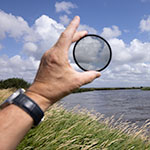
An ND filter (Neutral Density, also called a grey filter) reduces the amount of light entering your camera. This lets you use a slower shutter speed. This is especially useful when you combine natural light with flash in flash photography. Outside, you quickly have a lot of light to work with.
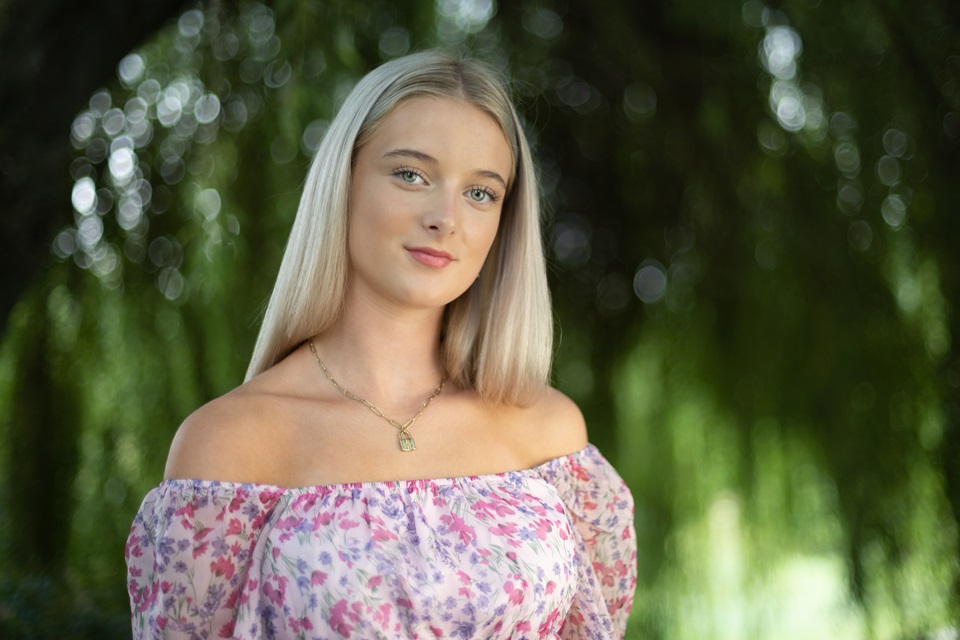
By using an ND filter, you can still work with wide apertures (small number), even when there is a lot of light. This means you can use a shutter speed below your camera's flash sync speed while still keeping a pleasing amount of blur in your image.
Don't choose the cheapest ND filters, as they can reduce the quality of your image. An ND filter that blocks around 3 stops is often enough. If you use ND filters that are too strong, you may have trouble with autofocus.
About the author
Elja Trum is the founder of Photofacts and online photography course website Photofacts Academy. He has been writing about photography since 2006. Elja is also the author of (Dutch) books on composition, black-and-white photography, flash photography and portrait photography.
You might also like
-
 Review: Haida M10 Insert Variable ND filter
by Nando Harmsen
-
 Using a long exposure without an ND filter
by Nando Harmsen
-
 Variable ND filter, or not?
by Nando Harmsen
-
Which ND filters should you choose as a beginner?
by Nando Harmsen
-
 Review: Haida variable ND filter with built-in polarisation
by Nando Harmsen
2 comments


Have your say
Please note: Articles older than a week can only be commented on by signed-in visitors.Would you still like to comment? sign in or create a free account.
Become a better photographer every week
A practical photography tip in your inbox every week.
39,024 photography enthusiasts already receive the tips! More about the weekly mail. Or keep up to date via  Facebook.

Elja Trum
Photofacts; everything to do with photography!
Would you like to take better photos and keep up with what is happening in photography? Photofacts publishes articles that teach you something about photography — from a product announcement to a practical shooting tip or a look at a website. Photofacts covers photography every day and is a hobby project of Elja Trum's that got out of hand. The articles are written by a team of volunteer authors. If you would enjoy writing one or more articles for Photofacts, do get in touch.More about PhotofactsPhotofacts is made possible in part by
