

Which ND filters should you choose as a beginner?
Monday 22 August 2022, 20:02 by Nando Harmsen | 9,858 views | 11 commentsThis article was translated from Dutch with the help of AI. Read the original.
It is fun to photograph with longer shutter speeds. However, you cannot simply choose a long shutter speed, as it depends on how much light there is. The solution is ND filters. But which ones should you choose as a beginner?
I regularly get asked this question: which ND filters do I need when I am starting out with filters? It is not a strange question, as there are plenty of filters available. Besides, the prices are not such that you buy a bit of everything. It is no problem at all to spend up to 1,000 euros on filters.
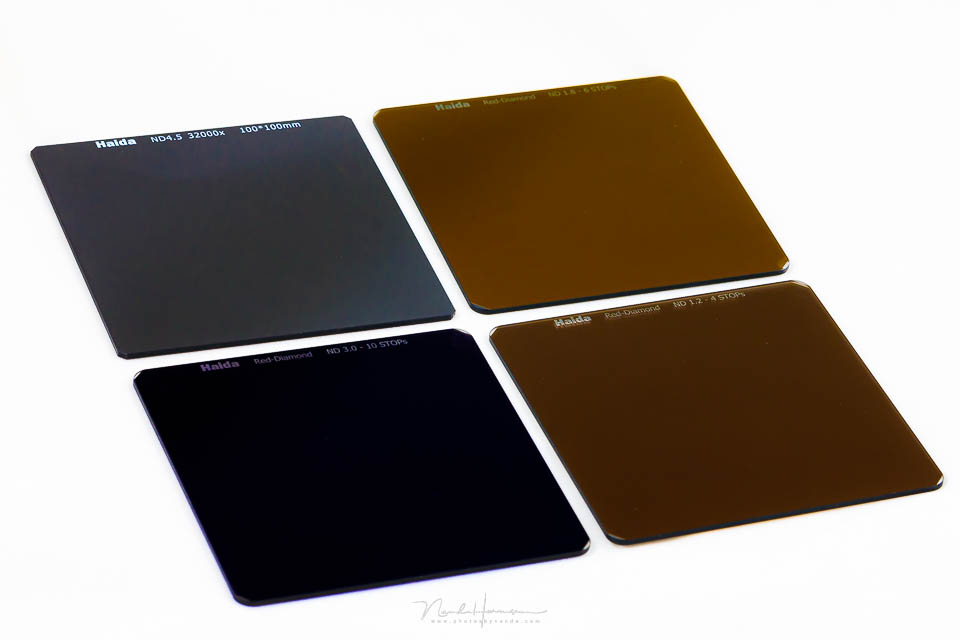
Why ND filters?
The first question you may ask yourself is, why should I buy filters? The answer is actually very simple. They give you the option of changing how movement is rendered. Water is the most obvious example. Waterfalls, mountain streams, the sea, surf, anywhere where water is moving.
There are other reasons for using ND filters that you might not immediately think of. Anyone who films will use an ND filter to keep the shutter speed at twice the frame rate while filming.
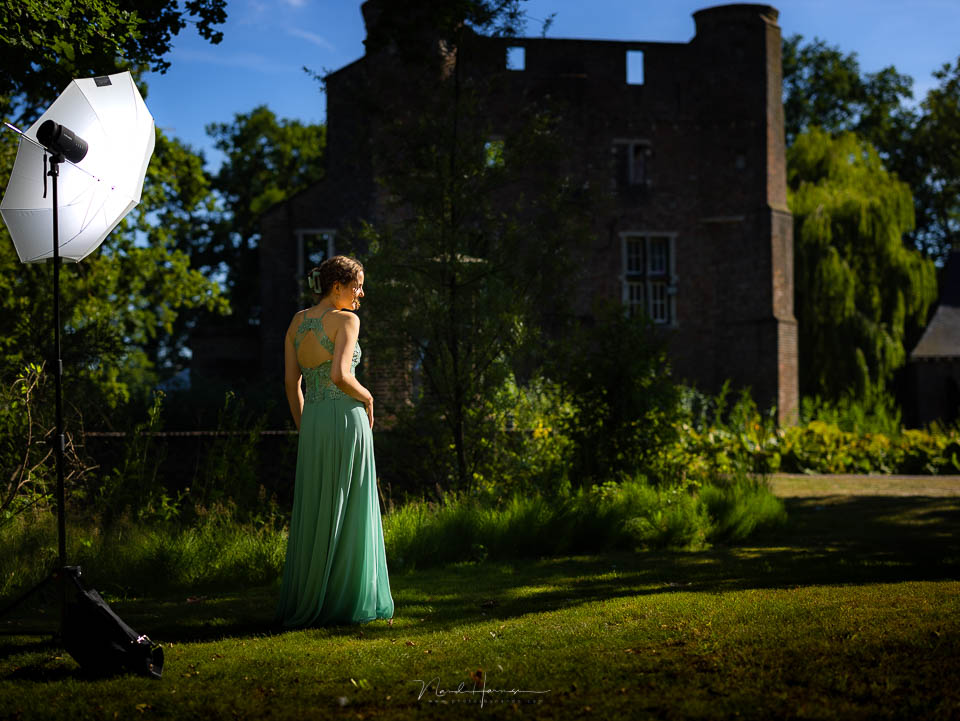
Anyone photographing models can use an ND filter to use flash with a very shallow depth of field, both indoors and outdoors.
In short, an ND filter ensures that less light enters the lens. This can be 3 stops, 4 stops, or even 6 stops. There are filters that block as much as 10 or 15 stops of light.
Individual ND filters or a variable ND filter?
You can choose between a set of ND filters and a variable ND filter. A variable ND filter allows you to vary the number of stops of light that are blocked. The advantage is that you only have one filter with different strengths.
This of course saves money. Instead of two or three filters, you only need one. However, there is also a disadvantage. The quality is often much lower and there is a risk of cross-polarisation, where parts of the image become too dark. Have a look at my review of the Haida VND filter.
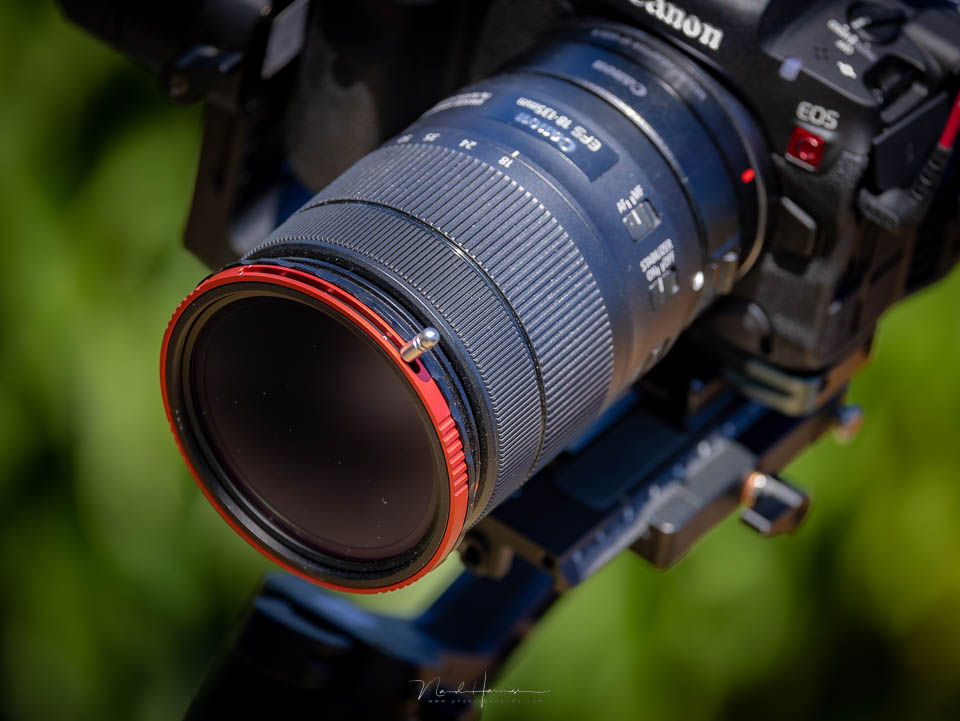
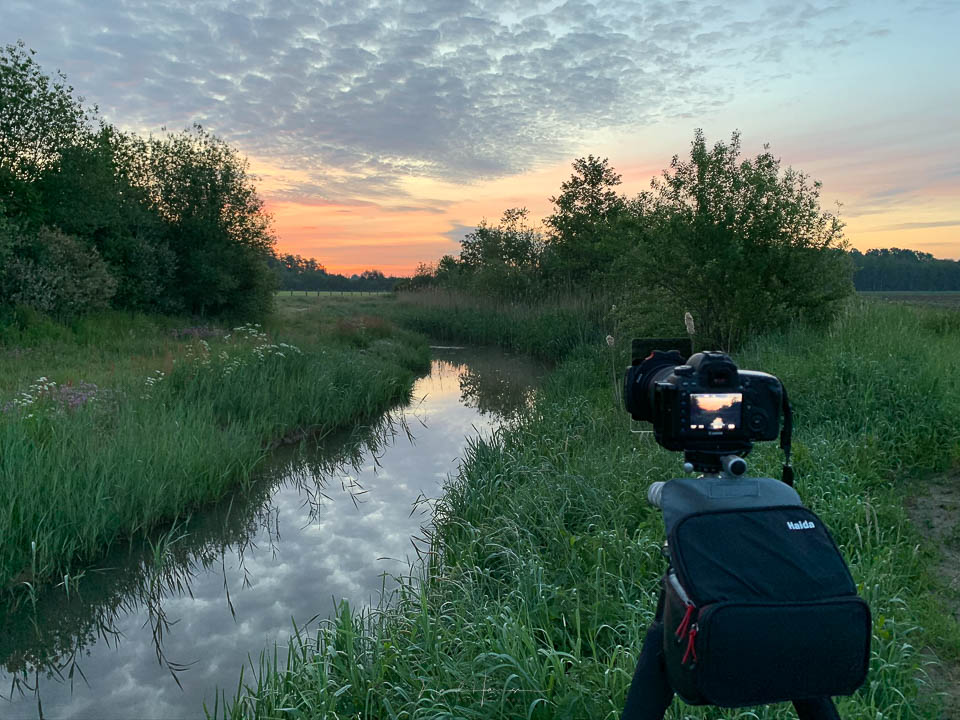
For someone who films, a variable ND filter is very practical. I use the Haida CPL-VND Pro II for this, which can be seen in the photo above. The strengths available to you are ideal for this purpose. Photographers are often better off with a set of individual ND filters.
Which ND filters should you start with?
This is the question it ultimately comes down to. Which filters should you choose? A 10-stop? A 6-stop? Perhaps a 3-stop? Or should you go for a 15-stop? The best choice depends on what you want to photograph.
Do you want to photograph at the seaside with mirror-like water surfaces? Then a 10-stop is a good choice, or even a 15-stop.
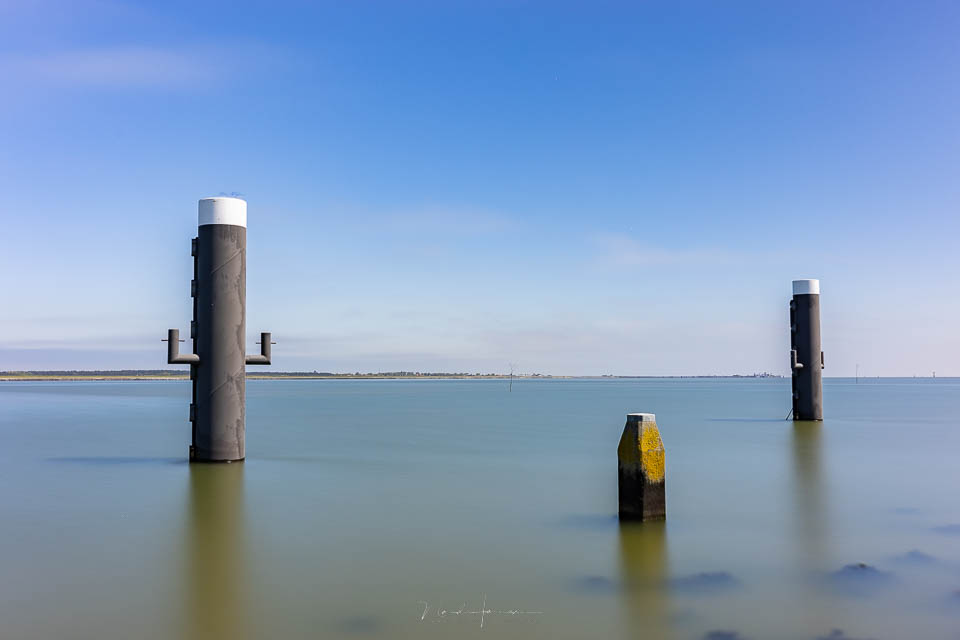
Do you want to photograph surf with the dynamics of moving water? Then a 3-stop or 6-stop is the best choice. This is also an excellent choice for mountain streams.
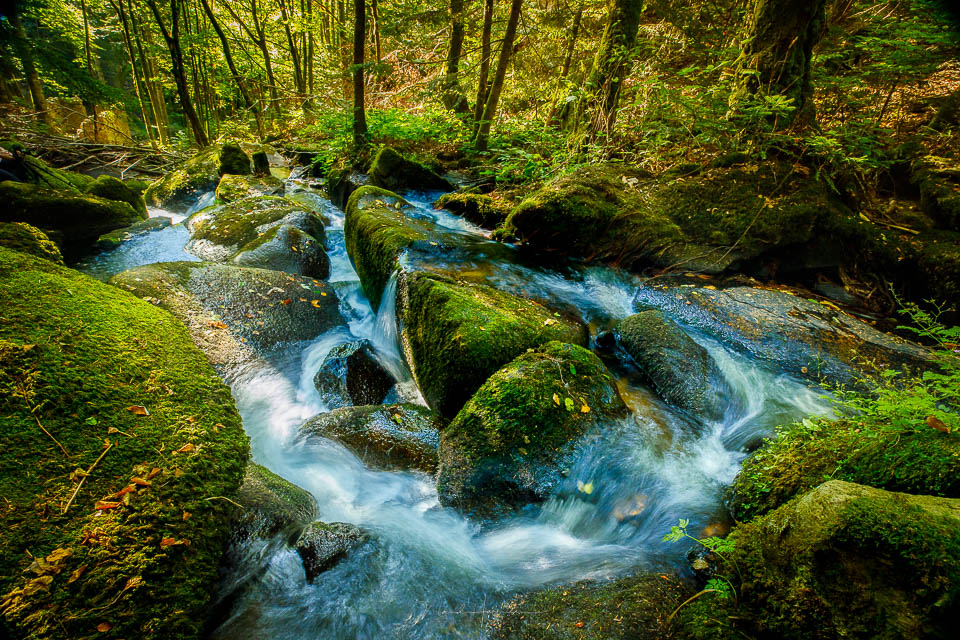
Are you going to photograph waterfalls? Then a 10-stop or 6-stop can produce good results, but this also depends on where the waterfall is. Is the waterfall in full light, or in a forest where it is darker?
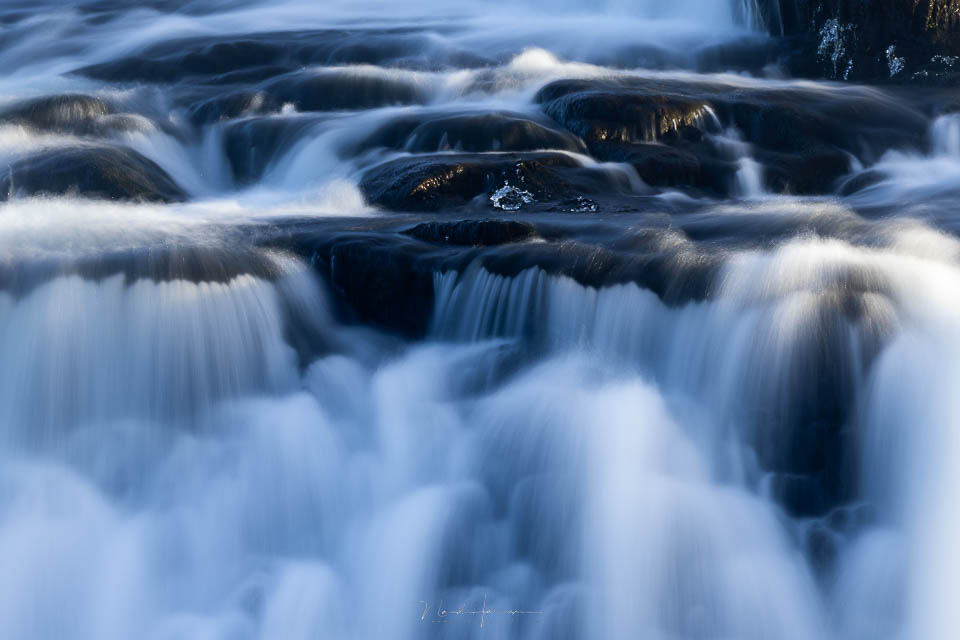
As a beginner, the best choice is a set of three ND filters. You guessed it, a 3-stop, a 6-stop and a 10-stop filter.
If 10 stops does not produce a shutter speed that is long enough, you can always combine it with a 3-stop or 6-stop filter. If you do not want to invest in three filters, I can recommend a 3-stop and a 10-stop.
If you are only interested in flat water surfaces without movement, a 10-stop is the best option. For waterfalls and fast-flowing streams only, a 6-stop is a good choice. If you only want to photograph moving surf, a 3-stop is a very good choice.
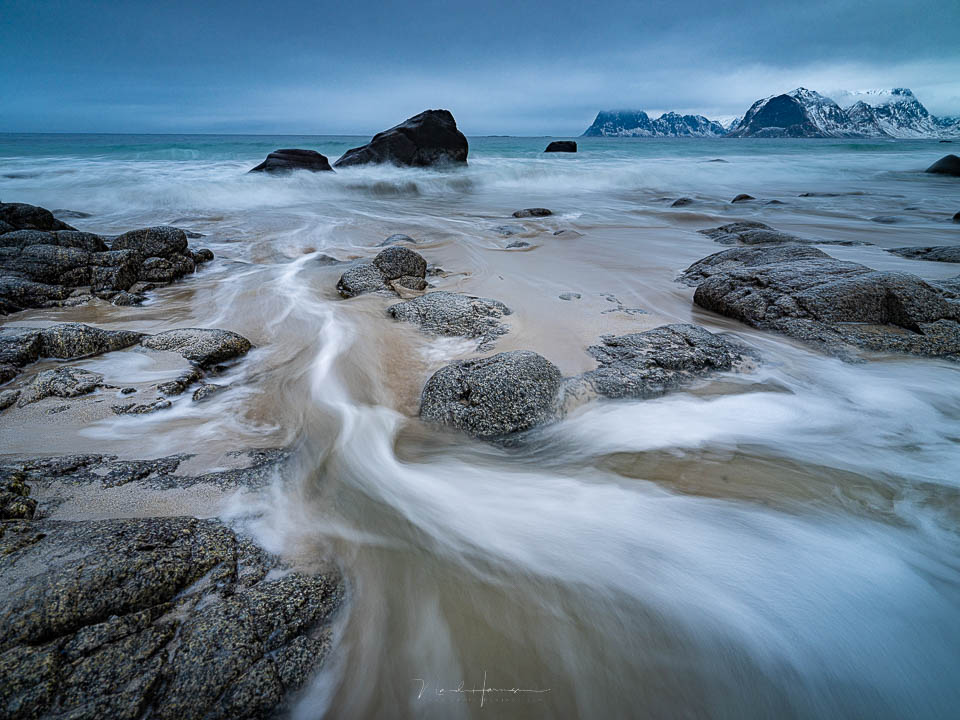
Individual filters or a filter holder system?
Then comes the question, what is the best choice? Individual round filters for your lens, or a system of filters? Each has an advantage and a disadvantage, of course.
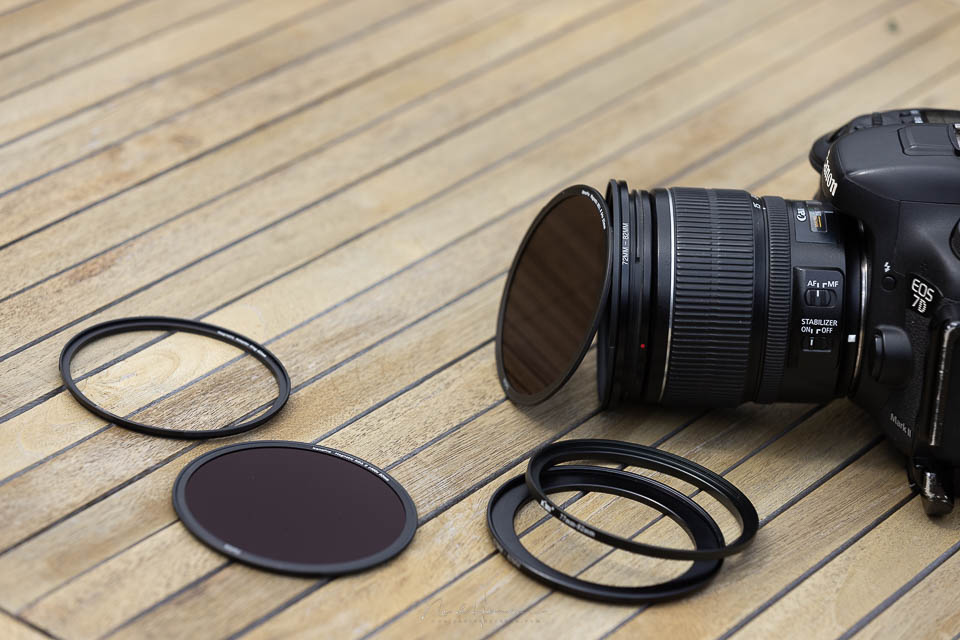
Individual filters are smaller, lighter and easier to carry. You do not need to work with a large filter holder, and if you choose magnetic filters, they are also very user-friendly.
With individual filters, you do need to take your lens diameter into account. But what if you have several lenses, each with a different diameter?
If you want to use individual filters because they are more convenient and take up less space, consider filters with a diameter of 82mm. With step-up rings, you can also use these filters on lenses with a smaller diameter. This means you do not need a separate filter for every lens.
Read my review of Haida's magnetic filter system.
A filter holder with square filters may be larger and more bulky, but it offers more options. You can often use several filters without the risk of vignetting, and there is also the option of using graduated ND filters.
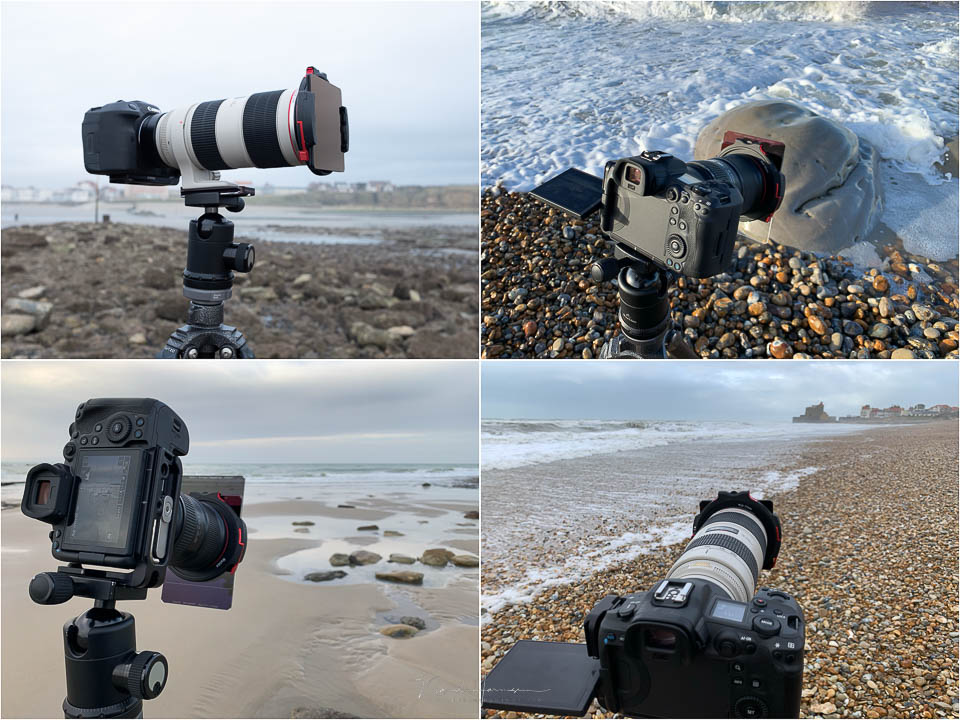
Which filters and which system are most suitable for you will be a matter of preference. In terms of price, magnetic filters are the most attractive, as well as in terms of physical size. For flexibility and expansion options, a filter system is better.
Invest in good quality
It can be tempting to choose cheap filters. I have had participants in my workshops and masterclasses who used a cheap set of filters.
It may have cost them 100 euros, sometimes even less. But the quality is so poor that they eventually no longer want to use the filters.
The quality of a photo is only as good as the poorest-quality glass, or plastic, that the light passes through. You can buy a 3,000-euro lens with the best image quality, but this is undone by that one filter placed in front of it.
So it is better to spend a little more on good quality than to save money and eventually stop using the filters because the photos look so poor. That is money wasted.
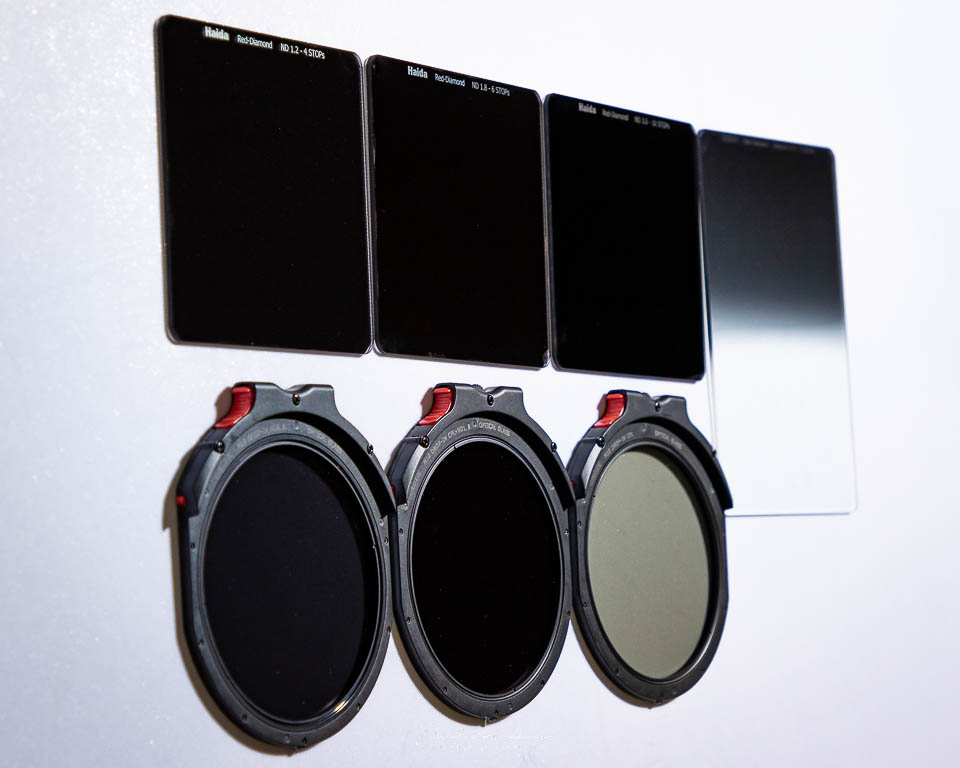
Are you going to start using filters? Then I recommend the Haida M10 II filter system with Haida Red Diamond filters, or the Haida NanoPro magnetic filters if you choose magnetic filters.
About the author
Nando Harmsen has been photographing for more than 40 years. He specialises in wedding photography and landscape photography. Nando also gives talks, workshops, masterclasses and photo trips, and regularly reviews new and interesting equipment.
You might also like
-
 Variable ND filter, or not?
by Nando Harmsen
-
 Review: Haida variable ND filter with built-in polarisation
by Nando Harmsen
-
 Review: Haida M10 Insert Variable ND filter
by Nando Harmsen
-
 Using a long exposure without an ND filter
by Nando Harmsen
-
 Flash photography tip: Create blur with ND filters
by Elja Trum
11 comments
-
 Chris wrote on Tuesday 23 August 2022 at 11:06 | reply
There have also been ND/UV/pola filters for your mirrorless camera's sensor for a while now. E.g. Kase. You don't need different filter sizes at all.
Translated from Dutch. -
 guest wrote on Tuesday 23 August 2022 at 13:11 | reply
So €100.00 is too cheap then... how much does a good filter cost approximately?
Translated from Dutch. -
 Cees wrote on Tuesday 23 August 2022 at 15:41 | reply
You can also lower the light sensitivity, right. Then you don't need filters.
Translated from Dutch. -
 Paul wrote on Wednesday 24 August 2022 at 00:47 | reply
A good article in itself, but, also considering Cees's response, incomplete. With my decades of experience it's not that difficult, but nowhere does it mention ISO, aperture and why that doesn't provide enough options.
Translated from Dutch.
Have bought such a variable ND filter myself for the fun of it (and used it too), but spend a hundred euros or more on it? The average amateur uses it far too little for that. t' Is a gadget for a single occasion. -

 Nando
wrote on Wednesday 24 August 2022 at 09:56
| reply
Nando
wrote on Wednesday 24 August 2022 at 09:56
| reply
@Chris: Filters for your sensor? Do you mean drop-in filters, or something else? Can you elaborate on that?
Translated from Dutch.
@Guest: a filter set costing 100 euros is indeed cheap. Standard prices per filter for good quality range between 80 and 160 euros (approximately) -
Nando
wrote on Wednesday 24 August 2022 at 10:03
| reply
@Cees: That works, until you reach the lowest ISO on your camera, and then it stops.
Translated from Dutch.
@Paul: it isn't an article about setting your camera for long shutter speeds, but for those who want to start using filters. If you have decades of experience, then you also know that ISO and aperture limit you when using long shutter speeds.
You use it only occasionally (otherwise you would of course know that ISO and aperture don't offer enough possibilities) and that's why it's a gadget to you, but you can't speak for all other amateurs. -
Chris wrote on Wednesday 24 August 2022 at 11:03 | reply
@nando: Filters that go into your camera and click in front of the sensor. Clip in filters.
Translated from Dutch. -
 Donald Willemsen
wrote on Wednesday 24 August 2022 at 11:04
| reply
Donald Willemsen
wrote on Wednesday 24 August 2022 at 11:04
| reply
Well, I have to agree with Nando in his story and the arguments he uses in the responses. That doesn't happen often. I myself have also become an avid user of the Haida M10 filter system. I mainly use the graduated filters to bridge the large contrast differences between sky and ground. I started with a starter kit from Haida (€435) and have gradually bought some filters to add to it. I also find the ND filters very pleasant to use in the studio, which makes it much easier to work with larger apertures for a smaller DoF.
Translated from Dutch.
Nando, partly thanks to your extensive reviews of the Haida M10 filter system and reviews by others, I also started using Haida and I am extremely satisfied with it. -
Nando
wrote on Wednesday 24 August 2022 at 13:55
| reply
@Chris:
Translated from Dutch.
I suspected as much, but I wasn't sure. I only know this kind of filter as astro filters.
When I think about it, it seems like an awkward and cumbersome system to me. It's fine to place a filter in an indoor environment, but on location, by the sea or at a fast-flowing mountain stream, it seems like a nightmare to me. I wouldn't want to switch this kind of filter between 3 stops and 6 stops or 10 stops in all kinds of weather. -
Paul wrote on Wednesday 24 August 2022 at 18:40 | reply
In response to your response to mine:
Translated from Dutch.
I meant to say that someone who has no experience would get lost in the article, as was apparent from what Cees wrote. And just like in my case, there will be more amateurs who only use such a filter sporadically, it remains something for a special effect, otherwise it becomes a mannerism. But that's how I think about it. -
Nando
wrote on Thursday 25 August 2022 at 09:38
| reply
@Paul: You have to understand that not everything about a subject like this fits into one article. Otherwise it would become a tome, and nobody reads that.
Translated from Dutch.
If you want to have such a guide on the use of neutral density filters, I can recommend the course linked below the article to you (and everyone who wants more information). So anyone who gets lost also has a way to obtain more information in this article.
Have your say
Please note: Articles older than a week can only be commented on by signed-in visitors.Would you still like to comment? sign in or create a free account.
Become a better photographer every week
A practical photography tip in your inbox every week.
39,079 photography enthusiasts already receive the tips! More about the weekly mail. Or keep up to date via  Facebook.

Elja Trum
Photofacts; everything to do with photography!
Would you like to take better photos and keep up with what is happening in photography? Photofacts publishes articles that teach you something about photography — from a product announcement to a practical shooting tip or a look at a website. Photofacts covers photography every day and is a hobby project of Elja Trum's that got out of hand. The articles are written by a team of volunteer authors. If you would enjoy writing one or more articles for Photofacts, do get in touch.More about PhotofactsPhotofacts is made possible in part by
