

Review: Haida Greystone UV filter, 10-stop ND filter and polarising filter
Friday 6 September 2024, 20:40 by Nando Harmsen | 3,819 views | 3 commentsThis article was translated from Dutch with the help of AI. Read the original.
Haida has introduced a new range of filters. These are the Greystone filters. I was given three filters to try: a UV filter, 10-stop ND filter and a polarising filter. I took them to Denmark for a review.
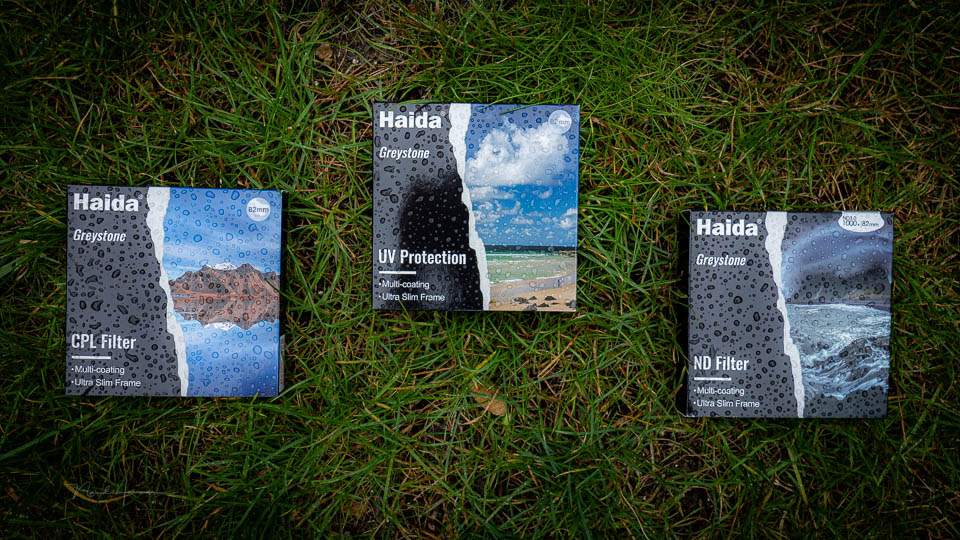
These screw-in filters are aimed at photographers who do not want to use a full filter system. But they are also useful if you do not fully trust a magnetic system. Once screwed onto the filter, you know for sure that they will stay in place.
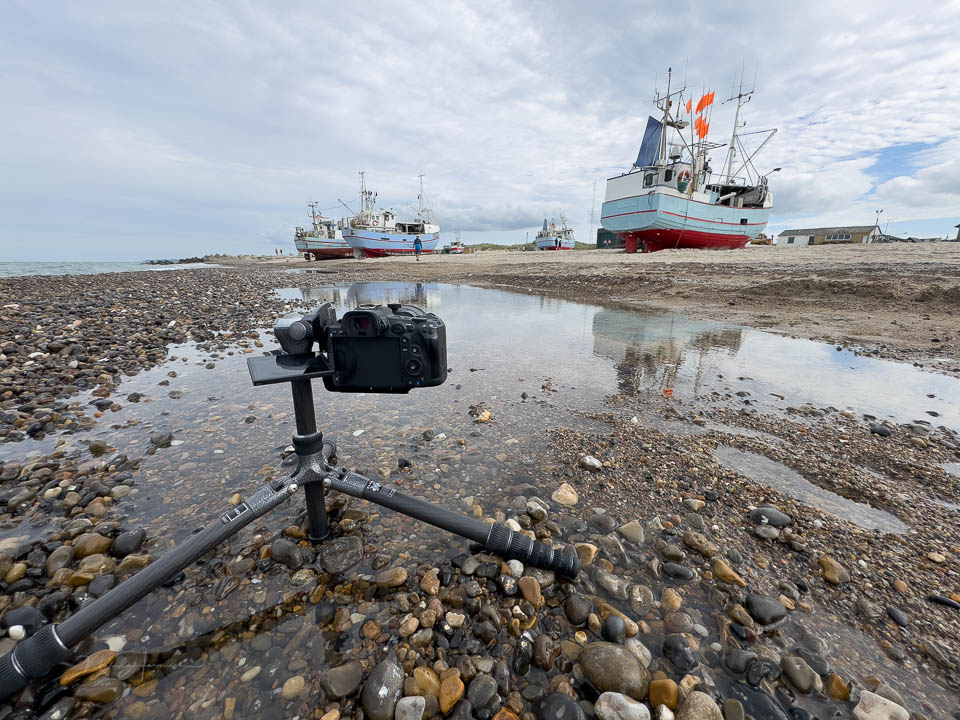
Although the Haida Greystone system currently offers a limited number of filters, more are in development.
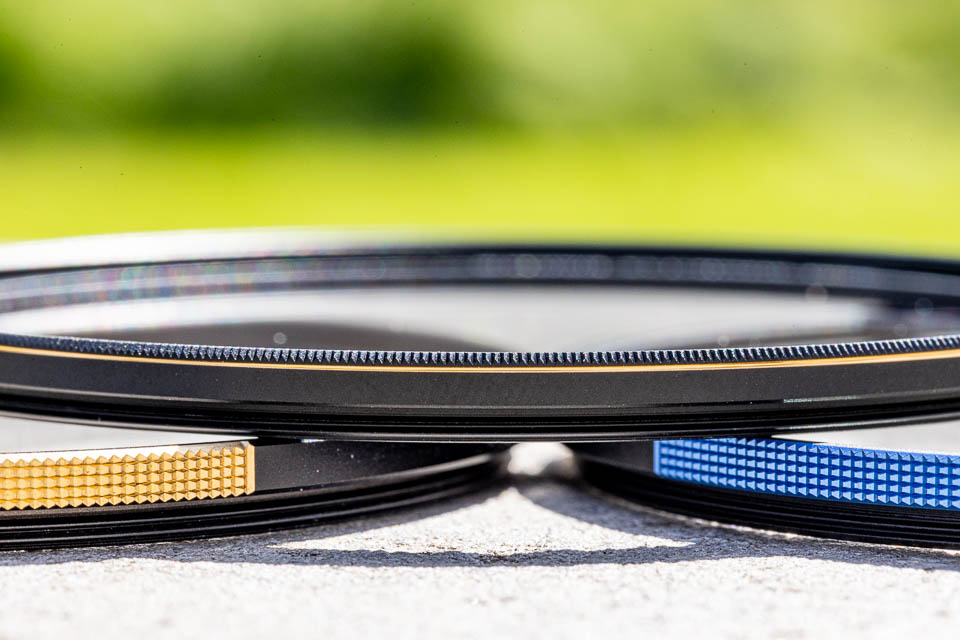
At 3.1mm thick, the Greystone filters are ultra-thin. They consist of a newly developed Goldline aircraft-grade aluminium frame. I used these filters at a 15mm focal length without experiencing any vignetting on full-frame.
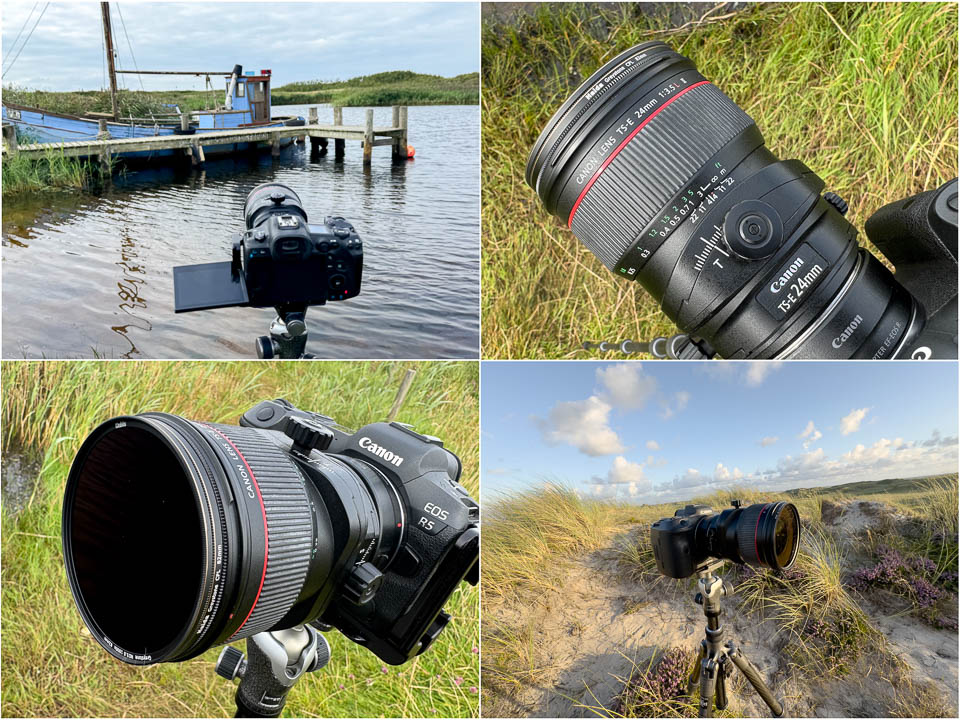
The Greystone circular polarising filter is 7.5mm thick, however, which makes sense because it needs a rotation mechanism. This 7.5mm thickness also does not cause any vignetting, which is useful. However, using a second filter is not recommended.
It is possible to mount a second filter, thanks to the separate filter thread on each filter. Above all, this makes it possible to fit the ordinary lens cap to the lens. This means you do not have to remove the filter every time.
The type of glass used in this Greystone series is not mentioned anywhere. It does have ten layers of NanoPro anti-reflective coating. This makes it scratch, water and dust resistant. It provides plenty of protection for the lens glass itself.
Keep in mind that this protection is less than that offered by the Bluestone and Premium Brass UV filters reviewed earlier. Those were designed for maximum protection. You can find the review of these UV filters via this link.

Haida Greystone UV filter
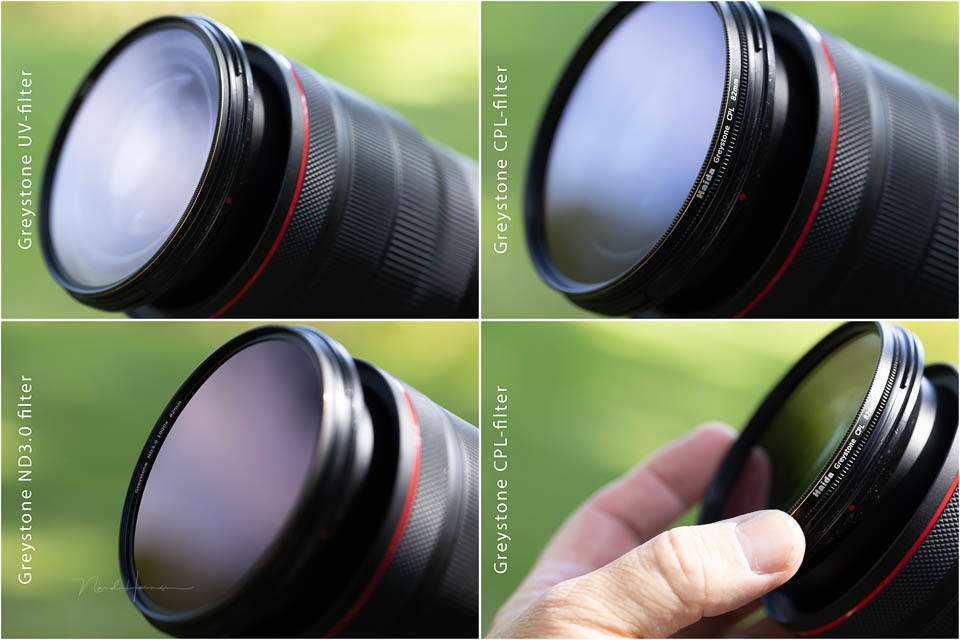
The usefulness of blocking UV light is debatable, but the filter is useful for protection. It is important that no colour deviations occur. A comparison shows that the Greystone UV filter does not suffer from this.
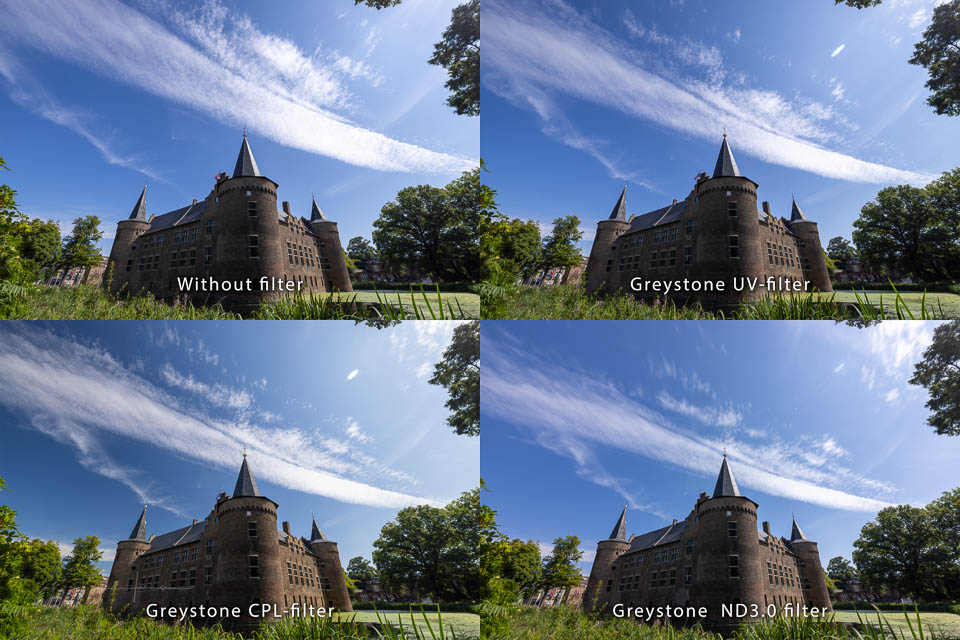
There is a slightly greater chance of flares, but not an extreme amount. As you can see in the comparison, none of the Greystone filters shows any colour deviation or vignetting. With the polarising filter, you can see the effect of polarisation, as expected.
Greystone polarising filter
A polarising filter can be used to reduce reflections. These can be in water, windows or any surface that is wet or reflects in another way. The polarisation effect also gives more detail in the sky.


The Greystone polarising filter does this perfectly, as expected. There is no colour deviation, apart from the increase in saturation caused by the polarisation effect.
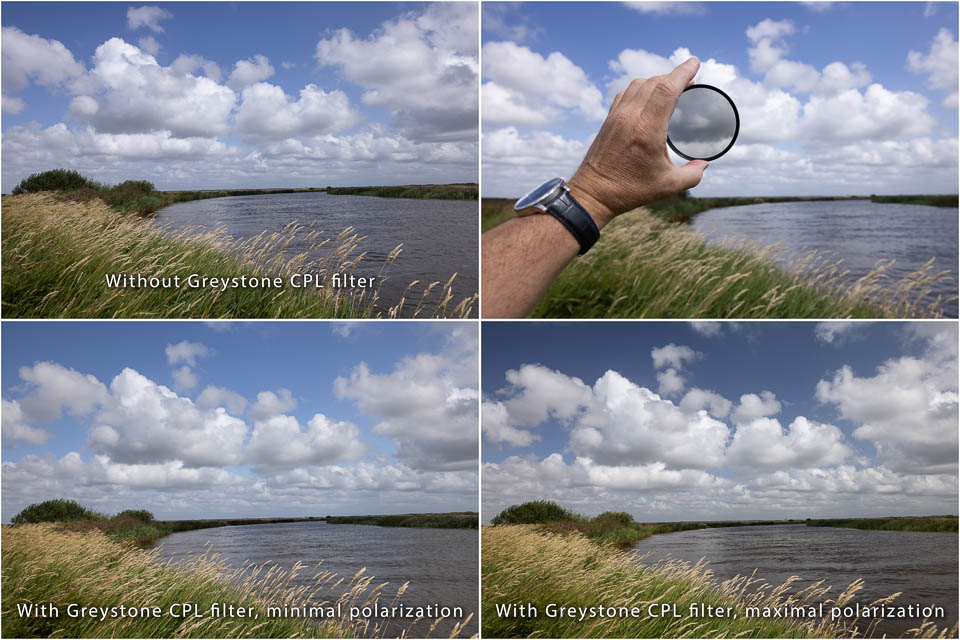
The rotation mechanism works smoothly without turning too easily. It is best to turn clockwise, to prevent the filter from being unscrewed from the lens during rotation. I noticed that the filter was not very tight on the lens I used, a Canon TS-E 24mm f/3,5L II.

Greystone ND3.0 filter
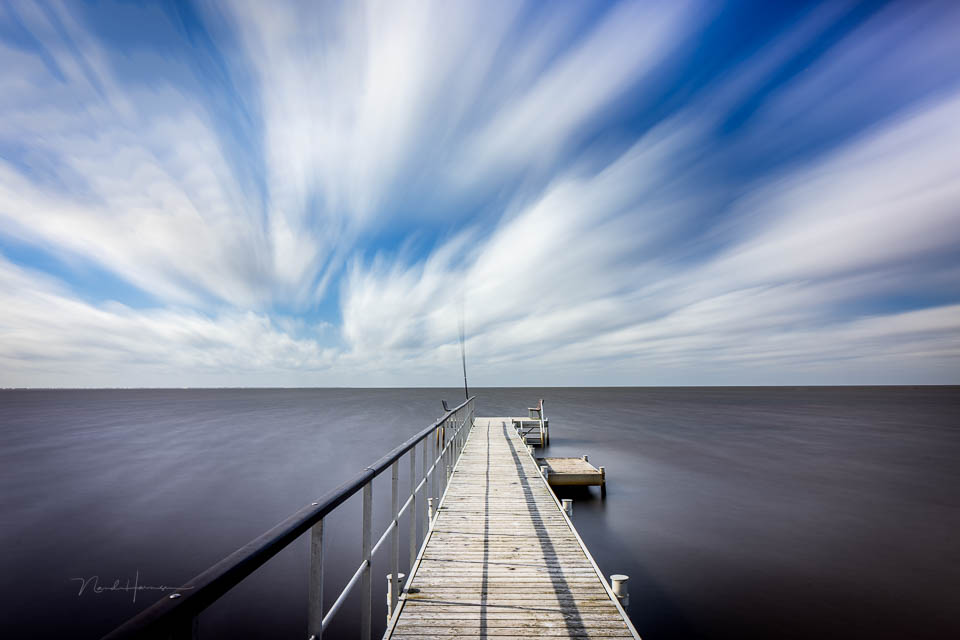
There are currently three ND filters available. These are the 3-stop ND0.9, the 6-stop ND1.8 and the 10-stop ND3.0. I was given the last one for this review. It makes it possible to achieve a 30-second exposure in the middle of the day, in full sunlight.

If you look closely, you can see that the Greystone 10-stop shows a slight magenta cast. It is not much, and it will easily be overlooked. It can become stronger during post-processing.
The filter thread also works smoothly on this filter. Fitting and removing the filter causes no problems. This is important because an ND filter will often be screwed on and removed again.

Using multiple Greystone filters at the same time
Thanks to the filter thread on each Greystone filter, it is possible to use several at the same time. I regularly used the polarising filter and ND filter together.
Although this works perfectly, and produces no vignetting up to a 24mm focal length, it does increase the magenta colour cast. It is particularly visible around the edges of the photo.

Conclusion
Until now, I had only used a full 100mm filter system, with the occasional magnetic filter system. After working with screw-in filters for two weeks, I can certainly see the benefits of this type of filter.
It takes more time to screw a filter onto the lens, but this does slow you down. This was certainly no bad thing while on holiday. Photography can take time, it is not rushed work. An additional benefit is that there is less risk of losing or knocking off the filter while walking around.

Although the ND filter shows a slight magenta cast, this is not a problem in most cases. It does become worse when a polarising filter is added. That is why I recommend using only one filter at a time.

The Haida Greystone filters are reasonably priced and may not deliver completely perfect image quality, but it is good enough for me to recommend them. They are available in sizes ranging from 40.5mm to 82mm.

Pros
- Good build quality
- Thin aluminium frame with a good grip
- No vignetting up to a 15mm angle of view on full-frame
- Protection against water, scratches and dust from the 10-layer NanoPro coating
- CLP filter rotation is smooth and provides sufficient resistance
- Each filter has its own filter thread
- Reasonably priced
Cons
- CPL filter occasionally became loose, on my lens
- ND 3.0 filter produces a slight magenta colour cast
- Stacking the CPL filter and ND filter increases the colour deviation
About the author
Nando Harmsen has been photographing for more than 40 years. He specialises in wedding photography and landscape photography. Nando also gives talks, workshops, masterclasses and photo trips, and regularly reviews new and interesting equipment.
You might also like
-
 Review: Haida variable ND filter with built-in polarisation
by Nando Harmsen
-
 Review: Haida M10 Insert Variable ND filter
by Nando Harmsen
-
 Review: Haida Premium Brass and Bluestone UV filters
by Nando Harmsen
-
 Review: the Haida M10 filter system and Red Diamond filters
by Nando Harmsen
-
 Review: Haida X in 1 Ultra-Low Reflection Magnetic Filter
by Nando Harmsen
-
 Haida magnetic filters, a perfect alternative to a filter system
by Nando Harmsen
3 comments
-
 Donald Willemsen wrote on Friday 6 September 2024 at 23:48 | reply
I’m sticking with myM10 filter set from Haida, because I’m very satisfied with it. A GND filter as a screw-on filter would be useless. So they won’t be coming. GND filters as such are indeed very useful for reducing the contrast difference in a photo.
Translated from Dutch.
Incidentally, one more (free) improvement tip: It should be 'polarizing filter' and not 'polarizatiefilter'. -

-
 MCM Van Riet wrote on Tuesday 10 September 2024 at 11:55 | reply
I only use screw-on filters
Translated from Dutch.

Have your say
Please note: Articles older than a week can only be commented on by signed-in visitors.Would you still like to comment? sign in or create a free account.
Become a better photographer every week
A practical photography tip in your inbox every week.
39,024 photography enthusiasts already receive the tips! More about the weekly mail. Or keep up to date via  Facebook.

Elja Trum
Photofacts; everything to do with photography!
Would you like to take better photos and keep up with what is happening in photography? Photofacts publishes articles that teach you something about photography — from a product announcement to a practical shooting tip or a look at a website. Photofacts covers photography every day and is a hobby project of Elja Trum's that got out of hand. The articles are written by a team of volunteer authors. If you would enjoy writing one or more articles for Photofacts, do get in touch.More about PhotofactsPhotofacts is made possible in part by
