

Variable ND filter, or not?
Thursday 10 September 2026, 23:46 by Nando Harmsen | 839 views | 1 commentThis article was translated from Dutch with the help of AI. Read the original.
A variable ND filter allows you to vary its strength. That can be useful. However, it has limitations. As a result, it cannot replace proper ND filters. Not always.
Do you enjoy photographing with long shutter speeds sometimes? Then investing in ND filters will make a serious dent in your finances. Good filters quickly cost eighty euros or more.
One filter is not enough. Ideally, you need three filters, which makes it expensive. Do not be tempted by very cheap filters. Their poor quality results in poor photos.
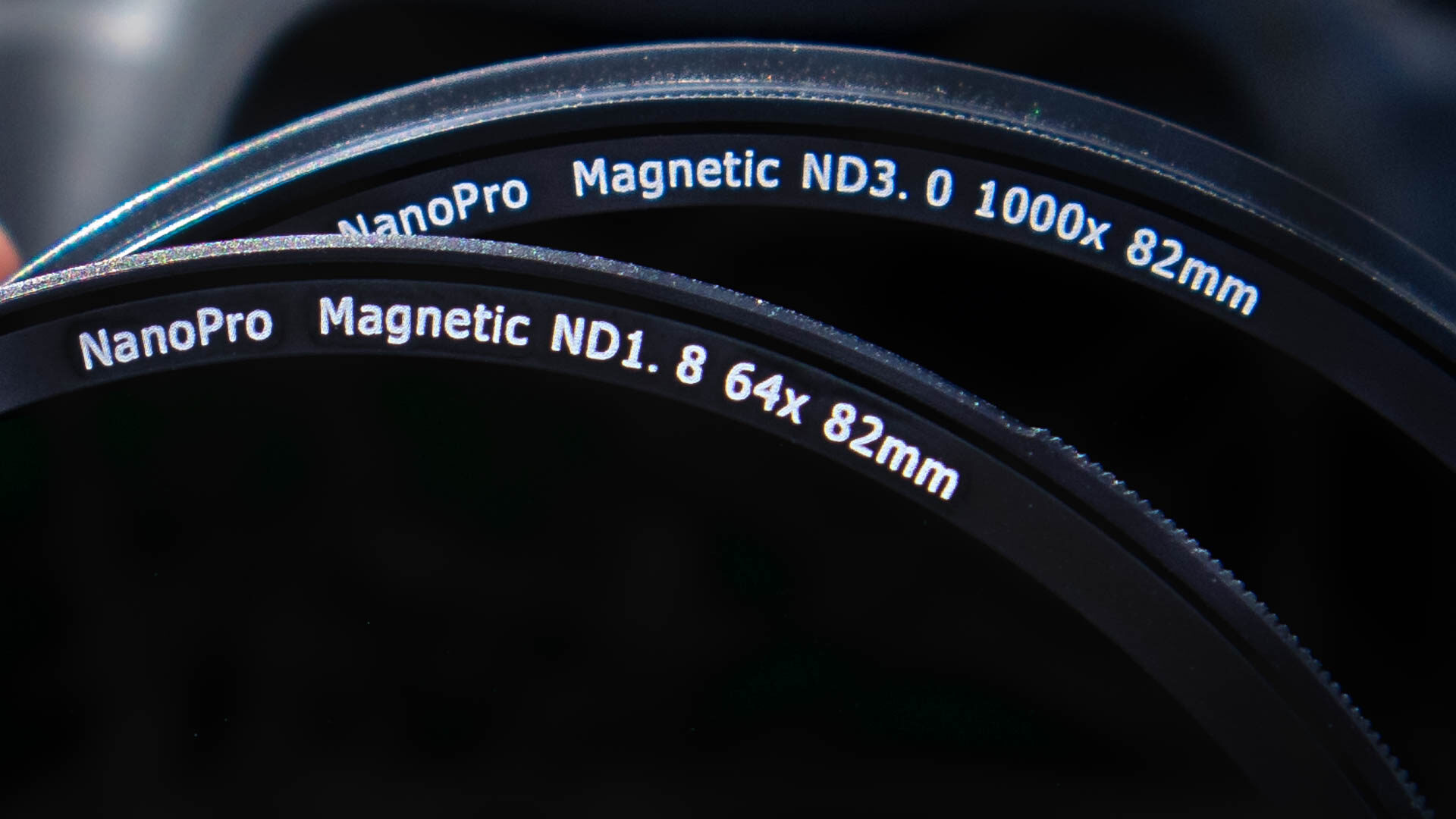
You need several ND filters for long shutter speeds. Otherwise, your options are too limited.
A variable ND filter then seems like a good solution. With one filter, you have a whole range covered. That may seem like the answer, but it is not a good alternative. It has its drawbacks.
The defining feature of a variable ND filter is the ability to change the amount of light it lets through. This is done by rotating two polarising filters relative to each other.
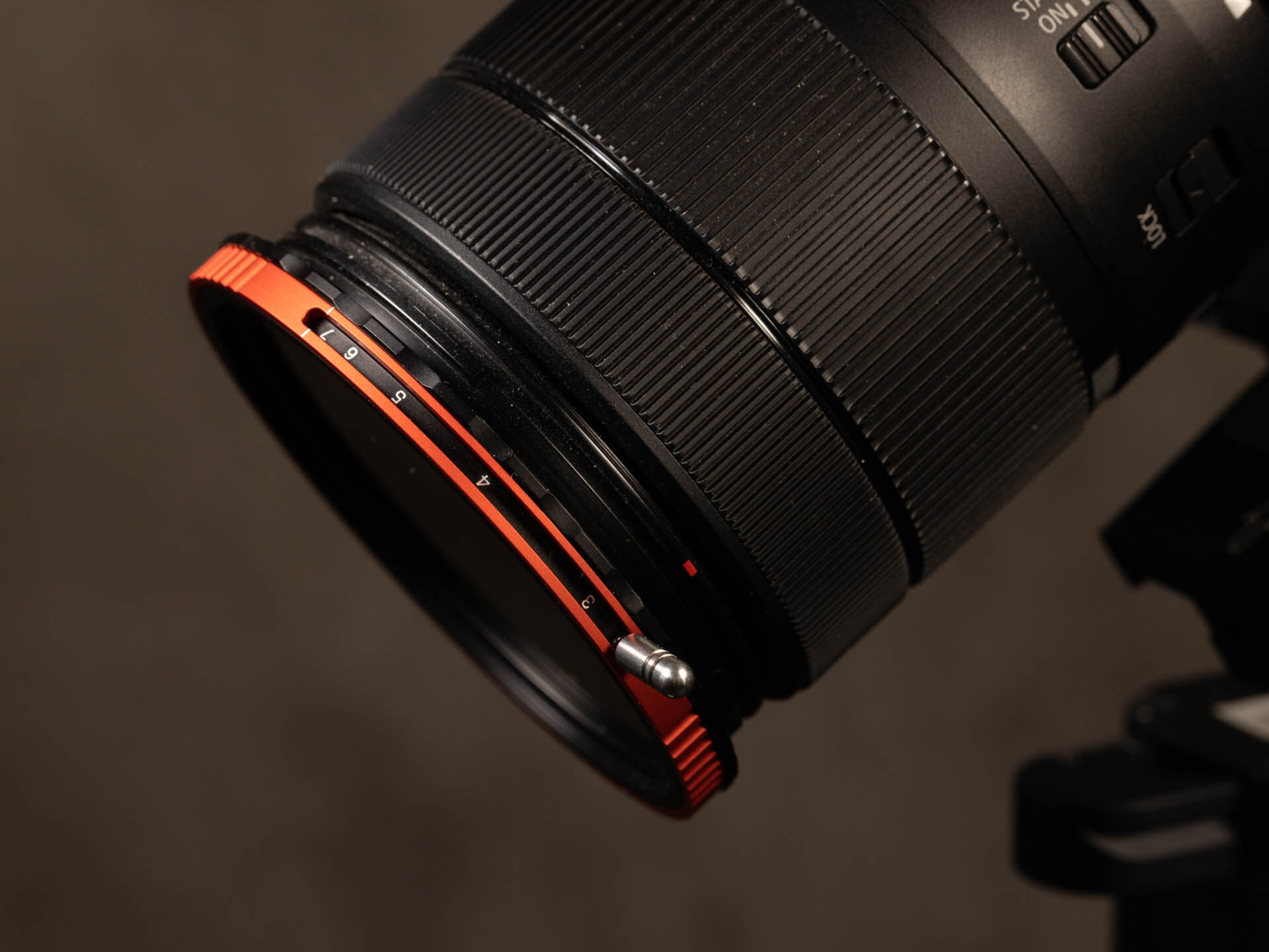
Haida CPL-VND filter, allowing you to adjust between 3 stops and 7 stops without any significant adverse effects.
There is a limit to the range. It usually goes up to a maximum of 10 stops, but that is often barely achievable, if at all. In practice, it will not go much beyond four or stops before the effect becomes unusable.
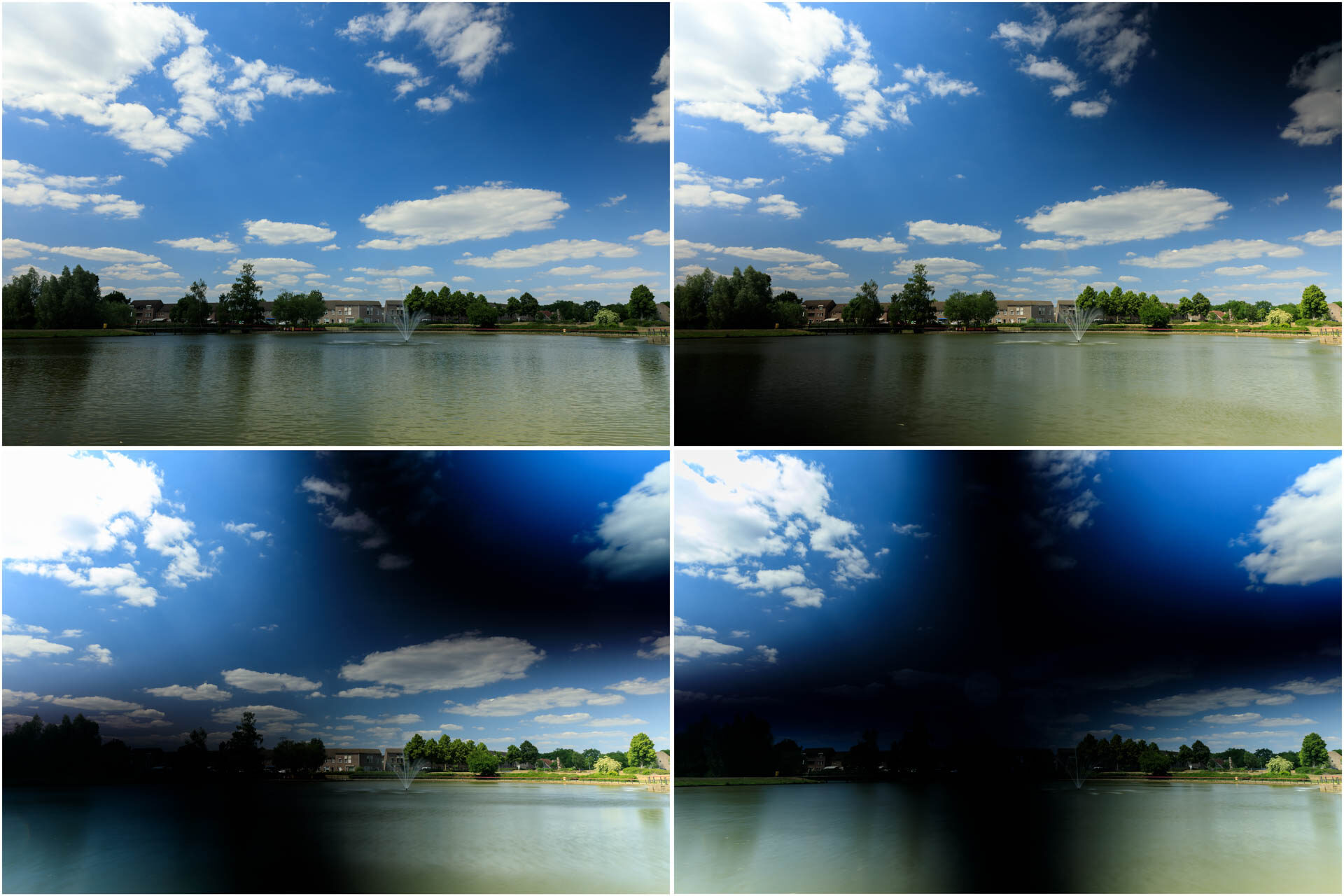
This is what happens with variable ND filters that can be adjusted indefinitely in strength: a cross pattern caused by the effect of polarisation. This limits the usable strength.
Because of the way these filters work, the light will be blocked unevenly. A dark cross appears in the image. The more light is blocked, the stronger this effect becomes.
As a result, the maximum strength of the variable ND filter will not be sufficient to achieve really long shutter speeds. At most, you can extend the shutter speed a little, especially during the day.
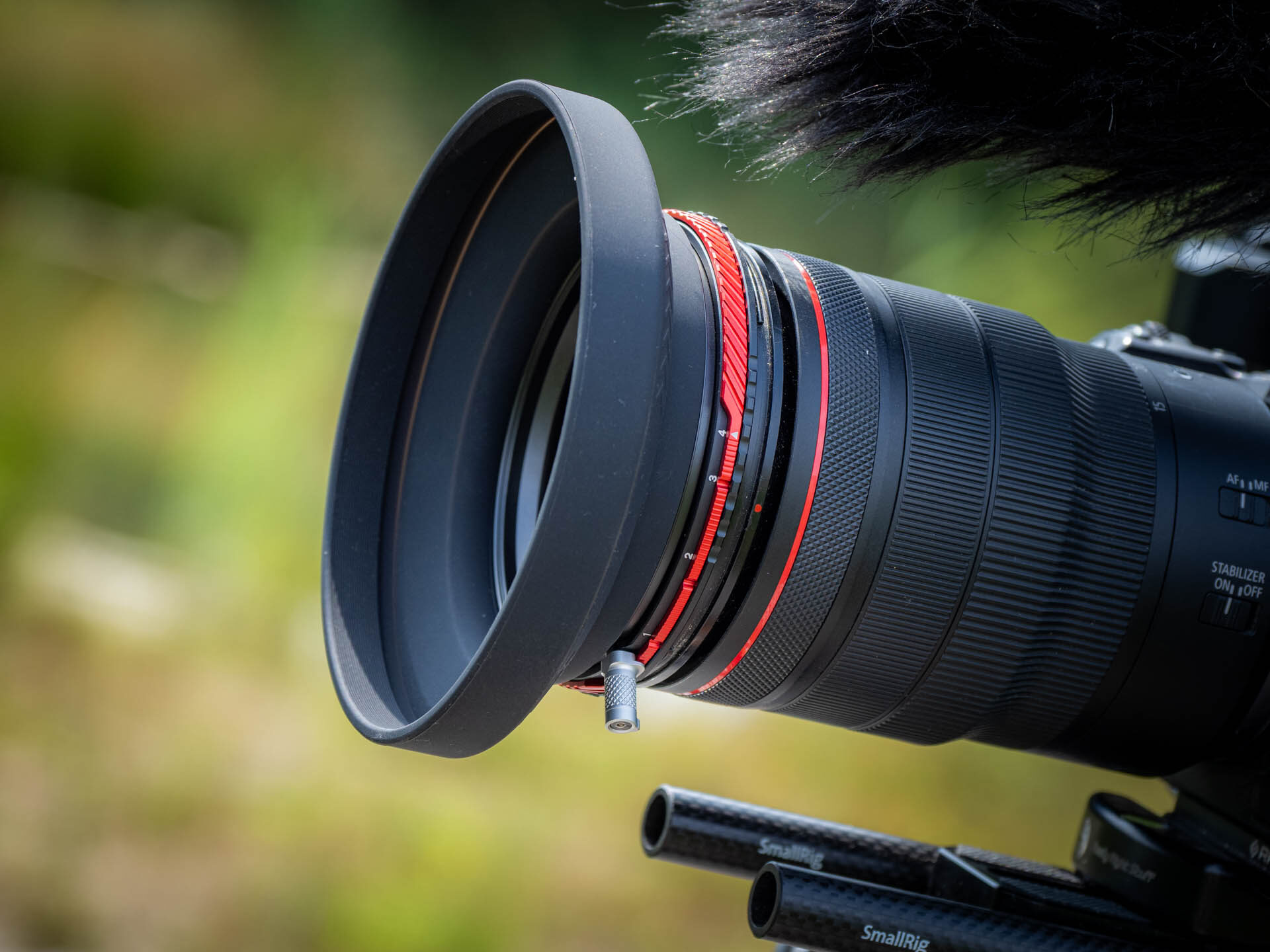
The latest CPL-VND filter from Haida, the X in 1. A maximum variable strength of 4 stops can be achieved. This can then be extended with a separate 2-stop ND filter.
This works well in principle for fast-flowing streams and waterfalls, where really long shutter speeds are not actually needed. But if you really want to make a long exposure, you will not manage that with a variable ND filter.
Variable ND filters are particularly suitable for filming. They allow you to control the amount of light and therefore the exposure perfectly. A maximum strength of seven stops is more than enough for that.
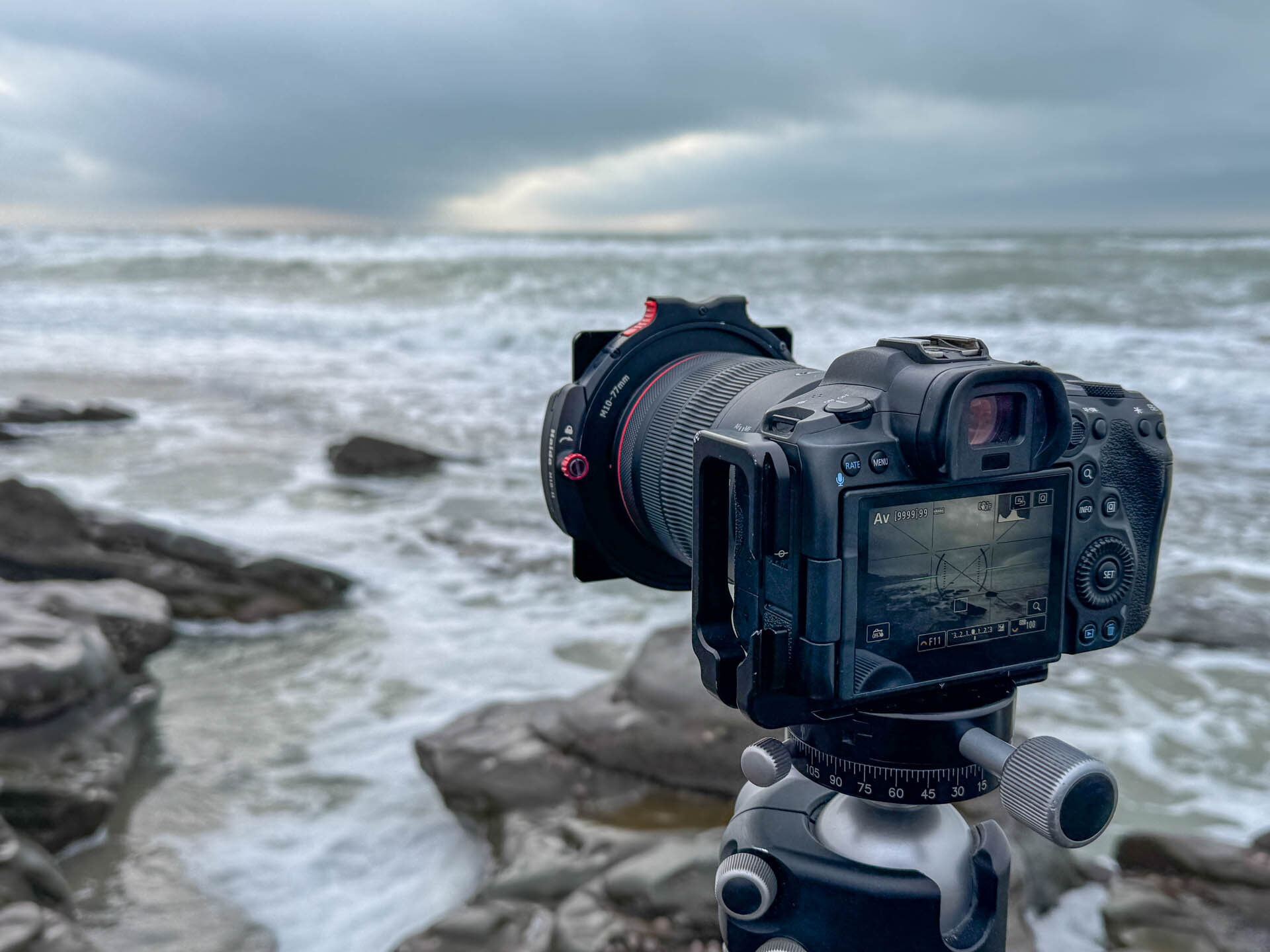
Do you want to get serious about long exposures? Then you cannot avoid using separate filters.
About the author
Nando Harmsen has been photographing for more than 40 years. He specialises in wedding photography and landscape photography. Nando also gives talks, workshops, masterclasses and photo trips, and regularly reviews new and interesting equipment.
You might also like
-
 Review: Haida variable ND filter with built-in polarisation
by Nando Harmsen
-
 Review: Haida M10 Insert Variable ND filter
by Nando Harmsen
-
Which ND filters should you choose as a beginner?
by Nando Harmsen
-
Do not use a variable grey filter for photography
by Nando Harmsen
-
 10 tips for photographing a waterfall
by Nando Harmsen
-
 3 reasons not to use a polarising filter
by Nando Harmsen
1 comment
-
 Donald Willemsen wrote on Thursday 17 September 2026 at 17:00 | reply
Nando, I really enjoyed reading this article. I used to have such a variable ND filter, but I ran into the limits too often, which meant the photos were not worth looking at. Partly as a result of one of your tutorials, I switched to a HAIDA M10 set. Later I also bought an M10 II filter holder. By using 1 or more ND filters from HAIDA, I now achieve a higher percentage of satisfaction with the result.
Translated from Dutch.
It is true, they are not cheap, but the quality is worth writing home about, excellent that is.
I don't understand many people. They buy an expensive camera and expensive lenses and then they start economizing on accessories such as filters, batteries and, for example, a tripod.
Have your say
Please note: Articles older than a week can only be commented on by signed-in visitors.Would you still like to comment? sign in or create a free account.
Become a better photographer every week
A practical photography tip in your inbox every week.
38,981 photography enthusiasts already receive the tips! More about the weekly mail. Or keep up to date via  Facebook.

Elja Trum
Photofacts; everything to do with photography!
Would you like to take better photos and keep up with what is happening in photography? Photofacts publishes articles that teach you something about photography — from a product announcement to a practical shooting tip or a look at a website. Photofacts covers photography every day and is a hobby project of Elja Trum's that got out of hand. The articles are written by a team of volunteer authors. If you would enjoy writing one or more articles for Photofacts, do get in touch.More about PhotofactsPhotofacts is made possible in part by
