

Human Element in a Landscape, or Not?
Thursday 31 March 2022, 20:10 by Nando Harmsen | 4,221 views | 2 commentsThis article was translated from Dutch with the help of AI. Read the original.
For years, I photographed landscapes without a trace of human civilisation. A pure and untouched landscape, even if it was surrounded by urbanisation or next to a motorway.
By now, my opinion has changed, and I think a human element can add value. What do you think?
Untouched nature, a landscape that is rough and wild. With mountains, forests and water that sparkles beautifully in the sunlight. There is no sign of human presence anywhere. Those are the landscapes I would love to stand in, the ones I would like to photograph.
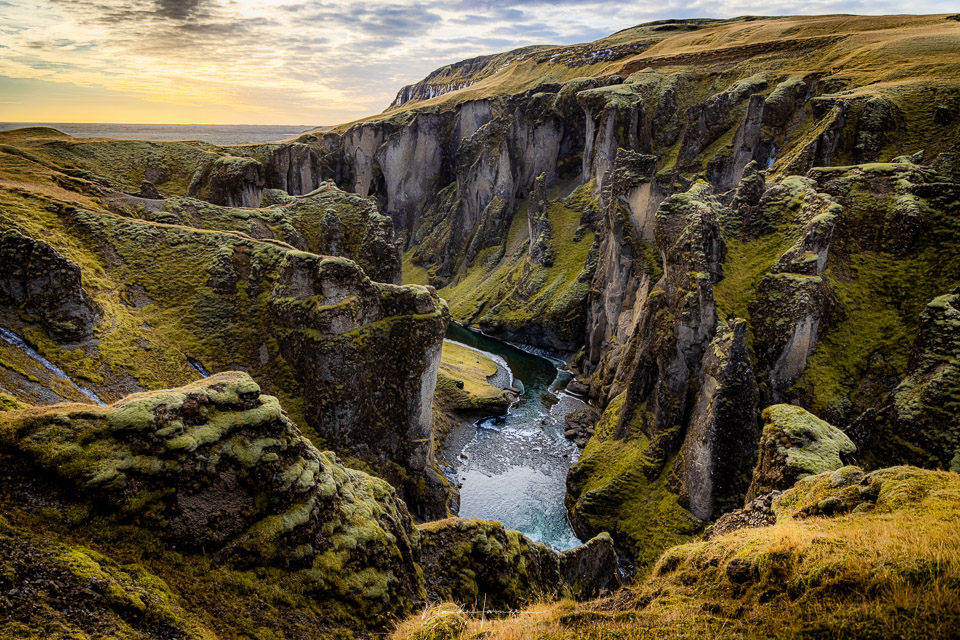
Unfortunately, there are few untouched landscapes left. At least within a reasonable travelling distance. Almost everywhere, you can find signs of 'civilisation', although in many cases you could question whether the word civilised applies. Call them signs of human presence instead.
Roads cross the landscape, electricity pylons and cables spoil the view. Just like the wind turbines that, driven by our insatiable desire for even more energy, push aside the trees and forests.
High in the sky are the clouds that originate from the condensation trails of thousands of aeroplanes.
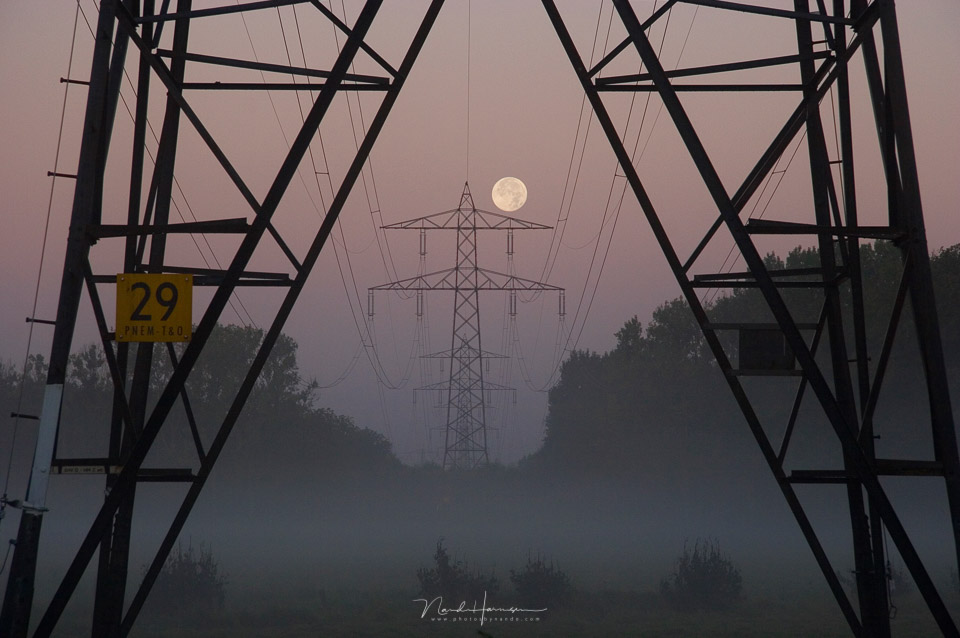
These are certainly not the elements I would want to see in a landscape. They often spoil the landscape, unless they are part of what you want to tell with your photo. On the other hand, a landscape without any sign of human presence can give a distorted impression.
A photo is a flat image of the three-dimensional world around us. It is important to realise this. A photo has no depth, only the illusion of depth.
This is why it is so easy to place the size of an object in relation to its surroundings in an unusual perspective. A flower as large as a mountain.
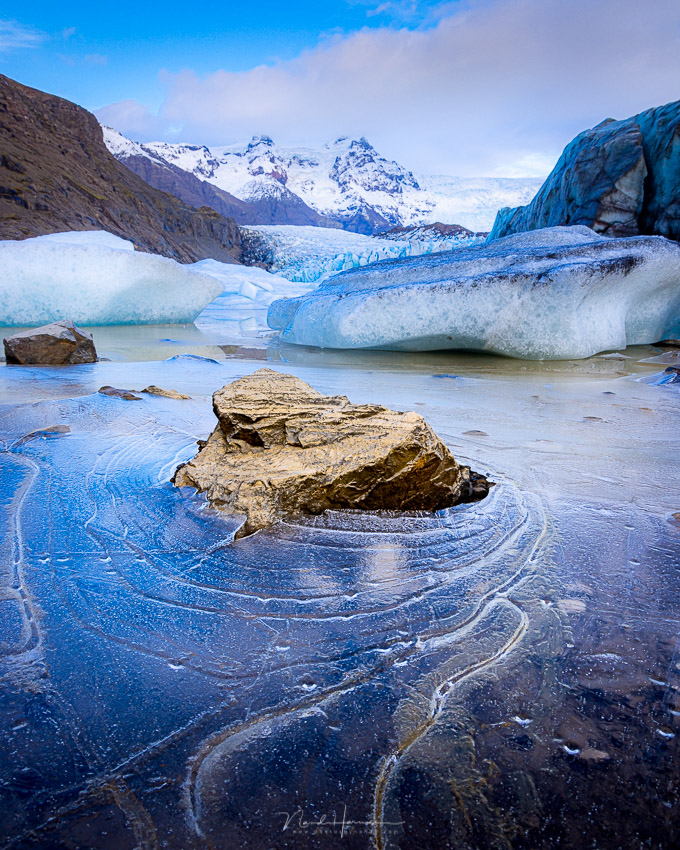
By photographing a landscape without anything that is easily recognisable, it loses a dimension. Is a stone as large as a mountain, or merely a pebble?
This can even go so far that the impressive landscape ends up looking insignificant. We then say: "... in real life it looked much more impressive than in the photo." Sound familiar?
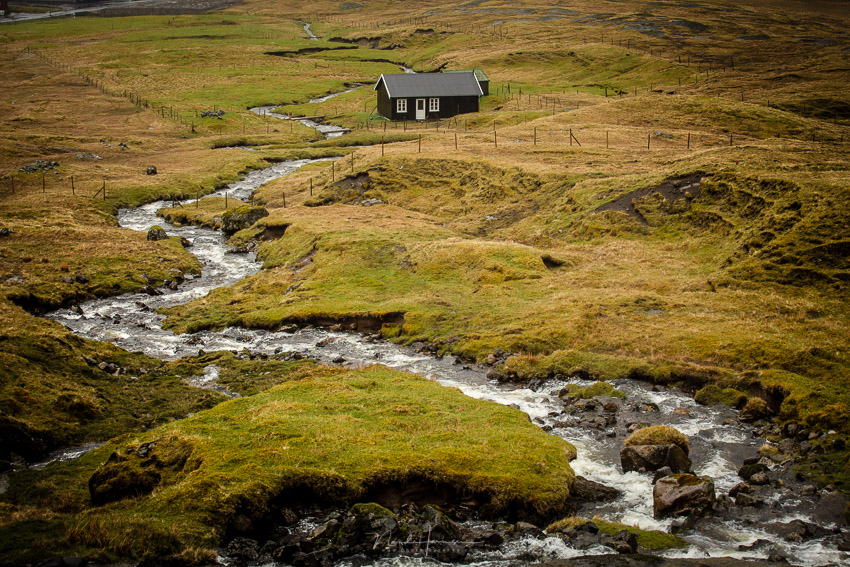
In recent years, I have come to realise that using a human element in the photo can add value. It adds a sense of perspective to the photo.
This gives the viewer an idea of size, vastness, even dimensions. It becomes easier to imagine yourself in that landscape.
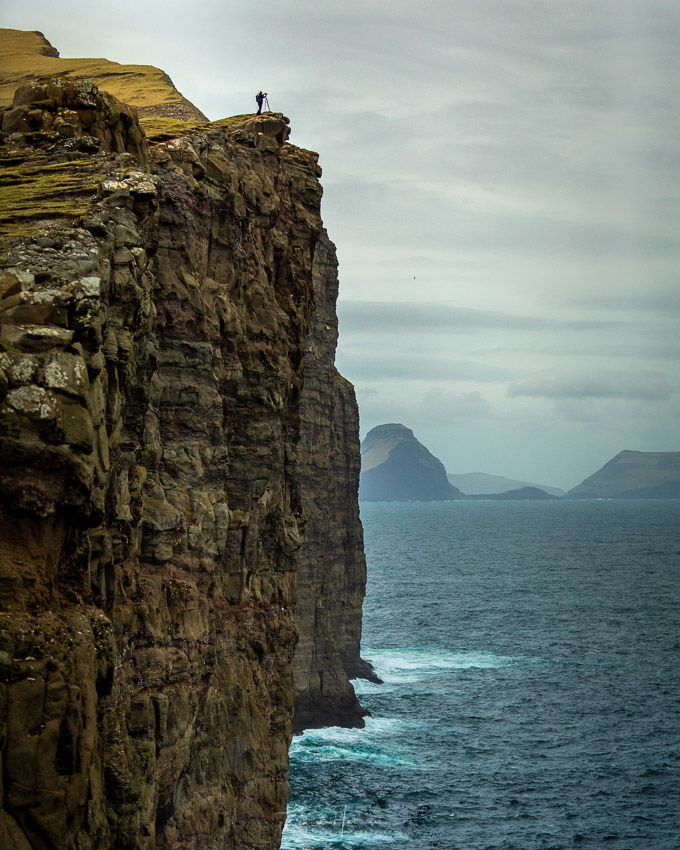
A human element can be anything. A little house, a farm, a church tower or a castle on the horizon. It can be a road winding through the landscape, and in some cases even an electricity pylon or wind turbine.
People also bring a sense of perspective. Put a person in a landscape and the photo not only gains a dimension, it can add a story to the photo. You also see more and more landscapes with that lone globetrotter in the frame. There is a reason for that.
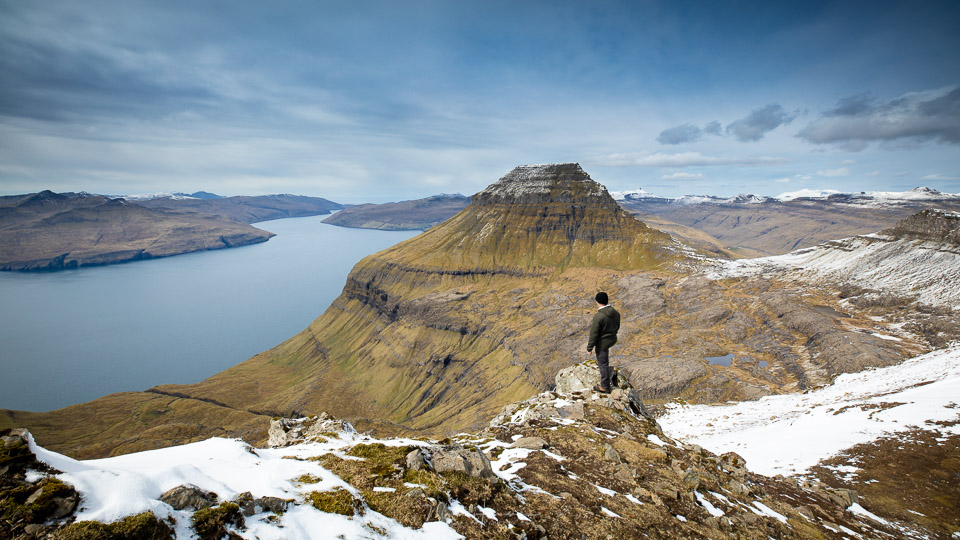
.jpg "Nando Faroe Islands with Nando(1)")
Unlike in the past, I no longer mind including a human element in my landscape image, as long as it adds value. It must tell a story, rather than be a random element that happened to be in the way.
What do you think of a landscape with a human element in the frame? Can it add value, or do you think it is inappropriate? Tell us in a comment below this post.
About the author
Nando Harmsen has been photographing for more than 40 years. He specialises in wedding photography and landscape photography. Nando also gives talks, workshops, masterclasses and photo trips, and regularly reviews new and interesting equipment.
You might also like
-
 Humane, a new wearable AI camera?
by Elja Trum
-
 Landscape photography tip: add a human element
by Nando Harmsen
-
 Tips for photographing buildings
by Nando Harmsen
-
 Photographing buildings around Utrecht station
by Elja Trum
-
 Review: Discover Photoshop Elements 2022
by Elja Trum
-
 Landscape photography: people in the frame or not?
by Erik van Rosmalen
2 comments
-
 Mac wrote on Friday 1 April 2022 at 16:57 | reply
Actually, this has been dealt with incorrectly for a very long time. Humans are, after all, part of nature.
Translated from Dutch.
If a beaver builds a dam, nature
if a human builds a dam, human influence.
While both are the same (yes okay, humans can go too far, they have no limit when it comes to building).
I think a human (or human influence) fits well in nature photography, but as you write, it must have added value. Too often you see photos that give you the feeling it was put there just for the sake of putting it there. Not because it makes the photo better. -
 Robert wrote on Tuesday 5 April 2022 at 13:11 | reply
Always nice, a human figure in a photo. It also often shows the space, size and distance.. Don't like it ... then don't do it.
Translated from Dutch.
Sporty photo shooting greeting Robert
Have your say
Please note: Articles older than a week can only be commented on by signed-in visitors.Would you still like to comment? sign in or create a free account.
Become a better photographer every week
A practical photography tip in your inbox every week.
39,024 photography enthusiasts already receive the tips! More about the weekly mail. Or keep up to date via  Facebook.

Elja Trum
Photofacts; everything to do with photography!
Would you like to take better photos and keep up with what is happening in photography? Photofacts publishes articles that teach you something about photography — from a product announcement to a practical shooting tip or a look at a website. Photofacts covers photography every day and is a hobby project of Elja Trum's that got out of hand. The articles are written by a team of volunteer authors. If you would enjoy writing one or more articles for Photofacts, do get in touch.More about PhotofactsPhotofacts is made possible in part by
