

Do not use a variable grey filter for photography
Friday 10 May 2024, 14:41 by Nando Harmsen | 3,566 views | 11 commentsThis article was translated from Dutch with the help of AI. Read the original.
Do you want to take photos with long shutter speeds during the day? Then you need a grey filter. They come in different strengths, ranging from 3 stops to as much as 15 stops. There are also variable ND filters, but it is better to avoid them for photography.
It sounds appealing. One filter that lets you set the strength of the grey filter continuously. This means you no longer need an expensive set of filters. It saves weight, space and money. It is also more flexible.
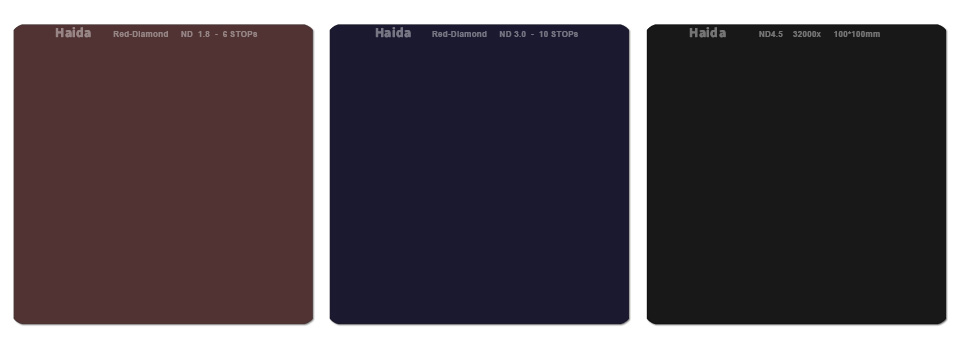
However, it is better to stay well away from variable grey filters when taking photos. As appealing as it may be, these kinds of filters have very limited usability. They have two major disadvantages.
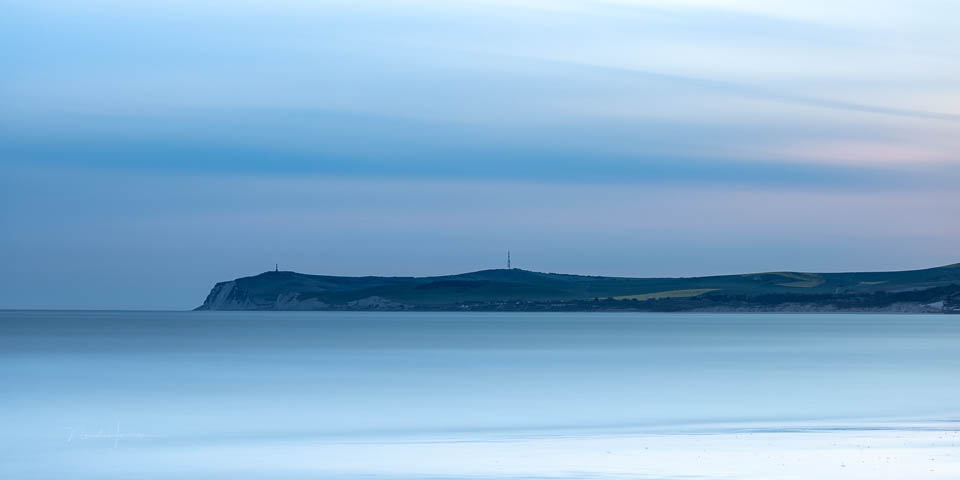
The first disadvantage is the strength of these filters. They often range between two and seven or eight stops. This is not as much as it sounds, especially when you want to achieve long shutter speeds during the day. You need at least ten or even fifteen stops then.
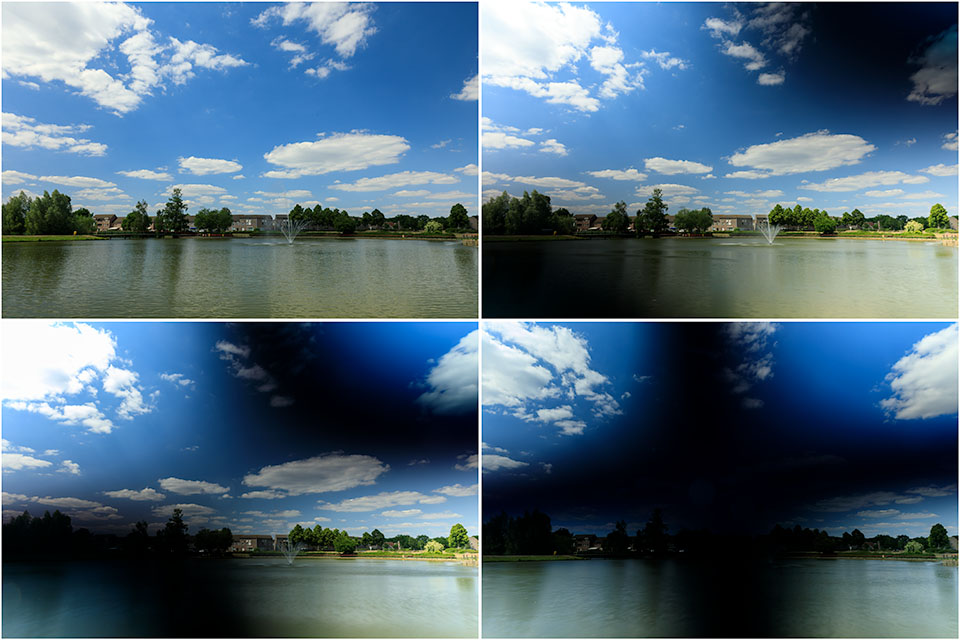
The second disadvantage is more serious. Because these kinds of variable filters use polarising filters, a black cross appears in the image. This becomes very extreme, especially with filters that block more than six or seven stops of light. As a result, the photo is ruined.
Are you getting started with long shutter speeds? Invest in ordinary filters and forget about variable filters. It will prevent disappointment and wasted money.
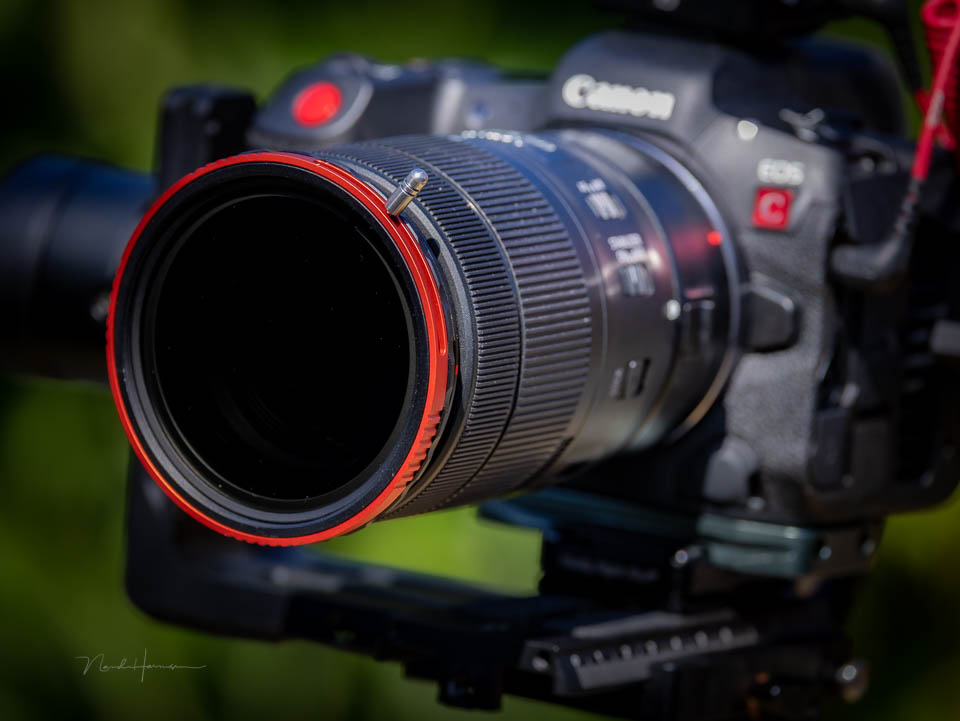
Variable grey filters do have a purpose, though. They are mainly intended for video. They allow you to control the exposure with the right depth of field and shutter speed. Although cross patterns can also occur here, they often remain largely outside the frame because of the 16:9 aspect ratio.
About the author
Nando Harmsen has been photographing for more than 40 years. He specialises in wedding photography and landscape photography. Nando also gives talks, workshops, masterclasses and photo trips, and regularly reviews new and interesting equipment.
You might also like
-
 Variable ND filter, or not?
by Nando Harmsen
-
 Review: Haida M10 Insert Variable ND filter
by Nando Harmsen
-
 Review: Haida variable ND filter with built-in polarisation
by Nando Harmsen
-
Which ND filters should you choose as a beginner?
by Nando Harmsen
-
 Using a long exposure without an ND filter
by Nando Harmsen
-
 Flash photography tip: Create blur with ND filters
by Elja Trum
11 comments
-
 Peter Heins wrote on Monday 13 May 2024 at 21:00 | reply
Not that I use it often but K&F has a good variable ND filter with a polarizing filter. I used it a few times and then it worked well. No black cross.
Translated from Dutch. -

-
 Frouke wrote on Tuesday 14 May 2024 at 10:40 | reply
If you choose filters, choose them carefully, as there are a great many brands and a lot of difference in price and quality.
Translated from Dutch.
The best filters are those from HOYA. The various tests prove this, and I have also seen them myself on the optical bench, and the difference between the various brands is shocking. -
 Donald Willemsen wrote on Tuesday 14 May 2024 at 10:44 | reply
Nando, I completely agree with you. I also use HAIDA filters. I have an M10 set. There is now also an M10 II set. Can you tell me what the difference is?
Translated from Dutch.
Am I satisfied with the quality of this brand? Without a doubt, I dare recommend this brand. You do have to dig deep into your pockets for it, but you have to do that with other quality brands too.
I used the set, among other things, during the day to photograph Leuven City Hall and clear the square in front of it of people. That worked fine, although I still had to remove some things in post-processing because some people stood still for too long.
I can confirm the effect of a cross in the image when using a variable ND filter. Whether you have an expensive or a cheap one makes no difference.
Partly because of such an effect, I switched to a decent set from HAIDA on your recommendation, Nando. Regret it? No, not for a second. I no longer use the variable ND filter. -
 Nando
wrote on Wednesday 15 May 2024 at 09:14
| reply
Nando
wrote on Wednesday 15 May 2024 at 09:14
| reply
The difference between the M10 and M10 II is mainly cosmetic. You can lock the rotation of the holder with the M10 II, and there is a lever for unlocking instead of pulling out a tab.
Translated from Dutch.
https://www.nandoonline.com/review-van-de-haida-m10-ii-filterhouder/ -
 Mac wrote on Tuesday 14 May 2024 at 10:48 | reply
I also have a variable Hoya neutral density filter myself, and it's just fine.
Translated from Dutch.
You only see the cross at the strongest setting, as long as you stay away from that, it's very good to use. -
 Marcel wrote on Tuesday 14 May 2024 at 13:00 | reply
I did indeed see a dark "spot" in a photo. I already thought it was strange. Explained now. What a shame, because it seems handy. Such a shame about the euros! :°(
Translated from Dutch. -
 Stefanie
wrote on Tuesday 14 May 2024 at 15:49
| reply
Stefanie
wrote on Tuesday 14 May 2024 at 15:49
| reply
I have both from K&F, a nice set with separate slide-in filters and a variable one for my 'standard lens'. The cross effect is not too bad with the K&F, only very faint at maximum, I have also had another fixed one where this effect was (much) stronger, the technique has clearly improved compared to a while ago, K&F even advertises it like this now: No "X" cross on images. But it is still the case that a set with separate filters is better, especially because you can combine them and go to much longer shutter speeds, but I don't carry everything with me when I travel, yet you still encounter situations where a filter comes in handy (waterfall, extra drama in the sky, ...) and that is what I bought this one for. If I know that I want to use long shutter speeds then the set comes along and otherwise the standard one is in the bag
Translated from Dutch. -
 Hans van Sterkenburg wrote on Tuesday 14 May 2024 at 20:59 | reply
Don't you have a Big Stopper but do have 3 graduated ND filters? Slide the '9' from top to bottom and the '6' together with the '3' from bottom to top.
Translated from Dutch. -
-
Donald Willemsen wrote on Wednesday 15 May 2024 at 11:32 | reply
Nando, thank you very much for the additional information. I will think of you when I order new filters
Translated from Dutch. .
.
Have your say
Please note: Articles older than a week can only be commented on by signed-in visitors.Would you still like to comment? sign in or create a free account.
Become a better photographer every week
A practical photography tip in your inbox every week.
39,024 photography enthusiasts already receive the tips! More about the weekly mail. Or keep up to date via  Facebook.

Elja Trum
Photofacts; everything to do with photography!
Would you like to take better photos and keep up with what is happening in photography? Photofacts publishes articles that teach you something about photography — from a product announcement to a practical shooting tip or a look at a website. Photofacts covers photography every day and is a hobby project of Elja Trum's that got out of hand. The articles are written by a team of volunteer authors. If you would enjoy writing one or more articles for Photofacts, do get in touch.More about PhotofactsPhotofacts is made possible in part by
