

Photograph Through a Foreground for Atmospheric Macro Photos
Sunday 24 August 2025, 15:51 by Nando Harmsen | 2,747 views | 1 commentThis article was translated from Dutch with the help of AI. Read the original.
With macro photography, I often see attempts to get the subject as large as possible in the frame. This does not always produce an atmospheric photo. If you want atmosphere, try photographing through a foreground.
Macro means photographing with a macro lens. Preferably at life size, a 1:1 magnification. Sometimes even more. It then becomes difficult to create atmospheric photos. Often it is a nice photo, but nothing more than a record.
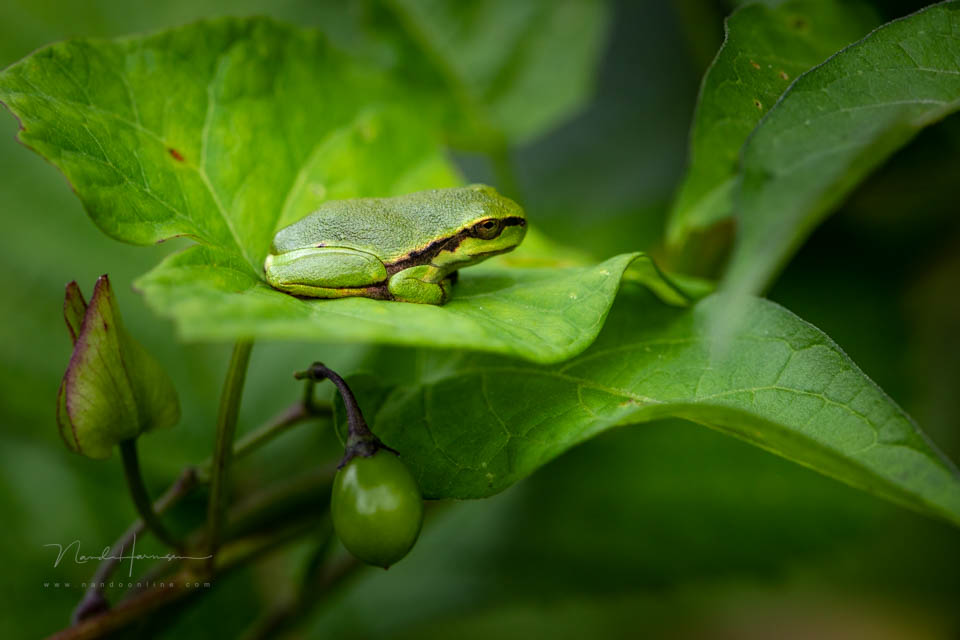
If you like that kind of photo, then of course that is perfectly fine. Carry on bringing it into the frame in that way. You can also approach macro differently, by focusing more on atmosphere.
You can bring atmosphere into a macro photo in several ways. One of the fun ways is photographing through a foreground. Make use of leaves, grass and other natural elements.
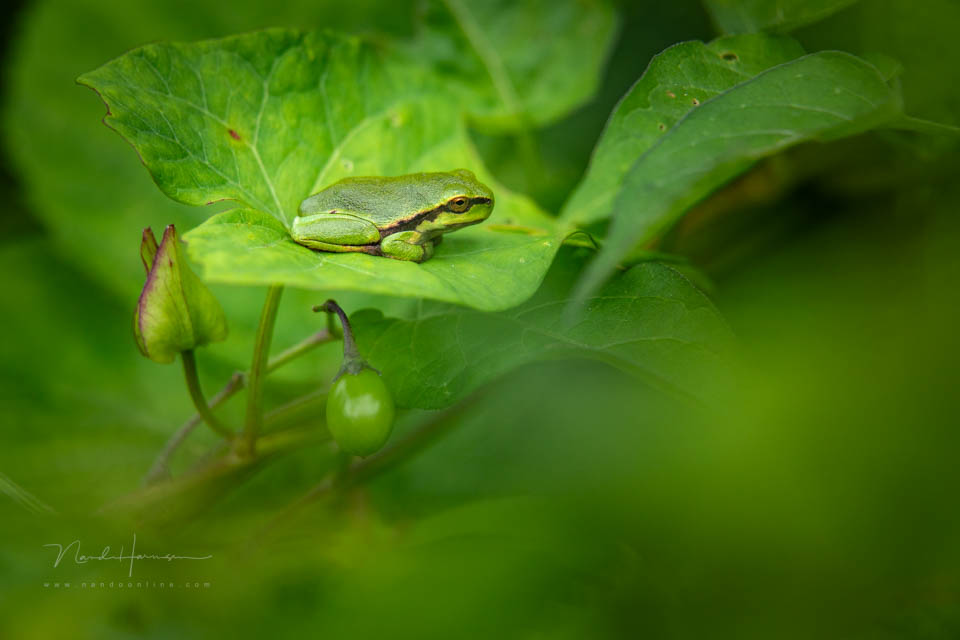
By using a shallow depth of field, the foreground becomes blurred, just like the background. The subject is in between and sharp. The blur creates atmosphere.
It can be a challenge to get it right. You have to pay attention to many things, such as the light and the right 'framing'. But it can also help to hide unwanted objects around your subject.
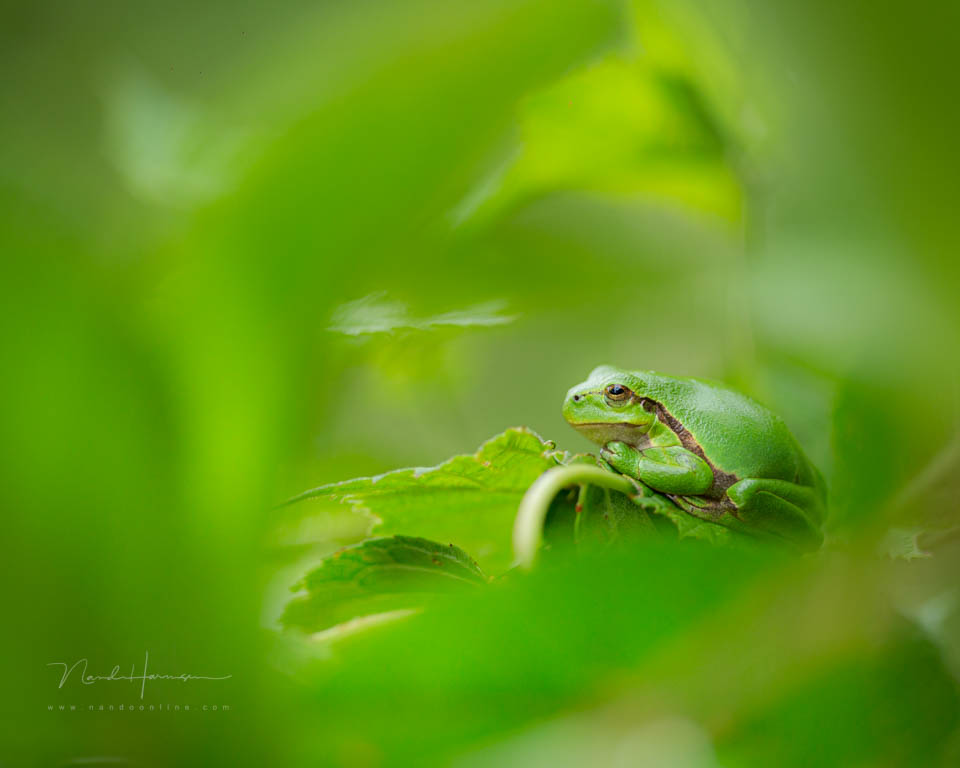
Remember that macro is more than just a 1:1 magnification. It is about capturing the small things in the world. Do that in an atmospheric way, not because it always has to be as large as possible in the frame.
This technique can also be used for landscapes and portraits. Give it a try and see where it takes you.
About the author
Nando Harmsen has been photographing for more than 40 years. He specialises in wedding photography and landscape photography. Nando also gives talks, workshops, masterclasses and photo trips, and regularly reviews new and interesting equipment.
You might also like
-
 How do you photograph tree frogs?
by Erik Nevels
-
 7 Tips for Macro Photography
by Mike Muizebelt
-
 Mushrooms without a macro lens, plus a few extra tips
by Nando Harmsen
-
 Using a foreground as a view through in landscape photography
by Nando Harmsen
-
 Thoughtful use of the foreground in a photo
by Nando Harmsen
-
 Five tips for choosing a foreground
by Nando Harmsen
1 comment
-
 guest wrote on Sunday 24 August 2025 at 22:23 | reply
Nicely done, that's how I prefer to see them too. I also took some of one of those little tree frogs earlier this week.
Translated from Dutch.
Have your say
Please note: Articles older than a week can only be commented on by signed-in visitors.Would you still like to comment? sign in or create a free account.
Become a better photographer every week
A practical photography tip in your inbox every week.
39,079 photography enthusiasts already receive the tips! More about the weekly mail. Or keep up to date via  Facebook.

Elja Trum
Photofacts; everything to do with photography!
Would you like to take better photos and keep up with what is happening in photography? Photofacts publishes articles that teach you something about photography — from a product announcement to a practical shooting tip or a look at a website. Photofacts covers photography every day and is a hobby project of Elja Trum's that got out of hand. The articles are written by a team of volunteer authors. If you would enjoy writing one or more articles for Photofacts, do get in touch.More about PhotofactsPhotofacts is made possible in part by
