

Using a cable release to capture the right moment
Tuesday 28 April 2026, 14:07 by Nando Harmsen | 1,185 views | 0 commentsThis article was translated from Dutch with the help of AI. Read the original.
When using a long shutter speed, a tripod is essential. The camera stays steady, so anything that needs to be sharp is captured sharply. Use a remote control or cable release when the moment you take the photo matters.
When photographing with long shutter speeds from a tripod, the camera must not move. Pressing the shutter button can be enough to cause a slight movement. Especially if the tripod is not particularly sturdy.
The danger is greatest with shutter speeds between 5 and 1/8 of a second. In that case, it is best to use a self-timer or remote control. Nikon users can also use exposure delay.
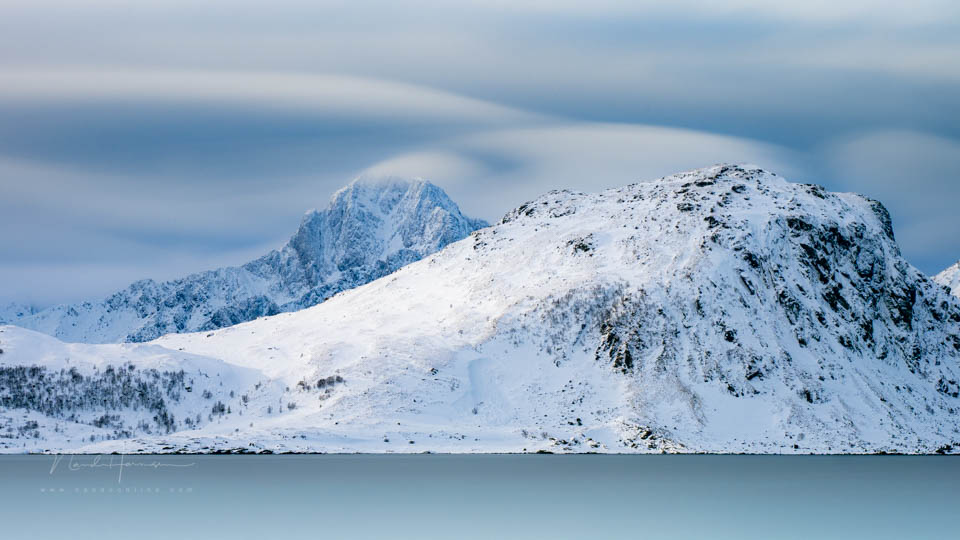
A self-timer does mean there is a delay between pressing the shutter button and taking the photo. Even a short delay of two seconds is quickly too long, especially when the moment matters.
With genuinely long shutter speeds for a smooth water surface, waterfall or mountain stream, the exact moment does not matter. You can simply use a self-timer. This changes when, for example, you are photographing in the surf.
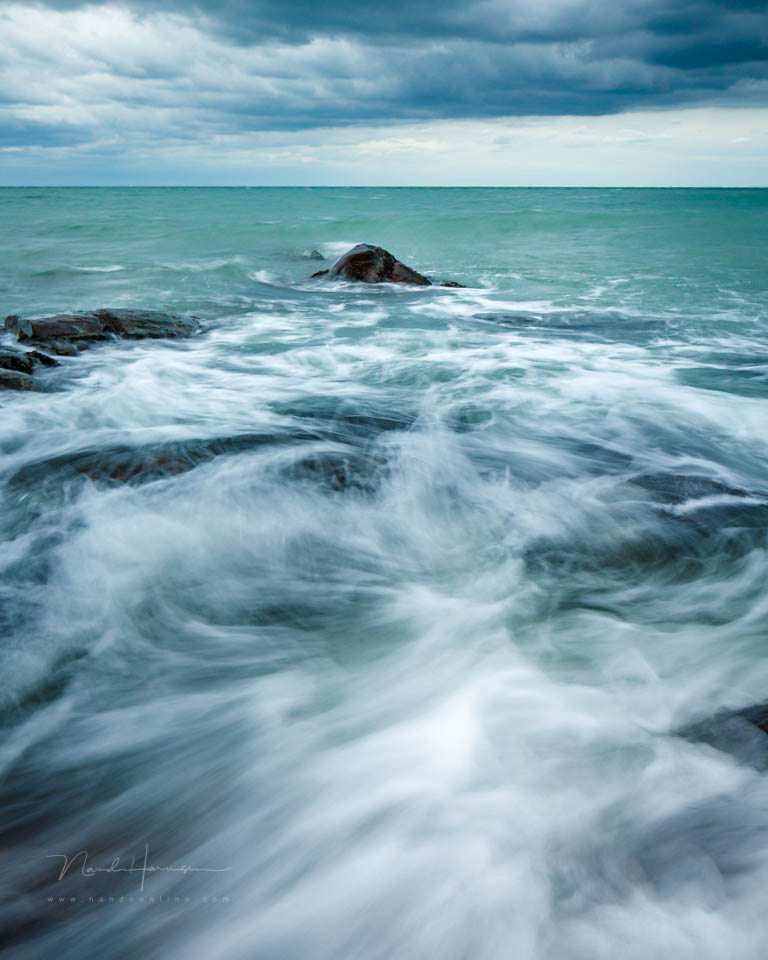
In the surf, the timing matters a great deal. You want to take the photo when the wave breaks, or when the water recedes. You can try to anticipate the two-second self-timer. But that is particularly difficult, or even impossible.
A cable release or remote control is essential in that situation. You press the button and the photo is taken immediately without touching the camera. It is simply a remote shutter button. This makes it possible to take the photo at the right moment.
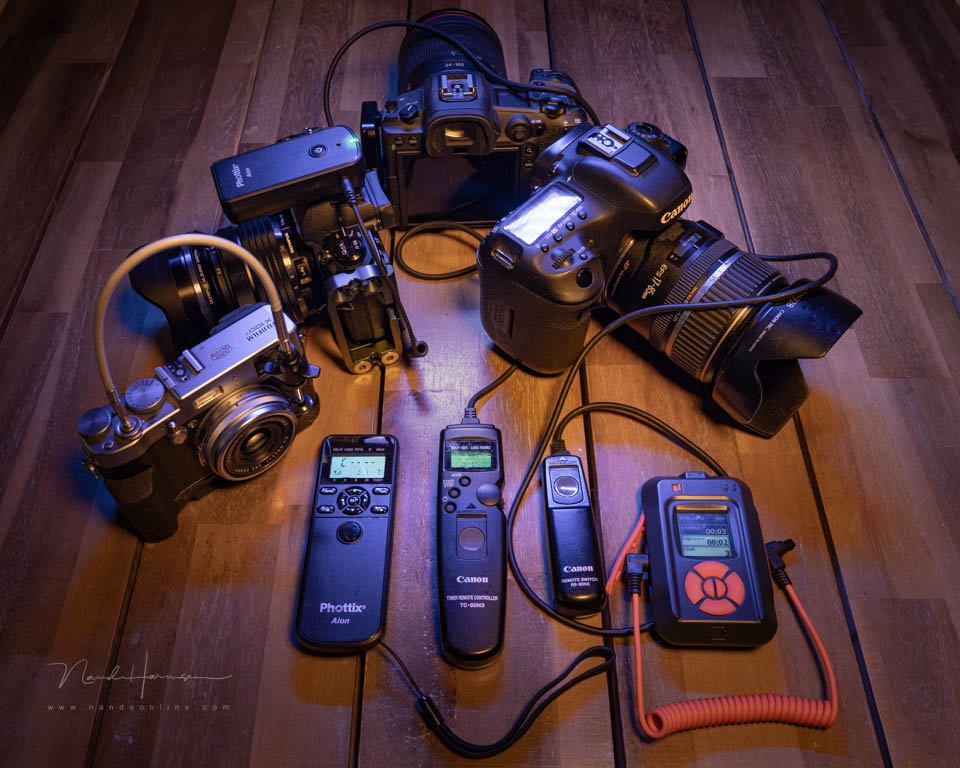
A wireless remote control has a transmitter and receiver, and needs batteries. You can also use a smartphone via Bluetooth. It does take time and effort to set up and maintain a connection.
A cable release is much simpler and fail-safe. It works with a cable, and connecting it is all that is needed. It works immediately, and you do not have to spend time and energy switching it on and establishing a connection.
Do you use a remote control or cable release? Why did you choose one over the other? Or did it simply work out that way? Tell us about your preference and experience in a comment below this post.
About the author
Nando Harmsen has been photographing for more than 40 years. He specialises in wedding photography and landscape photography. Nando also gives talks, workshops, masterclasses and photo trips, and regularly reviews new and interesting equipment.
You might also like
-
 Night photography tip: taking photos without touching the camera
by Nando Harmsen
-
 Be careful when using sharp lenses
by Nando Harmsen
-
 10 Tips for a Handheld Panorama
by Nando Harmsen
-
 Nikon releases Nikkor Z 50mm f/1.4
by Elja Trum
-
 Sharpness, where do you place it and how deep?
by Erik Nevels
0 comments
Be the first to share what you think!
Have your say
Please note: Articles older than a week can only be commented on by signed-in visitors.Would you still like to comment? sign in or create a free account.
Become a better photographer every week
A practical photography tip in your inbox every week.
39,081 photography enthusiasts already receive the tips! More about the weekly mail. Or keep up to date via  Facebook.

Elja Trum
Photofacts; everything to do with photography!
Would you like to take better photos and keep up with what is happening in photography? Photofacts publishes articles that teach you something about photography — from a product announcement to a practical shooting tip or a look at a website. Photofacts covers photography every day and is a hobby project of Elja Trum's that got out of hand. The articles are written by a team of volunteer authors. If you would enjoy writing one or more articles for Photofacts, do get in touch.More about PhotofactsPhotofacts is made possible in part by
