

Nikon announces the Z 6 II and Z 7 II
Thursday 15 October 2020, 18:36 by Nando Harmsen | 3,876 views | 5 commentsThis article was translated from Dutch with the help of AI. Read the original.
Nikon has released an update to its first full-frame mirrorless cameras, the Z 6 and Z 7. This is the first time Nikon has used the term Mark II. These second-generation mirrorless cameras are therefore called the Z 6 II and Z 7 II.
The official launch was accompanied by an online event. Several photographers who had used these new cameras spoke during the event.
This online event was a flashy film, full of fast images, with the eye autofocus repeatedly featured, along with increased speed from the new Expeed 6 processors used in the bodies.
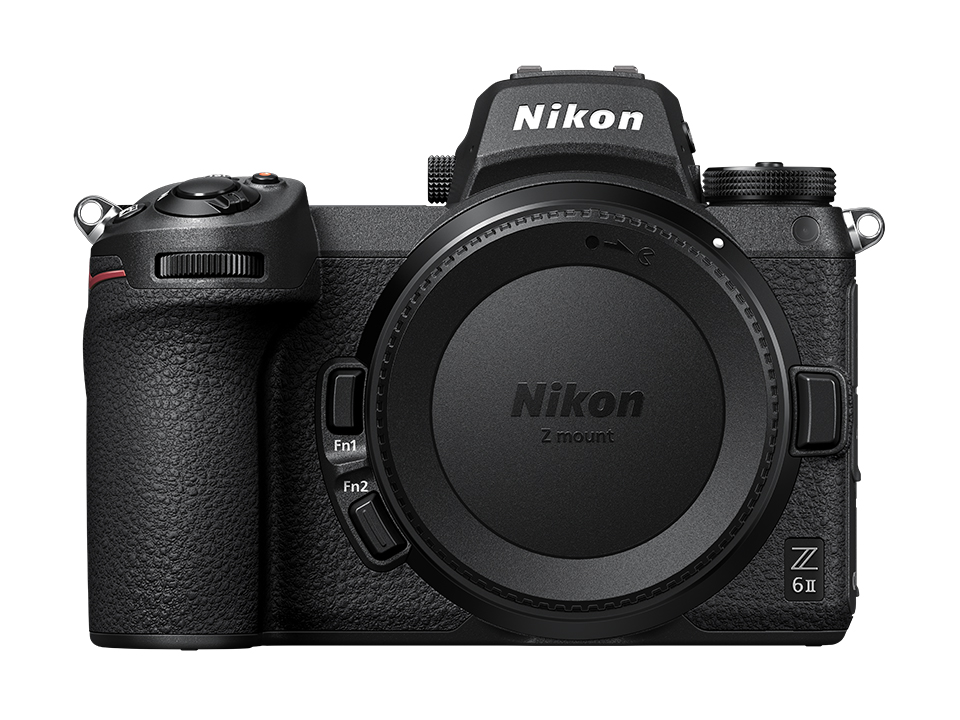
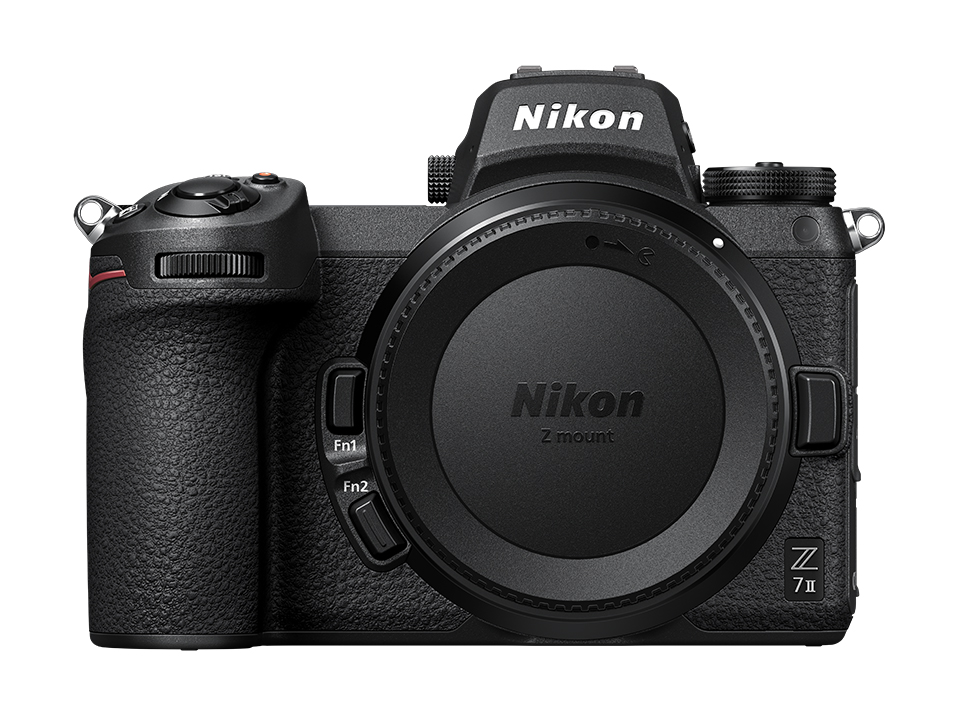
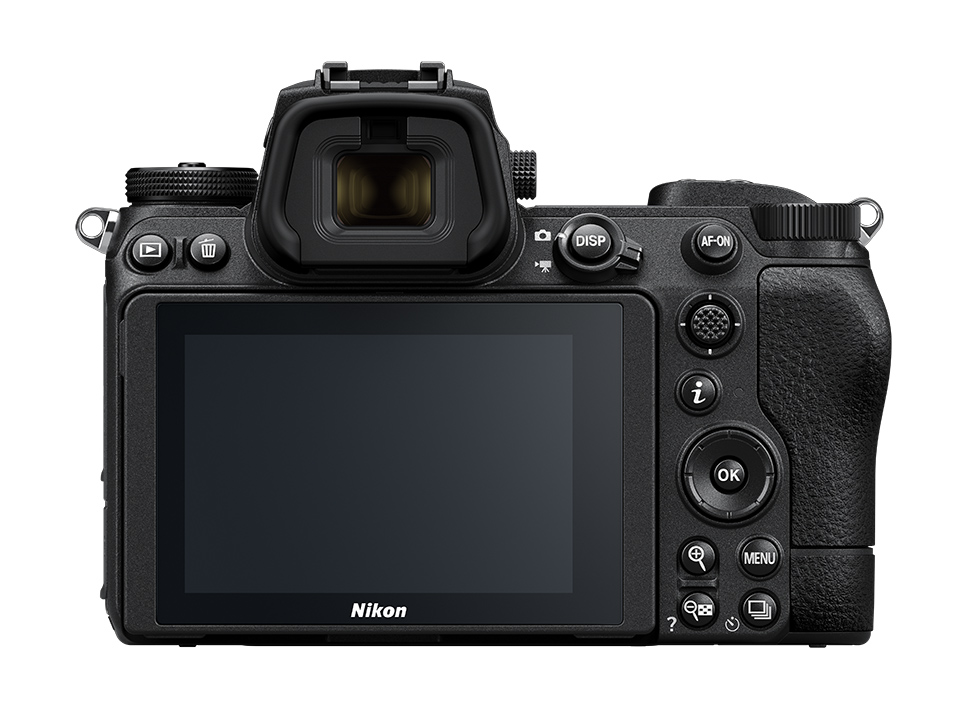
Nothing has changed on the outside of these cameras. All the changes are hidden inside the camera bodies.
The cameras have the much-requested dual card slot, and the option to use a battery grip. Here is an overview of what you can expect from the new Z 6 and Z 7.
Dual card slot
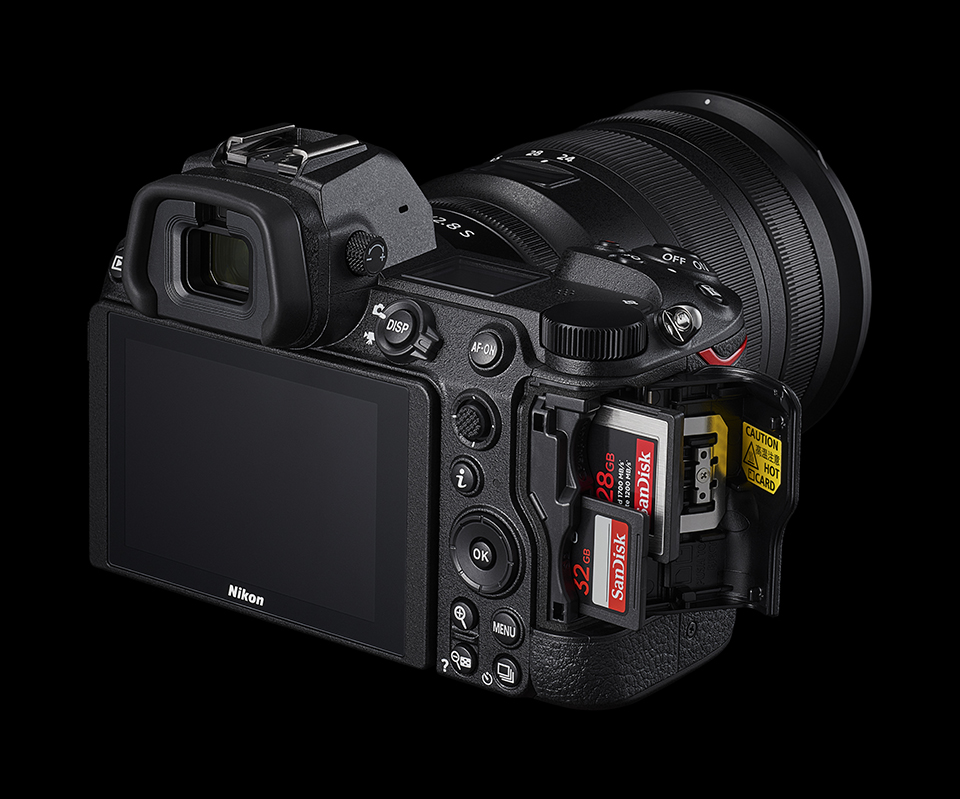
This is perhaps the biggest change. The cameras now accept two cards. Alongside the XQD/CFExpress Type B card, you can use a UHS-II SD card, with all the expected writing combinations. There is no option to write video to one card and photos to the other.
Vertical grip
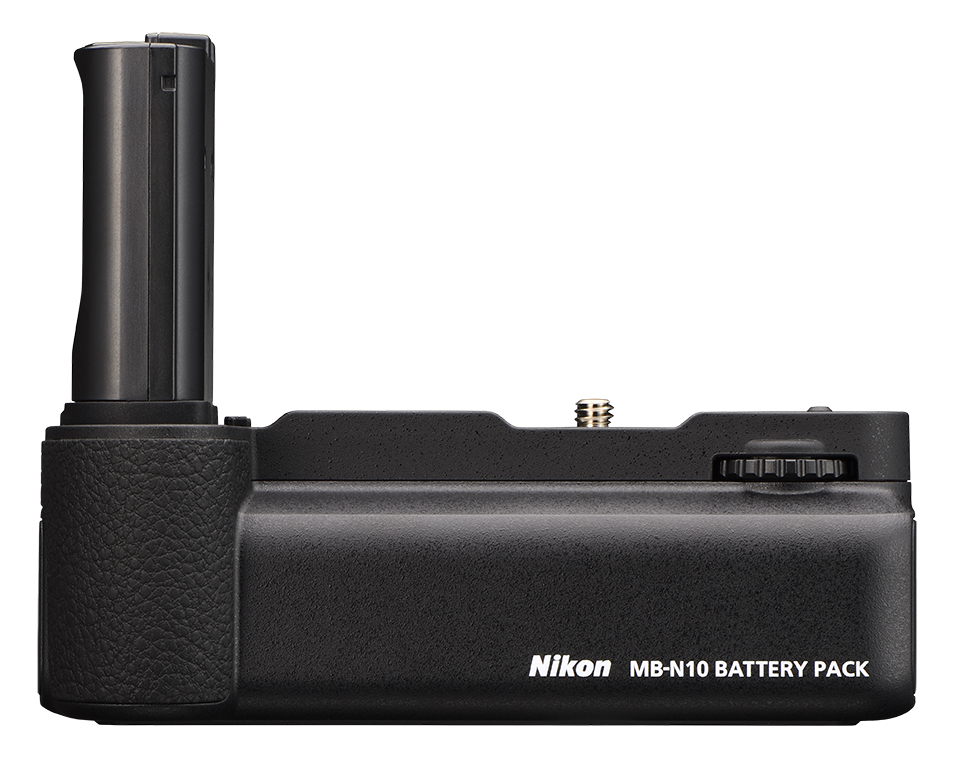
What was conspicuously absent from the first models was a battery grip with a full set of buttons for operating the camera in a vertical position. That has now changed.
The new MB-N11 grip is a full grip for the Z 6 II and Z 7 II, with a second set of controls for vertical shooting, and room for two batteries instead of one in the body. It also has a USB-C connection.
New type of battery
Nikon has chosen a new battery, the EN-EL15c, with a higher capacity. This can provide 5 to 10 per cent more images per battery charge. Older types of battery can still be used as well.
Dual processors
The camera has two Expeed 6 processors, giving it more processing power. As a result, the Z 6 II can process up to 14 frames per second, and the Z 7 II up to 10 frames per second.
This increased speed is only possible with 12-bit RAW images and a single AF point. The camera's buffer also empties faster with these processors.
Autofocus improvements
In wide-area AF mode, these second-generation cameras now have eye AF, both for people and animals.
This means that these AF modes are no longer limited to part of the image. Since this has become possible thanks to the new processors, it is unlikely that this update will also become available on the older models.
The camera is also better at focusing when little light is available. This means the slow low-light AF mode is needed less often. The cameras perform about 1 stop better than their predecessors.

Improved EVF
The Z 6 II and Z 7 II use the same 3.69 MP OLED viewfinders, but the blackout times between shots have been reduced. Viewfinder lag has also been reduced. Nikon has not said how much better it is.
Powering via USB
The cameras can be powered via USB. This makes it possible to shoot for a very long time, such as during a timelapse.
You do need a USB-C to USB-C cable for this, to have enough power. On top of that, you can charge the batteries in the camera via the USB-C cable.
Video updates
One of the changes is the option to record 4K internally at 60 frames per second. Initially, this is only available on the Z 7 II. The Z 6 II will receive this as a free update in February 2021.
There are also extra options for recording to an external recorder, although some updates will be offered as paid updates, including recording a RAW video stream.
Smaller updates
There are also a series of smaller updates and improvements. One of these is the option to set the shutter speed to up to 900 seconds, 15 minutes, instead of the standard 30 seconds.
There is also the option to create a video from interval shots, instead of the normal timelapse mode. This was already available on the Nikon D780.
New is the option to change the direction of the focus ring, something that will be a welcome option for filmmakers. This lets you set the direction of rotation to match that of lenses from most other brands.
What is the same?
The camera's appearance is unchanged, as are the positions of the buttons and control dials. The resolution of the sensors also remains the same.
In that respect, it will be difficult to distinguish the Mark I from the Mark II. The menu is also the same, apart from the new functions added to the cameras.
Everything in a nutshell
The original Z 6 and Z 7 received quite a lot of criticism. This second generation has addressed the source of that criticism for the most part, if not entirely. The Z 6 II and Z 7 II therefore seem to be the cameras that the original Z 6 and Z 7 should have been.
If some of the criticisms of the first generation had stopped you from choosing a Nikon full-frame mirrorless camera, there is now no reason not to choose one.
How the new and improved functions perform in practice, and how they compare with the competition, will become clear in the coming months, when reviews appear online.
Price and availability
The Nikon Z 7 Mark II will be available at the end of 2020 for a recommended retail price of 3,399 euros. The cheaper Nikon Z 6 Mark II will already be available at the beginning of November, with a recommended retail price of 2,199 euros.
About the author
Nando Harmsen has been photographing for more than 40 years. He specialises in wedding photography and landscape photography. Nando also gives talks, workshops, masterclasses and photo trips, and regularly reviews new and interesting equipment.
You might also like
-
 Nikon announces new flagship, the Z 9
by Nando Harmsen
-
 Sony announces successor to the Sony A7R IV, the camera with AI
by Nando Harmsen
-
 Nikon Z5 II announced
by Elja Trum
-
 Nikon introduces the Z6 III mirrorless camera
by Nando Harmsen
-
 An interesting firmware update for the Nikon Z6 II and Z7 II
by Nando Harmsen

5 comments
-
 Ray wrote on Tuesday 20 October 2020 at 13:01 | reply
De Z6 II en Z7 II zijn echt een verbetering in verhouding tot de 1e versie. Ik ben benieuwd hoe deze camera omgaat met de F lenzen+adapter , is deze camera dan nog zo snel met z'n AF? Nikon mist voor z'n Z camera nog wel lenzen bijvoorbeeld een zoomlens zoals de 200-500.dus voor natuurfotografen is dat heel jammer.
This comment was written in another language and has not been translated yet. -
 swa wrote on Tuesday 20 October 2020 at 17:29 | reply
"Wat schitterde door afwezigheid in de eerste modellen, was een batterij grip. Dat is nu veranderd." Die is er wel degelijk voor de Z6 en Z7, namelijk de MB-N10 grip. Die hier in deze reportage als foto verschijnt met verwijzing naar de nieuwe batterijgrip MB-N11?
This comment was written in another language and has not been translated yet. -

 Nando
wrote on Wednesday 21 October 2020 at 09:45
| reply
Nando
wrote on Wednesday 21 October 2020 at 09:45
| reply
@swa:
This comment was written in another language and has not been translated yet.
je hebt gelijk... er was een batterij grip, maar niet met knoppen voor een verticale bediening. Vreemd dat de promo foto die ik van Nikon heb gekregen de oude is.
Ik pas de tekst in het artikel aan. Dank je voor je oplettendheid. -
 Jim wrote on Wednesday 21 October 2020 at 12:14 | reply
Het is bijna een ziekelijke strategie van Nikon, maar ook van Canon en andere camera fabrikanten, om eerst met een soort gestript model(len) uit te komen en pas na veel negatieve reacties van gebruikers, uiteindelijk met een meer acceptabel, verbeterd, model uit te komen. Daarmee creëren de fabrikanten bewust vaak onnodige dubbele investeringen door de gebruikers! Dat wetende heb ik meestal zeer afwachtend gereageerd bij de introductie van een nieuw model. Ik ben niet zo'n liefhebber van het bij de neus te laten nemen door camera fabrikanten! Ik ben door de jaren heen, naast andere cameramerken en types, bij de analoge kleinbeeld slr camera's en de tegenwoordige full frame digitale camera's wel merk trouw gebleven.
This comment was written in another language and has not been translated yet. -
Nando
wrote on Tuesday 27 October 2020 at 09:39
| reply
@Jim:
This comment was written in another language and has not been translated yet.
Er is voor vrijwel niemand een noodzaak om direct bij een nieuw model te upgraden. Waarom ook? Bij de introductie van een nieuwe camera is de oude niet slecht geworden. Je hebt groot gelijk om gewoon door te fotograferen met je camera. Pas als die versleten is, is het tijd om over te stappen. Alleen als de nieuwe features voor je fotografie nut hebben, kan het zin hebben om te upgraden. Dit geldt vaak alleen voor de professional die er zijn inkomen mee verdiend.
Have your say
Please note: Articles older than a week can only be commented on by signed-in visitors.Would you still like to comment? sign in or create a free account.
Become a better photographer every week
A practical photography tip in your inbox every week.
39,079 photography enthusiasts already receive the tips! More about the weekly mail. Or keep up to date via  Facebook.

Elja Trum
Photofacts; everything to do with photography!
Would you like to take better photos and keep up with what is happening in photography? Photofacts publishes articles that teach you something about photography — from a product announcement to a practical shooting tip or a look at a website. Photofacts covers photography every day and is a hobby project of Elja Trum's that got out of hand. The articles are written by a team of volunteer authors. If you would enjoy writing one or more articles for Photofacts, do get in touch.More about PhotofactsPhotofacts is made possible in part by
