

Review: Canon EOS RP
Friday 6 December 2019, 20:02 by Michelle Peeters | 11,780 views | 4 commentsThis article was translated from Dutch with the help of AI. Read the original.
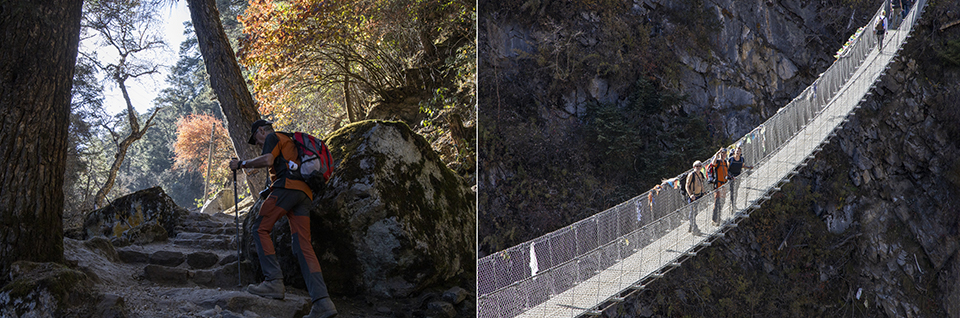
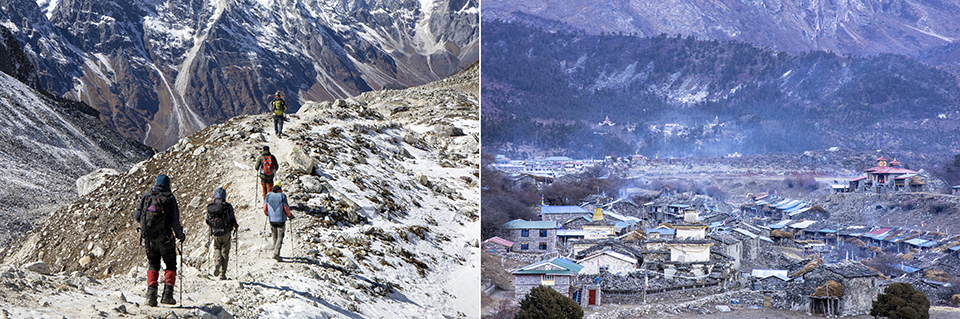
Canon Nederland gave me the chance to put their EOS RP mirrorless camera through its paces during my trek through Nepal.
It is Canon's second full-frame mirrorless camera with the new Canon RF mount. The EOS RP is well below the previously introduced Canon EOS R in terms of price and specifications, and proved to be an ideal travel camera.
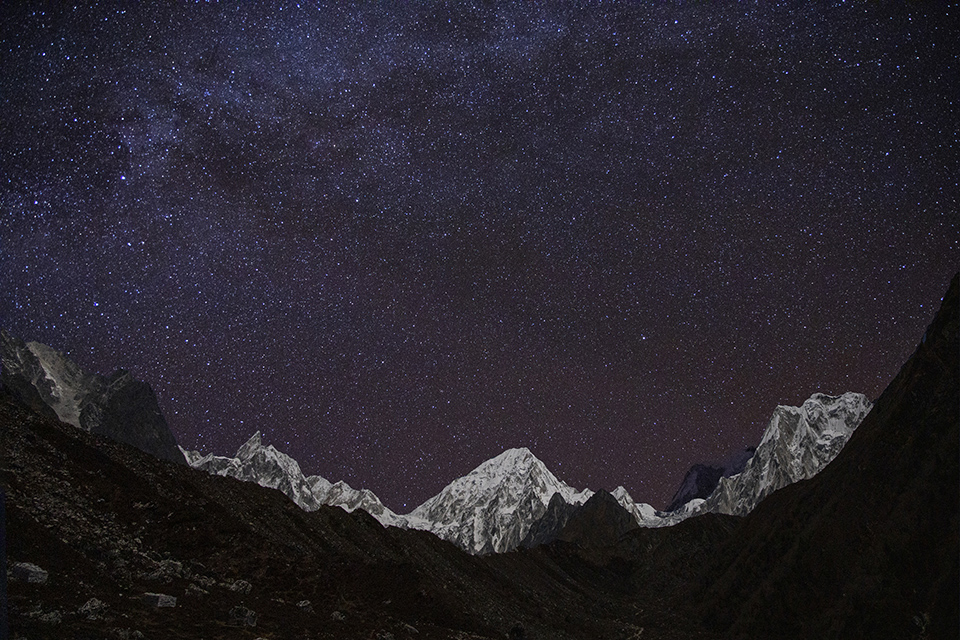
Shallow depth of field
The camera has a large 26.2-megapixel full-frame image sensor, which also allows you to create beautiful, shallow depth of field, and Canon's latest processor, the DIGIC 8.
It can record in 4K and Full HD, although I did not test this further. The tilting screen can also be turned inwards and used for selfies. The lens has built-in image stabilisation, as the Canon EOS RP, like the EOS R, does not have this on board.
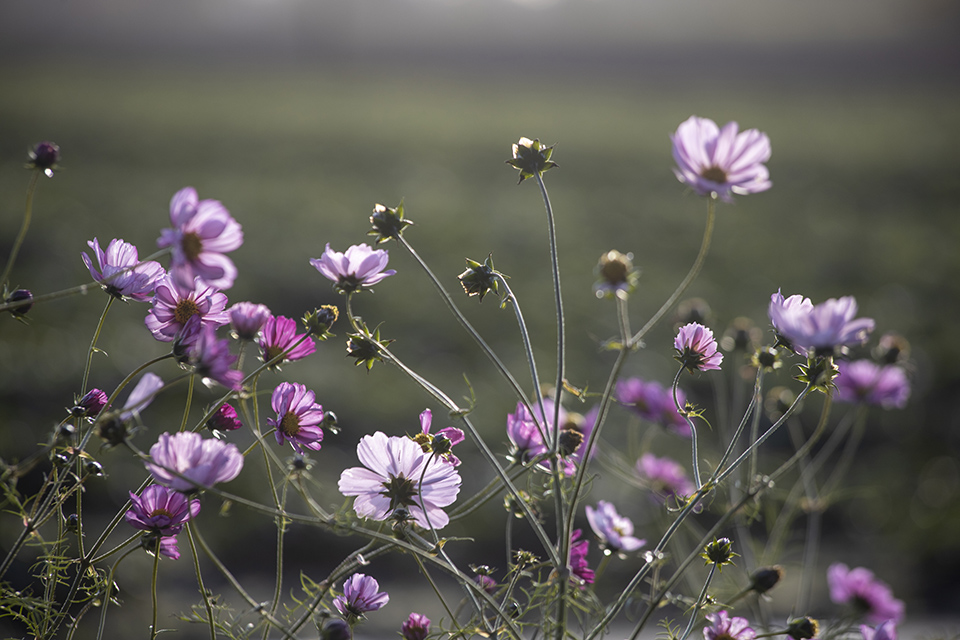
Affordable, light and compact
With a price of around 1,500 euros, the EOS RP sets a new standard for full-frame cameras, and with its modest dimensions, the EOS RP also shows the advantages of leaving out the mirror.
That price currently also includes the EF-RF adapter, so you can immediately use all your Canon EF lenses with the Canon EOS RP without any problems.
The Canon EOS RP is one of the smallest and lightest full-frame cameras on the market and was the cheapest full-frame camera ever at launch. The camera owes its low weight, 485 grams, to the use of high-quality plastics for the body.
Despite its compact dimensions, the camera sits comfortably in your hand, thanks to the solid grip that extends well in front of the camera. The compact dimensions are the result of, among other things, a different viewfinder and a simplified interface.
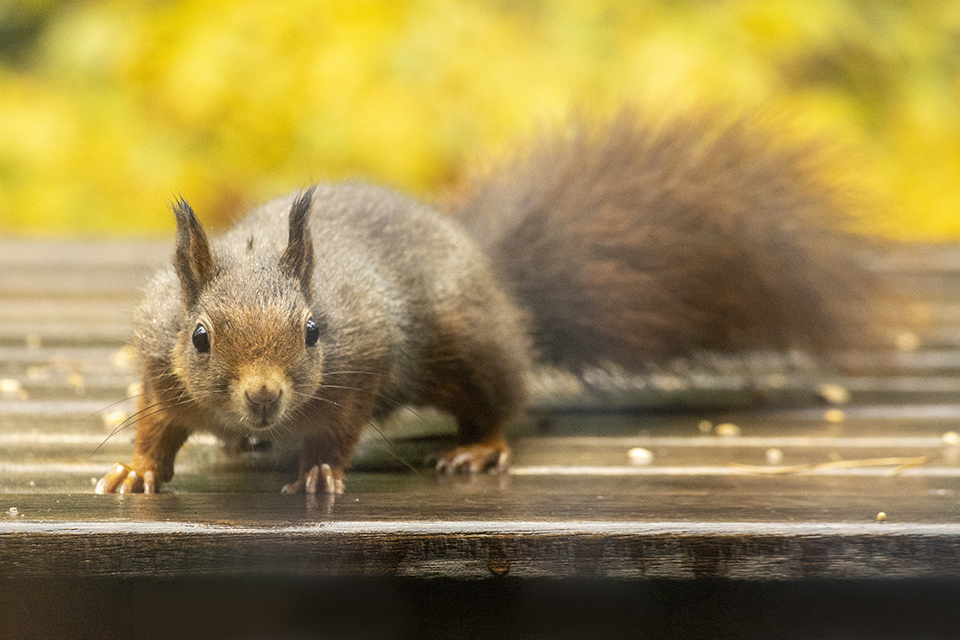
Ease of use
The EOS RP does not have the innovative "touch bar" of the EOS R, for example. However, many users probably will not miss it.
The camera has a dial for the shooting mode and two programmable buttons for adjusting the exposure settings on the camera. That is generally more than enough.
There is also an on/off switch on the left side of the top plate. This means you will need to use at least two hands to turn the camera on. The other controls are on the back.
The number of buttons is fairly limited and they are clearly arranged. Anyone who has used a Canon before can start using this camera immediately.
The tilting and swivelling screen is also touch-sensitive. The camera is not fully weather-sealed, but this model is not intended for professional photographers who need to take their photos in heavy snowstorms. It did, however, cope perfectly well with all the dust and sand in Nepal!
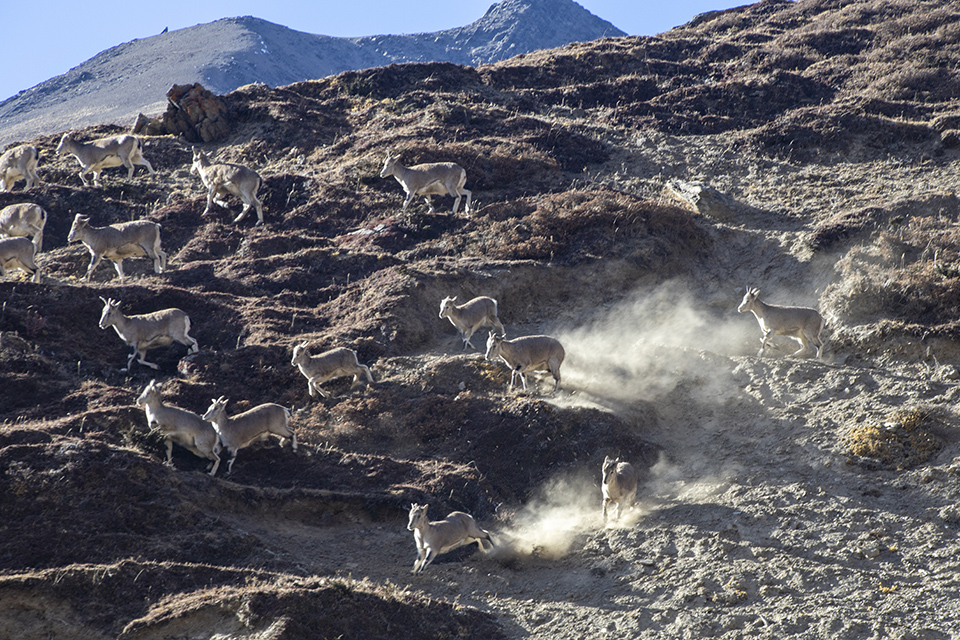
Connections
In terms of connections, there is a USB-C connection and a microphone and headphone input. That USB connection is a little disappointing, but the ability to connect both a microphone and headphones makes the camera much more attractive to videographers.
Of course, the EOS RP also has Wi-Fi, Bluetooth and a headphone output. The camera works with a fairly simple configuration and powerful support.
With Canon's Camera Connect app, you can view and download images on the camera. You can also control the camera remotely and tag your photos with GPS data from your smartphone.
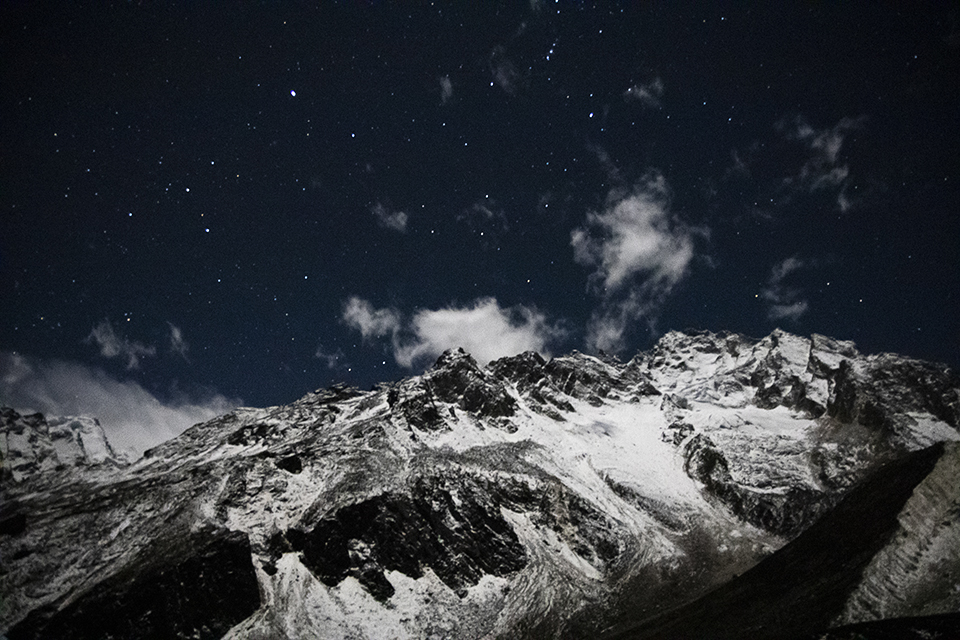
Image quality
The image quality of the Canon EOS RP is generally very good, apart from two points. Those who mainly shoot JPEGs and do so in reasonable light will barely notice the drawbacks.
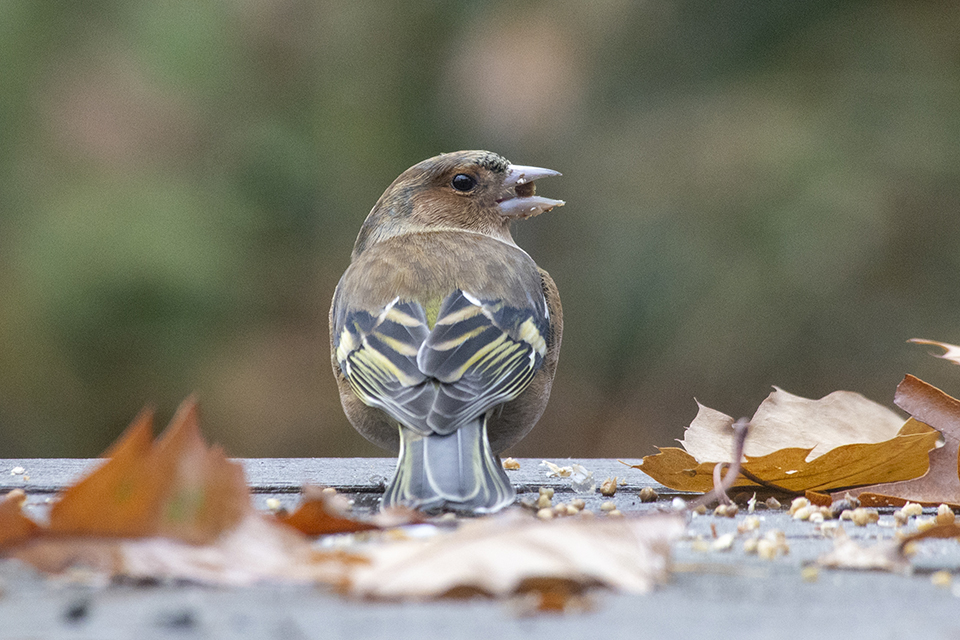
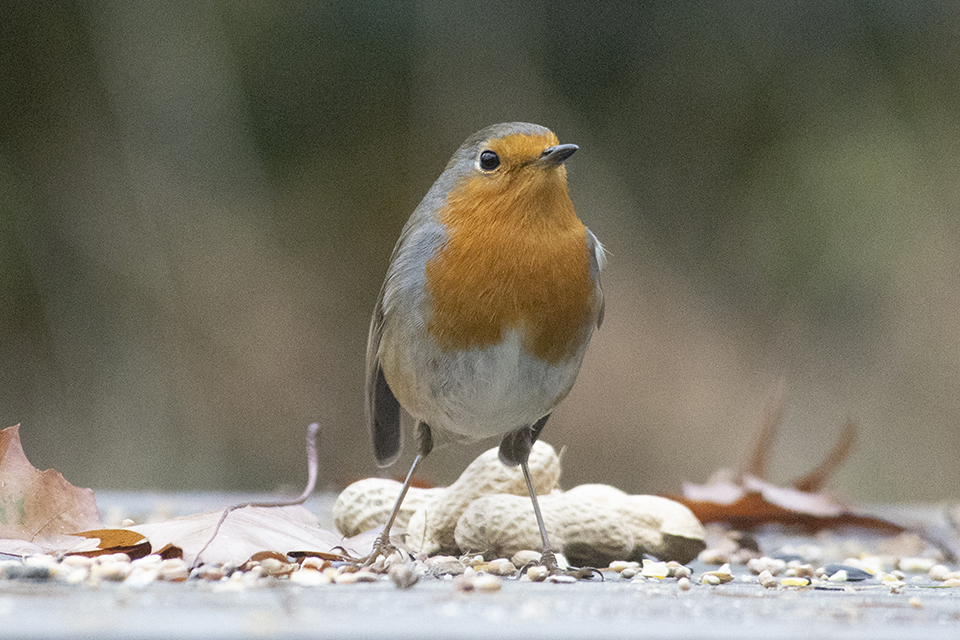
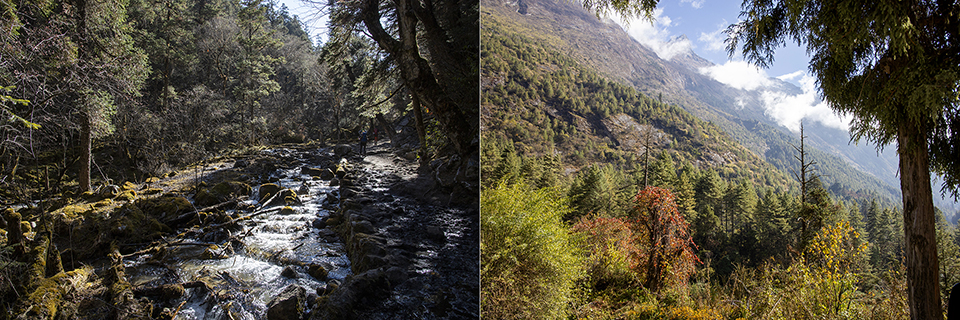
You then get beautiful, high-contrast images with punchy colours and the characteristic deep blacks we have come to expect from EOS cameras. Sharpness is very good, and thanks to the full-frame sensor, you can even get considerable background blur with an f/4 zoom lens such as the Canon RF 24-105 mm f/4 IS.
This is what you expect from a Canon as an amateur photographer, and if you use the EOS RP in that way, the camera certainly will not disappoint. Anyone who shoots everything in RAW with the intention of extensively editing everything later will probably have a few more problems with the camera.
That is because the dynamic range is slightly smaller than you may be used to from new cameras. The EOS RP is therefore somewhat of a split personality.
If you buy the camera because of its compactness and low weight, as a camera for simply taking beautiful photos without too much hassle, the EOS RP is a great addition.
If you buy it because you want a full-frame camera and are looking for the ultimate image quality, but your budget is limited, you may be making the wrong choice with the EOS RP.
Key points
- Smallest and lightest full-frame interchangeable-lens camera of the current generation;
- The deep grip is comfortable, but may be a little small for some users and larger lenses;
- The controls are generally well thought out, with dual control dials;
- Excellent and intuitive touchscreen interface
- Good wireless connectivity, good Auto ISO implementation
- The battery life may be a little on the short side. However, I had no problems with it and could manage a whole day, even in very low temperatures, with one battery. There were enough charging points and I had been given three spare batteries.
RF 24-105mm
The RF 24-105mm F4L IS USM lens I received with it works well, but is rather bulky compared with the compact body. You also miss a bit of extra zoom reach to bring wildlife closer, for example.
As well as this lens, I used my own Canon EF 70-300 mm - f/4-5.6 IS USM lens via the adapter ring. This lens is also fairly light and produced good results.
Auto ISO and on-screen displays
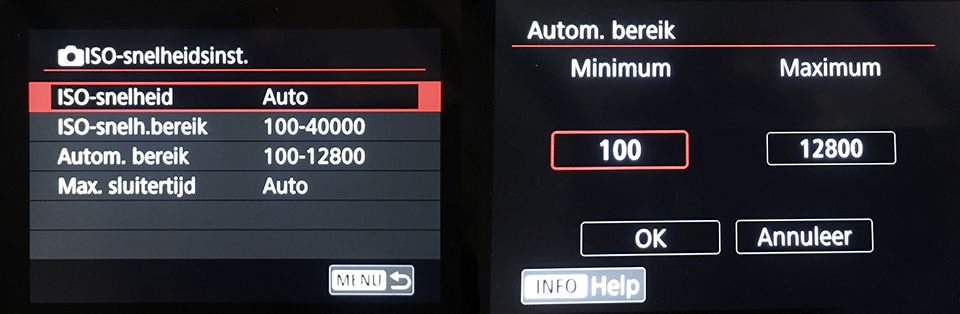
The EOS RP has an ISO range of: 100 - 40000, L=50, H1=51200, H2=102400. If you like using Auto ISO, the EOS RP has a fantastic implementation that gives you control over your chosen ISO range, a minimum shutter speed and an option to let the camera choose that minimum shutter speed automatically.
If you choose the last option, you can set it faster or slower than the default, which is 1/focal length.
The EOS RP offers a wide range of display options while shooting, including exposure information, a histogram, an electronic level and the option for a 'clutter-free' display showing only the live feed if you want to be careful with your composition.
Bear in mind, however, that the electronic level and histogram cannot be displayed at the same time.
Autofocus and performance
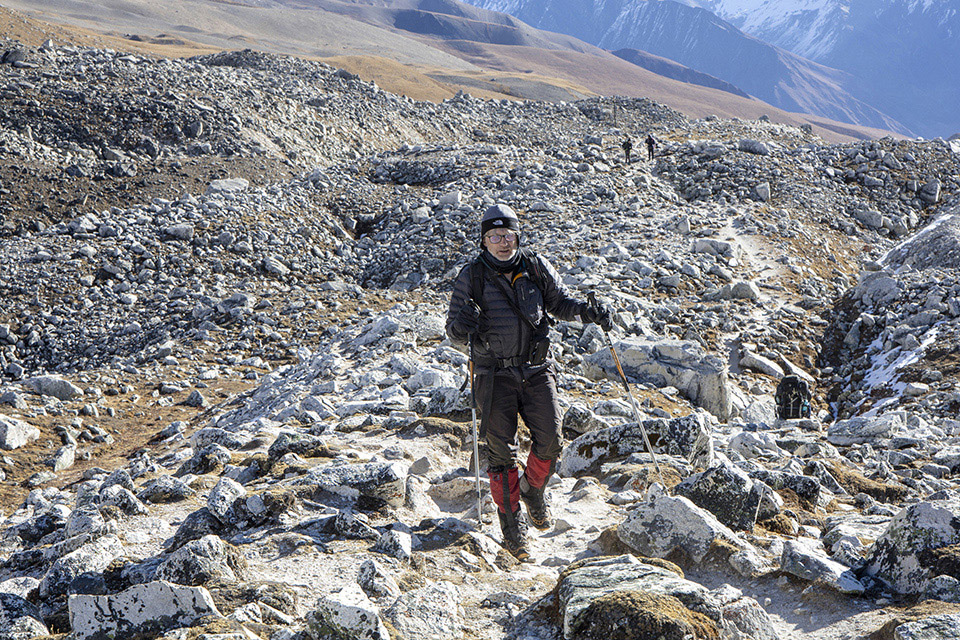
The EOS RP's Dual Pixel autofocus system works very well in a wide range of situations, including in low light.
The camera has many focusing options: automatic, via the touchscreen, manual with magnification, face detection, spot focusing, focus tracking, continuous, which can be enabled, and focus bracketing.
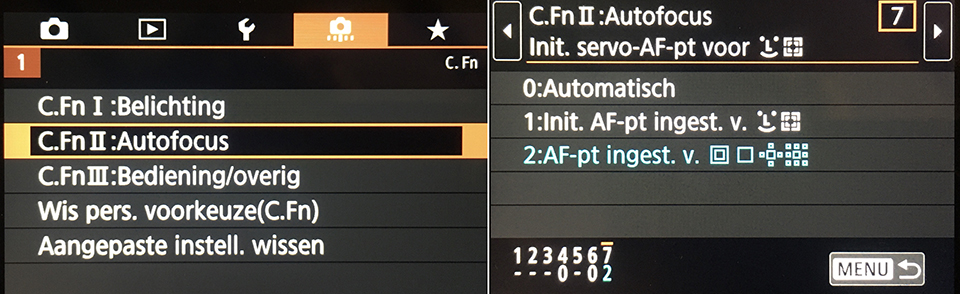
By default, the EOS RP selects what it wants to focus on using Face Detection/Subject Tracking mode, in continuous Servo AF mode.
As you get to know the camera better and want to take a little more control, you can change option 7 in section II of the Custom Functions menu. This setting allows you to specify the initial subject to track.
This works reasonably well. It ignores people when you tap the AF target or point it at a non-human subject, or follows their face and eyes when you point the target at a person. This means you can leave the camera in this mode for most shooting situations with minimal input.
The focus-assist light helps with focusing in low light. A disadvantage may be that the light unintentionally attracts your subject's attention. The camera has 4,779 focus points.
The fact that the EOS RP is a mirrorless camera causes major differences in autofocus. While the autofocus points of the 6D Mark II only cover the centre of the image, with the EOS RP you can focus almost to the edge of the image using autofocus and the viewfinder.
The camera owes this to its 4,779 autofocus points on the sensor. Autofocus is also fast and sensitive down to -5 EV. Canon claims a time of 0.05 seconds for single-shot AF. And unlike DSLRs, the EOS RP also has Eye Detection AF, which makes taking portraits or family snapshots much easier.
Eye Detection AF also works in Servo AF mode. However, you cannot get the same lightning-fast autofocus as in single-shot AF mode with Eye Detection AF. Give the camera a moment to find the eye and focus on it. You will often miss your perfect shot, however, especially in wildlife photography.
Other nice features
The Canon EOS RP has a few nice features. One of them is Focus Bracketing. This allows you to take a series of shots in which the camera varies the focus slightly each time. The camera starts at the closest point and then focuses a little further away.
Both the size of the intervals and the number of shots can be set. What you need depends on the lens used, the size of the subject and the distance to the subject. You therefore need to experiment with it for the best result.
The shots are not stitched together in the camera, and of course you need a tripod for a good result. You can then stitch them using, for example, Canon's own Digital Photo Professional, which is supplied with the camera.
Another new feature is the fully electronic shutter. Unfortunately, this is not an option you can set. It is part of some scene modes.
With the time-lapse function, you can automatically take multiple photos with a set interval between them. This allows you to capture slow processes, such as a flower bud opening. With continuous shooting, you can take more than 1,000 photos with continuous autofocus.
The Self-timer function is essential for astrophotography from a wobbly tripod. You can choose between 2 or 10 seconds.
Conclusion
The Canon EOS RP really surprised me. The camera is light and affordable, but does not feel like a stripped-down budget model. The body sits comfortably in your hand and feels solid enough. The idea that it was also sealed against dust and moisture was an extra reassurance during my demanding trek in Nepal.
The viewfinder and screen are pleasant to work with, and the touchscreen interface is pleasant and quick to use. The camera offers more than enough options for taking beautiful images in a wide range of conditions.
In other words, this is a great camera for travel photography, for example, or for taking with you on all kinds of trips. And if you mainly shoot JPEGs, the image quality certainly will not disappoint you.
The only thing I would like to see for the EOS RP body is a lighter, more compact and stabilised zoom lens. The Canon RF 24-105 mm f/4 IS is currently the most logical choice, but a smaller 24-70 mm or 28-75 mm would make the camera even more compact and therefore even easier to take with you.
The fact that the limited lens choice is my main criticism really shows that there is little wrong with this camera! It is a likeable little camera with solid JPEG image quality.
Great for casual users and people who are already in the Canon ecosystem and are looking for a compact second body. I will probably be won over by this camera myself!
About the author
Michelle Peeters is fotografe en oprichter van DeuxBleus Fotografie. Michelle herkent het bijzondere in het gewone en het gewone in het bijzondere. Ze heeft zich nooit willen specialiseren en is daardoor van alle markten thuis.
You might also like
-
 Review: Canon EOS R6
by Nando Harmsen
-
 Review: Canon EOS R5
by Nando Harmsen
-
 Review: Canon EOS R7
by Nando Harmsen
-
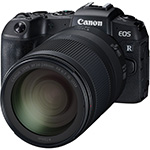 Canon EOS RP mirrorless camera announced
by Elja Trum
-
 Review of the Canon EOS M50 mark II
by Nando Harmsen
-
 Review: Canon EOS R50 mirrorless camera
by Nando Harmsen
4 comments
-

 Dies Groot wrote on Tuesday 10 December 2019 at 12:30
| reply
The camera is light and "cheap", but it doesn't feel like a stripped-down "budget" model.
Translated from Dutch.
Since we went digital some 15 to 20 years ago, I've noticed that we've all started to find the current prices of photographic equipment 'just' and 'normal'. But for a lot of people, a 'budget' camera kit costing around 2200 euros isn't 'cheap'.
Not to mention a little trip to Nepal.
Everything is becoming more and more 'normal' and 'cheap' these days.
I know, it's all relative and everyone is entitled to it, but still ....
Excellent technical review, by the way. -
 Michelle Peeters wrote on Tuesday 10 December 2019 at 14:28
| reply
@Dies: that's correct and you're right about that! I think it's also because you compare it with similar mirrorless cameras of the same quality level. And if you've already started investing quite a bit yourself, you don't notice as much anymore that they are still substantial amounts. I have to say that my Canon equipment is very robust, it really does last for years and years!
Translated from Dutch. -
 guest wrote on Wednesday 11 December 2019 at 01:29 | reply
Totally agree with those ridiculous prices that now have to be paid for new camera,s Full frame is that it the ultimate? nonsense
Translated from Dutch. -
 Stefanie wrote on Wednesday 11 December 2019 at 08:16 | reply
For me, battery life is a very big obstacle to switching to a mirrorless camera, especially for travel! You indicate that you could shoot for 1 day and had sufficient charging options, but I have experienced things differently, such as not being able to charge properly for 3 days due to regular power outages in South Africa, camping trips with several days without electricity. I do have 1 extra battery with every camera, but if I have to start lugging around a whole bag full of batteries then I'm out
Translated from Dutch.
For now I'll just stick with my 6DII
Have your say
Please note: Articles older than a week can only be commented on by signed-in visitors.Would you still like to comment? sign in or create a free account.
Become a better photographer every week
A practical photography tip in your inbox every week.
38,938 photography enthusiasts already receive the tips! More about the weekly mail. Or keep up to date via  Facebook.

Elja Trum
Photofacts; everything to do with photography!
Would you like to take better photos and keep up with what is happening in photography? Photofacts publishes articles that teach you something about photography — from a product announcement to a practical shooting tip or a look at a website. Photofacts covers photography every day and is a hobby project of Elja Trum's that got out of hand. The articles are written by a team of volunteer authors. If you would enjoy writing one or more articles for Photofacts, do get in touch.More about PhotofactsPhotofacts is made possible in part by
