

Review: Canon EOS R6
Friday 20 November 2020, 16:32 by Nando Harmsen | 10,600 views | 14 commentsThis article was translated from Dutch with the help of AI. Read the original.
The Canon EOS R6 is the smaller brother of the EOS R5. In fact, they are twins, with almost identical looks and largely the same specifications. But there are also major differences. This is the review of the Canon EOS R6 mirrorless camera.
At the beginning of September 2020, Canon Nederland gave me the opportunity to test and review a Canon EOS R5.
That led to two things: a review of the Canon EOS R5 and a camera on my wish list. It will be clear that I am very enthusiastic about this mirrorless camera.
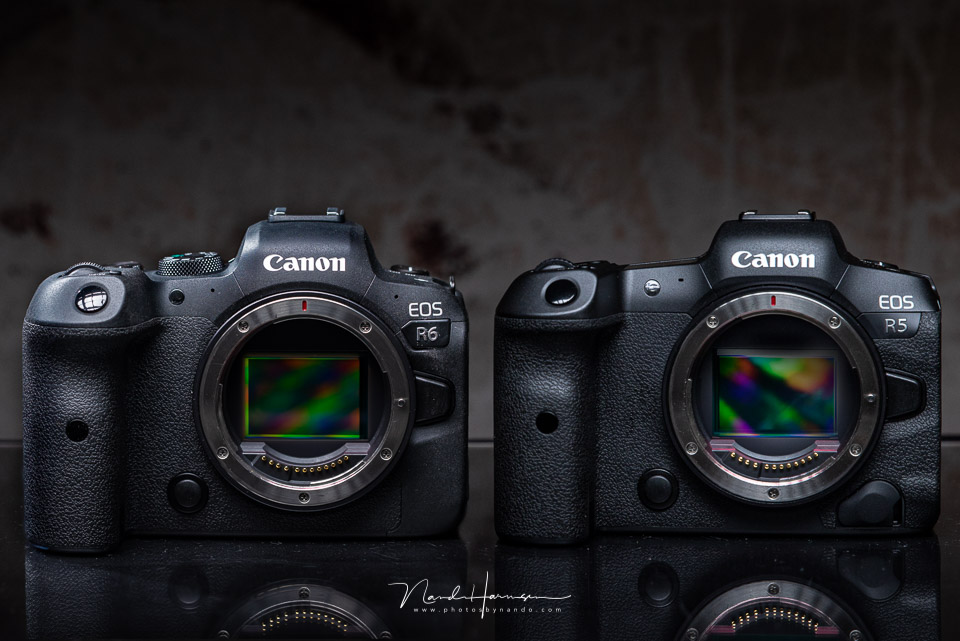
Besides the EOS R5, Canon has also released an EOS R6, which I like to call the smaller brother. The EOS R6 is virtually the same camera, with largely the same fantastic functionality. They also look very much alike, apart from one striking difference: the PSAM dial.
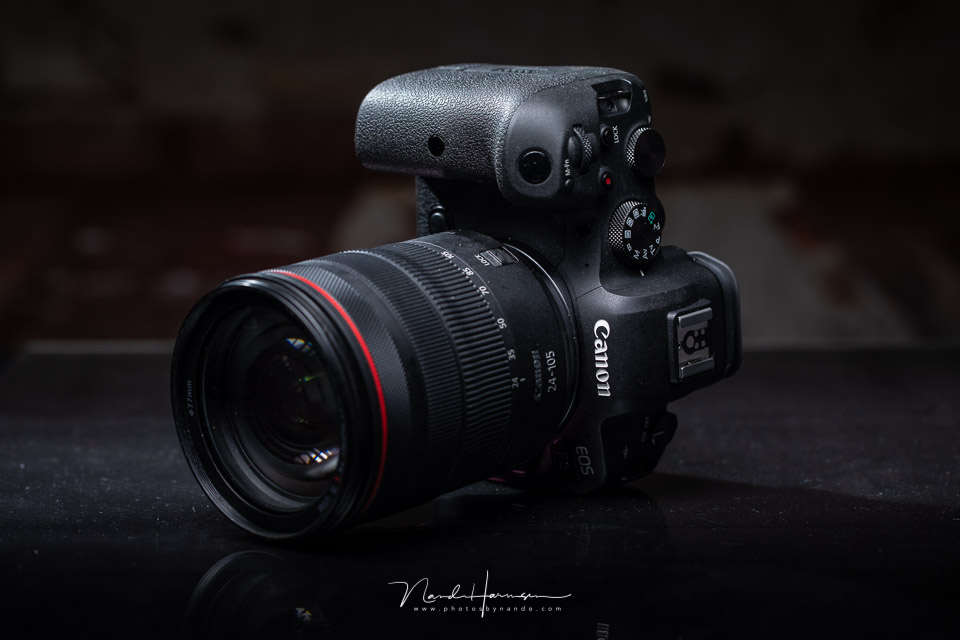
At the end of October, I was sent the EOS R6 for a review. Testing this camera as well gave me the opportunity to compare the two.
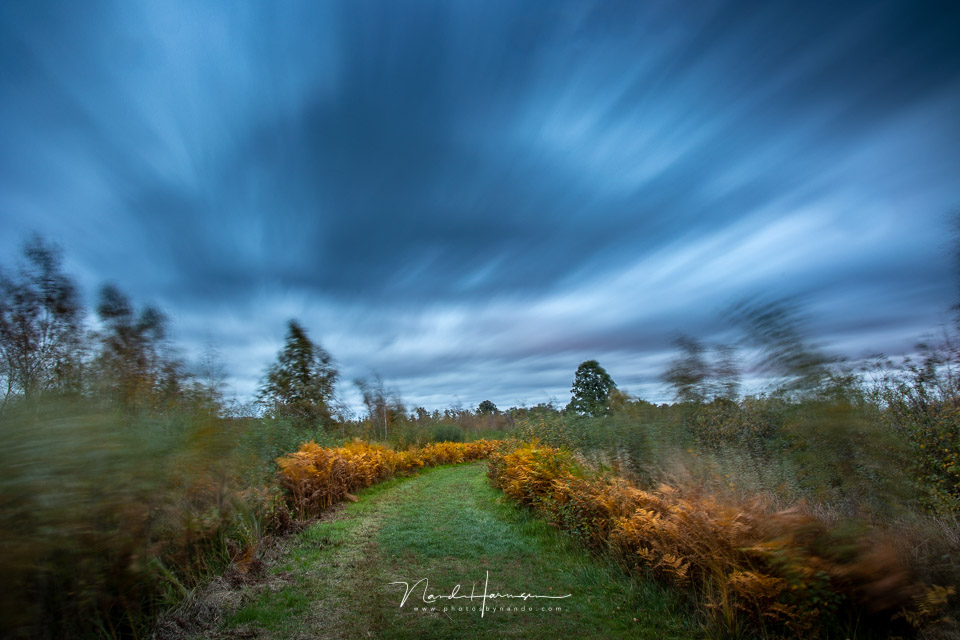
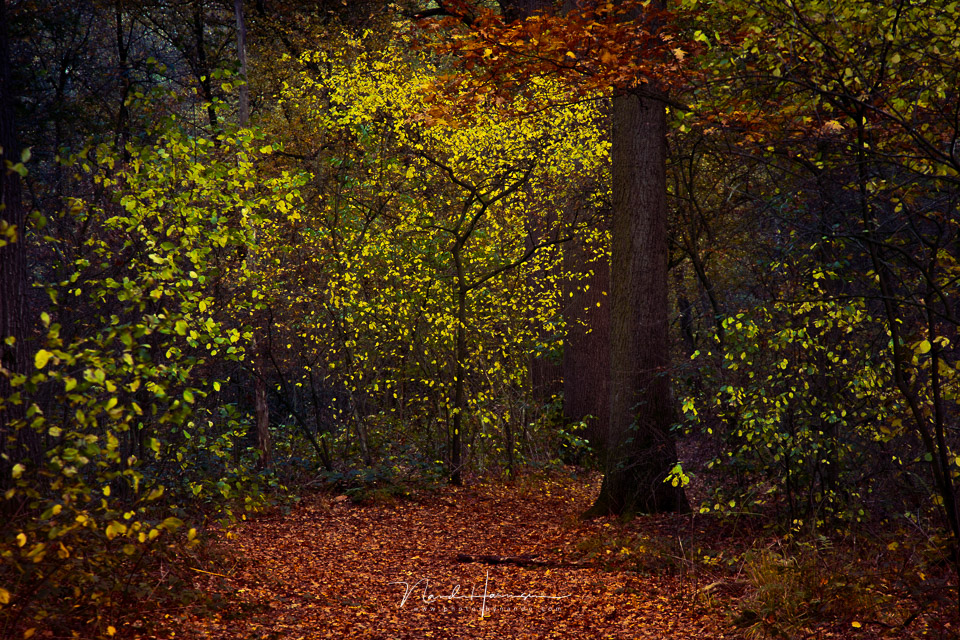
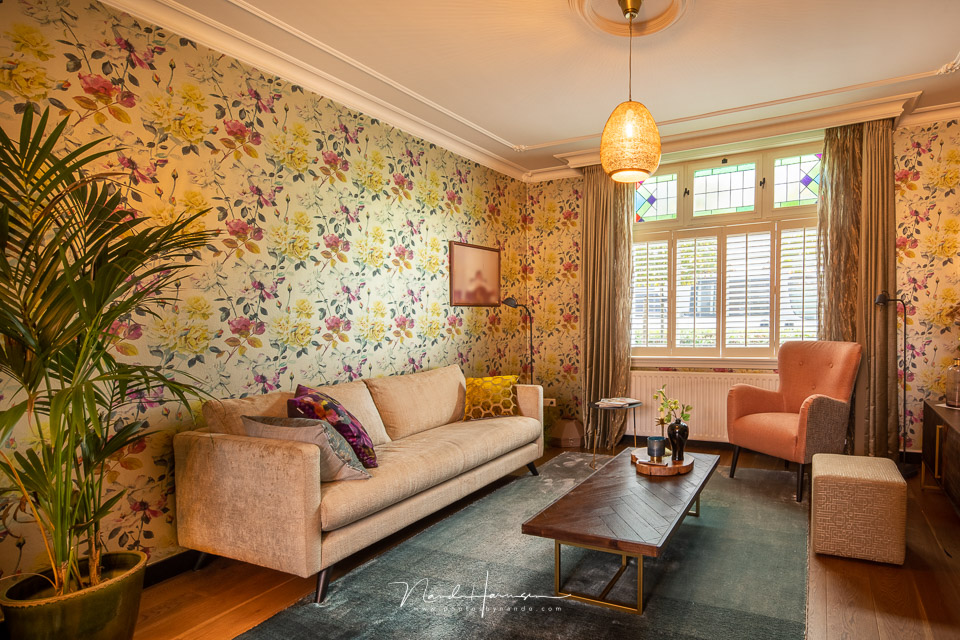
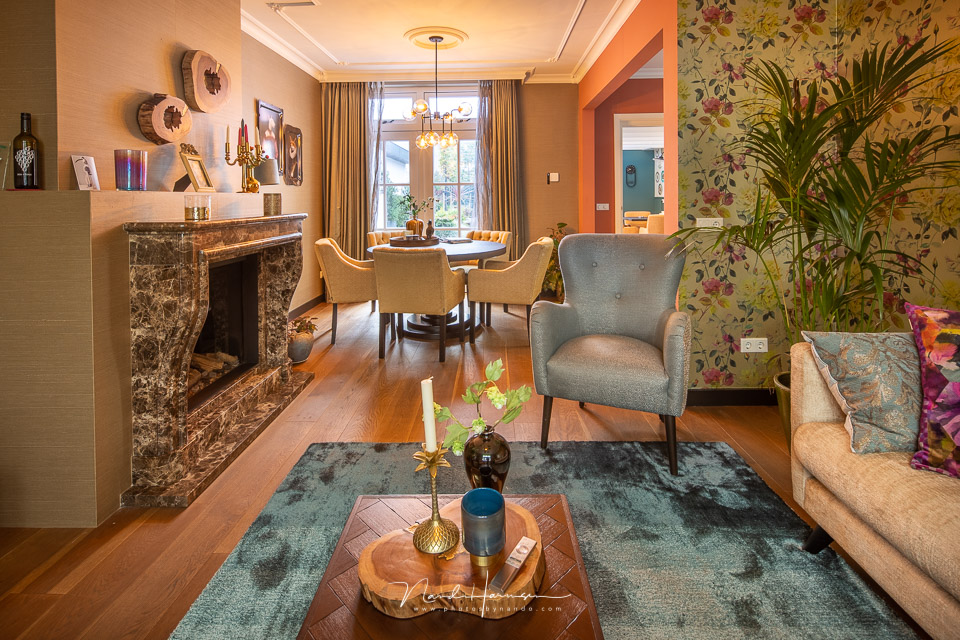
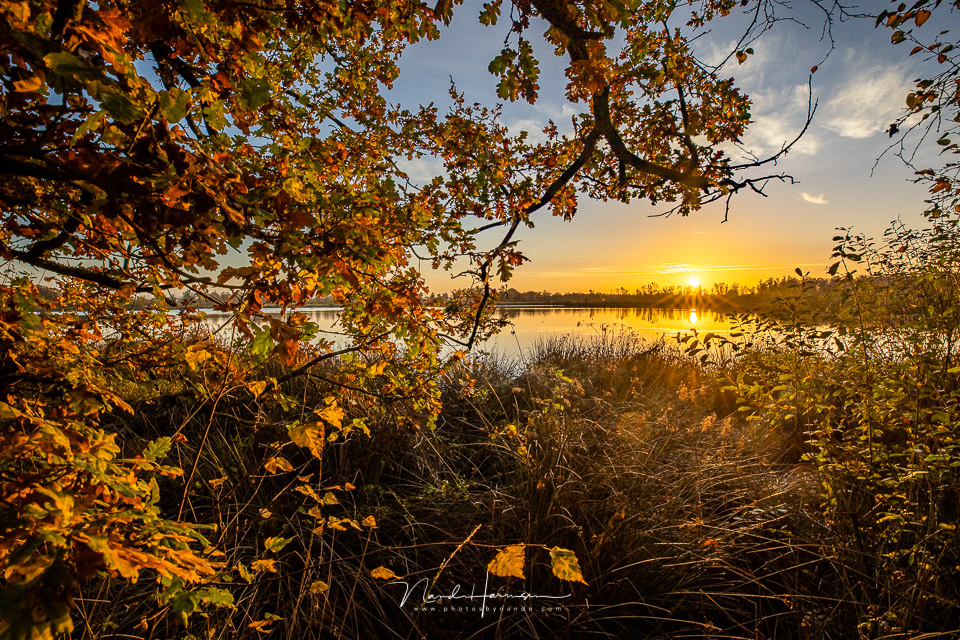
Is there a difference, and if so, what are the differences? Unfortunately, I had no weddings ahead of me, but I was able to use the camera extensively for property photography and landscape photography.
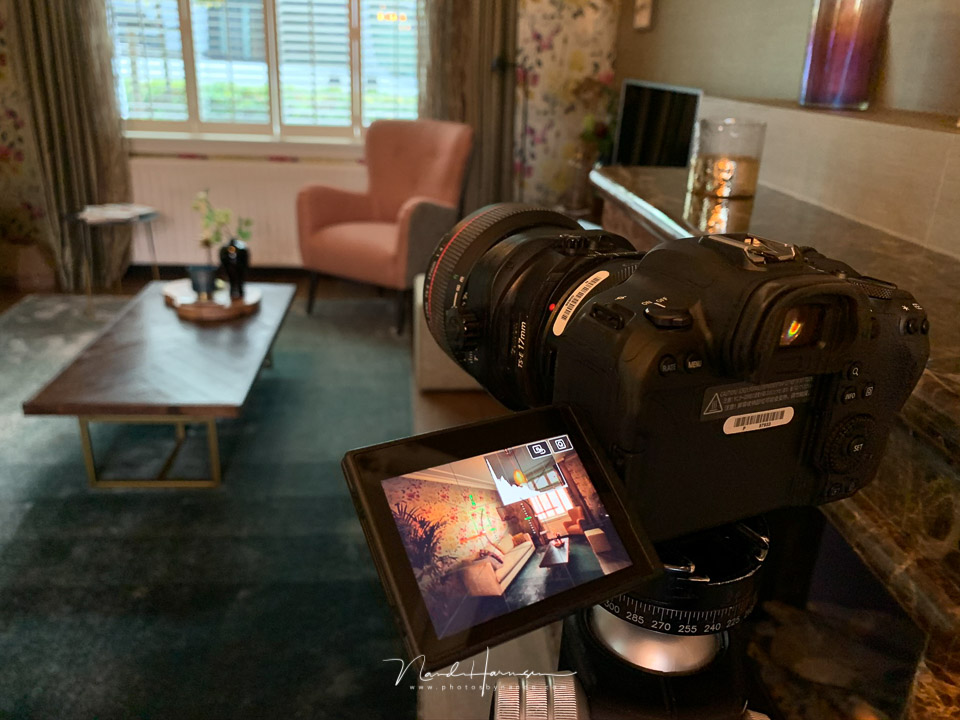
The Canon EOS R6 at a glance
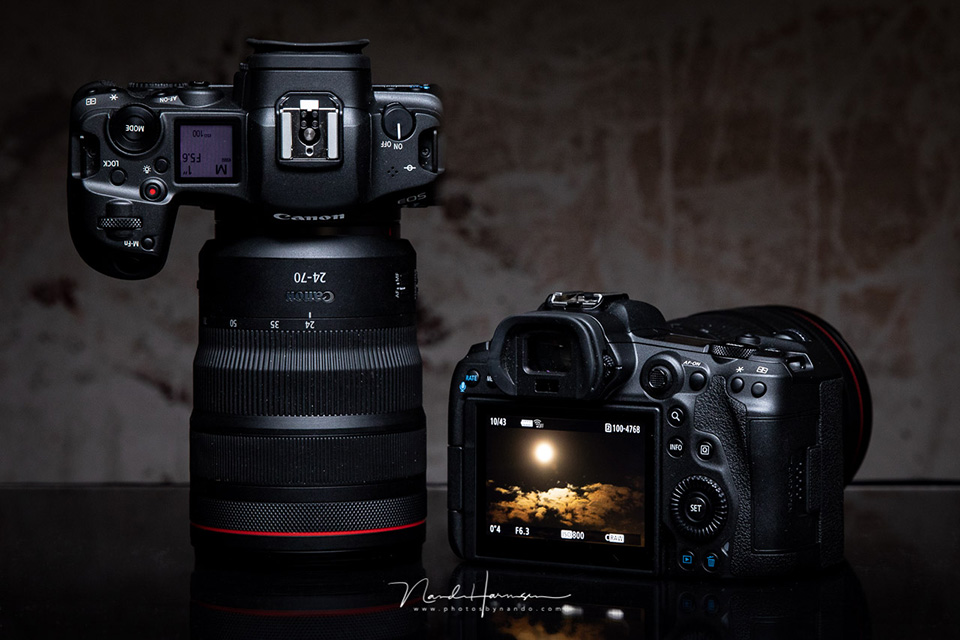
The Canon EOS R6 has a well-thought-out design. All the important buttons are on the right-hand side of the camera body, so everything can essentially be operated with one hand.
Only the menu button and the rating button are on the left. The buttons are easy to distinguish from one another, making blind operation simple.
The screen of the Canon EOS R6 folds out to the side and can be tilted up or down. When the screen is turned all the way forwards, the image rotates neatly with it.
This LCD screen has full touchscreen functionality, so you hardly need to use the buttons on the camera.
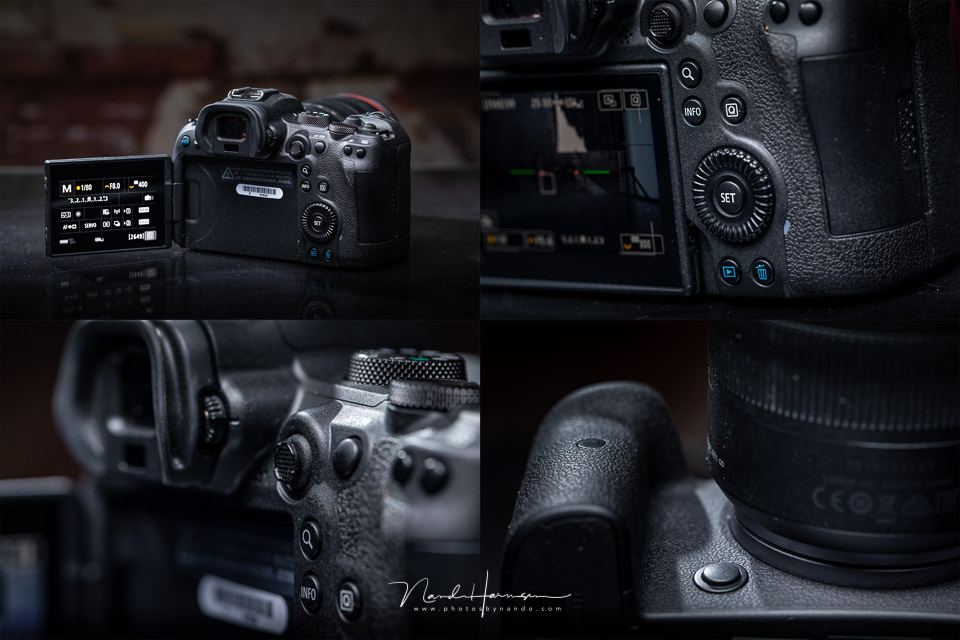
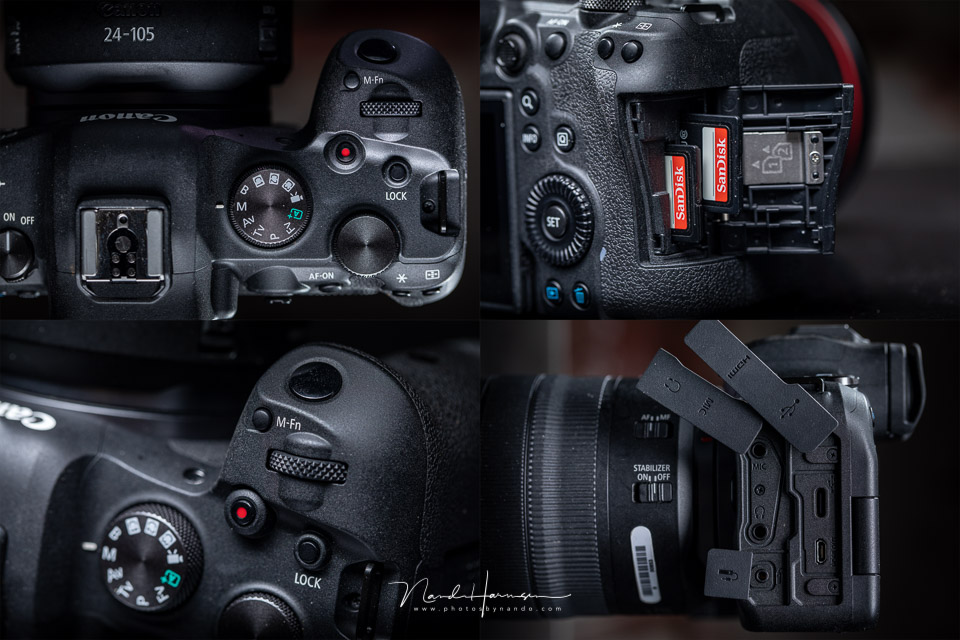
Some of the buttons on the top of the camera have disappeared. They are now included in a quick menu under the M-Fn button. Here you can assign five different functions that you can call up and change in an instant.
Instead of a screen on top of the camera, the Canon EOS R6 has a nice PSAM dial. It cannot be locked, but it is well designed, so you do not have to worry about it being changed easily. The camera has two card slots, both for a UHS-II SD card. The other side provides space for the various connections.
Operating the Canon EOS R6
There are many options for setting up the camera entirely to your own preferences. You can assign your own function to both the dials and the buttons. The touchscreen can be used for all the camera's functions, making operation very fast and intuitive.
It is possible to use the touchscreen while looking through the electronic viewfinder. This allows you to set the autofocus point very accurately. With eye autofocus activated, it also allows you to link the autofocus to another person if there are several people in the frame.
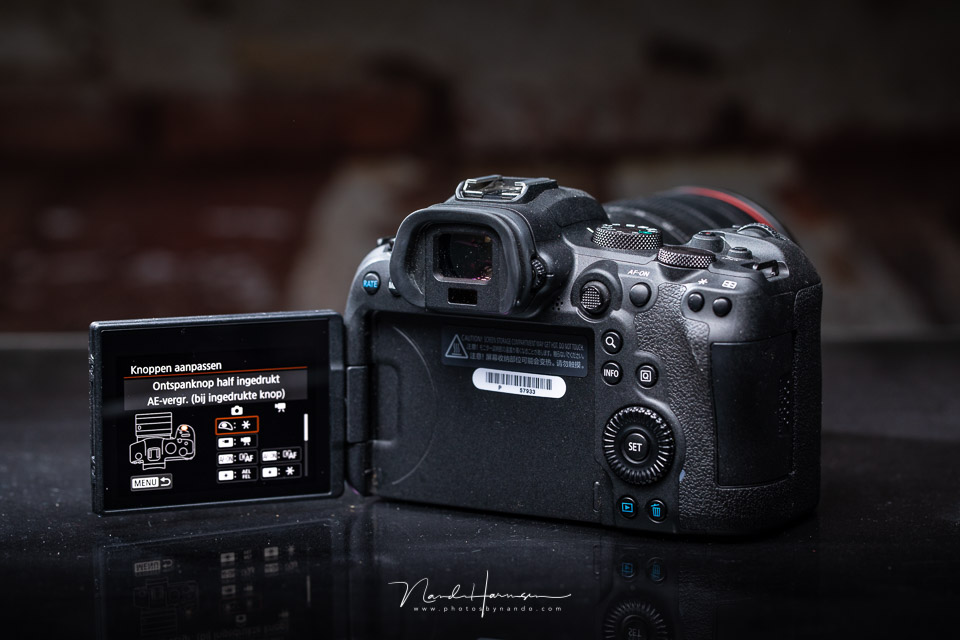
The buttons on the Canon EOS R6 feel solid and have a good pressure point, so you know that the button has been pressed. The joystick is in a comfortable position, and its sensitivity can be adjusted completely to your liking. It is a welcome improvement over every predecessor Canon has released.
It is a shame that the AF-ON button is not a little larger. This button is well positioned, but could certainly be a bit more prominent. Unfortunately, this button does not contain the same sensor as the one on the Canon EOS 1Dx Mark III.
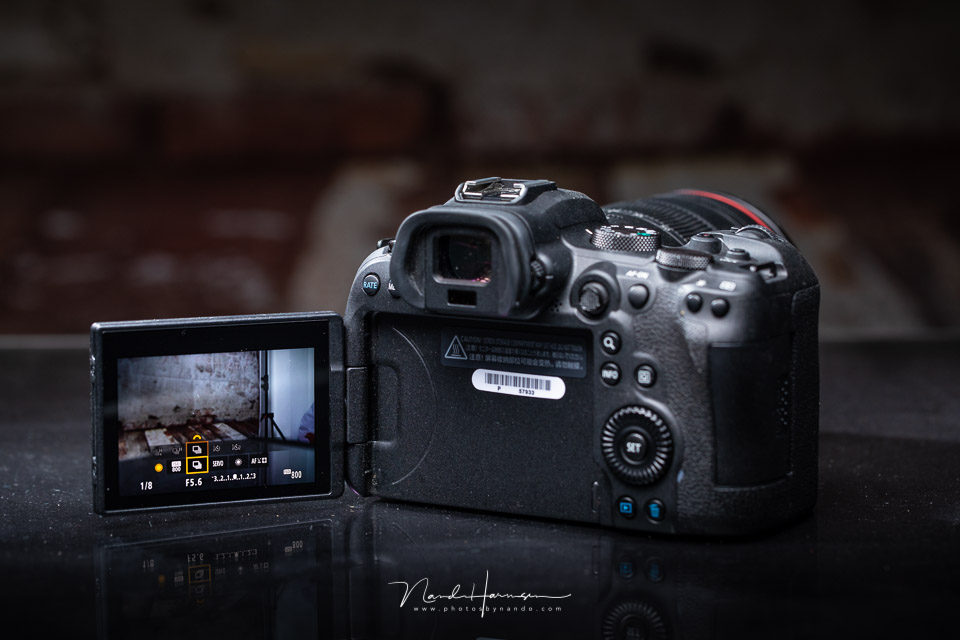
The Canon EOS R6, together with its larger brother, is the first full-frame EOS model to have image stabilisation built into the camera, known as IBIS.
This works up to a maximum of 8 stops with a select number of lenses. The number of stops of stabilisation benefit you get therefore depends on your lens.
The autofocus
As with the Canon EOS R5, the Canon EOS R6 has very effective eye AF, face AF and body AF. The camera switches seamlessly between the three to keep focus as optimal as possible.
The eye is recognised very well, and the autofocus continues to follow the eye perfectly through the frame.
With the touchscreen, you can choose the person who should be in focus if the camera focuses on the wrong person. You can set the behaviour of the autofocus entirely to your liking. It is also possible to prioritise eye recognition for animals.
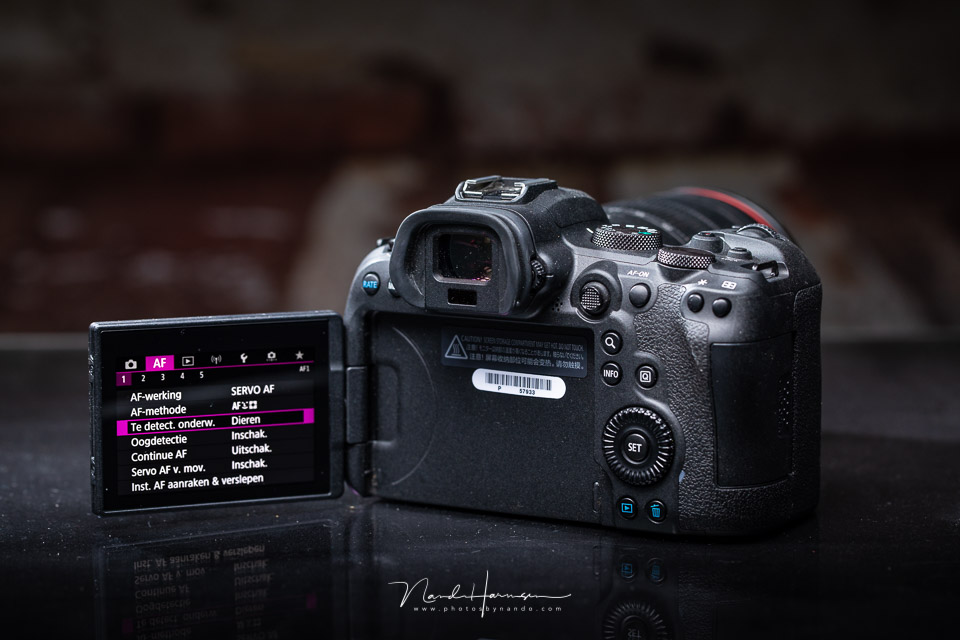
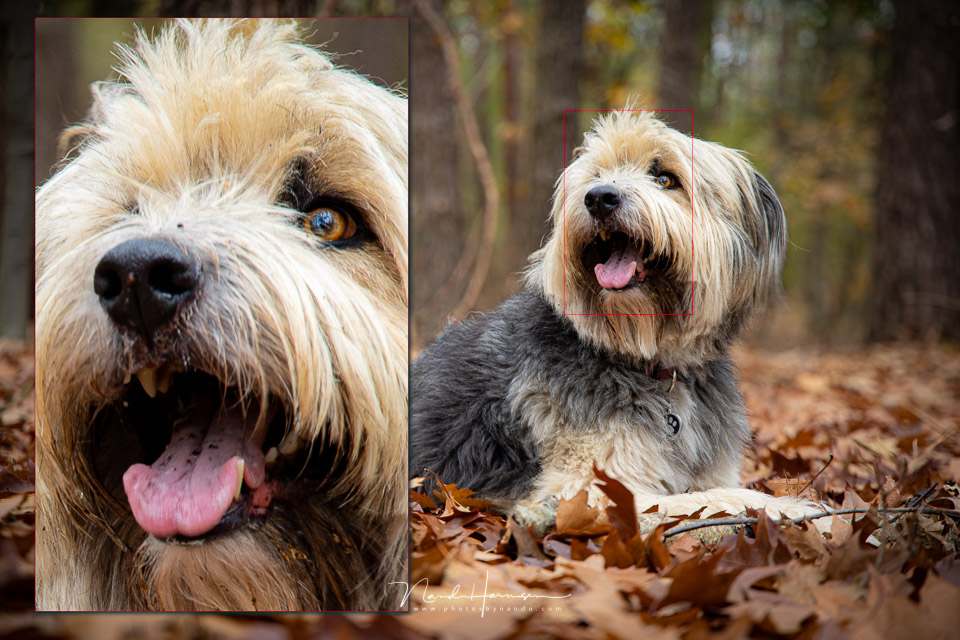
If you prefer to focus manually, the Canon EOS R6 has focus peaking and a very useful AF assist. This allows you to set the focus on your subject perfectly. Unfortunately, there is no depth-of-field scale.
ISO performance
With 20 million pixels, the Canon EOS R6 has less than half the number of pixels of its larger brother. As a result, the pixels are also spread further apart across the sensor.
In theory, this could lead to very good ISO performance. To see how well the Canon EOS R6 performs, I took a series of photos at different ISO values.
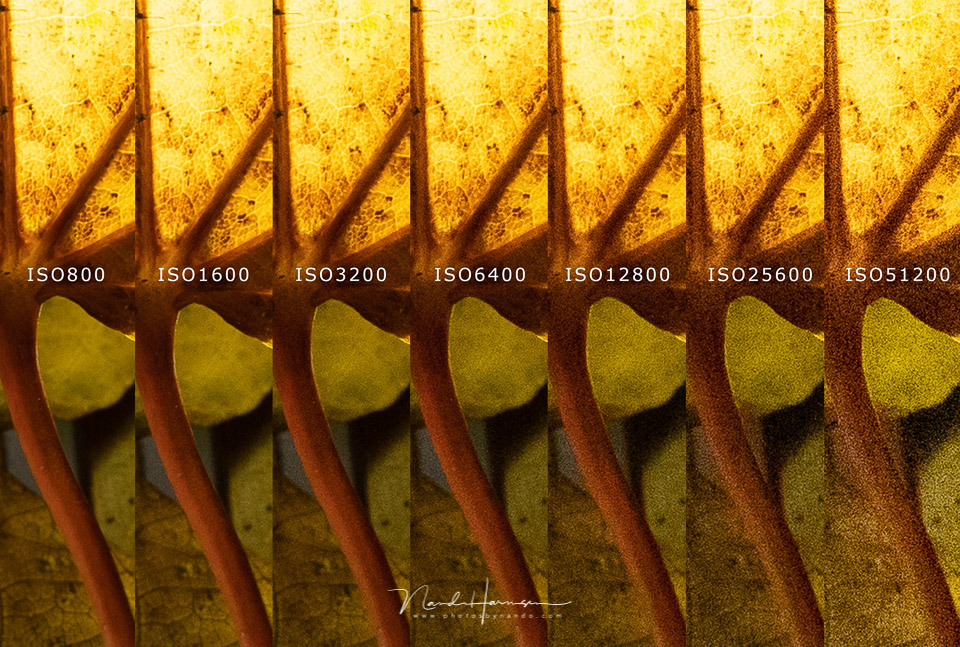
As the example shows, the Canon EOS R6 performs very well up to ISO 6400, and ISO 12800 is very usable.
With good exposure and subtle noise reduction, ISO 25600 is also reasonably usable. Unfortunately, I could not carry out this test with the Canon EOS R5, so I cannot compare them.
Filming with the Canon EOS R6
Naturally, the Canon EOS R6 can also record video. However, the options are limited compared with the Canon EOS R5. You can record at up to 4K resolution, which is more than enough for most people.
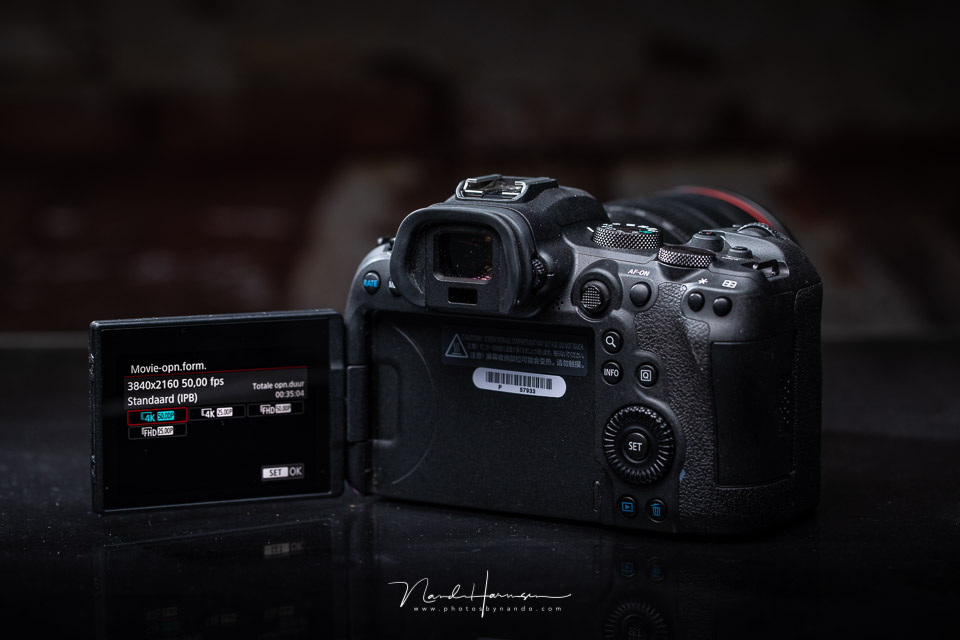
As far as exposure is concerned, you can choose between fully automatic or fully manual, with the ISO setting still able to be set to automatic. So there is no aperture priority or shutter priority available for filming.
The few video clips I made look fine, but because I am a photographer, not a filmmaker, I cannot say much about them in detail. The Canon EOS R6 seems to me to be a camera for photographers who may occasionally record some video.
The differences between the EOS R5 and EOS R6 at a glance
Although the two cameras have a great deal in common, there are also some differences that are not immediately obvious. This does not make one camera better or worse. They have therefore become two different cameras, each for a different target group. Let me list the most important differences.
| EOS R6 | EOS R5 | |
|---|---|---|
| Resolution | 20 mp | 45 mp |
| EVF | 3.68 mp OLED | 5.76 mp OLED |
| LCD screen | 1.68 mp 3" LCD | 2.1 mp 3" LCD |
| Storage | dual SD UHS-II cards | CF Express and SD UHS-II card |
| PSAM | dial | OLED screen with mode button |
| Video resolution | up to 4K 60p | up to 8K 30p |
| Video exposure | Fully automatic and manual only (with auto ISO) | PSAM |
| Camera body | mainly reinforced polycarbonate body | mainly metal construction |
| Autofocus | up to -6.5EV with f/1.2 lens | up to -6EV with f/1.2 lens |
| WiFi | 2.4Ghz | 2.4Ghz and 5Ghz |
| Dual Pixel Raw | no | yes |
| Price | 2,739 euros (body) | 4,549 euros (body) |
Using it in practice
The Canon EOS R6 is a pleasure to use in practice. The camera has a very comfortable grip, so it sits perfectly in your hand. The operation is very intuitive, so you can get started straight away.
There are many functions that you can gradually set to your own preferences, so the camera responds in the way you find most comfortable.
The LCD screen is very pleasant and easy to view, even in full sunlight. You can customise the information on the screen and switch between the different screens very easily. You can operate the camera settings themselves easily via the touchscreen or the buttons. Only bracketing is somewhat awkward to use.
AE bracketing, as it is nicely called, is very useful for creating images for HDR. I sometimes use it for landscapes, but almost as standard for property photography. It is a shame that this bracketing function is not easier to activate.
Incidentally, setting the exposure bracketing is visually very clear, but finding the function is somewhat cumbersome.
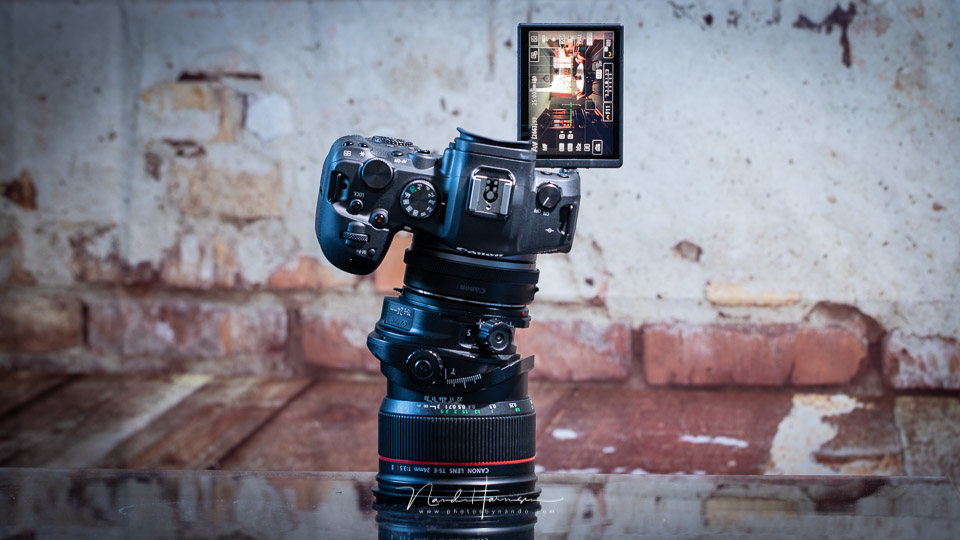
Manual focusing is very pleasant and precise. The touchscreen works very well for this too. You tap the screen where you want to focus and turn the focus ring on your lens until you achieve focus. You can use AF assist and focus peaking at the same time.
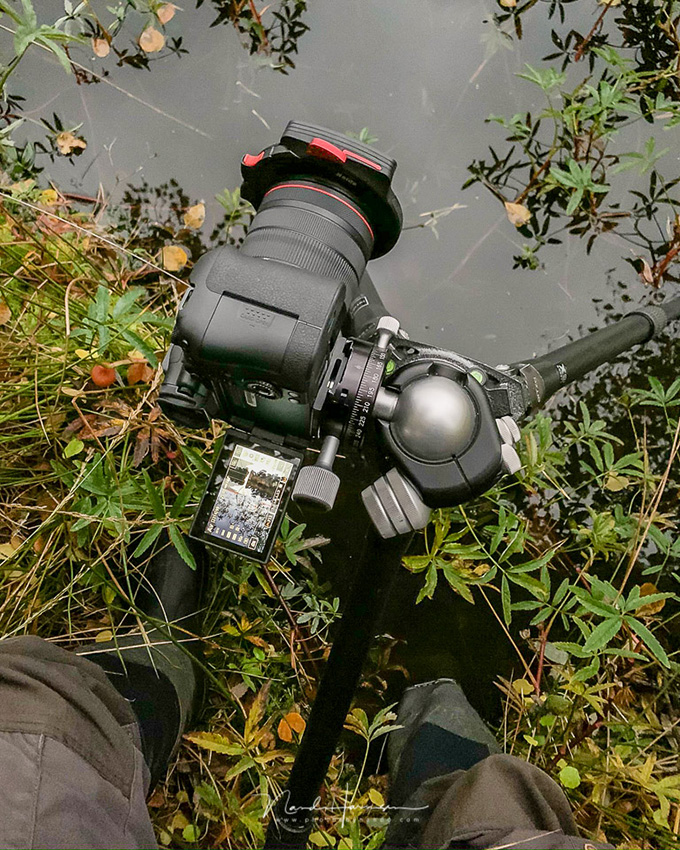
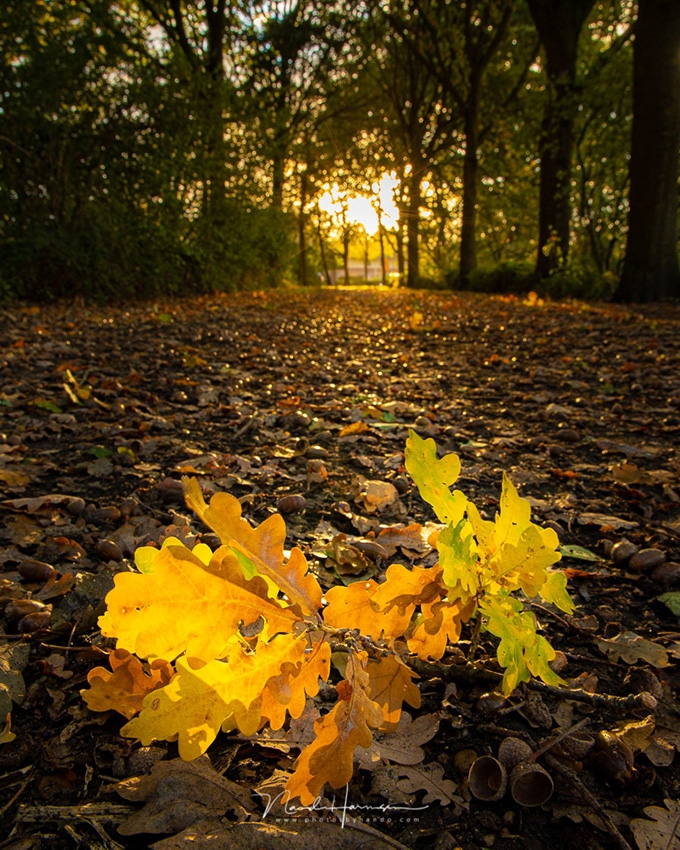
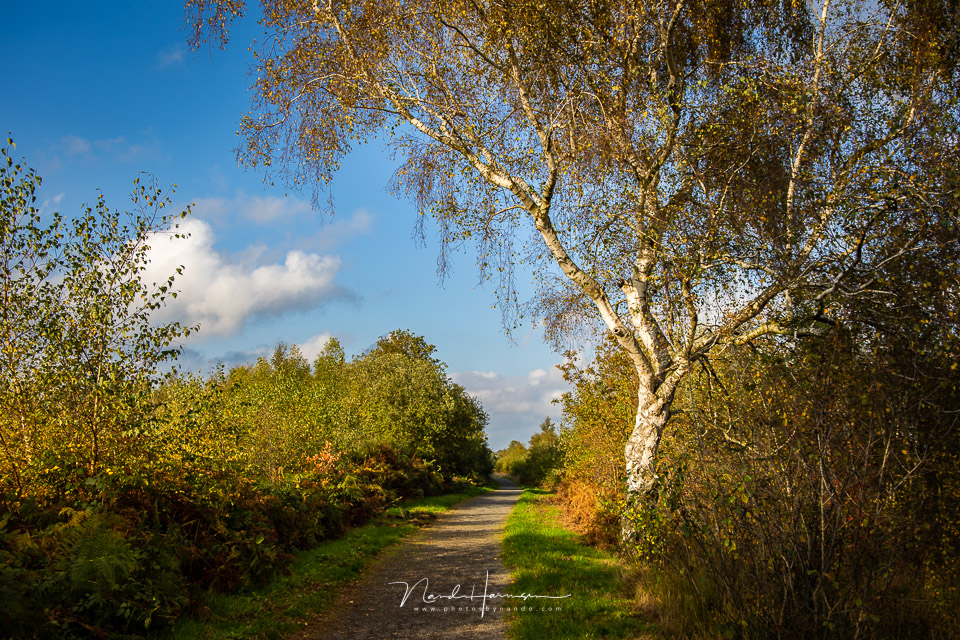
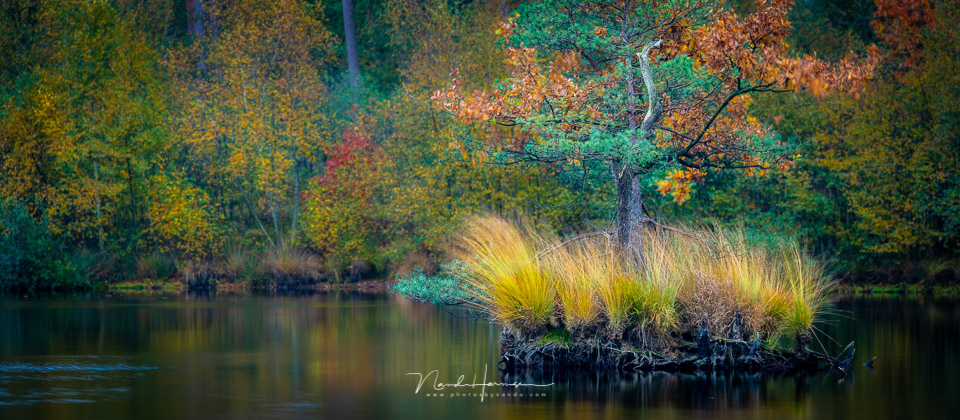
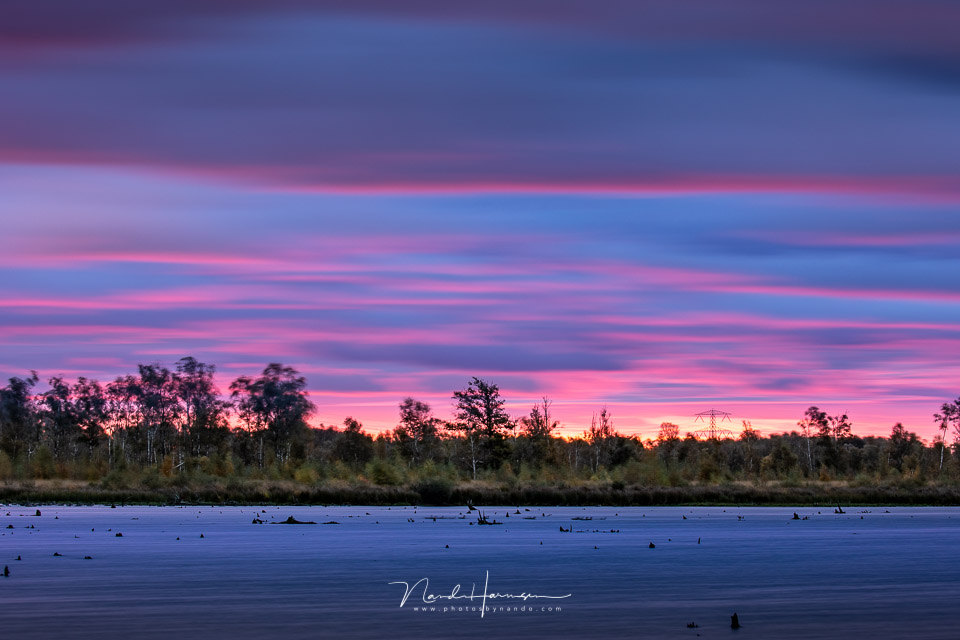
Using the camera was particularly enjoyable, including when photographing landscapes. With the EF-RF adapter, all EF, EFs and TS-E lenses can be used.
As far as I could determine, using an adapter has no effect at all on focusing or its speed. If you have lenses without image stabilisation, you can make good use of IBIS.
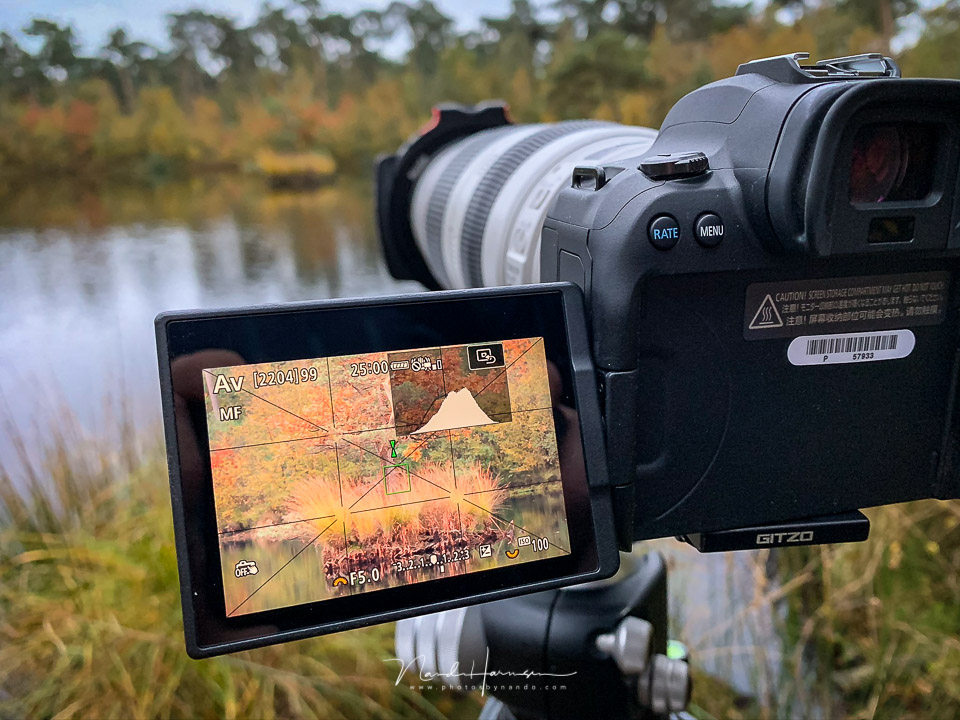
The camera's dynamic range is very good. In many cases, you no longer need bracketing. Expose for the lightest part with exposure to the right, and you can easily bring out the dark areas in post-processing.
Bear in mind that the camera's dynamic range is lower when the electronic shutter is used. This will cost you one stop for sure, and possibly even two.
My opinion of the Canon EOS R6
I am very enthusiastic about the Canon EOS R6. It is a very nice camera that is a pleasure to use. A lot of thought has gone into the position of the buttons, the operation and the quality.
The autofocus works fantastically and produces a higher hit rate, which means you will keep many more sharp images than with any other Canon EOS camera.
The camera's speed is not only good when it comes to autofocus. The camera can shoot up to no less than 20 frames per second with the electronic shutter. This means you do not miss a single moment of action, especially when combined with the camera's excellent autofocus and tracking capabilities.
Canon has chosen to write images at 12 bit with the electronic shutter, rather than 14 bit. This affects the dynamic range, something you may need to take into account in extreme situations. I do not know the reason, but it may have something to do with the amount of data generated by 20 photos of 20 million pixels per second.
With its 20 million pixels, the Canon EOS R6 has a perfect resolution for most purposes. You do not really need more. I believe that for most photographers, the Canon EOS R6 is a better choice than the Canon EOS R5.
If you need 45 million pixels or extensive video functionality, it may be worth upgrading to a Canon EOS R5.
What I like
- Dimensions and design are very good, the camera is neither too small nor too large
- The grip is well shaped, and there is enough space between the grip and the lens
- Fantastic eye AF, face AF and body AF
- 6,072 AF points, or 1,053 Dual Pixel CMOS AF areas, spread across 100% horizontally and 90% vertically.
- Focus tracking works fantastically
- Dual card slot with two UHS-II SD slots
- In-Body Image Stabilisation (IBIS) up to a maximum of 8 stops
- Fully functional touchscreen, also for AF operation while shooting
- Tilting screen
- c-raw format for compressed raw files without quality loss
- Good ISO performance, usable without any problem up to ISO 6400, and ISO 12800 is very acceptable
- 20 frames per second with the electronic shutter, 12 frames per second with the mechanical shutter
- Buffer for 240 raw files when using the mechanical shutter, and 120 when using the electronic shutter. For JPEG, this is more than 1,000 images in both cases.
- The camera is completely silent with the mechanical shutter
- Buttons and control dials are fully customisable
- Joystick responds very quickly and accurately, and you can also adjust its sensitivity to your preference
- Focus bracketing
- Time-lapse function
- Bulb timer
What could be improved
- No screen on top of the camera showing the settings
- PSAM dial cannot be locked
- I miss the optical sensor in the AF-ON button that is so fantastic on the Canon EOS 1Dx Mark III
- There is no button for directly and easily calling up the bracketing settings
- Manual focus assist has no indication of the depth-of-field range
- Battery life is a little on the short side.
- Video functions are somewhat limited
- Setting the shutter speed in PSAM mode does not go beyond 30 seconds
- The rating button adds little value
Which one is right for you? The EOS R6 or the EOS R5?
This may well be the most important question for many people: which of the two EOS R models is right for you? I am limiting myself to the EOS R5 and EOS R6 here, leaving the EOS R and EOS RP aside.
In fact, it is very simple. Ask yourself the following questions: is filming very important to you, and do you need a resolution of 45 million pixels? Regarding the latter question, I have already said that hardly any photographer needs 45 million pixels.
Whether this applies to you is something you can decide for yourself. The first question, about filming, is also very clear. If you record a lot of video and consider having many options important, the Canon EOS R5 may be a good choice.
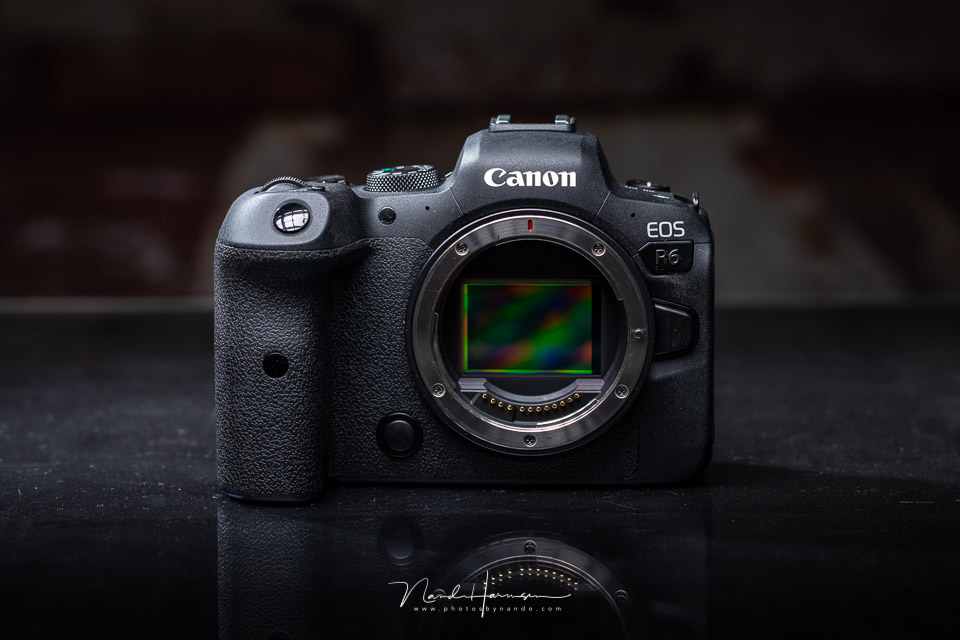
When it comes to the cameras' functions, there is relatively little difference. They both have excellent autofocus, IBIS and the same user interface. It ultimately comes down to the number of pixels and video.
Finally, you should certainly consider the price of these cameras. If you prefer a 45-million-pixel camera to a 20-million-pixel camera, ask yourself whether the extra cost is worth it.
Whichever choice you make, both cameras are fantastic machines that are very pleasant to use and produce perfectly high-quality images.
Gallery
About the author
Nando Harmsen has been photographing for more than 40 years. He specialises in wedding photography and landscape photography. Nando also gives talks, workshops, masterclasses and photo trips, and regularly reviews new and interesting equipment.
You might also like
-
 Review of the fantastic Canon EOS R6 Mark II
by Nando Harmsen
-
 Review: Canon EOS R7
by Nando Harmsen
-
 Review: Canon EOS R3
by Nando Harmsen
-
 Review: Canon EOS R8 full-frame mirrorless camera
by Nando Harmsen
-
 Review of the Canon EOS M50 mark II
by Nando Harmsen
-
 Review: Canon RF100-500mm f/4,5-7,1L IS USM
by Nando Harmsen
14 comments
-
 Freek wrote on Tuesday 24 November 2020 at 12:50 | reply
I'm very happy with my R6 + 24-105 f/4 L. BUT I find it bizarre that the EF>R adapter isn't available. Nowhere to buy and the free one is currently promised within THREE MONTHS + 2 weeks for processing the application. So I can't use any other lenses until delivery 😡
Translated from Dutch. -

 Nando
wrote on Tuesday 24 November 2020 at 13:32
| reply
Nando
wrote on Tuesday 24 November 2020 at 13:32
| reply
@Freek: You already have the camera, which is something others sometimes have to wait for.
Translated from Dutch.
Deliveries of Canon cameras and accessories are currently a disaster. But it also seems not to be going entirely smoothly with other camera brands. -
 Roes Gerard wrote on Tuesday 24 November 2020 at 13:52 | reply
Dear Nando, which camera were those photos of the gallery taken with? R6 or R5
Translated from Dutch. -
Nando
wrote on Tuesday 24 November 2020 at 14:46
| reply
@Roes:
Translated from Dutch.
In a review of a Canon EOS R6, of course I'm not going to post photos taken with a Canon EOS R5.
If you want to see photos from the Canon EOS R5, you need to go to the review of that camera:
https://www.photofacts.nl/fotografie/rubriek/reviews/review-canon-eos-r5.asp -
 Marcel wrote on Tuesday 24 November 2020 at 17:05 | reply
It would be good if you also provided clarity regarding the meaning of abbreviations such as PSAM and EVF and OLED Furthermore, I am very curious how the eye-tracking system works with long telephoto lenses and birds/animals at a distance, where the eye is therefore only a very small part of the image
Translated from Dutch. -
 John Oosterhuis wrote on Tuesday 24 November 2020 at 21:30 | reply
Nando, would you choose a SonyA7 IV or this Canon R5 now?
Translated from Dutch. -
Nando
wrote on Wednesday 25 November 2020 at 09:56
| reply
@Marcel: These are abbreviations that are so common in the photography world that I didn't think to spell them out.
Translated from Dutch.
PSAM stands for the exposure settings Program, Shutter Speed Priority, Aperture Priority, Manual.
OLED is similar to LED, but just a little better.
EVF is Electronic View Finder, or in other words the electronic viewfinder.
As for eye AF (AF faithfully stands for autofocus), it even works when the eye makes up a remarkably small part of the image, regardless of which telephoto lens you use. This eye AF works with dogs, cats, birds, and large mammals. -
Nando
wrote on Wednesday 25 November 2020 at 10:00
| reply
@John Oosterhuis:
Translated from Dutch.
Without a doubt the EOS R5, or the EOS R6.
Personally, I find the Sony too small, with poor ergonomics, including far too little space between the lens and grip, lower-quality buttons and control dial, a terrible menu structure. And finally, an EVF and LCD that lag behind the competition.
But that doesn't mean the Sony doesn't take good photos, though. It's otherwise a very capable camera. -
Gerard Roes wrote on Wednesday 25 November 2020 at 10:58 | reply
Nando, if you compare the R6 with the 5D Mark IV, I know it's a very different camera, but still. Could you see the R6 as a better version of the 5D Mark IV?
Translated from Dutch. -
Nando
wrote on Wednesday 25 November 2020 at 23:16
| reply
@Gerard Roes:
Translated from Dutch.
I don't think you can talk in terms like better or worse. It's simply a different camera.
The main difference is in the autofocus. With the EOS R6, you have access to fantastic eye AF. But if you never photograph people or animals, then of course that is of no use to you. -
 ifiamminghi wrote on Friday 27 November 2020 at 22:10
| reply
ifiamminghi wrote on Friday 27 November 2020 at 22:10
| reply
Thanks for the interesting article, but in the comparison with an R5 I wonder whether it doesn't become much more interesting if you mainly photograph birds, for example. After all, because the R5 has so many more pixels, you can crop more easily and within that crop, because the pixels are smaller, it should actually produce a (slightly) sharper image, right?
Translated from Dutch.
I agree that 20Mpix is (more than) enough under normal circumstances, but if you have to start cropping, there is quickly not much left... If you cannot photograph 'filling the frame' (or nearly so) (which often means expensive telephoto lenses), I think the R5 also scores slightly better (the AF would also be just a little faster).
Video isn't my thing either, but still I wonder whether that 8K might not be interesting for filming certain actions in order to extract the right frame as a photo afterwards...
I would like to hear your opinion! -
Nando
wrote on Tuesday 1 December 2020 at 10:19
| reply
@ifiamminghi:
Translated from Dutch.
What you need in terms of resolution is of course very personal. It’s true that 45mp gives you plenty of room to crop, but also ask yourself whether that cropping room is worth 1800 euros to you. For that amount you can also get a beautiful 150-600mm lens.
Filming those actions in 8K and taking a frame from it is indeed possible. But even then, do you need those 45mp for that action shot?
This is something only you can answer for yourself, of course. -
 Wouter Vroom
wrote on Tuesday 29 December 2020 at 13:11
| reply
Wouter Vroom
wrote on Tuesday 29 December 2020 at 13:11
| reply
Thanks for this review. I think this is going to be the successor to my 7DmkII. Of course I will test it myself first before I decide to buy it, but I also find reviews like this important.
Translated from Dutch.
Is there anything that can be said about the IBIS in combination with the IS of non-Canon lenses such as the Sigma 150-600s? -
Have your say
Please note: Articles older than a week can only be commented on by signed-in visitors.Would you still like to comment? sign in or create a free account.
Become a better photographer every week
A practical photography tip in your inbox every week.
39,077 photography enthusiasts already receive the tips! More about the weekly mail. Or keep up to date via  Facebook.

Elja Trum
Photofacts; everything to do with photography!
Would you like to take better photos and keep up with what is happening in photography? Photofacts publishes articles that teach you something about photography — from a product announcement to a practical shooting tip or a look at a website. Photofacts covers photography every day and is a hobby project of Elja Trum's that got out of hand. The articles are written by a team of volunteer authors. If you would enjoy writing one or more articles for Photofacts, do get in touch.More about PhotofactsPhotofacts is made possible in part by
