

Review: Nikon Z 6 full-frame mirrorless camera
Friday 17 January 2020, 20:10 by Michelle Peeters | 8,385 views | 2 commentsThis article was translated from Dutch with the help of AI. Read the original.
I was able to spend some time playing with the Nikon Z 6 for Photofacts, one of the two full-frame mirrorless cameras Nikon introduced in August 2018.
It looks very similar to its bigger brother, the Z 7, with the main differences being the sensor (24 versus 46 megapixels) and the resulting lower resolution.
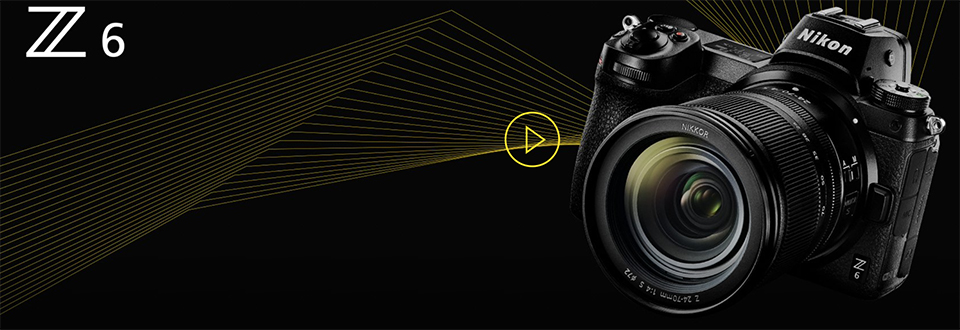
Lower resolution, fewer AF points
The Z 6 also has fewer phase-detection autofocus points (273 versus 493) thanks to its lower-resolution sensor. On the other hand, you get the same robust body, the same (mostly) familiar controls and access to a small but rapidly growing collection of Z-mount lenses.
Aside from the specifications, the Z 6 is aimed at a very different audience from the Z 7. The latter is for those looking for ultra-high resolution or considering cameras such as the Sony a7R III and Nikon D850.
The Z 6, on the other hand, is intended to be more appealing to people looking to upgrade from crop-sensor cameras or previous-generation full-frame DSLRs.
The Z 6 will ultimately be compared with its DSLR sibling, the D750 (which has been on the market for years and is still very capable). Although the two cameras have different designs, they work in the same way, with autofocus modes and video (not tested) being the main differences.
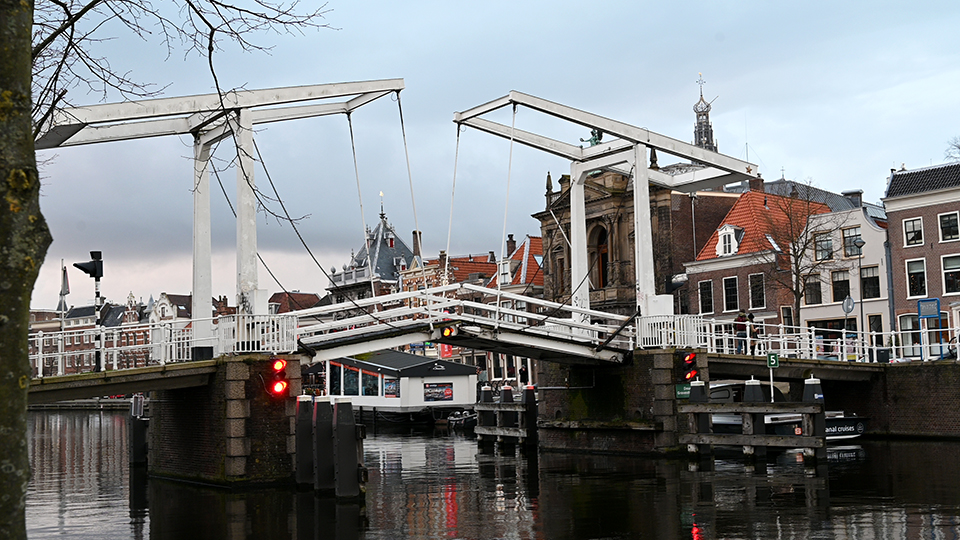
Key specifications
- 24.5-megapixel full-frame BSI-CMOS sensor
- Hybrid autofocus system with 273 phase-detection points
- Up to 12 frames per second (Raw + JPEG)
- OLED viewfinder with 3.69 million dots
- Tilting 2.1-million-pixel LCD touchscreen
- OLED display on the top plate
- Single XQD card slot
- UHD 4K recording up to 30p
- 10-bit 4:2:2 N-Log output via HDMI
- Up to 100 Mbps H.264 8-bit internal video recording
- SnapBridge Wi-Fi system with Bluetooth
If those specifications look familiar, that's because they are almost identical to those of the Z 7, with resolution and the number of autofocus points being the main differences.
You do benefit from the lower-resolution sensor when shooting bursts, with a top frame rate of 12 frames per second (versus 9) and the ability to take more photos per burst. Otherwise, you get the same design and innovations as the considerably more expensive Z 7.
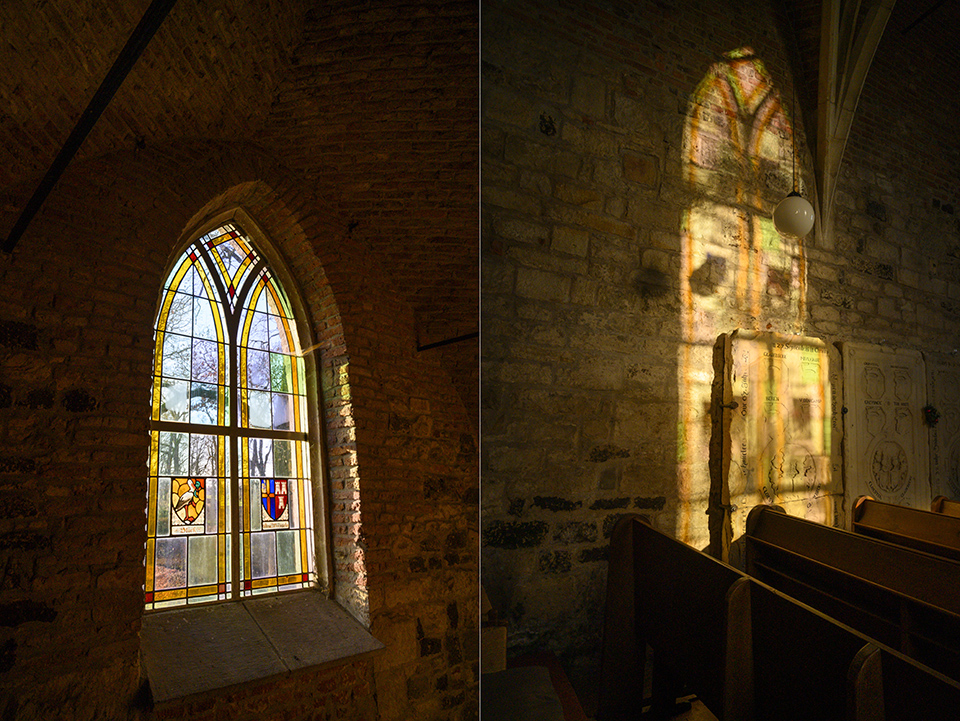
What did I think?
The Z 6 has excellent build quality and ergonomics, familiar controls and plenty of customisation, although some Nikon DSLR favourites have been removed.
It can be customised in various ways, and the ability to have separate settings for photos and video is particularly useful. It is also extremely versatile and can handle almost any shooting situation that arises.
The Z 6's 24-megapixel sensor has excellent resolution and high ISO performance, although in rare cases you may see banding when shadow areas are brightened. Nikon has put a lot of time and attention into the hybrid autofocus system on the Z 6, and the results are impressive for both photos and video.
Although the flagship Z 7 has attracted most of the attention, Nikon's Z 6 is more accessible thanks to its lower price. It also focuses better in low light.
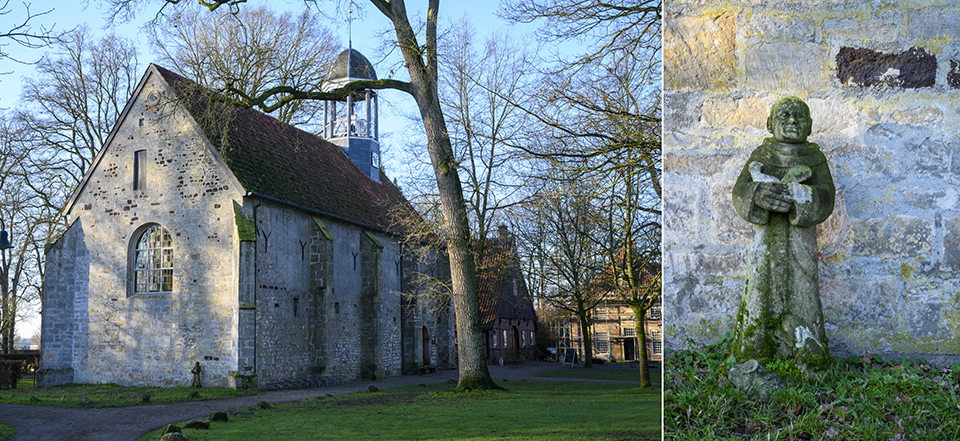
Image quality is excellent, with excellent resolution and high ISO performance. JPEG noise reduction is a little stronger than you might want, although changing that setting to 'low' or 'off' does improve things somewhat.
And if you try to use the camera's full dynamic range, you may see banding. The Z 6's build quality and ease of use are exceptionally good. The controls and menus will be familiar to Nikon DSLR owners in most respects.
The camera's electronic viewfinder has a very high resolution, although its 60 Hz refresh rate is lower than that of the competition, and there is noticeable blackout between shots during burst shooting, which can make it difficult to follow the action.
The touchscreen is also nice, although the lack of a 'touchpad autofocus' function is puzzling.
The Z 6's autofocus locks on and does a very good job of tracking subjects in most situations at both 9 frames per second (no live view) and 5.5 frames per second (with live view). A faster burst rate of up to 12 frames per second is available, although exposure is then locked.
Low-light focusing is good, with the Z 6 keeping pace with the Sony a7 III in most situations, although Canon's EOS R is still the winner in low light.
Frustratingly, in Auto Area mode (with continuous autofocus), the Z 6 sometimes cannot focus on a new subject, even if you release the shutter button and focus again.
Nikon really did its homework when developing its first two full-frame mirrorless cameras. Although the Z 6 does not knock the Sony a7 III off its perch, it comes pretty close.
Overall, the Z 6 is such a convincing product that it could certainly make Nikon DSLR users think twice about switching to other brands.
About the author
Michelle Peeters is fotografe en oprichter van DeuxBleus Fotografie. Michelle herkent het bijzondere in het gewone en het gewone in het bijzondere. Ze heeft zich nooit willen specialiseren en is daardoor van alle markten thuis.
You might also like
-
 RAW output for the Nikon Z 7 and Z 6
by Michelle Peeters
-
 Review: Nikon Z 50
by Michelle Peeters
-
 Nikon announces the Z 6 II and Z 7 II
by Nando Harmsen
-
 Nikon introduces the Z6 III mirrorless camera
by Nando Harmsen
-
 Review: Nikon Z5 II
by Nando Harmsen
-
 The Nikon Z fc. Does the vintage look add value?
by Nando Harmsen
2 comments
-
 Eric Gerards wrote on Tuesday 21 January 2020 at 11:40 | reply
The Nikon Z6 seems like a really nice and very usable camera to me, *but*... With only 1 card slot, this is a no-go for me for professional assignments. Memory cards don't break down very often in themselves, but unfortunately it does happen...
Translated from Dutch.
I am, by the way, a more than satisfied user of an Olympus OM-D E-M1 mark II.
-
 Liesbeth van Asselt wrote on Tuesday 21 January 2020 at 12:04 | reply
Agree with Eric. I waited for Nikon's mirrorless camera, but when it turned out that it would only have 1 card slot, I switched to Sony. Once had a corrupt Sandisk card, was soooo glad about the back-up card! If you work on assignment, you want to eliminate these kinds of risks.
Translated from Dutch.
Have your say
Please note: Articles older than a week can only be commented on by signed-in visitors.Would you still like to comment? sign in or create a free account.
Become a better photographer every week
A practical photography tip in your inbox every week.
39,024 photography enthusiasts already receive the tips! More about the weekly mail. Or keep up to date via  Facebook.

Elja Trum
Photofacts; everything to do with photography!
Would you like to take better photos and keep up with what is happening in photography? Photofacts publishes articles that teach you something about photography — from a product announcement to a practical shooting tip or a look at a website. Photofacts covers photography every day and is a hobby project of Elja Trum's that got out of hand. The articles are written by a team of volunteer authors. If you would enjoy writing one or more articles for Photofacts, do get in touch.More about PhotofactsPhotofacts is made possible in part by
