

Review: Nikon Z 50
Friday 1 November 2019, 22:44 by Michelle Peeters | 9,511 views | 4 commentsThis article was translated from Dutch with the help of AI. Read the original.
I was given the opportunity by Nikon to spend a day photographing with the new Nikon Z 50. This mirrorless 20-megapixel camera has an APS-C sensor behind its new, larger Z lens mount.
Nikon says that the camera was designed for a generation of photographers who do not consider themselves professionals.
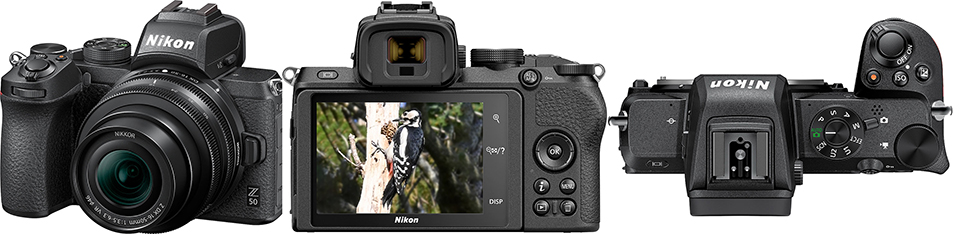
16-50mm pancake and 50-250mm telephoto
Alongside the camera, I received two Nikon lenses designed for this sensor size: a 16-50mm f/3.5-6.3 retractable standard zoom and a 50-250mm f/4.5-6.3 telephoto zoom, both with built-in image stabilisation (Nikon calls this Vibration Reduction or VR).

Key specifications
- 20.7-megapixel CMOS sensor
- Twin control dial interface
- Up to 11 fps shooting with AE / AF, 5 fps with live view
- 4K video up to 30p
- OLED viewfinder with 2.36 million dots
- Tilting touchscreen (tilts 90° upwards or 180° downwards)
- Bluetooth-compatible Wi-Fi (via the Snapbridge app)
- Creative Picture Control effects

Z mount
The Z mount in Nikon mirrorless cameras can genuinely be called revolutionary. The first two models, the full-frame Nikon Z 7 and Z 6, really show this advanced technology, with a range of 'S' lenses that produce extremely sharp results.
This DX body is equipped with the same Z mount used on the full-frame models, so full-frame Z lenses can be mounted directly on the Z50 (and the new Z DX lenses fit the Z 6 and Z 7).
The same FTZ adapter also allows existing DX and FX lenses for DSLRs to be used on the Z50. So you can use lenses with an F mount too. The adapter is not included in any of the kits announced so far.
Smaller, lighter, cheaper
This is Nikon's first mirrorless camera with an APS-C sensor. As a result, it is smaller, lighter and cheaper than Nikon's full-frame Z 7 and Z 6. The price is also relatively low.

Image quality
I find the image quality spectacular and unrivalled. Colours, highlights and shadows look fantastic. The images are already good straight out of the camera.
My Canon photos are just as good, but different. In poor light, you can see a difference in quality compared with photos taken with my full-frame Canon EOS 5d Mark III. There is considerably less noise with a full-frame camera.

Controls and charging
There are lots of direct and programmable controls and dials on the camera. You can charge it via USB (not a USB-C connection, but an older Micro-B USB connector) or with the supplied MH-32 charger.
The camera has no image stabilisation (that is built into the lenses), NFC or GPS. Almost all the buttons for one-handed shooting are on the right-hand side, which is very convenient! Multiple exposures are possible, with options for add, lighten, darken or average.

Deep grip, pancake kit lens, mechanical zoom
The Nikon Z 50 is not just a smaller version of the Nikon Z 6 and Z 7. Nikon has made a remarkable effort to give such a small camera such a solid one-handed grip.
Regardless of the camera's size, I was very impressed by the 16-50 mm kit lens, an ultra-slim 'pancake' lens that uses a 'proper' mechanical zoom instead of a powered zoom system (which feels rather 'remote'). The 50-250mm telephoto zoom has this too.
Autofocus
The 209-point phase-detection AF system covers most of the frame. The 20.9-megapixel DX-format sensor borrows Nikon's fast, broad Hybrid AF (autofocus) system from its full-frame 'Z' cameras, with 209 AF points covering 90 per cent of the sensor's width and height.
The continuous shooting rate of 11 fps (with full autofocus and auto exposure) almost matches the Z 6 (and exceeds the Z 7) and certainly makes it one of the fastest cameras around, on a par with many professional-level DSLRs.
The camera also performs extremely well in low light, with a standard ISO range of ISO 100-51,200 at up to -4 EV.

Touchscreen for selfies and blogging
You can rotate the LCD screen 180° so you can take a self-portrait. When you do this, many controls are immediately locked so you cannot touch them accidentally.
It is mainly designed for selfies and blogging. Nikon sees 'influencers' as a large part of its target audience. They use platforms such as Instagram and YouTube to share content. If you put the camera on a tripod, however, the screen would disappear from view when used this way.

Electronic viewfinder
The Z 50 also has an electronic viewfinder. It has a lower resolution than its full-frame siblings, at 2.36 million dots instead of 3.6 million, but it was sharp and showed little sign of lag.
An electronic viewfinder took some getting used to for me as a DSLR user. But once you get used to it, seeing the effect of your exposure settings through the viewfinder before taking the photo is simply brilliant.

4K video
The Z 50 is apparently great for video (I hardly tested this myself, I am more of a photography person..) and shoots 4K across the full sensor width instead of the cropped version used by some rivals.
4K time-lapse sequences can be created in the camera, while shooting in Full HD can add an extra slow-motion film mode.
Price
The price could well be Nikon's biggest trump card, though. The Z 50 body alone costs less than its main APS-C rivals, the Sony A6400 and Fujifilm X-T30, and the price of the kit lens and twin-lens bundles is really quite remarkable.
The Nikon Z 7 and Z 6 are genuine flagships, but they were launched at a high price. The Z 50 was introduced a year after the launch of the Z mount as an excellent but affordable Nikon system camera for hobbyists and enthusiasts.
Much of this cost saving is due to the APS-C 'DX' sensor used, as in the range of entry-level enthusiast DSLRs, and this has allowed the camera to launch with a price tag of 1,099 euros for the body.
For 1,399 euros, you also get the NIKKOR Z DX 16-50mm f/3.5-6.3 VR + NIKKOR Z DX 50-250mm f/4.5-6.3 VR lenses.
But the smaller physical sensor size is not the only area where savings have been made. This model does not have 'in body image stabilization' (IBIS), so the lenses introduced with the new model have Nikon's built-in vibration reduction (VR).
Sample images
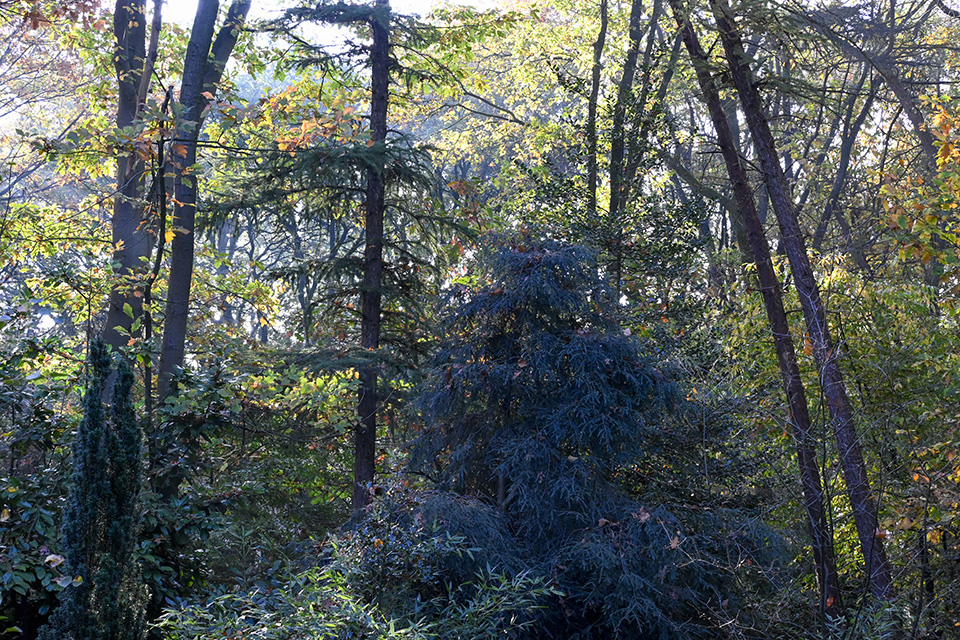
My first 'hands-on' time with the Z 50 in Lemele was short. I only had one day to try it out. I did not expect much from the results, especially because I have done a lot of 'wildlife' photography. I missed many moments because I had not yet mastered the autofocus system.
As a DSLR user, I also had to get used to using such a small system camera with an electronic viewfinder. On top of that, I photographed many birds through a window, which did not make focusing any easier.
But the result surprised me enormously! The shots that worked (and there really were many) were exceptionally sharp and the colours almost burst from the screen!
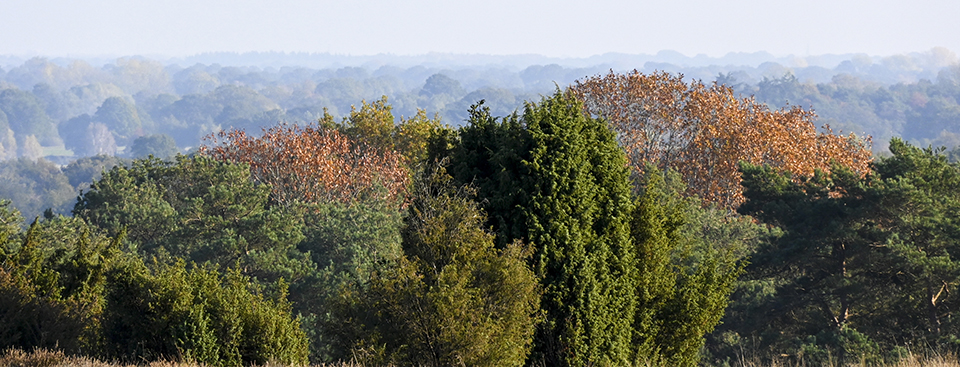
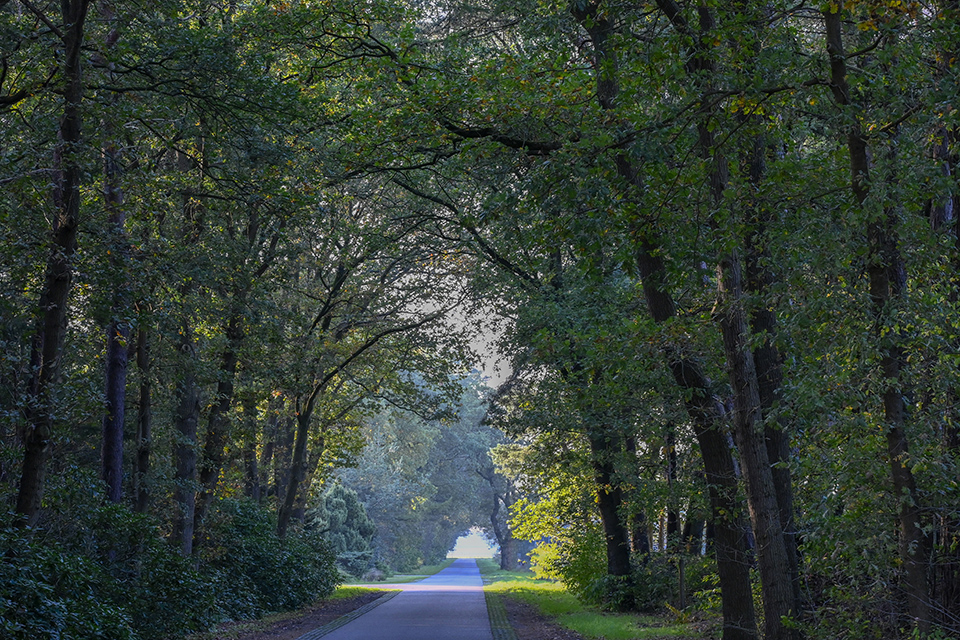
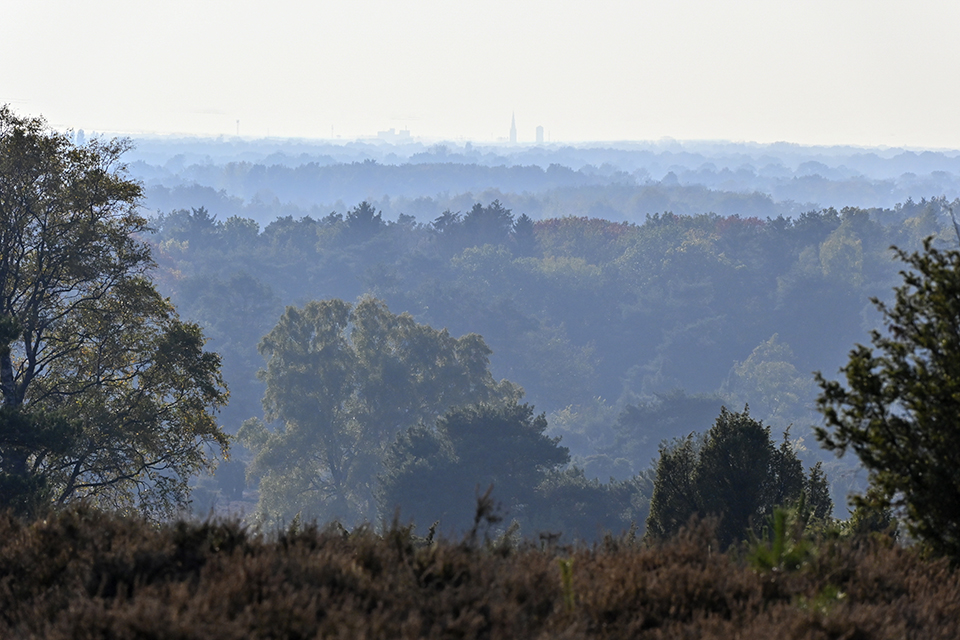
You can look at the images in this article (all taken with the Z 50) to get an idea of the results this camera is capable of producing (bearing in mind that my time with the camera was short), that I was often in relatively dark conditions and that I simply had to use the camera at high ISO settings.

Conclusion
Nikon has made a remarkable effort to give such a small camera such a solid one-handed grip. It is extremely compact and light, while you do not seem to have to compromise on lens range or quality.
Noise is more visible in poor light (such as in the night-time star photo) than with a full-frame camera, but this was to be expected. I am genuinely surprised by the quality of the images!
It took some effort to 'catch' the right moment and find focus, especially with wildlife photography, but you can also use the camera's AI for this. You do have to be willing to trust it, though, and that takes a little time. All in all, I am very positive, and I would love to travel with this camera because of how compact and easy to handle it is.
About the author
Michelle Peeters is fotografe en oprichter van DeuxBleus Fotografie. Michelle herkent het bijzondere in het gewone en het gewone in het bijzondere. Ze heeft zich nooit willen specialiseren en is daardoor van alle markten thuis.
You might also like
-
 Nikon introduces a compact Z 18-140mm DX lens
by Nando Harmsen
-
 Nikon announces the Nikkor Z DX 24mm f/1.7
by Elja Trum
-
 Review: Nikon ZR
by Nando Harmsen
-
 The Nikon Z fc. Does the vintage look add value?
by Nando Harmsen
-
 Review: Nikon Z 6 full-frame mirrorless camera
by Michelle Peeters
-
 Nikon introduces the Nikkor Z 28-400mm f/4-8 VR
by Nando Harmsen
4 comments
-
 Huub wrote on Friday 1 November 2019 at 23:03 | reply
Erg mooie foto’s!!!
This comment was written in another language and has not been translated yet. -
 Karel wrote on Saturday 2 November 2019 at 09:07 | reply
f6.3 op 50mm. Dan kan je beter kiezen voor de Fujifilm X-T2 of 3 met kittens die stopt op f4, terwijl je start op f2.8. Of je koopt de XP versies die f2.8 over het ganse bereik hebben. Nikon heeft een serieuze achterstand opgelopen op mirrorless APS-C gebied.
This comment was written in another language and has not been translated yet. -
 Ronald Maas wrote on Tuesday 5 November 2019 at 13:40 | reply
Ik onderschrijf de mening van Karel. Na jaren Nikon gebruik ben ik overgestapt op Fuji. De verschillende filmsoort keuzes ZIJN magistaal wat de kleurweergave betreft. Nikon heeft echt de boot gemist in het mirrorloze APS-C segment.
This comment was written in another language and has not been translated yet. -
Karel wrote on Tuesday 5 November 2019 at 14:55 | reply
Wil je een echt lichtsterk objectief dan ben je verplicht om naar fullframe lenzen over te schakelen bij Nikon. Je betaalt niet alleen meer, je voegt nog eens extra gewicht toe ook voor een lens die niet specifiek gemaakt is voor APS-C formaat. Hulde op dat gebied aan Fujifilm die ervoor kiest om zich vooral toe te spitsen op APS-C formaat met lenzen die echt top zijn. Begrijp me niet verkeerd. Nikon maakt fantastische toestellen, maar spitst zich vooral toe op full frame.
This comment was written in another language and has not been translated yet.
Have your say
Please note: Articles older than a week can only be commented on by signed-in visitors.Would you still like to comment? sign in or create a free account.
Become a better photographer every week
A practical photography tip in your inbox every week.
39,024 photography enthusiasts already receive the tips! More about the weekly mail. Or keep up to date via  Facebook.

Elja Trum
Photofacts; everything to do with photography!
Would you like to take better photos and keep up with what is happening in photography? Photofacts publishes articles that teach you something about photography — from a product announcement to a practical shooting tip or a look at a website. Photofacts covers photography every day and is a hobby project of Elja Trum's that got out of hand. The articles are written by a team of volunteer authors. If you would enjoy writing one or more articles for Photofacts, do get in touch.More about PhotofactsPhotofacts is made possible in part by
