

Review: Canon RF 24-240mm f/4-6.3
Friday 15 May 2020, 22:33 by Michelle Peeters | 8,467 views | 4 commentsThis article was translated from Dutch with the help of AI. Read the original.
Canon Netherlands gave me the opportunity to test the Canon EOS R. This included the RF 24-105mm, RF 24-240mm and RF 15-35mm lenses, as well as the control ring mount so I could also attach my own lenses. In this article, I share my findings on the RF 24-240mm f/4-6.3 lens.
The Canon RF 24-240mm f/4-6.3 came onto the market in September 2019. It seems like an ideal all-round lens to take with you on a trip. Thanks to its wide range, 10x from wide angle to a substantial telephoto zoom, you will never need to change lenses again.
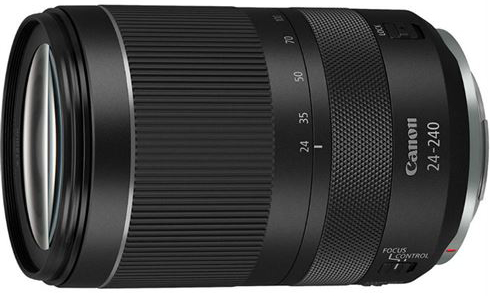
It is suitable for landscapes, portraits, street photography and many other genres. It is, of course, designed for the full-frame EOS R and RP. Professionals will not really have been waiting for this lens, but all other EOS R photographers certainly will have! It weighs just 750 grams, and the optical image stabilisation gives you 5 stops of shake reduction.
Specifications
- Focal length: 24-240mm
- Maximum aperture: f/4-6.3
- Lens mount: Canon RF
- Suitable for full-frame: yes
- Weight: 750 grams
- Length: 122.5mm
- Dust and splash resistant: no
- Image stabilisation: yes
- Minimum focusing distance: 50cm
- Magnification: 0.26x
- Filter size: 72mm
- Release date: September 2019
- Price: 899 euros at CameraNU.nl
The RF 24-240mm f/4-6.3 IS USM lens gives you an enormous range and plenty of possibilities, but what about the quality? The eternal dilemma comes into play here: do you choose versatility or optimum quality? But what is the quality actually like?
Handling
The handling is very pleasant in practice. It has a zoom ring that can be locked and an adjustable control ring. You can use the control ring to adjust the aperture, shutter speed and ISO or exposure compensation. With this lens, you can take razor-sharp photos extremely quickly and quietly thanks to the built-in Nano USM focusing system.
This lens is not particularly fast, so the 5-stop gain from the built-in image stabilisation is very welcome. This allows you to work with slower shutter speeds.

Autofocus
You can focus quickly, quietly and smoothly with this lens, thanks to the Nano USM motor. The autofocus is fast, virtually silent and accurate, even with fast-moving subjects. You can also focus quite close, at 50cm, so close-up photography is also possible.
Speed
It seems a little slower than the RF 24-105mm f/4L lens, and the sharpness also seems slightly lower.

Distortion
The lens does show quite pronounced vignetting and distortion, but you will not notice much of it when shooting JPEGs, because these flaws are automatically corrected in the camera. As with most superzooms, you need to have the various lens correction options switched on to smooth out this lens's optical shortcomings.
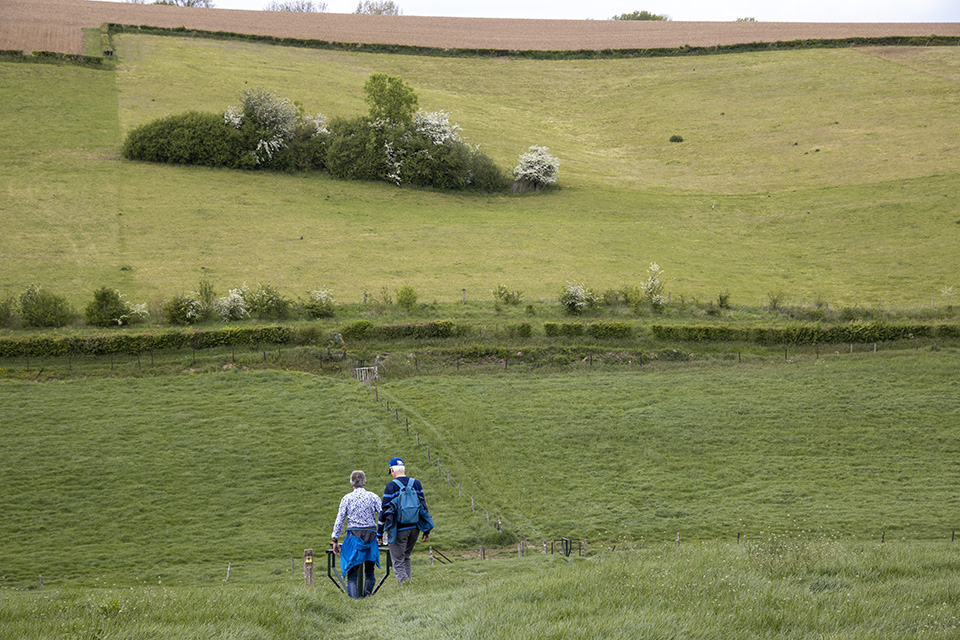
Image quality
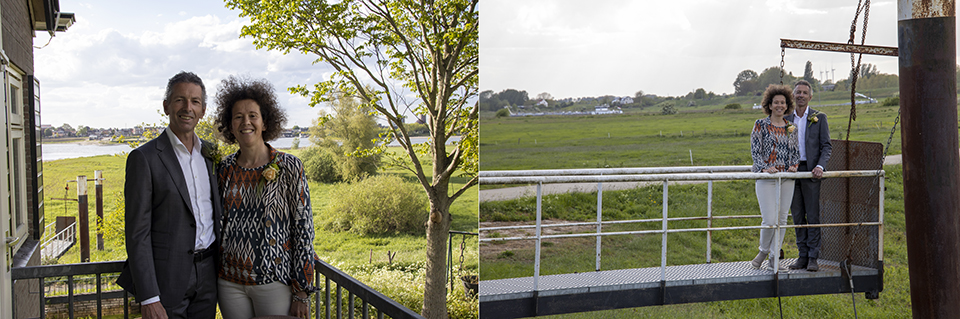
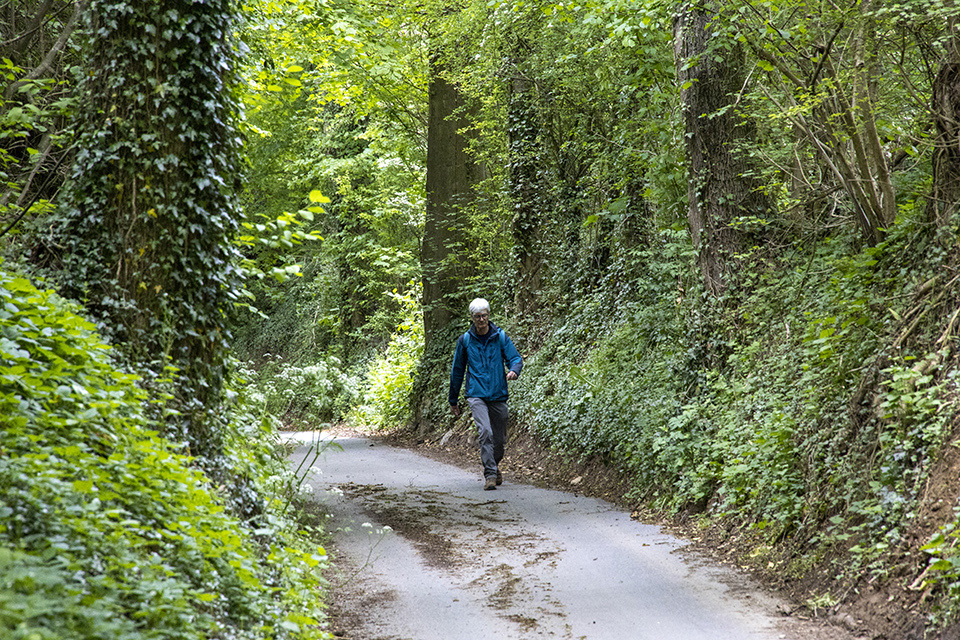
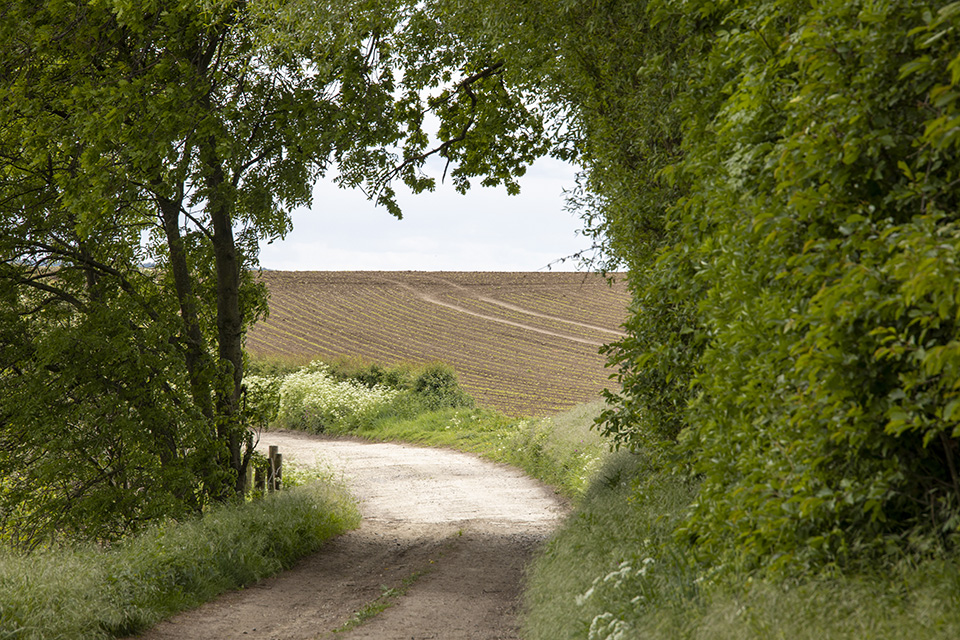
The optical performance is surprisingly good. Photos are sharp enough and also make a good impression in terms of contrast and colours. For a superzoom, the performance is undeniably impressive. Considering the price, target audience and versatility, the image quality of this superzoom is perfectly good enough.
The bokeh is attractive because the aperture has 7 rounded blades. Considering the price, target audience and versatility, the image quality of this superzoom is at a good level. It is not, however, a lens for professionals, who will choose a number of high-quality and/or prime lenses.
Performance is best in the centre, even at the maximum focal length of 240mm and with the aperture wide open. Performance at the edges of the frame is less good, especially at the longer focal lengths, but that is a common complaint about this type of superzoom lens.
That good image quality, despite the enormous zoom range, which is above average for this segment, does rely heavily on digital lens corrections.
Conclusion
With this lens, ambitious hobby photographers have a good compromise between quality and flexibility. The EOS R cameras are compact, so a compact lens suits them well. Canon has put 10x optical zoom into a travel lens while keeping performance at a good level. That is quite remarkable!
If you spend a lot of time on the road or travelling and do not like changing lenses, this is a very attractive lens to use with the EOS R or RP. It is also ideal for a flying, cycling or walking holiday, as you can travel light. And if you want to photograph inconspicuously as a street photographer, it is a great solution.
I would recommend this lens to many photographers with the EOS R system. However, if you want maximum image quality, you would be better off choosing a different lens, possibly as an additional one.
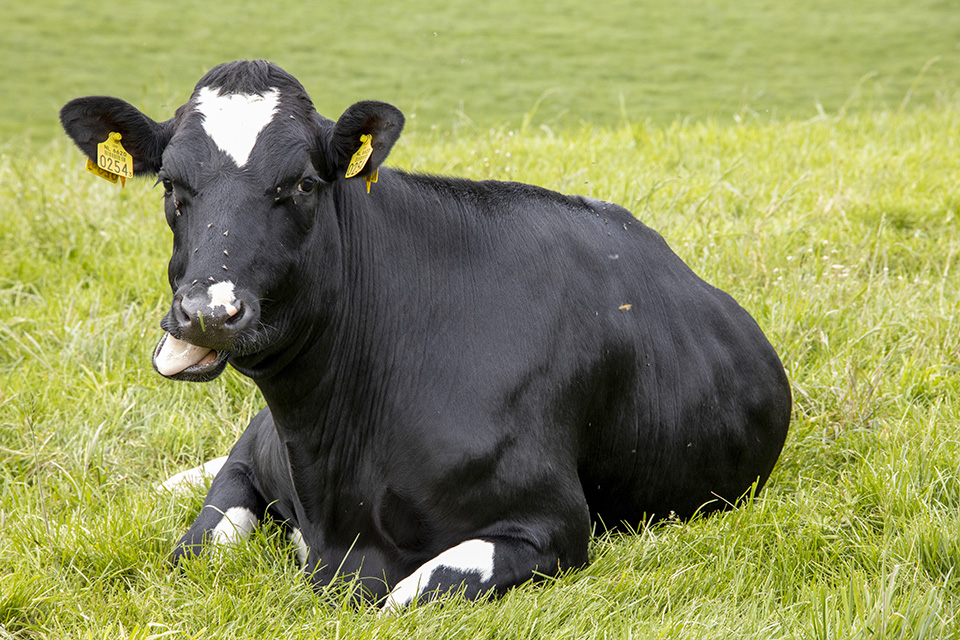
Most photographers will be happy with the sharp images, ease of use and compactness offered by the RF 24-240mm. Even the price is reasonable. For many photographers, this will be the only lens they will ever need.
The optical performance is very good for a superzoom lens of this type. It is brought up to this level with a lot of help from digital corrections, but for a superzoom it is genuinely exceptionally good.
About the author
Michelle Peeters is fotografe en oprichter van DeuxBleus Fotografie. Michelle herkent het bijzondere in het gewone en het gewone in het bijzondere. Ze heeft zich nooit willen specialiseren en is daardoor van alle markten thuis.
You might also like
-
 Review: Canon EOS R
by Michelle Peeters
-
 Review: Canon EOS R8 full-frame mirrorless camera
by Nando Harmsen
-
 Review: Canon RF 24-105mm f/2.8L IS USM Z
by Nando Harmsen
-
 Review: Canon RF 15-35mm f/2.8 L IS USM
by Michelle Peeters
-
 Review: Canon EOS R6
by Nando Harmsen
-
 Review: Canon EOS R7
by Nando Harmsen
4 comments
-
 Karin wrote on Tuesday 19 May 2020 at 13:39 | reply
I also use this in combination with an RP camera and a 35mm RF lens. The lens is certainly very respectable and definitely an improvement over the 18-200mm EF-S lens. Canon has really taken a big step forward with this.
Translated from Dutch.
For the moments when I need light-gathering ability or use it in the dark, I use the RF35mm. People who shoot in RAW do need Adobe Lightroom or Photoshop with the 24-240mm, to correct the vignetting and other distortion using the lens profile built into Adobe. Otherwise you have a problem with the RAW photos. Because you get a real shock at first when you see the first results. But this is seriously simple to solve in Adobe. The JPG quality of the photos is very good, the problems are then solved in the camera. I was surprised by the quality. In short, a fine lens, certainly also for the advanced photographer! -

 Michelle Peeters wrote on Tuesday 19 May 2020 at 13:41
| reply
Michelle Peeters wrote on Tuesday 19 May 2020 at 13:41
| reply
@Karin: thanks for your response and you're right. I have had the same experiences.
Translated from Dutch. -
 Paul wrote on Tuesday 19 May 2020 at 18:56 | reply
If you have a good,expensive, Canon Eos r anyway,then you might as well give it a good lens too.A less good pair of glasses won't improve your vision either,for your precious eyes.
Translated from Dutch. -
Michelle Peeters wrote on Tuesday 19 May 2020 at 20:06
| reply
@Paul: yes, you can! But such a ‘long-range lens’ takes up very little space together with this compact camera, it doesn’t weigh much and the quality is excellent!
Translated from Dutch.
Have your say
Please note: Articles older than a week can only be commented on by signed-in visitors.Would you still like to comment? sign in or create a free account.
Become a better photographer every week
A practical photography tip in your inbox every week.
39,027 photography enthusiasts already receive the tips! More about the weekly mail. Or keep up to date via  Facebook.

Elja Trum
Photofacts; everything to do with photography!
Would you like to take better photos and keep up with what is happening in photography? Photofacts publishes articles that teach you something about photography — from a product announcement to a practical shooting tip or a look at a website. Photofacts covers photography every day and is a hobby project of Elja Trum's that got out of hand. The articles are written by a team of volunteer authors. If you would enjoy writing one or more articles for Photofacts, do get in touch.More about PhotofactsPhotofacts is made possible in part by
