

Review: Pro Line photobook by Saal Digital
Friday 22 May 2020, 13:31 by Erik van Rosmalen | 19,814 views | 1 commentThis article was translated from Dutch with the help of AI. Read the original.
Saal Digital is a German supplier that has also been active on the Dutch market for a few years now. With its Pro Line photobooks, it has recently also been targeting more professional photographers. I was able to test a photobook from this range.
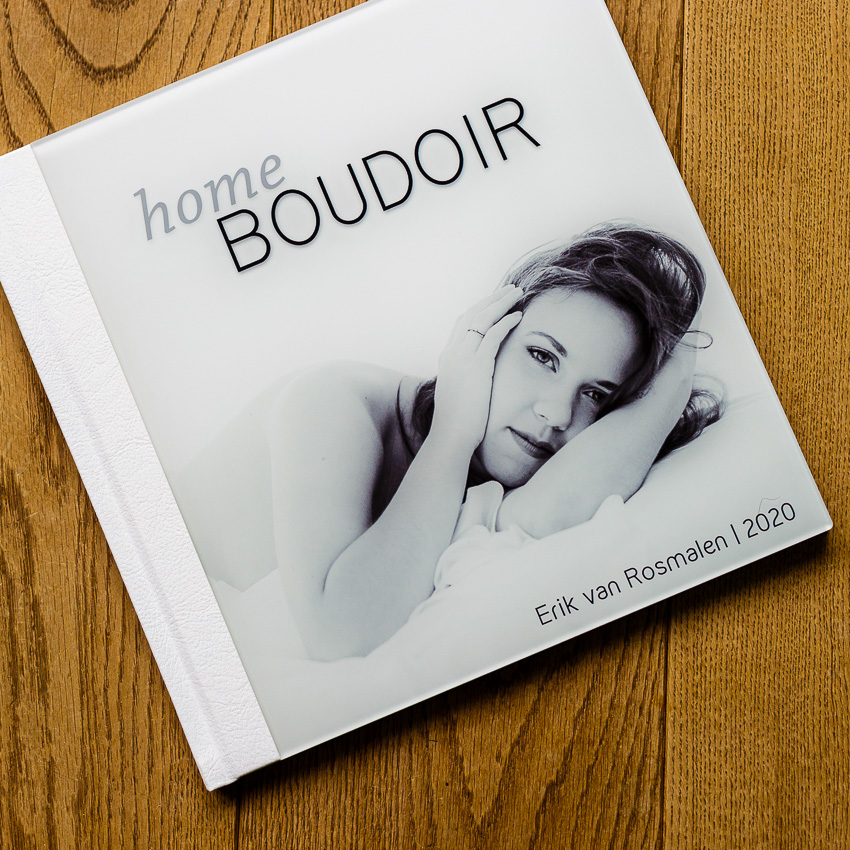
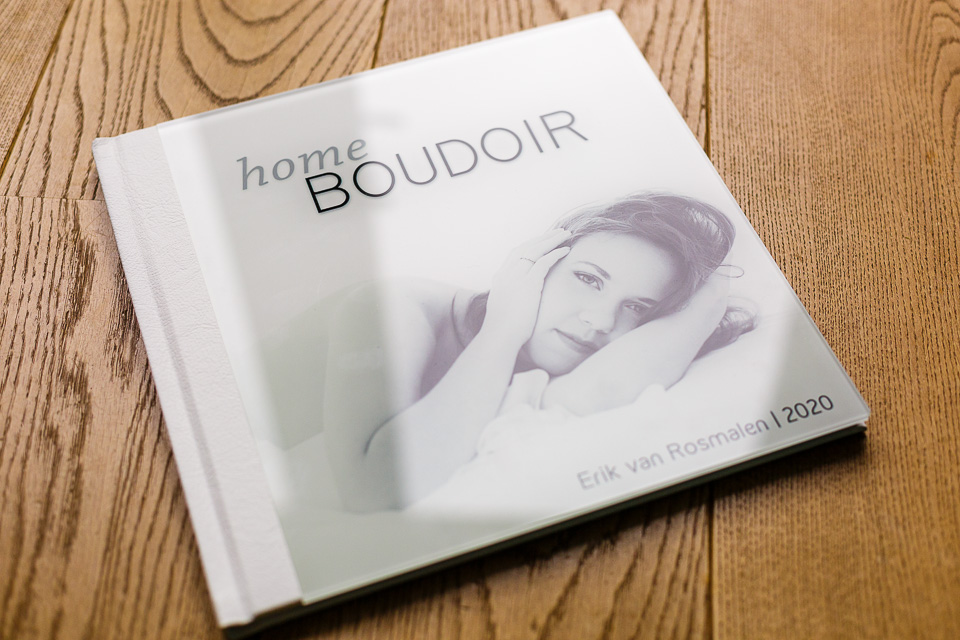
From the Professional Line, I chose a 30x30 centimetre book with an acrylic front and a leather cover. It is a range with a lovely level of finish, which for me, in terms of price and quality, goes a little beyond the usual holiday photobook.
It could be an option to offer to clients at an additional cost, for example after a boudoir shoot. That is why I chose to use my recent boudoir work for the book, as a kind of portfolio.
Process and software
There are several ways to design and set up the book. As you would expect from a professional range, you can upload your own spreads, which you have created in your own software, InDesign for example, using your own layout.
If you wish, there is also a Saal plugin available for this, for Photoshop or InDesign, with the exact dimensions. This is useful for, for example, wedding photographers who work from their own fixed template. ICC profiles are available too, of course, so you do not have to worry about print profiles either.
For this review, I deliberately chose to use Saal's own software. It does what it needs to do, and what the software from many other online services does too. Placing photos on a grid is more difficult than when you do it in your own layout programme, but it is certainly workable.
The programme also gives clear warnings if your photo does not reach the edge or if the quality of the image you are using is insufficient because you have accidentally used a low-res image.
A lot of this software has its own window containing the imported photos. I do not find that very clear, but fortunately you can also drag images directly from File Explorer into the programme.
Finishing the layout is fairly intuitive. And, also importantly, it works quite reliably, without delays, stuttering or crashes.
What is a shame, or actually a little cheeky on Saal's part, is that there are no endpapers. In other words, the first and last photo pages are glued to the cover. You might expect a blank page here, or otherwise it would be nicer to lay it out that way. It is mentioned somewhere in the 'small print', but in my opinion it is a little too well hidden.
Delivery
The book is delivered in cardboard packaging with a protective foam cover. Despite this, in my case there was still a small dent in the middle of the top edge. A real shame. That is not something to blame Saal for directly, but rather the delivery service.
Even so, it is something a customer might ask questions about. The very positive thing is that Saal dealt with it straight away: without any discussion, I was offered a new book.
The acrylic front of the book is covered with film for shipping, to protect it extra well. It therefore looks completely free of scratches and marks.
Book
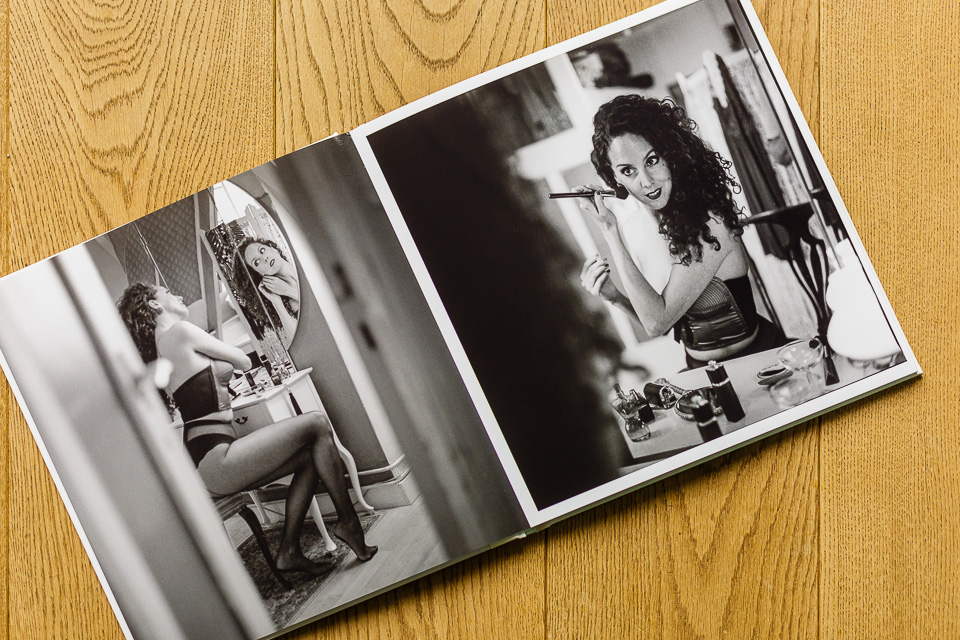
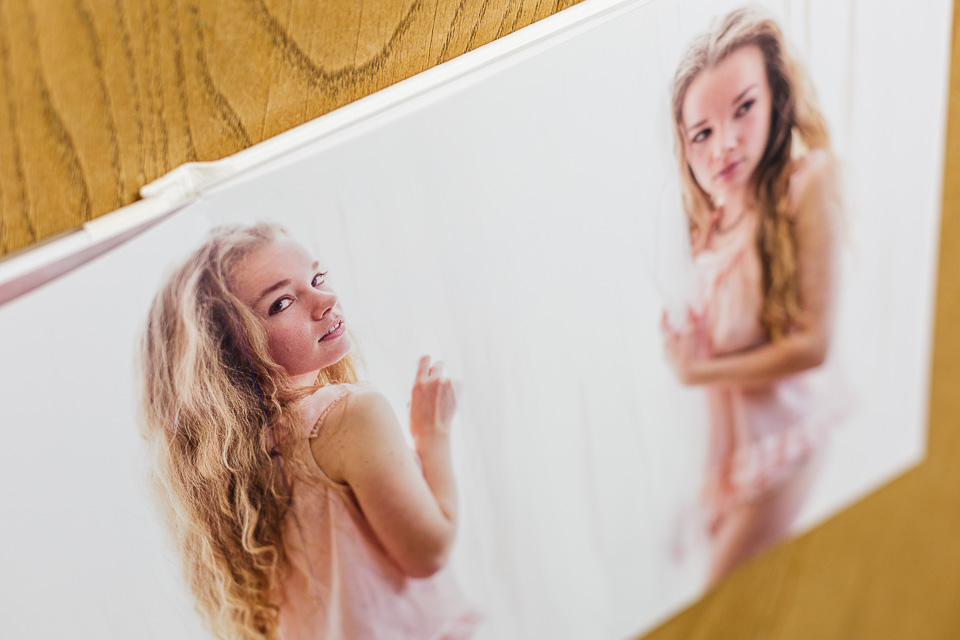
And that beautiful front is followed by sturdy, thick paper. This time I chose gloss, which gives it a lovely, luxurious appearance. The spreads in the book also lie fairly flat, which is naturally very nice for spreads or photos that cross the centre line. The latter is perfectly possible, by the way, because there is no fold line.
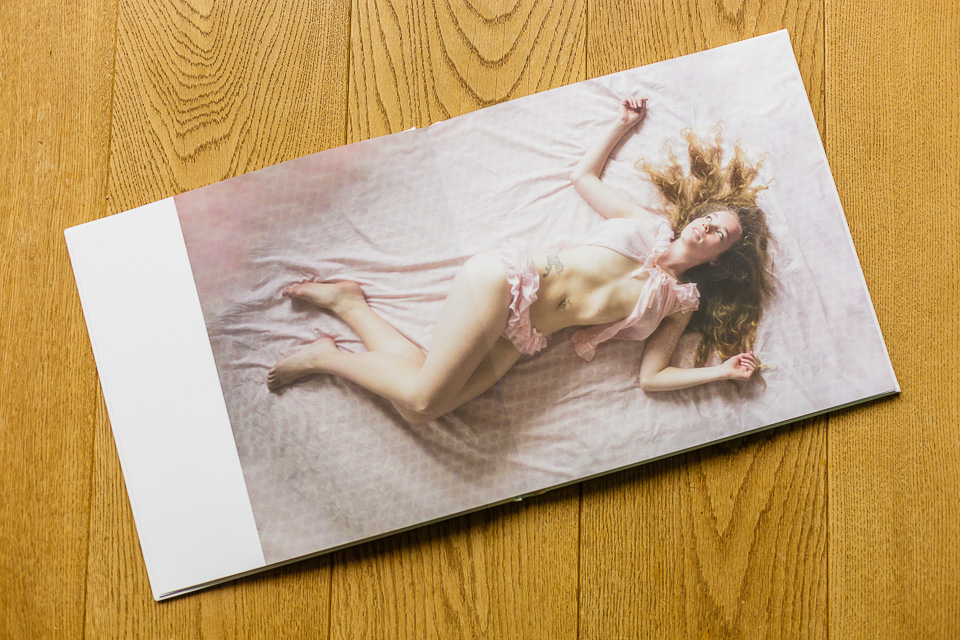
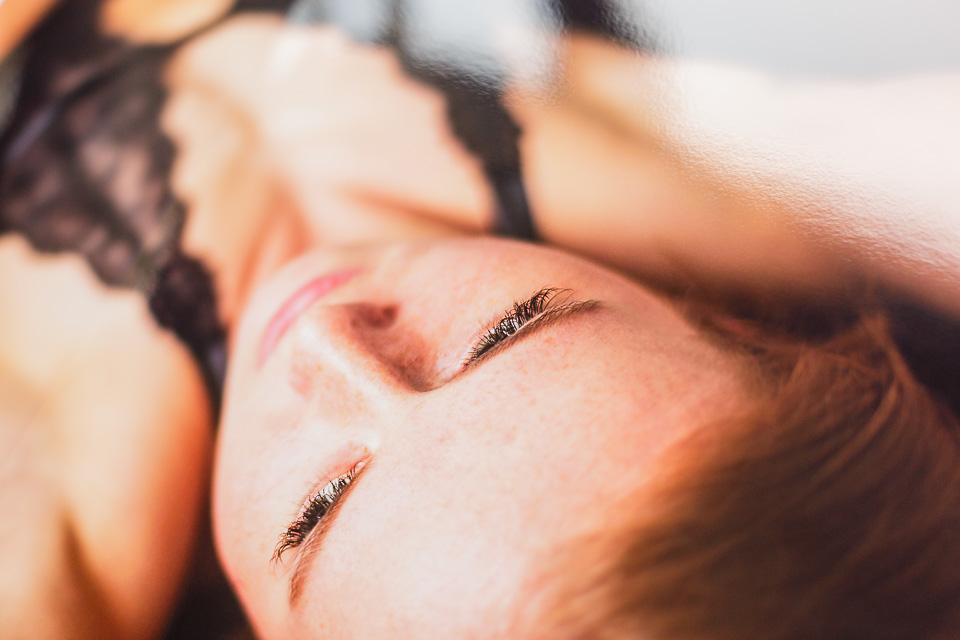
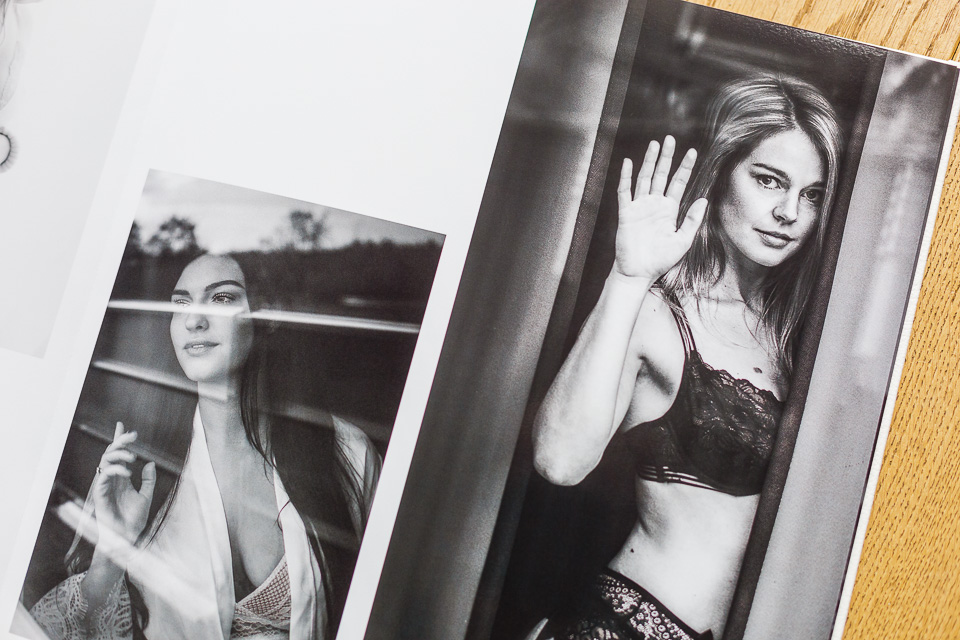
I work a lot in black and white myself, especially with boudoir work. For this book, of course, I made a combination with colour, so I could see that aspect too. The colour accuracy is more than fine, with no visible colour casts.
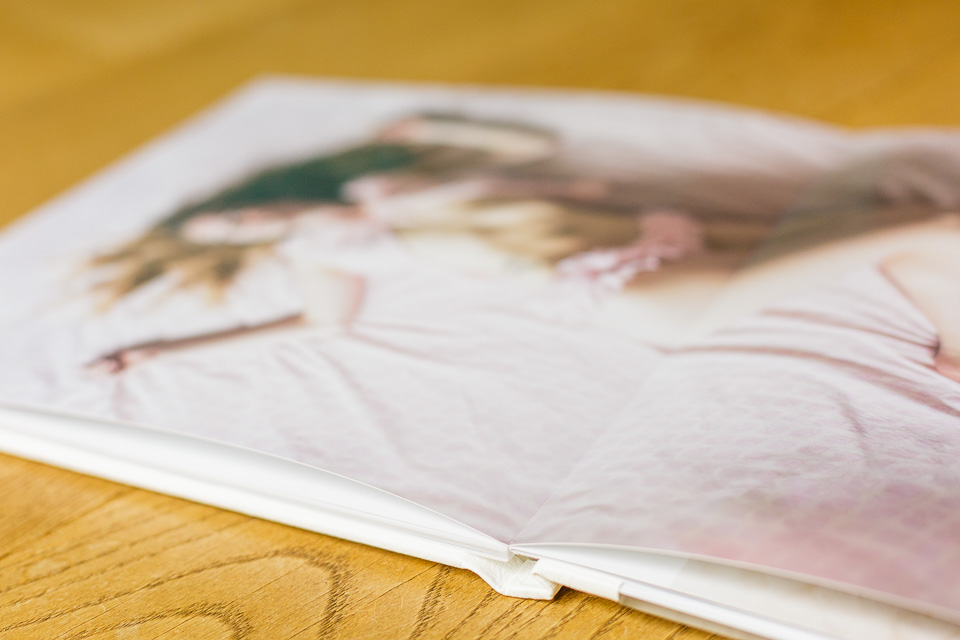
The same applies to the black and white: you often see digital black-and-white prints produced on colour systems, which in many cases still gives them a colour cast. With Saal, it is actually not present. The sharpness also comes across very well.
Room for improvement?
Are there also things that could be improved about the book? I particularly think it is a shame that the first and last pages are glued to the cover. I had already read that this was the case with Saal, but I can imagine that not everyone does.
The back page is also glued to the cover a little less neatly, slightly rippled because of the thickness of the cover.
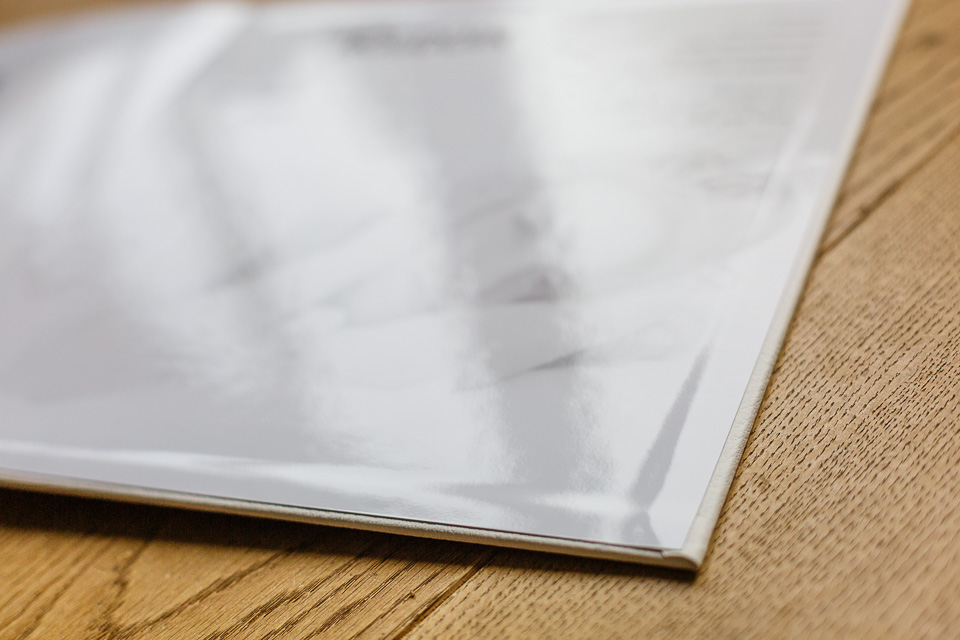
All in all, these are small drawbacks that do not detract from the albums' price-to-quality ratio, which is otherwise more than excellent!
About the author
Erik werkt als content specialist. Daarnaast is hij freelance tekstschrijver en fotograaf. Mensen vormen daarbij het hoofdonderwerp: portret- en reportage-fotografie. Volg Erik ook op Instagram!
You might also like
-
 Review: Canon EOS R5
by Nando Harmsen
-
 Review: Sony A7 IV
by Nando Harmsen
-
 Review: Canon EOS R50 mirrorless camera
by Nando Harmsen
-
 The challenges of publishing your own photobook
by Elja Trum
-
 Review: Canon EOS R3
by Nando Harmsen

1 comment
-
 Martien van Dommelen wrote on Tuesday 26 May 2020 at 10:57 | reply
I was also allowed to test a photo book. The result is very good. Your photos get a professional look in such a beautiful photo book. The acrylic front does have one drawback it is very susceptible to scratches.
Translated from Dutch.
Have your say
Please note: Articles older than a week can only be commented on by signed-in visitors.Would you still like to comment? sign in or create a free account.
Become a better photographer every week
A practical photography tip in your inbox every week.
39,027 photography enthusiasts already receive the tips! More about the weekly mail. Or keep up to date via  Facebook.

Elja Trum
Photofacts; everything to do with photography!
Would you like to take better photos and keep up with what is happening in photography? Photofacts publishes articles that teach you something about photography — from a product announcement to a practical shooting tip or a look at a website. Photofacts covers photography every day and is a hobby project of Elja Trum's that got out of hand. The articles are written by a team of volunteer authors. If you would enjoy writing one or more articles for Photofacts, do get in touch.More about PhotofactsPhotofacts is made possible in part by
