

Review: Canon RF 28mm f/2.8 STM
Friday 17 November 2023, 16:32 by Nando Harmsen | 4,695 views | 4 commentsThis article was translated from Dutch with the help of AI. Read the original.
Canon Netherlands sent us the RF 28mm f/2.8 STM. A very compact and lightweight lens with a focal length that is neither too long nor too short. How does it perform in practice? Read more about this lens in this review.
The Canon RF 28mm f/2.8 STM is a very compact and lightweight lens. You barely notice that it is attached to your camera. But why a 28mm focal length? It is neither a wide-angle nor a standard lens. It sits exactly between the two.

If you often work with prime lenses, you know that 24mm is often just a little too wide. There is also wide-angle distortion because you have to get a little too close to your subject to make it large enough in the frame.
On the other hand, 35mm or 50mm can sometimes be too long a focal length. A 28mm focal length sits exactly in the sweet spot between these focal lengths. Wider than 35mm, but not as wide as 24mm.
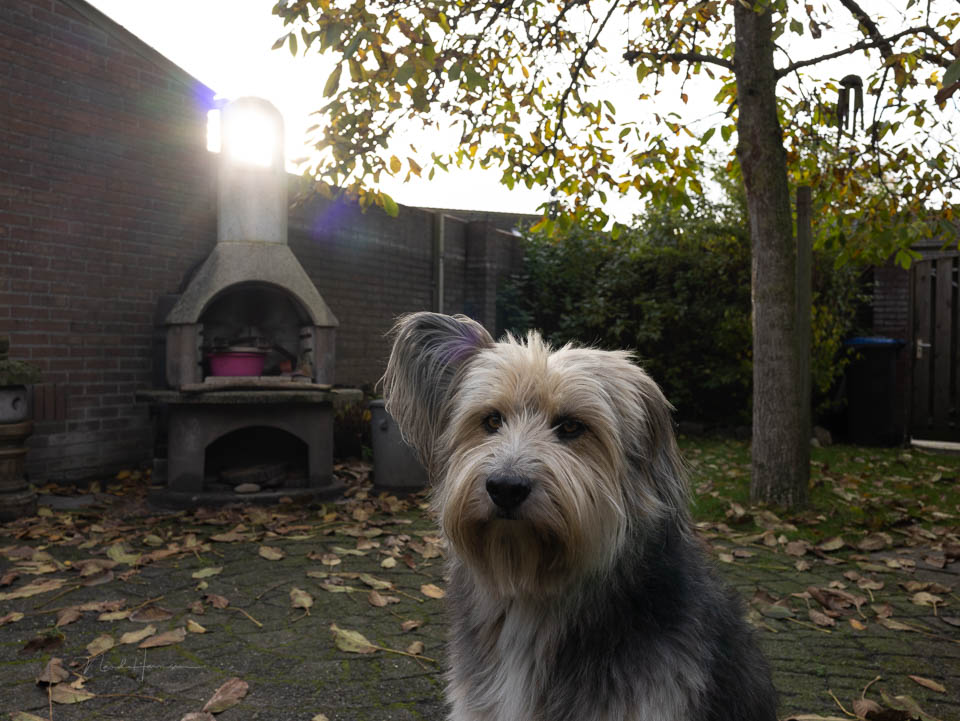
This may sound like I am looking for a reason to justify a 28mm focal length. But did you know that 28mm used to be the standard wide-angle lens? Anything wider was a luxury, an extreme. 28mm was exactly what you needed when a 50mm focal length did not work.
The appearance
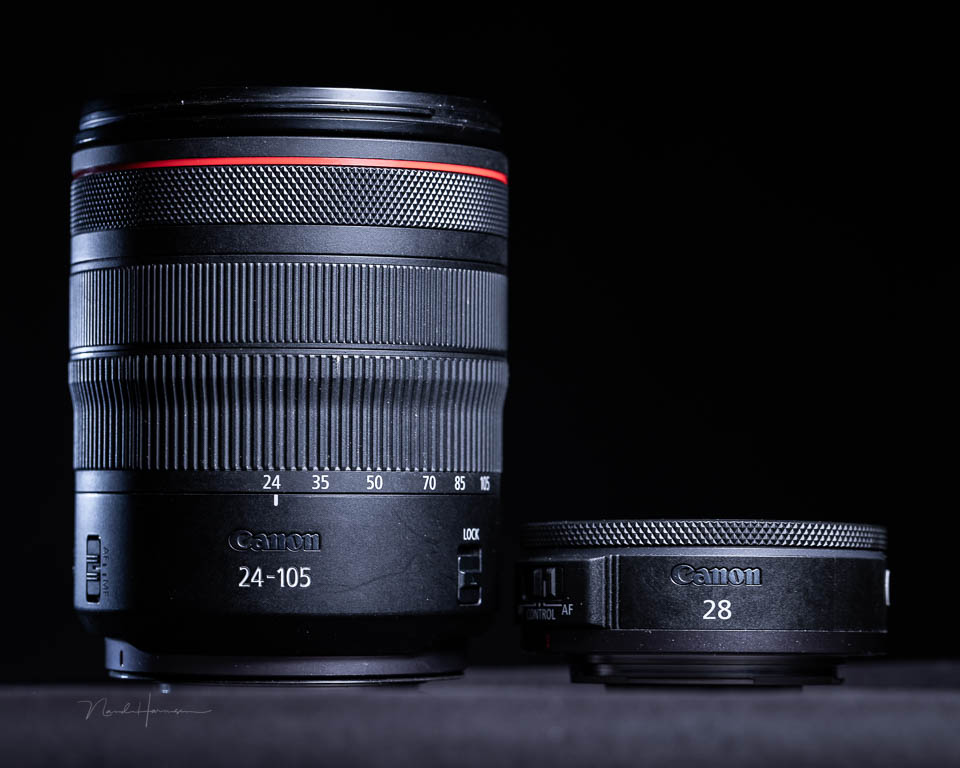
The RF 28mm f/2.8 STM is a very small lens. It deserves to be called a pancake lens because it is so short. Its dimensions are 69.2 x 24.7 mm, with a 55mm filter size. It weighs just 120 grams.
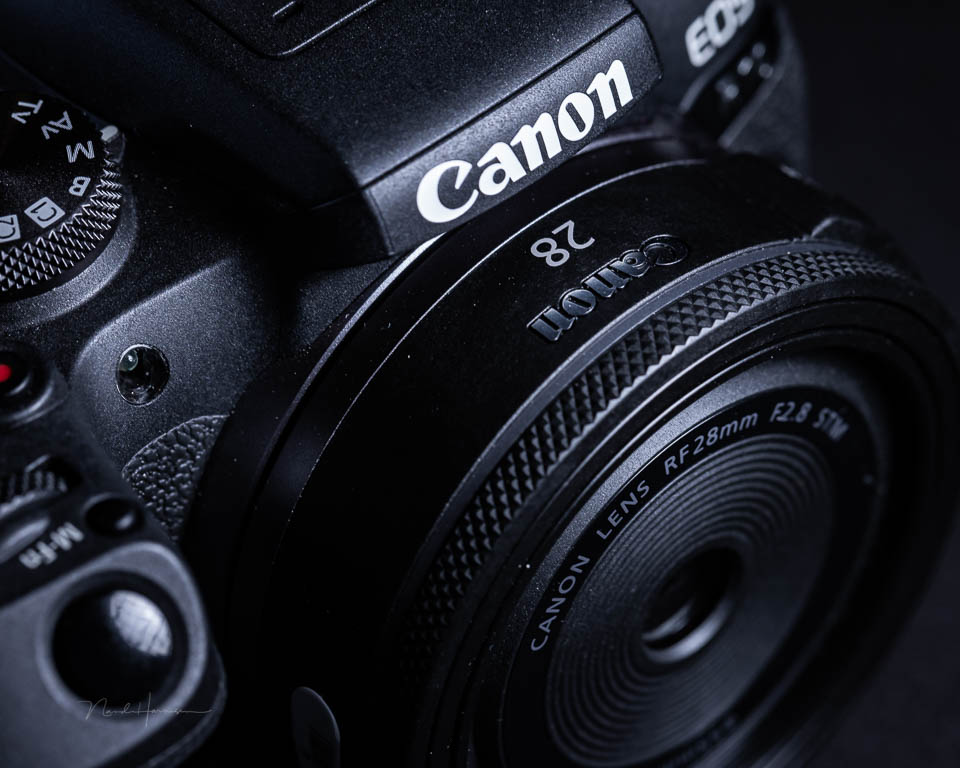
Although the lens is less than 2.5 cm long, Canon still found room to fit an adjustment ring. This ring is multifunctional. You can change its function with a switch. From AF to MF, or autofocus with the programmable control ring function.
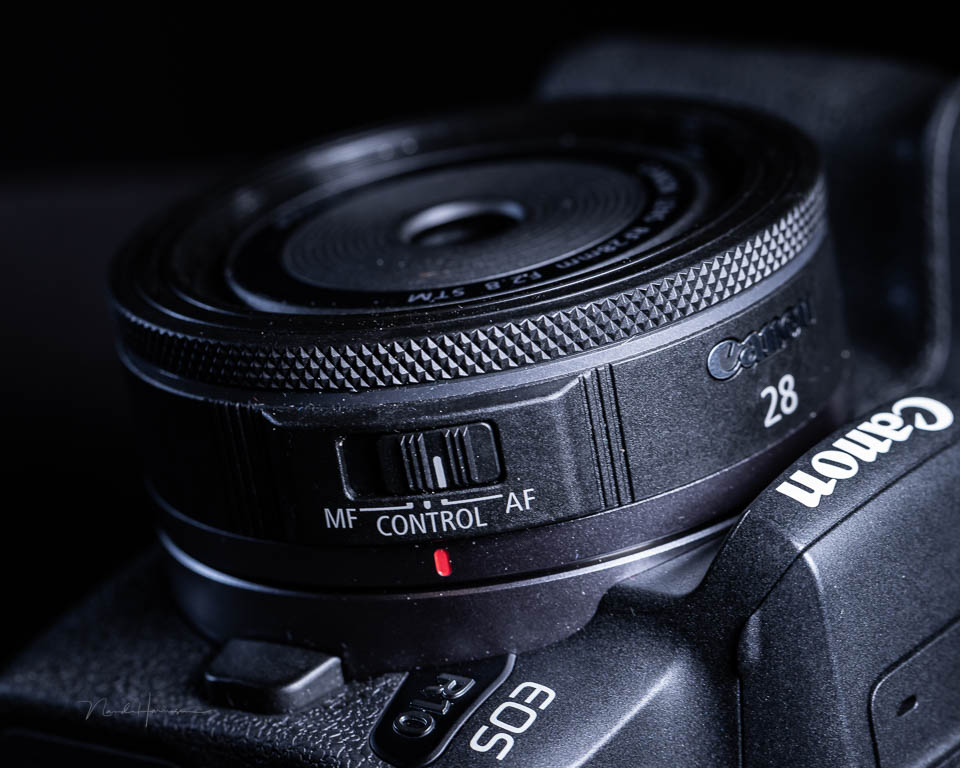
The adjustment ring is right at the front and is only a few millimetres wide. Thanks to its ribbed structure, you can find the ring easily, even without looking.
There is not much more to say about the lens, apart from the fact that it is small and lightweight. Except perhaps that the materials used to build the lens are mainly plastic, including the lenses themselves.
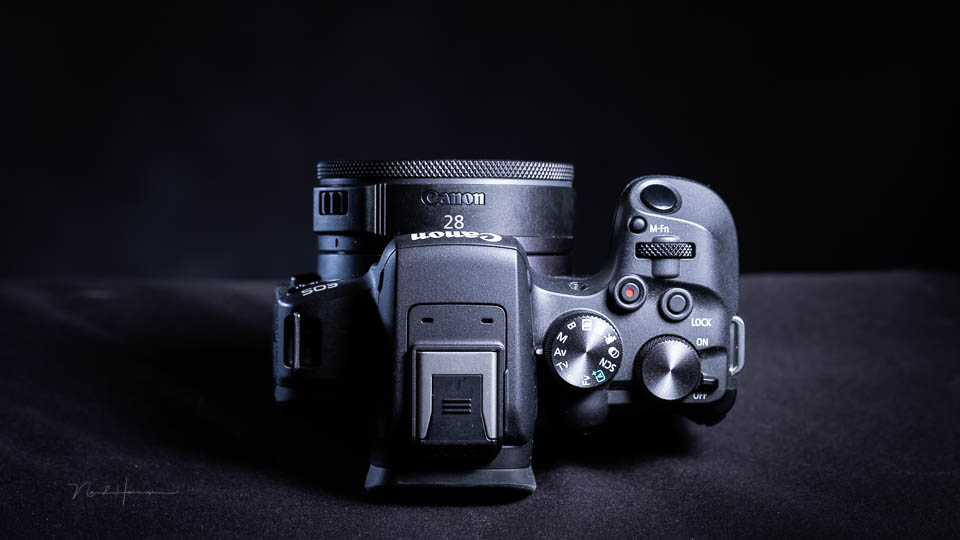
Focusing is driven by an STM motor. This provides fast and quiet focusing, although it is audible in a quiet environment. The lens becomes slightly longer when the minimum focusing distance is needed, which is 23 cm. The magnification is then 0.17x.
Image quality
Canon uses three PMo elements as lenses, with Super Spectra coatings for optimum image quality. Looking at the front, the front element is so small that it is almost hard to believe that f/2.8 is the maximum aperture.
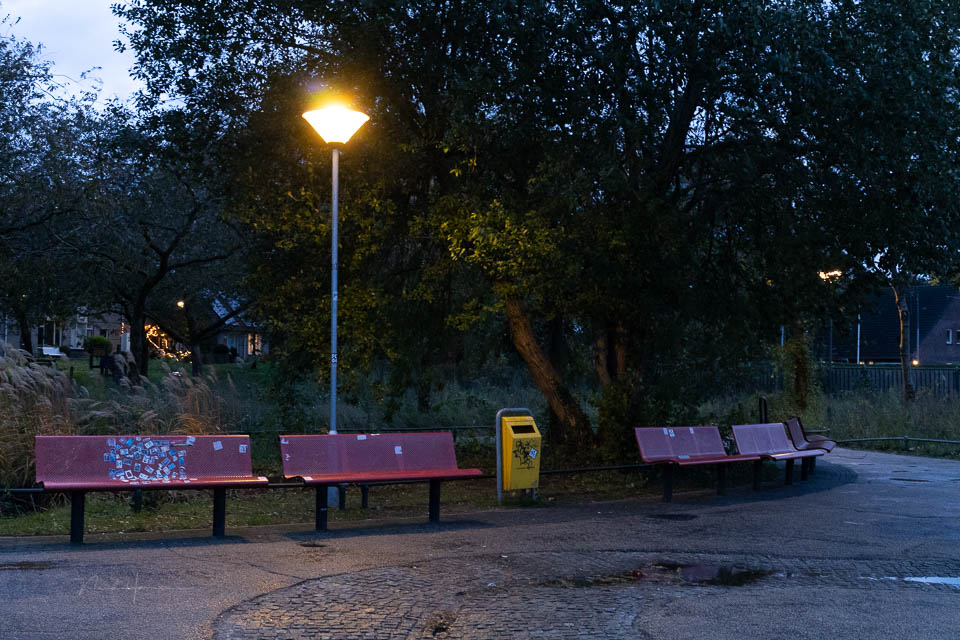
The distortions caused by the lens design are corrected as much as possible, and sometimes completely, in the camera. This is an essential part of achieving the final image quality. This is why these types of lenses can be so small.
Vignetting and distortion
With a camera with an APS-C sensor, such as the Canon EOS R10, you have little or no trouble with vignetting because you only use the optimal part of the image. The same applies to the distortion caused by the lens. It becomes more noticeable when you use a full-frame camera, which uses the lens's entire image circle.
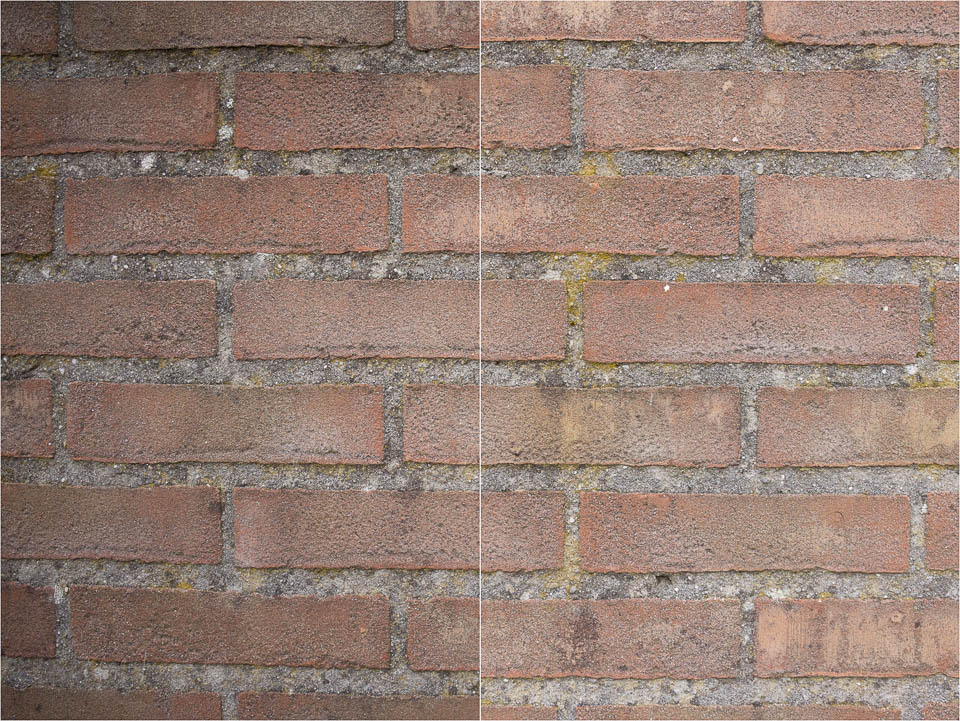
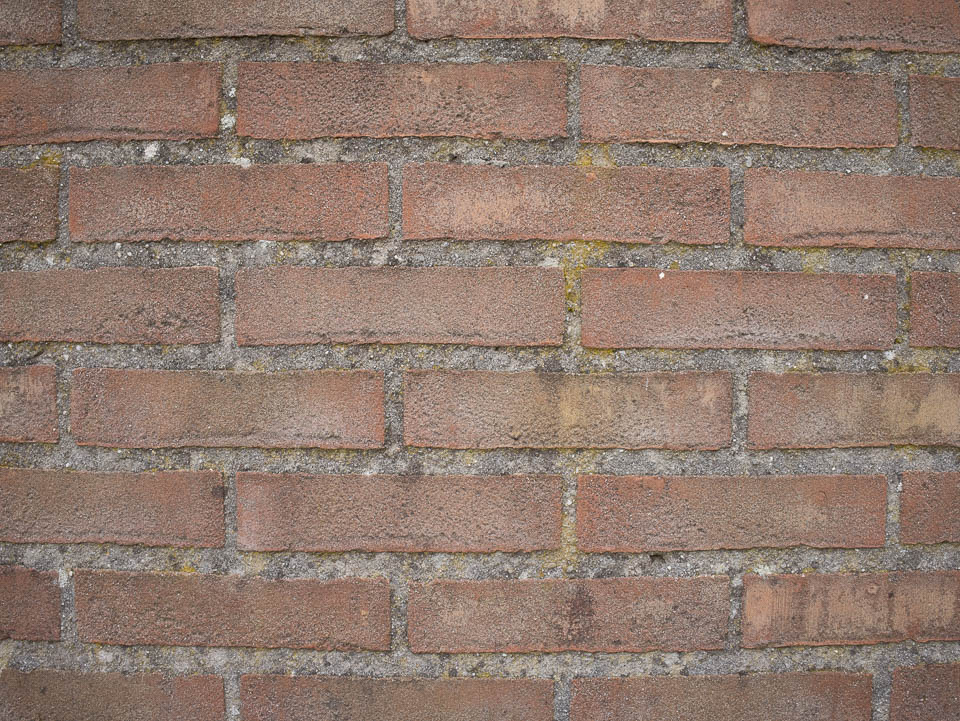
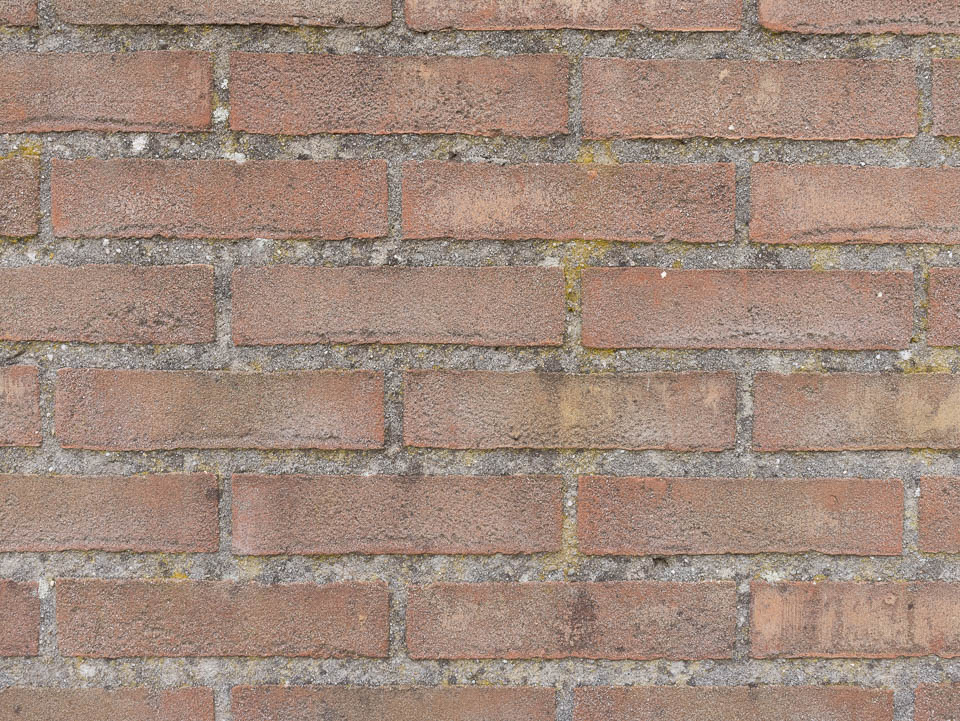
Although there is clearly vignetting at f/2.8, along with quite pronounced barrel distortion, this is corrected straight away in the camera by the built-in lens correction.
Chromatic aberration
The effect of purple or green lines around areas of high contrast is caused by the different paths that light of different colours, or wavelengths, takes through a lens. This is chromatic aberration. The RF 28mm f/2.8 STM controls it very well.
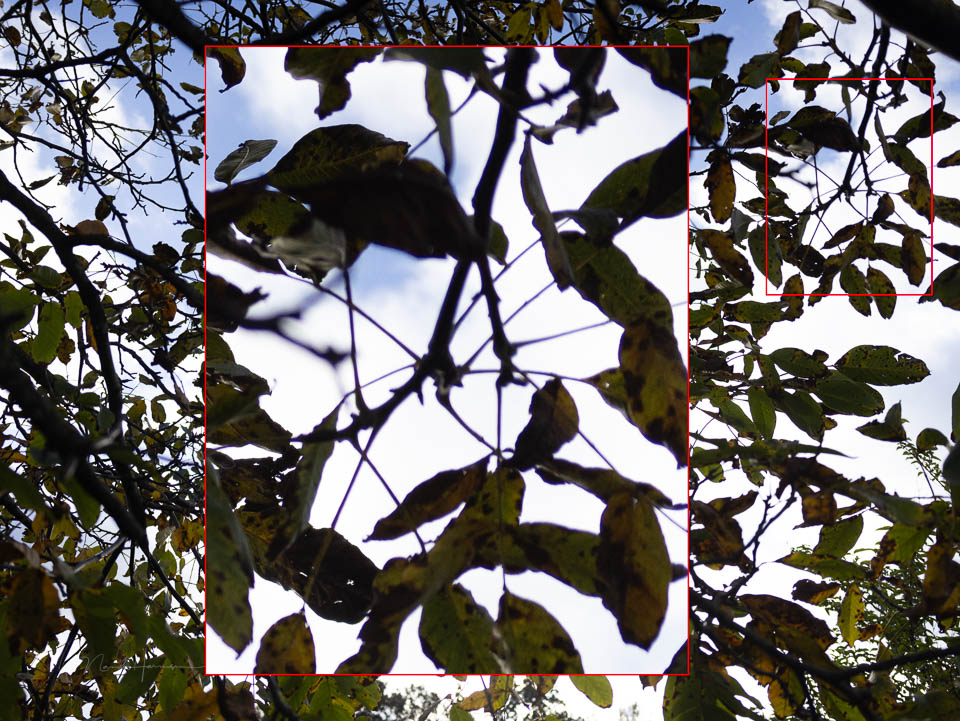
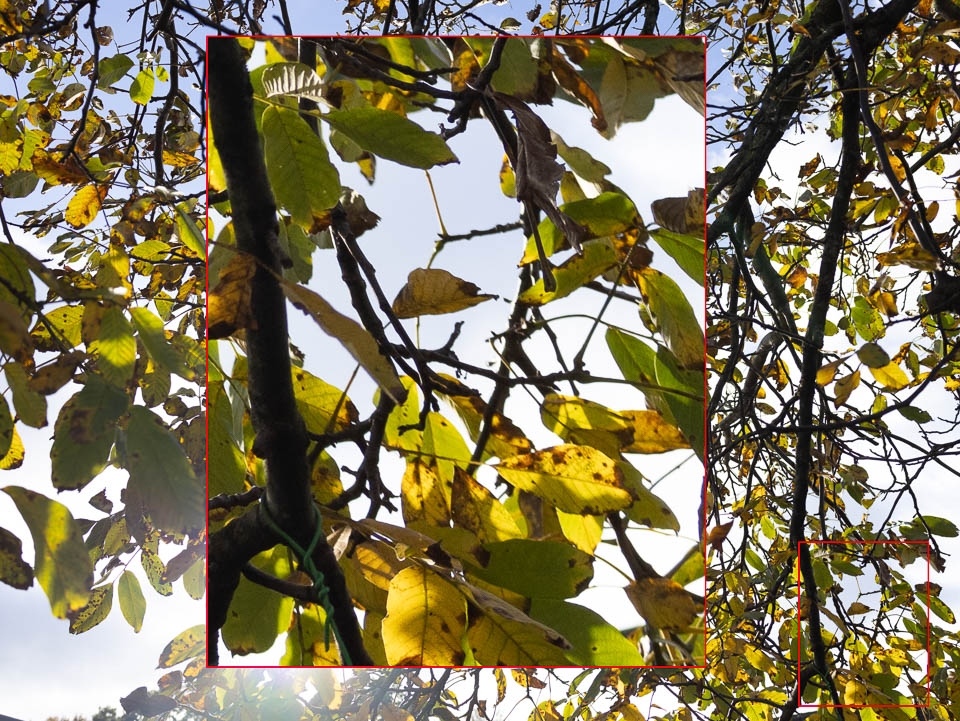
The images I show were taken with the built-in chromatic aberration correction enabled. They show that the final result is good. This is how you use this lens.
At f/2.8, there still appears to be some purple around the areas of contrast at the edges, but this is easy to remove manually.
Sharpness, bokeh, flares and starbursts
With 28mm and f/2.8, it will come as no surprise that the background blur cannot be extremely strong. This applies to the RF 28mm STM on full-frame, because it is too wide-angle for that. But it also applies on an APS-C camera such as the EOS R10, because you have to deal with the crop factor here.

Even so, the background blur is of good quality. The circles in the background show little distortion and no onion-ring effect. The result can be even nicer when using a full-frame camera because of the even shallower depth of field.

There is little flare visible. Although it is present in some cases, it is not very distracting. I did not manage to get the flares across the entire image. The lens has seven aperture blades, which produce 14-point starbursts at small apertures.
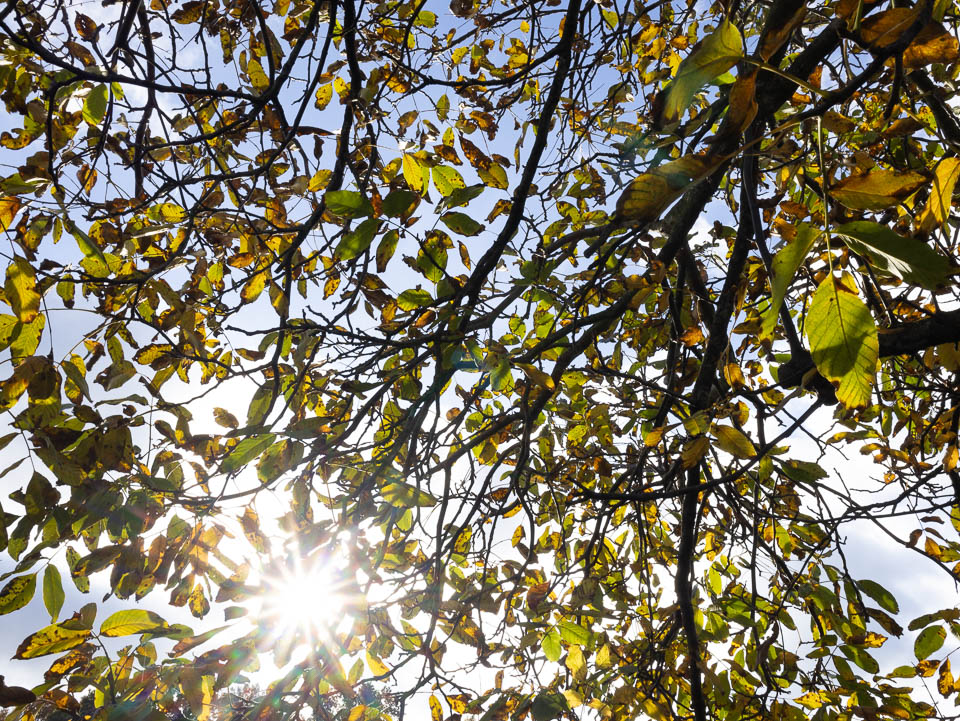
The sharpness of the lens is good, as far as I can judge. This is based on practical use. Thanks to the lens correction, the lens also shows good sharpness in the corners. It is already good at f/2.8, but naturally becomes better as you stop the lens down.
In practice
Using it in practice required me to adapt. Because the lens is so short, it was not easy to hold the camera in the way I normally do. The lens is too small for that.
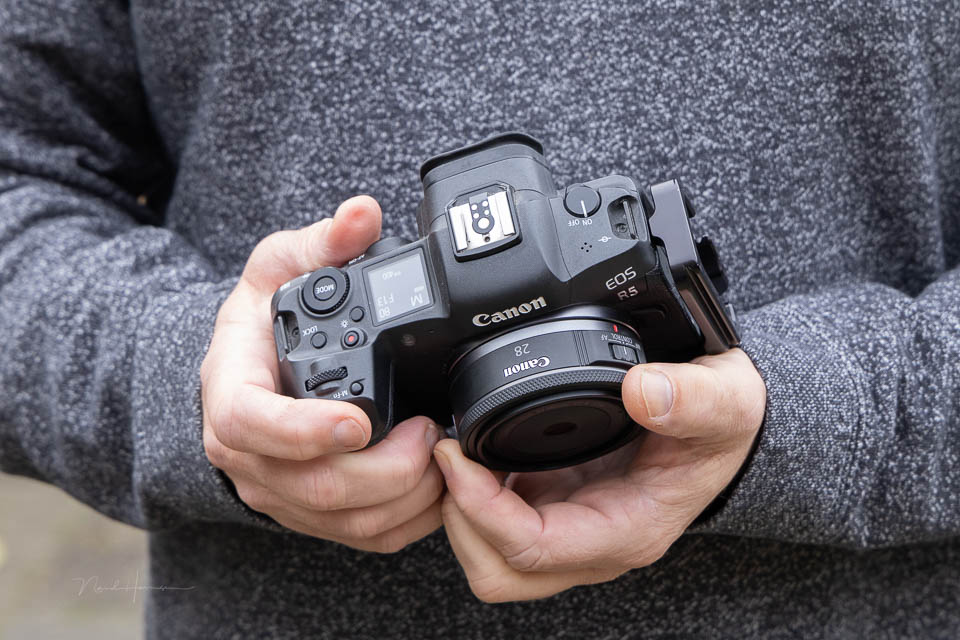
At this point I concluded that a pancake lens is not for me. I do not find it comfortable to hold, either with my Canon EOS R5 or with the smaller Canon EOS R10 that Canon provided.
That only says something about my own preference and experience. It is different for everyone. If you enjoy using such small lenses, there is of course nothing wrong with that. I prefer something larger.

In normal use in ordinary surroundings, the STM motor cannot be heard. The lens focuses incredibly quickly. Although my preference for the size of lenses is now clear, I still have to say that this small lens makes your camera very inconspicuous.
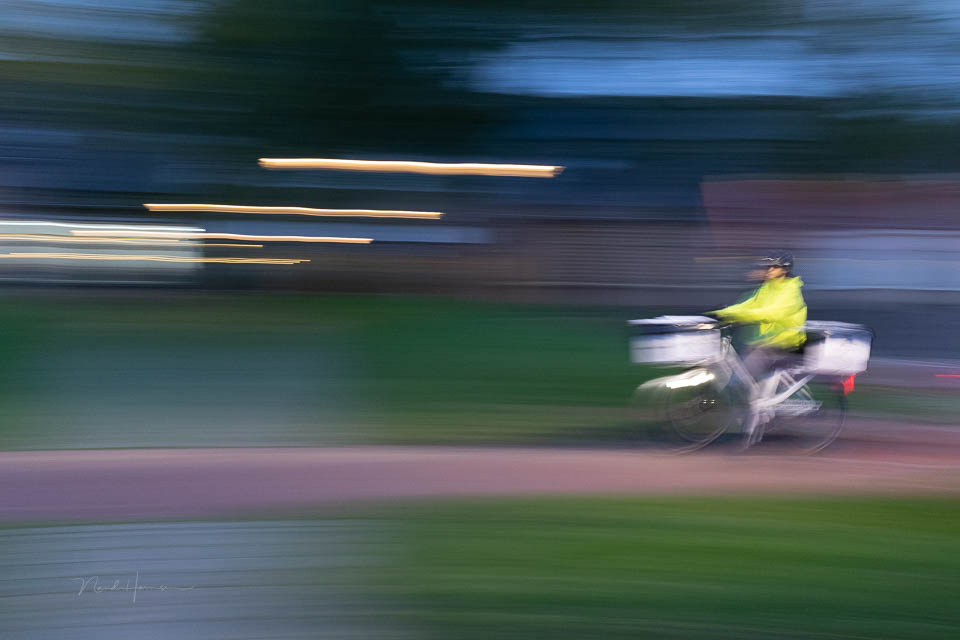
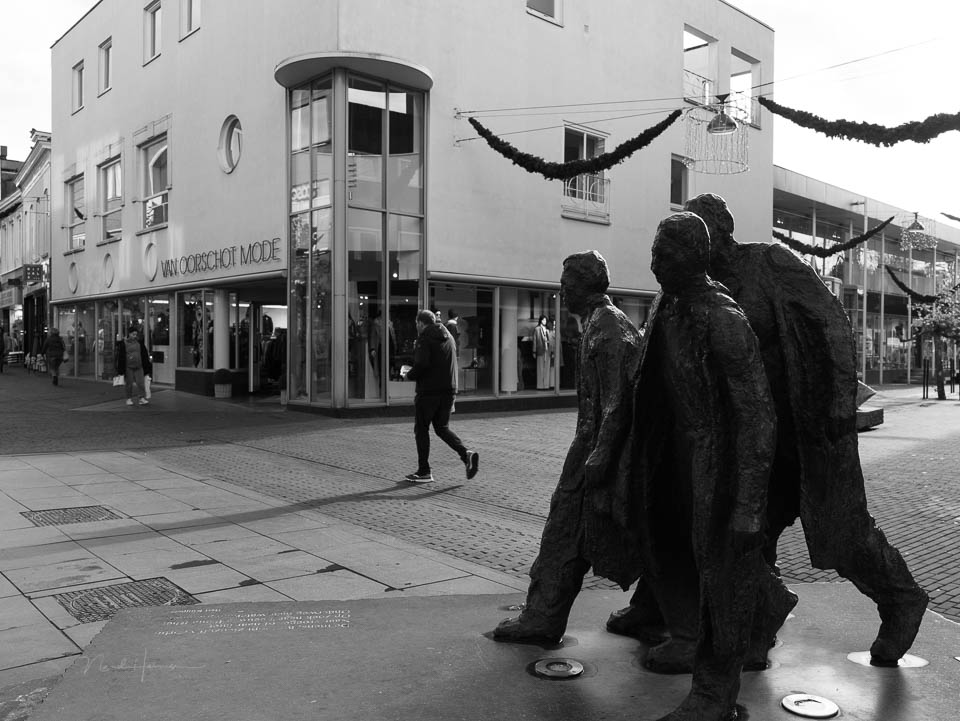
This size is perfect for street photography or travel photography. It comes across as much less intimidating than a large lens. It is also very easy to take this lens with you. You can simply put it in your trouser pocket as an extra lens, so to speak.
My final verdict
The RF 28mm f/2.8 STM is a very enjoyable lens, with its size and weight being particularly appealing. In terms of focal length, it sits in the golden middle between a true wide-angle and a standard focal length.
If you own an APS-C camera, you get an angle of view equivalent to approximately 45mm on full-frame. That gives you a superb compact standard lens.

Although these types of lenses are made entirely of plastic, they feel solid. You know that it is a high-quality lens. The image quality is good too, and even the bokeh looks good.

At 385 euros, I find the lens a little expensive. But then again, it is in line with all the other prices you have to pay for lenses these days. From that perspective, there is nothing to complain about.
Pros
- Only 120 grams
- Small and compact, easy to take with you
- Adjustment ring with switch for assigning functions
- Good build quality, despite being made entirely of plastic
- Focuses quickly and accurately
- Exceptional image quality
- Large maximum aperture
Cons
- You have to like the short length
- Length changes while focusing
- Price is a little on the high side.
I can wholeheartedly recommend this lens to both full-frame and APS-C users. For the first group, the focal length provides an ideal middle ground between standard and wide-angle. For the second group, it is a useful and compact standard lens.
Thank you to Canon Netherlands for providing this lens and the Canon EOS R10.
About the author
Nando Harmsen has been photographing for more than 40 years. He specialises in wedding photography and landscape photography. Nando also gives talks, workshops, masterclasses and photo trips, and regularly reviews new and interesting equipment.
You might also like
-
 Review: Canon RF 24mm f/1.8 macro IS STM
by Nando Harmsen
-
 Review: the Canon RF 50mm f/1.8 STM
by Nando Harmsen
-
 Review: Canon RF 100mm f/2.8L IS macro lens
by Nando Harmsen
-
 Review: The Canon RF 85mm macro lens
by Nando Harmsen
-
 Review: Canon EOS R50 mirrorless camera
by Nando Harmsen
-
 Canon launches the RF 16-28mm f/2.8 IS STM ultra-wide-angle zoom
by Nando Harmsen
4 comments
-

-

 Nando
wrote on Wednesday 22 November 2023 at 09:24
| reply
Nando
wrote on Wednesday 22 November 2023 at 09:24
| reply
Nowadays, anything with a narrower angle of view than 24 is no longer called wide-angle.
Translated from Dutch.
In the past, that was considered truly wide-angle, but not anymore.
But you're right that it is wide-angle, and as you can read in the rest of the review, I think so too. -
-
Have your say
Please note: Articles older than a week can only be commented on by signed-in visitors.Would you still like to comment? sign in or create a free account.
Become a better photographer every week
A practical photography tip in your inbox every week.
38,982 photography enthusiasts already receive the tips! More about the weekly mail. Or keep up to date via  Facebook.

Elja Trum
Photofacts; everything to do with photography!
Would you like to take better photos and keep up with what is happening in photography? Photofacts publishes articles that teach you something about photography — from a product announcement to a practical shooting tip or a look at a website. Photofacts covers photography every day and is a hobby project of Elja Trum's that got out of hand. The articles are written by a team of volunteer authors. If you would enjoy writing one or more articles for Photofacts, do get in touch.More about PhotofactsPhotofacts is made possible in part by
