

The Compressing Effect Does Not Exist
Friday 23 October 2026, 20:10 by Nando Harmsen | 824 views | 4 commentsThis article was translated from Dutch with the help of AI. Read the original.
A telephoto lens compresses distances. This is known as the compressing effect. The reality is a little more nuanced. In the end, the effect does not exist.
It is a persistent urban myth. A telephoto lens is supposed to compress distances. Unfortunately, this is not the case. A telephoto lens does nothing more than enlarge the image.
A telephoto lens makes the subject appear larger. Try it yourself. For example, choose a 24-105 mm lens and take a photo of a subject at 50 mm.
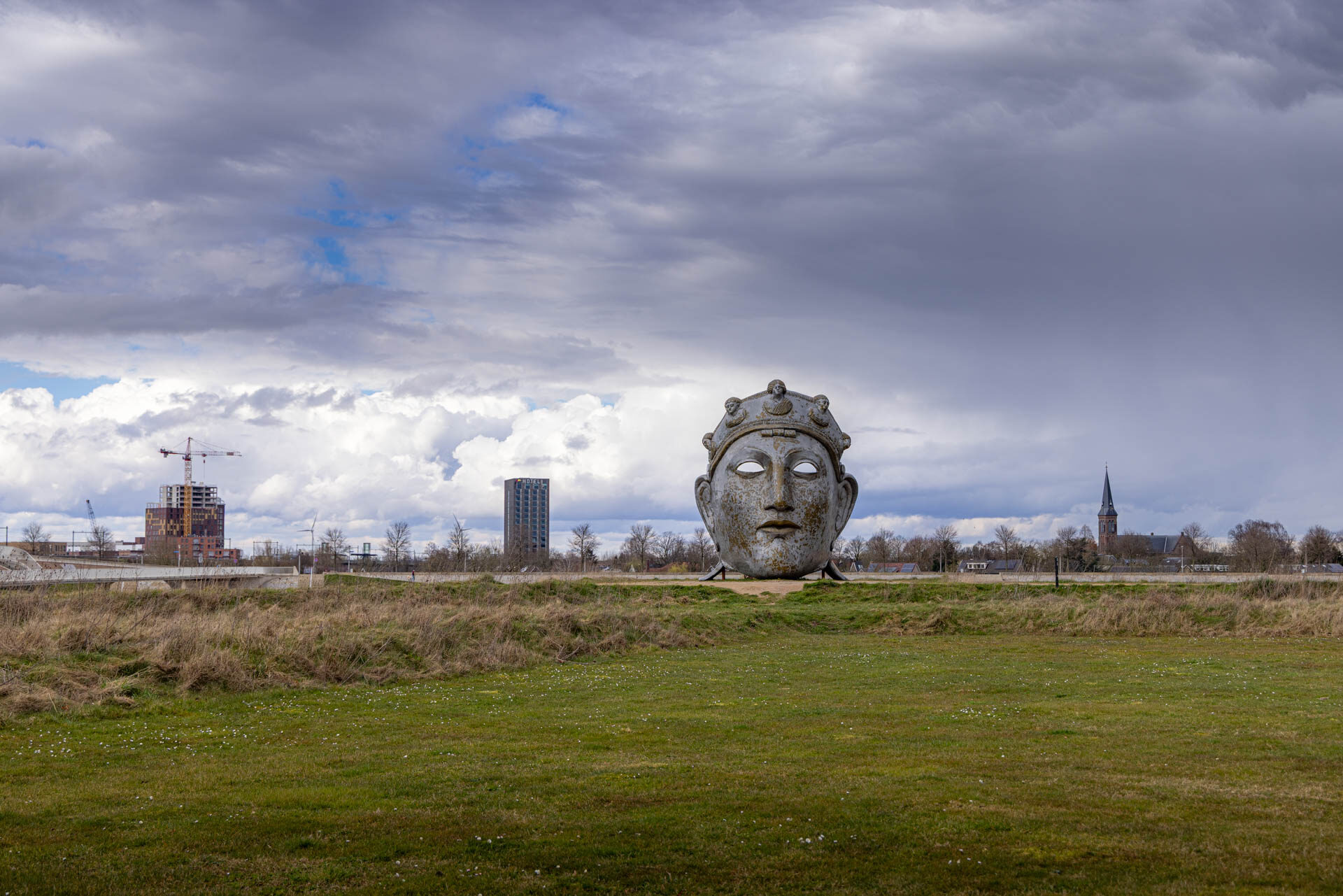
I used 50 mm as the starting point.
Then zoom in to 105 mm and take the same photo. It is important that you stay in the same place. You will notice that the subject appears larger in the frame, as you would expect.
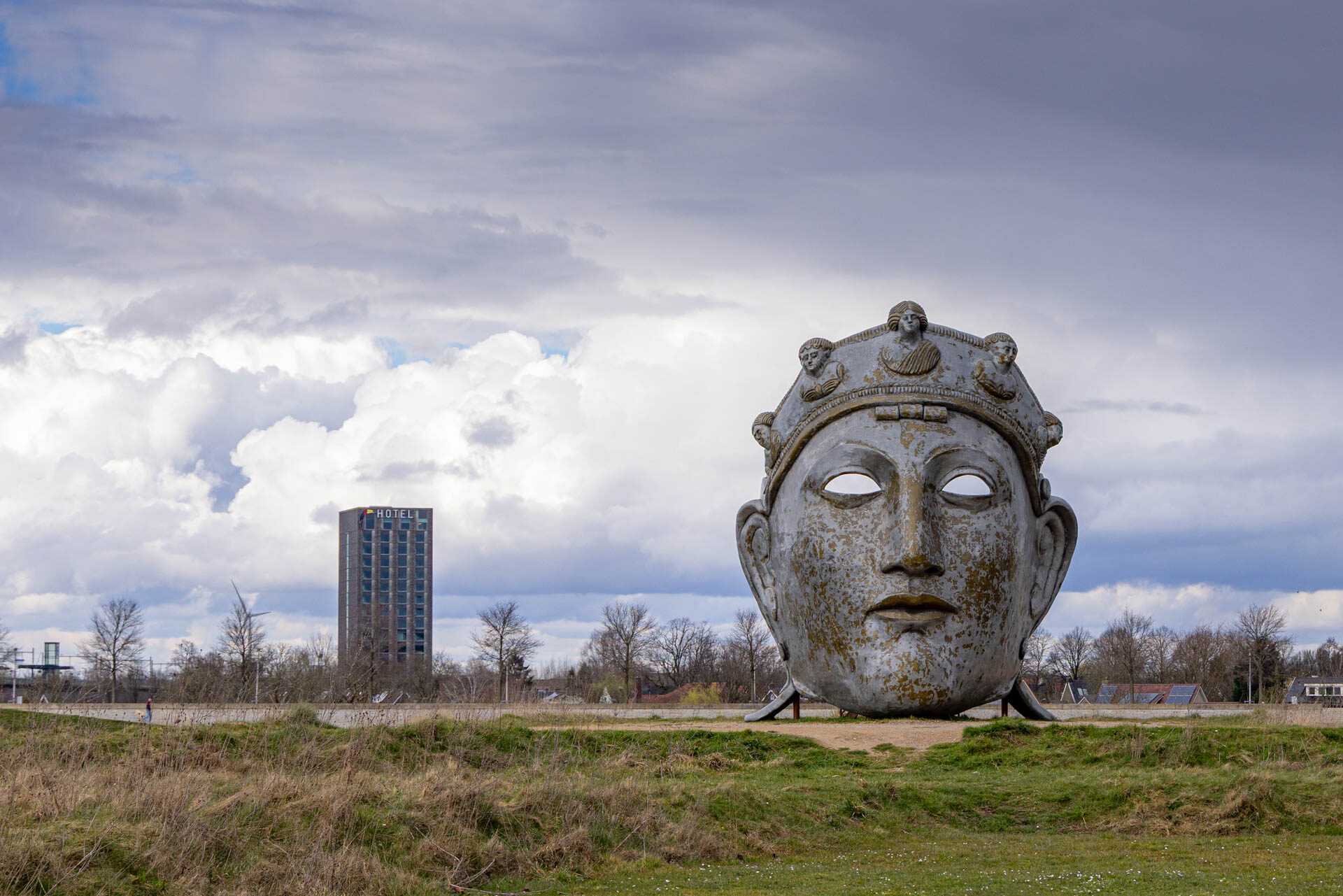
Zooming in to 105 mm makes the subject appear larger in the frame. But nothing is compressed, it is only enlarged.
Then use your photo-editing programme to crop the photo taken at 50 mm until you have the same angle of view as the photo taken at 105 mm. You will see that there is absolutely no difference.
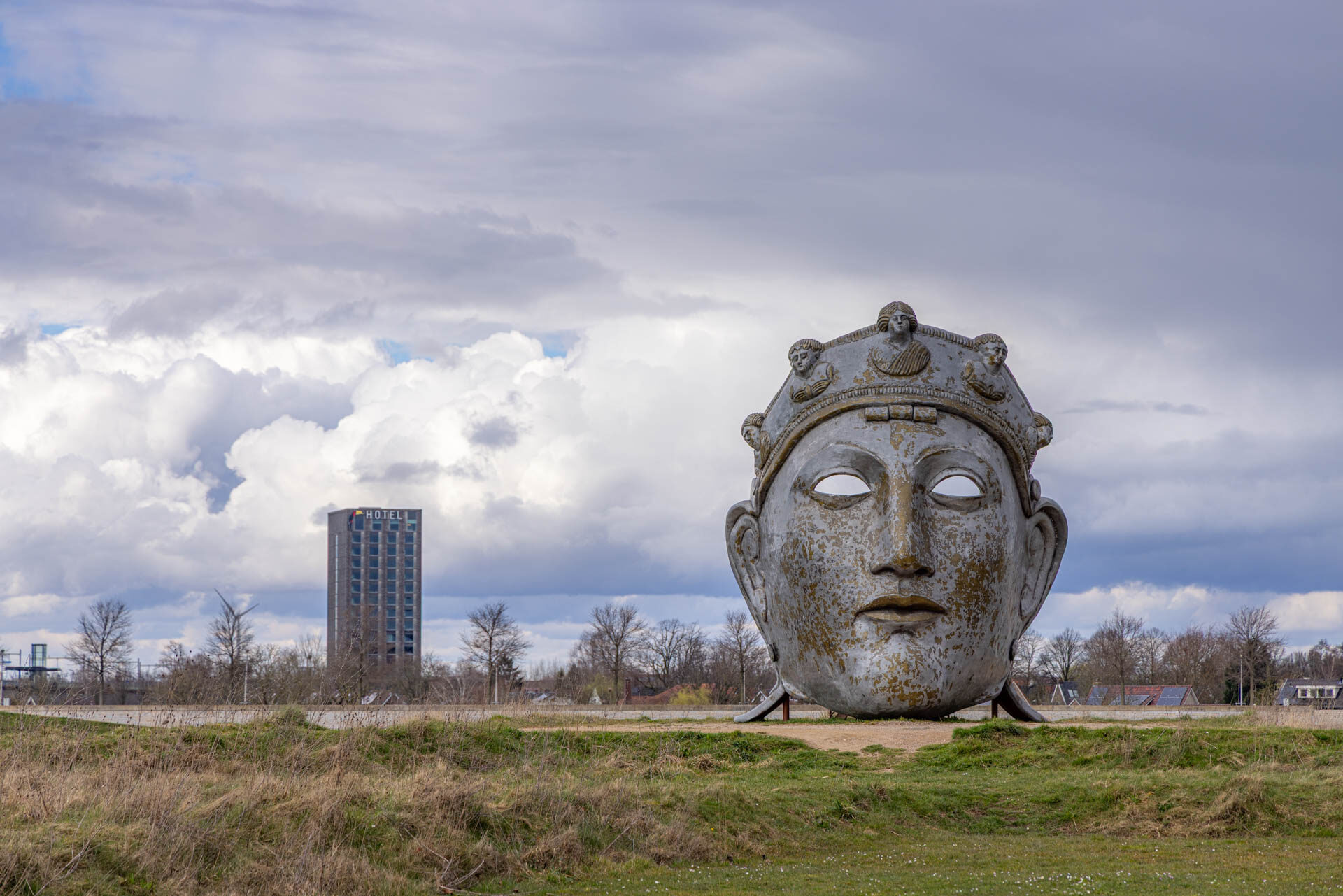
This is the photo taken at a 50 mm focal length, but with a crop that matches the photo taken at 105 mm. There is no difference at all. The compressing effect does not exist.
So where does this urban myth about the compressing effect come from? It all has to do with how you want the subject to appear in the frame and the distance required for a particular focal length.
Repeat the test. Take a photo of a subject at 50 mm. Then zoom in to 105 mm and move further away from the subject until it appears the same size in the frame as it did at 50 mm. Then take the photo.
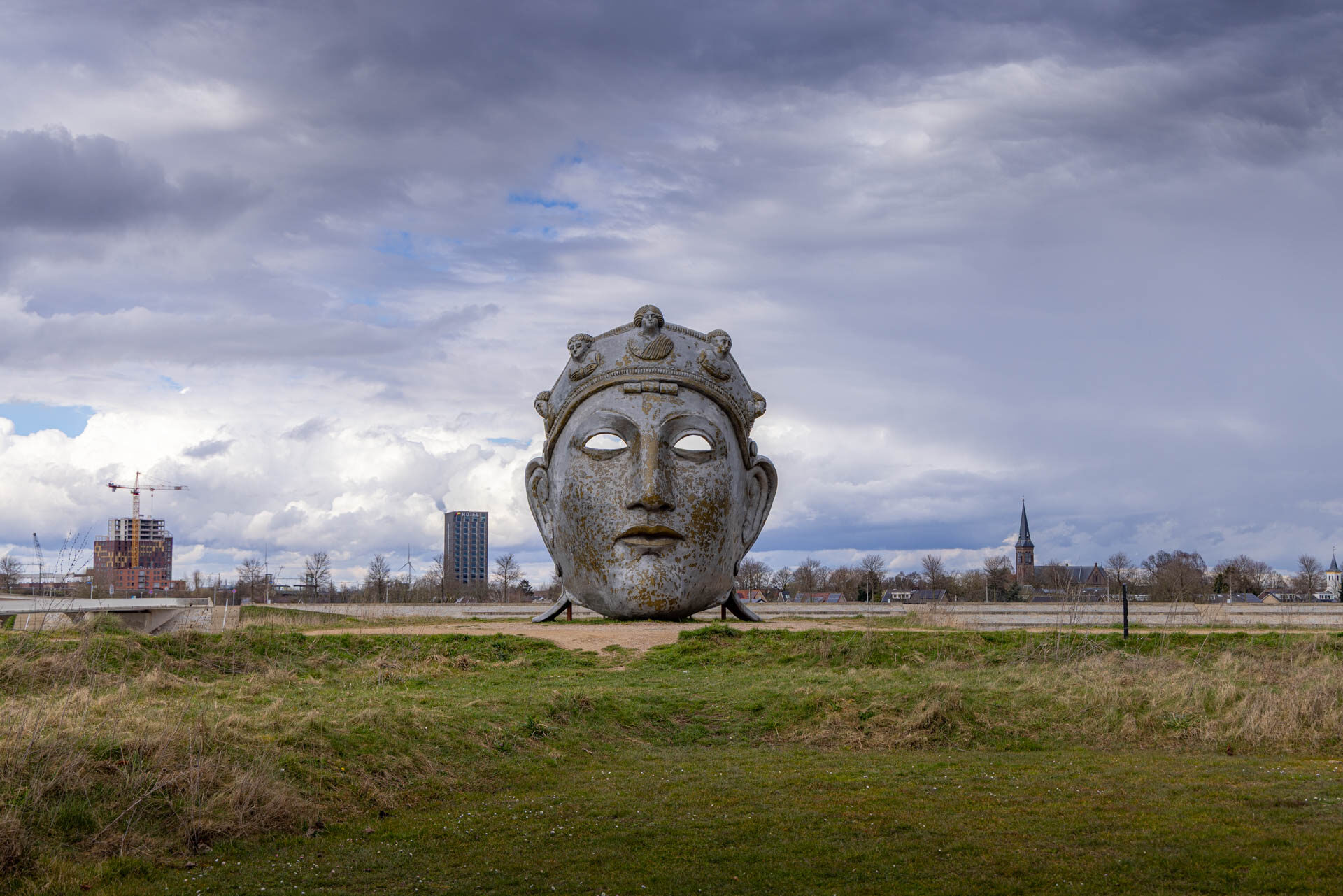
Another photo taken at a 50 mm focal length.
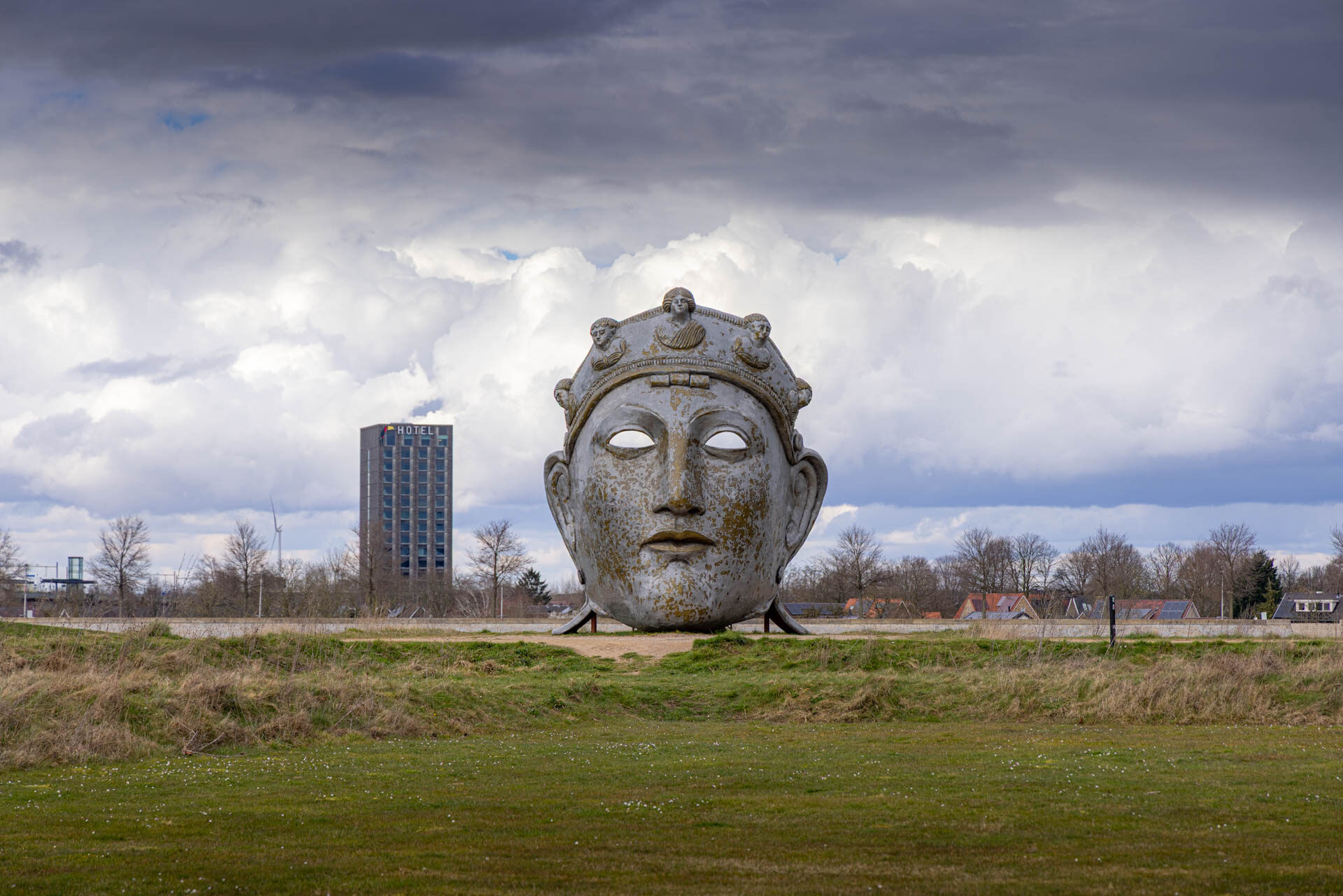
Zoomed in to 105 mm, but with the subject still appearing the same size in the frame because I moved further away. The background now appears larger. The distances now seem to be 'compressed'.
Compare these two photos. You do not need to crop anything because the subject appears the same size in both cases. But now you can see that at 105 mm the distances seem to be compressed.
It is the combination of the distance to the subject and the focal length that causes this. But zooming in itself, without changing the distance to the subject, only causes magnification.
The funny thing is that this also applies to depth of field. But that is for another time, in another article. Focal length is the focus here.
About the author
Nando Harmsen has been photographing for more than 40 years. He specialises in wedding photography and landscape photography. Nando also gives talks, workshops, masterclasses and photo trips, and regularly reviews new and interesting equipment.
You might also like
-
 Macro with a crop sensor means more magnification
by Nando Harmsen
-
 What is focal length?
by Michelle Peeters
-
 Crop or use a teleconverter?
by Nando Harmsen
-
 Converting focal length to full-frame is pointless
by Nando Harmsen
-
Which is better, cropping a full-frame image or using a crop sensor?
by Nando Harmsen
-
 The opposite of cropping
by Nando Harmsen
4 comments
-
 Paul wrote on Tuesday 27 October 2026 at 14:02 | reply
Very true .... and unfortunately still needed.... article. The relative size ratios between subject and background are determined by the photographer's position relative to the subject & background. Not by the lens.
Translated from Dutch. -
 Donald Willemsen wrote on Tuesday 27 October 2026 at 22:24 | reply
A telephoto lens does not render the subject enlarged. Only the angle of view changes, which means that less of the surroundings can be shown. After all, you say yourself that when you crop a photo taken with a 50mm lens to the same angle of view as with a 105mm lens, the subject is rendered at the same size. A telephoto lens has a narrower angle of view than a wide-angle or standard lens.
Translated from Dutch. -
Paul wrote on Wednesday 28 October 2026 at 12:20 | reply
@Donald: Your first sentence "A telephoto lens..." is a bit confusing. At the same object distance, both the angle of view and the magnification directly follow from the focal length. In the examples in the article, where the object distance is large compared to the focal length, the ratio of the image sizes (telephoto and wide-angle) is the reciprocal of the focal lengths. (M1/M2~F2/F1)
Translated from Dutch. -


Have your say
Please note: Articles older than a week can only be commented on by signed-in visitors.Would you still like to comment? sign in or create a free account.
Become a better photographer every week
A practical photography tip in your inbox every week.
38,836 photography enthusiasts already receive the tips! More about the weekly mail. Or keep up to date via  Facebook.

Elja Trum
Photofacts; everything to do with photography!
Would you like to take better photos and keep up with what is happening in photography? Photofacts publishes articles that teach you something about photography — from a product announcement to a practical shooting tip or a look at a website. Photofacts covers photography every day and is a hobby project of Elja Trum's that got out of hand. The articles are written by a team of volunteer authors. If you would enjoy writing one or more articles for Photofacts, do get in touch.More about PhotofactsPhotofacts is made possible in part by
