

The different types of camera shutters explained
Wednesday 1 January 2025, 13:31 by Nando Harmsen | 2,978 views | 5 commentsThis article was translated from Dutch with the help of AI. Read the original.
As a photographer, you will certainly have come across the terms electronic shutter and mechanical shutter. Did you know there are also leaf shutters and global shutters? I have put together an overview.
It used to be that simple. You had a mechanical shutter and that was it. It could be a focal-plane shutter or a leaf shutter. Now there is also an electronic shutter.
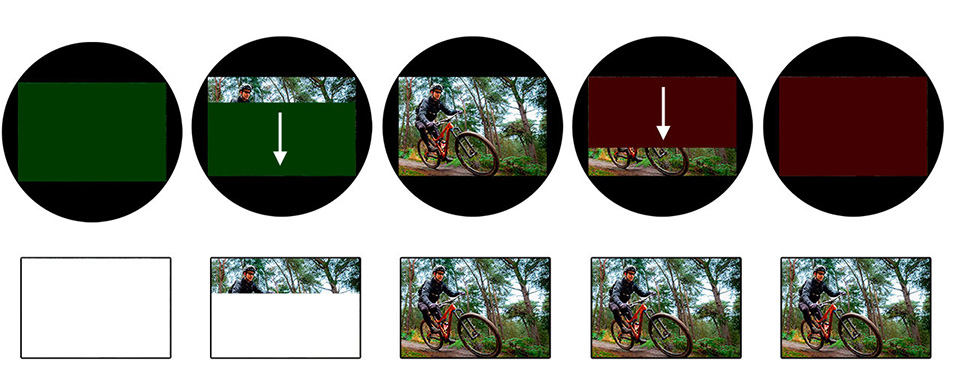
With the arrival of mirrorless cameras, the electronic shutter has really started to gain ground. Many people think this technology is better than the mechanical shutter. However, this is not necessarily the case.
The electronic shutter is silent, but at the same time it can cause rolling shutter effects. For flash photography, a mechanical shutter offers advantages over an electronic one.
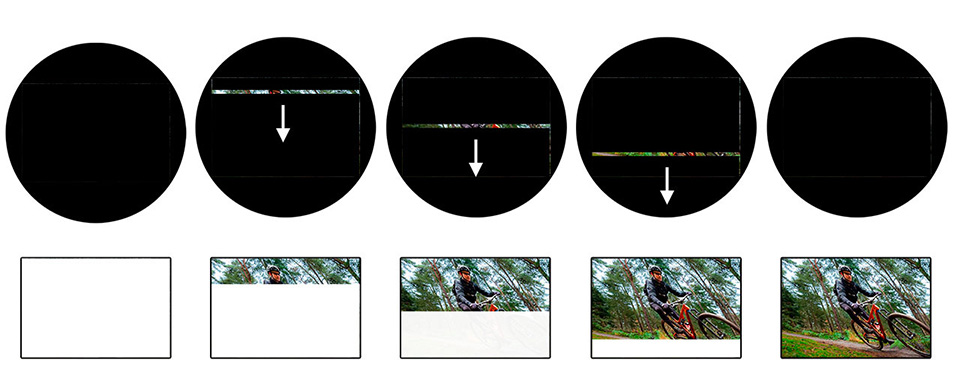
Some cameras no longer have a mechanical shutter. Sometimes that is a disadvantage, but not always. Sony has a global shutter that is still unique. It removes all the disadvantages of the electronic shutter, but it comes at a price. Literally.
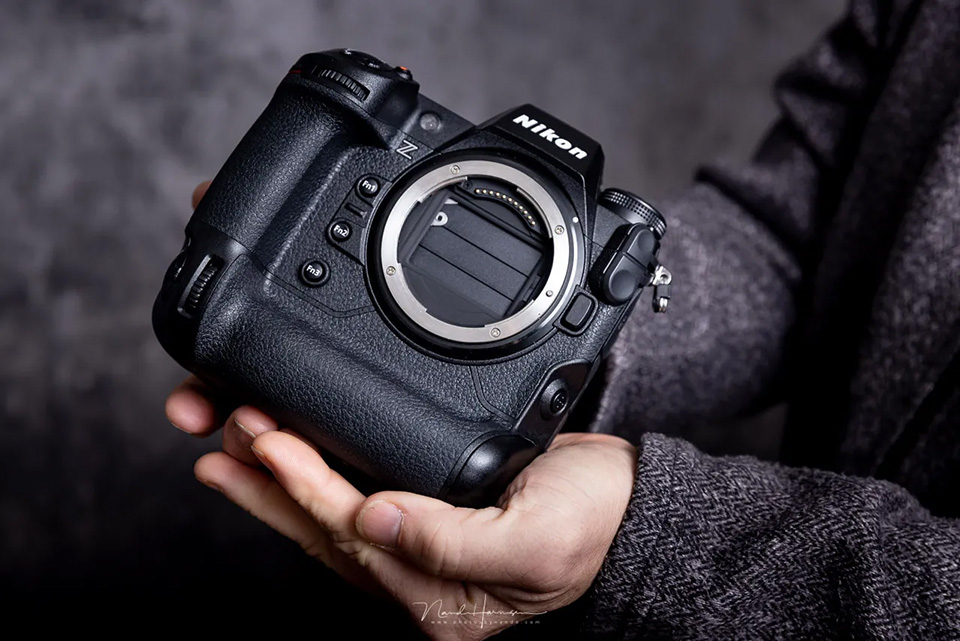
I have put together an overview of the different shutters. How do they work, and what are their advantages and disadvantages? You will also notice that they all still have a reason to exist. Follow this link to read the article on my website.
Do you have a mirrorless camera? Then do not be afraid to keep using the mechanical shutter. Especially if you practise action photography and panning. Or flash photography.
I hardly ever use the electronic shutter myself. For my photography, it offers no added value, and may even have disadvantages. But of course, this is different for everyone. Use whatever works best, or feels most comfortable, for you.
About the author
Nando Harmsen has been photographing for more than 40 years. He specialises in wedding photography and landscape photography. Nando also gives talks, workshops, masterclasses and photo trips, and regularly reviews new and interesting equipment.
You might also like
-
 Electronic First Curtain Shutter and Bokeh
by Nando Harmsen
-
 Be aware of the drawbacks of the electronic shutter
by Nando Harmsen
-
 The term system camera is being used incorrectly
by Nando Harmsen
-
 Leica announces M EV1 with electronic viewfinder
by Elja Trum
-
 The tilt of a tilt-shift lens explained
by Nando Harmsen
-
The shift of a tilt-shift lens explained
by Nando Harmsen
5 comments
-
 Matt Houben wrote on Wednesday 1 January 2025 at 14:25 | reply
A quick question regarding the central shutter: it opens and closes from the middle. Doesn't that result in uneven exposure: the middle of the photo / sensor is exposed for longer than the edges?
Translated from Dutch. -

-
 Mac wrote on Thursday 2 January 2025 at 08:23 | reply
Small addition,
Translated from Dutch.
With certain flashes, you no longer have a max flash sync speed with a focal-plane shutter either. Then you can flash at all shutter speeds (HSS Flash) -
 Nando
wrote on Thursday 2 January 2025 at 14:23
| reply
Nando
wrote on Thursday 2 January 2025 at 14:23
| reply
There is always a maximum flash sync speed with focal-plane shutters.
Translated from Dutch.
That is why you have to switch to high speed sync (HSS) to take a flash photo.
If there were no maximum flash sync speed, high speed sync would not be necessary either. -
 Donald Willemsen wrote on Tuesday 7 January 2025 at 14:52 | reply
With most mirrorless cameras, the flash does not work when using the electronic shutter. You then have to use the mechanical shutter or the electronic shutter with first curtain.
Translated from Dutch.
Have your say
Please note: Articles older than a week can only be commented on by signed-in visitors.Would you still like to comment? sign in or create a free account.
Become a better photographer every week
A practical photography tip in your inbox every week.
39,079 photography enthusiasts already receive the tips! More about the weekly mail. Or keep up to date via  Facebook.

Elja Trum
Photofacts; everything to do with photography!
Would you like to take better photos and keep up with what is happening in photography? Photofacts publishes articles that teach you something about photography — from a product announcement to a practical shooting tip or a look at a website. Photofacts covers photography every day and is a hobby project of Elja Trum's that got out of hand. The articles are written by a team of volunteer authors. If you would enjoy writing one or more articles for Photofacts, do get in touch.More about PhotofactsPhotofacts is made possible in part by
