

4 insights for better landscape photos
Monday 27 November 2017, 20:20 by Bas Meelker | 11,442 views | 14 commentsThis article was translated from Dutch with the help of AI. Read the original.
Landscape photography is one of the most popular forms of photography. And for good reason. Landscape photography is accessible to everyone, you step outside and can basically get started straight away.
Combine that with the feeling of freedom, the outdoors and the fact that landscape photography is relatively simple in terms of equipment and technique.
You don't need a studio, flashes, super-long telephoto lenses or cameras with advanced high-speed functions and so on. What's more, you have a combination that many people find very appealing.
But landscape photography is also often considered difficult. Being in the right place at the right time and doing the right things takes time, knowledge and experience.
Just as with any other form of photography, it takes passion and perseverance to keep photographing at a high level.
Occasionally making an inspiring landscape photo through a bit of luck is fun. But of course you want that photo to exist because YOU made the right choices, YOU prepared properly and YOU consciously worked towards that one great photo.
Getting lucky when making a beautiful photo is fun and makes it exciting. But you don't want to depend on luck. That's why this article contains four simple tips and insights that can help you take that extra step in landscape photography.
They may not all be equally concrete, but they are also intended to make you curious to learn more about the techniques and background behind a good landscape photo.
1. Technique and equipment, a familiar story
Of course, this is stating the obvious, but of all the elements involved in a good landscape photo, this is the easiest.
Make sure your equipment is in order, that you know it inside out and that you are familiar with the different techniques and tools that help you make that one inspiring landscape photo.
Which situation is particularly suited to the 'expose to the right' technique and which is not? Why are filters for landscape photography still the best choice when you find yourself in difficult lighting conditions?
Learn about this. Mastering different exposure techniques, being able to work with filters for landscape photography and knowing when you need to fall back on combining different exposures into one photo is the foundation.
This knowledge and skill ensure that you know when and how to use them to make the photo you have already visualised beforehand.
This knowledge and skill can also stimulate your creativity and give you 'space' in your head to focus on what really matters, your own vision, feeling and what is happening in front of your lens.
2. The right position with a good composition
I can already hear you saying; Here we go again, the rules for a good composition... Yes, indeed. They are hugely important in landscape photography too, and perhaps ESPECIALLY in landscape photography.
A landscape photo often does not have just one subject. Everything takes part in the photo. From the bottom right corner to the top left corner. Everything in the landscape and in the sky is part of a good composition and strengthens the rest. I'm not going to explain all kinds of compositional forms here.
What really matters is that you understand where they come from. Namely, our own urge to create order out of chaos. It is literally in the definition of composition theory. Look at how you arrange your own home, how buildings are designed and arranged and how we organise the world around us.
You can see our 'urge' to create order out of chaos everywhere. If you understand the logic and underlying idea behind composition theory, you also understand why it is important in photography.
I could tell you why breaking the 'rules' of composition is extremely difficult and that we often apply them anyway, even though we think we are breaking them.
I can tell you that a photo with a good composition is often perceived as more beautiful, precisely because we take into account what happens to the photo in the viewer's mind.
But the best tip I can give you is, of course, to take that journey into composition theory yourself. Learn about it. Develop your own view of it and decide for yourself what you do with it. But realise that you can only really have an opinion about it once you have the right knowledge.
Knowledge that goes much further than simple things such as the rule of thirds, some depth in a photo or the golden ratio. But it is knowledge that anyone can acquire.
For me, knowledge of composition theory is not only important for making a photo in which everything takes part and the accents are in the right place. Knowledge of composition theory helps me every day to recognise a landscape photo in the landscape.
So I don't 'see' a 'beautiful' location. I recognise a good composition and have learned that you don't need a beautiful landscape for a beautiful landscape photo. Beautiful light makes a landscape beautiful!
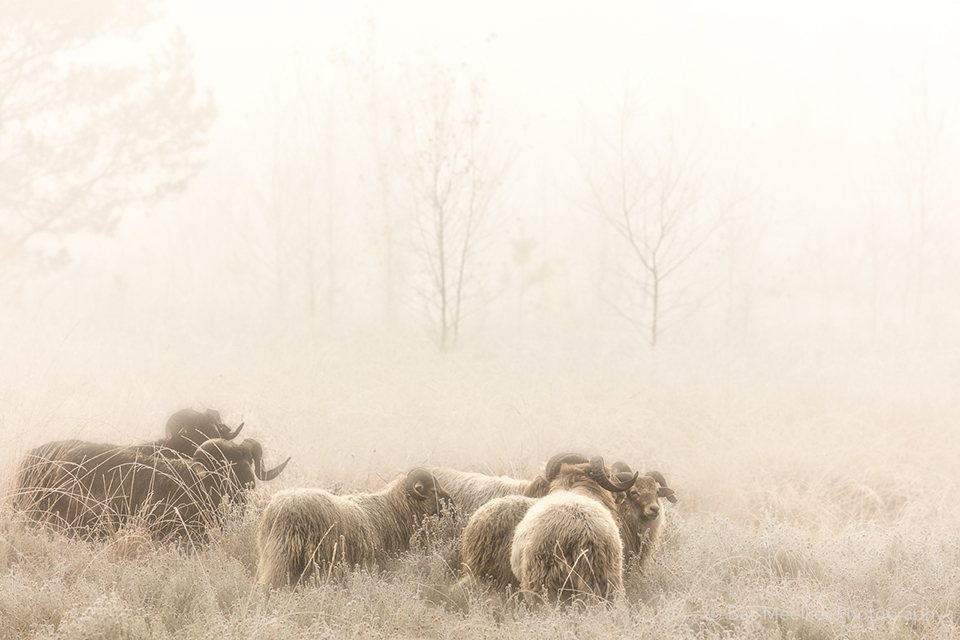
3. Knowledge of the weather means knowledge of the light
Our photographic world obviously takes place outdoors. The sun and moon are our studio lights. I don't think I need to tell anyone that gaining knowledge and experience of weather conditions is crucial for a good landscape photographer.
What does it mean when the wind turns from west to north? What are the effects of large temperature differences between day and night? How do you read cloud cover and what can you do with it, looking at what the light is going to do?
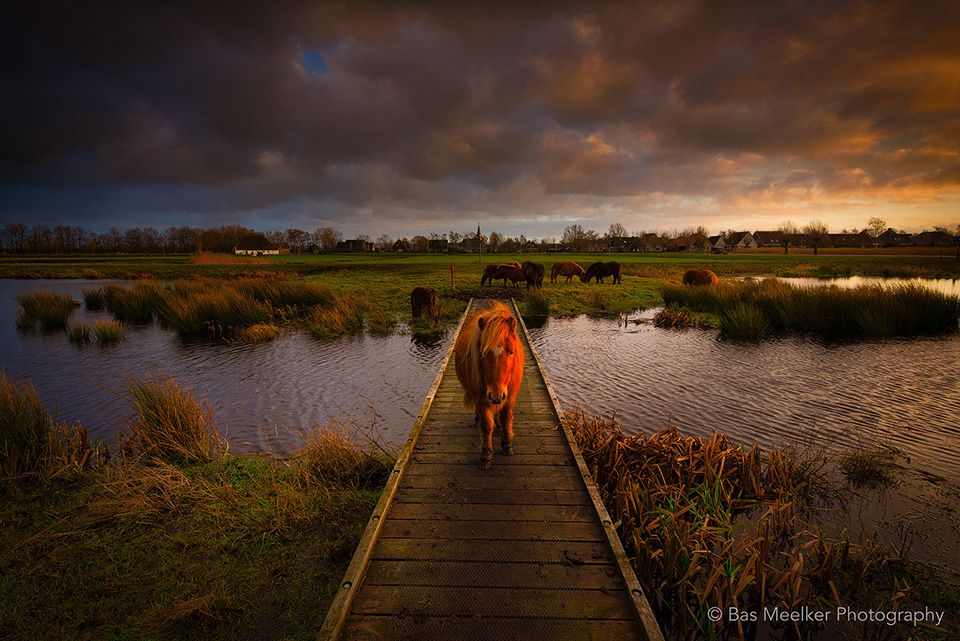
Knowledge of the weather is something you only gain by consciously engaging with it. A good landscape photographer is constantly doing so. It is exciting to head out unprepared in the hope that you will be in the right place at the right time.
But it is simply a waste of your time to spend an hour in the car driving to a location when you could have known beforehand that a rain front was moving in and the chance of beautiful light was negligible.
Apps on your phone and websites where you can follow radar images and cloud heights all help you make the right choices.
Finding beautiful lighting conditions doesn't have to be a matter of luck. With a little knowledge of the weather and some experience, it is simply a matter of anticipating something that is likely to happen.
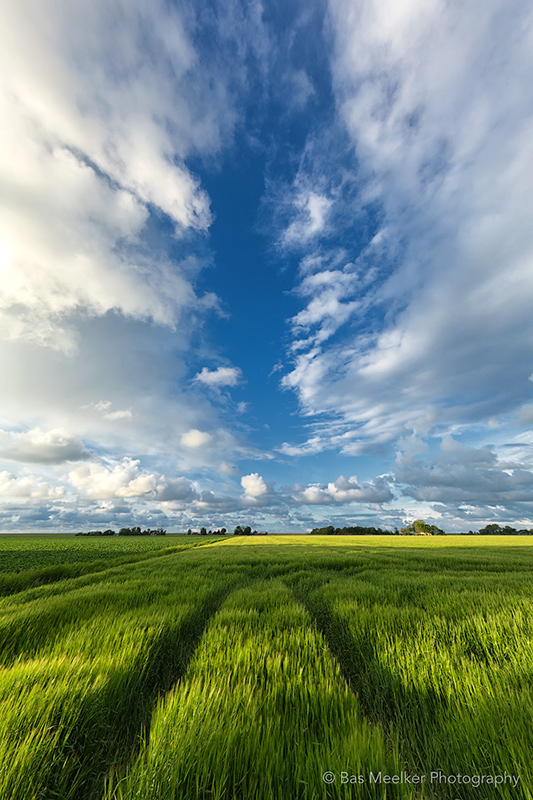
That will sound familiar to many landscape photographers. It often gets really difficult when you have to match the expected weather conditions to the right location.
Which location, meaning composition, do you choose from all the places you know, looking at the weather forecast? Which place best suits those particular lighting conditions?
It is a never-ending game between you and the light. And take comfort, in the end nobody knows exactly what will happen when it matters.
All you can do is make a choice. But make it a conscious choice. And make sure you are at your location before the light becomes beautiful!
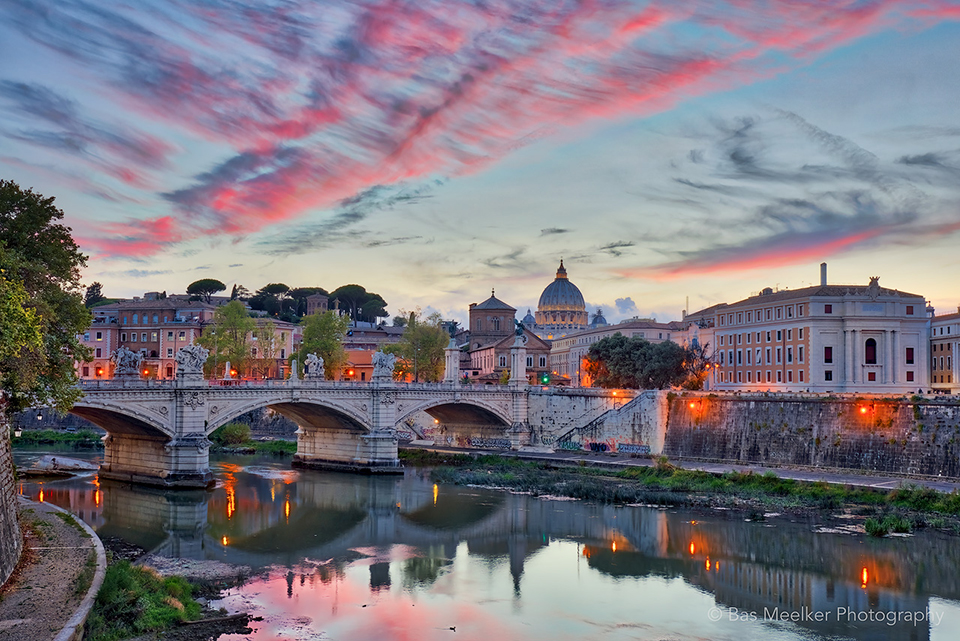
4. Where to? What for? Why?
The most important questions every photographer should of course ask themselves are: "Why? Why do you photograph? Why landscape photography in particular? Or why that type of landscape?"
There are of course only good answers. But answering these questions can help you with your own personal development as a photographer.
Photography is communication, and thinking about this will only make your photography stronger. Do you want to tell a story with your landscape photos? Is it about the relationship between people and the landscape? Or do you mainly want to convey an emotion and a feeling through your photography?
The answers make it easier for you to make the right choices in terms of location, time of day, type of landscape, technique and so on. It gives you focus.
But don't lose yourself in it either. For one person, making a good landscape photo is the ultimate goal. For another, a good photo is no more than a bonus, and it is mainly about experiencing things and being outdoors.
For someone else, it is precisely the combination of those things, or photography is no more than a means of telling a story. Whatever your motivation, enjoyment always comes first. So do it your way.
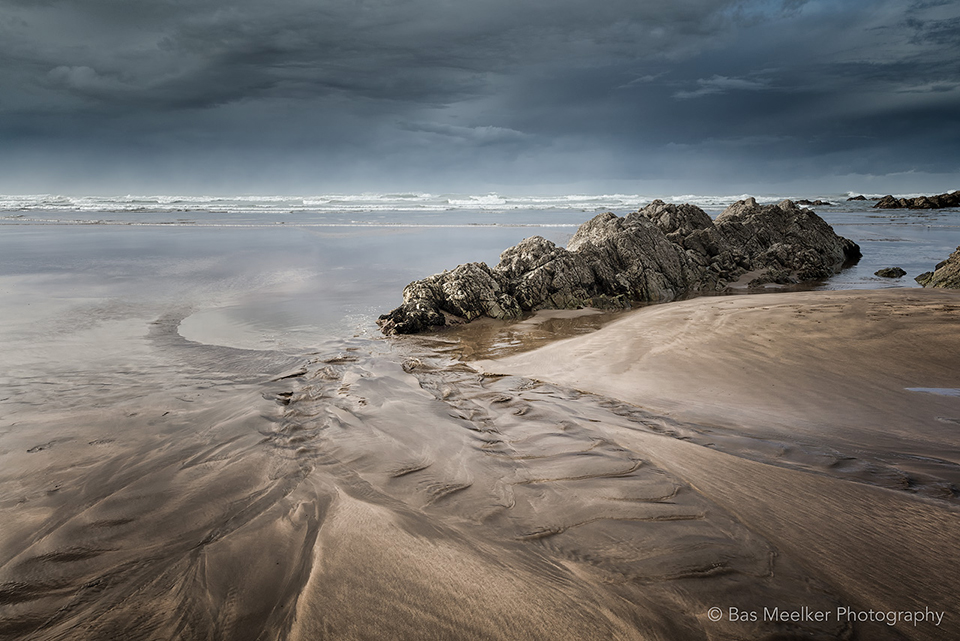
But also try new things and learn from the experience and knowledge of others. For me, the experience always comes first.
I would want to visit the same places and see and experience the same things even if I did not take photographs. I connect with it. It is an integral part of who I am. And that is why landscape photography suits me so well!
But over all those years I have also learned that knowledge of all the things mentioned above helps things succeed. And because things succeed, you start enjoying it more. And because you enjoy it more, you head out more often. And because you head out more often, you gain more experience and get better... Have fun out there!
About the author
Bas Meelker is full-time landschaps- en natuurfotograaf. Zijn foto's worden gebruikt voor boeken, tijdschriften, kaarten en kalenders en verschillende reclame-uitingen. Daarnaast geeft Bas workshops en lezingen op het gebied van landschapsfotografie. Bas schrijft geregeld artikelen voor fotomagazines.
You might also like
-
 9 accessible urbex locations
by Michelle Peeters
-
 Flash photography tip: Put your flash outside
by Elja Trum
-
 Everyone photographs in raw, there are no exceptions
by Nando Harmsen
-
 Review: Landscape & Architecture (Bas Meelker & Pieter Dhaeze)
by Michelle Peeters
-
 The Perfect Picture; Colourful nature and urbex
by Elja Trum
-
 Make your photo accessible
by Nando Harmsen
14 comments
-
 Gust Verlinden wrote on Tuesday 28 November 2017 at 14:09 | reply
Beautiful photos
Translated from Dutch. -
 guest wrote on Tuesday 28 November 2017 at 14:37 | reply
Very beautiful too bad there are no exifs Grts
Translated from Dutch. -
 Bas Meelker wrote on Tuesday 28 November 2017 at 14:43 | reply
Thank you @Gust!
Translated from Dutch. -

 Theotje wrote on Tuesday 28 November 2017 at 14:52
| reply
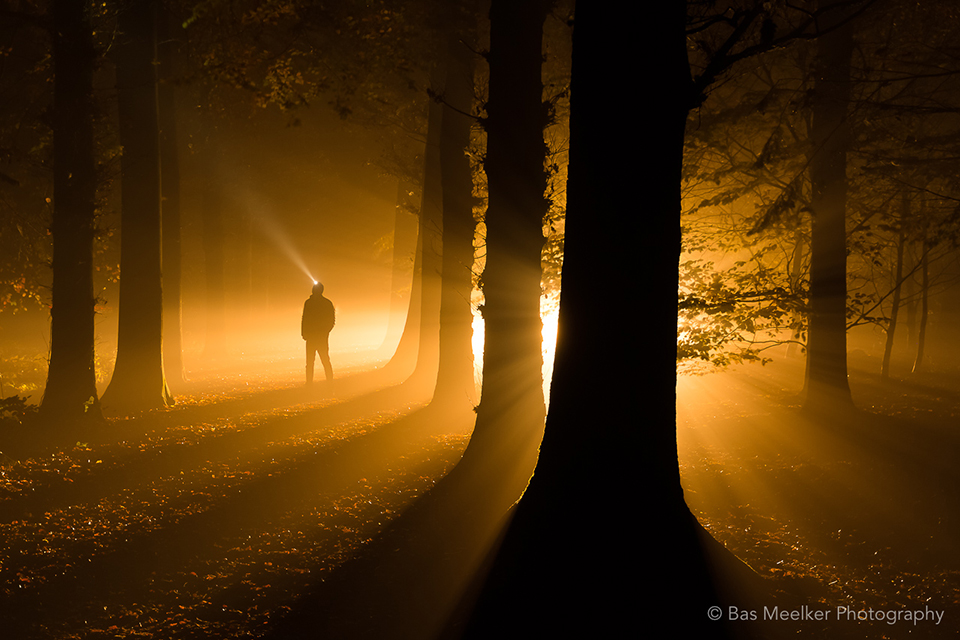
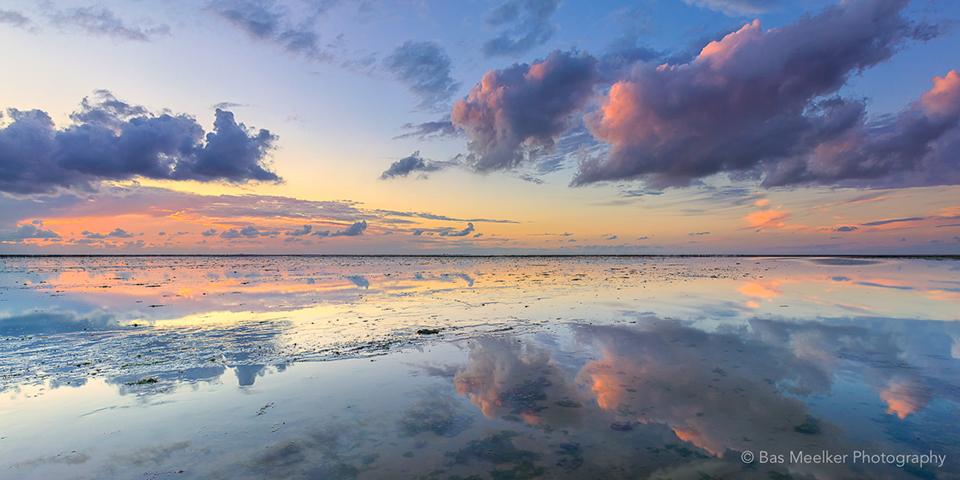
Beautiful photos. Only the one with those trees and the man with the miner's lamp is too artificial for me. The meadow with skies is beautiful.
Translated from Dutch.
I myself prefer keeping the natural colors, but that doesn't sell as well. haha
greetings Theo -
Bas Meelker wrote on Tuesday 28 November 2017 at 15:02 | reply
@guest Thanks. Just check my facebook page for all the exif information. You'll find most of the photos there. But do keep in mind that the exif would have been different if I had taken the photo a moment earlier or later. In terms of equipment, all photos were taken with a Canon EOS 5D mark III or EOS 5Ds R and with lenses ranging from 16mm to 200mm. Regards, Bas
Translated from Dutch.
@Theotjes Thanks to you too! And everyone has their own style of course. This does suit me... !
-
 Gerard wrote on Tuesday 28 November 2017 at 15:48 | reply
These are excellent photos. There is still a lot to learn when I look at these photos
Translated from Dutch. -
Bas Meelker wrote on Tuesday 28 November 2017 at 16:37 | reply
@Gerard: Thank you!
Translated from Dutch. -
 Ingrid wrote on Tuesday 28 November 2017 at 18:35 | reply
I'm also into nature photos
Translated from Dutch.
I'm still a beginner but really enjoy doing it. I leave photos as they are....pure nature. Next year 6 weeks Thailand. With my Canon D1300 I'm hopefully going to take lots of beautiful photos. -
 Cees van Herpen wrote on Tuesday 28 November 2017 at 19:43 | reply
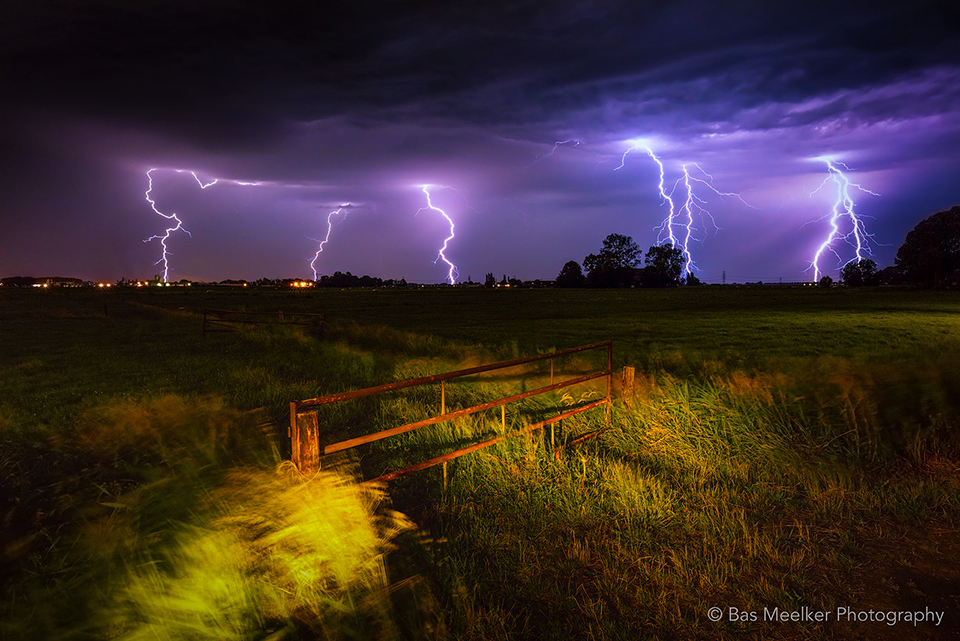
Hi Bas, what amazing photos, especially the one of that lightning. And that man with that little light on his head, so 1 beam, and then that sun standing on braces, it complements each other perfectly.
Translated from Dutch.
You challenged me Bas!. Me very happy. -

-
Bas Meelker wrote on Tuesday 28 November 2017 at 20:17 | reply
@Ingrid: it’s also incredibly fun to do. Have fun!
Translated from Dutch.
@Cees: Thank you! Nice to read. To tell you something about the photo with the man with the light on his head; that man is me. My camera and tripod are 15 meters away and I operate them with a remote control. The light in the background comes from the headlights of my car and the photo was taken around 23:00 on a foggy and wet autumn evening. Definitely fun to do! -
Bas Meelker wrote on Tuesday 28 November 2017 at 21:22 | reply
@nldazuu: Thank you and you're welcome! And knowing you, you'll manage that. Keep up the good work!
Translated from Dutch. -
 martinphili wrote on Wednesday 29 November 2017 at 14:20
| reply
What you write about composition is simply great. Not 'how' but 'why'
Translated from Dutch.
With your composition you tell the story. The rest is secondary. -
Bas Meelker wrote on Wednesday 29 November 2017 at 15:42 | reply
@Martinphili: Thank you!
Translated from Dutch.
 Thanks for another great piece of inspiration.
Have your say
Please note: Articles older than a week can only be commented on by signed-in visitors.Would you still like to comment? sign in or create a free account.
Become a better photographer every week
A practical photography tip in your inbox every week.
38,764 photography enthusiasts already receive the tips! More about the weekly mail. Or keep up to date via  Facebook.

Elja Trum
Photofacts; everything to do with photography!
Would you like to take better photos and keep up with what is happening in photography? Photofacts publishes articles that teach you something about photography — from a product announcement to a practical shooting tip or a look at a website. Photofacts covers photography every day and is a hobby project of Elja Trum's that got out of hand. The articles are written by a team of volunteer authors. If you would enjoy writing one or more articles for Photofacts, do get in touch.More about PhotofactsPhotofacts is made possible in part by
