
3 other experiments for your holiday
Monday 24 June 2019, 17:17 by Michelle Peeters | 9,285 views | 0 commentsThis article was translated from Dutch with the help of AI. Read the original.
In the article 3 experiments for your holiday, three ideas were already offered for experimenting during your holiday and learning new techniques. This article covers three other photographic techniques you can really have fun with.
1. Infrared
In the article 3 ideas for discovering your photography niche, I already explained a little about infrared photography.
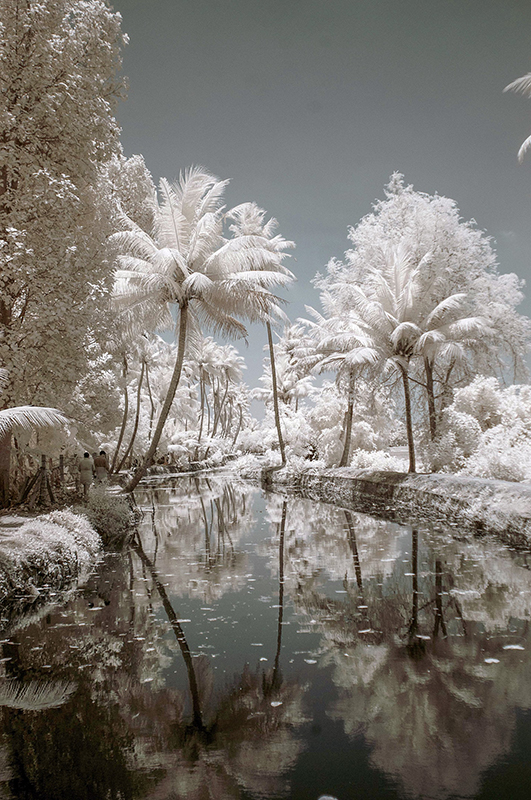
It is a special technique in which you photograph infrared light. This is light with a wavelength outside the visible spectrum. If you can capture this light, you can create unusual, sometimes surreal photographs.
Infrared images look best when there is lots of greenery in the frame, such as leaves on a tree or grass. This greenery reflects a great deal of infrared light.
2. Long exposures
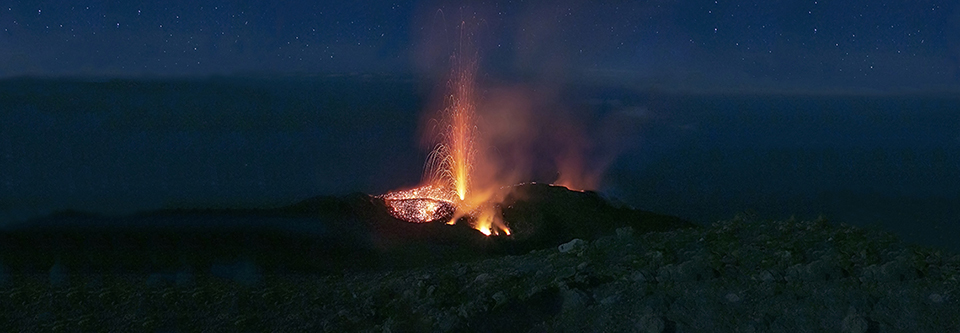
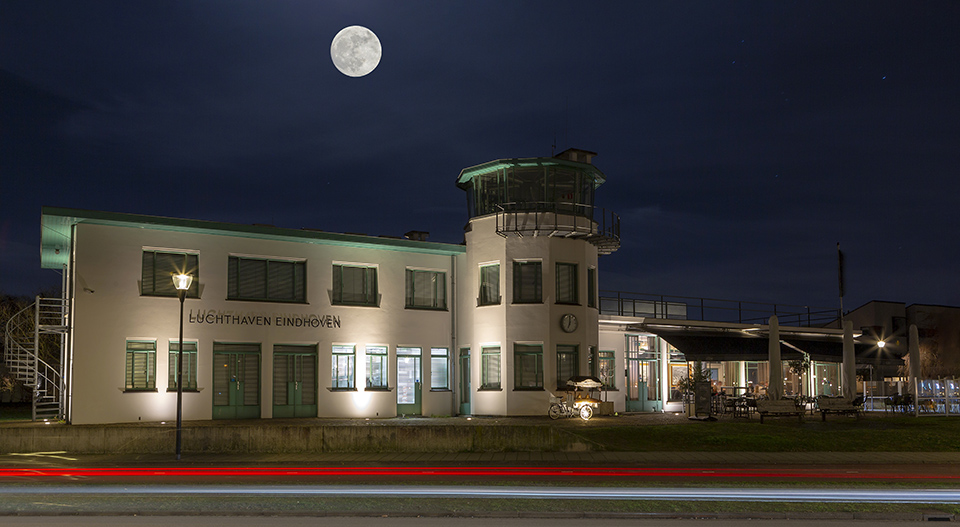
Photographing with long exposures can produce particularly beautiful images. This allows you to capture movement. Well-known examples of long-exposure photographs include night photos with light trails from cars and photos of waterfalls or other moving water.
But you can also make moving subjects disappear if the shutter speed is long enough. This allows you, for example, to photograph a beautiful building without people in the frame. Keep the following points in mind with this type of photography:
- Remember that you can no longer shoot handheld and that your camera needs good support. Preferably use a sturdy tripod, but there are other ways to support your camera too;
- The shutter speed is the most important setting, and it needs to be long enough. To get a long shutter speed, use a low ISO value and a narrow aperture (high number);
- In the evening, there is so little light that it will almost never be a problem to get a shutter speed of a few seconds. With more light, this becomes more difficult, but you can solve this with a grey or ND filter (a kind of pair of sunglasses for your camera).
Filters are available with up to 12 stops, known as 'big stoppers'. A shutter speed of 1/30 second can be extended to 2 minutes with such a filter.
3. Panorama
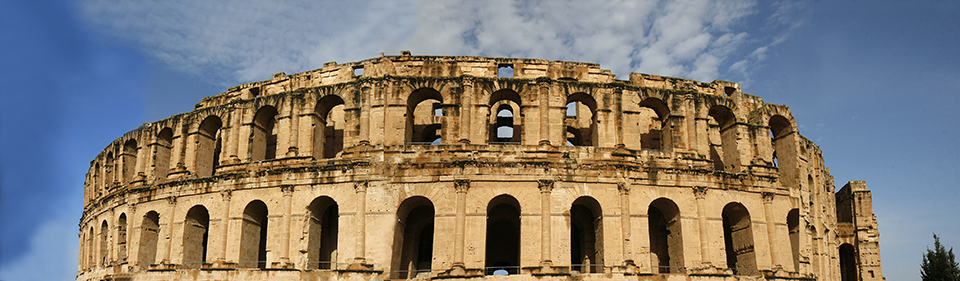
How often have your holiday photos turned out dull? Even when you see the most beautiful landscapes that are crying out to be photographed. If you photograph a wide landscape in a 3:4 or 2:3 ratio, you are photographing relatively large amounts of sky or foreground. In such a situation, a panorama can produce a better photo.
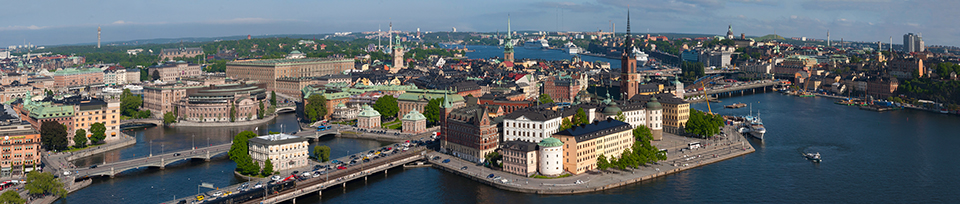
Just as with HDR, you need several photos for a panorama, which you combine into one wide photo during post-processing. Here is a step-by-step plan for creating a successful panorama:
- Do not use autofocus while taking the photos. If the photos have different focusing distances, it is difficult to join them together. Focus once and then turn off autofocus;
- The same applies to exposure. Preferably use the same aperture and shutter speed for all the photos you take;
- Make sure you have enough overlap between your photos. The software needs enough points of reference to join the photos together, sections that are the same in two photos. Therefore, keep an overlap of one third for each shot. To be safe, you could make the photos overlap by half;
- You can of course shoot handheld, but a tripod makes things easier. In that case, leave some room in your framing, because with a handheld panorama you often need to crop away more of the image afterwards.
You can then combine the images during post-processing. Most editing programmes support panoramas. Some cameras even have a panorama function, so you do not need to edit anything afterwards.
Want to know more about long exposures?
Would you like to go into more depth and expand your knowledge of these photographic subjects? Then take a look at Photofacts Academy, where you may find a number of interesting courses.
For example, there is the Landscape Photography Masterclass with Bas Meelker, which covers working with long exposures and infrared light in detail.
Want to know more about Lightroom?
Then follow one of Piet van den Eynde's Lightroom courses at Photofacts Academy. The Lightroom Workflow tips & tricks course is a very useful one to start with.
You can follow this and other courses for two weeks with a free trial membership.
Want to know more about Photoshop image editing?
At Photofacts Academy, our online learning environment for photographers, we have various courses on Adobe Photoshop.
- Photoshop for Beginners (Johan Elzenga)
- Photoshop for Photographers (Piet van den Eynde)
- Photoshop for Advanced Users (Marit Hilarius)
- Photoshop Effects (Elja Trum)
And much more...
You can follow these courses for two weeks with a free trial membership.
About the author
Michelle Peeters is fotografe en oprichter van DeuxBleus Fotografie. Michelle herkent het bijzondere in het gewone en het gewone in het bijzondere. Ze heeft zich nooit willen specialiseren en is daardoor van alle markten thuis.
You might also like
-
 Review: Special Photography Techniques, Panoramas, HDR, Virtual Tours and More
by Michelle Peeters
-
 A panorama should add value
by Nando Harmsen
-
 An Ode to Holiday Snapshots
by Michiel Heijmans
-
 A panorama or a panorama crop?
by Nando Harmsen
-
 A vertical panorama for a wider angle
by Nando Harmsen
-
 Photographing or cropping a panorama
by Nando Harmsen
0 comments
Be the first to share what you think!
Have your say
Please note: Articles older than a week can only be commented on by signed-in visitors.Would you still like to comment? sign in or create a free account.
Become a better photographer every week
A practical photography tip in your inbox every week.
38,937 photography enthusiasts already receive the tips! More about the weekly mail. Or keep up to date via  Facebook.

Elja Trum
Photofacts; everything to do with photography!
Would you like to take better photos and keep up with what is happening in photography? Photofacts publishes articles that teach you something about photography — from a product announcement to a practical shooting tip or a look at a website. Photofacts covers photography every day and is a hobby project of Elja Trum's that got out of hand. The articles are written by a team of volunteer authors. If you would enjoy writing one or more articles for Photofacts, do get in touch.More about PhotofactsPhotofacts is made possible in part by
