

Don't use a low ISO, use the right ISO setting
Monday 11 September 2023, 15:51 by Nando Harmsen | 9,749 views | 10 commentsThis article was translated from Dutch with the help of AI. Read the original.
A high ISO setting causes noise. That's why the advice is to choose the lowest ISO setting. This gives you a noise-free image. However, don't be afraid to use high ISO settings, or your photos may fail. So don't choose a low ISO, choose the right ISO.
There are three settings you can use to control the exposure. The aperture, the shutter speed and the ISO setting. The right combination of the three gives you the correct exposure. These settings also have another effect on the photo.
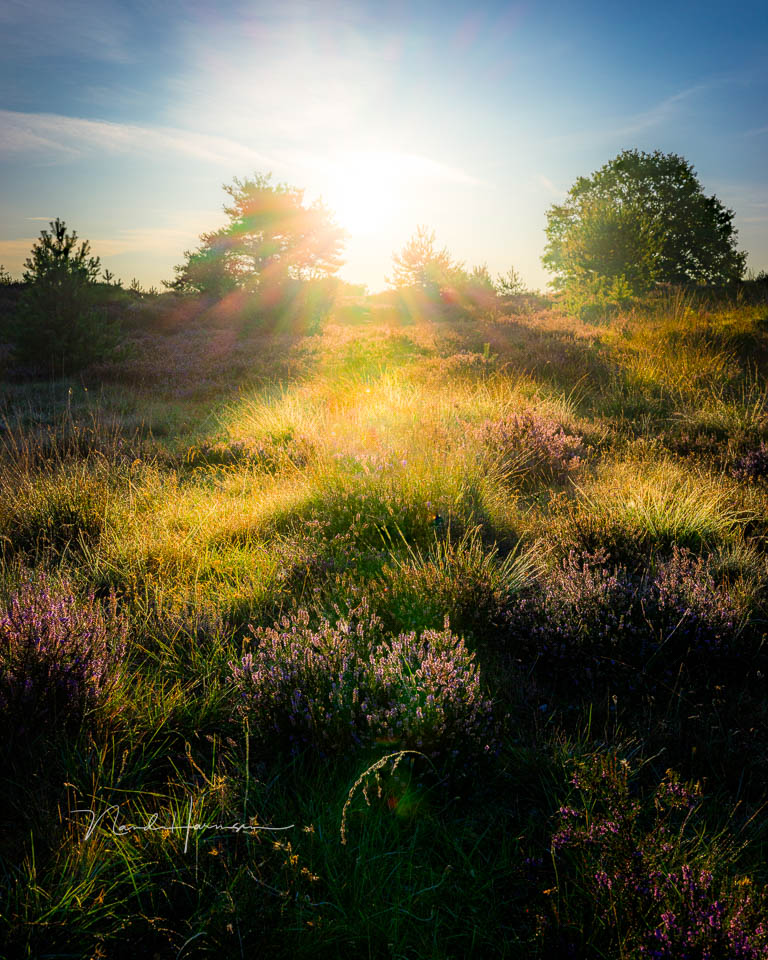
The aperture, the lens opening, controls the depth of field. The smaller the lens opening becomes, the more depth of field you get. You therefore choose an aperture based on the desired depth of field.

The shutter speed determines how long light falls on the sensor. A shutter speed that is too slow causes motion blur. You choose a shutter speed to prevent motion blur, or to deliberately make it visible.
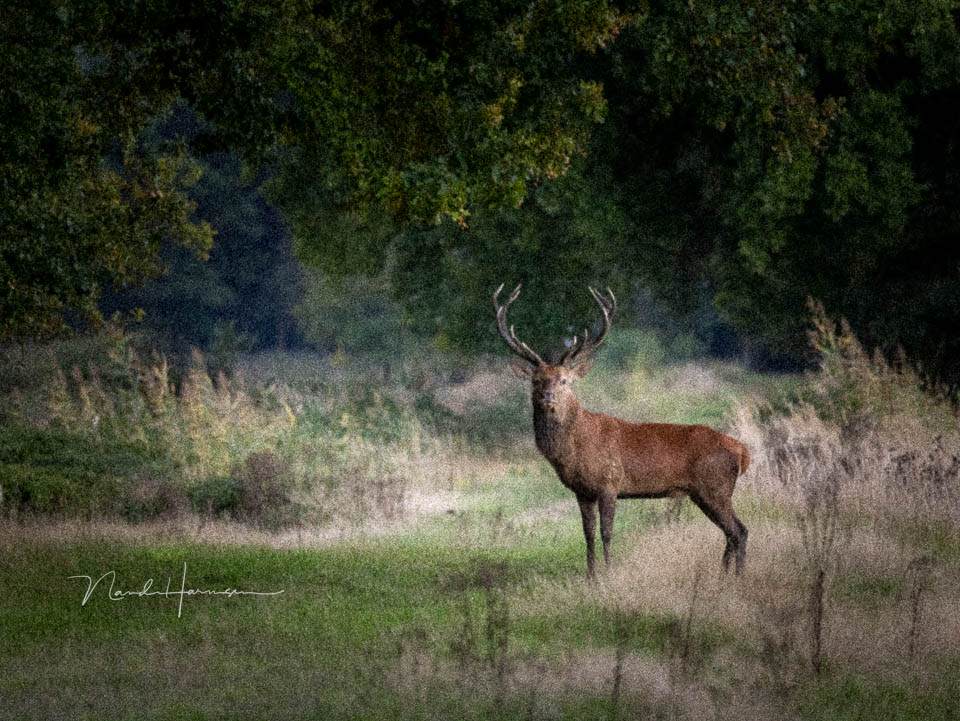
ISO is analogous to the sensitivity of the sensor. The higher you set the ISO, the less light you need for a good exposure. The downside is the increase in noise at higher ISO settings.
You can see that the aperture and shutter speed determine how your subject appears in the image. ISO does not. Put simply, it only causes noise when you set it too high. The advice today is to keep it low to maintain good image quality.
However, a low ISO setting is rarely the right choice. You should not choose a low ISO, but the right ISO setting. This means setting the ISO high when the situation calls for it. If you don't, your photo will fail.
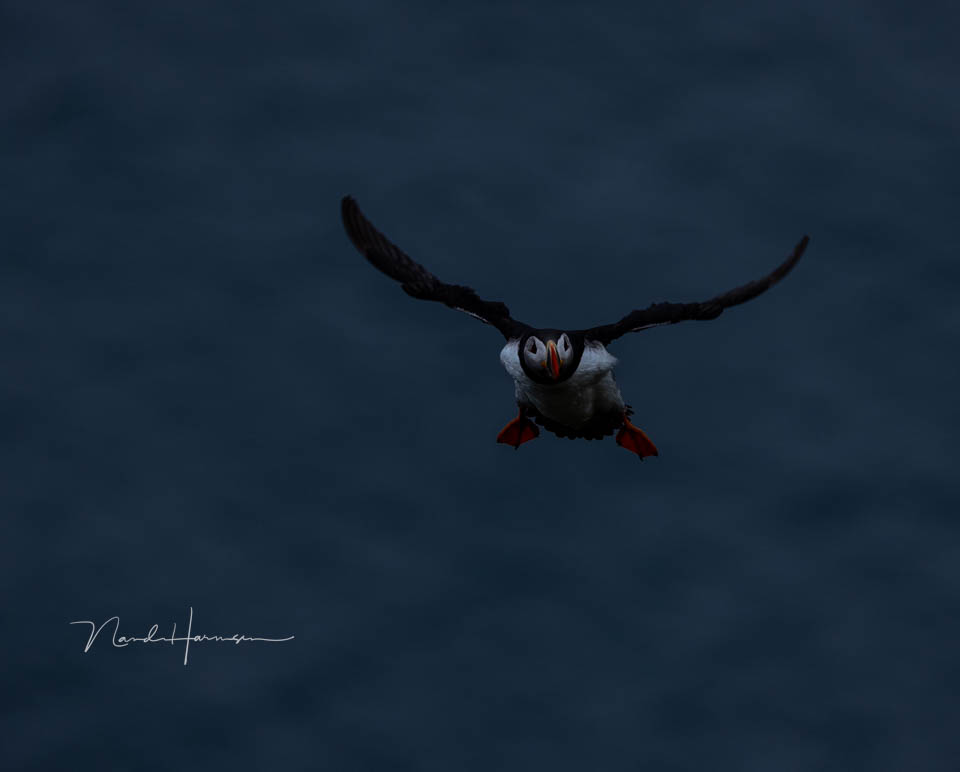
Are you choosing a fast shutter speed because you want to freeze movement? Then your widest aperture may no longer be enough to let sufficient light reach your sensor. You then have to raise the ISO, sometimes even to ISO 3,200 or more. So do it.
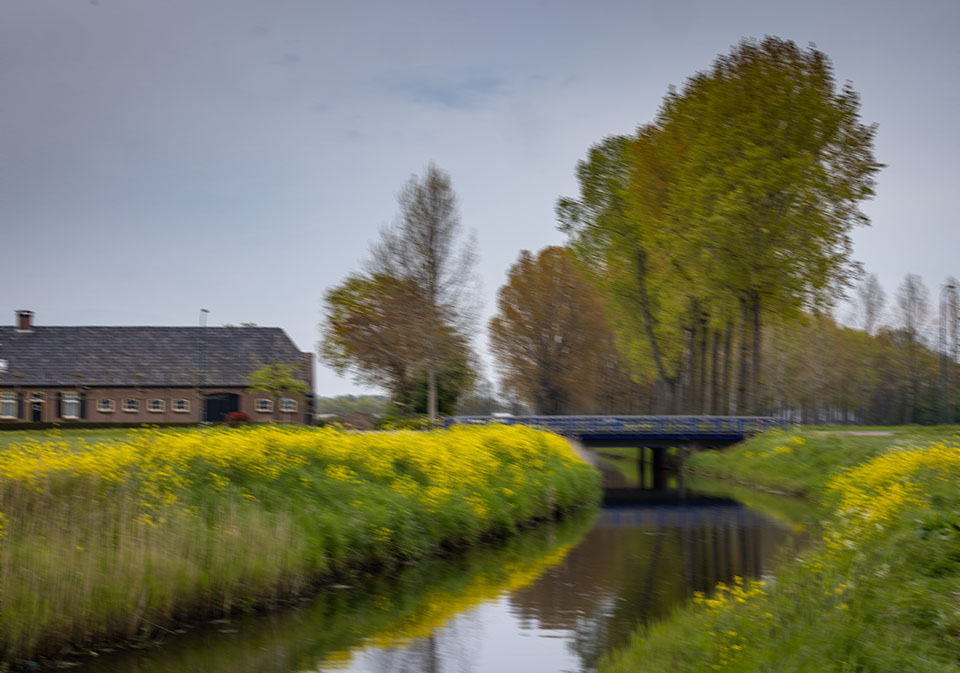
Is a large depth of field needed? Then you have to stop down the aperture. This causes a slower shutter speed. If you don't have a tripod with you, or your subject is moving, motion blur will occur. You can only solve this by using a high ISO setting.
ISO is an indispensable setting for a successful photo. It is ideal if you can keep it low, but that is not necessarily the best ISO setting. Choose the ISO that gives you a successful photo. That is the only right ISO setting.
About the author
Nando Harmsen has been photographing for more than 40 years. He specialises in wedding photography and landscape photography. Nando also gives talks, workshops, masterclasses and photo trips, and regularly reviews new and interesting equipment.
You might also like
-
 How can you avoid and reduce noise in your photos?
by Huub Keulers
-
 Which is better? Stacking or noise reduction?
by Nando Harmsen
-
 Removing noise? Use it in moderation
by Nando Harmsen
-
 Low, lower, lowest: finding the right viewpoint
by Erik Nevels


10 comments
-
 Donald Willemsen wrote on Tuesday 12 September 2023 at 10:38 | reply
Nando, it is once again a clear and easy-to-understand story and I think you are right.
Translated from Dutch.
I mainly work with Aperture Priority (Av) because I photograph a lot of static subjects and DoF is important to me. Because I don't always have a tripod with me, I therefore have to use reasonably short shutter speeds to prevent motion blur.
The noise performance of my R7 is good and I can almost always increase my ISO value to ISO 6400 without having annoying noise. Any noise that may be present can be removed well in post-processing.
In my camera's settings, I have set the auto ISO with an upper limit of 6400. With handheld shutter speed, my lower limit is 1/60 sec.
I then have the following question: How does the camera determine the ISO value when 'auto ISO' is set and I apply ETTR as standard with +1/3 stop? -

-
 Rene wrote on Tuesday 12 September 2023 at 11:24 | reply
Use the ISO recommended by the manufacturer. The lowest ISO does not always produce the least noise. For my camera, that is 200. 100 and 64 are also possible, but the manufacturer warns that the dynamic range will be lower and therefore the base noise higher.
Translated from Dutch. -
-
 jan glas wrote on Tuesday 12 September 2023 at 12:15 | reply
Well I already experience annoying noise at ISO 200 plus.
Translated from Dutch.
Still better with a Sony A9-2 06 my Sony A1.
Luckily there is Topaz -
 Rene wrote on Tuesday 12 September 2023 at 12:16 | reply
The nice thing about it is that noise processing,suppression in programs will continue to get better in the future, so you can now also use older photos with noise and or high ISO
Translated from Dutch. -
 Paul wrote on Tuesday 12 September 2023 at 16:05 | reply
Clear article again. If, like me, you started with "rolls", this is easier to understand. If you had a 17° DIN = ASA 33 = ISO 33 film in your camera (actually standard in the 60s), you couldn't do much more in the twilight. That's what Kodak had the Three-X for and Ilford the HP4. They were 27 DIN 400 ISO, so ASA 400.
Translated from Dutch.
In color even less choice, but everyone knew exactly what was or wasn't possible.
Now you can set everything with a button on your camera, and then there are those crazy gurus who tell the layman that only the lowest ISO value is good, so many people are particularly frustrated with their new camera.
So this piece should be included on all photo pages. -
Donald Willemsen wrote on Tuesday 12 September 2023 at 16:32 | reply
Nando, in my case the camera will not go below the limit I set (1/60 sec). The camera will use the set aperture value and a shutter speed of 1/60 and then increase the ISO value to get a correct exposure. Otherwise the photo will be underexposed.
Translated from Dutch. -
Donald Willemsen wrote on Tuesday 12 September 2023 at 16:34 | reply
Paul, totally agree with your last paragraph.
Translated from Dutch. -
 Mac wrote on Wednesday 13 September 2023 at 08:27 | reply
I always use the lowest possible ISO. And that does indeed depend on the circumstances.
Translated from Dutch.
Last weekend I photographed a dance battle indoors again. And the ISO was set to 5000. Any lower, and they were either underexposed, or you got motion blur.

Have your say
Please note: Articles older than a week can only be commented on by signed-in visitors.Would you still like to comment? sign in or create a free account.
Become a better photographer every week
A practical photography tip in your inbox every week.
39,027 photography enthusiasts already receive the tips! More about the weekly mail. Or keep up to date via  Facebook.

Elja Trum
Photofacts; everything to do with photography!
Would you like to take better photos and keep up with what is happening in photography? Photofacts publishes articles that teach you something about photography — from a product announcement to a practical shooting tip or a look at a website. Photofacts covers photography every day and is a hobby project of Elja Trum's that got out of hand. The articles are written by a team of volunteer authors. If you would enjoy writing one or more articles for Photofacts, do get in touch.More about PhotofactsPhotofacts is made possible in part by
