

What to look for when buying a second-hand lens
Monday 3 May 2021, 20:40 by Nando Harmsen | 7,103 views | 1 commentThis article was translated from Dutch with the help of AI. Read the original.
Looking for a new or unusual lens? You could try the second-hand market.
There is all sorts available, from very special lenses to huge supertelephoto lenses. From wide-angle to old-fashioned vintage lenses. In this article, I tell you what to look for when buying one.
There is a huge second-hand market for lenses. It may even be bigger than the one for cameras. You can find anything, from simple kit lenses costing a few tens of euros to supertelephoto lenses costing many thousands of euros.
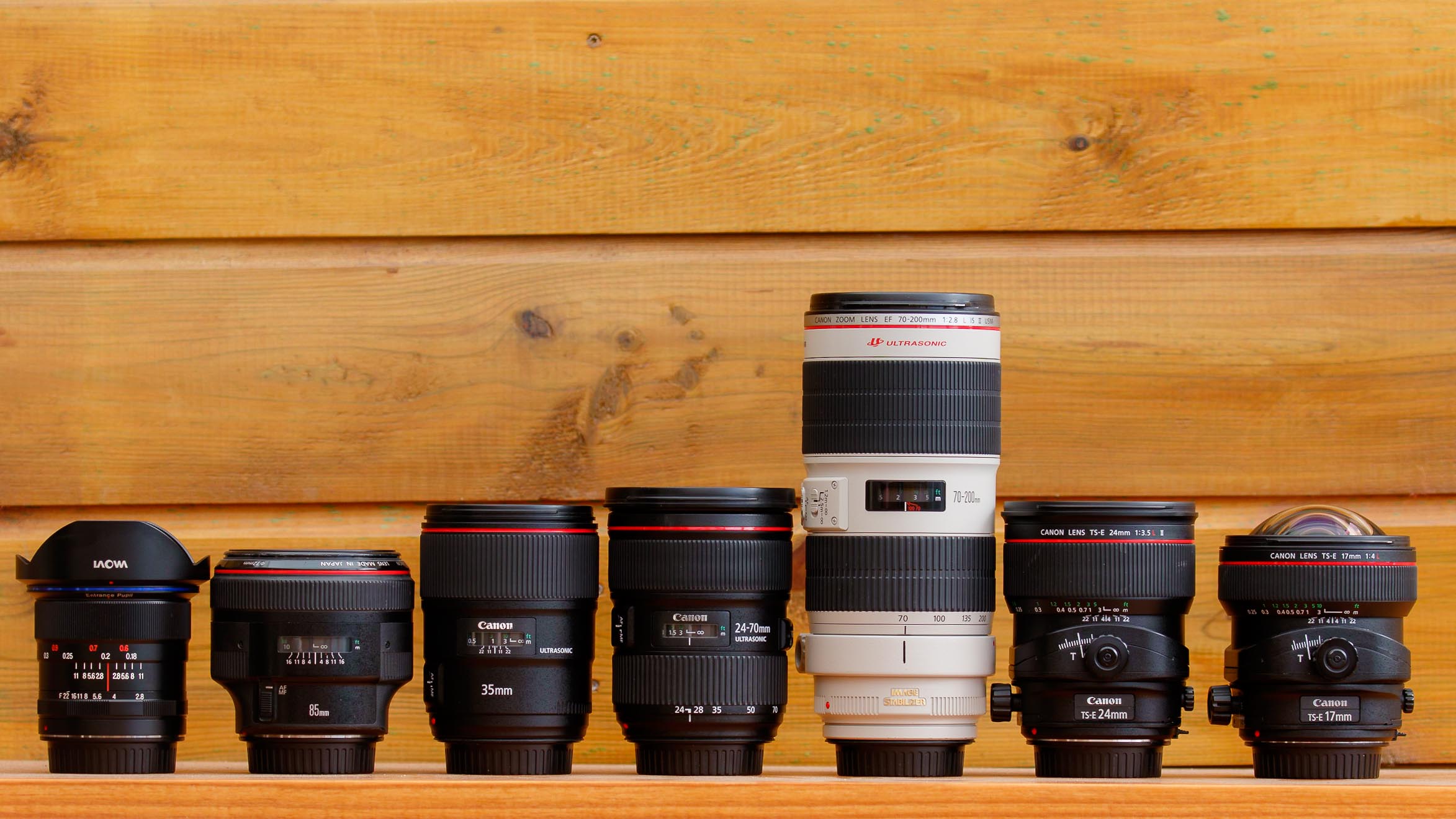
Lenses are very good to buy second-hand. It is often very quickly clear if a lens is not right. Sometimes even at a glance. So always check before you make a purchase. But of course, this applies to anything you want to buy second-hand.
In my previous article about buying second-hand cameras, I already mentioned a number of things to look out for. Those things also apply to lenses. In principle, checking a lens is much easier than checking a camera.
Also remember that second-hand means it has already been used. This means there may always be signs of use. Some of these marks affect how it works, while others do not. Whether you decide that signs of use are acceptable depends mainly on the price the seller is asking. And on the requirements you set yourself.
The following points should make buying a second-hand lens a little easier. This does not guarantee that you will get a good product. In the end, you decide whether the purchase is worth it. It always remains your own responsibility.
General points to look out for
The following points came up first in my article about buying a second-hand camera.
- Do your homework
- Are these photos of what is being offered?
- How are you received by the seller?
These are also important when buying a lens. What do you want and what can you expect? What was the new price, and is the second-hand price reasonable in comparison?
Have you seen the actual lens in the photo, or are the photos shown with the advert taken from the internet? If there are no photos, ask for them.
When you go to look at it and try it out, let the welcome you receive and the way the seller helps you during testing guide you. Any resistance should set alarm bells ringing.
Ask everything that tells you something about the lens
Questions, questions, questions. Know why the lens is being sold. Make sure you know why the price is so high, or so low. Is there any damage or other defects? Use the following list of questions as a guide, and think of some more yourself if necessary.
- How old is the lens?
- Why are you selling the lens?
- What condition is the glass in?
- Is there dirt, moisture or mould inside the lens?
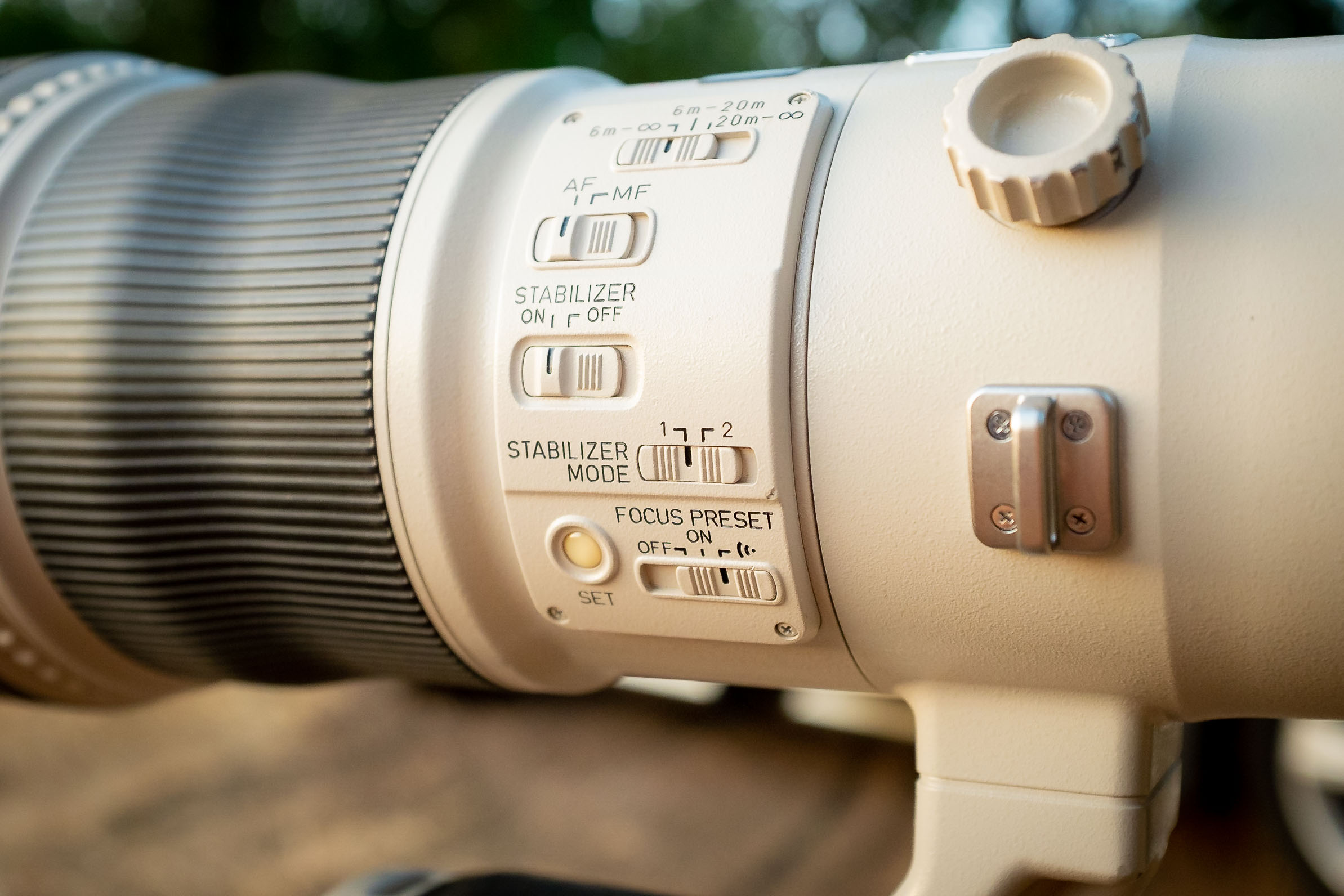
- Does everything work properly? Aperture, image stabilisation, buttons, focus and zoom rings?
- Is there any damage or wear, and if so, what?
- Can I come and try the lens?
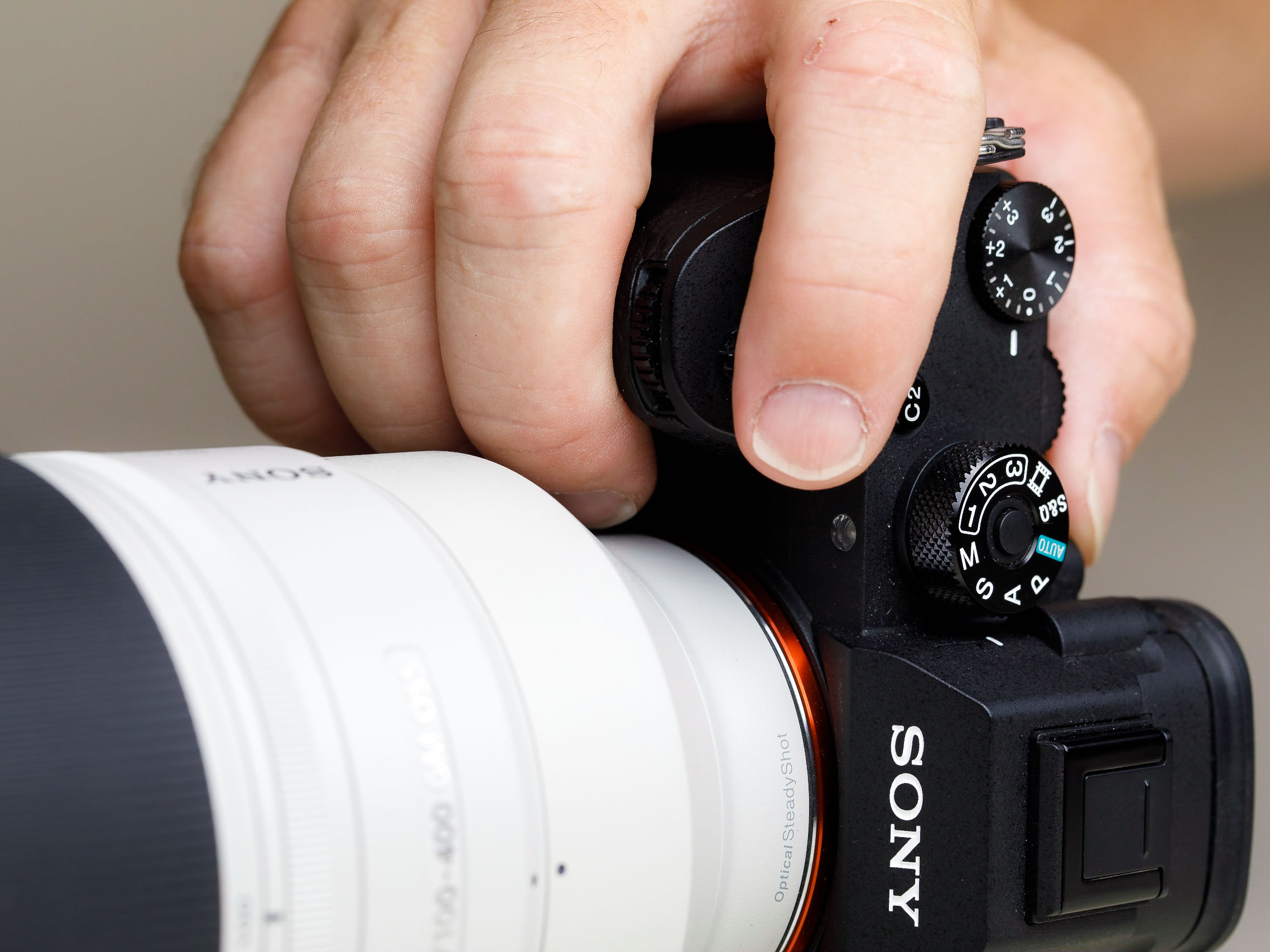
You may be able to answer some questions yourself when you go to look at it and try it out. But knowing in advance what to expect gives you a good idea of whether the lens could be a good purchase.
Here too, remember that you should match the price to the condition of the lens. A lens with a lot of signs of use should be quite a bit cheaper than one without any signs of use.
The research you have done should tell you what a good price for a lens might be. The internet is an inexhaustible source of this kind of information. If you are well informed, the chance of a bad purchase is smaller.
Are questions not answered, avoided, or do you simply not like the answer? Then walk away from the purchase. There are still plenty of other sellers to choose from.
Try it out and test it
When you test it, make sure you do so in a relaxed environment. Perhaps over a cup of coffee or tea. Always test the lens on your own camera. That is what you will use the lens on.
Check whether the lens looks as the seller described it. What does it look like visually? Is there any damage or wear? Are the rubber rings on the zoom and focus rings secure? Is the weather sealing ring damaged or not? What do the contacts on the lens look like?
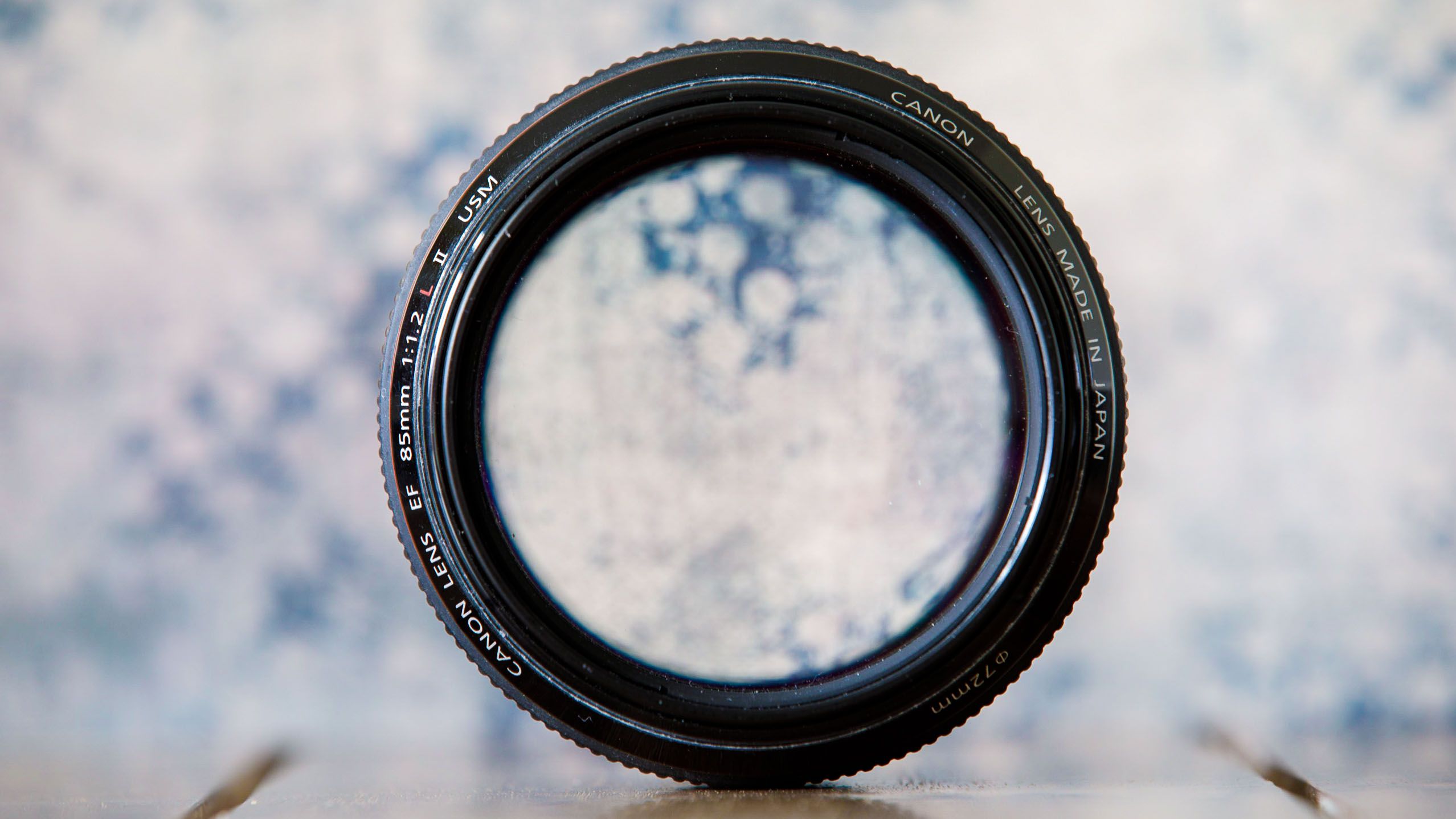
Look at the glass. Is there a UV or protective filter on it? Remove it. Sometimes they are stuck fast, which is something you would rather avoid. Check the glass for damage, both the front glass and the rear of the lens. Is there dirt behind the glass, inside the lens?
Do the zoom and focus rings turn smoothly and properly? Remember that the focus ring sometimes only works when the lens is attached to the camera. You will know this if you have done your research into the lens.
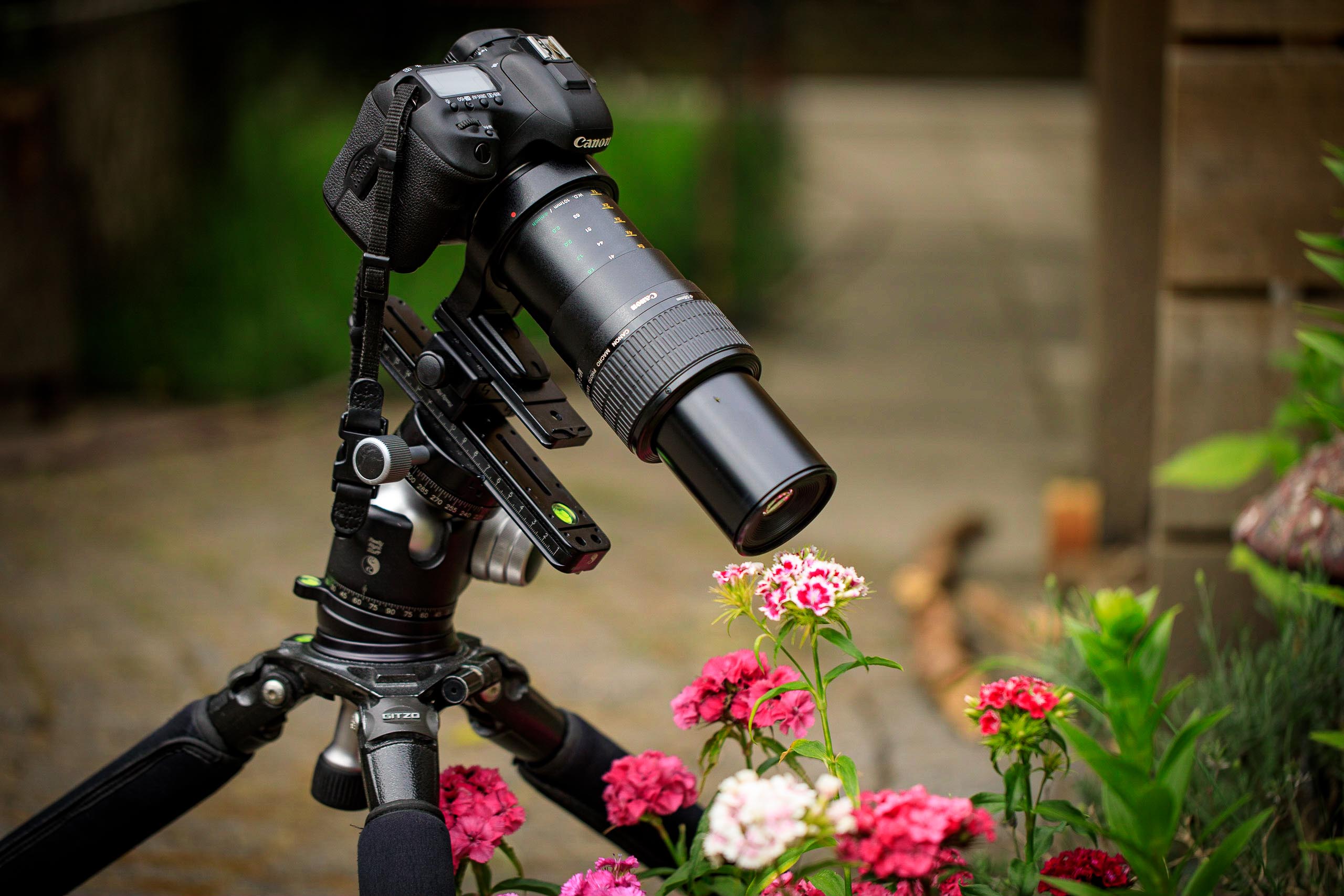
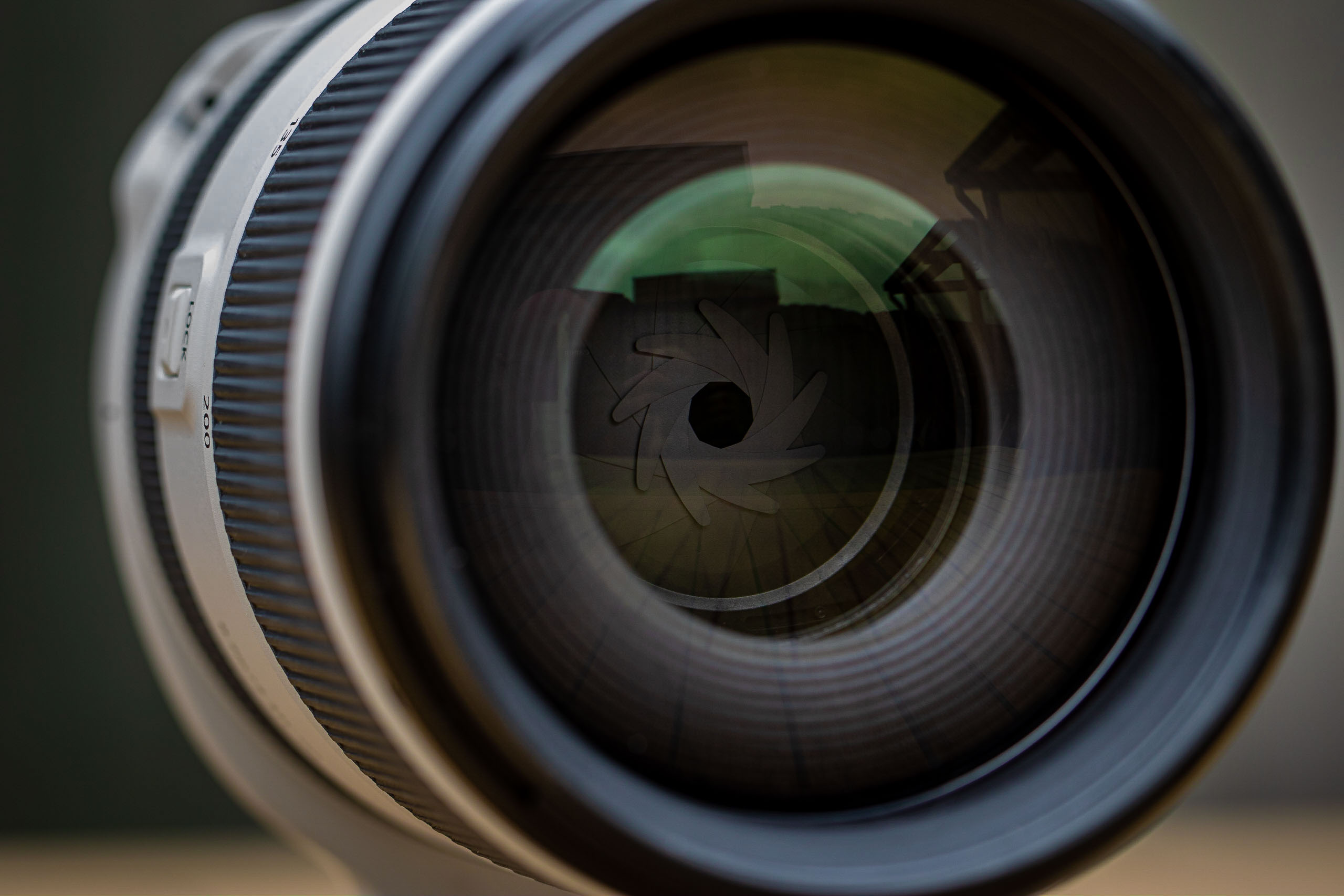
Look into the back of the lens while zooming, and check that you do not see anything unusual. Does your lens have a tripod collar? Check that it is securely attached and has no play. Shake the lens and listen for any strange sounds.
Remember that image stabilisation can cause rattling sounds when you shake the lens. This can be normal. Your research should tell you this, but it can still sound strange.
Mount the lens on your own camera and check that the zoom and focus work with any image stabilisation on the lens switched off. Check for strange sounds and look out for anything unusual when zooming and focusing.
Switch on the image stabilisation and listen to hear whether it is working. It should make a soft humming sound. Check that the image stabilisation works. You can do this very easily by looking through the viewfinder. The image with image stabilisation is steadier than when it is switched off. Activate the image stabilisation repeatedly to check this.
Also take photos with a slower shutter speed, with image stabilisation switched on and off. You should be able to see a difference. Also check the focus. Does it work quickly and smoothly, both with single focus and continuous focus? Its operation and speed should match the descriptions you found during your research.
Take test photos each time and check the sharpness by zooming in on the image. If you like, take a laptop with you and check them on a larger screen. Make sure you take a photo at every aperture, and do this at different focal lengths if you have a zoom lens. There should be no error messages on the camera.
Speaking of the aperture, changing the aperture value should affect the shutter speed. If it does not, the aperture is not working properly.
Take your time and convince yourself
The seller should give you enough time to try everything out. Do not let the seller convince you, and certainly do not let yourself be pressured. Photos the seller shows you, which they took with this lens, do not prove anything. You have to convince yourself.
Are you unsure whether the lens works properly? Do you hear strange sounds? Does the lens look worse than you are comfortable with, or worse than the price would justify? Then walk away from the purchase.
Do you think you do not have enough knowledge yourself, or that you could be persuaded too easily to buy it? Do not be ashamed of that and take someone with you who can help. Two pairs of eyes see more than one.
If you pay attention to all these things, you can buy a second-hand lens that you will be able to enjoy for a very long time.
About the author
Nando Harmsen has been photographing for more than 40 years. He specialises in wedding photography and landscape photography. Nando also gives talks, workshops, masterclasses and photo trips, and regularly reviews new and interesting equipment.
You might also like
-
 What should you look out for when buying a second-hand camera?
by Nando Harmsen
-
 4 second-hand purchases you need to be careful with
by Nando Harmsen
-
 How important is shutter count when buying a second-hand camera?
by Nando Harmsen
-
 Photograph your hand as a bookmark
by Nando Harmsen

1 comment
-

 Bernard wrote on Tuesday 4 May 2021 at 11:35
| reply
Bernard wrote on Tuesday 4 May 2021 at 11:35
| reply
Funny that the least important aspect to me is listed first among the things you should pay attention to: "How old is the lens?" As if a 24-105mm "L" from 2019 performs differently from the same lens from 2014. The mechanical aspects and the contact points are much more important, and those of a lens from 2014 can be in better condition than those of one from 2019. I once advertised with "the glass is barely worn 😊". I do agree with the rest. What matters is: does the mechanics operate smoothly, are the contacts clean, are there any visible signs of damage from drops or impacts. Most important of all: try it out. Signs of use on the exterior are subjective and don't necessarily say anything about the quality of the lens.
Translated from Dutch.
Have your say
Please note: Articles older than a week can only be commented on by signed-in visitors.Would you still like to comment? sign in or create a free account.
Become a better photographer every week
A practical photography tip in your inbox every week.
39,103 photography enthusiasts already receive the tips! More about the weekly mail. Or keep up to date via  Facebook.

Elja Trum
Photofacts; everything to do with photography!
Would you like to take better photos and keep up with what is happening in photography? Photofacts publishes articles that teach you something about photography — from a product announcement to a practical shooting tip or a look at a website. Photofacts covers photography every day and is a hobby project of Elja Trum's that got out of hand. The articles are written by a team of volunteer authors. If you would enjoy writing one or more articles for Photofacts, do get in touch.More about PhotofactsPhotofacts is made possible in part by
