

Pay attention to the direction of light when editing
Sunday 12 January 2025, 20:02 by Nando Harmsen | 2,729 views | 0 commentsThis article was translated from Dutch with the help of AI. Read the original.
The direction of light is important in a photograph. It creates depth and dimension. When editing, make sure you respect the direction of the light. This is especially important with HDR techniques. Make sure your shadows are where they belong.
Light comes from somewhere. It could be a lamp, flash, or sunlight. This means that light has direction, and you can use that. Light coming straight from the front is often dull and flat. Side lighting creates beautiful shadows. And backlighting can produce beautiful rim light.
If you take a lot of landscape photographs, you often use backlighting. Sunrises and sunsets always involve backlighting. This means you have a lot of contrast, sometimes even too much for the camera. This creates many dark areas.
To prevent those dark areas, you can use HDR techniques. This could mean lifting shadows when editing, or taking an exposure bracket on location. The latter in particular makes it possible to have even the darkest areas properly exposed.
However, be careful when editing, especially with HDR techniques using an exposure bracket. Respect the direction of the light and do not brighten areas that are not lit. That does violence to the photograph.
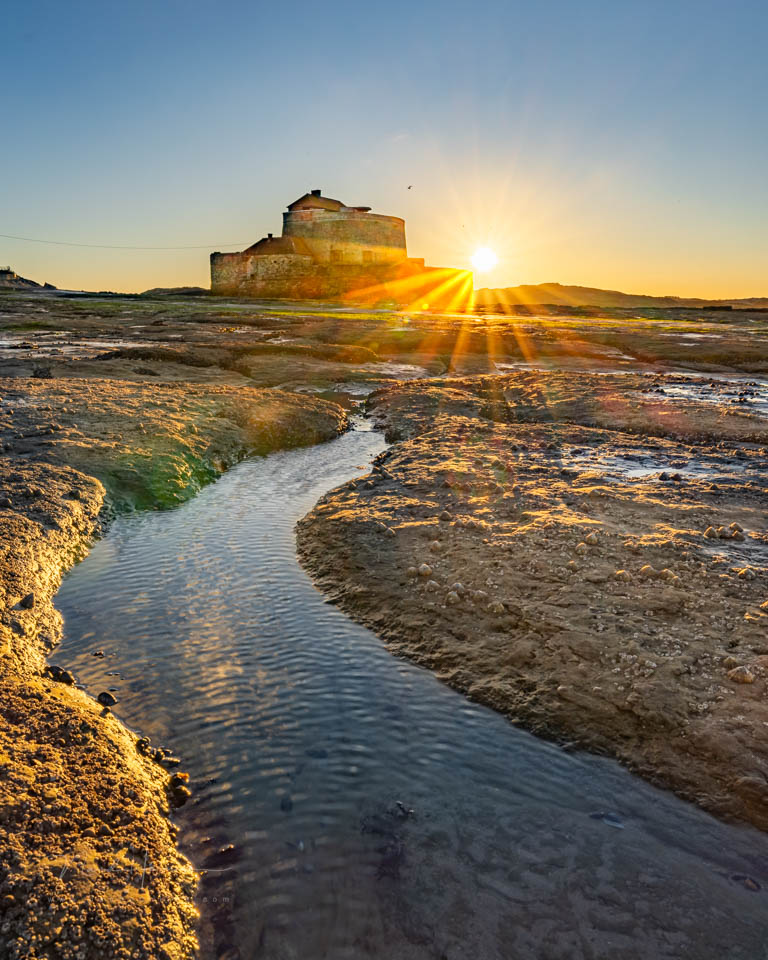
It is fine to lift dark areas slightly. It is not a problem to see some detail in them. But keep the contrast intact. Otherwise, you end up with a flat photograph without directional light. That is not attractive, and it does violence to reality.
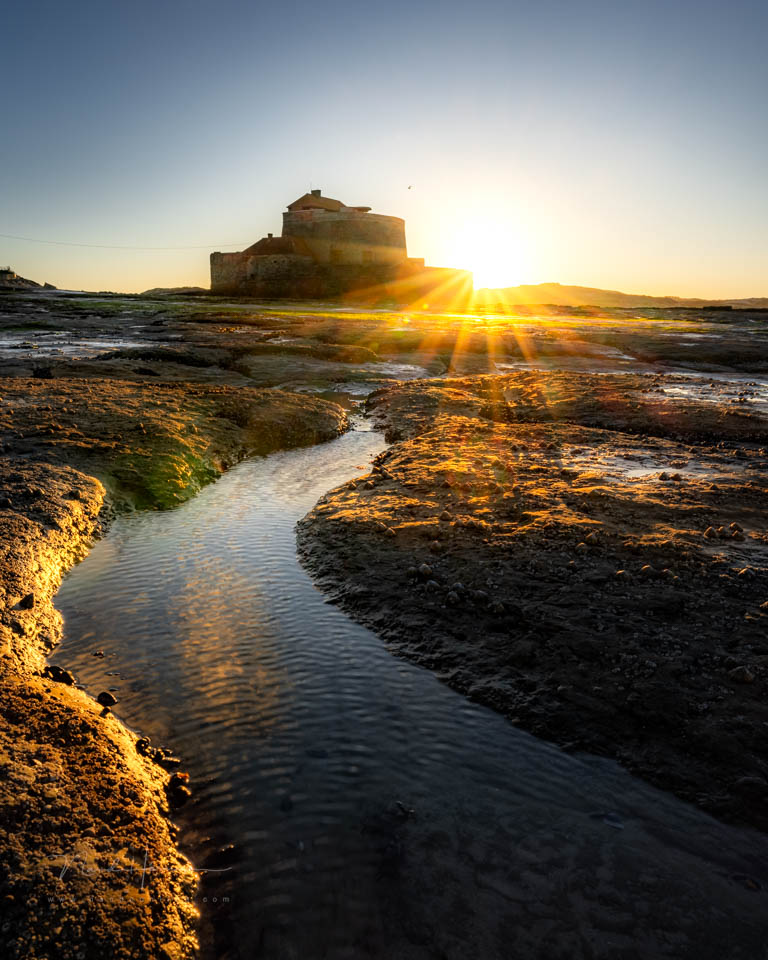
By keeping the shadow areas as actual shadows, the light in the photograph also has direction. It represents reality and gives the photograph much more impact. HDR techniques make it possible to prevent those shadows from becoming completely black. A hint of detail is enough.
HDR techniques are a way of getting around the camera's limitations. But remember that the best HDR photograph is one where you cannot see that it is HDR.
About the author
Nando Harmsen has been photographing for more than 40 years. He specialises in wedding photography and landscape photography. Nando also gives talks, workshops, masterclasses and photo trips, and regularly reviews new and interesting equipment.
You might also like
-
 Edit an HDR like a normal photo
by Nando Harmsen
-
 Review: HDR and Dynamic Range Course
by Martin van Rooij
-
 HDR: What do you mean?
by Rob IJsselstein
-
 Look More Closely at Shadows
by Nando Harmsen
-
 An HDR photo is just a photo
by Nando Harmsen

0 comments
Be the first to share what you think!
Have your say
Please note: Articles older than a week can only be commented on by signed-in visitors.Would you still like to comment? sign in or create a free account.
Become a better photographer every week
A practical photography tip in your inbox every week.
38,982 photography enthusiasts already receive the tips! More about the weekly mail. Or keep up to date via  Facebook.

Elja Trum
Photofacts; everything to do with photography!
Would you like to take better photos and keep up with what is happening in photography? Photofacts publishes articles that teach you something about photography — from a product announcement to a practical shooting tip or a look at a website. Photofacts covers photography every day and is a hobby project of Elja Trum's that got out of hand. The articles are written by a team of volunteer authors. If you would enjoy writing one or more articles for Photofacts, do get in touch.More about PhotofactsPhotofacts is made possible in part by
