

The Photographer Takes the Photo, Not the Camera (Or Does It?)
Monday 21 May 2018, 17:17 by Michelle Peeters | 122,666 views | 28 commentsThis article was translated from Dutch with the help of AI. Read the original.
What stunning photos! You must have an expensive camera. If I had something like that, I would get exactly the same results!
A comment like that puts at least a sour look on a photographer's face. The answer will be that it is really about the photographer's eye, not the camera. You could do it with a simple compact camera or smartphone too. But is that actually true?
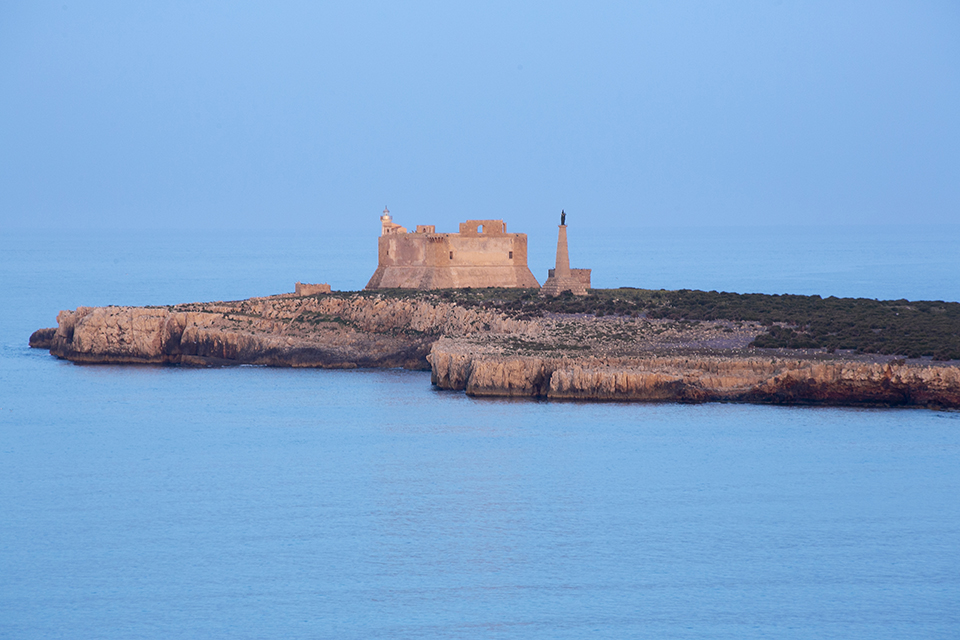
Good equipment and talent
Of course, as a photographer you like using good equipment. A handyman would also rather not use the cheapest tools from the DIY shop.
But ultimately, it is of course about the insight of the person behind the camera. If you have no talent for photography, you will not take good photos with an extremely expensive camera either. And if you do have talent, you can even manage with a smartphone.
You would not tell a chef at a Michelin-starred restaurant that his food was so tasty because he probably uses expensive pans, would you?
Photography works in much the same way. A good camera does not turn someone into a good photographer. But a good photographer with a quality camera will take better photos than a good photographer with a poor or mediocre camera.
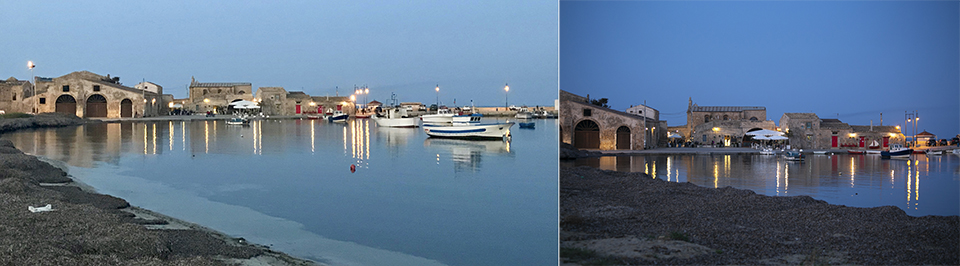
Limitations and improvisation
And because, as a good photographer, you know which limitations you have to deal with, you take successful photos more often with quality equipment. If you know the limitations of your equipment, you can then try to get the best out of it.
Under good or perfect conditions, you can still take good photos with a smartphone. If you look at the Apple account on Instagram, you will see some wonderful photos taken with an iPhone. Photos that owners of a professional Canon or Nikon camera would not need to be ashamed of either.
Limitations of simple cameras
But how often are those conditions actually ideal? Because only then can you regularly take good photos with an iPhone. Or do you have to rely on lucky shots? Below is an overview of the limitations of simple cameras.
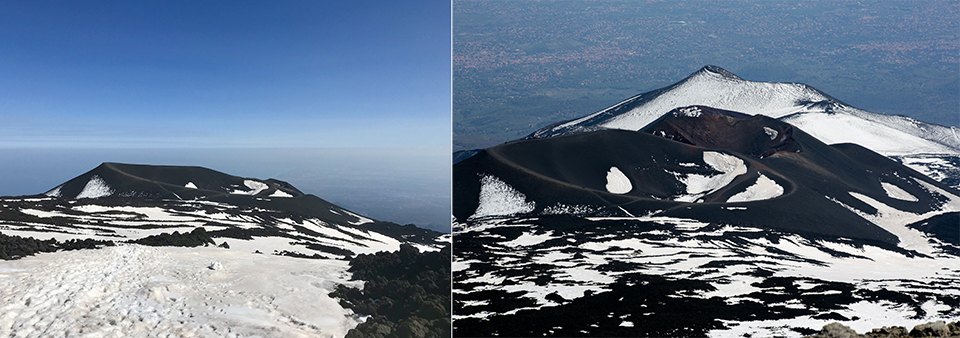
1. Little or no zoom
You can rarely zoom in with a smartphone. That is why simple compact and bridge cameras are often equipped with a rather extreme zoom range.
If you have 10x optical zoom, equivalent to 300mm in 35mm terms, a whole world opens up to you. Most serious photographers with semi-professional cameras often have this too, but they usually have to change lenses.
Zoom capabilities are often underestimated. Some photographers claim that you do not need a zoom lens at all, because you can always 'zoom with your feet'. What they mean is that you can simply walk towards your subject to imitate the effect of zooming in.
However, there are subjects where you simply cannot do that. Think of sports photography, where you are not allowed to enter the playing area. And photographing wild animals that will attack if you get too close. Or photographing birds that fly away if you do not keep your distance.
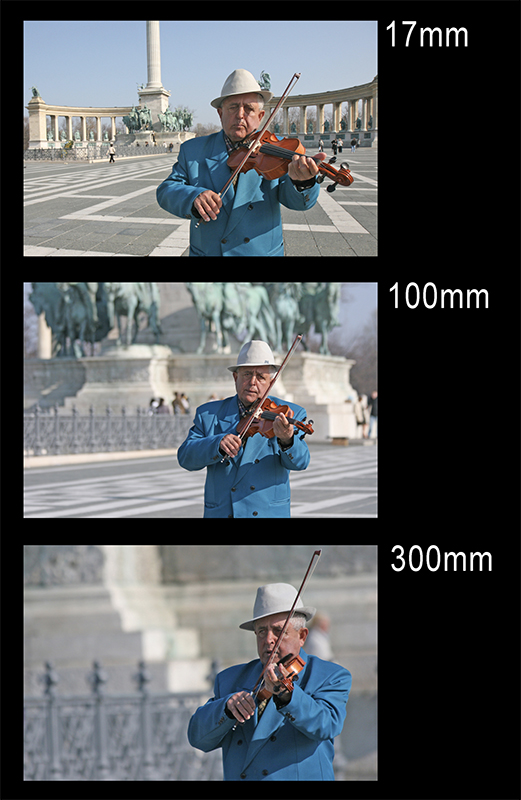
What is more, the perspective in your photo only changes because of the camera's position, not because of the focal length used. When you move closer, the perspective changes completely, and the question is whether you actually want that.
The image below shows the difference between 'zooming with your feet' and zooming in from a distance, with the subject appearing the same size in the frame each time.
Digital zoom is best avoided. It is really nothing more than making a crop, something your camera does for you, although you can also do it in post-processing. So you crop your photo more tightly, but in doing so you throw away a lot of pixels.
If you zoom in digitally by 10x, for example, you will hardly have any pixels left. You throw them away both lengthwise and widthwise, and that happens faster than you think.
Because of its lack of zoom capabilities, a smartphone is therefore genuinely not suitable for subjects such as sports and wildlife, regardless of the photographer's abilities.
2. Small sensor, greater depth of field
The smaller your sensor, the greater your depth of field. However, with a crop camera you will need to use a shorter focal length to compensate for this. With a crop factor of 1.6, you would need to use a 30mm lens instead of a 50mm on full frame for the same effect.
The greater depth of field is caused by a shorter focal length. So, with a wide-angle lens, you always have a large depth of field, regardless of whether you open the aperture fully.
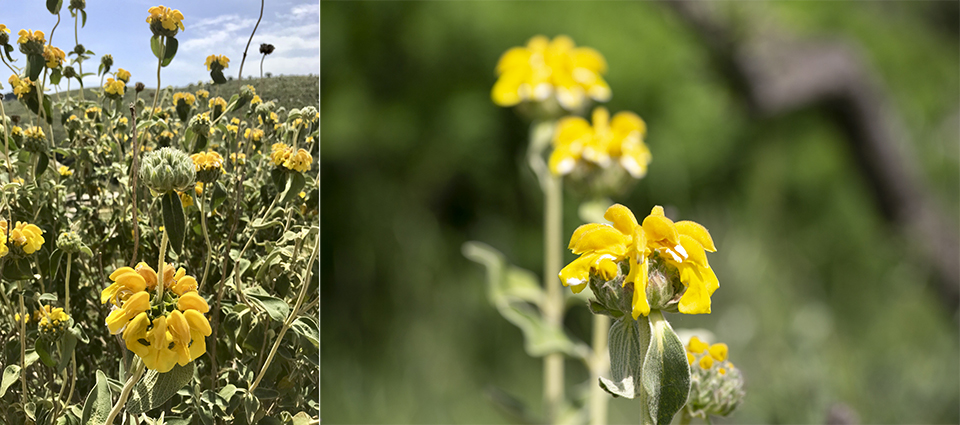
An iPhone has a lens with approximately the same angle of view as a 29mm lens, with the same depth of field as an f/16-29mm lens, on a full-frame camera.
An iPhone has no aperture at all, but that is not necessary because even at full aperture, f/2.2, everything is sharp. For landscape photos this is often not a problem, but with portrait photography you do want a blurred background. With macro photography, having more depth of field can actually be an advantage!
Many manufacturers have recently been offering lenses with an unusually high maximum aperture, such as f/1.4, quite often. But this only gets you a little closer to '35mm depth of field', such as f/2.8 on a full-frame camera.
In short, you cannot zoom at all with a smartphone, which greatly limits your creative options.
But even with a handy and compact bridge camera with an equivalent 24-600mm lens, your safari photos, which you can bring nicely 'closer', can still be a real disappointment and look less attractive than what you are used to seeing from professionals.
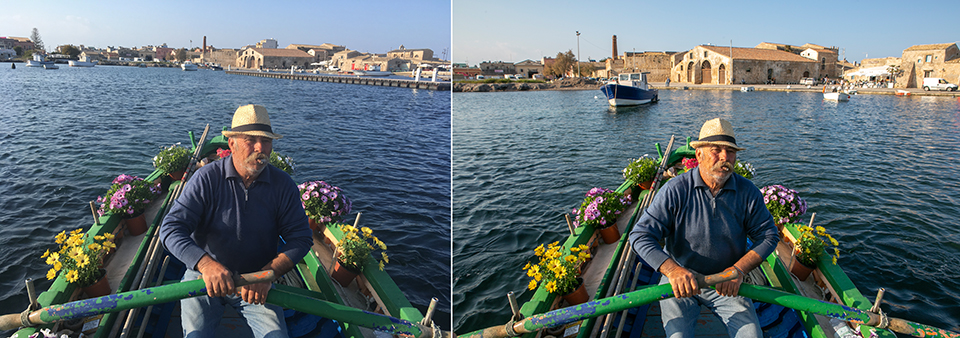
3. Dynamic range
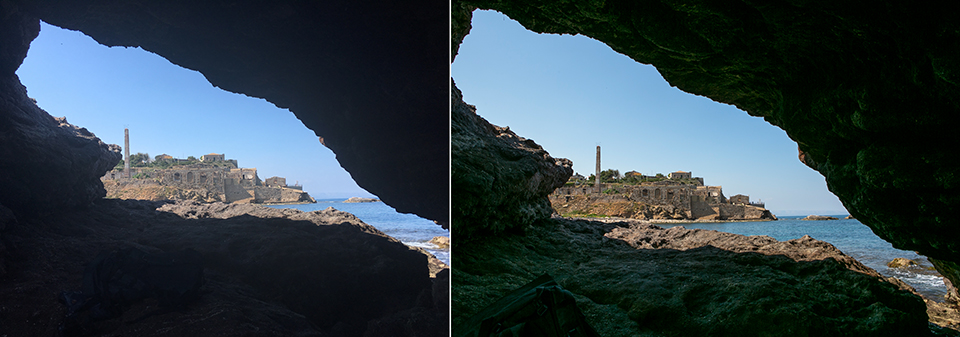
In photography, the difference between white and what is still just measurably above the noise level in the darkest areas is defined as dynamic range. The sensor with the highest dynamic range, which is a large sensor, still shows detail in both the highlights and deep shadows that the other, smaller sensor loses.
Large sensors also produce less noise because they receive more light, which means the difference between the signal produced by this light and the noise is greater than with a smaller sensor.
You can see this in blocked-up shadows which, when you brighten them in post-processing, produce a lot of noise. You can also see it in blown highlights where no detail is visible.
If you cannot shoot in RAW, as is the case with a smartphone, for example, this problem becomes even worse. Especially when photographing scenes with high contrast, such as dark alleys. Brightening the shadows produces a lot of noise, and blown white highlights cannot be recovered.
4. Low light
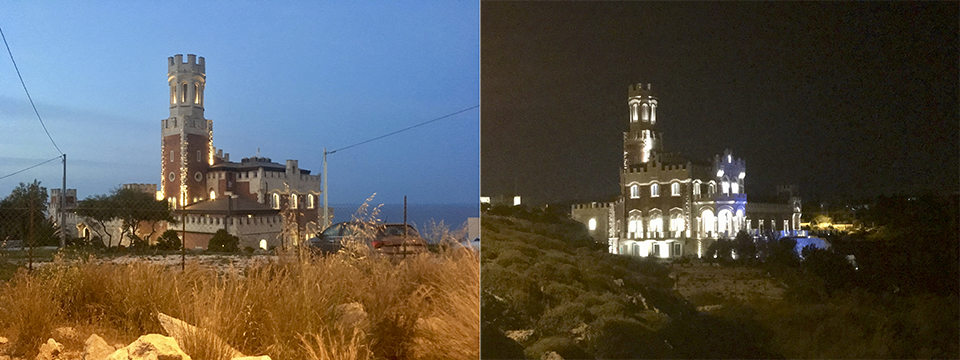
Smartphones and compact cameras are often perfectly usable during the day. However, things quickly change in low or poor light. If you increase the ISO value, assuming you can do so at all, on a camera with a small sensor, you immediately get a lot of noise.
At dusk it is often still possible, thanks to good noise reduction, but as soon as it gets really dark there is little left to photograph. You can forget about star trail photography altogether, for example.
5. Conclusion
Of course, the photographer's eye is ultimately what makes a good photo. But a simple camera does impose a number of limitations, sometimes decisive ones, that even a good photographer has to deal with.
Some forms of photography are even impossible without a good camera. Only a good photographer knows why they need one. A poor photographer will never take good photos, not even with the best equipment!
About the author
Michelle Peeters is fotografe en oprichter van DeuxBleus Fotografie. Michelle herkent het bijzondere in het gewone en het gewone in het bijzondere. Ze heeft zich nooit willen specialiseren en is daardoor van alle markten thuis.
You might also like
-
 The Most Expensive Lenses in the World
by Nando Harmsen
-
 Be sensible, buy a good tripod
by Nando Harmsen
-
 Must Do in Sicily: Photographing Mount Etna
by Michelle Peeters
-
 Video: 10 Tips for Stunning Landscape Photos
by Elja Trum
-
 Why spend a lot of money and lug it all around?
by Leen Koper
-
 Which camera should you choose if money is no object
by Nando Harmsen
28 comments
-
 Wim Hendriks wrote on Monday 21 May 2018 at 18:18 | reply
Michelle, je laat je nu leiden door de amateurfotograaf?
This comment was written in another language and has not been translated yet.
Voor de prof gelden andere regels...dat weet je ook. -

 Michelle Peeters wrote on Monday 21 May 2018 at 18:24
| reply
Wat bedoel je precies Wim?
This comment was written in another language and has not been translated yet. -
 Adam wrote on Monday 21 May 2018 at 18:46 | reply
Hoi Michelle
This comment was written in another language and has not been translated yet.
Klopt dat, dat alle foto's met een iPhone 5 opgenomen zijn?
Omdat ik sinds kort in bezit ben van een Samsung Galaxy S9 plus en met f 1.5 en 2.4 en hij kan ook foto's in RAW maken en Long Exposure , maar ik heb wel een wens voor een spiegelreflexcamera in de nabije toekomst.
Bedankt voor alle goede info op je site. -
Michelle Peeters wrote on Monday 21 May 2018 at 18:52
| reply
@Adam: waar er 2 bijna identieke foto’s staan, is er één met een iphone 5se en één met een canon Eos 5d Mark III gemaakt.
This comment was written in another language and has not been translated yet.
Met een iphone kun je idd ook in raw fotograferen als je de juiste app hebt. Ook schijn je met scherptediepte en long exposures te kunnen werken ja.
Maar het punt blijft natuurlijk dat je met een kleine sensor werkt en dat je niet kunt zoomen! -
Wim Hendriks wrote on Monday 21 May 2018 at 19:02 | reply
Ik bedoel bij elke opdracht bepaal je toch de camera,tenminste ik,bij sport gebruik ik de camera met de meeste opnamen snelheid,bij een portret of een kleinbeeld met een grote censor of een Hasselblad met een dig. achterwant en bij producten of architectuur een camera met verstelling horizontaal en verticaal...of ben ik te ouderwets nu..
This comment was written in another language and has not been translated yet.
en voor mijn familiefoto's gebruik ik mijn phone.. -
Michelle Peeters wrote on Monday 21 May 2018 at 19:07
| reply
@Wim: uiteraard! Bij een professionele shoot (ongeacht het genre) ga ik echt geen iphone inzetten, dan is mijn DSLR van onmisbare waarde!
This comment was written in another language and has not been translated yet. -
 100
wrote on Tuesday 22 May 2018 at 02:05
| reply
Probleem met dit soort dingen is altijd wat je precies verstaat onder een “goede foto”.
This comment was written in another language and has not been translated yet.
Vergelijk je fotografie met klusjesmannen dan heb je het over fotografie als ambacht, maar fotografie kun je ook zien als een kunstvorm. Een schilder die een strak schilderij wil maken en petroleum als droogmiddel gebruikt voor olieverf is technisch gezien niet goed bezig (dat zorgt voor barsten in de verf) maar zegt er iemand dat Piet Mondriaan geen goede schilderijen maakte omdat hij dat deed? Bij kunstfotografie gaat het doorgaans om andere dingen dan technische kwaliteit.
Maar ook qua technische kwaliteit is er best veel mogelijk met zeer beperkte middelen en daarbij speelt de technische kennis en kunde van de fotograaf een belangrijke rol. Een aardig voorbeeld zijn de sneeuwkristallen en overige foto’s van Alexey Kljatov die hij schiet met een meer dan 10 jaar oude Canon PowerShot A650 IS compact camera, een oude omgekeerde Helios 44M-5 lens, een houten plankje en een rol plakband om de boel bij elkaar te houden. De sensor in die camera is 1/1.7” (7,5 x 5,5mm) wat ongeveer 1/20 is van een full frame sensor.
Een aardig voorbeeld van wat met een moderne smartphone mogelijk is “The next film project” van een paar jaar geleden waarbij in 48 uur een korte film in drie delen door drie verschillende regisseurs gemaakt moest worden met een Samsung smartphone. Resultaat kun je hier vinden.
Zou de gemiddelde kijker door hebben dat de beelden niet met een professionele filmcamera zijn geschoten? Ik denk van niet.
Toch is het wel zo dat met alle moderne techniek een fotograaf steeds minder technische vaardigheden nodig heeft en met de komst van kunstmatige intelligentie hebben we straks voor een aantal vormen van fotografie waarschijnlijk geen menselijke fotograaf meer nodig, maar werkt de camera (of een serie camera’s) autonoom. Bij grote sportevenementen worden al gerobotiseerde camera’s gebruikt. -
Michelle Peeters wrote on Tuesday 22 May 2018 at 11:17
| reply
@100: leuke beschouwingen en voorbeelden, dank!
This comment was written in another language and has not been translated yet. -
 peter dellenbag wrote on Tuesday 22 May 2018 at 14:42 | reply
Metde iphone 7+ kun je ook in raw footgrferen en inzomen met het 2e lensje van ± 35mm - ±50 mm. Ook is er de HDR functie waarmee je veel meer details in de schaduwen overhoudt ... de voorbeeldfoto's zijn daarom niet geheel conform de mogelijkheden met de iphone. Met he gratis prgorammaatje SnapsSeed zijn veel goed bewerkingen mogelijk ook met minder licht nog aardig beeld ... De fullframe sensor kan uiteraard veel meer maar kost met goede lenzen ook een veelvoud
This comment was written in another language and has not been translated yet.
-
peter dellenbag wrote on Tuesday 22 May 2018 at 14:45 | reply
ik krijg de nieuwsbrief wel en een dubbele tekst op alle invul vakjes ... van deze contactmogelijkheid
This comment was written in another language and has not been translated yet. -
 Johan Hahn wrote on Tuesday 22 May 2018 at 14:59 | reply
Het maakt voor de kwaliteit van een roman niet uit of de schrijver een potlood, een dure vulpen, een oude schrijfmachine, een computer of een laptop gebruikt. De beperkingen van het gebruikte instrument levert geen beperking op voor de auteur. Bij schrijven met licht is het net zo. Michelle heeft gelijk dat een 'dure' camera meer kan dan een 'goedkope'. Maar dat hoeft voor de kwaliteit van de foto geen beperkingen op te leveren. Wie 'het' niet ziet, zal nooit een foto van hoogwaardige kwaliteit kunnen maken. De discussie moet niet gaan over het potlood, maar over wat de auteur schrijft. Het gaat om de foto, niet om de enscenering of de techniek. Het gaat om het ZIEN!
This comment was written in another language and has not been translated yet. -
Michelle Peeters wrote on Tuesday 22 May 2018 at 14:59
| reply
@Peter: die nieuwe iPhones beginnen wel steeds meer op een 'echte' camera te lijken inderdaad! Ik vraag me altijd wel af of je zoiets nog stil kunt houden bij flinke zoom-mogelijkheden. Wat ook nog eens ontbreekt is de mogelijkheid hem op een statief te zetten of er een trigger op aan te sluiten zodat je er externe flitslampen mee zou kunnen aansturen. Met de Quadralite A1 kun je wel flitsers aansturen met je iPhone, dat werkt prima en leidt inderdaad tot studio-achtige portretten!
This comment was written in another language and has not been translated yet. -
 Frederik Gerritsen wrote on Tuesday 22 May 2018 at 15:50 | reply
Ik ben het gedeeltelijk mee eens dat je met een camera op je telefoon mindere foto's krijgt, maar dat verhaal is gedeeltelijk waar. Bij genoeg licht of bij schemering kun je "redelijke" foto's maken. Ik ben niet helemaal eens met betrekking tot bridge camera's. Als je bijvoorbeeld de sony DSC RX10 IV neemt dan komt dit tamelijk dicht bij een spiegel reflex camera.. Ik ben het wel met je eens naarmate je meer uit gaat optisch gaat in zoomen, dat je meer ruis zult ondervinden, vooral als je de ISO hoger zet en zeer zeker als digitale zoom gaat werken... Maar dit kun je onderbouwen met een foto bewerkingsprogramma
This comment was written in another language and has not been translated yet. -
Michelle Peeters wrote on Tuesday 22 May 2018 at 15:56
| reply
@Frederik: je ziet het vooral als je de foto's gaat 'opblazen'. Dan blijft er van een iPhone foto weinig over. Ook het gebrek aan detail en het slecht kunnen omgaan met weinig licht (veel ruis) zijn dingen waar je met een iPhone of simpele camera mee te kampen krijgt. En waarbij je dus meer moet improviseren om toch tot een goed resultaat te komen (als dat überhaupt al lukt).
This comment was written in another language and has not been translated yet.
Door inzoomen krijg je geen extra ruis, wel bij hoge Iso-waardes of als je in de nabewerking schaduwen en donkere partijen gaat oplichten. En hoe groter je sensor is, des te minder last je daarvan hebt!
Met digitale zoom werken moet je niet doen, dan kun je beter croppen in de nabewerking, hetzelfde effect! -
 Huub Sanders wrote on Tuesday 22 May 2018 at 16:28 | reply
Ook de slotscène van de film “the Florida Project” (https://m.imdb.com/title/tt5649144/) is met een iPhone gemaakt. De overgang van professionele camera’s naar de iPhone scène valt wel op maar is niet storend of hinderlijk. De film is trouwens een aanrader!
This comment was written in another language and has not been translated yet. -
 R K wrote on Tuesday 22 May 2018 at 17:20 | reply
De recente topmodellen van merken als Apple, Huawei en Samsung hebben allemaal de RAW-optie in de standaard camera. Daar hoef je geen aparte app voor te downloaden. Ook mobiele editors als Snapseed en VSCO kunnen al enige tijd overweg met RAW.
This comment was written in another language and has not been translated yet.
Verder: in de marketing van telefoonfabrikanten worden smartphones steeds vaker "DSLR-killers" genoemd, en op fotosites worden - zoals hierboven - mobiele foto's met andere camera's vergeleken. Dat is onzin.
De smartphone is gewoon een extra stuk gereedschap, niet iets "in plaats van". Gerenommeerde professionals als Ben Lowy, Stephen Shore, David Guttenfelder (National Geographic), Michael Christopher Brown en Gueorgui Pinkhassov (Magnum) schieten nu ook met de mobiele telefoon, op de momenten dat het de beste optie is. Bijvoorbeeld wanneer je mensen niet te veel wilt intimideren. Of wanneer je onopvallend moet werken, zoals Guttenfelder in Noord-Korea.
Daarmee onderscheiden de echte fotografen zich wellicht: zij maken de foto door te weten welke camera je op welk moment moet inzetten. -
 John wrote on Tuesday 22 May 2018 at 17:25 | reply
@MichellePeeters Kun je met een Iphone niet zoomen? Met elke Android die ik de afgelopen jaren heb gebruikt kan dat!!!! Blij geen Apple fan te zijn
This comment was written in another language and has not been translated yet. -
R K wrote on Tuesday 22 May 2018 at 17:26 | reply
En nog ter aanvulling: voor smartphones zijn prima grips te koop (onder meer van Shoulderpod, voor een paar tientjes), waarmee je de mobiel ook probleemloos op een statief kan zetten.
This comment was written in another language and has not been translated yet. -
Michelle Peeters wrote on Tuesday 22 May 2018 at 18:39
| reply
@John: je bedoelt digitaal zoomen?
This comment was written in another language and has not been translated yet. -
John wrote on Tuesday 22 May 2018 at 18:52 | reply
@Michelle klopt! Mijn dochter en ik waren gister op de Zaanse Schans ivm PinksterZaan. Zij met een Huawei P9 en ik met een Canon Legria HFG 30. Frappant hoe weinig beide toestellen verschilden. Er komt een filmpje van op Youtube of Vimeo
This comment was written in another language and has not been translated yet. -
 Bob wrote on Tuesday 22 May 2018 at 19:26 | reply
Laten we de DSLR camera,s nu eens aanvullen met de systeem camera.
This comment was written in another language and has not been translated yet.
Tenslotte zijn we op een nu qua ontwikkeling op een punt gekomen de de DSLR op alle punten overvleugeld wordt door de systeem camera -
 geert wrote on Tuesday 22 May 2018 at 21:09 | reply
perfecte en correcte uiteenzetting
This comment was written in another language and has not been translated yet. -
 Bernard wrote on Tuesday 22 May 2018 at 23:20
| reply
Grappige discussie. Waarin verschilt een smartphone camera van een DSLR? Volgens mij is een smartphone in eerste instantie een telefoon en geen camera. Trouwens met een DSLR camera kun je niet bellen, maar dit ter zijde. Koop je de Apple X voor rond de €1.150,- euro voor de telefoonkwaliteiten of vind je dat het een DSLR-killer moet zijn? Vanuit een economisch standpunt gezien zou je dan beter een goedkope (tweedehands of refurbished) smartphone kunnen kopen en voor het restant een knappe DSLR. Oké, toegegeven een moderne smartphone maakt aardige foto's, technisch dan. Maar een DSLR maakt technisch betere foto's, dat staat buiten kijf. Artistiek is een heel ander verhaal en gaat het om het onderwerp en het moment. De "camera" waarmee je dan werkt is ondergeschikt aan de kwaliteit van de fotograaf. Zelf blijf ik toch erg enthousiast over mijn Canon 5D4 en het "L"-glas en zeker op mijn 27" iMac 5K is het verschil tussen een foto van mijn iPhone-6 en de 5D4 in één opslag te zien.
This comment was written in another language and has not been translated yet. -
100
wrote on Wednesday 23 May 2018 at 02:30
| reply
Een smartphone is niet zozeer een DSLR-killer (of ILC-killer - Interchangeable Lens Camera – om ook de spiegelloze varianten mee te nemen), maar prima geschikt voor de momenten dat je geen grote camera bij je hebt of als aanvulling daarop. Vorige week had ik mijn 5D en macro spullen bij me en dat is alles bij elkaar een rugzak vol, maar niet geschikt om een landschap mee te schieten. Mijn telefoon brengt dan uitkomst en de kwaliteit (iphone X) vind ik heel behoorlijk. Natuurlijk, een FF camera met kwaliteitsglas geeft een (nog) beter resultaat, maar voor internetgebruik of kleine afdrukken (tot A4) zijn de nieuwste smartphones inmiddels goed genoeg.
This comment was written in another language and has not been translated yet. -
 Mark wrote on Wednesday 23 May 2018 at 11:18 | reply
Om het beeld dat je in je hoofd hebt om te zetten naar een foto die nauwelijks voldoet of perfect is heb je alles nodig creativiteit ervaring en materiaal.Een professional weet overal wel het beste uit te halen. Als amateur met een professionele camera wordt de foto nog steeds niet het beeld wat ik dacht te krijgen en dat is wat een pro wel moet kunnen
This comment was written in another language and has not been translated yet. -
 geert wrote on Wednesday 23 May 2018 at 14:18 | reply
'Een professional weet overal wel het beste uit te halen'...ik heb foto's kunnen inkijken van het huwelijk van prins Harry, wel dat was een trieste boel, 'en' dan door goedbetaalde professionals genomen. Er zijn amateurfotografen die het een flink stuk beter kunnen hoor...en dan ligt het niet alleen aan de apparatuur...
This comment was written in another language and has not been translated yet. -
Michelle Peeters wrote on Wednesday 23 May 2018 at 18:11
| reply
Professionals worstelen ook regelmatig hoor, ook met goede apparatuur.. Maar dat houdt het spannend!
This comment was written in another language and has not been translated yet. -
 A.Gooier wrote on Saturday 23 August 2025 at 11:13
| reply
Het is nu 2025, 7 jaar na het verschijnen van dit artikel. De DSLR wordt niet meer gemaakt. Ai heeft grote impact op de fotografie. Wat is fake en niet-fake. Met het fotograferen met een telefoon heeft Ai de taak van de fotograaf overgenomen.
This comment was written in another language and has not been translated yet.
Have your say
Please note: Articles older than a week can only be commented on by signed-in visitors.Would you still like to comment? sign in or create a free account.
Become a better photographer every week
A practical photography tip in your inbox every week.
38,890 photography enthusiasts already receive the tips! More about the weekly mail. Or keep up to date via  Facebook.

Elja Trum
Photofacts; everything to do with photography!
Would you like to take better photos and keep up with what is happening in photography? Photofacts publishes articles that teach you something about photography — from a product announcement to a practical shooting tip or a look at a website. Photofacts covers photography every day and is a hobby project of Elja Trum's that got out of hand. The articles are written by a team of volunteer authors. If you would enjoy writing one or more articles for Photofacts, do get in touch.More about PhotofactsPhotofacts is made possible in part by
